Mayo Clinic College of Medicine and ScienceUnited States
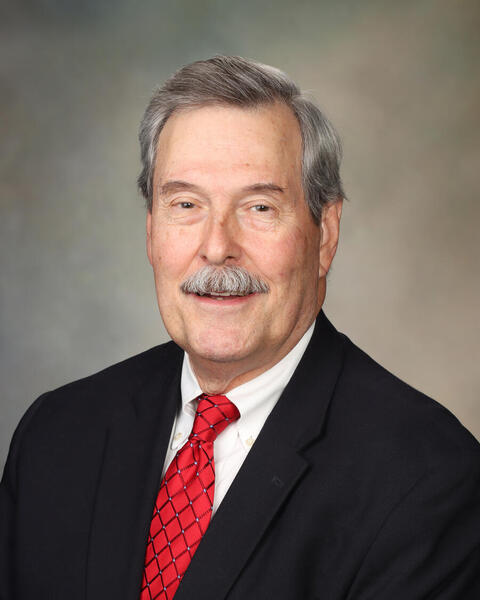
Mark R. Pittelkow is a Professor of Dermatology at the Mayo Clinic, holding a primary appointment as a Consultant in the Department of Dermatology. He completed his MD at Mayo Medical School and advanced training through Mayo Graduate School of Medicine and Northwestern University. His research focuses on cutaneous lymphomas, photoprotection, and skin cancer, with leadership roles in international guidelines (ISCL/EORTC). He contributes to clinical trials, medical education, and interdisciplinary research through affiliations like the Mayo Clinic Comprehensive Cancer Center and Regenerative Biotherapeutics. Education: MD (Mayo Medical School), MS (Biological Sciences, Northwestern), BA (Northwestern University). Research spans cutaneous lymphoma classification, immunology, and translational dermatology. Notable publications address staging systems for mycosis fungoides/Sezary syndrome and photoprotection strategies. His work integrates clinical practice with molecular mechanisms, such as JAK inhibitor responses in lichen planus. Labs/Teams: Collaborates with Mayo Clinic Cancer Center and interdisciplinary groups in immunotherapy and regenerative medicine. Supervises clinical trials and postdoctoral training programs.
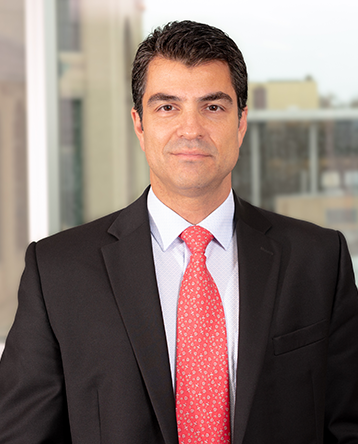
Burak Ozdoganlar is a Ver Planck Endowed Chair Professor of Mechanical Engineering at Carnegie Mellon University (CMU) and Associate Director of the Engineering Research Accelerator. He holds courtesy faculty positions in Biomedical Engineering and Materials Science and Engineering. Ozdoganlar earned his Ph.D. in Mechanical Engineering from the University of Michigan (1999), M.S. degrees from Ohio State University (1993, 1995), and a B.S. in Aeronautical Engineering from Istanbul Technical University (1991). Ph.D., Mechanical Engineering, University of Michigan (1999) MS, Mechanical Engineering, Ohio State University (1995) MS, Aeronautical and Astronautical Engineering, Ohio State University (1993) BS, Aeronautical Engineering, Istanbul Technical University (1991) Ozdoganlar’s research focuses on multi-scale manufacturing processes (macro/micro/nano), precision engineering , structural dynamics , and modal testing , with applications in biomedical device fabrication , microneedle arrays , soft electronics , and 3D ice printing for vascular networks. His work bridges computational modeling with experimental validation. Recent scientific awards include the 2023 AIMBE College of Fellows induction, ASME Fellow (2019), and NSF CAREER Award (2006). He served as interim CTO of the Advanced Robotics for Manufacturing (ARM) Institute and chaired the ASME-MED Manufacturing Equipment Technical Committee. Ozdoganlar leads projects in scalable manufacturing for implantable medical devices , bioelectric medicine , and wearable robotics . His lab develops 3D ice-printed vascular templates for tissue engineering and liquid metal circuits for soft electronics, funded by institutions like the Manufacturing Futures Institute and ARPA-H.
Karl Griswold is a Professor of Engineering at Dartmouth College's Thayer School of Engineering, where he leads the Griswold Research Group focused on protein engineering and biotherapeutics development. His interdisciplinary work spans chemical, biological, and engineering disciplines to address critical challenges in drug-resistant infections and protein therapeutics. Education: BS in Chemistry from Southwest Texas State University (1995) PhD in Chemistry from the University of Texas at Austin (2005) Research Focus: Professor Griswold's laboratory specializes in protein engineering, directed evolution, and biotherapeutics development , creating novel biomolecules with superior functionality compared to natural proteins. The group develops high-throughput screening methods, protein deimmunization strategies, enhanced expression systems, and antibacterial agents targeting drug-resistant infections. Their work has significant translational potential for treating conditions like MRSA and Pseudomonas aeruginosa infections. Scientific Recognition: Wallace H. Coulter Foundation Early Career Translational Research Award in Biomedical Engineering (2008) NIH Biotechnology Training Grant (2000-2003) Royston M. Roberts - Regents Fellowship, University of Texas (1999) DOW Chemical Foundation Scholar, Texas State University (1991-1995) Senior Fellow, National Academy of Inventors Research Leadership: As co-founder and CEO of Stealth Biologics, Professor Griswold translates academic research into commercial applications. His work has secured NIH funding and Dartmouth Innovations Accelerator support, with research featured in Chemical & Engineering News, Vermont Public Radio, and the New Hampshire Union Leader for developing alternatives to traditional antibiotics. Research Environment: The Griswold Research Group maintains extensive collaborations across disciplines including clinical medicine, immunology, structural biology, and chemical engineering. This interdisciplinary approach prepares trainees for careers at the intersection of multiple scientific fields, with research focusing on Biomolecular Antimicrobial Therapies, Deimmunizing Protein Therapeutics, and Gene Library Construction Technologies.
Dr. Paula Gonzalez-Figueroa is a Research Fellow at the Clinical Hub for Interventional Research (CHOIR) in the College of Health and Medicine at The Australian National University (ANU). She holds a PhD in Medical Sciences from ANU and completed postdoctoral research at the John Curtin School of Medical Research (ANU) and the Francis Crick Institute (UK). Her research focuses on immunology, autoimmunity, allergy, and clinical translation. Education: PhD in Medical Sciences (ANU), Biotechnology degree. Research Interests: Regulatory T cells, germinal centers, B cell biology, neuritin-based therapies, preclinical drug testing, and early-phase clinical trials. Affiliations: CHOIR (Researcher), Polizzotto Group, Genome Sciences and Cancer Division. Her work includes developing a neuritin-based biotherapeutic for allergies and autoimmune diseases, and leading preclinical/Phase I clinical programs for hematological cancers. She has contributed to studies on Tfr cell regulation, IgE responses, and germinal center dynamics. Publications span immunology, molecular biology, and translational research, with notable contributions to Nature Immunology , Cell , and Journal of Experimental Medicine .
Matthias Barz is a Professor of Biotherapeutic Delivery at the Leiden Academic Centre for Drug Research (LACDR) , Faculty of Science , Leiden University . He leads the Barz Lab , focusing on polymer science and biomedical applications of functional nanoparticles. Professor of Biotherapeutic Delivery (Leiden University) Head of the Division of BioTherapeutics Researcher in reactive polymer systems and nanocarrier design His research bridges polymer chemistry with biomedical applications, emphasizing polypept(o)ide-based nanocarriers for targeted drug delivery in cancer, inflammation, and neurodegenerative diseases. Key areas include: Stimuli-responsive polymer architectures Secondary structure-driven self-assembly Core-crosslinked micelles for controlled cargo release Redox-sensitive disulfide bonds for intracellular delivery Protein-repellent nanoparticle shells Riboflavin-functionalized nanocarriers for tumor targeting The lab's publications highlight advancements in polysarcosine-containing copolymers , orthogonal functional group utilization , and modular nanoparticle platforms with precise control over morphology and function. Current projects explore the clinical translation of these systems for immunotherapy and diagnostics. Scientific recognition includes: Dozentenpreis des Fonds der Chemischen Industrie (2018) PMSE Young Investigator Award (2018) Nachwuchswissenschaftlerstipendium der GDCh (2017) His team trains graduate students in polymer synthesis, nanoparticle characterization, and biomedical application testing. Collaborations span institutions like the University of Tokyo and Johannes Gutenberg University Mainz , with ongoing projects under the SFB 1066 initiative for malignant melanoma immunotherapy.
University of North Carolina at Chapel HillUnited States
Juliane Nguyen, PhD, is a Professor in the Department of Pharmacoengineering and Molecular Pharmaceutics at the UNC Eshelman School of Pharmacy, University of North Carolina at Chapel Hill. She serves as Vice Chair and Director of Graduate Admissions in her department and holds an adjunct appointment as Professor of Biomedical Engineering. Dr. Nguyen is also a member of the UNC Lineberger Comprehensive Cancer Center, where she applies molecular engineering approaches to develop innovative therapeutic solutions. Dr. Nguyen's research focuses on molecular engineering to advance protein-based therapeutics, live biotherapeutics (including engineered probiotic yeast), and extracellular vesicles. Her lab develops cutting-edge technologies to treat diverse conditions including cancer, myocardial infarction, chemotherapy-induced cardiotoxicity, and inflammatory bowel diseases. Her interdisciplinary approach integrates molecular engineering, pharmaceutical sciences, and bioinformatics to create complex biologics with exceptional safety and efficacy profiles. Key research areas include developing therapeutics for cardiac repair, genetically encoded materials targeting tumor-associated macrophages, live biotherapeutics for inflammatory bowel diseases using engineered probiotic yeast, and auxetic patches for dynamic organ repair. Analysis of Dr. Nguyen's recent publications reveals a strong focus on translational research with significant contributions to cardiac repair technologies, cancer immunotherapy, inflammatory bowel disease treatments, and advanced biomaterials. Her work consistently bridges fundamental molecular engineering with clinical applications, particularly in the areas of targeted drug delivery, extracellular vesicle therapeutics, and engineered live biotherapeutics. The research demonstrates a clear trajectory toward developing clinically viable solutions for previously challenging medical conditions. Dr. Nguyen has received numerous prestigious awards and honors including the NSF CAREER Award (2018), Eshelman Innovation Award (2020), and recognition as a Fellow of the Controlled Release Society (2023). She was appointed as a Standing Member of the NIH Drug and Biologic Therapeutic Delivery Study Section (2023-2025) and serves as Executive Editor of Advanced Drug Delivery Reviews since 2021. Her Galenus Guest Professorship at ETH Zuerich (2024) and keynotes at major conferences highlight her international recognition in the field. As Director of Graduate Admissions and an active mentor, Dr. Nguyen has advised numerous PhD and Master's students who have co-authored significant publications with her. Her research is supported by competitive grants including the NSF CAREER Award and other NIH-funded projects. The Nguyen Lab maintains strong collaborations across disciplines, particularly with cardiology, oncology, and biomedical engineering researchers. She leads an interdisciplinary team focused on translating molecular engineering breakthroughs into clinically impactful therapies. The Nguyen Lab operates as a dynamic, interdisciplinary research environment combining expertise in molecular engineering, pharmaceutical sciences, and bioinformatics. The lab's mission is to revolutionize medicine by developing next-generation therapeutics that target diseases at the molecular level. Current projects focus on translating cutting-edge research into life-changing therapies for patients suffering from cancer, myocardial infarction, colitis, and other challenging conditions. The lab's innovative approach to biomolecular engineering positions it at the forefront of developing safe, effective, and personalized therapeutic solutions.
Parisa Hosseinzadeh is an Assistant Professor in the Department of Bioengineering at the University of Oregon. Her research focuses on computational protein design and structure-guided rational protein/peptide engineering, with applications in enzyme design, biosensors, and biomedical solutions. She holds a B.Sc. from the University of Tehran, a Ph.D. from the University of Illinois (advisor: Yi Lu), and a postdoc at the University of Washington in David Baker's lab. Her lab emphasizes interdisciplinary approaches at the intersection of computer science, chemistry, and biology, prioritizing diversity and inclusion in STEM. Key projects include designing cyclic peptides as enzyme inhibitors, developing methods for tuning redox potentials in metalloproteins, and creating tools to combat biomedical challenges. Lab members include postdocs, graduate students (e.g., Noora Azadvari, Andrew Powers), and undergraduates. Notable achievements include NSF grants, the Baxter Foundation Award, and the Hans Horse Meyer Award. The lab also emphasizes mentorship, collaborative culture, and outreach initiatives.
Mayo Clinic College of Medicine and ScienceUnited States
Dr. Richard E. Hayden is a Professor in the Department of Otolaryngology-Head and Neck Surgery at Mayo Clinic College of Medicine and Science, Mayo Clinic, Phoenix, Arizona. He holds leadership roles as Associate Dean at Mayo Clinic School of Health Sciences and Education Director at the Mayo Clinic Center for Regenerative Biotherapeutics. His clinical and academic work centers on head and neck oncology, reconstructive surgery, and regenerative medicine. Dr. Hayden earned his MDCM from McGill University in 1974 and completed fellowships in Head and Neck Surgery-Oncology at M.D. Anderson Hospital and Radiation Oncology at Princess Margaret Hospital. He also holds advanced training in facial plastic surgery. His research spans head and neck cancer, microvascular and reconstructive surgery, transoral laser microsurgery, and regenerative medicine. He has pioneered techniques in flap reconstruction and contributed significantly to understanding postoperative outcomes and surgical innovations. His work emphasizes oncologic safety, functional preservation, and minimally invasive approaches. His recent publications (2018–2024) reflect a strong focus on transoral surgery, flap reconstruction (including submental and free flaps), mucosal-sparing radiation, and regenerative medicine education. Themes include surgical outcomes, reconstructive innovation, and interdisciplinary training in emerging therapies like CAR-T cells and regenerative healthcare. Dean's Award, Mayo Clinic Graduate School of Biomedical Sciences (2022) Distinguished Educator Award, Mayo Clinic Arizona (2016) Distinguished Service Award, American Academy of Otolaryngology - Head and Neck Surgery (2006) Honorary Member, German Society of Laryngology-Head and Neck Surgery (2007) Multiple Visiting Professorships and Keynote Speaker invitations Dr. Hayden has mentored numerous trainees and led major educational initiatives, including regenerative medicine and CAR-T curricula. He has held leadership positions such as Chair of Otolaryngology (2002–2014) and active roles in national societies. His research is supported by institutional affiliations and collaborative grants, particularly in regenerative biotherapeutics. He is involved in multiple labs and teams focused on head and neck reconstruction, surgical innovation, and regenerative medicine translation.
University of Illinois Urbana-ChampaignUnited States
Olga Khessina is an Associate Professor of Business Administration at the University of Illinois at Urbana-Champaign's Gies College of Business. She currently serves as Director of Graduate Studies and has held academic roles at Cornell University and Georgetown University. Her research focuses on organizational and industrial evolution, product naming strategies, market stigma, and regional identities in industries like craft beer, medical cannabis, and biotechnology. Khessina has been recognized with awards including the ISOI Best Paper Award (2025) and has advised on grants from the Gies College of Business. She teaches courses on organizational design, graduate research methods, and organizational behavior. Education Ph.D., Business Administration, University of California at Berkeley, 2003 M.A., Sociology, Columbia University, 1998 Specialist, Sociology, Moscow State University, 1995 Research Interests Khessina explores how organizational identities and naming strategies influence market dynamics, particularly in controversial or emerging industries. Her work examines stigma reduction in medical cannabis markets, the role of emotional branding in craft beer, and the impact of political polarization on industry legitimacy. She also investigates regional industrial clusters and their cultural embeddedness, such as the co-evolution of movie theaters and television programming industries. Awards & Grants ISOI Best Paper Award (2025) Gies Research Grant Awards (2024, 2025) Nominated for Excellence in Graduate Mentoring (2023) Advising & Service As Director of Graduate Studies, Khessina oversees doctoral training and curriculum development. She has reviewed grants and serves on editorial boards, including for Organization Science (2012–2023). Her advising focuses on balancing innovation risks and organizational survival in high-velocity markets. Labs/Teams Khessina collaborates with interdisciplinary teams on projects like Conquering the Divide (medical marijuana destigmatization) and Roadblock on the Highway to Heaven (religious effects on controversial industry clusters).
Erwin Schoof is an Associate Professor at the Department of Biotechnology and Biomedicine , Technical University of Denmark. He leads the Cell Diversity Lab and focuses on advancing proteomics and mass spectrometry technologies. Expertise in single-cell proteomics , stem cell niches , and bioinformatics . Active in myelofibrosis and leukemia research , with applications in UN Sustainable Development Goals . Research Trends from 2025–2024 include: Machine learning-driven peptide sequencing (InstaNovo, InstaNexus). Single-cell resolution tools for mapping hematopoietic stem cells and tumor microenvironments . Biomarker discovery in chronic diseases and respiratory conditions . Supervision : Mentors multiple PhD students on single-cell proteomics , omics data analysis , and biotherapeutic production . Labs & Collaborations : Collaborates with international teams on plasma proteomics , 3D bioengineering , and advanced mass spectrometry workflows .
Dr. Jonathan Bones is an Associate Professor in the School of Chemical and Bioprocess Engineering at University College Dublin (UCD) and Principal Investigator of the Characterisation and Comparability Group at NIBRT. His research focuses on analytical methods for biopharmaceuticals, including liquid chromatography-mass spectrometry (LC-MS) for protein characterization, glycomics, and process optimization. He holds a BSc and PhD in Analytical Chemistry from Dublin City University. His work has been recognized through inclusion in the Medicine Maker Power List. He leads a team of 18 researchers, supported by SFI, EI, and industry partnerships. Education: BSc in Analytical Science (Chemistry), Dublin City University PhD in Analytical Chemistry, Dublin City University Research Interests: Development of advanced LC-MS platforms for glycomics, proteomics, and bioprocess analysis. Key areas include: Quantitative proteomics/metabolomics for bioprocess monitoring Liquid phase separations for complex bioanalysis Process analytical technology (PAT) His group collaborates with ThermoFisher Scientific on analytical workflows for biopharmaceutical characterization. Articles Trends: Recent work emphasizes analytical methods for AAV vector characterization, biosimilar comparability via MAM/iMAM, and process clearance of excipients. Over 126 publications highlight his contributions to biopharmaceutical quality control and process understanding. Awards: Medicine Maker Power List (2023): Top 100 influential scientists in biopharmaceutical manufacturing and analysis Advising & Grants: Supervises PhD students in bioprocessing and analytical chemistry Funding from Science Foundation Ireland (SFI), Enterprise Ireland (EI), and EU FP7 Industry collaborations with ThermoFisher Scientific and Bristol Myers Squibb Labs & Teams: Leads the Characterisation and Comparability Lab at NIBRT, focused on cutting-edge analytical tools for bioprocess development and product quality assurance.
Irina Brass is a Professor of Science, Technology and Regulation at University College London’s Department of Science, Technology, Engineering and Public Policy (STEaPP). Her research focuses on anticipatory and adaptive regulatory frameworks for emerging technologies, particularly IoT, AI, and advanced biotherapeutics. She leads projects like the REG-MEDTECH initiative and collaborates with government agencies, standards bodies, and interdisciplinary teams. Current Role: Professor at UCL STEaPP Leadership: Chair of BSI’s IoT/1 Technical Committee (2017-2021), member of Standards Policy and Strategy Committee (2020–) Her research spans: Regulation of connected medical devices and cybersecurity Governance of AI and algorithmic systems Standardization challenges for IoT and biotherapeutics Adaptive policy frameworks for disruptive technologies She leads the MPA in Digital Technologies and Policy and teaches courses on digital technology dilemmas and risk governance. Her accolades include the BSI Standards-Makers Award (2019) and UCL Provost’s Education Award (2020) .
University of Applied Sciences and Arts Northwestern SwitzerlandSwitzerland
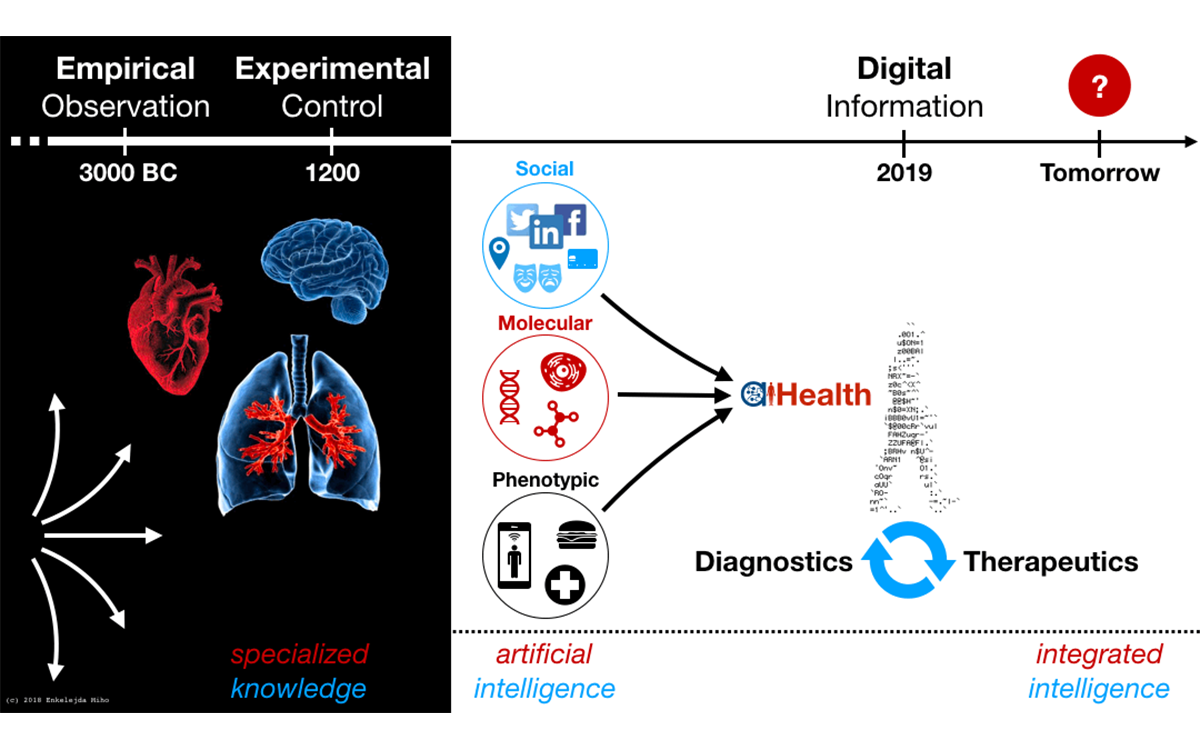
Prof. Enkelejda Miho is a Professor of Digital Life Sciences at the School of Life Sciences, FHNW, leading the aiHealthLab. Her work bridges computer science/AI with life sciences, focusing on drug discovery, personalized medicine, and immunology. She holds roles as Team Leader at aiHealthLab and Group Leader at the Swiss Bioinformatics Institute. Research Interests : She applies machine learning to analyze immune repertoires, antibody engineering, and autoimmunity diagnostics. Her lab develops computational tools like the RWD-Cockpit for real-world data analysis and synthetic antibody-antigen models (Absolut!) to advance biotherapeutics. Her work on dengue immunity and monoclonal gammopathies highlights translational applications. Key Projects : The aiHealthLab focuses on AI-driven diagnostics and therapeutics. Her contributions include AI frameworks for antibody specificity prediction, age-related immune repertoire changes, and large-scale network analysis of antibody repertoires. Labs/Teams : Leads aiHealthLab and collaborates with the Swiss Bioinformatics Institute, integrating computational and experimental immunology.
Assoc. Prof. Paul Leonard is an Associate Professor in Biotherapeutics at Dublin City University (DCU), leading the Biomedical Innovation Group (BIG) within the School of Biotechnology. His research focuses on biomolecular interaction analysis, single-cell technologies, and biologics discovery, addressing challenges in oncology, cardiovascular disease, and infectious disease diagnostics. He has 20+ years of academic and industry experience, co-founding Remedy Biologics Ltd and securing over €15M in funding. His entrepreneurial roles include CSO/CTO, Lean Six Sigma process improvements, and advisory work for life sciences companies. Research interests span high-throughput antibody discovery, immunoassay development, and environmental sensing. He collaborates with academia and industry, including projects like AquaBioSens for aquatic pollutant detection. His lab employs multidisciplinary teams and holds patents in biotechnology. Paul also serves as an external examiner for Technical University Dublin’s Biomedical Diagnostics program. Key achievements include technology spin-outs, patent filings, and leadership in EU-funded projects. His work bridges academic innovation with commercial applications, emphasizing rapid diagnostic tools and therapeutic advancements.
Amit Sachdeva is an Associate Professor of Bio-Organic Chemistry at the University of East Anglia (UEA), where he leads the School of Chemistry, Pharmacy and Pharmacology's Department of Chemistry. He serves as Director of Postgraduate Research in Chemistry, overseeing doctoral training and academic strategy. His research focuses on Chemical Biology and Synthetic Biology, with a specific emphasis on expanding genetic code capabilities to engineer novel proteins for biomedical applications. Dr. Sachdeva completed his PhD at the University of Illinois at Urbana-Champaign, investigating DNA-based enzymes, followed by postdoctoral work at the MRC Laboratory of Molecular Biology in Cambridge. His current work includes developing light-responsive antibodies for targeted therapies and ultrafast viral diagnostics. Notable achievements include pioneering photoactive antibody fragments and securing patents (e.g., WO-2020193981-A1) for light-controlled antigen binding. Key Projects: Designing cancer biotherapeutics (Leverhulme Trust), fluorescent switches for SARS-CoV-2 detection (Royal Society of Chemistry), and biomolecular wire development (Engineering and Physical Sciences Research Council). Grants: Over £5M from institutions like The Big C Appeal and Wellcome Trust. Research Interests: Genetic code expansion, protein engineering, non-natural amino acids, and their applications in diagnostics/therapeutics. His work contributes to UN Sustainable Development Goals, particularly in health and innovation. Publications: Over 25 peer-reviewed articles in top journals like Nature Chemical Biology , Angewandte Chemie , and Nature Reviews Chemistry , with several highly cited contributions (e.g., 99th percentile in 2023).