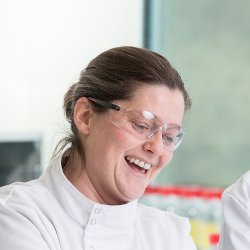
Dr Alison Cottell is a Senior Lecturer in Microbiology at the University of Surrey's School of Biosciences, part of the Faculty of Health and Medical Sciences. She serves as Programme Director for the Biomedical Science BSc programme. Her expertise spans clinical bacteriology, focusing on nosocomial infection control and bacterial resistance mechanisms. Education: BSc (Hons), MSc, PhD in Microbiology Professional Affiliations: Fellow of the Institute of Biomedical Science (FIBMS), Fellow of the Higher Education Academy (FHEA), Fellow of the Royal Society of Biology (FRBS) Research emphasizes antibiotic-biocide cross-resistance and hospital-acquired infection prevention. Teaches on Biochemistry and Biological Sciences programmes. Previously worked in healthcare as a Biomedical Scientist and lecturer at Manchester Metropolitan University.
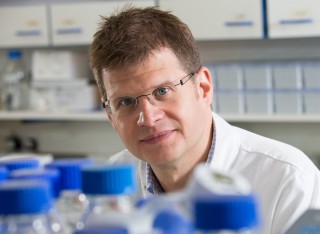
Professor Heather Gage is a Professor of Health Economics at the University of Surrey, affiliated with the School of Biosciences within the Faculty of Health and Medical Sciences. She serves as Director of the Surrey Health Economics Centre, leading applied health and social care projects funded by entities such as the NHS, EU, industry, and voluntary sector. She has held visiting roles at the Boston University School of Public Health and the US Veterans Healthcare Administration’s Centre for Health Quality, Outcomes and Economic Research. Her education includes a BA (Hons) in Economics and an MSc in Urban and Regional Planning Studies from the University of Reading, followed by a PhD in Health Services Research from the University of Surrey. Her research focuses on health service delivery, with an emphasis on evaluative studies, outcomes measurement, and cost-effectiveness analyses. Key interests include dementia care coordination, palliative interventions, healthcare access for marginalized populations (e.g., homeless individuals), and workforce management in long-term care settings. Her work often employs realist evaluations and mixed-methods approaches to assess service models and interventions. Recent studies explore first contact physiotherapy, nurse staffing thresholds in care homes, and hepatitis C elimination strategies for vulnerable groups. She has also contributed to understanding psychological health challenges among healthcare workers through the Care Under Pressure 2 synthesis. Professor Gage has no listed scientific awards. Her advising and grant activities span NHS-funded projects, EU initiatives, and collaborations with industry and charities, focused on improving healthcare delivery through evidence-based interventions. She leads the Health and Social Care Economics theme for the NIHR Applied Research Collaboration Kent, Surrey, Sussex. She is affiliated with the Surrey Health Economics Centre and has contributed to interdisciplinary teams addressing issues like hospice at home services, medication management in older adults, and remote monitoring technologies for neurological conditions such as Parkinson’s disease.
Dr. Ivan Kiskin is a Lecturer in AI for Multimodal Health Monitoring at the University of Surrey's Surrey Institute for People-Centred Artificial Intelligence (PAI), affiliated with the School of Biosciences. He holds a PhD in Machine Learning for Acoustic Mosquito Detection from the University of Oxford (2020) and a first-class MEng in Engineering Science (2015). His research focuses on machine learning for audio/signal processing, Bayesian deep learning, and AI applications in health monitoring. He leads the HumBug project, developing smartphone-based mosquito detection systems funded by the Bill and Melinda Gates Foundation. His work combines bioacoustic signal analysis with community-driven data collection strategies, particularly in malaria-prone regions. Key contributions include the HumBugDB dataset, few-shot learning frameworks for bioacoustic event detection, and evaluations of AI systems in pandemic response. He collaborates with the Centre for Vision, Speech and Signal Processing (CVSSP) and co-supervises PhD students in AI-driven health applications.
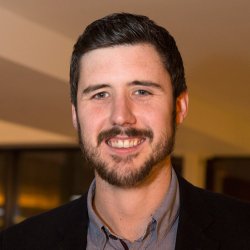
Professor Carlos Maluquer de Motes is a Professor of Virology at the University of Surrey, UK, leading the Maluquer Lab within the Department of Microbial Sciences, School of Biosciences. His research focuses on understanding host responses to viral infections and virus-host interactions using proteomics, transcriptomics, and systems biology approaches. He holds a PhD in Virology from the University of Barcelona and completed postdoctoral training at the University of Pennsylvania (with Claude Krummenacher and Gary Cohen), Imperial College London, and the University of Cambridge (with Geoffrey Smith). Since 2014, he has led an independent research group funded by UK research councils and private foundations. Collaborations include work with Prof. Greg Towers at University College London. His lab investigates viral pathogenesis, antiviral strategies, and emerging infectious diseases such as mpox. Notable contributions include warnings on mpox's global threat potential and participation in a £2M monkeypox research consortium. Teaching responsibilities include modules like BMS2085, BMS3074, BMS3113, and MMVM001. Supervised postgraduate students include Preetam Parija (2021–2024), Alasdair Hood (2020–2023), Isobel Stokes (2020–2023), and Sian Lant (2019–2023). Labs/Teams: Maluquer Lab (University of Surrey), focusing on interdisciplinary virology research with global health implications.
Bernadette Egan is a Senior Research Fellow at the University of Surrey, affiliated with the School of Psychology and School of Biosciences. She holds dual roles as Deputy Chair of the University of Surrey Ethics Committee and Deputy Lead for the NIHR Applied Research Collaboration Kent Surrey & Sussex (ARC KSS). Her academic journey began with a BSc (1st Class Honours in Biochemistry) and PhD from University College Cork (UCC). Research interests span food microbiology, antimicrobial research, consumer behavior in health contexts, and research ethics. She has contributed to projects funded by the Food Standards Agency and EU, including web-based systems for natural antimicrobials. Her recent work focuses on improving research ethics frameworks and supporting early-career researchers. Bernadette was the Academic Lead at the NIHR Research Design Service South East until its closure in 2024 and previously served as its Deputy Director. She holds the Daphne Jackson Fellowship (2000-2002) in biomedical sciences. Her professional activities emphasize translational research and interdisciplinary health initiatives.
Matthew Glover is a Senior Research Fellow in Health Economics at the University of Surrey, part-time, affiliated with the School of Biosciences and the Surrey Health Economics Centre (SHEC). He holds a BA (Hons) in Economics from Durham University, an MSc in Health Economics from the University of York, and a PhD from Brunel University London, where his doctoral work focused on the role of economic modeling in health technology and research impact assessment. His research interests center on methods and applications of economic evaluation, health technology assessment, decision analytic modeling, and cost-effectiveness analysis of clinical trials across diverse therapeutic areas, including care home interventions, diabetes prevention, and oncology. Dr. Glover’s work emphasizes translating research into practical healthcare solutions, particularly through collaborations with industry and policy stakeholders. He has contributed to high-impact projects such as the PROTECT-CH trial evaluating prophylactic treatments for COVID-19 in care homes and the iHealth-T2D study addressing diabetes prevention in South Asian populations. His methodological expertise spans discrete event simulation, cost-effectiveness modeling, and realist evaluation approaches to assess healthcare quality improvement initiatives. Key areas of focus include optimizing nurse staffing in long-term care facilities, analyzing the economic implications of abdominal aortic aneurysm screening programs, and evaluating interventions in emergency medical services. His interdisciplinary approach bridges clinical research, health economics, and policy, aiming to enhance healthcare resource allocation and patient outcomes. Education: BA (Hons) in Economics, University of Durham MSc in Health Economics, University of York PhD in Health Economics, Brunel University London Key Research Themes: Health Technology Assessment Decision Modeling and Simulation Clinical Trial Cost-Effectiveness Analysis Care Home and Long-term Care Research Resource Allocation in Healthcare Labs/Teams: Surrey Health Economics Centre (SHEC) Collaborations with Health Economics Research Group (HERG), Brunel University
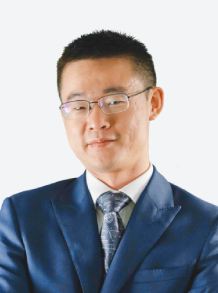
Dr. Steven Xiaotian Dai is a Lecturer in Cyber-Physical Systems at the Department of Computer Science, University of York, UK. He leads the ReFLEX Lab and is affiliated with the Real-Time and Distributed Systems Group. His research focuses on real-time scheduling, digital twins, and safety assurance in autonomous systems, with applications in aerospace, robotics, and avionics. He holds a PhD from the University of York (2019, Best Thesis Award) and has contributed to prestigious projects like SCHEME (Innovate UK) and MOCHA (Huawei). Dr. Dai’s academic qualifications include a PhD in Real-Time Systems (York), MSc in Control Systems (Sheffield), and BSc in Automatic Control (Nanjing). His research grants include £2.2M from Innovate UK for SCHEME and £985K from Huawei for MOCHA. He actively serves on program committees for leading conferences like RTSS and RTAS. His research interests encompass real-time scheduling on multi-cores, timing assurance for CPS, and hardware-software co-design. Collaborations span industries and academia globally, addressing challenges in safety-critical systems. Dr. Dai supervises multiple PhD and MSc students, emphasizing adaptive scheduling, digital twins, and robotics. He is a member of IEEE CS, IEEE RAS, and ACM SIGBED, and his work has been published in over 30 peer-reviewed articles. The ReFLEX Lab explores cutting-edge topics like routerless network-on-chip optimization and ROS 2 executor timing analysis.
Professor Ros John is the Director of Research and Academic Team Leader at the School of Biosciences, Cardiff University. Her research focuses on optimizing pregnancy outcomes through addressing prenatal adversity, leveraging cohort data (The Grown in Wales Study) and experimental systems. She investigates how maternal mental health, psychosocial factors, and endocrinological processes influence fetal development and lifelong health risks. Key research domains include epigenetics, animal developmental biology, and perinatal mental health. Her work highlights underfunded areas in pregnancy research, noting the £5.8 billion annual NHS cost versus minimal research investment. Recent studies explore links between maternal depression and infant behavior, seasonal birth patterns and mental health risks, and dietary impacts on fetal growth. Supervision opportunities for postgraduate students are available through her research group. Professor John’s affiliations include Cardiff University’s Sir Martin Evans Building, and she maintains external profiles on LinkedIn, ResearchGate, and Twitter. Her interdisciplinary approach spans biomedical sciences, neuroscience, and psychosocial studies.
Jeff Coller is the Bloomberg Distinguished Professor of RNA Biology and Therapeutics at Johns Hopkins University. His primary affiliation is with the Whiting School of Engineering and the Johns Hopkins School of Medicine, within the Department of Biomedical Engineering. He holds a PhD in Cellular and Molecular Biology from the University of Wisconsin and completed postdoctoral training at the Howard Hughes Medical Institute, University of Arizona. Previously, he was Director of the RNA Center at Case Western Reserve University and held the Henry Willson Payne Distinguished Professorship. Research Focus: Coller's lab investigates mRNA stability and translation, particularly how mRNA sequence features like codon optimality influence gene expression. His work bridges fundamental biology and translational medicine, with a focus on RNA-based therapies. He co-founded Tevard Biosciences and WyveRNA Therapeutics, which focus on RNA therapeutics. His research has been cited over 6,000 times and led to several patents in RNA-based therapies. Education: PhD in Cellular and Molecular Biology, University of Wisconsin; Postdoc at HHMI, University of Arizona Labs/Teams: Coller Lab (Johns Hopkins University) Grants/Funding: Not explicitly detailed, but implied via patent activity and industry partnerships Key Contributions: Demonstrated that mRNA sequence features directly influence stability and translation efficiency. Pioneered understanding of codon optimality's role in mRNA fate. Co-developed novel RNA-based therapeutics.
Dr. Peter Facchini is a Professor of Biological Sciences at the University of Calgary researching plant specialized metabolism. His work on benzylisoquinoline alkaloid biosynthesis in opium poppy has created new platforms for producing pharmaceuticals. He co-founded multiple biotechnology companies including Willow Biosciences and Enveric Biosciences. Research highlights: Elucidation of morphine biosynthetic pathway Development of non-hallucinogenic neurotherapeutics Metabolic engineering of medicinal compounds
Michael Dietrich is a Professor and Chair of the Department of History and Philosophy of Science at the University of Pittsburgh. His work focuses on the history and philosophy of biology, particularly scientific controversies, genetic drift, and molecular evolution. He has held academic positions at Dartmouth College and the University of California, Davis, and has been affiliated with institutions such as the Marine Biological Laboratory and Arizona State University. Education: Ph.D. in Philosophy from the University of California, San Diego (1991), B.A. in Philosophy and Biology from Virginia Tech (1985). Research Interests: Dietrich explores the drivers of innovation in science, including the role of outsiders and diversity in biological research. His key themes include the history of genetic drift, Richard Goldschmidt’s work on hopeful monsters, and the formation of developmental biology as a field. His research integrates historical analysis with philosophical inquiry into scientific methods and ethics. Notable Works: Dietrich has authored/co-authored books such as Nature Remade (2021) and Survival of the Luckiest (in review), and edited volumes on the historiography of biology. His articles span topics from molecular evolution to the philosophy of scientific controversy. Labs/Teams: Collaborates with interdisciplinary teams on projects like rephotographing Ernest Wilson’s botanical expeditions and studying the legacy of Richard Goldschmidt. Engaged with the Center for Philosophy of Science and the World History Center at Pitt.
Chad A. Shaw is a Professor at Baylor College of Medicine and a Joint Professor of Statistics at Rice University. He serves as Director of the D2K Laboratory at Rice, and holds additional roles including Investigator at the Jan and Dan Duncan Neurological Research Institute and Faculty Member at the Baylor College of Medicine’s STaR Center and Quantitative & Computational Biosciences program. His expertise spans statistical genomics, bioinformatics, and molecular genetics. Education: BS in Mathematics (Duke University, 1995); PhD in Statistics (Rice University, 2001). Research Interests: Focuses on statistical methods for genomics, including next-generation sequencing analysis, structural variation studies, and clinical exome sequencing. Key contributions include probabilistic models for mutation transmission in human genetic diseases, copy-number variation analysis, and functionalization of genetic variants. His work bridges computational statistics with clinical applications, addressing challenges in rare disease diagnostics and Mendelian disorder modifiers. Publications: Over 200 peer-reviewed articles, including foundational studies on recurrence risk in genetic disorders and mechanisms of structural variation. Recent work emphasizes Bayesian modeling in sequencing assays, CNV-driven genetic diseases, and prenatal genomic analysis. Awards/Grants: No explicit awards mentioned, but his research has been cited ~17,000 times. Active in grant-funded projects across computational and clinical genomics. Advising: Trained 5 PhD students and advised over 10 others, with students contributing to areas like high-dimensional regression and software tools for variant prioritization. Labs/Teams: Leads the D2K Laboratory at Rice, fostering interdisciplinary research in data science and computational biology.
Dr. Beatrice Cobucci-Ponzano is a Senior Researcher at the Institute of Biosciences and BioResources (IBBR) of the National Research Council of Italy (CNR), Naples Division. She leads research on enzyme biochemistry, particularly focusing on carbohydrate-active enzymes (CAZymes), glycosidases, and their applications in biorefineries, green chemistry, and human disease therapeutics. She is the National Coordinator for the IBISBA-IT research infrastructure and a member of the steering committee of the Italian Society of Astrobiology. Her research interests span enzyme structure-function relationships , metagenomics of extreme environments , pharmacological chaperones for lysosomal storage diseases , and translational recoding in Archaea . She investigates extremophilic enzymes for industrial applications and explores the flexibility of the genetic code in relation to the limits of life, contributing to astrobiology. Her work integrates biochemistry, molecular biology, and structural biology. The most recent publications reflect a strong trend in extremozyme discovery , biorefinery applications , glycosynthase engineering , and structural insights into human enzymes like acid alpha-glucosidase for Pompe disease. Her studies often combine omics technologies with functional characterization to bridge sequence data with biological function. Pharmacological Enhancement of α-Glucosidase by the Allosteric Chaperone N-acetylcysteine (2012) Structure of human lysosomal acid alpha-glucosidase - a guide for the treatment of Pompe disease (2017) Ten years of CAZypedia: a living encyclopedia of carbohydrate-active enzymes (2018) Dr. Cobucci-Ponzano has been involved in advising through collaborative research and mentoring within funded projects. She has contributed to patents on pharmacological chaperones and has participated in national and EU-funded grants such as IBISBA 1.0, PREP-IBISBA, Bioindustry 4.0, and ITINERIS under the PNRR. Her lab is part of the European Research Infrastructure IBISBA-EU and the national astrobiology network IAI-ASTROBIOLab, fostering interdisciplinary collaboration in biotechnology and space life sciences.
Michele Bellucci serves as a Senior Researcher at the Institute of Biosciences and BioResources (IBBR), part of Italy's National Research Council (CNR), based at the Perugia branch. His research spans plant biotechnology with particular expertise in plastid engineering, molecular farming, and plant secretory pathways. Dr. Bellucci earned his degree (1992) and PhD (2003) from the University of Perugia. His career at CNR began with fellowships at the Istituto di Ricerche sul Miglioramento Genetico delle Piante Foraggere (1995-1999), followed by positions as Technician (1999-2006), Researcher (2006-2020), and Senior Researcher (2020-present) at the Institute of Plant Genetics, which became IBBR in 2013. His primary research focuses on plastid biotechnology, where he has developed protocols for tobacco plastid transformation to accumulate recombinant proteins in chloroplasts, later extending this to sugar beet. He investigates non-food crops through molecular farming, expressing human enzymes and protein bioplastics in plants. His work on hop (Humulus lupulus L.) genetics examines genetic diversity in wild Central Italian populations. A significant portion of his research explores secretory protein traffic to the endoplasmic reticulum or vacuole, where he demonstrated the existence of protein quality control pathways in the ER for degradation directed to plant vacuoles. Dr. Bellucci's publication record demonstrates expertise across multiple disciplines including CRISPR-Cas9 genome editing in polyploid crops like alfalfa, hybridization barriers in cleistogamous legumes such as Vicia ervilia, and the molecular mechanisms of apomixis in Paspalum species. His recent work (2021-2024) shows particular strength in protein biopolymer development, plant-based expression systems, and the intersection of plant developmental biology with agricultural applications. He maintains extensive collaborations with the University of Perugia and other Italian research institutions, contributing to both fundamental plant science and practical agricultural biotechnology applications. His work bridges basic research on plant cellular processes with potential applications in sustainable biomaterial production and crop improvement.
Vincenzo D’Amelia is a Researcher at the Institute of Biosciences and BioResources (IBBR-CNR), National Research Council of Italy, based in the Portici division. He is affiliated with the Department of Agricultural Sciences – Division of Plant Genetics and Biotechnology at the University of Naples Federico II, where he has held various research roles including Principal Investigator and Postdoctoral researcher. Education: PhD in Agrobiology and Agrochemistry, University of Naples Federico II (2016) Master Degree in Science and Technology for Agricultural Production, Summa cum laude (2012) Bachelor Degree in Agricultural Sciences, Summa cum laude (2009) His research focuses on the molecular regulation of plant metabolites , especially anthocyanins , with applications in crop improvement , functional foods , and human health . He employs genetic, omic, and biotechnological tools to understand how plants respond to environmental stresses and how their natural biodiversity can be exploited for enhanced bioactive compound production. His recent publications highlight a strong trend in plant secondary metabolism , particularly in potato and tobacco , with emphasis on genetic engineering for anthocyanin stabilization, stress tolerance mechanisms , and gene network analysis in cold-adapted species. His work bridges fundamental plant science with practical applications in agriculture and nutrition. Scientific Awards: No formal awards listed in the provided text. Dr. D’Amelia has served as Principal Investigator on the ExPoPe project funded by UNINA-Star Line 1, aimed at enhancing potato phenolic content for plant protection and human health. He has also contributed as a reviewer on Publons and participated in international research exchanges with institutions in the USA, UK, and Spain. These collaborations reflect his active engagement in the global plant science community. He has been involved with research teams at the University of Naples Federico II, John Innes Centre (UK), North Carolina State University (USA), and the Centre for Plant Biotechnology and Genomics (Spain). His work is conducted within collaborative labs focused on plant genetics, metabolic engineering, and functional genomics.