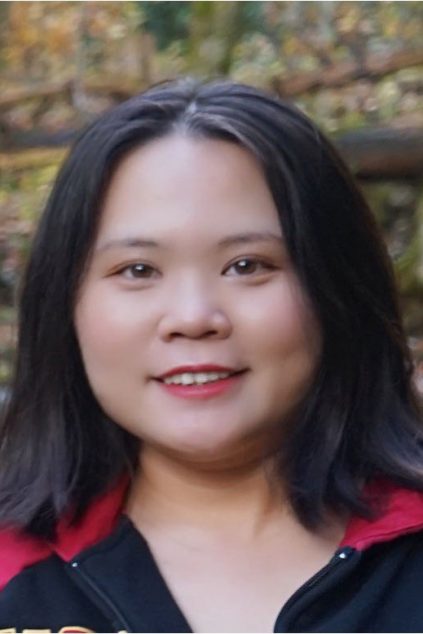
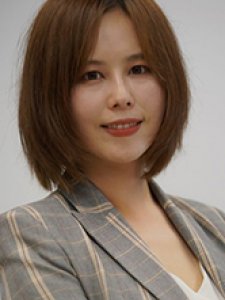
Dr. Qing Jin is an Assistant Professor of Food Science at the School of Food and Agriculture, College of Natural Sciences, Forestry and Agriculture, University of Maine. Her research focuses on economically-viable and environmentally-friendly food system innovation, with emphasis on value-added utilization of food waste and by-products through advanced processing technologies. Education: Ph.D. (2020) from Virginia Tech She teaches courses on food engineering principles (FSN 485), food engineering lab (FSN 486), food preservation (FSN 502), and co-teaches an advanced graduate seminar (AVS 633/FSN 671). Supported by the Maine Agricultural and Forest Experiment Station, her current Hatch project (ME022423) explores sustainable food industry solutions through biorefinery approaches. Her work spans food waste valorization, biofuels, bioproducts, and techno-economic analysis. Recent publications highlight her expertise in dietary fiber modification, fermentation optimization, biochar development, and polyphenol extraction from agricultural waste streams. She actively seeks undergraduate and graduate research assistants for her lab. Contact: qing.jin@maine.edu | Office: 109 Hitchner Hall | Phone: 207-581-1687
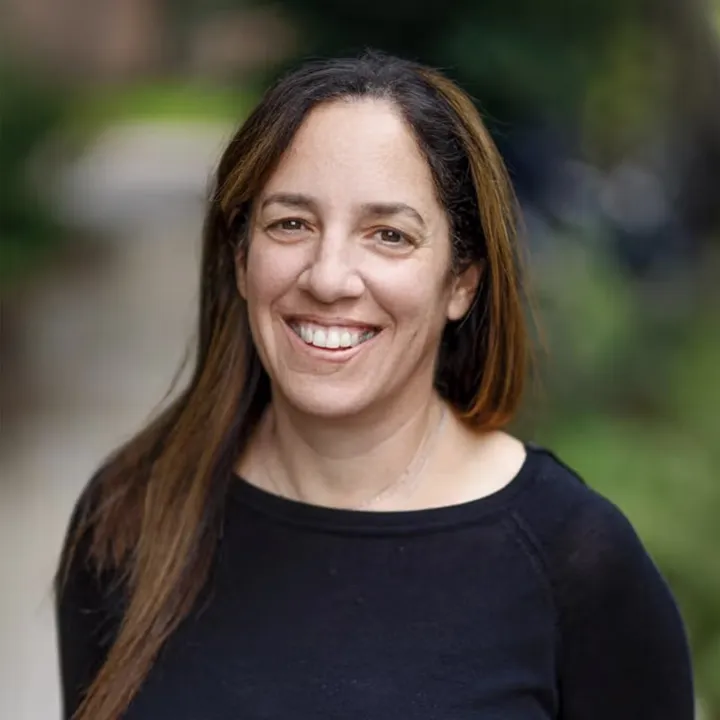
Julie Zimmerman is the Senior Associate Dean of Academic Affairs at the Yale School of the Environment and a Professor in both the Department of Chemical & Environmental Engineering at the Yale School of Engineering and Applied Science and the School of the Environment . She also holds an appointment in Epidemiology (Environmental Health Sciences) and serves as Deputy Director of the Center for Green Chemistry and Green Engineering at Yale. Additionally, she is the Editor-in-Chief of Environmental Science & Technology , a premier journal in the environmental sciences. Ph.D., University of Michigan at Ann Arbor B.S., University of Virginia Her research is centered on green chemistry and green engineering , with a focus on designing sustainable products, processes, and systems. Key areas include developing water treatment technologies for inorganic contaminants using nanomaterials like chitosan-metal composites, advancing integrated biorefineries using supercritical fluid technologies, and promoting the design of safer chemicals and nanomaterials . Her work integrates life cycle assessment, policy analysis, and industrial ecology to address sustainability challenges. Her recent publications reflect a strong trend toward emerging environmental health issues , particularly the chemical composition and health implications of e-cigarettes and novel tobacco products . She also publishes on circular economy modeling, nanomaterial synthesis , and environmental policy . Her editorial leadership further amplifies her influence in shaping the direction of environmental science research. Elected Member, National Academy of Engineering, 2025 Fellow, Royal Society of Chemistry, 2015 Elected Member, Connecticut Academy of Science and Engineering, 2015 Walter L. Huber Civil Engineering Research Prize, ASCE, 2012 Multiple EPA Medals for Commendable Service University of Michigan Distinguished Dissertation Award, 2004 Dr. Zimmerman advises a large group of PhD students and postdoctoral researchers , many of whom have gone on to academic and leadership positions. Her lab is supported by major grants from the National Science Foundation (NSF) , National Institutes of Health (NIH) , and other agencies, including the NSF Nanosystems Engineering Research Center for Nanotechnology Enabled Water Treatment (NEWT) and the Yale Tobacco Center of Regulatory Science. Her lab, the Zimmerman Lab , fosters interdisciplinary research at the intersection of engineering, chemistry, and public policy.
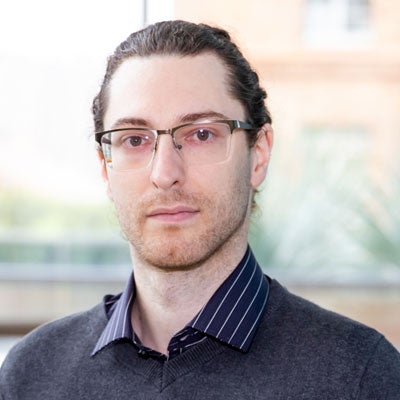
Ross Thyer is an Assistant Professor in the Department of Chemical and Biomolecular Engineering at Rice University. He holds a BSc (Hons) from the University of Western Australia and a PhD from the Harry Perkins Institute of Medical Research under Drs. Rackham and Filipovska. His postdoctoral training at the University of Texas at Austin with Prof. Andrew Ellington focused on engineered biosynthesis pathways and non-canonical amino acids. He co-founded GRO Biosciences, a Boston-based biotech startup, and leads the Thyer Lab at Rice. His research bridges synthetic biology, protein engineering, and molecular programming to address global challenges. Key areas include expanding genetic codes for therapeutics, engineering biosynthetic pathways via genetic circuitry, and developing microbial systems for environmental bioremediation. Core technologies include deep learning for protein design, modular DNA assembly, and high-throughput selections. The lab also develops tools like MutCompute for enzyme engineering and domesticates non-model bacteria for bioproduction. His work emphasizes technology innovation, with recent advances in selenocysteine incorporation, L-DOPA sensing systems, and actinobacteria toolkits. The Thyer Lab actively collaborates on biocatalyst development and translational applications in healthcare and industry.
Dr. Ryan Ziels is an Associate Professor in the Department of Civil Engineering at the University of British Columbia's Faculty of Applied Science. His research focuses on sustainable biological wastewater treatment and resource recovery through advanced microbial biotechnologies, with affiliations to the BioProducts Institute and Clean Energy Research Centre. Education: PhD and MSE in Civil and Environmental Engineering, University of Washington BS in Environmental Resources Engineering, Humboldt State University Research Focus: Ziels pioneers microbial ecology studies in engineered waste treatment systems, employing multi-omics approaches to optimize anaerobic digestion for biomethane production and biological nutrient removal. His work targets recovery of water, nutrients, and bioenergy while enhancing human and environmental health through microbial community engineering. Publication Trends: Recent publications (2022-2025) reveal intensified focus on metaproteomics for syntrophic metabolism characterization, high-throughput sequencing for microbial community analysis, and wastewater-based epidemiology for pathogen surveillance. His research increasingly integrates ethical frameworks for public health applications while advancing fundamental understanding of microbial processes in anaerobic systems. Academic Engagement: Ziels teaches core courses including Fundamentals of Environmental Engineering (CIVL 204), Environmental Lab Analysis (CIVL 407), and Environmental Biotechnology (CIVL 569). He supervises graduate students in Civil Engineering and Genome Science and Technology programs through UBC's Graduate and Postdoctoral Studies, directing the EMBERr Lab for microbiome engineering research.
Dr. Seung-gu Lee is a Principal Scientist and Director of the Synthetic Biology Institute at the Korea Research Institute of Bioscience and Biotechnology (KRIBB). He holds a Ph.D. in Biotechnology from KAIST and serves as the President of the Korean Society of Enzyme Engineering. His leadership extends to multiple national research initiatives focused on advancing synthetic biology infrastructure and applications. Dr. Lee is a leading expert in genetic circuits and enzyme engineering for synthetic biology. He pioneered the development of GESS (Genic Enzyme Screening System/Circuits) technology, which enables ultra-high-speed screening of trace enzyme activities at the single-cell level. His research focuses on applying intelligent genetic circuits to biosensors, metabolic control, and bioprocess development. He is actively integrating AI-based automated workflows with synthetic biology to revolutionize the speed and scale of biological research. His work spans multiple disciplines including enzyme engineering, genetic circuit design, metabolic engineering, and biofoundry development. Dr. Lee currently leads several major research initiatives including the Korea-North America Biofoundry Collaboration Global Joint Research Center, the development of core technologies for advanced synthetic biology, and the establishment of biofoundry infrastructure. His research team at KRIBB works at the intersection of synthetic biology, enzyme engineering, and AI-based automation to develop next-generation bio-manufacturing platforms. The lab has made significant contributions to genetic circuit design, biosensor development, and plastic biodegradation technologies.
Rui Shi is an Assistant Professor in the Department of Chemical Engineering at Pennsylvania State University. Her research focuses on sustainability engineering at the intersection of natural and engineered systems, prioritizing sustainable pathways for transportation fuels, bioproducts, agricultural systems, and food-energy-water systems through integrated sustainability analyses. She develops frameworks for quantitative sustainable design (QSD) and system-level environmental impact assessments to navigate technical, economic, and environmental trade-offs. Her work has led to advancements in plastic recycling via cold sintering technology, biofuel lifecycle assessments, and frameworks for sustainable aviation fuels. Notable projects include assessments of renewable jet fuels in the U.S. Northern Great Plains, cold sintering of LLZO-based composites, and quantifying uncertainties in greenhouse gas abatement costs. Shi has secured grants such as the $3.4M contract for plastic waste solutions and IEE seed grants for interdisciplinary sustainability research. Shi collaborates on global low-carbon transition initiatives and integrates computational tools like BioSTEAM-LCA for agile biorefinery modeling. Her research spans from fundamental material science (e.g., repurposing polyolefin waste) to policy-relevant analyses of land use change and bioenergy systems. She contributes to the Integrated Energy Systems and Water Sustainability research themes at Penn State's Institutes of Energy and the Environment.
Dominik Roeser is a Professor and Associate Dean of Research Forests & Community Outreach at the University of British Columbia's Faculty of Forestry, Department of Forest Resources Management. With over 21 years of experience in forest research and innovation, he has built a comprehensive forest operations research program since joining UBC in 2018, following his tenure as Senior Director at FPInnovations where he managed multidisciplinary teams focused on improving forest sector competitiveness and wildfire management solutions in Western Canada. Professor Roeser's research interests center on sustainable forest management and the bioeconomy, with specific expertise in forest bioproduction, supply chain design, steep slope harvesting, and biomass operations. His work through the Forest Action Lab applies diverse research methods including productivity studies, field trials, and modeling to address sustainability challenges across different operational environments. His research portfolio spans sustainable forest biomass utilization, harvesting in difficult terrain, innovative forest planning tools, operational productivity, carbon management, and community sustainability impacts from reforestation. His publication record shows a strong focus on practical applications of forest science, with recent work emphasizing wildfire management, remote sensing technologies for precision forestry, biomass energy systems, and the socio-ecological dimensions of forest management. His research increasingly integrates advanced technologies like LiDAR and drone-based systems with traditional forest operations to address contemporary challenges in sustainable forest management. Roeser has received the Recognition Award from the Canadian Forest Service (2017) for his contributions to forest science and innovation. His work demonstrates significant impact on both academic understanding and practical implementation of sustainable forest operations across North America and Europe. As an educator, Professor Roeser teaches several key courses including FOPR 264 Introduction to Forest Operations, FOPR 362 Harvesting systems and forest access, FOPR 464 Operational planning and management, and FRST 452 Coastal field school. He considers educating the next generation of forestry professionals one of his passions, bridging theoretical knowledge with practical industry applications. The Forest Action Lab, led by Professor Roeser, represents a multidisciplinary research hub applying diverse methodologies to address forestry stakeholders' needs across British Columbia, Canada, and globally. The lab's work connects academic research with industry implementation, focusing on practical solutions for sustainable forest utilization in varied operational environments.
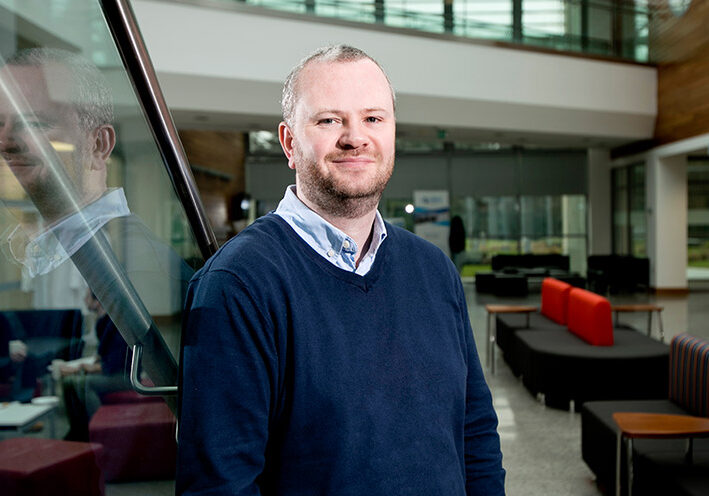
Dr. Jonathan Bones is an Associate Professor in the School of Chemical and Bioprocess Engineering at University College Dublin (UCD) and Principal Investigator of the Characterisation and Comparability Group at NIBRT. His research focuses on analytical methods for biopharmaceuticals, including liquid chromatography-mass spectrometry (LC-MS) for protein characterization, glycomics, and process optimization. He holds a BSc and PhD in Analytical Chemistry from Dublin City University. His work has been recognized through inclusion in the Medicine Maker Power List. He leads a team of 18 researchers, supported by SFI, EI, and industry partnerships. Education: BSc in Analytical Science (Chemistry), Dublin City University PhD in Analytical Chemistry, Dublin City University Research Interests: Development of advanced LC-MS platforms for glycomics, proteomics, and bioprocess analysis. Key areas include: Quantitative proteomics/metabolomics for bioprocess monitoring Liquid phase separations for complex bioanalysis Process analytical technology (PAT) His group collaborates with ThermoFisher Scientific on analytical workflows for biopharmaceutical characterization. Articles Trends: Recent work emphasizes analytical methods for AAV vector characterization, biosimilar comparability via MAM/iMAM, and process clearance of excipients. Over 126 publications highlight his contributions to biopharmaceutical quality control and process understanding. Awards: Medicine Maker Power List (2023): Top 100 influential scientists in biopharmaceutical manufacturing and analysis Advising & Grants: Supervises PhD students in bioprocessing and analytical chemistry Funding from Science Foundation Ireland (SFI), Enterprise Ireland (EI), and EU FP7 Industry collaborations with ThermoFisher Scientific and Bristol Myers Squibb Labs & Teams: Leads the Characterisation and Comparability Lab at NIBRT, focused on cutting-edge analytical tools for bioprocess development and product quality assurance.
Leila Deravi is an Associate Professor of Chemistry and Chemical Biology at Northeastern University's College of Science, affiliated with the Barnett Institute of Chemical and Biological Analysis and the Institute for Chemical Imaging of Living Systems. Her research focuses on biomaterials design, particularly protein-based systems inspired by biological mechanisms in cephalopods and extracellular matrices. She leads the Biomaterials Design Group, which explores applications ranging from tissue engineering to wearable electronics. Her work integrates bioanalytical chemistry, materials science, and design, with projects including cephalopod pigment studies for sunscreen development and bionic material fabrication using additive manufacturing. She has secured significant grants, including an NSF award and U.S. Army funding, and co-founded Seaspire Skincare, leveraging marine biotechnology. Key Research Themes: Bio-inspired materials, cephalopod pigmentation, biomedical textiles, and sustainable cosmetics Notable Collaborations: Cross-disciplinary projects with engineering, biology, and entrepreneurship Innovation: Development of UV-sensing devices and eco-friendly skincare products Deravi's educational contributions include innovative chemistry courses where students design cosmetics, bridging theory and practical application. Her lab's work frequently appears in media discussions on skincare trends and environmental chemistry advancements.
Dr. Richard Venditti is the Elis-Signe Olsson Professor of Pulp and Paper Science and Technology at North Carolina State University's Department of Forest Biomaterials, College of Natural Resources. He specializes in sustainable bioproducts, recycling technologies, and environmental life cycle analysis (LCA). His research focuses on transforming renewable plant-based resources into eco-friendly materials, addressing challenges like microfiber pollution and decarbonization in the paper industry. Education: PhD in Chemical Engineering, Princeton University (1994) B.S. in Pulp and Paper Technology and Chemical Engineering, NC State University (1988) Research Interests: Biodegradation of materials, fiber processing innovations, LCA of bioproducts, and upcycling waste into high-value products. Dr. Venditti leads high-impact projects, including a USDA-funded initiative to educate diverse students in bioproduct industries and a multi-organization study on microplastic fate in the environment. He has authored over 200 peer-reviewed publications and holds patents in sustainable technologies. Grants & Funding: Key projects include a $2.75M USDA program, a $2.99M NSF grant for eco-manufacturing of soft electronics, and a $1.64M DOE project on AI-driven municipal waste analysis. Awards & Recognition: TAPPI Fellow (2012), Fulbright Specialist (2009), and ACAAGS Advocacy Award (2010) for promoting diversity in graduate education. He directs the Pulp and Paper Workshop (co-sponsored by TAPPI) and teaches courses like Environmental LCA and Unit Operations. His lab explores innovations in dewatering, biomass valorization, and textile waste upcycling.
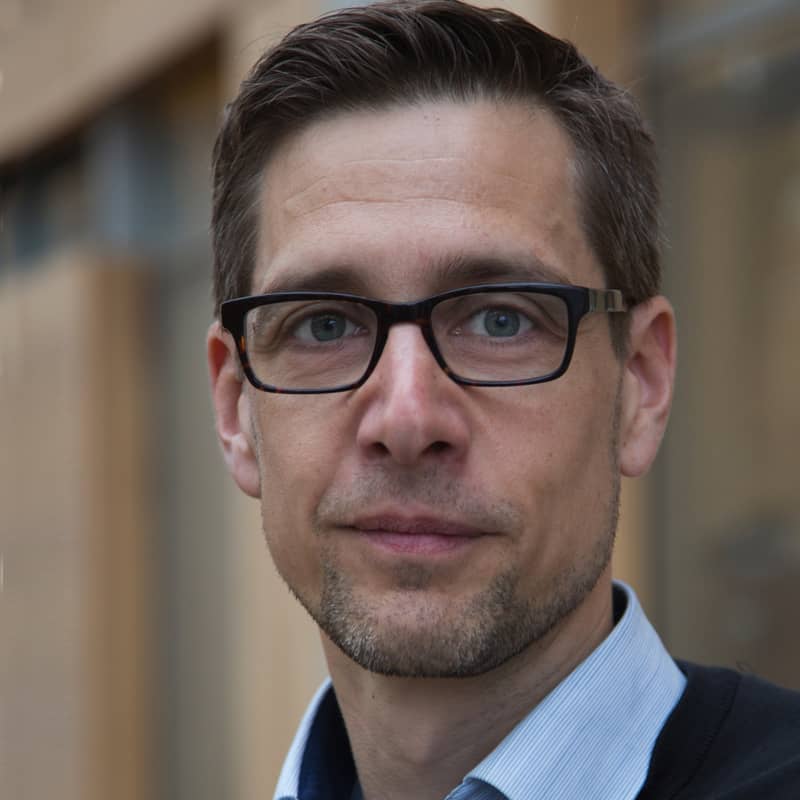
Brian Ingalls is a Professor in the Department of Applied Mathematics and cross-appointed to Biology at the University of Waterloo. His research applies mathematical and control-theoretic approaches to biological systems, including genetic regulatory networks, microbial communities, and cellular metabolism. Institutional Affiliation: Faculty of Mathematics, University of Waterloo Contact: bingalls@uwaterloo.ca His work focuses on systems biology and synthetic biology , particularly sensitivity analysis of biochemical networks, optimal experimental design, and mathematical modeling of cellular processes. Research funding comes from NSERC and CIHR . Notable contributions include the textbook Mathematical Modeling in Systems Biology (MIT Press, 2013) and the Ingalls Quantitative Cell Biology Lab , which investigates intracellular and intercellular network dynamics through computational and experimental methods. Key Collaborations: iGEM Waterloo, Chemical Engineering, and international synthetic biology networks Advising: Mentored 15+ graduate students and postdocs across applied math, biology, and engineering fields
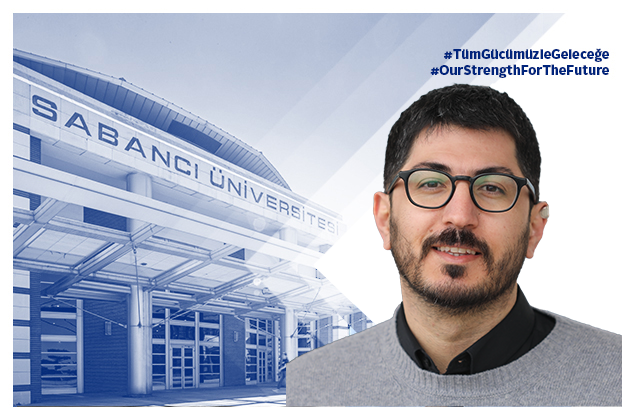
Dr. Morteza Ghorbani is a researcher and faculty member at Sabancı University's Faculty of Engineering and Natural Sciences (FENS), specializing in fluid mechanics and environmental engineering. He leads the AquaCav project, a collaborative effort with Oxford Brookes University, focused on developing sustainable water treatment solutions using hydrodynamic and acoustic cavitation. His research addresses global challenges such as PFAS pollution and wastewater management, with applications in biomedical devices and energy-efficient technologies. Key collaborations include projects funded by the International Science Partnership Fund (ISPF), leveraging his expertise in microfluidic systems and cavitation dynamics. Dr. Ghorbani's work combines experimental and numerical methods to optimize cavitation-based processes for environmental and biomedical applications. His contributions span from fundamental fluid dynamics studies to applied technologies like flexible cystoscopes and clot-on-a-chip platforms. Scientific achievements include the ISPF Research Collaboration Grant (2024) and advancements in PFAS removal, graphene exfoliation, and microalgae cultivation. His research group at Sabancı University explores interdisciplinary solutions at the intersection of engineering, nanotechnology, and sustainability.
Amol Patil is a Research Engineer at the Institute for Frontier Materials (IFM), Deakin University, Australia. He holds an MTech in Textiles from IIT Delhi and a PhD in Textiles from Deakin University. His career spans industrial experience in Quality Assurance, R&D, and Product Development, followed by academic research focused on dyeing and finishing of textiles , environmental impact of textiles , and sustainable chemistry in fibre manufacturing . A key collaborator in industrial projects, he works on fibre-to-fibre recycling and microplastic pollution mitigation in laundry processes. Education: MTech (IIT Delhi), PhD (Deakin University) Affiliation: Institute for Frontier Materials, Deakin University Collaborations: ARC Research Hub for Functional and Sustainable Fibres, HeiQ-Marine Bioproducts (MBCRC) Research Trends The 15 most recent articles highlight his expertise in conductive polymers applied to cotton and polyester textiles, with implications for EMI shielding , gas sensing transducers , and smart materials . Topics include durable antimicrobial finishes , superhydrophobic treatments , and atmospheric aging resistance in textiles. His work bridges chemical engineering and environmental sustainability, particularly in reducing water usage and microplastic release during laundry.
Dr. Tim Overton is a Reader in Microbial Biotechnology at the University of Birmingham's School of Chemical Engineering and a member of the Institute of Microbiology and Infection. With a focus on microbial physiology, his research addresses critical challenges in biofilm formation, antimicrobial resistance (AMR), and industrial bioproduction of pharmaceuticals and bioproducts. He is actively involved in academic leadership as Postgraduate Taught Director and contributes to biological safety committees. PhD in Biochemistry (2003), University of Birmingham PGCert in Learning & Teaching in Higher Education (2012) His research integrates multidisciplinary approaches with industry collaborations, particularly in: Understanding AMR regulation through energy metabolism and biofilm interactions Developing vibration-based biofilm prevention strategies Optimizing recombinant protein production and probiotic formulations Recent publications highlight innovations in: Protein-centric mass spectrometry for environmental monitoring Biomanufacturing platforms for bacterial magnetosomes Temperature-controlled chromatography systems for protein purification Scientific recognition includes: Fellow of the Royal Society of Biology (2023) He serves on UKRI and EPSRC review panels, chairs international conferences, and acts as examiner for PhD theses. His work aligns with UN Sustainable Development Goals for environmental and health impact.
Adjunct Professor Robert Speight holds a position at Queensland University of Technology (QUT) within the Faculty of Science, School of Biology & Environmental Science. His primary role is Director of CSIRO's Advanced Engineering Biology Future Science Platform. He focuses on microbial biotechnology, enzyme engineering, and industrial biotechnology applications. His research spans protein engineering, microbial production systems, and biocatalyst development for industrial processes. Education: BSc (Chemistry) from Imperial College London (1996) PhD in Biochemistry from the University of Cambridge (2000) Research Interests: Enzyme optimization for industrial applications Microbial protein production systems Biocatalytic processes for chemical manufacturing Biorefinery development and techno-economic assessments Synthetic biology for future foods and sustainable bioproduction Grants & Projects: Lead investigator for the $6.5M Queensland Sustainable Aviation Fuel Initiative ARC Centre of Excellence in Synthetic Biology (2020–present) Biorefineries for Profit Phase 2 (RnD4Profit 2019) Collaborations: Works with industry partners and academic groups, including the ARC Centre of Excellence in Synthetic Biology and the Centre for Agriculture and Bioeconomy at QUT. Affiliations: President of Synthetic Biology Australasia CSIRO Director of Advanced Engineering Biology Future Science Platform Labs/Teams: Maintains collaborations in enzyme engineering and microbial systems through QUT’s adjunct role and CSIRO leadership.