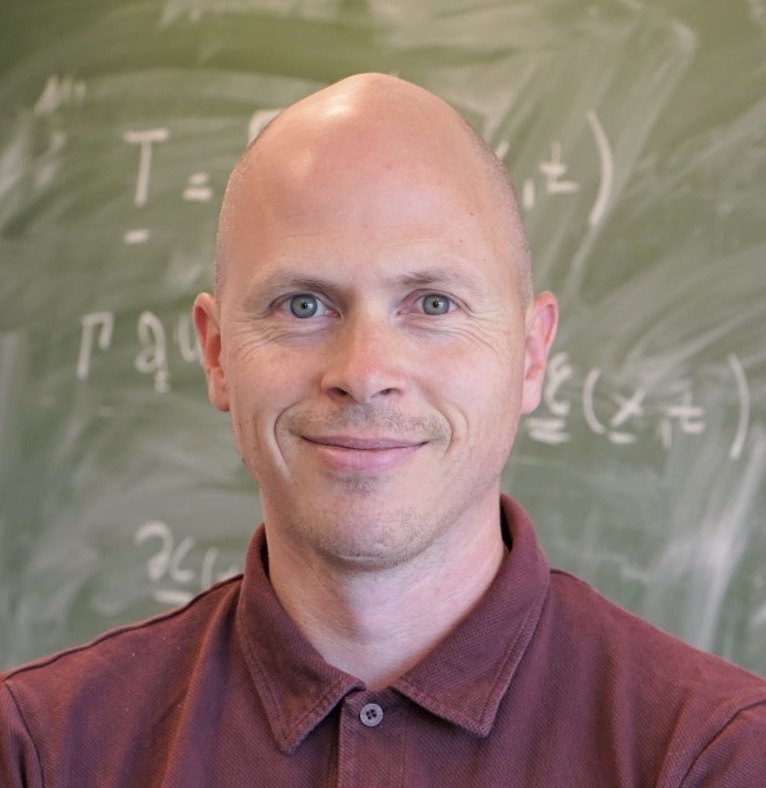
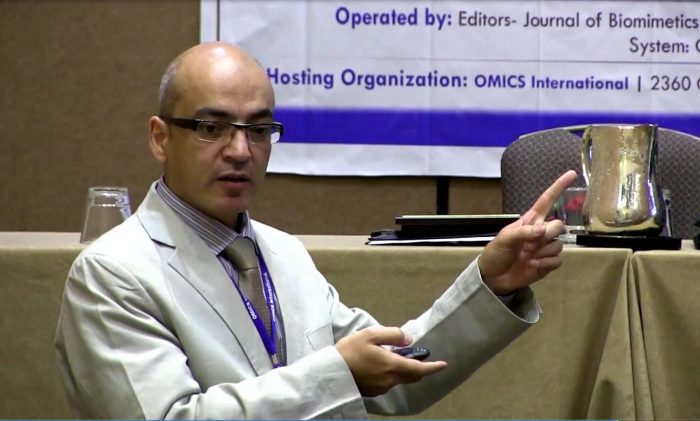
Kanwarpal Singh serves as Group Leader and Head of the Microendoscopy Research Group at the Max Planck Institute for the Science of Light (MPL) in Erlangen, Germany. His research focuses on developing and applying advanced optical imaging techniques, particularly Optical Coherence Tomography (OCT) and related technologies, for biomedical applications. As part of the Max Planck Society, one of Germany's premier research organizations, his work bridges fundamental optical physics with clinical medicine. Dr. Singh's research interests center on biomedical optics and imaging, with particular expertise in endoscopic OCT, optical elastography, and polarization-sensitive imaging techniques. His work spans from developing novel optical systems and probes to applying these technologies in clinical settings for disease diagnosis and monitoring. Key areas include gastrointestinal imaging, dermatological applications, and neurological tissue characterization. His research demonstrates a consistent trajectory from fundamental optical engineering to translational medical applications, with particular emphasis on improving imaging depth, resolution, speed, and clinical usability. Analysis of Dr. Singh's recent publications (2021-2025) reveals a strong focus on overcoming technical limitations in biomedical imaging. His work addresses critical challenges including motion artifacts in in vivo measurements, depth of focus limitations, polarization sensitivity issues, and the development of portable, clinically practical systems. The research shows increasing clinical relevance, with applications spanning inflammatory bowel disease monitoring, esophageal tissue analysis, skin biomechanics, and central nervous system regeneration studies. Dr. Singh leads the Microendoscopy Research Group within the MPL's research structure. While specific lab details aren't provided in the text, his numerous publications describing novel probe designs and imaging systems suggest an active laboratory focused on optical system development, with strong connections to clinical collaborators for in vivo and patient studies. His research appears to involve both theoretical modeling and practical implementation of optical technologies.