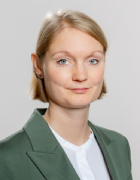
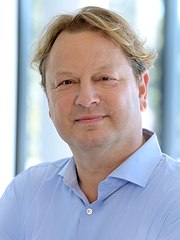
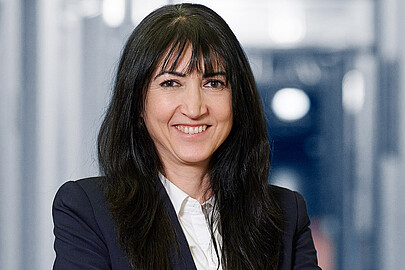
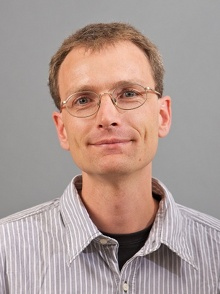
Prof. Veronika Somoza is a leading academic in Nutritional Systems Biology, currently affiliated with the University of Vienna and Technical University of Munich (TUM). She holds a professorship in Molecular Food Science and has led key research groups such as the Institute of Physiological Chemistry and the Christian Doppler Laboratory for Bioactive Aromatics. Her career includes roles at institutions like the German Research Institute for Food Chemistry (Garching) and the University of Wisconsin-Madison. Education: Diplom (Justus Liebig University Giessen, 1991), PhD (University of Vienna, 1995), Habilitation (Kiel University, 2002) Research Focus: Bioactive food compounds, flavor chemistry, taste receptor signaling, and gastrointestinal physiology Her work bridges food science and human health, particularly in understanding how food ingredients influence digestion, inflammation, and disease. Notable contributions include discoveries on bitter peptide effects on gastric acid secretion and flavor perception modulation. Awards: FEMA Excellence in Flavor Science (2016), ACS AGFD Fellow (2020), Hans Adolf Krebs Prize (2004) Prof. Somoza has pioneered methodologies in atomic force microscopy for foodborne virus detection and developed bitterness-masking compounds for pharmaceuticals. Her interdisciplinary approach integrates nanobiophysics with nutrition to advance functional food design and clinical applications.
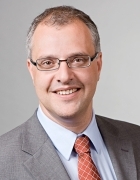
Prof. Dr. Stefan Luther is a Max Planck Research Group leader (W2, tenured since 2013) at the Max Planck Institute for Dynamics and Self-Organization, Göttingen, and an Honorarprofessor at the Faculty of Physics, University of Göttingen. He holds adjunct roles as Adjunct Associate Professor at Cornell University (2009–2012) and Northeastern University (2016–2018), and serves as DZHK-Professor at the Institute of Pharmacology and Toxicology, University Medical Center Göttingen. His research focuses on nonlinear spatiotemporal dynamics in excitable biological media, particularly cardiac arrhythmias. He pioneered 4D imaging of heart function and developed algorithms for optogenetic and electrical control of arrhythmias. Translational efforts span basic research to preclinical and clinical studies. Education includes a Diplom in Physics (1997) and PhD (2000) from Georg-August-University, Göttingen. Postdoctoral training followed at the University of Twente (2001–2004) and Cornell University’s LASSP (2004–2006). His lab, the Biomedical Physics group, explores electromechanical coupling in cardiac systems and develops novel therapeutic approaches. Collaborations include work on computational modeling, uncertainty quantification in dynamical systems, and fluid dynamics of multiphase flows.
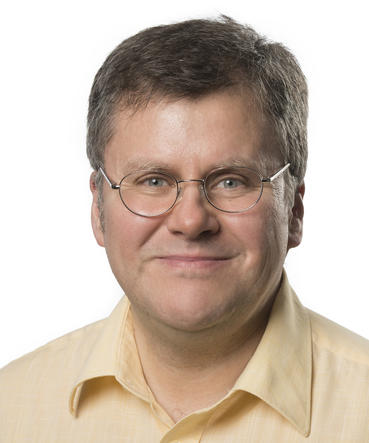
Nasir M. Rajpoot is a Professor in the Department of Computer Science at the University of Warwick, UK. His research focuses on computational pathology, medical image analysis, and deep learning applications in histology. He leads interdisciplinary projects integrating artificial intelligence with healthcare, particularly in cancer diagnostics and pathology workflows. Rajpoot’s work emphasizes developing robust algorithms for histology image analysis, including nuclear segmentation, tumor classification, and domain generalization in computational pathology. His contributions include the TIAToolbox, an open-source framework for tissue image analytics, and the CoNIC Challenge to advance nuclear detection and counting in histology images. He collaborates with clinicians and biologists to translate AI models into clinical practice, addressing challenges like tumor heterogeneity and staining variability. Rajpoot’s research spans colorectal, lung, and oral cancers, with a focus on predicting clinical outcomes via histological features and genomic data integration. Notable projects include the development of Handcrafted Histological Transformer (H2T) for unsupervised representations of whole slide images and the SAFRON framework for histology image synthesis. His work addresses domain adaptation, robustness evaluation, and explainability in AI-driven pathology systems.
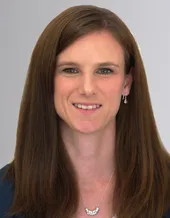
Katy Börner is a Professor affiliated with Indiana University, Bloomington, USA. Her research focuses on data visualization, scientometrics, and the science of science, with contributions to tools like Network Workbench (NWB) and Sci2. She leads interdisciplinary projects such as the Human Reference Atlas and explores visualization literacy in education and public health. Her work spans virtual reality applications, biomedical knowledge networks, and AI-driven scientific discovery. Key research interests include mapping scientific collaboration networks, analyzing scholarly publications, and developing visualization frameworks for big data. She collaborates widely with institutions like NIH and VIVO, advancing open science and interdisciplinary research. Her projects often bridge computational methods with human-centric design, enhancing understanding of complex systems in health, technology, and social sciences. Publications highlight innovations in interactive visualization tools (e.g., opioid crisis research networks), data integration (Human Reference Atlas), and AI applications in biomedical research. She emphasizes translating data into actionable insights through visual analytics, impacting policy, education, and healthcare.
Prof. Friederike Ebner holds the Chair of Infection Pathogenesis at the Technical University of Munich (TUM) since 2023, within the TUM School of Life Sciences. Her research focuses on the immunobiology of parasite infections, particularly studying gastrointestinal helminths like Ascaris suum and their interactions with host immune systems to design novel intervention strategies. She also develops biomedical models for studying infectious diseases. Educational Background: Friederike Ebner earned a biotechnology degree from TU Berlin and Dongseo University (South Korea). She completed her PhD in biology at Humboldt University Berlin (2014), followed by postdoctoral research in immunology at Freie Universität Berlin, where she became an assistant professor before moving to TUM. Research Interests: Her work spans helminth-host immune dynamics, vaccine development, microbiome interactions in parasitic infections, and translational models for human diseases. Key topics include Th2/Th1 immune balance, helminth-derived immunomodulators, and xenotransplantation safety. Notable Contributions: Her recent studies address diagnostic methods for ascariasis, microbiome roles in helminth survival, and immunotherapeutic applications of parasite products. Current efforts emphasize bridging fundamental immunology with clinical and veterinary applications. Professional Activities: Prof. Ebner teaches immunology and parasite biology at TUM while maintaining active collaborations in global health and infectious disease research. She advocates for interdisciplinary approaches to address knowledge gaps in parasitology and vaccinology.
Lukas Hiendlmeier is a Researcher at the Technical University of Munich, affiliated with the Munich Institute of Biomedical Engineering (MIBE) and the Associate Professorship of Neuroelectronics led by Prof. Bernhard Wolfrum. He holds a Master of Science in Mechanical Engineering from TUM. His research focuses on advanced fabrication technologies such as 3D printing, laser micromachining, and polymer material science, with applications in neuroelectronics and biomedical devices. Hiendlmeier’s work emphasizes developing self-folding bioelectronic interfaces, flexible electrodes, and implantable neural devices for peripheral nerve interfacing. His contributions include innovations in 4D printing techniques, thermoformed materials, and origami-inspired electrode designs. He collaborates on projects involving cell manipulation, microfluidic lab-on-a-chip systems, and closed-loop neural stimulation systems. Publications span topics like self-folding bioelectronics, flexible sensor arrays, and nanorobotics, showcasing expertise in materials science and biomedical engineering. His research bridges fundamental science and translational applications, addressing challenges in neural prosthetics, wearable diagnostics, and tissue engineering. Hiendlmeier is actively involved in the neuroTUM initiative and contributes to interdisciplinary teams at TUM, focusing on advancing neurotechnology through innovative fabrication methods and biomaterials.
Prof. Andreas Bausch holds the Heinz Nixdorf Endowed Chair of Cell Biophysics at the Technical University of Munich (TUM) within the TUM School of Natural Sciences . His research focuses on cellular biophysics , particularly the mechanical properties of cytoskeletal networks and self-organization mechanisms in biological systems, with applications in biomimetic materials and organoid modeling. Research Areas : Cytoskeletal mechanics, active matter systems, organoid morphogenesis, integrin signaling, synthetic cell models Techniques : Microrheology, in vitro reconstitution, microfluidics, advanced imaging His work has produced over 100 publications in Nature, Science, PNAS , and Physical Review Letters , with recent emphasis on pancreatic cancer organoids and artificial cell membranes . Key findings include: Discovery of topological excitations governing endothelial cell ordering Elucidation of PIP2/PIP3 regulation in integrin phase separation Development of 3D patterned organoid systems for drug screening Major awards include: ERC Synergy Grant (2018) ERC Advanced Grant (2012) ERC Starting Grant (2011) Berlin-Brandenburg Academy of Sciences Prize (2014) He serves as founding director of the Center for Functional Protein Assemblies (CPA) since 2015 and teaches biomechanics , biophysics , and protein assemblies at TUM. His lab investigates both fundamental biophysical principles and their medical applications in cancer and cardiovascular systems.
Joachim Weickert is a Professor of Mathematics and Computer Science at Saarland University where he heads the Mathematical Image Analysis Group since 2001. He received his diploma and Ph.D. in mathematics from the University of Kaiserslautern (1991, 1996), and a habilitation degree in computer science from the University of Mannheim (2001). Prior to his current position, he worked as a research assistant at the University of Kaiserslautern, as a post-doctoral researcher at the universities of Utrecht and Copenhagen, and as an assistant professor at the University of Mannheim. His research focuses on image processing, computer vision, and scientific computing, with special emphasis on techniques based on partial differential equations, variational principles, wavelets, morphological and nonlocal methods, as well as neuroexplicit approaches. He has developed mathematical models and efficient numerical algorithms for image restoration, enhancement, segmentation, compression, optic flow computation, stereo reconstruction, shape from shading, and signal processing methods for tensor fields. These ideas have been successfully applied in industry, biomedical image analysis, and other fields. Analysis of his recent publications reveals a strong trend toward combining traditional PDE-based methods with modern deep learning approaches, particularly in the areas of image inpainting and compression. His work increasingly explores the connections between numerical algorithms for partial differential equations and neural network architectures, demonstrating how mathematical foundations can inform cutting-edge AI techniques while maintaining strong theoretical guarantees. Gottfried Wilhelm Leibniz Prize (2010), considered the most important research award in Germany ERC Advanced Grant (2017) for "Inpainting-based Compression of Visual Data" Elected member of Academia Europaea - The Academy of Europe Jan Koenderink Prize for Fundamental Contributions in Computer Vision (2014) Multiple DAGM Prizes and Best Paper Awards throughout his career AAIA Fellow (2021) and Highly Ranked Scholar (2024) distinctions Professor Weickert has supervised over 250 bachelor's and master's theses and initiated the Master Programme in Visual Computing at Saarland University, the first of its kind in Germany taught in English. He has established numerous interdisciplinary collaborations with colleagues from medicine, bioinformatics, pharmacy, physics, mechatronics, and mechanical engineering. As Principal Investigator for Visual Computing within the Multimodal Computing and Interaction Cluster of Excellence, and former dean of the Faculty of Mathematics and Computer Science (2008-2010), he has played a significant leadership role in advancing visual computing research and education. He heads the Mathematical Image Analysis Group, which has been at the forefront of developing mathematical methods for image analysis. The group maintains strong connections with both theoretical mathematics and practical applications, bridging the gap between fundamental research and real-world implementation across various domains including medical imaging, industrial inspection, and multimedia processing.
Kaye Morgan is a Research Fellow at Monash University's School of Physics within the Faculty of Science. She holds a Hans Fischer Fellowship at the Technische Universität München (TUM), hosted by Prof. Franz Pfeiffer. Her research focuses on phase contrast X-ray imaging (PCXI), particularly its application in biomedical research and translation to compact imaging systems for clinical use. Educated at Monash University, she earned her PhD in 2011, followed by a Discovery Early Career Researcher Award (2012–2015) from the Australian Research Council. She is also a Veski Victorian Postgraduate Research Fellow, combining her roles at Monash with visits to TUM supported by her Hans Fischer Fellowship. Her research interests include developing PCXI methods for non-invasive imaging of soft tissues, such as lung and airway dynamics, and optimizing imaging techniques to minimize radiation exposure. Key projects include assessing cystic fibrosis treatments via airway surface hydration analysis and improving X-ray source accessibility for clinical applications. Notable achievements include pioneering single-grid phase imaging techniques and contributing to high-speed imaging of biological dynamics. Her work has been recognized with awards like the 2014 Tall Poppy Young Scientist Award and the 2011 Australian Synchrotron Thesis Medal. Morgan collaborates across disciplines, working with biomedical researchers to advance imaging technologies for respiratory health. Her publications span journals like Scientific Reports, Optics Letters, and the American Journal of Respiratory and Critical Care Medicine.
Prof. Michel Clement is a Professor of Marketing & Media at the University of Hamburg Business School, holding the Chair for Marketing & Media since 2006. He previously held academic positions at the University of Passau (2005/2006) and Christian-Albrechts-University Kiel (2002–2005). His research focuses on entertainment media product management, new technologies, and donor/customer management. He has held significant administrative roles including Academic Senate Member (2013–present), Faculty Council Member (2014–present), and Director of the Research Center Media and Communication (2008–present). Education: PhD in Marketing from Christian-Albrechts-University Kiel (mentor: Prof. Sönke Albers), with a Master's in Business Administration focusing on Marketing, Innovation Management, and Psychology. Pre-academic career included management roles at Bertelsmann mediaSystems and Bertelsmann eCommerce Group, where he founded Snoopstar.com GmbH as Vice President. Research interests span digital media economics, prosocial behavior in healthcare donations, platform business models, and consumer decision-making in entertainment industries. He has contributed to understanding blood/plasma donation retention strategies, smart speaker impacts on media consumption, and pandemic-related behavioral changes. Leadership roles include supervisory board memberships at MADSACK Mediengruppe (2018–present), Studierendenwerk Hamburg (2017–present), and Universität Hamburg Marketing GmbH (2015–present). He has directed major initiatives like the Hamburg Graduate School for Media and Communication (2009–2016) and co-developed international MBA programs with Fudan University (2006–2008). Grants and collaborations include state-funded excellence initiatives and industry partnerships. His work integrates academic research with practical applications in media technology scouting, venture consulting, and digital platform governance.
Prof. Zeynep Altintas is a Full Professor (W3) at the Faculty of Engineering, Kiel University, where she holds the Chair of Bioinspired Materials and Biosensors within the Institute of Materials Science since 2022. She leads cutting-edge research at the intersection of materials science, biosensing, and computational design of functional materials for biomedical applications. Her research focuses on developing novel biosensing platforms using in silico designed functional materials for medical diagnostics, environmental monitoring, and food safety analysis. She has pioneered approaches in epitope-mediated imprinting, nanoMIP biosensors, and lab-on-a-chip sensing technologies. Her work bridges computational modeling with experimental validation to create high-affinity synthetic receptors for disease biomarkers. Prof. Altintas has received numerous prestigious accolades including the Life Outstanding Investigator Award for Women (2022), The Aventis Life Sciences Bridge Award with 100,000 euros prize money (2021), and recognition on Stanford University's Top 2% Scientists List (2021 and 2022). These awards reflect her significant contributions to advancing biosensor technology and materials science. She serves in editorial roles for high-impact journals including Biosensors and Bioelectronics (Elsevier), Scientific Reports (Nature), and Micromachines (MDPI). Her research has been supported by competitive funding including a Marie Curie Individual Fellowship (2016-2018) and various British Council travel grants. She has organized international scientific events and served on multiple conference committees. Prof. Altintas leads the Biomaterials and Biosensors Working Group at Kiel University, which is actively engaged in projects related to biomagnetic sensing, materials for brain applications, and cooperative actuator systems for nanomechanics. Her research group collaborates internationally across Europe, Turkey, and the UK, addressing critical challenges in healthcare diagnostics through interdisciplinary approaches.
Dr.-Ing. Steffen Klamt leads the Research Group 'Analysis and Redesign of Biological Networks' at the Max Planck Institute for Dynamics of Complex Technical Systems in Magdeburg, Germany, where he has been employed since 1998. He received his Diplom-Systemwissenschaftler degree from the University of Osnabrück in 1998 and his Dr.-Ing. from the University of Stuttgart in 2005. His research focuses on computational systems biology with emphasis on metabolic engineering, biochemical networks analysis, and bioprocess optimization. He develops computational tools like CellNetAnalyzer for network analysis and StrainDesign for metabolic engineering applications. Key research areas include constraint-based modeling, minimal cut sets analysis, and dynamic optimization of metabolic processes. His recent publications demonstrate strong focus on multi-stage bioprocess optimization, enzyme cascade engineering, and novel strain development strategies for chemical production. Common themes include ATP manipulation strategies, thermodynamic constraints in metabolism, and integration of experimental data with computational models. Scientific Awards: Ernst Dieter Gilles Lecture Award Ernst Dieter Gilles Fellowship He leads a research group developing computational methods for metabolic network analysis and maintains collaborations with experimental groups for model validation and application. The group develops open-source software tools widely used in systems biology research.
Prof. Dr.-Ing. Selin Kara is a Professor at the Institute of Technical Chemistry, Faculty of Natural Sciences, Leibniz University Hannover. She leads research in biocatalysis and bioprocessing, with a focus on sustainable and innovative enzyme-based technologies. Her leadership roles include Spokesperson of the Curriculum and Teaching Committee for Life Science and Chairperson of the Admissions Board for MSc Life Science. Full Name: Selin Kara Institution: Leibniz University Hannover Faculty: Faculty of Natural Sciences Department: Institute of Technical Chemistry Academic Rank: Professor Email: selin.kara@iftc.uni-hannover.de Her research interests center on biocatalysis and bioprocessing , particularly in redox biocatalysis , enzyme immobilization , non-conventional media such as deep eutectic solvents, biocatalytic cascades , and flow biocatalysis . She explores enzyme kinetics and process engineering to enhance efficiency and sustainability in chemical synthesis. Her group develops novel reactor systems and materials, including hydrogels and 3D-printed microfluidics, for advanced biocatalytic applications. She emphasizes green chemistry principles, aiming to replace traditional chemical processes with eco-friendly enzymatic alternatives. The most recent publications (2024–2025) demonstrate a strong trend in deep eutectic solvents , fusion enzymes , immobilization techniques , and sustainable synthesis of bio-based chemicals . Her work integrates experimental and computational methods to understand enzyme behavior and optimize reaction systems. Key themes include process intensification, solvent engineering, and industrial scalability, with applications in pharmaceuticals, fragrances, and sustainable materials. She holds leadership positions in academic governance, including: Spokesperson, Curriculum and Teaching Committee, Life Science (BSc/MSc) Chairperson, Admissions Board for MSc Life Science Executive Board Member, Institute of Technical Chemistry Deputy Representative for Professors in Faculty Council and Examination Boards Her research is highly collaborative, involving interdisciplinary teams and international partners, and is consistently published in high-impact journals such as Green Chemistry , ACS Catalysis , and ChemSusChem . While specific scientific awards and student advisees are not listed in the provided text, her extensive publication record and leadership roles reflect significant academic contributions.
Renate Sachse is a Researcher and Responsible Investigator at the Chair of Structural Analysis, Technical University of Munich (TUM), under Prof. Kai-Uwe Bletzinger. She holds a Dr.-Ing. from the University of Stuttgart and has held postdoctoral positions at Harvard University (Bertoldi Lab) and TU Munich's Institute for Computational Mechanics. Her research focuses on biomimetic adaptive structures, biomechanics, and smart materials. Education M.Sc. in Civil Engineering (University of Stuttgart, 2014) – Thesis: "Isogeometric Contact Analysis of Thin-Walled Structures" B.Sc. in Civil Engineering (University of Stuttgart, 2011) – Thesis: "Elementary School Pavilion Structural Analysis" Study Abroad: École Spéciale des Travaux Publics (ESTP, France, 2012) Research Interests Her work integrates principles from biology and mechanics to design adaptive structures, including motion design, soft robotics, and active metamaterials. Notable projects include studying snapping mechanisms in plants (e.g., Venus flytrap) and developing bio-inspired systems like Flectofold shading devices. She also explores isogeometric analysis and structural optimization for thin-walled and slender structures. Grants & Awards Bertha Benz Prize 2022 (Daimler and Benz Foundation) Klaus Tschira Boost Fund Fellowship (€80,000 interdisciplinary grant) 3rd Place AVK-Prize for Innovations (2017, Flectofold Shading System) GAMM Juniors Fellowship (2020–2022) Teaching & Grants She teaches advanced finite element methods and nonlinear mechanics at TUM and has supervised projects in computational mechanics. Her grants include CareerDesign@TUM funding and the Klaus Tschira Fellowship for high-risk, interdisciplinary research. Labs & Teams Associated with the Chair of Structural Analysis at TUM, collaborating on projects like livMatS (Living Materials Systems) and the Harvard SEAS Bertoldi Lab. Involved in software development (e.g., Carat++, Kiwi!3d) and third-party initiatives (CoDA, FlexWing).
Olaf Ronneberger is an associate professor at the Albert-Ludwigs-Universität Freiburg and works at Google DeepMind . His research focuses on deep learning architectures , AI applications to scientific problems , and protein structure prediction . He leads seminars on deep learning and 3D image analysis, emphasizing vision-language integration and generative models. His publications include foundational work on U-Net architectures for biomedical image segmentation, AlphaFold 3 for biomolecular interaction prediction, and Gemini models for multimodal AI systems. Key subfields span medical imaging , protein folding , and vision-language models . Co-developer of U-Net , a widely used biomedical image segmentation framework. Contributor to AlphaFold 3 for structural biology. Research on Gemini 1.5/2.5 models for multimodal reasoning.