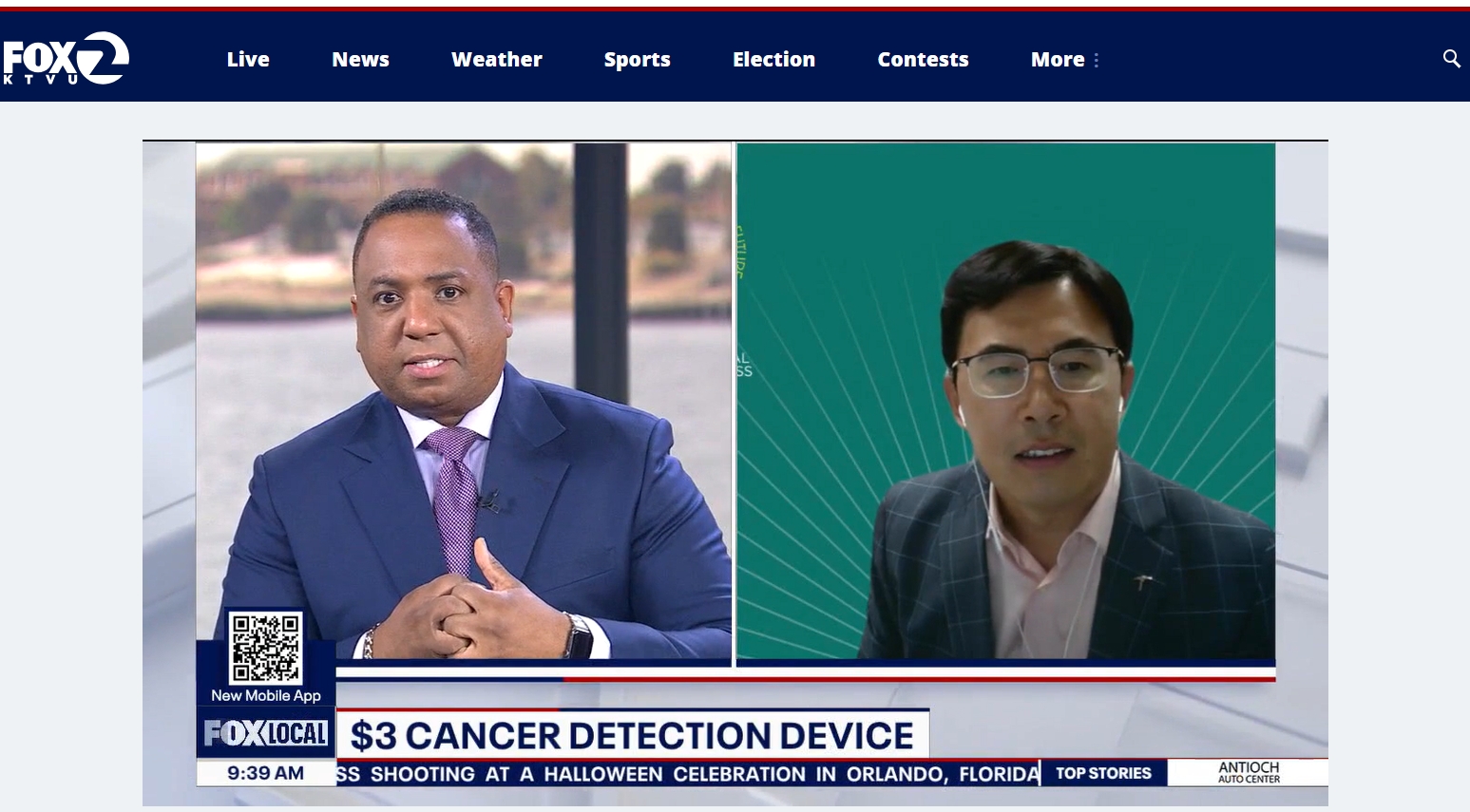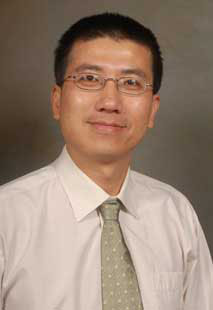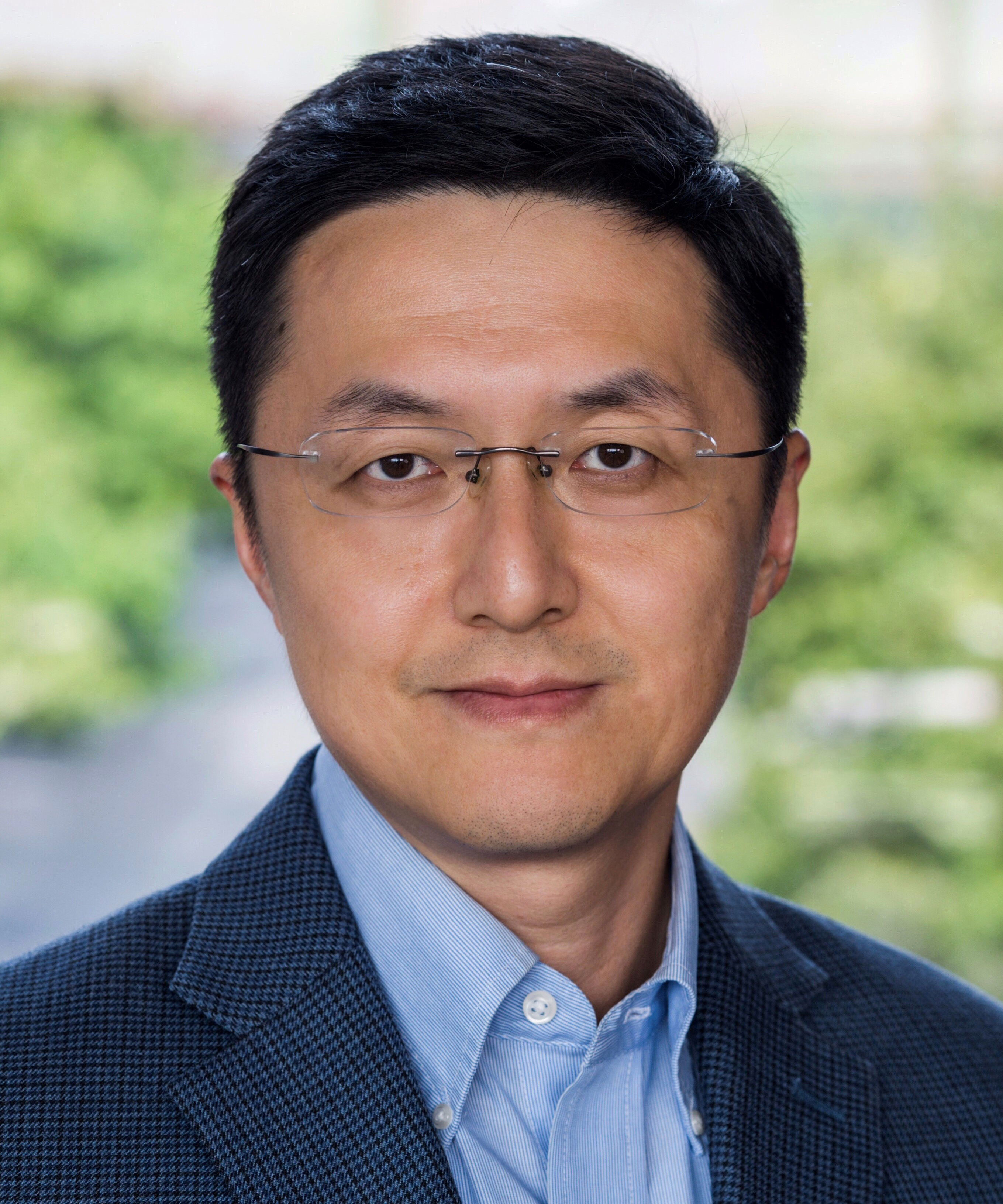
Dr. Siyang Zheng is a Professor at Carnegie Mellon University (CMU) in the Departments of Biomedical Engineering and Electrical and Computer Engineering. He leads the Micro & Nano Integrated Biosystem (MINIBio) Lab, focusing on developing micro/nano technologies for precision healthcare. His research bridges materials science, device engineering, and biomedicine, with key areas including liquid biopsy technologies for cancer diagnosis, nanomaterials for therapeutics, and virus detection platforms. Dr. Zheng holds over 50 peer-reviewed publications and 15 patents, and has been honored with the NIH Director's New Innovator Award and the American Cancer Society’s Research Scholar Award. Education: B.S., Biological Sciences and Biotechnology, Tsinghua University, China, 1996 M.S., Electrical Engineering, The Pennsylvania State University, 2000 Ph.D., Electrical Engineering, California Institute of Technology, 2007 Postdoctoral Research, Electrical Engineering, California Institute of Technology, 2008 Research Interests: Microfluidics/BioMEMS, nano-biotechnology, cancer diagnosis/treatment, infectious diseases, implantable devices. His lab pioneers technologies like lipid nanoprobes for EV isolation, flexible micro spring arrays for CTC enrichment, and carbon nanotube-based virus detection systems. Articles Trends: Recent work emphasizes liquid biopsy advancements, extracellular vesicle analysis, and nanomedicine innovations. Key themes include ultrafast protein digestion systems, drug delivery via nanomaterials, and point-of-care diagnostics for viral pathogens. Awards: NIH Director's New Innovator Award American Cancer Society (ACS) Research Scholar Award Advising & Grants: Supervised over 20 students (PhD, M.S., undergrad), with notable alumni in academia and industry. Active in translational research, including collaborations on clinical trials and device commercialization. Labs & Teams: MINIBio Lab at CMU fosters interdisciplinary projects with clinicians, engineers, and industrial partners. Current focus areas include thymus-on-chip models, metal-organic frameworks for drug delivery, and AI-driven biomarker discovery.