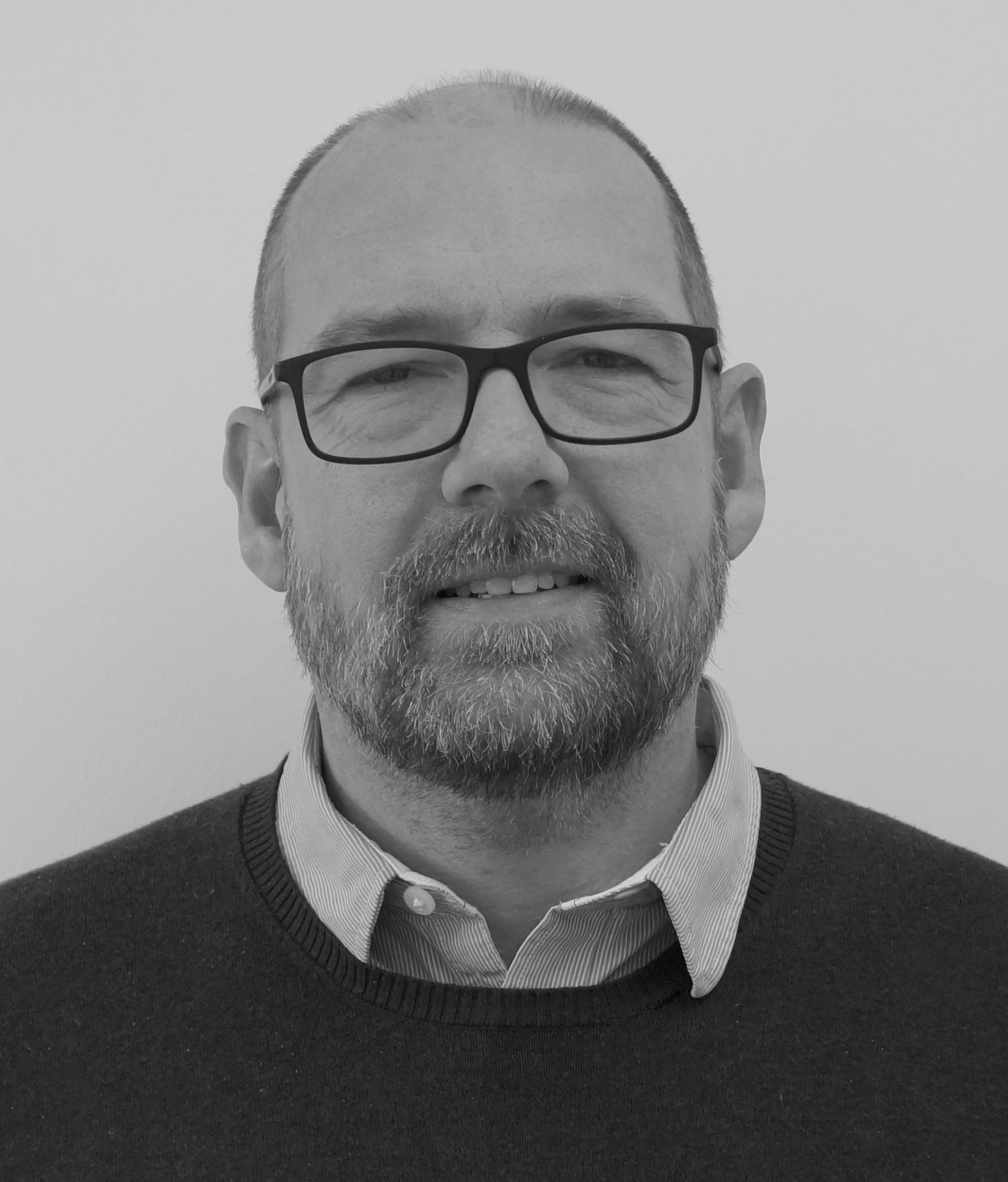
Professor Yuichi Mori is a leading academic at the University of Oslo , affiliated with the Faculty of Medicine and the Department of Health Management and Health Economics . He serves as a Consultant Gastroenterologist at Oslo University Hospital and a Visiting Lecturer at Showa University Northern Yokohama Hospital in Japan. His work focuses on the implementation of artificial intelligence in clinical gastroenterology , particularly in colonoscopy and colorectal cancer detection.
Ole Marius Hoel Rindal is a Senior Lecturer at the University of Oslo (UiO), affiliated with the Department of Informatics (IFI) and the Digital Signal Processing and Image Analysis research group. His research focuses on medical ultrasound imaging, sensor technology, and sports science applications. He holds a PhD in medical ultrasound beamforming from UiO and co-founded Sonair, a company developing 3D ultrasonic sensors for industrial use. Education: PhD in Medical Ultrasound Imaging, University of Oslo (2014) Research Interests: His work spans adaptive beamforming in medical ultrasound, real-time blood pressure monitoring, and biomechanical analysis of cross-country skiing techniques using microsensors and machine learning. Key contributions include advancements in software beamforming, coherence-based aberration correction, and the development of open-source ultrasound tools like the UltraSound Toolbox (USTB). Publications & Trends: Recent work emphasizes clinical validation of ultrasound technologies (e.g., fetal imaging, echocardiography) and algorithmic innovations in beamforming. Collaborations with SINTEF MiNaLab and industry partners highlight practical applications in robotics and athlete performance optimization. Awards: No specific honors listed. Advising & Grants: Guidance on projects involving wearable sensors for blood pressure monitoring and sensor-based athlete analysis. Active in open-source software development for medical imaging. Teams & Labs: Leads the Digital Signal Processing and Image Analysis group at UiO, collaborating with industry (Sonair) and academic partners on sensor innovation and imaging systems.
Leif Rune Hellevik is a Professor of Biomechanics at the Department of Structural Engineering, Faculty of Engineering at NTNU. He also serves as Vice Dean for Master Programs since 2017. His research focuses on computational biomechanics, particularly in cardiovascular systems, emphasizing uncertainty quantification and sensitivity analysis. Key projects include STARFiSh (Stochastic Arterial Flow Simulations) and MyMDT (Medical Digital Twin for hypertension management). He has extensive experience in fluid-structure interaction and numerical methods, contributing to clinical decision support systems and translational hypertension research. His teaching includes courses on numerical methods and biomechanics. Research Interests: His work spans biomechanical modeling of arterial systems, cardiovascular hemodynamics, and translational applications of computational models for personalized medicine. Recent efforts integrate machine learning and digital twins to improve hypertension treatment and prevention. Publications: Over 30 peer-reviewed articles since 2000, with recent focus on sensitivity analysis, model validation, and clinical applications in coronary artery disease. Collaborations include institutions like Linköping University, University of British Columbia, and Erasmus MC. Labs/Teams: Leads projects in computational biomechanics and vascular modeling, collaborating with multidisciplinary teams in engineering, medicine, and data science.
Dr. Siddharth Singh, MD, MS, is an Assistant Professor of Medicine at the University of California - San Diego, School of Medicine, with an adjunct appointment in the Division of Biomedical Informatics. His clinical expertise centers on inflammatory bowel diseases (IBD), and he actively contributes to research on treatment effectiveness, safety monitoring, and evidence synthesis. Education: MD from All India Institute of Medical Sciences (2007); MS in Clinical and Translational Science from Mayo Clinic Training: Internal medicine residency at University of Iowa Hospitals and Clinics; Gastroenterology and IBD fellowships at Mayo Clinic Dr. Singh specializes in developing clinical practice guidelines for the American Gastroenterological Association (AGA) as a GRADE methodologist. His work is supported by grants from NIH, PCORI, AGA, and IOIBD. He also serves as an associate editor for Clinical Gastroenterology and Hepatology and a member of the Mayo Clinic Proceedings editorial board.
Pedro Lind is a Professor at Oslo Metropolitan University's Faculty of Technology, Art and Design, where he serves in the Department of Information Technology with a focus on Artificial Intelligence. His academic appointments include active participation in research groups for Applied Artificial Intelligence and Mathematical Modeling. Dr. Lind's research spans interdisciplinary domains including: Biomedical AI applications (EEG classification, ECG analysis, eye tracking) Stochastic processes and complex systems modeling Trustworthy machine learning for security/privacy Physics-inspired computational methods Renewable energy statistics and modeling His recent publications demonstrate strong focus on developing novel AI methodologies for medical diagnostics (2024-2025), particularly using generative models and interpretable AI approaches for physiological data analysis. He leads significant research initiatives including the AI-Mind project developing diagnostic tools for dementia. Additional projects include international technology transfer collaborations with Czech Republic institutions. Dr. Lind maintains active research teams and labs focused on computational neuroscience and applied AI.
Dilip K. Prasad is a Professor at the Department of Informatics, UiT The Arctic University of Norway. His work bridges Artificial Intelligence and Medical Imaging , with a focus on Interpretable AI , Scalable AI , and Life Science Applications . He has contributed to Maritime Technology and Biomedical Engineering . Ph.D. and B.Tech from Nanyang Technological University and IIT Dhanbad Senior Research Fellow at NTU (2015-2019), Research Fellow at NUS (2012-2015) Industry experience at IBM, Infosys, Mediatek, Philips His research explores Image Processing , Machine Learning , and AI Applications in Biomedicine . Recent work includes Dense Video Captioning , 3D Mitochondrial Modeling , and Physics-Guided Loss Functions . Articles span Neurocomputing , Optics Express , and top AI conferences like CVPR and NeurIPS . Prasad has received the Rolls-Royce Inventor Award (2016) and Best Paper Award (IJCIE 2017) . He has reviewed for 50+ journals and 30+ conferences, serving as Area Chair for NeurIPS 2022-23 and Organizer Chair for ICCV Workshop 2023 .
Hugo Lewi Hammer er professor ved Oslo Metropolitan University, tilhørende Faculty of Technology, Art and Design og Department of Information Technology – Mathematical Modeling . Hans forskning fokuserer på forbedring av pålitelighet og transparens i maskinlæring, forsterkende læring og dyb læringsmodeller gjennom metodikk innen modelltolkning, usikkerhetskvantifisering, robust statistikk og kausal inferens. Hans nylige arbeid inkluderer: AI-drevet optimering i assistert reproduksjonsteknologi (embryoutvalg og sædcelleanalyse) Medisinsk bildebehandling (polypdeteksjon, meibomkertutgang) Neural nettverkstolkning og usikkerhetsmodellering i EEG-analyse Biomekanisk prediksjon av muskelutmatting Hans publikasjoner viser mangfoldige anvendelser av AI i medisin og teknologi, med spesialvekt på: Explainable AI (XAI) i diagnostikk og behandling Usikkerhetskvantifisering i dyb læring Automatisering av medisinske prosedyrer (ICSI, embryoanalyse) Stokastisk simulering og kausal inferens Hammer er engasjert i forskningsgruppene Applied Artificial Intelligence og Mathematical Modeling og har publisert over 130 vitenskapelige artikler og 7 forskningsrapporter.
Inger Hjelmeland is an Associate Professor at the University of Southeast Norway (Høgskolen i Østfold), affiliated with the Faculty of Health, Welfare and Organisation. Her research focuses on innovative educational methodologies, particularly simulation-based learning and clinical skills development in healthcare education. She has contributed to projects like the Digiview initiative, exploring digital supervision models and virtual learning environments. Her academic work emphasizes self-efficacy in clinical training, instructional video applications, and metacognitive development in professional education. Notable collaborations include studies on nursing skill performance and client-centeredness assessment instruments. She has been involved in creating pedagogical frameworks for healthcare education and advancing telehealth applications in clinical training. Inger has co-authored over 30 publications since 2007, spanning topics from simulation-based education efficacy to digital health innovation. Her work bridges educational theory and practical healthcare training, with a strong focus on evidence-based practices in health professions education.
Arild Skarsfjord Berg is a Professor at OsloMet's Faculty of Technology, Art and Design, Department of Product Design, with a Doctor of Art in Artistic Research in Public Space and a MA in Ceramic Art. He leads the Product Design and Cultural Sustainability research group, focusing on cross-disciplinary innovation between design, health technology, and material-based artistic practices. Research Interests: Product design with emphasis on material aesthetics Collaborative methods across design, healthcare, and technology Sustainability in professional education Neurotechnology and ethical design scenarios Ceramic art interventions in public spaces Academic pedagogy and teaching excellence Publication Trends: His work demonstrates a unique synthesis between design research and healthcare innovation, with increasing focus on neurotechnology ethics and salutogenic approaches. Materiality remains a consistent thread across both artistic practice and technical applications. Scientific Awards: Fellow of Merited Teachers at OsloMet
Joakim Sundnes is a Chief Research Scientist and Research Professor at the Department of Scientific Computing, Simula Research Laboratory. He specializes in computational physiology, cardiac biomechanics, and mathematical modeling of cardiovascular systems. Key Research Areas: Cardiac electromechanics, computational fluid dynamics in cardiology, uncertainty quantification in cardiac models, and mechano-electric feedback mechanisms Recent Trends: Focus on patient-specific modeling, left atrial flow dynamics, right ventricular mechanics in pulmonary hypertension, and personalized treatment simulations Scientific Contributions: Active participant in international conferences and editorial work. Co-author of multiple benchmark studies and educational texts on physiological modeling.
Professor Milada Hagen is affiliated with the Department of Nursing and Health Promotion at Oslo Metropolitan University (OsloMet), serving as Head of Studies. Her research focuses on health sciences, gastroenterology, endocrinology, musculoskeletal health, and digital health interventions. Key projects include studies on diabetes management, pain in adolescents, and telemedicine in emergency care. She leads the Musculoskeletal Health Research group and contributes to initiatives like 'Digital follow-up of patients with type 1 diabetes' and 'Pain, Youth and Over-the-Counter Analgesics.' Her work emphasizes evidence-based practices in healthcare delivery and patient outcomes. Research interests span chronic disease management (e.g., diabetes, gastrointestinal disorders), healthcare system optimization, and patient-centered interventions. Notable contributions include collaborative studies on bariatric surgery outcomes, post-ICU mental health, and gender differences in cardiovascular events. Her publications often address translational research bridging clinical practice and population health. Key Projects: Digital follow-up of patients with type 1 diabetes (DigiDiaS) Pain and OTC analgesic use in adolescents (SUS project) Video streaming in medical emergency calls Research Groups: Musculoskeletal Health Research Collaborations: Ongoing partnerships with Oslo University Hospital, the Norwegian Institute of Public Health, and international consortia (e.g., Back Complaints in the Elders). Her work integrates epidemiological methods, clinical trials, and qualitative analyses to address gaps in healthcare delivery. Recent studies highlight the impact of lifestyle factors on musculoskeletal disorders and the role of digital tools in enhancing patient adherence.
Sukalpa Chanda is an Associate Professor at the Department of Computer Science and Communication, Halden University College. His research focuses on Machine Learning with applications to Document Image Analysis, Computer Vision, and Video Image Analysis, including advanced methods like Zero-Shot Learning, Deep Learning, and Transformer Networks. PhD in Computer Science from NTNU Appointments: Postdoctoral Researcher at Uppsala University (2018-2019) and Groningen University (2016-2018) Research Interests: Chanda specializes in Zero-Shot and One-Shot Learning for document and image analysis, with applications in handwriting recognition, face generation, and biomedical imaging. His work bridges theoretical machine learning with practical implementations in cultural heritage preservation and healthcare diagnostics. Scientific Collaboration: He collaborates with institutions like Indian Institute of Technology (Pallakad/Patna) and leads the Hugin Munin Project under The Digital Society research priority area. His team includes Master’s students and research assistants working on Transformer Networks and generative models. Key Publications: Recent works include frameworks for zero-shot action recognition (T2L, 2025), Nordic manuscript writer identification (2023), and advanced medical image segmentation networks (PAANet, 2021). His research spans document analysis, deep metric learning, and biomedical applications.
Tomasz Wiktorski is a Professor at the Faculty of Science and Technology , University of Stavanger , where he serves as Study Program Manager for MSc and PhD programs in Computer Science and Data Science. His research integrates conventional time series analysis with deep learning for applications in biomedical data (e.g., wearable devices), oil and gas drilling automation, energy systems prediction, and cloud infrastructure optimization. Education : Not explicitly detailed in the text. Research interests span data-intensive system modeling, focusing on: Biomedical time series analysis (wearables, ECG signal correction) Drilling process optimization via transfer learning and temporal models Energy systems prediction using machine learning Cloud infrastructure monitoring Curriculum development in data science education Scientific trends reveal expertise in recurrent neural networks, support vector machines, and hybrid data modeling for sensor networks across domains like health, petroleum, and cloud computing. Leadership includes designing data science programs and contributing to the EDISON Data Science Framework for global standards.
Dag Trygve Eckhoff Wisland is a Professor at the Department of Informatics, University of Oslo, affiliated with the Research Group for Nanoelectronic Systems. His research focuses on advanced electronic systems, biomedical sensors, and microwave engineering with applications in medical diagnostics and nanotechnology. Key research interests include nanoelectronics, integrated circuits design, biomedical signal processing, and the development of low-power embedded systems. His work spans topics like CMOS circuit design, radar systems-on-chip, and microwave dielectric sensors for transcutaneous monitoring. Recent publications emphasize differential probing analysis for biomedical applications, 3D-printed microwave absorbers, and secure countermeasures against side-channel attacks in CMOS logic. His contributions also include innovations in impulse radar imaging and low-power analog circuit design.
Vladimir Mironov is a Senior Scientist at the Norwegian University of Science and Technology (NTNU), specializing in Semantic Web technologies and their application in systems biology and bioinformatics. His work focuses on knowledge graph integration, biological data modeling, and semantic network construction. Email: vladimir.mironov@ntnu.no Email: vladimir.n.moronov@gmail.com His research interests include: Development of Semantic Web tools for gene regulatory network analysis Ontology engineering for biological knowledge management Integration of chromosome location data with functional genomics Triple store evaluation for biological datasets Recent publications highlight his contributions to: Knowledge graph frameworks for gene regulation Network analysis tools in bioinformatics Ammonia-tolerant microbial communities in biotechnology Orthology prediction algorithms Semantic data modeling for biological datasets He has actively contributed to projects like DrugLogics and Crossover Research since 2008, developing semantic tools for biomedical research, including the Cytoscape BioGateway App and Cell Cycle Ontology (CCO).