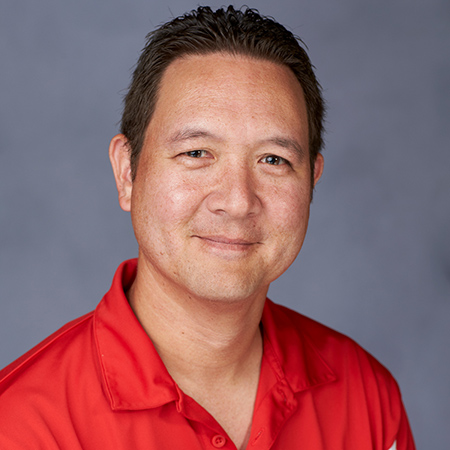
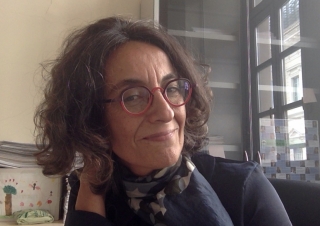
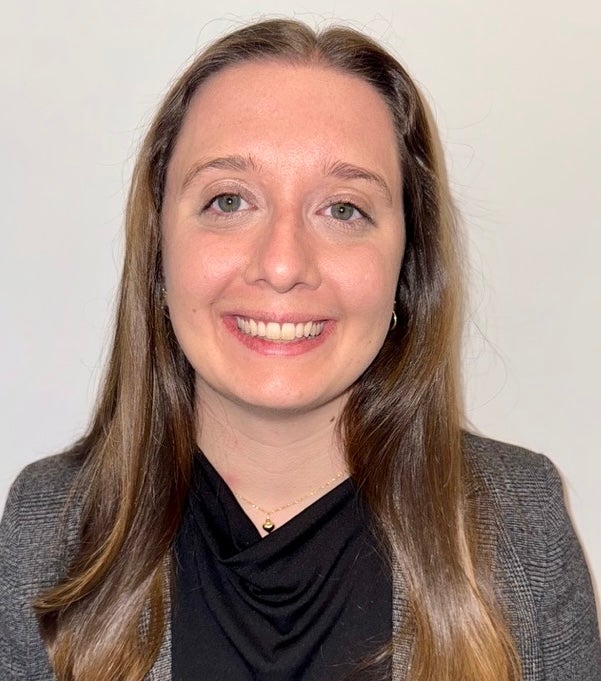
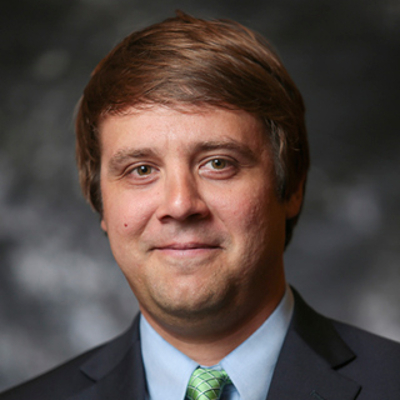
Jim Torresen is a Professor at the Norwegian University of Science and Technology (NTNU), specializing in Computer Science, Artificial Intelligence, and Robotics. He earned his M.Sc. and Dr.ing. (Ph.D.) in computer architecture and design from NTNU in 1991 and 1996 respectively, followed by industry experience in hardware design before transitioning to academia in 1999. Research Interests: His work spans Machine Learning, Evolvable Hardware, and Ethical AI, with notable contributions to music technology, facial expression recognition, and healthcare monitoring systems. He actively explores interdisciplinary applications of AI in creative domains and clinical environments. Publications & Editorial Roles: Torresen has published extensively in journals like Frontiers in Artificial Intelligence and Genetic Programming and Evolvable Machines . He serves as a Topic Editor for Frontiers in Explainable AI and has editorial roles in robotics and biomedical AI domains.
Regina Ragan is a Professor in the Department of Materials Science and Engineering at the Samueli School of Engineering, University of California, Irvine. Her research focuses on nanomaterials, self-assembly, and surface-enhanced Raman scattering (SERS) for applications in optical communication, energy systems, and biomedical diagnostics. Education: Ph.D. in Applied Physics, California Institute of Technology, 2002 M.S. in Applied Physics, California Institute of Technology, 1998 B.S. in Materials Science and Engineering, University of California, Los Angeles, 1996 Her work integrates scanning probe microscopy and first-principles calculations to study thermodynamic driving forces in self-assembly and structure-function relationships. Recent publications highlight applications in antimicrobial susceptibility testing, environmental monitoring, and plasmonic device fabrication. The Ragan group develops low-cost diagnostic tools using SERS for telemedicine applications. Current lab members include graduate students and postdoctoral researchers working on nanoscale systems from atomic to mesoscale. Scientific Awards: NSF CAREER Award for fundamental studies of biological/inorganic interfaces Research Trends: Recent articles show a focus on SERS-based diagnostics, plasmonic nanoantennas, machine learning-assisted spectral analysis, and scalable synthesis of 3D graphene architectures. Subfields span quantum plasmonics, stress-activated materials, and biofilm monitoring.
Dr. James W. Navalta is an Associate Professor in the Department of Kinesiology and Nutrition Sciences at the University of Nevada, Las Vegas. His research focuses on physiological responses to outdoor exercise (hiking, trail running) and the validity/reliability of wearable technology. He earned his B.S. in Physical Education and Biology from Brigham Young University–Hawaii, M.S. in Kinesiology from UNLV, and Ph.D. in Exercise Physiology from Purdue University. Education: B.S. - Physical Education & Biology, Brigham Young University–Hawaii M.S. - Kinesiology, University of Nevada, Las Vegas Ph.D. - Exercise Physiology, Purdue University His research portfolio includes: Wearable technology validation for physiological measurements Comparative studies of indoor vs outdoor exercise environments Impact of gender-inclusive approaches on sports science Metabolic and cardiovascular responses to unconventional workouts Psychological benefits of nature immersion Recent publications demonstrate expertise in: Wearable device accuracy testing VO2max and lactate threshold validation Environmental influence on exercise physiology Methodological improvements in data collection Gender-inclusive research design Outdoor activity impact assessment As co-founder and executive editor of the International Journal of Exercise Science, he contributes significantly to academic discourse. He also serves on editorial boards for journals related to digital health and exercise technology.
Edward Andò is a Principal Scientist and Lecturer at École Polytechnique Fédérale de Lausanne (EPFL) , with affiliations to the IMAGING group and the College of Engineering (ENAC) . His work bridges software development, experimental geomechanics, and educational initiatives in image analysis. Principal Scientist, IMAGING-GE (EPFL) Lecturer, Sciences et Génie Civil (SGC-ENS) Lecturer, Enseignement à la Défense (EDEE-ENS) Research Interests Andò specializes in 3D image analysis , with a focus on X-ray tomography , digital volume correlation (DVC) , and micromechanical modeling of granular materials. His work addresses geomechanical failure mechanisms, soil dynamics, and open-source software tools like SPAM for practical material analysis. Publication Trends His recent articles (2025–2023) emphasize X-ray tomography for studying granular deformation , rock failure , medical imaging , and soft particle compaction . Topics span geomechanics, computational modeling, and software development for experimental validation. Labs and Teams Andò contributes to the IMAGING group at EPFL, where he co-develops the SPAM (Software for Practical Analysis of Materials) . His teaching includes courses like Fundamentals of Image Analysis and Quantitative Imaging for Engineers , which integrate hands-on training with theoretical frameworks.
Handan Kulan serves as Assistant Professor at Yeditepe University's Faculty of Computer and Information Sciences, Department of Information Systems and Technologies since 2024. Previously, she held faculty positions at Istinye University (2023), Uskudar University (2022), and Beykoz University (2020) across computer engineering and software engineering departments. Education: Ph.D. in Computer Engineering, Kadir Has University (2016-2020): Thesis on critical proteins in Down syndrome learning processes M.S. in Computer Science and Engineering, Sabanci University (2013-2014): Thesis analyzing protein residue networks B.S. in Genetics and Bioengineering, Yeditepe University (2007-2013) Second Major in Computer Engineering, Yeditepe University (2009-2013) Her research integrates machine learning with biomedical challenges, specializing in Down syndrome proteomics, neural network analysis of brain aging, and immune system disorders. She develops computational models for protein identification and applies gradient boosting algorithms to biological datasets, bridging AI with healthcare decision systems as demonstrated in her 2023 Springer book. Publications reveal consistent focus on computational approaches to Down syndrome, with recent conference presentations expanding into statistical clustering of biological data and gene ontology analysis for drug discovery. Her work demonstrates methodological evolution from protein network analysis to advanced predictive analytics. Awards: No specific scientific awards documented in source materials. Dr. Kulan actively supervises graduate theses while teaching core computer science courses including Deep Learning, Artificial Intelligence, and Data Structures at both undergraduate and graduate levels across multiple institutions. Her teaching portfolio reflects direct alignment with her research in AI-driven biomedical analysis.
Marilena Vendittelli is a Professor at Sapienza University of Rome, affiliated with the Robotics group. Her research spans control systems, biomedical robotics, motion planning, and autonomous systems. Research Areas: Control systems for robotics and nonholonomic systems Biomedical applications (hyperthermia therapy, needle insertion) UAV navigation and obstacle avoidance Haptics and human-robot interaction Adaptive estimation algorithms Recent Publications focus on adaptive control of bio-heat equations, safe UAV motion planning, soft robotics actuation, and haptic feedback in medical procedures.
Luís Miguel Mendonça Rato is an Associate Professor at the Universidade de Évora and a Senior Researcher with a PhD at Centro ALGORITMI. He is affiliated with the CST R&D Group and VISTA Lab R&D Lab, focusing on interdisciplinary research at the intersection of Electrical Engineering, Computer Science, and Agricultural/Biomedical applications. Academic Degree: PhD Current Position: Associate Professor Labs: VISTA Lab Researcher IDs: ORCID 0000-0003-4492-7548, ResearcherID A-9152-2013, CiênciaID A914-6344-CD2D His research spans machine learning applications in Agricultural Engineering (Sentinel-2 satellite data for nutrient analysis), Biomedical Imaging (MRI-ADC texture analysis for tumor classification), and Control Systems (predictive control algorithms for water delivery canals and solar fields). With an h-index of 11 and 51 publications, his work emphasizes hybrid systems combining traditional engineering with computational innovation. Recent publications highlight trends in SLAM efficiency (2024), cloud service optimization (2022), and deep learning for medical imaging (2022-2023). He has contributed to Smart Cities initiatives through projects like M-Traffic (2006) and NanoSen-AQM (2020). As a senior researcher, he leads projects in the CST R&D Group and VISTA Lab , with notable work in the Universidade de Évora ecosystem.
Kelsey Swingle is an Assistant Professor of Bioengineering at Rice University, where she leads the Swingle Lab at the intersection of biomaterials science, immune engineering, and reproductive biology. Her research focuses on engineering therapeutic and vaccine technologies with translational potential. Ph.D. in Bioengineering from the University of Pennsylvania B.S.E. in Biomedical Engineering from Case Western Reserve University Dr. Swingle’s research explores the design of lipid nanoparticles (LNPs) and nucleic acid therapeutics for women’s health applications, including pre-eclampsia, preterm birth, and gynecologic cancers. Her work integrates bioengineering principles with immune modulation strategies to develop targeted therapies. The trends in her publications highlight advancements in LNP elasticity optimization for placental mRNA delivery, targeted systemic RNA delivery to the brain, and in utero gene editing applications. Her lab prioritizes interdisciplinary approaches to overcome biological barriers in women’s health. 2025 Solomon R. Pollack Award for Excellence in Graduate Bioengineering Research 2024 Muriel Joan Drew Hege Award for Women in Cellular Immunotherapy Research 2024 Penn Engineering Outstanding Teaching Award 2023 Gordon Research Conference Travel Award 2022 Society for Biomaterials STAR Award 2020 NSF Graduate Research Fellowship The Swingle Lab collaborates with the Texas Medical Center to develop precision nanomedicines. Her team employs in vitro, ex vivo, and in vivo models to study biomaterial interactions with female-specific tissues, emphasizing translational research and inclusive scientific communication.
Taylor Ware is an Associate Professor in Biomedical Engineering and Materials Science & Engineering at Texas A&M University's College of Engineering, holding the Cain Faculty Fellowship. Her research focuses on designing structured biomaterials and medical devices using stimuli-responsive polymers for clinical applications. Education: Ph.D. in Materials Science and Engineering, The University of Texas at Dallas, 2013 Research Interests: Dr. Ware pioneers the development of liquid crystal elastomers as artificial muscles and implantable electronics substrates, engineered living materials for infection treatment, and directed self-assembly of hydrogels. Her lab specializes in polymer formulation, thermomechanical testing, and microfabrication. Key research thrusts include: Smart elastomers, hydrogels, and composites for dynamic medical devices Programming liquid crystalline polymers for shape-morphing applications Engineered living materials that respond to biomolecular cues in urinary tract environments Publication Trends: Recent work (2023-2025) demonstrates convergence of materials science, microbiology, and medical device engineering. Her group advances liquid crystal elastomers for soft robotics and implantable electronics, develops engineered living materials for UTI treatment using microbial competition, and creates novel hemostats and urethral support devices. Publications emphasize translational applications in urology, wound healing, and neural interfaces. Scientific Awards: Invited Participant, NAE Japan-USA Frontiers of Engineering Bilateral (2023) Senior Member, National Academy of Inventors (2022) NSF CAREER Award (2018) Air Force Young Investigator Award (2017) NSF Graduate Research Fellowship (2011) Fellow of AIMBE (American Institute for Medical and Biological Engineering) Advising and Grants: Dr. Ware leads the Ware Lab with significant funding including an NIH R01 grant (with UT Dallas and Case Western collaborators) and the NSF CAREER award. Her lab mentors postdoctoral fellows like Mustafa (winner of a prestigious postdoctoral fellowship) and graduate students. Current projects are supported by the NSF Engineering Research Center HAND, focusing on advanced materials for healthcare applications. Laboratory and Teams: The Ware Lab collaborates globally and is featured in Texas Monthly, Houston Chronicle, and National Geographic for breakthroughs in engineered living materials. As part of the NSF HAND ERC, the lab develops dynamic materials for stress urinary incontinence treatment and collaborates with medical institutions on UTI therapies using engineered E. coli strains.
Molly Maleckar is a Research Professor at the Computational Physiology Department of Simula Research Laboratory , Oslo, Norway. Her work bridges computational modeling, cardiac electrophysiology, and biomedical applications, with a focus on arrhythmia mechanisms, fibrosis modeling, and machine learning integration in cardiac risk prediction. Research Interests include: Computational Cardiology Ion Channel Dynamics Machine Learning in Medicine Excitable Tissue Modeling Cardiac Fibrosis Analysis Biomedical Simulation Scientific Contributions span 15+ publications (2018-2024) addressing atrial fibrillation, calcium handling, and AI-driven ECG analysis. Key collaborative projects involve patient-specific ventricular modeling and educational initiatives like the Simula Summer School in Computational Physiology .
Dr. James Ashton-Miller is a prominent faculty member in the Department of Mechanical Engineering at the University of Michigan, where he directs the Biomechanics Research Laboratory. He serves as a Center Member of the University of Michigan Injury Prevention Center and maintains affiliations with the Institute of Gerontology. His interdisciplinary work bridges engineering principles with medical applications, focusing on injury prevention across sports medicine, obstetrics, and geriatrics. Dr. Ashton-Miller's educational background includes: PhD from the University of Oslo, Oslo, Norway (1978-1983) MSME from M.I.T., Cambridge, MA, U.S.A (1972-1974) B.SC. (Hons) from the University of Newcastle-upon-Tyne, Newcastle-upon-Tyne, England (1967-1972) His research focuses on the biomechanics of injury prevention across multiple critical domains. In sports medicine, he has demonstrated that some ACL injuries are overuse injuries resulting from too many sub-maximal loading cycles that prevent healing of collagen damage. In women's health, his work on childbirth injuries addresses conditions that affect more women than breast cancer. His research on fall-related injuries in older adults reveals the dual threat of physical and cognitive factors. He also investigates sciatica, disc degeneration, and develops new medical devices for screening, diagnosis and treatment. Dr. Ashton-Miller's recent publications show a strong trend toward developing practical clinical applications from fundamental biomechanical research, with emphasis on advanced imaging methods, wearable sensors, and computational modeling for pelvic floor function assessment. His work consistently aims to translate engineering insights into clinical solutions for injury prevention. His research insights have earned him numerous national and international research awards, though specific awards aren't detailed in the available information. His work involves close collaboration with clinicians and surgeons who meet weekly to discuss progress and next steps. Dr. Ashton-Miller is deeply committed to mentoring, working with NIH K-series fellows along with 1-2 post-doctoral fellows, 3-5 PhD students, 2-4 M.S. students, 4-5 undergraduate students, and 2-4 young clinicians. His research is generously supported by the National Institutes of Health, National Science Foundation, National Basketball Association, Fortune 500 companies, and startup companies including Procter & Gamble and Hologic, Inc. He directs the Biomechanics Research Laboratory and co-leads the Pelvic Floor Research Group, where his teams develop new medical devices to improve screening, diagnosis, and treatment of various biomechanical conditions. These laboratories maintain strong clinical connections, ensuring research remains grounded in real-world medical challenges.
T. Alan Hatton is a distinguished Professor in the Department of Chemical Engineering within the School of Engineering at the Massachusetts Institute of Technology (MIT). His career spans over four decades with significant contributions to electrochemical separation processes and sustainable engineering solutions. Current research focuses on developing next-generation electrochemical systems for critical environmental challenges. Education: Ph.D., University of Wisconsin, 1981 M.Sc. Eng, University of Natal, Durban, South Africa, 1976 B.Sc. Eng, University of Natal, Durban, South Africa, 1972 Professor Hatton's research centers on electrochemically-mediated separation processes , specifically targeting carbon capture from diverse sources (post-combustion flue gas, ambient air, and ocean water) and advanced water purification systems. His work integrates fundamental transport phenomena with innovative electrochemical engineering to create energy-efficient solutions. Key methodologies include redox-active materials, electro-swing adsorption, and molten salt electrochemistry, with strong emphasis on scalability and real-world implementation. Recent breakthroughs involve oxygen-stable quinone systems for direct air capture and marine carbon dioxide removal technologies. Analysis of his 15 most recent publications (2024-2025) reveals a concentrated focus on electrochemical CO 2 capture and conversion , with 87% of works directly addressing carbon management. Dominant themes include redox-active material design (particularly quinones and iron complexes), process thermodynamics optimization, and novel reactor architectures like fiber sorbents and photoelectrochemical systems. The research demonstrates consistent progression toward practical implementation, with increasing attention to marine carbon removal and integration with renewable energy sources. Scientific Awards: Founding Fellow, AIMBE, 1992 Merck Faculty Development Award, 1989 Class of '22 Career Development Chair, 1988 Presidential Young Investigator Award, NSF, 1985 Everett Moore Baker Award for Excellence in UG Teaching, MIT, 1983 Professor Hatton leads an active research group developing electrochemical separation technologies with significant industry and environmental impact. His laboratory operates at the intersection of fundamental electrochemistry and applied environmental engineering, securing sustained funding for projects targeting carbon capture scalability and water purification innovation. Current efforts focus on translating electro-swing adsorption technology to commercial applications through startup ventures, while maintaining strong educational contributions through MIT's chemical engineering curriculum. The research team maintains collaborations with national laboratories and industry partners to accelerate technology deployment.
Dr. Parth Chansoria is a Lecturer at the Department of Health Sciences and Technology at ETH Zürich, where he leads biofabrication research within the Tissue Engineering and Biofabrication (TEB) group. His work focuses on structured light technology for regenerative medicine applications, including in vivo bioprinting and microgravity-based tissue engineering. He holds Ambizione and Spark grants from the Swiss National Science Foundation and has pioneered innovations in light-guided biofabrication, collagen-based resins, and anisotropic tissue design. Research domains include: Filamented light biofabrication for aligned tissues Minimally invasive light-based in vivo bioprinting Musculoskeletal tissue engineering in microgravity Isotonic collagen-based photocrosslinkable resins He has secured over 6 patents and received prestigious awards including the ISBF Early Career Investigator Award (2022), Marie Curie Actions Fellowship (2021), and SME 30 Under 30 recognition (2021). His interdisciplinary research bridges bioengineering, materials science, and clinical applications. Key collaborations include projects at UNC Chapel Hill (USA) and NC State (USA), where he developed biomimetic patches for dynamic organ pathologies and ultrasound-assisted cell patterning. His lab explores novel bioinks, hybrid fabrication techniques, and translational applications in regenerative medicine.
Prof. Dr. Eling de Bruin is a Lecturer at the Department of Health Sciences and Technology (D-HEST) at ETH Zurich. His research focuses on developing and evaluating exergame-based interventions targeting neurocognitive disorders, motor-cognitive training for aging populations, and stroke rehabilitation. He leads studies on personalized exergame protocols (e.g., PEMOCS framework) and their impact on cognitive function, gait recovery, and fall prevention. His work integrates wearable sensor technology, biofeedback systems, and clinical assessment tools to improve outcomes for chronic conditions like stroke, diabetes, and sarcopenia. Key areas include exergame design, hybrid training modalities, and biomarker validation (e.g., heart rate variability for neurocognitive screening). His research also explores sports biomechanics in youth athletes and injury prevention strategies for alpine skiers. Collaborative projects involve interdisciplinary teams from rehabilitation medicine, biomedical engineering, and computer science to create user-centered exergame solutions. Current initiatives emphasize home-based interventions and tele-rehabilitation to enhance accessibility for older adults and long-term care residents. Methodological contributions include validation of motor-cognitive assessment systems using virtual reality and inertial measurement units.
Steve Collins is an Associate Professor of Mechanical Engineering at Stanford University, with a courtesy appointment in the Department of Bioengineering. His research focuses on wearable robotics, biomechanics, and human-machine interaction. He leads projects on exoskeleton optimization, prosthetic design, and energy-efficient robotic actuators. His work aims to improve mobility for older adults and individuals with mobility impairments through innovative assistive technologies. Research Interests: Collins explores biomechanical principles underlying human movement, exoskeleton torque control strategies, and the design of devices that reduce metabolic costs during walking. His lab develops both hardware (e.g., exoskeleton emulators) and software (e.g., AddBiomechanics modeling tools) to advance assistive technologies. Key Contributions: He pioneered human-in-the-loop optimization methods for exoskeleton control, demonstrated energy-saving designs for ankle exoskeletons, and investigated how exoskeletons can enhance balance and reduce fall risks. His team also developed the 'Tripod' prosthesis emulator and electrostatic clutch systems for energy-efficient actuators. Grants & Collaborations: His work is supported by NSF grants (e.g., NRI: Small grant for exoskeleton control) and industry partnerships. He collaborates with clinicians to translate robotic innovations into clinical applications for amputees and aging populations. Labs & Teams: His research is conducted in Stanford's robotics and biomechanics facilities, focusing on interdisciplinary projects at the intersection of mechanical engineering, bioengineering, and computer science.