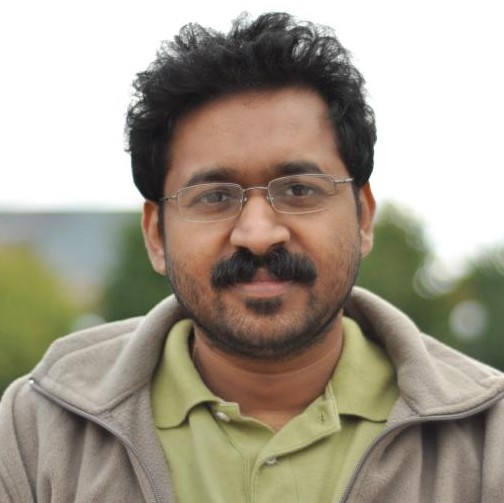
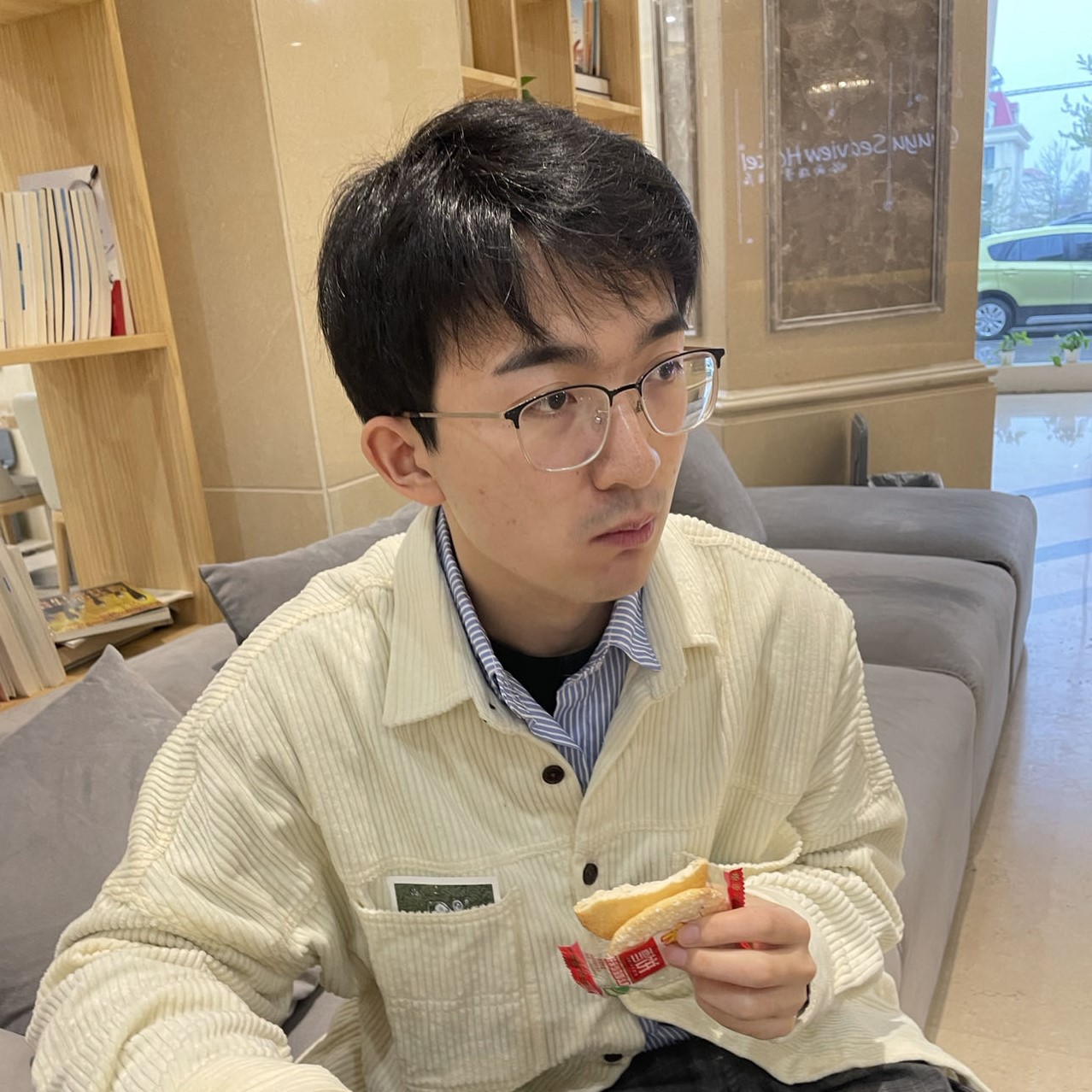
Renu John is a Professor in the Department of Biomedical Engineering at Indian Institute of Technology Hyderabad . He earned his Ph.D. in Physics (Optics) from IIT Delhi in 2006 and has held postdoctoral positions at Duke University and University of Illinois . He leads the Medical Optics and Sensors Laboratory (MOS) and co-founded the Center for Healthcare Entrepreneurship (CfHE) , focusing on affordable healthcare solutions for India. Research Interests : Biomedical Imaging, Optical Coherence Tomography (OCT), Digital Holography, AI/ML in Diagnostics, Microfluidic Biosensors, 3D Bioprinting, Nanoparticle-based Imaging, Optical Elastography. Awards : Best Paper & Poster Awards at international conferences (2018-2019), Samsung Innovation Award (2018) for smartphone-based oral cancer detection. Grants : Lead investigator for an ICMR Center of Excellence (15.2 Cr funding) in Medical Devices and Diagnostics. Students : Mentored over 20 researchers, including current and alumni Ph.D. candidates working on OCT, microfluidics, AI-driven imaging, and biosensor development. Labs & Innovations : The MOS Lab develops cutting-edge technologies like lensless microscopes, FF-OCT systems, and dual-modality biosensors. His team has filed 18 patents and published 117 international journal articles, with projects spanning from in vivo magnetomotive imaging to organ-on-chip platforms for disease modeling.
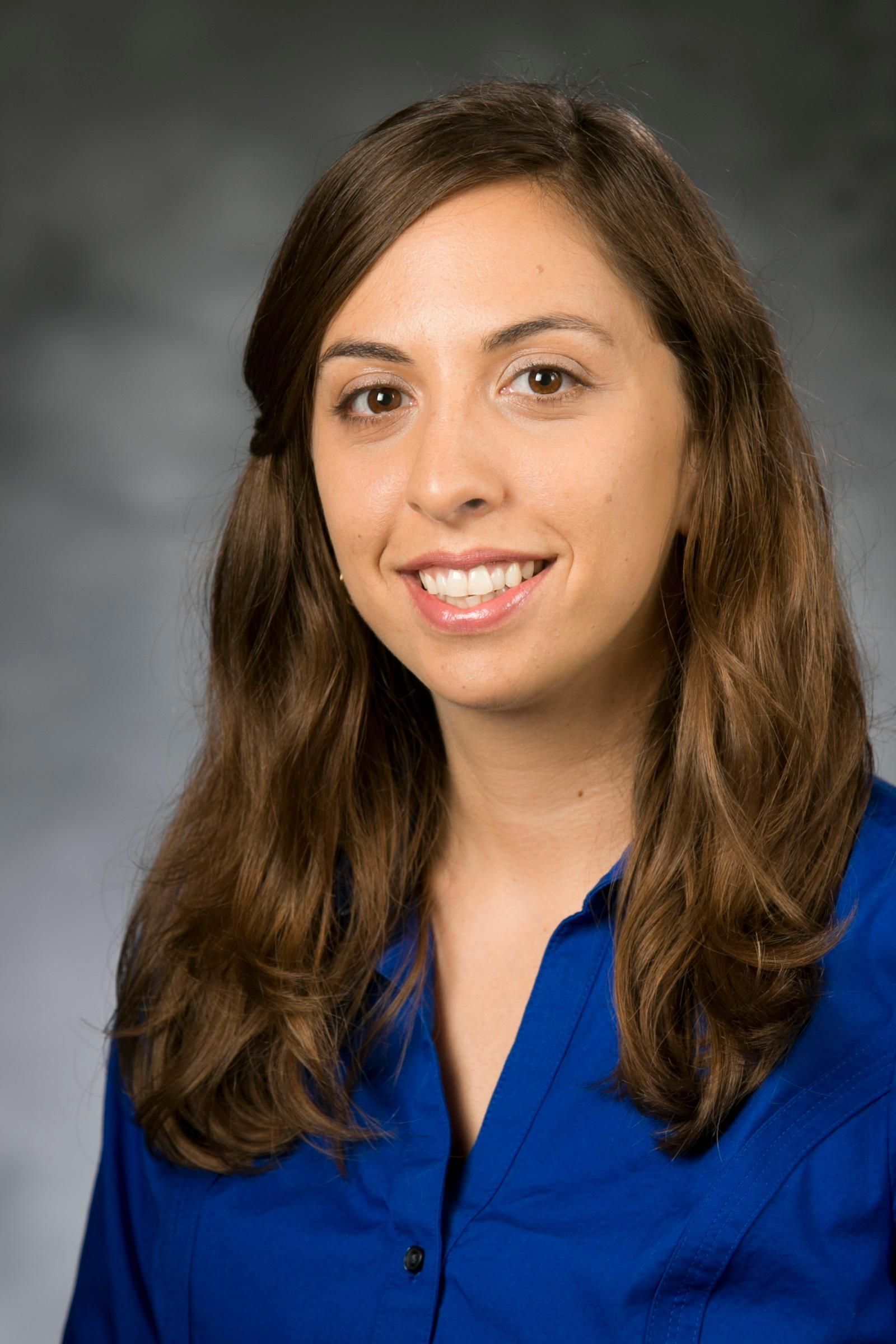
Gina-Maria Pomann is an Associate Professor of Biostatistics & Bioinformatics at Duke University's School of Medicine, where she serves as Director of the Biostatistics, Epidemiology, and Research Design (BERD) Methods Core. She leads a diverse team of quantitative experts including biostatisticians, data scientists, and bioinformaticians who contribute to groundbreaking research across clinical and translational domains. Dr. Pomann earned her Ph.D. from North Carolina State University (2015) and has developed expertise in novel statistical methodology for functional data and brain imaging. She has directed 30 collaboration teams across medical fields including Pediatrics, Global Health Institute, and Neurosurgery. Her primary research focuses on the science of team science, developing administrative structures and workforce development programs to support data-intensive biomedical research. Her research program demonstrates a consistent focus on improving how quantitative scientists collaborate with biomedical researchers. Recent publications examine integrating large language models in biostatistical workflows, methods for building quantitative collaboration units, workforce development for biostatisticians, and the organizational aspects of team science. Her 15 most recent articles (2023-2025) span topics from AI in healthcare to statistical education and collaborative research structures, reflecting her dual expertise in methodological statistics and research organization. Dr. Pomann has developed significant workforce development initiatives: BERD Core Training and Internship Program (BCTIP) for Masters of Biostatistics students Duke AI Health Fellowship Program (two-year postgraduate training) R25 grant: "Quantitative Methods for HIV/AIDS Research" as MPI She holds a joint appointment at Duke National University of Singapore and has secured multiple NIH grants including CTSA UM1 (2025-2032), Quantitative Team Science Program (2024-2029), and Quantitative Methods for HIV/AIDS Research (2018-2028). Her leadership has enabled the BERD Core to assist over 1,100 investigators and produce more than 550 collaborative manuscripts, while training over 100 student interns and 40 staff members in data-intensive biomedical research.
Andrea Hupman serves as Associate Professor in the Supply Chain & Analytics Department at the Ed G. Smith College of Business, University of Missouri-St. Louis, where she focuses on making quantitative concepts accessible through real-world applications and critical thinking development. Her academic credentials include: Ph.D. in Systems and Entrepreneurial Engineering from University of Illinois, Urbana-Champaign (2015) M.S. in Systems and Entrepreneurial Engineering from University of Illinois, Urbana-Champaign (2011) B.S. in Biomedical Engineering from Northwestern University (2009) Her research centers on leveraging data for organizational decision-making under uncertainty, with emphasis on predictive modeling, uncertainty quantification, and extracting business value from information. She actively bridges theoretical concepts with practical business solutions through case-based pedagogy and industry-relevant applications. Her professional recognition includes: 2017 Gerald and Deanne Gitner Excellence in Teaching Award Research funding has been secured through an UMSL Research Award and external industry grants, supporting her work on information value and data-driven decision frameworks. Her teaching methodology integrates Excel-based case studies to develop workplace-ready analytical skills while maintaining rigorous quantitative standards across undergraduate and graduate curricula.
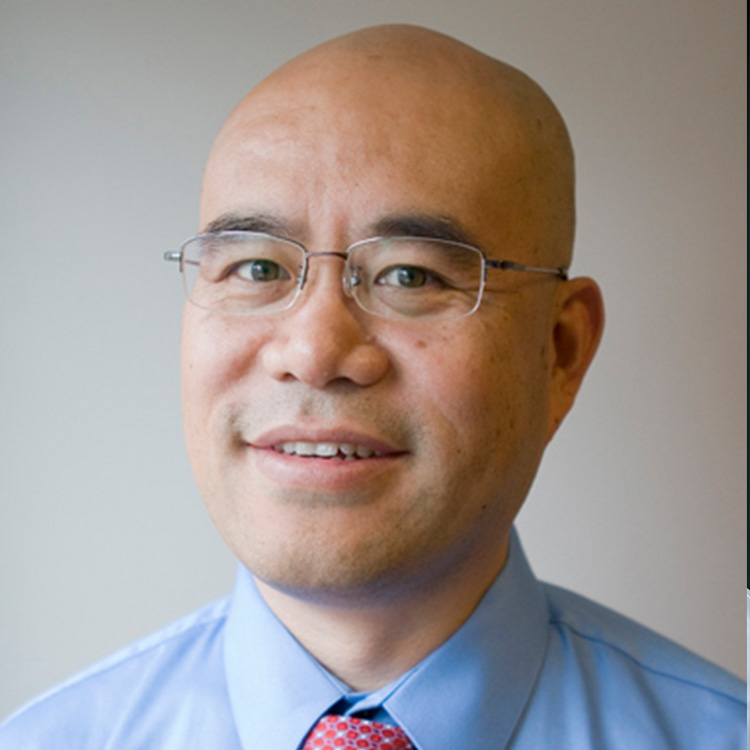
Dr. Evelyn Hsieh Donroe, MD, PhD, is an Associate Professor of Medicine (Rheumatology) and Chronic Disease Epidemiology at Yale University, with additional roles as Chief of Rheumatology at VA Connecticut Healthcare System and Network Lead for the Yale Network for Global Non-Communicable Diseases (NGN). She bridges biomedical and behavioral sciences to develop prevention strategies for osteoporosis, sarcopenia, and fractures in low-resource settings. Education: AB in Molecular Biology (Princeton), MD (Stony Brook), MPH (Harvard), PhD in Investigative Medicine (Yale) Research Focus: HIV-related musculoskeletal comorbidities in economic transition countries (China, Peru), secondary osteoporosis in chronic conditions (RA, breast cancer), and VA-based studies leveraging the Veterans Aging Cohort. Key Projects: Quarterly Vitamin D supplementation trials in China, fracture risk prediction tools for veterans, and NCD care integration for HIV patients in Peru. Scientific Contributions: Developed BoneScore NLP algorithm for DXA data extraction, conducted cross-national studies on HIV-aging, and leads global capacity-building programs through CMB Fellowships and Fulbright scholarship. Awards: 2018-2019 U.S.-China Fulbright Scholar 2016 Stony Brook 40 under Forty Alumni Award American College of Rheumatology Distinguished Fellow (2013) Mentorship: Directs Global Health Emerging Scholars Program, CMB Global Health Fellowship Programs, and NIH T32 Training Program in Rheumatology.
Lorenzo Farina is a Full Professor at Sapienza University of Rome's Faculty of Information Engineering, Computer Science and Statistics, specializing in Electronic and Computer Bioengineering (ING-INF/06). With over 25 years of academic leadership, he co-founded Italy's first Bioinformatics degree program and established key oncology precision medicine initiatives, maintaining active collaborations with Harvard Medical School's network medicine division. His educational background includes a cum laude Electronic Engineering degree and PhD in Systems Engineering, both from Sapienza University. These foundational studies evolved into pioneering work in positive linear systems theory, evidenced by his highly-cited Wiley textbook Positive Linear Systems: Theory and Applications (2000). Farina's research centers on network medicine – applying complex network science to molecular medicine since his 2004 breakthrough. His work spans cancer mechanisms (breast, glioblastoma, lung), drug repositioning (including COVID-19 applications), and liquid biopsy biomarker development. Current projects focus on miRNA-based network biomarkers for cancer diagnostics and immunotherapy response prediction, integrating multi-omics data through advanced computational frameworks. Analysis of his 15 most recent publications (2024-2025) reveals dominant themes: sexual dimorphism in cancer networks (MIRROR platform), immunotherapy response signatures, and critical examinations of AI's role in precision medicine. His work consistently bridges computational innovation with clinical applications, particularly in oncology diagnostics and therapeutic optimization. His scientific recognition includes: 2001 Guillemin-Cauer Award for best IEEE Transactions on Circuits and Systems article 2014 SysBio Award for annual best publication Farina actively mentors through interdisciplinary programs he established, including the Network Oncology doctoral program. His laboratory collaborations span Sapienza's Oncogenomics and Immunology Laboratories, Harvard's Channing Division of Network Medicine, and clinical departments in oncology and radiology, driving translational research from computational models to patient applications. He leads multiple research teams focused on network-based diagnostics, including the MIRROR platform for cancer disparity analysis and liquid biopsy development teams investigating circulating miRNA networks for early cancer detection across multiple malignancies.
Francisco Javier Oliver Bernal is a Lecturer at the University of Deusto in Bilbao, Spain, within the Faculty of Education and Sport and the Department of Physical Activity and Sports Sciences. He teaches across Computer Engineering, Physical Activity and Sports Sciences, and Primary Education bachelor's programs, as well as the Master's in Secondary Education. He earned his Doctor of Medicine and Surgery from the University of the Basque Country. His research spans Human-Computer Interaction, Educational Technology, and Science Education, with a strong emphasis on accessibility for visually impaired users. He has developed tools for e-learning, digital resource centers, and innovative teaching methodologies in computer science and natural sciences, aiming to enhance educational experiences through technology. His scholarly output, spanning from the 1990s to 2023, demonstrates a consistent focus on technology-enhanced learning, evolving from early work in 3D interfaces and computer graphics to recent applications in health, music, and interdisciplinary educational contexts. Key trends include the integration of accessibility features, the development of domain-specific educational tools (e.g., for biology and astronomy), and responses to contemporary challenges like the COVID-19 pandemic. He has supervised multiple theses on digital accessibility and cooperative systems, though student names were not listed. Details on research grants were not provided in the available text. As a member of the eVida research group (officially recognized by the Basque Government), he contributes to projects advancing accessible educational technologies, including the ACCE project for audiovisual accessibility and READIS digital resource centers for visually impaired users.
Dr. Shibiao Wan serves as Assistant Professor in the Department of Genetics, Cell Biology and Anatomy at University of Nebraska Medical Center (UNMC), with a courtesy appointment in Biostatistics. He is Co-Director for the Bioinformatics and Systems Biology (BISB) PhD Program and Assistant Director for the Bioinformatics and Systems Biology Core. With over 14 years of experience in machine learning and bioinformatics, Dr. Wan leads an active research program developing computational methods for biomedical data analysis. Dr. Wan's research spans computational biology and biomedical informatics with focus on single-cell analysis, multi-omics integration, spatial transcriptomics, and cancer research. His laboratory develops AI and machine learning approaches to analyze genomics, transcriptomics, epigenetics, proteomics, metabolomics, and medical imaging data. Key contributions include methods for protein subcellular localization prediction, cancer subtyping, and multi-omics integration for precision medicine applications. His recent publications show a strong trend toward multi-modal data integration for disease diagnosis and subtyping, particularly in cancer (medulloblastoma, leukemia, lung cancer) and neurodegenerative disorders (Alzheimer's disease). His laboratory has developed numerous bioinformatics tools including SHARP for single-cell RNA-seq analysis, RaMBat for medulloblastoma classification, RanBALL for leukemia subtyping, and WIMOAD for Alzheimer's diagnosis. Dr. Wan has received significant recognition including the Springer Nature Editor of Distinction Award (2025), UNMC New Investigator Award (2024), FIRST Award from Nebraska EPSCoR (2023), and the Outstanding Young Alumni Award from HK PolyU (2022). He was named among the top 1% reviewers globally by Clarivate in both 'Cross-Field' and 'Biology and Biochemistry' categories (2019). As Co-Director of the BISB PhD Program, Dr. Wan actively mentors graduate students in bioinformatics and computational biology. His laboratory comprises a multidisciplinary team working at the intersection of computer science, statistics, and biomedical research. Dr. Wan serves as Editor-in-Chief for Current Proteomics and holds editorial positions with numerous high-impact journals including Briefings in Functional Genomics, BMC Bioinformatics, and Frontiers journals. The Wan Lab at UNMC focuses on machine learning and bioinformatics (MLAB), developing computational methods to unravel molecular biological systems using heterogeneous biomedical data. The lab collaborates extensively with scientists in cancer biology, metabolism, immunology, pathology, and developmental biology to translate computational findings into biological insights and potential clinical applications.
Brooks Paige serves as an Associate Professor in Machine Learning at University College London's Department of Computer Science, where he leads research at the intersection of artificial intelligence, computational biology, and environmental science. His work bridges theoretical machine learning with high-impact applications in drug discovery, genomics, and climate modeling. His research portfolio spans: Machine Learning (core methodology development) Artificial Intelligence (generative models and deep learning) Information Systems (data-intensive applications) Cognitive and Computational Psychology (human-AI interaction aspects) Analysis of his 56 publications (2021-2025) reveals a dominant focus on generative modeling for molecular design, particularly protein-ligand binding prediction and antibody-epitope analysis. His methodological innovations include Gibbs sampling variants, Gaussian processes on non-Euclidean domains, and active learning frameworks, applied across biomedical and environmental domains including Arctic sea ice forecasting and urban analytics. No scientific awards are documented in available sources. Similarly, student advisement records, research grant details, laboratory facilities, and collaborative team structures remain unspecified in the current dataset.
Ning Yu serves as an Associate Professor in the Department of Computing Sciences within the School of Arts & Science at State University of New York Brockport. He earned his Ph.D. in Computer Science from Georgia State University and joined SUNY Brockport in 2017 after serving as a Tenure-Track Assistant Professor at the University of South Carolina Upstate. Georgia State University, Computer Science, Ph.D. Southern Illinois University Carbondale, Computer Science, M.S. Dr. Yu's research spans artificial intelligence, network and information security, big data analytics, deep learning, and cloud computing with significant applications in bioinformatics. His work demonstrates a clear progression from foundational AI and security research toward specialized applications in healthcare and energy systems. The most recent publications show increased focus on graph-based deep learning approaches for biomedical problems, particularly in cancer genomics and drug response prediction. His scholarly impact includes over 40 publications in prestigious venues including ACM/IEEE Transactions, BMC, PLoS, and Information Sciences. The publication trend reveals consistent output with increasing emphasis on interdisciplinary applications, particularly at the intersection of AI and biomedical research. Teacher of The Year, School of Science and Art, SUNY Brockport 2022-2023 Influential Professor 2022, SUNY Brockport, Fall 2023 Provost Post-Tenure Scholarship Award, $3,500, SUNY Brockport, Spring 2024 Google Research Credits Grants (2018, 2020-2021) WORLDWIDE TOP 10 FINALISTS, IBM 2017 Watson Analytics Global Competition As an educator, Dr. Yu has mentored numerous undergraduate researchers who have presented at national conferences including NCUR and SURC. He founded SUNY Brockport's first ACM SIGAI Student Chapter and has secured significant funding including a multi-campus SUNY IITG grant for AI education development. His research group actively recruits students for projects involving cloud development (Azure/GCP/AWS), CI/CD, Docker/K8s, and software architecture. Prior to academia, Dr. Yu accumulated 10 years of professional experience in software development and system networking with certifications from Cisco, Microsoft, and Google.
Qibin Zhang is a Professor of Chemistry and Co-Director of the Center for Translational Biomedical Research at the University of North Carolina at Greensboro (UNCG), where he leads the Zhang Research Group in the Department of Chemistry & Biochemistry within the College of Arts and Sciences. His laboratory develops cutting-edge mass spectrometry technologies for proteomics, lipidomics, and metabolomics with applications in disease biomarker discovery and clinical diagnostics. Dr. Zhang's primary research interests focus on developing more accurate, sensitive, and higher throughput measurement capabilities for biomolecules. His work centers on three main areas: Proteomics : Temporal plasma proteomics for Type 1 diabetes progression, cell-specific and spatial tissue proteomics, immunopeptidome analysis for novel T1D autoantigens, antimicrobial peptides, and glycated proteome in diabetic complications Lipidomics : Tissue-specific global lipidomics, high-resolution ozone-induced dissociation mass spectrometry, advanced analysis of glycosphingolipids, and lipid glycation in diabetes Metabolomics : Tryptophan catabolism, oxylipins and inflammation, fatty acid and energy metabolism, and chemical isotope labeling-based metabolomics Analysis of Dr. Zhang's recent publications (2022-2024) reveals a strong focus on translational biomedical applications, particularly in diabetes research and exercise physiology. His work demonstrates expertise in both method development (improved mass spectrometry techniques, data processing software) and biological applications (disease mechanisms, nutritional interventions). The research consistently bridges analytical chemistry with clinical applications, showing particular strength in spatial proteomics and lipidomics approaches. Dr. Zhang teaches advanced analytical chemistry courses including CHE 632/732 Advanced Analytical Chemistry, CHE 633/733 Bioanalytical Chemistry, and CHE 431/531 Instrumental Analysis. His laboratory is equipped with state-of-the-art instrumentation including Thermo QExactive HF, TSQ Quantiva, LTQ-Orbitrap with ETD, nano-LC and UPLC systems, and a Leco GC-TOF mass spectrometer. The Zhang Research Group currently includes four postdoctoral research fellows working across various aspects of proteomics, lipidomics, and metabolomics research.
Professor Qing Li is a faculty member at the School of Aerospace, Mechanical and Mechatronic Engineering, The University of Sydney. He obtained his PhD from Sydney in 2000, underwent postdoc training at Cornell University (2000-2001), and held academic roles at James Cook University (2004-2006). He joined Sydney in 2006 via a Sesqui senior lectureship, becoming Associate Professor in 2010 and Professor in 2014. He served as Director of Postgraduate Studies (2007-2012) and Director of Biomedical Engineering (2017-2019). Education: PhD (University of Sydney, 2000), ME (UTS), ME (Hunan) His research focuses on computational design, multidisciplinary optimization of nonlinear and time-dependent multifunctional materials, and biomedical applications. Key areas include additive manufacturing , biomechanics , and machine learning in structural reliability. Recent publications emphasize fracture modeling in biomaterials, reliability analysis, and tissue scaffold design. Recent publications highlight Bayesian learning for robotic systems, probabilistic transformation in reliability analysis, and phase field fracture models for additively manufactured composites. Collaborations with industry partners like Cochlear and Stryker span ARC , NHMRC , and MRFF projects. Awards: Clarivate Highly Cited Researcher (2020), Top 50 Australia Research Leader (2020), APACM Computational Mechanics Award (2016) Fellowships: ARC Future Fellow (2013-2017), ARC Australian Postdoctoral Fellow (2001) He supervises PhD students in projects like epidermal electrodes , Silver Diamine Fluoride remineralization , and virtual surgical planning . His leadership extends to the Centre for Advanced Materials Technology and editorial roles in computational methods journals.
Dr. Xin Wang is a Research Fellow at the University of Oxford's Institute of Biomedical Engineering, affiliated with the Computational Health Informatics (CHI) Lab under Professor David Clifton. He joined Oxford in 2024 after completing his PhD in Computer Science and Technology at Tsinghua University, where he was advised by Professor Ling Feng. His research bridges Data Mining and Natural Language Processing with healthcare applications, focusing on: Computational mental health diagnostics using social media/video analysis Knowledge graph development for biomedical contexts AI agent design for therapeutic interventions Large language model applications in healthcare Wang's publications demonstrate consistent focus on AI-driven mental health solutions , evolving from social media text analysis to multimodal systems incorporating video, knowledge graphs, and real-time intervention frameworks. Recent work shows increased emphasis on clinical applicability and human-AI collaboration. He actively contributes to academic communities as reviewer for premier venues including NeurIPS, ACL, KDD, and IEEE journals. He maintains open-source research outputs like the SSE framework for stress-specific NLP modeling.
O. Cats is a Professor of Passenger Transport Systems and Head of the Department of Transport & Planning at Delft University of Technology (TU Delft). They also serve as a Guest Professor at KTH Royal Institute of Technology. Their research focuses on multi-modal passenger transport networks, combining simulation, operations research, behavioral sciences, and complex network theory to address challenges in public transport, shared mobility, and long-distance travel dynamics. Key interests include network robustness, service operations, and passenger demand modeling. Dr. Cats leads the Smart Public Transport Lab at TU Delft, collaborating closely with transport authorities and operators. They hold editorial roles at journals like the Journal of Public Transportation and have received prestigious grants, including the ERC Starting Grant for the CriticalMaaS project. Awards include recognition for work on crowding valuation in urban transport systems. Recent publications emphasize optimization of electric vehicle infrastructure, sustainability in travel behavior, and dynamics of ridesourcing markets. Their work bridges theoretical research with practical applications, aiming to enhance transport efficiency and sustainability globally.
Valerio Vignoli is an Associate Professor of Electronics at the University of Siena's Department of Information Engineering and Mathematics since 2005. He holds a Laurea in Electronic Engineering (1989) and a Ph.D. in Nondestructive Testing (1994) from the University of Florence. His research focuses on chemical sensors, measurement systems, and circuits for ICT applications. He has pioneered low-cost IoT sensor solutions for environmental monitoring, healthcare, and industrial safety. Notable projects include magnetic contaminant detection systems, wearable health monitors for hazardous environments, and QCM-based biosensors for on-site diagnostics. His work integrates interdisciplinary approaches, such as applying machine learning to sensor signal processing and developing energy-efficient self-powered sensor nodes. He has contributed to advancing photoacoustic gas sensing, entropy estimation for secure random number generation, and wearables for occupational safety. His research emphasizes practical applications, including smart agriculture CO₂ monitoring and real-time worker health tracking. Dr. Vignoli has designed innovative systems like the remotely controlled test bench for ultrasonic anemometers and self-tunable chaotic TRNGs. His publications span sensor design, environmental technology, and hardware security, reflecting a commitment to bridging theoretical advancements with real-world implementation challenges.
Ada Fort is an Associate Professor in the Department of Information Engineering and Mathematics at the University of Siena, Italy. Her research focuses on advanced sensor systems, including environmental monitoring, biomedical instrumentation, and IoT applications. She holds a Laurea in Electronic Engineering (1989) and a Ph.D. in Nondestructive Testing (1992) from the University of Florence. Key research areas include wearable sensors for air quality monitoring, magnetic detection of contaminants, and QCM-based biosensors. Her work integrates machine learning for signal processing and fault detection in industrial and environmental systems. Notable projects involve self-sufficient IoT nodes powered by solar energy and low-cost sensor networks for agriculture and healthcare. Publications highlight innovations in sensor design, data imputation for environmental monitoring, and entropy-based security systems. Her contributions span interdisciplinary fields, linking engineering principles with applications in healthcare, agriculture, and climate science.