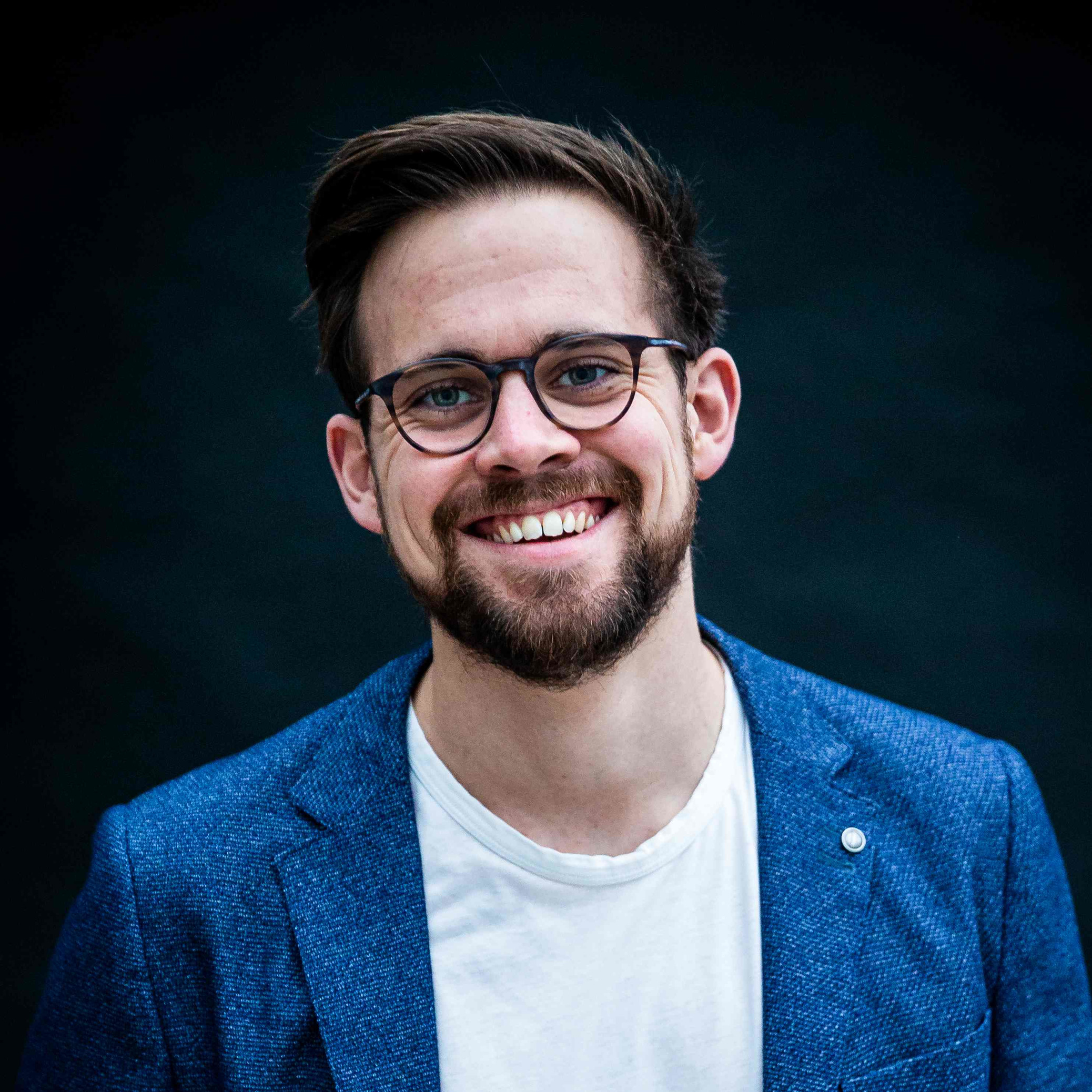
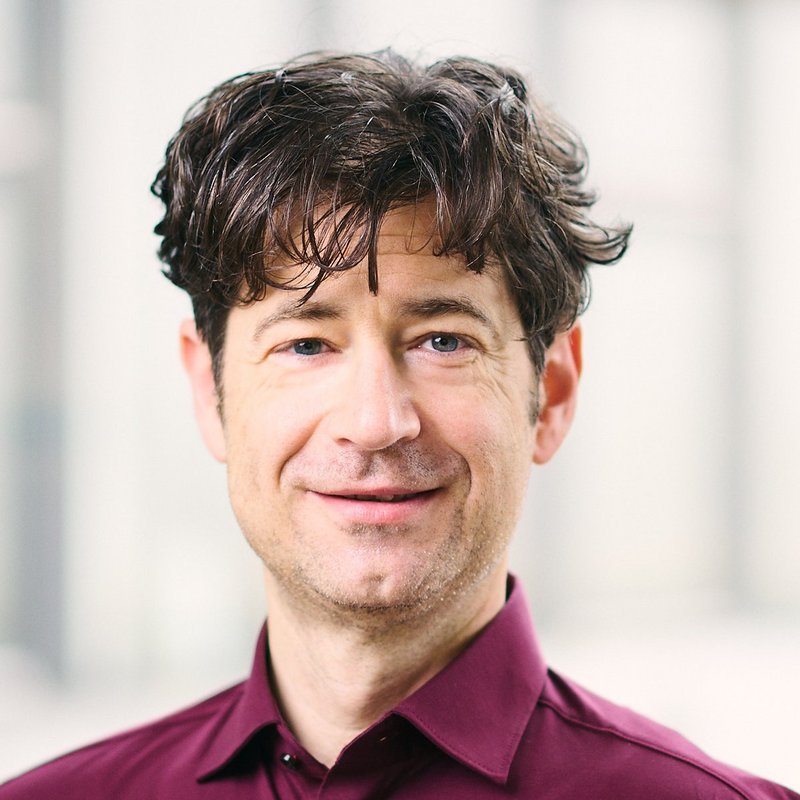
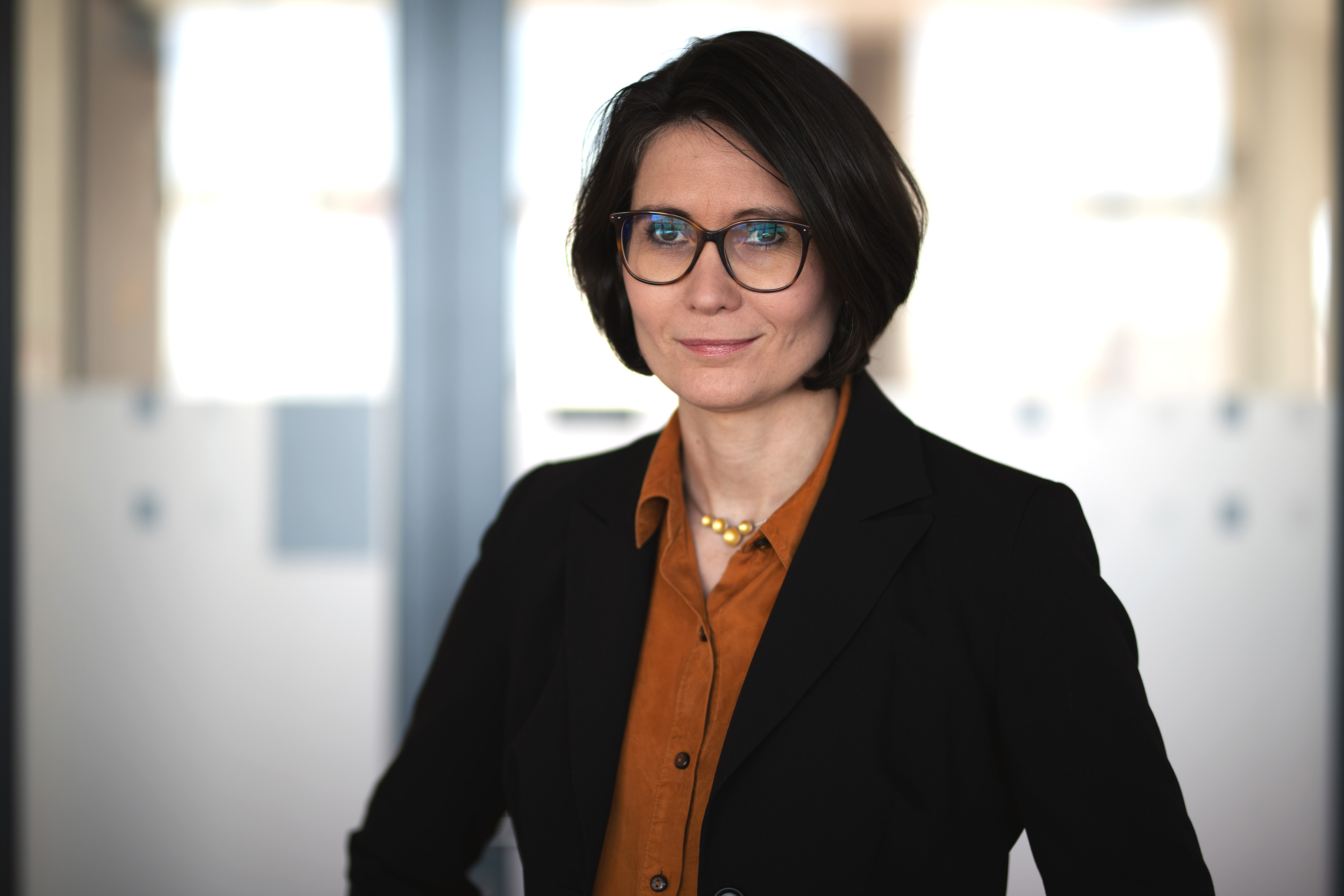
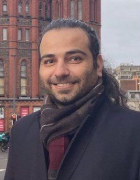
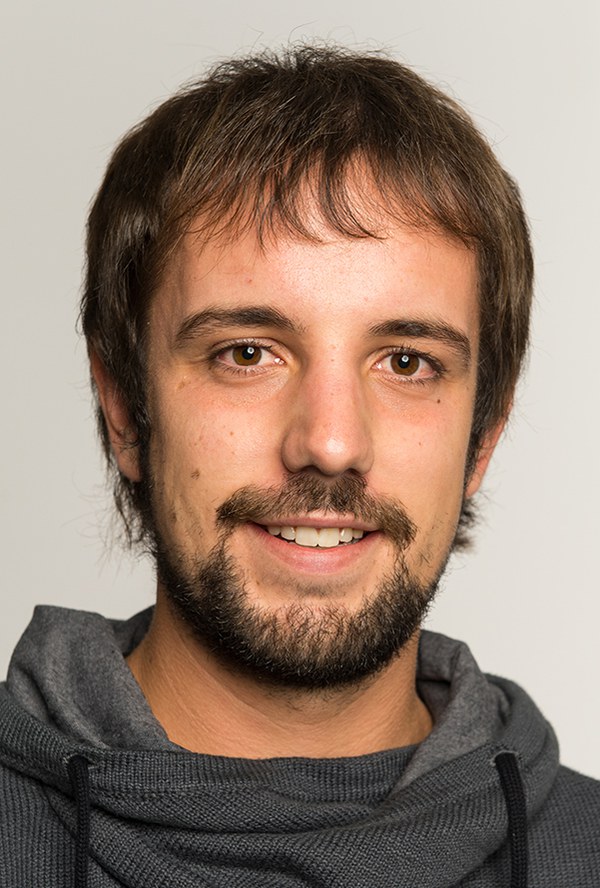
Prof. Dr.-Ing. John Heppe is a Professor in the Faculty of Engineering at Saarland University of Applied Sciences (htw saar), appointed from the Summer Semester 2023. His research and teaching focus on physical sensor technology, mechatronics, and biomechatronic applications. He has extensive industry experience in medical device development and holds multiple patents in moisture detection systems for vascular access monitoring. Aktuelle Lehrveranstaltungen: Actuators, Atomic and Solid-State Physics, Representation Methods and Statics, Dimensioning and Strength, Precision Engineering and Microtechnology, Mechatronics Project in English, Laser Measurement Technology and Design Methodology, Technical Mechanics in Production Environments, Non-Technical Aspects in Engineering Research Areas: Physical sensors, mechatronics, design methodology, product development, plant engineering, and component design Contact: john.heppe@htwsaar.de , +49 (0)681-5867-287, Room 9105, Goebenstraße 40, 66117 Saarbrücken
Kay Pompetzki is a Ph.D. student and Lecturer at the Intelligent Autonomous Systems Lab in the Department of Computer Science at Technische Universität Darmstadt . Previously known as Kay Hansel, his research focuses on Robot Learning , Machine Learning , and Human-Robot Interaction . He has contributed to projects involving optimal control , reinforcement learning , and visuo-tactile integration . Bachelor's in Applied Mathematics, RheinMain University of Applied Sciences Master's in Autonomous Systems, TU Darmstadt Visiting Scholar, Intelligent Robotics and Biomechatronics Laboratory (Nagoya University, 2023) Junior Expert Exchange Program delegate (2024) His publications span robot motion planning , goal inference , and sensor integration . Recent work includes tensor-based motion planning, kinematic graph matching, and telerobotics with haptic feedback. He has received recognition for Best Paper Awards in IEEE conferences. Advisor for 20+ theses and projects Reviewer for IEEE IROS, ICRA, CoRL, RSS, and ML workshops
Michael Munz is a Professor at the Department of Software Engineering and Sensor Technology at Technische Hochschule Ulm (THU). He leads the research group AI for Sensor Data Analytics (AISD) and co-leads the Biomechatronics Research Lab . His work focuses on machine learning, particularly deep learning for time series and image data, reliable AI systems, and automated sensor data analysis in therapy, diagnosis, and sports (e.g., motion analysis via inertial sensors). Education: Diploma in Computer Science, University of Ulm (2007), specializing in Neuroinformatics Doctorate (Dr.-Ing.) in 2011 with thesis: "Generic Sensor Fusion Framework for Simultaneous State and Existence Estimation for Vehicle Environment Recognition" Research Trends: His publications and projects emphasize algorithmic development for sensor data analytics, explainable AI, and applications in medical devices and biomechatronics. Current work includes software engineering for medical devices, image analysis, and scientific computing in healthcare technologies. Transfer Activities: Lead, Steinbeis Transfer Center AI Systems and Software Solutions Member, Transferzentrum für Digitalisierung, Analytics & Data Science Ulm (DASU)
Prof. Marc Brecht is a faculty member at Reutlingen University, serving as Vice-Dean for Studies and Programme Director of the Bachelor Biomechatronics programme. He is affiliated with the School of Life Sciences and leads the Process Analysis & Technology research group. His academic focus lies in experimental physics and high-resolution spectroscopic methods, particularly applied to biomedical and materials science challenges. His research emphasizes advanced spectroscopic techniques like UV hyperspectral imaging, Raman spectroscopy, and SERS (Surface-Enhanced Raman Spectroscopy) for applications in cancer diagnostics, material characterization (e.g., copper substrates, cotton fibers), and drug delivery (e.g., hypericin studies). Recent work includes developing workflows for tumor tissue identification using Raman spectroscopy and improving quality control in industrial materials via hyperspectral analysis. Collaborations span multidisciplinary teams in physics, chemistry, and biomedical engineering. No scientific awards are explicitly mentioned, but his extensive publication record reflects active research engagement.
Prof. Dr.-Ing. Heike Vallery is a leading academic in robotics and rehabilitation engineering, holding a full professorship at RWTH Aachen University's Institute of Automatic Control and a part-time professorship at TU Delft. She also holds an honorary professorship at Erasmus MC Rotterdam's Department for Rehabilitation Medicine. Her research focuses on robotic assistance for gait disorders through minimalistic concepts like wearable gyroscopic actuators. Education : Dipl.-Ing. in Mechanical Engineering (2004), RWTH Aachen Dr.-Ing. (2009), Technische Universität München Research Interests : She specializes in modeling and control of bipedal locomotion, compliant actuation, and assistive devices. Her work bridges robotics, biomechanics, and clinical applications, particularly for neurorehabilitation and prosthetics. Scientific Awards : Alexander von Humboldt Professorship Vidi Fellowship (2016), Netherlands Organisation for Scientific Research euRobotics Technology Transfer Award 1st Prize (2014) Academic Leadership : She leads the Institute of Automatic Control at RWTH Aachen and maintains affiliations with TU Delft and Erasmus MC Rotterdam. Her lab develops solutions like the RYSEN body weight support system and ERiK prosthetic leg.
Helmholtz Institute Ulm for Electrochemical Energy StorageGermany
Chien-Yu Chen is a Professor of Biomechatronics Engineering at National Taiwan University, where he has been on faculty since 2005, progressing from Assistant Professor to Associate Professor and currently serving as Professor. His research integrates computational approaches with biological systems, focusing on bioinformatics, genomics, and machine learning applications in medicine. Dr. Chen's educational background includes: PhD in Computer Science and Information Engineering from National Taiwan University (1999-2003) MS in Electrical Engineering from Stanford University (1996-1998) BS in Electrical Engineering from National Taiwan University (1992-1996) His research interests span multiple interdisciplinary domains at the intersection of computation and biology. Dr. Chen has made significant contributions to bioinformatics methodology development , particularly in genomic data analysis, variant interpretation, and integration of multi-omics data. His work frequently applies machine learning and deep learning approaches to solve challenging problems in genomics and precision medicine. A substantial portion of his research focuses on cancer genomics , particularly acute myeloid leukemia, as well as immunogenetics including HLA and KIR gene complex analysis. He has also contributed to population genomics with studies focused on the Taiwanese population, and to reproductive medicine through mitochondrial DNA research. Analysis of Dr. Chen's recent publications (2023-2024) reveals a strong focus on advancing computational methods for genomic analysis. His work increasingly incorporates deep learning techniques, including BERT models and variational autoencoders, to tackle complex biological questions. There's a clear emphasis on translational research with medical applications, particularly in cancer diagnostics and risk stratification, immunogenetics, and population-specific genomic medicine. His collaborative work spans multiple institutions and reflects an interdisciplinary approach that bridges computer science, engineering, and clinical medicine. Dr. Chen has been actively involved in mentoring students and leading research projects, though specific details about advisees are not provided in the available information. His research has been supported by various grants that enable large-scale genomic studies and methodological development in computational biology. His work appears to be conducted within a collaborative research environment that likely includes bioinformatics specialists, clinicians, and laboratory scientists, though specific lab or team names are not mentioned in the available information.
Marion Menzel is a Professor and Vice Dean at the Faculty of Electrical Engineering and Information Technology (Technische Hochschule Ingolstadt). She specializes in Biomechatronics and Sensor Data Analysis, with a focus on Medical Imaging and Magnetic Resonance Imaging (MRI). Her research emphasizes quantitative MRI techniques, including MR fingerprinting, deep learning applications in medical imaging, and hyperpolarized MRI for metabolic analysis. Education highlights include a Ph.D. (1999–2002) and Diplom-Chemiker (1994–1999) from RWTH Aachen. She has held roles at GE Healthcare, Siemens AG, and Forschungszentrum Jülich before joining THI in 2021. Her work bridges engineering and clinical practice, addressing challenges in imaging reconstruction, parameter mapping, and AI-driven diagnostics. Research interests span MRI acceleration, uncertainty quantification, and multimodal data fusion. She has pioneered methods like StoDIP and MRI2Qmap, advancing 3D imaging and compressive sensing. Her contributions to hyperpolarized 13C MRI enable non-invasive metabolic profiling in oncology and diabetes research. Key awards include recognition as an Alumna of the German Academic Scholarship Foundation. Her lab collaborates on projects like CHAIMELEON, a Pan-European initiative for AI-driven cancer management tools. Recent grants focus on improving diagnostic accuracy through AI and spatiotemporal reconstruction algorithms. Menzel’s team develops open-source frameworks for MRI analysis and actively participates in standardizing medical imaging protocols. Her work has direct clinical impact in neuro-oncology, radiology, and precision medicine.
Professor Felix Capanni is affiliated with the Ulm University of Applied Sciences (THU) , where he holds multiple leadership roles including Dean of Studies for MMD , Head of the Biomechatronics Laboratory , and Head of the Steinbeis Institute for Implant Development, Testing and Approval . His research focuses on biomedical engineering, biomechatronics, and mechanical testing of orthopedic implants. Biomechatronics Orthotics and Prosthetics Osteosynthesis Systems Photodynamic Therapy for Glioblastoma His recent publications analyze biomechanical testing of locking plates for femoral and humeral fractures, photodynamic glioblastoma treatment, and patient-specific prosthetic design. Collaborations include Universitätsklinikum Ulm and Häussler Technische Orthopädietechnik GmbH . Scientific Awards Best Poster Award nomination, 11. Jahrestagung der Deutschen Gesellschaft für Biomechanik (DGfB), 2019 Capanni serves as 2nd Chairman of the Working Group for Angle-Stable Osteosynthesis (awiso®) and is a Juror at the Medical Engineering Student Competition. His work has been funded by the State of Baden-Württemberg under the 'Innovative Projects' program.
Prof. Carole Leguy is a Professor of Regulatory Affairs in Medical Technology at Ruhr West University of Applied Sciences, where she has served since 2018. She holds dual leadership roles as Vice Dean of Department 4 and Head of the Institute of Measurement and Sensor Technology. Her academic responsibilities include teaching courses in Medical Informatics, Quality Management in Healthcare, and Modeling in Medical Technology. Her research integrates biomedical engineering with clinical applications, focusing on cardiovascular biomechanics, rehabilitation technology (particularly 'Serious Games' for physiotherapy), and space physiology. She applies computational fluid dynamics and ultrasound-based methodologies to study vascular aging, hemodynamics, and microgravity effects. Her work bridges engineering innovation with clinical diagnostics and space medicine. Prof. Leguy's publications demonstrate consistent focus on cardiovascular modeling, microgravity physiology, and diagnostic techniques. Recent work emphasizes telerobotic medical systems (2021) and vascular tone regulation (2018), while earlier foundational research established methods for arterial property estimation using inverse modeling and ultrasound. Scientific Awards: Marie Curie Early Stage Research Fellowship International Outgoing Fellowship (IOF) She has led significant international collaborations, including an ESA-funded bed rest study at RWTH Aachen (2017) examining vascular aging in simulated microgravity. Prior affiliations include research positions at the German Aerospace Center (DLR) and Simon Fraser University, specializing in space physiology.
Nicolas Berberich is a Lecturer and senior PhD candidate at the Technical University of Munich's Chair of Cognitive Systems, where he leads the neuroengineering research team. He teaches courses on neuro-inspired systems engineering and neurorehabilitation technologies, and mentors young researchers. His interdisciplinary research bridges robotics, neuroscience, and philosophy. Research interests include: Intention prediction and sensory feedback in brain-machine interfaces EEG/fMRI studies of embodiment and agency Neuroengineering applications in rehabilitation Neuroethics and AI ethics frameworks His publications focus on neurorehabilitation technologies, exoskeleton design, and motor learning. Recent work explores tremor suppression, sensory substitution systems, and neural correlates of motor imagery. Awards and fellowships: Wolfgang-Heilmann Award (2020) for AI education initiative 'KI macht Schule' Finalist for IROS Best Paper Award (2020) RIKEN Research Scholarship (2019) Best Poster Award at Interdisciplinary College (2018) SmartStart Fellowship (2017-2018)
Fengyi Wang is a doctoral candidate and researcher at the Technical University of Munich's Chair of Cognitive Systems. He holds a bachelor's degree in Electrical Engineering and Automation from Xi'an Jiaotong University (2017) and an MSc in Electrical Engineering from TUM (2021). His research combines bio-inspired computing with sensor technologies to develop artificial perception systems for robotics. Primary investigations include: Task planning for mobile manipulators Neuromorphic sensory processing Biologically plausible reflex modeling Recent publications demonstrate applications in soft robotic hands and thermal withdrawal reflex systems. He leads practical courses in RoboCup@Home robotics competitions and mentors students in advanced robotic implementations.
Dr. Sebastian Wrede serves as Head of the Cognitive Systems Engineering group within the Faculty of Engineering at University of Bielefeld and holds the position of Academic Director at the Research Institute for Cognition and Robotics. His office is located at CITEC 1-308, reflecting his strong affiliation with the Center for Cognitive Interaction Technology (CITEC). Dr. Wrede's research focuses on model-based systems engineering, domain-specific languages, middleware development, and human-robot interaction. His work bridges theoretical computer science with practical applications in robotics and cognitive systems. As an educator, Dr. Wrede is responsible for multiple software engineering and systems engineering modules including Software Engineering, Advanced Software Engineering, Systems Engineering (Basic and Focus), and Basics of Autonomous Systems Engineering. He also serves on examination boards for both the Intelligent Interactive Systems (Master) and Biomechatronics (Master) programs. His technical expertise spans across systems architecture, software development methodologies, and the integration of cognitive capabilities into robotic systems, positioning him at the intersection of computer science, engineering, and cognitive science. Dr. Wrede maintains an active role in academic administration through his leadership positions and committee memberships, contributing significantly to the educational and research frameworks at University of Bielefeld.
Prof. Majid Khadiv is a Professor for AI Planning in Dynamic Environments at the Technical University of Munich (TUM), appointed in September 2023. He is affiliated with the TUM School of Computation, Information and Technology and the Munich Institute of Robotics and Machine Intelligence (MIRMI), where he leads research at the intersection of artificial intelligence and robotics. His educational background includes: PhD from K. N. Toosi University of Technology (2017) Prof. Khadiv's research focuses on planning, control and learning for robotic systems, with an emphasis on locomotion and manipulation. His work aims to develop theoretical frameworks that enable loco-manipulation systems to autonomously interact with environments and continuously learn from these interactions. His research spans both theoretical development and experimental validation on real robotic systems, particularly in the domains of humanoid robotics and legged locomotion. His recent publications demonstrate a consistent focus on advancing robotic control through the integration of model-based optimization, machine learning, and physical understanding of robot dynamics. Key themes include locomotion planning, contact dynamics, uncertainty handling, and the development of robust control frameworks that can operate in real-world environments with physical constraints. His notable scientific achievements include: Outstanding Reviewer Award, IEEE Robotics and Automation Letters (2023) Best Paper Award, IEEE-RAS Technical Committee on Model-based optimization for robotics (2022) 4x Internal Max Planck institute grants (Grassroots) (2019-2022) Prof. Khadiv has extensive experience in both academic research and practical robotics development. During his PhD, he led the dynamics and control team for the Iranian national humanoid robotics project, Surena III. From 2018-2023, he worked as a research scientist at the Max Planck Institute for Intelligent Systems. His research has received significant grant support, including multiple internal Max Planck Institute grants. While specific student advising information isn't detailed in the provided materials, his position as a professor at TUM suggests he supervises graduate students in robotics and AI. Prof. Khadiv is affiliated with the Munich Institute of Robotics and Machine Intelligence (MIRMI), which serves as The AI Mission Institute (AIM) at TUM. His laboratory work focuses on developing and testing algorithms on real robotic systems, with particular emphasis on validation of theoretical frameworks in practical settings. His team likely includes researchers working on various aspects of robot control, planning, and learning, contributing to TUM's broader mission in robotics and artificial intelligence.
Thorben Schoepe is a Postdoctoral Researcher at the Peter Grünberg Institut (PGI) , specifically within the Neuromorphic Software Ecosystems (PGI-15) department at Forschungszentrum Jülich GmbH. His research focuses on developing robust, low-power, and low-latency event-driven robotic systems for applications in SLAM (Simultaneous Localization and Mapping), object detection, and navigation. Education: B.Sc. in Biomimetics, Westphalian University M.Sc. in Biomechatronics, Bielefeld University PhD in Neuromorphic Sensorimotor Systems, University of Groningen Research Interests: AI-driven robotics Sensing technologies Event-based cameras Hardware-software co-design Neuromorphic computing Low-latency systems
Prof. Dr. Helge Ritter is a distinguished Professor at the University of Bielefeld, holding multiple key positions across several departments and research centers. He is primarily affiliated with the Faculty of Engineering as part of the Neuroinformatics Group, and also serves as a CITEC Coordinator at the Center for Cognitive Interaction Technology. His work spans the Faculty of Psychology and Sport Science in the Department of Psychology (Unit 01 - Neurocognitive Psychology), and he contributes to the Joint Research Center on Cooperative and Cognition-enabled AI. His academic journey has positioned him at the forefront of interdisciplinary research that bridges engineering, cognitive science, and robotics. As a member of the Habilitation Committee and serving as Personal Deputy for Prof. Dr.-Ing. Ulrich Rückert on the Examination Boards for Biomechatronics (Master), he plays a significant role in academic governance and curriculum development. Research Interests Prof. Ritter's research spans the cutting-edge intersection of neuroinformatics, robotics, and artificial intelligence. His work focuses on cognitive robotics , tactile sensing systems , and human-robot interaction , with particular emphasis on how machines can perceive and interact with the physical world through touch and movement. His investigations into modular neural architectures and biologically inspired learning systems have significant implications for both theoretical neuroscience and practical robotics applications. His current research trajectory demonstrates a strong focus on transfer learning between simulation and reality , multi-fingered manipulation , and adaptive kinematic modeling . These efforts contribute to the broader Socio-Technical World research area at Bielefeld University, which 'researches capabilities and mechanisms that enable agents such as humans, robots and AI to act, communicate and learn in complex environments.' Academic Contributions Coordinator at the Center for Cognitive Interaction Technology (CITEC) Member of the Habilitation Committee in the Faculty of Engineering Personal Deputy for Examination Boards in Biomechatronics (Master) Contributor to the Joint Research Center on Cooperative and Cognition-enabled AI Prof. Ritter's work exemplifies Bielefeld University's commitment to 'Transcending Boundaries' between disciplines, people, and science and society. His research bridges theoretical neuroscience with practical robotics applications, creating innovative solutions for human-robot collaboration and cognitive systems.