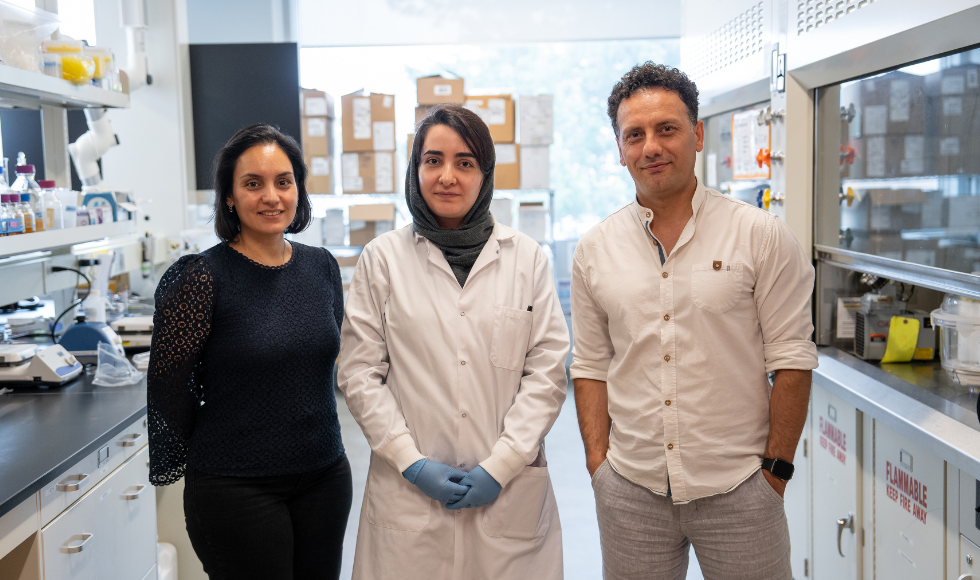
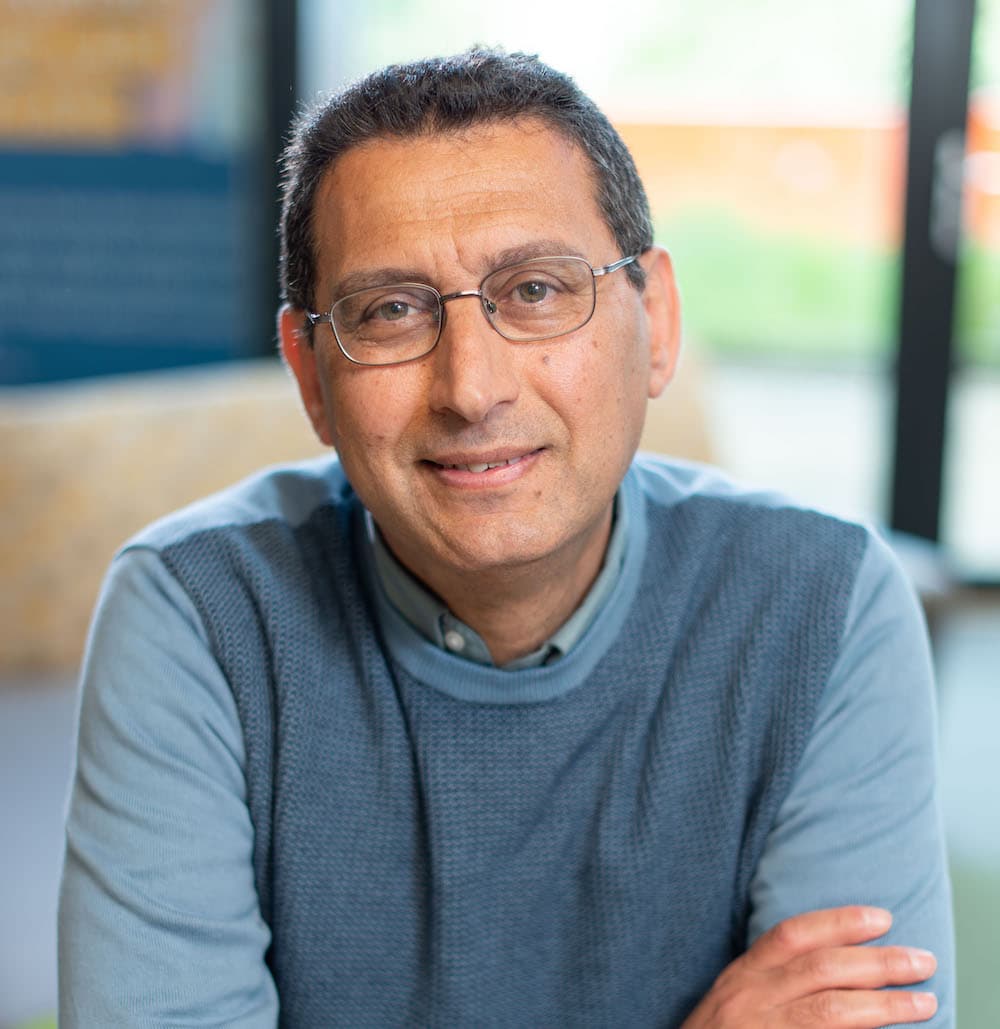
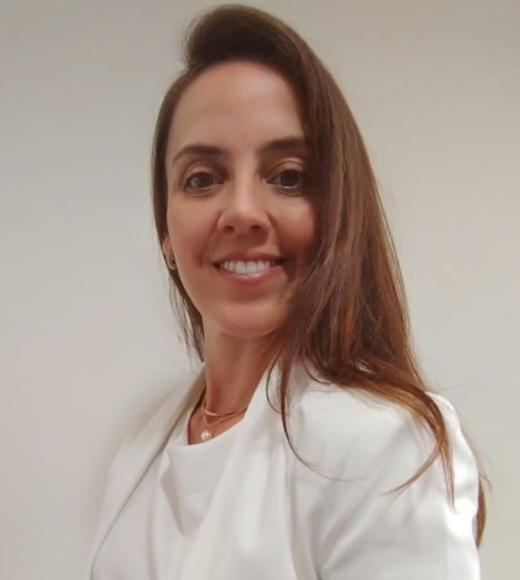
Souvik Ray is a Researcher at Linnaeus University's Department of Forestry and Wood Technology within the Faculty of Technology. He actively contributes to the Forest Products research group and collaborates with industry partners through The Bridge initiative (Södra, IKEA, Linnaeus University partnership). Focuses on wood-adhesive interactions for durable bonding Specializes in bioprospecting of forest-derived materials Works on sustainable wood preservation techniques Investigates enzymatic and dielectric wood modification His research particularly examines species like Pterocarpus santalinus (Red Sanders) and Hevea brasiliensis (Rubber Wood), with recent publications analyzing chemical profiles of Santalum album and bamboo preservation techniques. Current projects focus on understanding adhesive interactions in solid wood applications, aiming to develop long-term bonding solutions through material science approaches.
Lucília Domingues is an Associate Professor with Habilitation at the Biological Engineering Department of University of Minho's School of Engineering. She serves as Director of the Master Course on Biotechnology and Deputy Director of the Centre of Biological Engineering (CEB) research unit. With over two decades of academic experience, she leads the Molecular Biotechnology and Precision Fermentation research group and maintains active collaborations with international institutions including a 2024 Visiting Professorship at the Biological Engineering Center at the University of Kobe. Her educational background includes a Chemical Engineering degree from University of Porto (1994) with an ERASMUS stay at Universitat Politècnica de Catalunya, a Master in Biotechnology - Bioprocess Engineering (1997), a PhD in Chemical and Biological Engineering (2001) in collaboration with VTT Technical Research Center of Finland, and Habilitation in Chemical and Biological Engineering (2018), all from University of Minho. Professor Domingues' research focuses on Molecular and Industrial Biotechnology, particularly developing microbial cell factories using molecular biotechnology tools for eco-sustainable production of biofuels and bio-based chemicals. Her work emphasizes renewable substrates and applications across food, energy, chemical and biomedical industries. She has pioneered approaches in precision fermentation, microbial metabolic engineering, and biorefinery development for lignocellulosic biomass valorization. Her publication record demonstrates consistent high-impact research across biotechnology domains, with particular emphasis on yeast engineering, waste valorization, and sustainable production systems. The research shows strong integration of molecular biology techniques with industrial applications, especially in developing microbial systems for bio-based chemical production from renewable resources. World's Top 2% Scientists (2021, 2022, 2023) Research Merit Prize (2021, 2022, 2023) Scientific Merit Award 2022 from School of Engineering Professor Domingues has extensive experience supervising graduate researchers with 51 Master's and 23 PhD students completed. She has coordinated numerous national and European funded projects including New protein-based technology platform for mycotoxin purification, EssenTial, Biostarv, and YEaSt innovation. Her research group actively collaborates with industrial partners on molecular biotechnology and biorefineries development. She serves as Associate Editor for Biotechnology for Biofuels and Bioproducts and editor for Bioengineered and Biomed Research International. Her laboratory, the Molecular Biotechnology Laboratory (LBM), focuses on developing advanced microbial systems for precision fermentation and sustainable bioproduction. The research team works at the intersection of molecular biology, metabolic engineering, and bioprocess development to create innovative solutions for industrial biotechnology challenges.
Ron Wakkary is a prominent researcher and faculty member at Simon Fraser University's School of Interactive Arts and Technology, with a dual appointment at Eindhoven University of Technology in the Industrial Design department. His work bridges Human-Computer Interaction and Interaction Design, focusing on innovative approaches to design research and practice. Wakkary's research interests center around Human-Computer Interaction, Interaction Design, and Research through Design methodologies. He has pioneered work in More-than-human Design, exploring relationships between humans and non-human entities through design. His research in Material Speculation investigates how physical materials can inform critical inquiry, while his work on Sustainability examines ecological approaches to design practice. Wakkary also contributes significantly to Design Methods, particularly in domestic contexts and everyday design practices. Analysis of his recent publications reveals a strong trend toward More-than-human Design approaches, with increasing focus on backyard practices, biomaterials, and human-nonhuman relationships. His work has evolved from traditional HCI topics toward more speculative and materially engaged design research. Wakkary's publications consistently explore the philosophical dimensions of design while maintaining strong empirical grounding through Research through Design methodologies. 5 Honorable Mention Paper Awards 4 Best Paper Awards Wakkary maintains an extensive collaborative network, with frequent co-authorship with researchers like Erik Stolterman (59 collaborations), Audrey Desjardins (26), William Odom (25), and Doenja Oogjes (20). His advising appears to focus on advanced design research, with students like Lauren Thu, Elvia Vasconcelos, and Doenja Oogjes producing work on biomaterials, voice annotation, and collective design practices. His research has received significant attention with 3,035 total citations across 193 publications. Wakkary's work appears to be conducted through the Research through Design community, with strong connections to both the Simon Fraser University and Eindhoven University of Technology design research groups. His recent focus on backyard practices suggests a shift toward more localized, situated design research that moves beyond traditional institutional settings.
Bruce Dunn is a Distinguished Professor of Materials Science and Engineering at the University of California, Los Angeles, holding the Nippon Sheet Glass Company Chair in Materials Science. His research focuses on the synthesis of inorganic and hybrid materials with emphasis on sol-gel methods, and characterization of their electrical and optical properties. Key research areas include sol-gel processing, energy storage materials, and bioinspired composites Develops 3D battery architectures and microscale electrochemical devices His work has produced significant advancements in biomaterial integration, nanoscale microstructures, and electrochemical systems. Recent publications highlight applications in bioenergetics, smart surfaces, and hierarchical electrode design. Awarded: Fulbright Research Fellowship (1986) Allied Signal Faculty Award (1997) DOE Awards for Materials Science (1995, 1998) Multiple international professorships
Yasemin KAPTAN is an Assistant Professor at Beykent University in the Faculty of Engineering and Architecture, Department of Chemical Engineering. She actively contributes to research in biomaterials, drug delivery systems, and enzymatic polymer synthesis through publications in SCI/SCI-Expanded journals. Research Focus: Her work emphasizes Development of dual-functioning materials for targeted drug delivery and radiosensitization Biocomposite hydrogels for wound healing applications Enzymatic synthesis of biodegradable polymers like polycaprolactone Surface modification of silica-based supports for enzyme immobilization Controlled release mechanisms in pH-responsive systems Nanohybrid materials for pharmaceutical applications Publication Trends: Her research spans materials science, biomedical engineering, and chemical engineering, with recent advancements in metal-organic frameworks (MOFs) and chitosan-based composites. Earlier work focuses on optimizing enzyme immobilization protocols and polymer-silica hybrids. Academic Duties: She teaches core chemical engineering courses such as Thermodynamics, Process Dynamics and Control, Mass Transfer, and Heat Transfer, reflecting her expertise in both theoretical and applied aspects of the field.
Emily Cranston is an Adjunct Associate Professor in the Department of Chemical Engineering at McMaster University , where she holds the Canada Research Chair in Bio-Based Nanomaterials . Her research focuses on advanced applications of cellulose nanocrystals (CNCs) in polymer composites, biomedical materials, and sustainable technologies. Research Interests Cellulose nanocrystal surface modification Mechanical properties of bio-based composites Injectable hydrogels for tissue engineering Green adhesive systems Nanocellulose in energy storage devices Biodegradable foam insulation materials Recent Work Trends 2024-2025 studies on water-based hydrophobization strategies Investigations into CNC-lateX interactions for coatings Advancements in vaccine delivery systems using nanocellulose Structural analysis of wood particles for insulative foams Awards Canada Research Chair in Bio-Based Nanomaterials Teaching Instructor for CHEMENG 2G03: Problem Solving and Technical Communication (2018)
Zeinab Hosseinidoust is an Associate Professor in the Department of Chemical Engineering at McMaster University and holds the Canada Research Chair (Tier 2) in Bacteriophage Bioengineering. Her work bridges chemical and biomedical engineering to address antimicrobial resistance through innovative bacteriophage-based technologies. She leads the Hosseinidoust Research Group, which focuses on transforming phages into scalable products for healthcare, agriculture, and food safety. Education: Ph.D. from McGill University, postdoctoral training at Max Planck Institute for Intelligent Systems. Research Pillars: Phage Antimicrobials, Phage Biomaterials, Phage Diagnostics, and Aerosolized Phage Applications. Her 15 most recent articles (2024–2025) emphasize translational phage bioengineering, including high-throughput diagnostic platforms, antimicrobial microgels, and smart implant coatings. Key themes include Phage Therapy , Biomaterials Engineering , and Nano-Structured Antimicrobials , with subfields like 3D Bioprinting , Smart Textiles , and In Vivo Models . Awards: Canada Research Chair, Ontario Early Researcher Award, Dean’s Honor Roll for Teaching Excellence. Teaching: Courses in Heat Transfer (CHEMENG 3A04) and Health Solutions Design Projects II (IBEHS 2P03). Collaborative Affiliations: Core member of the Farncombe Institute for Digestive Health, associate member of the Michael DeGroote Institute for Infectious Disease Research, School of Biomedical Engineering, and CEPEM.
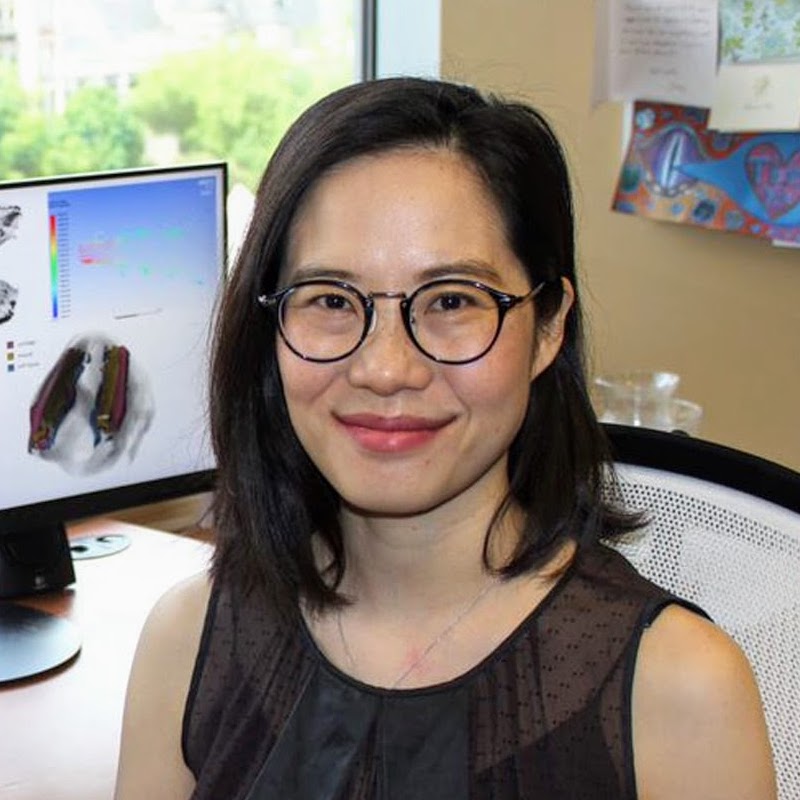
Nicole Li-Jessen, PhD is an Associate Professor in the Department of Surgery at McGill University's Faculty of Medicine and Health Sciences and holds the Canada Research Chair (Tier 2) in Personalized Medicine of Upper Airway Health and Diseases. She serves as Graduate Program Director for the School of Communication Sciences and Disorders and is an Associate Investigator at The Research Institute of the McGill University Health Centre (RI-MUHC). Dr. Li-Jessen maintains additional affiliations with the Departments of Otolaryngology and Biomedical Engineering, and is a Research Member of Quantitative Life Sciences and McGill Regenerative Medicine Network. Dr. Li-Jessen's research laboratory integrates in vitro, in vivo, and in silico (computational) approaches to study vocal fold biology and wound healing, with the goal of generating computational platforms that guide surgeons and speech pathologists in voice repair methods. Her key research areas include: Non-invasive assessment of airway reflux Designing 3D printable biomaterial for laryngeal tissue and muscle reconstruction Creating wearable e-health devices for upper airway monitoring Agent-based modeling of vocal trauma and repair response Development of tumor-on-a-chip platforms for studying laryngeal cancer chemoresistance Her work is funded by a Canada Research Chair, the CIHR, NSERC, SSHRC, FRQS, and NIH in the United States. Dr. Li-Jessen has published extensively in high-impact journals across biomedical engineering, otolaryngology, and regenerative medicine fields, with recent publications focusing on vocal fold biomaterials, computational modeling of vocal pathology, and audio-based digital biomarkers for respiratory diseases. Dr. Li-Jessen has received several prestigious awards including the Canada Research Chair (2021), Principal's Prize for Excellence in Teaching (2018), and the Rosemary Wedderburn Brown Prize (2018). She serves as Section Editor of PLOS Digital Health and is actively involved in science policy as a Delegate for Science Meets Parliament. As Graduate Program Director, Dr. Li-Jessen oversees graduate thesis programs in the School of Communication Sciences and Disorders and has mentored numerous PhD, Master's, and undergraduate students. She leads the Voice and Upper Airway Research Lab (VUA Lab), which advocates for EDI principles in STEM and currently has open positions for PhD and post-doctoral researchers in computer modeling and digital health projects.
Zaid Badr is a Clinical Assistant Professor and Director of the Technological Innovation Center at the Marquette University School of Dentistry . He holds a DDS from the University of Jordan, an MS in Operative Dentistry from the University of North Carolina-Chapel Hill, and multiple certifications in implantology and leadership. Specializes in digital dentistry, artificial intelligence, and dental materials Teaches advanced digital dentistry and restorative courses Recipient of Marquette's 2025 Golden Apple Teaching Award and 2025 Participating Faculty Research Award His research focuses on AI applications in dental diagnostics and biomechanical behavior of zirconia-based prostheses . He has authored studies on bond strength testing, implant imaging, and AI-assisted lesion detection. Scientific Awards & Grants: Marquette University Participating Faculty Research Award (2025) Golden Apple Teaching Excellence Award (2025) NIH/NIDCR grants as collaborator (2019-2022) In-kind donations from Dentsply Sirona, Ivoclar, and Brasseler
Brendan Higgins serves as an Associate Professor in the Department of Biosystems Engineering within Auburn University's Samuel Ginn College of Engineering. His research focuses on sustainable biological processes that incorporate algae and bacteria for waste remediation, water quality improvement, and production of high-value products. With funding from organizations including the USDA, NSF, and USGS, Higgins leads innovative projects addressing critical environmental challenges in agriculture and water management. Dr. Higgins received his educational foundation from prestigious institutions, earning his B.S. in Civil Engineering from Northwestern University, followed by an M.S. in Transportation Technology & Policy and a Ph.D. in Biological Systems Engineering from the University of California-Davis. His academic journey in Davis, California, cultivated his appreciation for environmental protection and sustainability that drives his current research. Ph.D. Biological Systems Engineering, University of California-Davis M.S. Transportation Technology and Policy, University of California-Davis B.S. Civil Engineering, Northwestern University Higgins' research spans multiple innovative areas including poultryponics (recycling poultry processing wastewater for crop irrigation), aquaponics (integrating fish farming with hydroponic crop production), algal cultivation on agricultural wastewaters for animal feed production, and upcycling solid wastes from poultry processing. His laboratory employs advanced analytical techniques including HPLC, LCMS, GCMS, quantitative PCR, and microbial community analysis to investigate organism interactions in biological treatment systems. Analysis of Higgins' recent publications reveals a strong focus on sustainable waste-to-resource conversion, particularly in poultry and aquaculture industries. His work demonstrates expertise in nutrient cycling, pathogen dynamics in food production systems, and developing practical solutions for wastewater treatment that simultaneously create valuable products. The geographical focus on Southeastern US conditions reflects his commitment to regionally relevant solutions for agricultural waste management. Higgins actively mentors graduate and undergraduate students in his laboratory, with documented success in guiding students through degree completion and research competitions. His REU (Research Experience for Undergraduates) program, funded by the National Science Foundation, provides valuable research opportunities for students interested in bioprocessing and waste valorization. Current grants support projects including poultry waste conversion, aquaponics optimization, and drinking water quality research funded by USDA, NSF, USGS, and municipal water utilities. The Bioprocess Engineering Laboratory led by Higgins features capabilities in algae and bacteria cell culture, sterile handling (BSL2 certified), multiple chromatography techniques for metabolite analysis, ion chromatography for nutrient analysis, quantitative PCR, and microbial community analysis. The lab operates pilot-scale systems including the "poultryponics" system for growing lettuce with treated poultry wastewater and one of the largest university-based aquaponics facilities in the country, which supplies produce to campus dining services and local markets.
Paul Conway is a Professor of Manufacturing Processes and Dean of School at Loughborough University. He holds leadership roles such as Director of the EPSRC Centre for Doctoral Training in Embedded Intelligence. Conway earned his BEng (Hons) from the University of Ulster (1988) and MSc from Loughborough University (1989). His expertise spans electronics manufacturing, multifunctional materials, and Industrial IoT, with contributions to projects funded by EPSRC, EU frameworks, and industry. He is a Fellow of The Royal Academy of Engineering (2021) and has received prestigious awards including the 2003 IEEE/CPMT/SEMI Best Paper Award and 2012 Loughborough Innovation Italy Sustainability Award. His research addresses challenges in additive manufacturing, materials processing, and cyber-physical systems, with notable work on through-silicon vias (TSVs), biomedical scaffolds, and Industry 4.0 applications. Conway has led initiatives like the EPSRC IeMRC and contributed to strategic advisory roles in UK manufacturing research. His work emphasizes sustainable manufacturing practices and technological innovation across academia and industry. Education: BEng (Hons), University of Ulster, 1988 MSc, Loughborough University, 1989 Awards: Fellow of The Royal Academy of Engineering (2021) IEEE/CPMT/SEMI Best Paper Award (2003) Loughborough Innovation Italy Sustainability QUID Award (2012) Conway’s publications span advanced materials, manufacturing processes, and smart systems, reflecting his interdisciplinary approach. His current focus includes integrating cyber-physical systems for sustainable production and training future engineers through innovative frameworks.
Maria Dimaki is a Senior Researcher at the Technical University of Denmark (DTU), affiliated with the Department of Biotechnology and Biomedicine. Her research focuses on microfabrication, dielectrophoresis, microfluidics, and biosensing, with contributions to nanotechnology and biomedical engineering. She holds a PhD in Dielectrophoretic Assembly of Carbon Nanotube Devices from DTU (2004), preceded by studies in Engineering and Physical Science at Imperial College London (2001) and Electrical Engineering at the National Technical University of Athens (2000). Her research interests include developing advanced microfluidic systems for biomedical applications, such as pathogen detection, milk analysis, and neural studies. She has supervised multiple PhD students, including projects on photonic sensors, bacterial viability classification, and milk contaminant detection. Her work aligns with UN SDGs, particularly addressing sustainable health and innovation. Recent publications emphasize microfluidic platforms for PCR, impedance-based cytometry, and nanoscale sensor technologies. She has co-invented methods for improving milk sample analysis and has participated in international conferences on microfluidics and analytical miniaturization. Her lab integrates nanotechnology, biosensors, and biomedical engineering for innovative diagnostic solutions.
Dr. Ali Adawi is an Associate Professor in Physics at the University of Hull, affiliated with the Faculty of Science and Engineering and the Physics department. His research focuses on nanophotonics, plasmonics, metamaterials, and light-matter interactions at the nanoscale. His research spans: Hybrid organic/inorganic photonic crystal nanocavities Plasmonic nanopatch antennas for efficient light sources Surface-Enhanced Raman Scattering (SERS) for molecular detection Near-zero refractive index metamaterials Spectroscopy of nanomaterials Recent publications demonstrate a strong focus on enhancing solar cell efficiency, photoconductivity, and nano-scale energy transfer. Trends include plasmonic enhancements, quantum dot applications, and metamaterial innovations. Dr. Adawi has supervised PhD students including Anthony Edwards (2016) and Addison Marshall (2017), and currently mentors Abdullah Hamza and Donatello Pagnotto. He leads projects in nanophotonics and metamaterials.
Jaqueline De Moraes is an Associate Specialist in the L. Wang Lab at the University of California, Davis (UC Davis), Department of Food Science and Technology. She holds a Ph.D. and M.S. from the Federal University of Santa Catarina, Brazil, and a B.S. in Food Engineering from the Federal University Foundation of Rio Grande, Brazil. Her research focuses on developing biodegradable films, innovative food drying techniques, and solutions to mitigate foodborne pathogens in low-moisture foods. She has expertise in non-thermal processing methods, industrial scaling, and food safety. Dr. De Moraes’ postdoctoral research at Cornell University and Alicon Co. explored non-thermal inactivation of pathogens. Her current work involves pathogen survival analysis in foods and optimizing drying technologies for nutritional retention. She actively engages in extension activities, teaching, and mentoring, contributing to the development of gluten-free products and sustainable food processing. Her research spans topics like starch-based films, conductive drying, pulsed light treatments, and the application of algae in food products. She collaborates on projects involving food texture analysis, microbial inactivation, and the utilization of upcycled ingredients in snacks and beverages. Education: Ph.D. in Food Engineering, Federal University of Santa Catarina, Brazil M.S. in Food Engineering, Federal University of Santa Catarina, Brazil B.S. in Food Engineering, Federal University Foundation of Rio Grande, Brazil Her work bridges food science, engineering, and sustainability, with contributions to both academic research and industry applications.
Aman Russom is a Professor in Clinical Microfluidics at KTH Royal Institute of Technology. His research group develops microfluidic technologies for point-of-care diagnostics, focusing on cell handling, analysis, and separation techniques for biomedical applications. The group works at the intersection of nanotechnology, fluid dynamics, and biomedical engineering to create advanced lab-on-chip systems. Research interests center on developing miniature laboratories for complex biochemical analyses, particularly for blood samples. Key areas include: Automated cell picking and separation techniques Elasto-inertial focusing of nanoparticles Acoustofluidic methods for environmental monitoring Diagnostic platforms for resource-limited settings Recent publications show strong trends in diagnostic microdevice development, with innovations in fiber-based systems, smartphone-integrated platforms, and multiplexed detection methods. Work consistently addresses clinical translation challenges through surface engineering, 3D tracking, and signal enhancement strategies. The group maintains active collaborations with clinical partners and focuses on creating real-world solutions for healthcare and environmental monitoring.