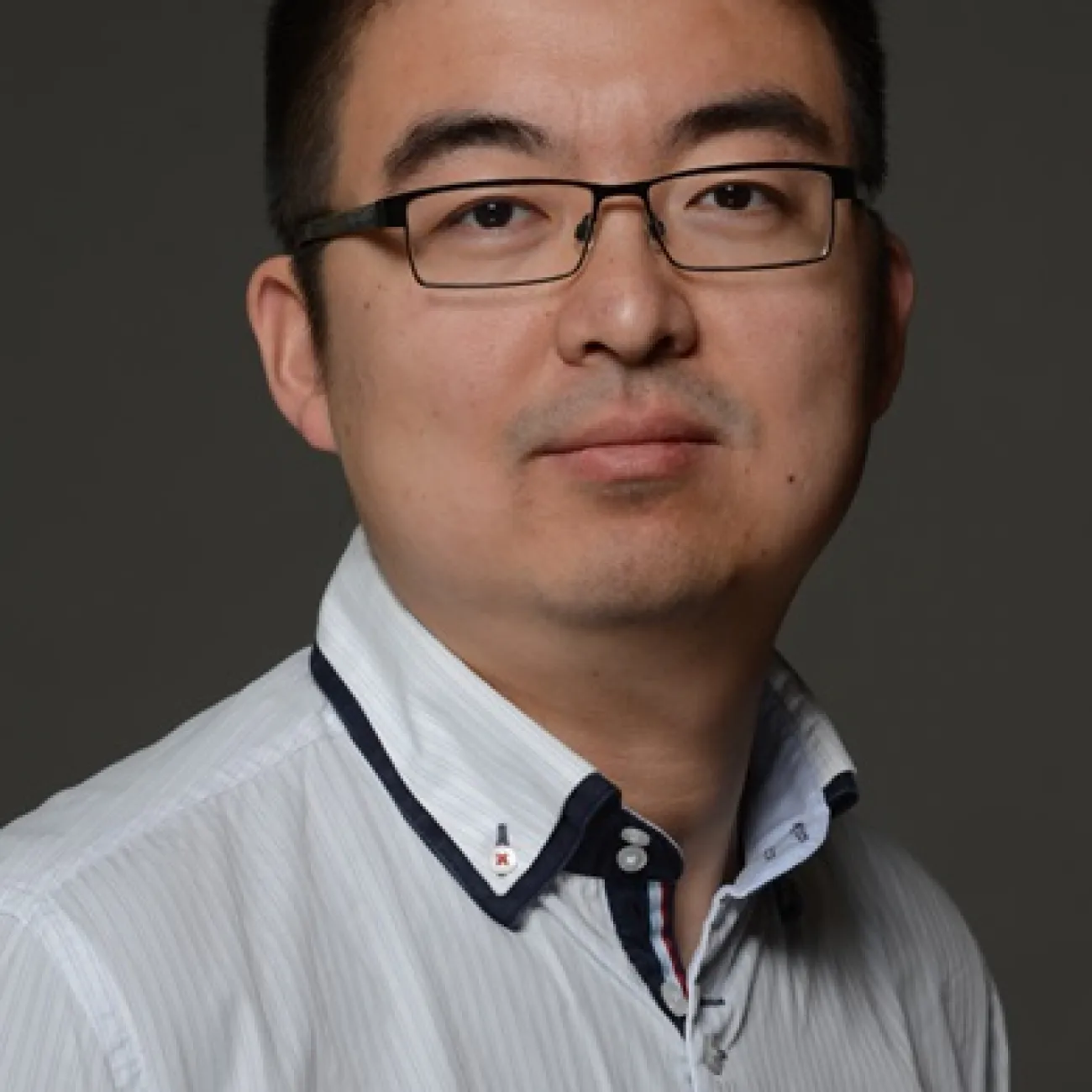
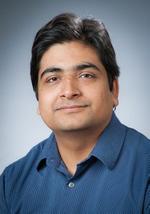
Dr. Xi Yu is a Lecturer in Chemical Engineering at the University of Southampton, affiliated with the Faculty of Engineering and the Environment. He holds a Bachelor's from Tianjin University and a Ph.D. from the University of Sheffield. His research focuses on low carbon fuels, granulation techniques, and computational fluid dynamics. He has supervised PhD students such as Jerin Jacob and is currently accepting new PhD applicants in these areas. Dr. Yu's educational background includes degrees in Chemical Engineering and prior academic roles at Aston University and the Energy and Bioproducts Research Institute (EBRI). His work spans bioenergy systems, particle technology, and multi-physics modeling. Key research projects include advancements in biomass gasification, biofuel production, and sustainable energy systems. His publications emphasize computational modeling, fluid dynamics, and biomass utilization. Recent articles explore topics like absorption chiller systems, fluidization validation, and bio-oil aging strategies. He contributes to teaching modules such as CHEG3000 and CHEG3004, reflecting his commitment to both research and education.
Dr. Yeshui Zhang is a Lecturer at the School of Engineering, University of Aberdeen, UK, since December 2021. Previously, she held a Faraday Institution Research Fellowship at University College London (2018–2021). University of Birmingham (BSc Environmental Management, 2012) University of Sheffield (MSc Energy and Environmental Engineering, 2013) University of Leeds (PhD Chemical and Process Engineering, 2017) Her research spans chemical and environmental engineering, focusing on: Energy storage materials (e.g., lithium-ion batteries) Pyrolysis-catalysis of waste materials High-temperature quartz crystal microbalance applications Carbon nanotubes synthesis Circular economy strategies for plastics Recent publications emphasize catalytic waste valorization for hydrogen-rich syngas, biomass pyrolysis mechanisms, and hybrid-functional catalyst design. She serves as Associate Editor for Carbon Capture Science & Technology and contributes to standards in battery manufacturing. Emerging Investigator Award, IChemE 2022 IAAM Young Scientist Medal 2022 Best Paper Award, 21st CCSSTA 2020 Dr. Zhang supervises PhD students in chemical engineering and leads the Meston Lab 155 at Aberdeen. Her work bridges academic research with industrial applications through memberships in the Royal Society of Chemistry and IChemE.
Dr. Ina Säumel is a scientific collaborator at the Institute of Agricultural and Horticultural Sciences at Humboldt University of Berlin. Her work bridges urban ecology, biodiversity conservation, and socio-cultural dimensions of sustainability through participatory approaches. Research Focus : Urban sustainability transitions, nature-based solutions, medicinal plants, and climate change adaptation. Key Projects : Edible City Solutions, biochar conversion from agro-residues, and biodiversity assessments in urban cemeteries. Geographic Scope : Uruguay, Andes, South Tyrol, and Berlin. Emphasis on post-industrial and water-sensitive cities. Her recent publications highlight interdisciplinary methods in co-creation, land-use impacts on metacommunity structures, and health-promoting urban green spaces. Contact: ina.saeumel@hu-berlin.de
Dr. Taghi Miri is an Assistant Professor in the School of Chemical Engineering at the University of Birmingham, specializing in Chemical Engineering with a focus on food processing safety, environmental engineering, and nanotechnology. He holds a PhD from the University of Birmingham, focusing on plant-based food processing. His research spans food waste valorization, novel food processing technologies, and bioremediation of heavy metals. He has collaborated with industry leaders such as Marlow Food, CSM Bakery, and P&G, and has led modules in Food Engineering, Food Safety, and Chemical Engineering education. Education: BSc, MSc & PhD in Chemical Engineering from the University of Birmingham. Research Interests: Food safety challenges in reformulation, circular economy applications, and nanocomposite development for drug delivery. His current projects include food waste valorization via supercritical CO₂ extraction and ohmic heating for food safety. Editorial Roles: Associate Editor of the Journal of Water and Environmental Nanotechnology and Guest Editor of the Journal of Sustainability (Special Issue on Food Waste). Advising: Supervises PhD/MSc projects in Food Engineering and Environmental Bioprocessing. Leads modules such as 'Food Microbiology and Safety' and 'Novel Food Processing'.
Jay P. Gore is the Vincent P. Reilly Professor in Combustion Engineering at Purdue University's School of Mechanical Engineering, with courtesy appointments in Aeronautics & Astronautics and Chemical Engineering. He holds positions at the West Lafayette campus and leads the Gore Research Group, focusing on combustion, radiation heat transfer, and sustainable energy systems. Education: B.E. from University of Poona (1978), M.S. and Ph.D. from Penn State (1982, 1986), and a Postdoctoral Certificate from University of Michigan (1987). His research spans combustion fundamentals, CO2 recycling via char gasification, laser diagnostics, and propulsion systems. He pioneered the Summer Undergraduate Research Fellowship (SURF) program at Purdue. Research interests include turbulent reacting flows, biomedical heat transfer, and global energy policy. Key subfields are combustion diagnostics, flame structure analysis, and hydrogen storage. His work integrates experimental and computational methods, with applications in aerospace, energy, and environmental sectors. Awards: Purdue Innovator Hall of Fame (2014) Fellowships: AIAA (2009), ASME (2006) Reilly Chair Professor (2000) Presidential Young Investigator Award (1991) Grants & Collaborations: Supported by DoE, NASA, and industry partnerships. Leads interdisciplinary projects on CO2 utilization and renewable energy systems. Labs/Teams: Gore Research Group specializes in combustion diagnostics, laser-based measurements, and sustainable energy solutions. Collaborations include international conferences and policy initiatives.
Dr. Aisling Devine is a Senior Lecturer in the Department of Biosciences at Swansea University, within the School of Biosciences, Geography and Physics. Her research focuses on plant community ecology, particularly African woodlands and savanna ecosystems, emphasizing ecological and socio-economic impacts of vegetation change. She specializes in fire ecology, Miombo Woodlands, and biodiversity conservation. Dr. Devine is available for postgraduate supervision and teaches modules including BIO018 (Biology Transition), BIO232 (Plant Ecology), and BIO347 (Tropical Ecology in Borneo). Her research explores savanna dynamics, biochar applications in agriculture, and circular economic approaches to waste management. Recent work investigates biochar effects on tomato growth and nutrient recovery from faecal sludge. She has supervised projects on African savanna tree conservation and non-native macropod impacts on Isle of Man ecosystems. Dr. Devine’s teaching spans field ecology, conservation strategies, and scientific research methods, preparing students for careers in ecology, conservation, and environmental consultancy. Her research integrates classical ecological theory with practical field techniques, addressing global biodiversity challenges and sustainable resource management.
Morten Ambye-Jensen is an Associate Professor in the Department of Biological and Chemical Engineering at Aarhus University, specializing in biorefinery technology and sustainable protein production. His work focuses on optimizing green biorefining processes for agricultural residues to produce high-value products like biochar, proteins, and bio-based materials while minimizing environmental impact. Key research interests include: Development of integrated biorefinery systems for grasses and legumes Protein extraction from residual biomass for food and feed applications Life cycle assessment of bio-based technologies Waste-to-resource valorization strategies Climate-smart agricultural practices He leads or collaborates on major projects such as Green Valleys 2.0 (2023-2025) and ENTRANCE (2022-2025), which aim to create circular bioeconomies and reduce reliance on imported soybeans. His research also explores energy-efficient processing techniques and biochar applications in agriculture. Notable achievements include advancing fractionation technologies for alfalfa and grass-clover biomass, and demonstrating how pyrolysis integration can enhance biorefinery energy efficiency while producing valuable biochar.
Professor Jon Gibbins is a faculty member at the University of Sheffield within the School of Mechanical, Aerospace and Civil Engineering . He serves as the Centre Director of the UK Carbon Capture and Storage Research Centre and is a Research Area Champion for Solvent Post-Combustion . With over 30 years of experience in coal/biomass gasification and CCS since 2002, his work spans academic, industrial, and policy domains. He contributes to global CCS initiatives, including the SaskPower CCS Global Consortium Advisory Committee , and advises on energy system balancing, economics, and regulation. Research Interests: Carbon Capture and Storage (CCS) Power Plant Engineering Coal and Biomass Combustion Hydrogen Production with CCS Techno-economic Analysis Flexible Power Plant Operation Recent Article Trends focus on CCS integration, solvent optimization, hydrogen decarbonization, and combustion dynamics. His work emphasizes partnerships with industry and governments, particularly in China and the UK, addressing climate policy, energy security, and technology deployment.
Louise Olsson is a Professor and Head of the Department of Chemical Engineering at Chalmers University of Technology. Her research focuses on catalysis for emission control and alternative fuel production, combining experimental and kinetic modeling approaches. She leads a research group affiliated with the Competence Center for Catalysis (KCK), integrating basic and applied projects with industry partners. Her work spans catalyst design for exhaust gas purification, biofuel production via lignin valorization, and sustainable chemical processes. Notable research areas include sulfur poisoning mechanisms, NOx reduction catalysts, and kinetic modeling of catalytic systems. Over 230 publications highlight her contributions to catalysis, with recent studies exploring novel catalysts for expanded temperature ranges and bio-oil upgrading. Louise’s research emphasizes bridging fundamental science with industrial applications, addressing challenges in renewable energy and emission reduction. Her group’s collaborations with industry ensure practical impact, while their kinetic models provide insights into catalyst behavior under varying conditions.
Dr. Lin Wei is a Professor and Graduate Coordinator in the Department of Agricultural and Biosystems Engineering at South Dakota State University (SDSU). He holds a B.S. in Agricultural Engineering from China Agricultural University, M.S. in Mechanical Engineering (Guangxi University), and M.S./Ph.D. in Biological Engineering (Mississippi State University). His research focuses on biomass conversion, bioenergy production, smart agriculture, and food safety. He leads projects on biochar-based fertilizers, cold plasma food safety technologies, and AI-driven precision farming. Dr. Wei has authored over 80 peer-reviewed papers and secured $7M+ in grants. He chairs multiple professional committees (ASABE Renewable Energy, USDA-S1075, ISO-WG6) and serves as editor for journals like Agricultural Engineering and Transactions of the ASABE. Recent grants include biochar soil health studies ($583K USDA) and nanobubble dairy waste management ($22K SD WRI). His team develops smart sensors for crop monitoring and biopolymer nanocomposites for food packaging. Notable awards include 2024 Outstanding Researcher (College of Agriculture) and 2022 Excellence in Editing (ASABE). Ongoing work integrates thermochemical processes with AI to enhance biofuel production efficiency and environmental sustainability.
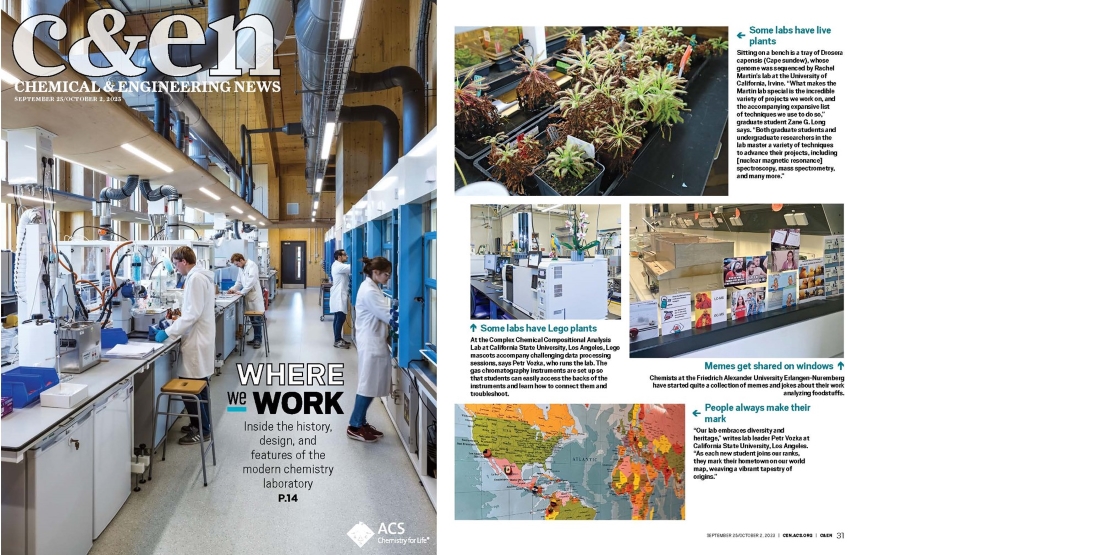
Dr. Petr Vozka is an Assistant Professor in the Department of Chemistry and Biochemistry at California State University, Los Angeles, where he leads the Complex Chemical Composition Analysis Lab (C³AL). His research focuses on the characterization of complex chemical mixtures using state-of-the-art techniques, including two-dimensional gas chromatography and high-resolution mass spectrometry, with applications in environmental science, plastic waste conversion, and forensic analysis. Dr. Vozka's research interests span multiple critical areas including the analysis of complex chemical mixtures, microplastics in the environment, conversion of plastic waste into alternative fuels, environmental impact of oil spills, and forensic fingerprint analysis. His work on microplastics has gained significant attention, with media coverage highlighting his findings that microplastics can penetrate blood vessels and have been found in the brain. His research on the Huntington Beach oil spill investigated the long-term effects of oil contamination on beaches used for recreation. Dr. Vozka has organized significant academic events including the Multidimensional GC: From Petroleum to Beyond symposium at ACS Fall 2025 and serves on the organizing committee for the Multidimensional Chromatography Workshop (MDCW). His laboratory, C³AL, is equipped with advanced instrumentation including GC-TOFMS, GC×GC-FID, and GC×GC-TOFMS systems, supported by partnerships with LECO Corporation and Anton Paar. Recipient of LECO Corporation's Pegasus® BT GC-MS instrument through a competitive selection process Principal Investigator for research funded by Naval Air Warfare Center Aircraft Division Collaborator with researchers from Purdue University, UCT Prague, Delft University of Technology, and California State Polytechnic University Dr. Vozka actively mentors undergraduate and graduate students, with numerous students receiving research awards including CSU COAST Undergraduate Student Research Grants, NSF REU placements, and Dean's List honors. His students regularly present research at national conferences including ACS meetings and the Multidimensional Chromatography Workshop. The C³AL lab provides hands-on experience with cutting-edge analytical instrumentation, preparing students for careers in analytical chemistry and related fields. As part of the LECO-C³AL Facility partnership, Dr. Vozka's lab serves as a training ground for students in comprehensive two-dimensional gas chromatography and mass spectrometry techniques. The facility aims to enhance knowledge and expand opportunities for students while equipping them with skills necessary to excel in graduate programs and analytical positions in industry and the military.
Bishnu Acharya serves as an Associate Professor and Saskatchewan Ministry of Agriculture Chair in Bioprocess Engineering within the Department of Chemical and Biological Engineering at the University of Saskatchewan. His research program focuses on sustainable conversion of agricultural biomass into high-value products through advanced bioprocessing techniques, addressing critical environmental and energy challenges. His primary research domains include: Cellulose-based biomaterials and nanocomposites for biomedical and packaging applications Thermochemical conversion (pyrolysis, gasification) and biochemical processing of agricultural residues Engineered biochar systems for wastewater remediation and soil enhancement Integration of remote sensing and machine learning for precision agriculture optimization Development of biodegradable materials from flax, wheat straw, and camelina meal Analysis of his 2024-2025 publications reveals a strong interdisciplinary trajectory bridging chemical engineering, environmental science, and agricultural technology. Key thematic clusters involve circular economy implementation in biomass valorization, nanocellulose-based advanced material development, and sustainable wastewater treatment solutions. His work consistently emphasizes practical applications for Canadian agricultural systems, particularly in Saskatchewan and Prince Edward Island contexts. Professional Recognition: Saskatchewan Ministry of Agriculture Chair in Bioprocess Engineering While specific grant details are not publicly enumerated in available materials, Dr. Acharya's prolific output across high-impact journals indicates substantial research funding and active supervision of graduate students. His collaborations span environmental remediation, advanced materials development, and sustainable agricultural technologies, reflecting a systems-thinking approach to bioresource management. Laboratory infrastructure likely includes biomass processing units, nanomaterial characterization facilities, and bioreactor systems supporting his diverse research portfolio.
Professor Kalpit Shah is a distinguished Chemical Engineer at RMIT University, serving as Deputy Head of Research & Innovation in the Department of Chemical and Environmental Engineering. He leads strategic research initiatives and industry engagement, fostering innovation in waste-to-energy and resource conversion. His roles include Deputy Director of the ARC Training Centre for Transforming Biosolids and leader of the Bioenergy theme at the TREMS Hub. With 24 years of industry and academic experience, he has pioneered technologies like PYROCO, advancing biosolids to biochar, and secured over $44.5M in funding. His team at the iRWT research group focuses on thermochemical, hydrothermal, and biological processes for circular economy solutions. Supervising 24 HDR students and mentoring researchers, he has authored over 160 journal articles, including 87% in Q1 journals, with an H-index of 44 and 6,213 citations. Research Interests: - Thermochemical conversion of biomass and waste. - Advanced carbon materials (biochar, hydrochar). - Pollutant remediation and PFAS management. - Circular economy and resource recovery. - Bioenergy production and pyrolysis technologies. Key Projects: PYROCO technology for biosolids-to-biochar conversion. ARC Training Centre collaborations on biosolids innovation. Hydrothermal processing of sewage sludge. Development of Ag-modified solvochar for multi-heavy metal removal. Funding & Grants: $44.5M secured over 12 years, including ARC grants, government, and industry partnerships. Collaborations span 28 industry partners and 4 universities nationally. Labs & Teams: Leads the iRWT group at RMIT’s $8M pilot facility, focusing on low-emission processes and circular economy technologies.
Xiaotao Bi is a Professor in the Department of Chemical and Biological Engineering at the Faculty of Applied Science, University of British Columbia. He is a Fellow of The Canadian Academy of Engineering, recognized for his significant contributions to the field of chemical engineering, particularly in biomass energy systems and environmental technologies. Dr. Bi's research focuses on developing environmental systems analysis and life cycle assessment tools to model and evaluate biomass energy systems. His work encompasses Canadian wood pellets, animal wastes, agricultural residues, and integrated impacts assessment of various biomass conversion processes including combustion, gasification, torrefaction, and pelletization. Current research interests include electrostatic charging of dielectric particles in gas-solids fluidized beds, dual fluidized bed for biomass steam gasification, and novel i-CFB reactors for catalytic NOx reduction. His extensive publication record demonstrates expertise across multiple domains of sustainable energy and environmental engineering. Recent work shows a strong emphasis on biomass conversion technologies, particularly microwave-assisted processes, fluidized bed systems, and waste valorization. There's a clear trend toward developing more efficient and environmentally friendly processes for converting various biomass feedstocks into energy and valuable products, with particular attention to addressing technical challenges like tar formation in gasification and electrostatic issues in particle handling. Dr. Bi has been recognized with the prestigious honor of being named a Fellow of The Canadian Academy of Engineering, which acknowledges his significant contributions to engineering research and practice in Canada. As a research leader, Dr. Bi has supervised numerous graduate students and secured funding for his research team to investigate innovative approaches to biomass conversion and environmental engineering challenges. His work bridges fundamental research with practical applications for sustainable energy systems. Dr. Bi leads a research team focused on developing advanced technologies for biomass conversion and environmental protection. His laboratory facilities likely include specialized equipment for fluidized bed operations, biomass processing, and analytical tools for characterizing biofuels and byproducts.
Naoko Ellis is a Professor in the Department of Chemical and Biological Engineering at the University of British Columbia, Faculty of Applied Science. Her work bridges advanced multiphase reaction engineering with pressing sustainability challenges, focusing on fluidized-bed technologies for CO₂ capture, biomass valorisation, and clean energy production. Research Interests Multiphase reaction engineering & fluidized beds CO₂ capture via calcium looping and chemical looping combustion Biomass gasification, pyrolysis, and tar mitigation Bio-oil upgrading and biochar engineering for environmental applications Engineering education innovation for sustainability literacy Recent publications (2020-2024) reveal an integrated approach combining rigorous reactor modeling, novel catalyst development, and educational scholarship. Energy and environmental engineering dominate the portfolio, with emerging use of machine-learning tools for process optimisation and extensive exploration of biochar and bauxite-residue valorisation. Scientific Recognition Guest editor for memorial special issues honouring Prof. John R. Grace (Canadian Journal of Chemical Engineering, Powder Technology, 2023-2024) Invited prefatory contributions on chemical engineering education (Canadian Journal of Chemical Engineering, 2024) Advising & Grant Landscape No specific student names or funding details were provided in the supplied text; however, the breadth of collaborative publications and education-focused papers indicates active supervision of graduate researchers and leadership in curriculum-development grants. Labs & Teams Operates within the multiphase reaction engineering laboratory environment at UBC Chemical and Biological Engineering, leveraging pilot-scale fluidized-bed facilities and advanced analytical instrumentation for thermochemical conversion studies.