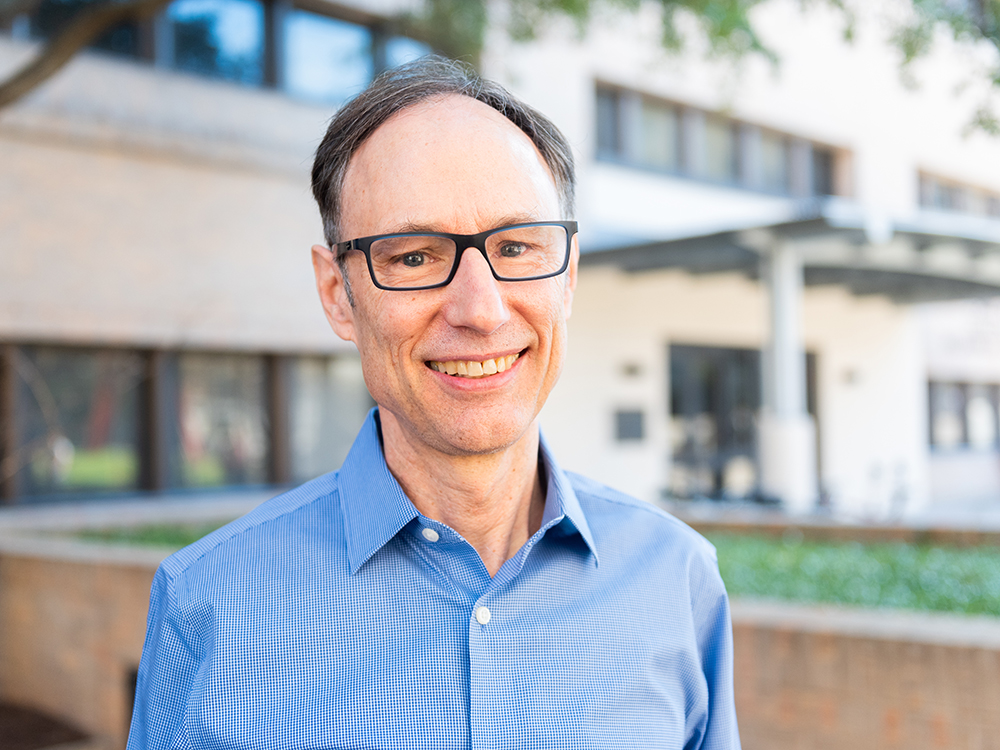
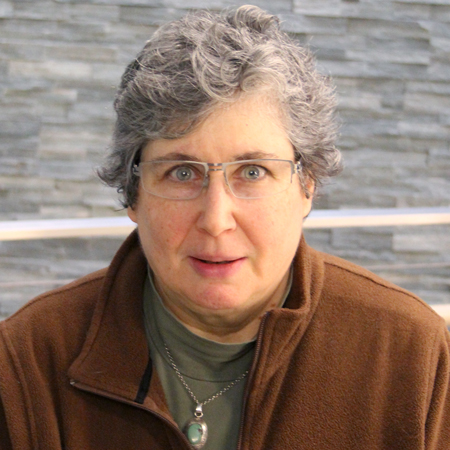
Prof. Dr.-Ing. Ivo Boblan holds a professorship at the Berlin University of Technology within the Department of Electrical Engineering . He leads the Compliant Robotics Lab (CoRoLab) and teaches modules in Cognitive Robotics , Pneumatic Robotics , Soft Robotics , and Bionics . His research focuses on biologically inspired robotics, human-robot interaction, and compliant actuator systems. Key research themes include: Development of bionic robotic systems like ZAR5 and BROMMI-TAK Integration of pneumatic muscles and fluidic actuators Biologically motivated control systems for compliant robotics Applications in rehabilitation devices and exoskeletons Human-robot interface design with variable stiffness Exploration of anthropomorphism and ethics in robotics His work emphasizes interdisciplinary collaboration across robotics, bionics, and human factors, with significant third-party funding exceeding €8.9 million. He actively contributes to international conferences and standardization efforts in bionic robotics.
Akiko Uchida is a Professor at Waseda University's School of International Liberal Studies, with a Ph.D. from Harvard University and extensive contributions to evolutionary anthropology, focusing on human evolution, dental morphology, and endocrinology. Her research bridges biological anthropology and cognitive evolution, analyzing primate teeth, testosterone variation, and language origins. Education: Ph.D. (Harvard University), AM (Harvard), M.Sc./B.Sc. (University of Tokyo) Research Themes: Human evolutionary patterns, intra-species variation in primates, hormonal studies in aging, symbolic behavior in evolution, and interdisciplinary approaches to language origins. Article Trends: Recent work examines testosterone dynamics in aging males, dental adaptations in great apes, and evolutionary perspectives on language and cognition. Her studies often integrate cross-disciplinary data from endocrinology, genetics, and primate behavior. Additional Activities: She has led research projects on salivary hormone variation and behavioral genetics, collaborated internationally at Harvard and UC Berkeley, and organized public lectures such as Dr. Jane Goodall's 2007 event. Her teaching includes courses on evolutionary biology and human evolution at Waseda University.
Jan Benda , PhD, is a Professor at the University of Tübingen within the Faculty of Mathematics and Natural Sciences , specifically affiliated with the Department of Biology and the Institute of Neurobiology , leading the Neuroethology working group. His research focuses on neuroethology, computational neuroscience, and sensory processing mechanisms in weakly electric fish and other species. Research Interests: Jan Benda investigates how sensory systems encode natural signals, emphasizing neural adaptation, burst spiking, and synchronization in weakly electric fish. His work bridges biological experiments with computational modeling to understand the interplay between stochastic and deterministic neural processes. Article Trends: His recent publications (2025-2022) explore statistical regularities in sensory processing across species, nonlinear signal transmission in spiking neurons, neural synchronization in electrosensory systems, genotype-phenotype correlations in ion channel mutations, and advanced methodologies for sensory system analysis. These studies highlight his integrative approach combining experimental neuroethology with computational frameworks. Academic Roles: As a full professor, Benda oversees teaching modules like Weakly Electric Fish (BIO3146) and Introduction to Scientific Computing and Statistics (BIO4201) . He contributes to the Neuroethology working group seminar and Integrative Neurobiology tutorials, reflecting his commitment to interdisciplinary education.
Yasu S. Morita is a Professor in the Department of Microbiology at the University of Massachusetts Amherst , where he leads the Morita Laboratory. In parallel he serves as a part-time lecturer at International Christian University (Tokyo) and has been appointed University of Osaka Global Alumni Fellow . Education PhD in Biochemistry/Parasitology, Johns Hopkins University, 2000 Research Interests Professor Morita’s research is centred on the biology of pathogenic mycobacteria, with an emphasis on the biogenesis and function of the plasma membrane (PM) and cell wall (CW). His laboratory integrates glycobiological, biochemical and cell-biological approaches to address three major themes: Glycolipid biosynthesis as a drug target : Elucidating the synthesis of phosphatidylinositol mannosides (PIMs), lipomannan (LM) and lipoarabinomannan (LAM) and their role in immune modulation. Functional compartmentalization of the mycobacterial plasma membrane : Investigating how spatial organization of the PM regulates glycolipid metabolism and pathogenicity. Bacterial PI3P signalling : Characterising the unprecedented occurrence of phosphatidylinositol 3-phosphate (PI3P) in bacteria and its role as a second messenger. Publications & Trends Over the past two decades the Morita group has produced a steady stream of high-impact studies that collectively redefine how we understand mycobacterial envelope biogenesis. Recent papers (2022-2025) stress a unifying concept: lipid-mediated spatial organisation of the cell envelope is essential for growth, stress survival and virulence . Key discoveries include the identification of tuberculostearic acid as a controller of membrane microdomains, the role of lipoarabinomannan in maintaining cell-wall integrity during division, and the first demonstration that proton gradients drive dynamic rearrangement of membrane domains under stress. Awards & Honors University of Osaka Global Alumni Fellow (awarded July 7, Suita Campus, Osaka) Advising & Training Professor Morita has mentored a vibrant, multinational cohort of trainees. Current and recent graduate advisees include Paige, Kate, Yuwa Hagiwara, Malavika Prithviraj, Ian Sparks, Sarah, Julia, Kathryn, Corelle, Casey Albano, Gift, Amelia, Tiffany, Paul, Yadi Bermudez, Claire, Wyatt, Lisa Baumoel, Bill Eagen, Jennifer, Chika Kikuchi, James Brenner, Samantha and numerous undergraduate and high-school researchers. Many have continued to post-doctoral positions (e.g., Julia at Rutgers) or advanced-degree programmes, while others have transitioned into industry microbiology roles. Laboratory & Collaborations The Morita Laboratory is located in N275 Life Science Laboratory (with additional space in N418 Morrill Science Center IVN ). The group maintains active collaborations with researchers at the University of Osaka, University of Tokyo, Wakayama Medical University, and the University of Texas Arlington, fostering international exchange and joint publications.
Hugo Cadenas is an Associate Professor in the Department of Anthropology and Department of Social Work at the Faculty of Social Sciences, University of Chile. He serves as Director and Editor-in-Chief of the scientific journal MAD and Associate Editor of Kybernetes. Additionally, he is a Fellow of the Cybernetics Society of the UK. Hugo Cadenas specializes in Social Systems Theory, with research interests spanning Sociology, Anthropology, Sociology of Law, and Economic Sociology. His work critically engages with Niklas Luhmann's theoretical framework, examining its applications to legal systems, social organization, and contemporary societal challenges. He has made significant contributions to understanding functional differentiation in Latin American contexts and the relationship between society and nature. His recent publications reveal a strong focus on theoretical developments in social systems theory, particularly exploring the body-agency relationship, the society-nature distinction, and applications to contemporary issues like the pandemic. His work shows consistent engagement with Luhmann's framework while incorporating insights from other theoretical perspectives including actor-network theory and critical theory. Fellow of the Cybernetics Society of UK As Director and Editor-in-Chief of MAD journal and Associate Editor of Kybernetes, Cadenas plays a significant role in academic publishing within his field. His editorial work supports the dissemination of research in social systems theory and related areas. While specific grant information isn't detailed in the available materials, his extensive publication record suggests successful research funding. Cadenas is deeply involved in the international scholarly community focused on social systems theory, particularly through his editorial roles and participation in academic networks centered around Niklas Luhmann's work. His collaborations extend across Latin America and Europe, reflecting the global nature of systems theory research.
Dr. hab. inż. Michał Czubenko serves as an Associate Professor at the Department of Decision Systems and Robotics within the Faculty of Electronics Telecommunications and Informatics at Gdańsk University of Technology. His academic home is in Building A of the Faculty, room 638. Czubenko's research bridges theoretical computer science with practical applications in robotics and decision systems. His educational background includes a doctoral degree (dr inż.) in Automatic Control and Robotics obtained in 2017 and a post-doctoral degree (dr hab. inż.) in Information and Communication Technology achieved in January 2025, both from the Faculty of Electronics Telecommunications and Informatics at Gdańsk University of Technology. Czubenko's research spans a remarkably interdisciplinary space where artificial intelligence meets human cognition. His work integrates computational models with psychological theories to create more human-like decision systems. The researcher has developed expertise in affective computing, focusing on how machines can recognize, interpret, and simulate human emotions. His publications reveal a consistent thread connecting fuzzy logic systems with cognitive architectures, demonstrating how biological inspiration can enhance robotic decision-making capabilities. Particularly notable is his work on artificial emotion modeling, which has implications for human-robot interaction and autonomous systems that require social intelligence. Analysis of Czubenko's publication record shows a clear trajectory from foundational work in intelligent decision-making systems toward increasingly sophisticated applications in robotics and human-machine interaction. His recent work demonstrates growing interest in practical implementations of AI, including object manipulation in robotics and domain adaptation techniques for medical diagnostics. The researcher has also begun exploring the educational implications of large language models, as evidenced by his 2023 publication evaluating ChatGPT for quantum physics learning. While specific awards aren't detailed in the available information, Czubenko's substantial publication record across prestigious venues including Frontiers in Robotics and AI, Cognitive Computation, and Engineering Applications of Artificial Intelligence indicates recognition within his field. His work on computational approaches to artificial emotion has been particularly influential, providing a comprehensive review of existing solutions in this emerging domain. Czubenko's research demonstrates strong collaborative tendencies, frequently working with colleagues like Z. Kowalczuk across multiple publications spanning more than a decade. His work on the xDriver system and intelligent decision-making frameworks suggests involvement in practical implementations of theoretical concepts, likely within laboratory settings focused on robotics and autonomous systems. The researcher's recent publications indicate ongoing active engagement with cutting-edge topics including domain adaptation techniques and the application of large language models in specialized domains.
Leslie Myint is an Associate Professor in the Department of Mathematics, Statistics, and Computer Science at Macalester College. She teaches statistics and data science courses while collaborating with colleagues across mathematics, computer science, statistics, and data science disciplines. Professor Myint's research spans multiple domains with a focus on statistics , data science , and causal inference . Her work has three primary thrusts: methodological development in causal inference techniques, applications of data science to sustainability and environmental justice initiatives, and innovations in statistics and data science pedagogy. She has contributed to projects involving high-throughput biological data analysis, kidney disease research, and graph-based knowledge representation systems. Her recent work emphasizes using data to advance sustainability initiatives and environmental justice, including involvement with the Zero Burn Coalition working to shut down the Hennepin Energy Recovery Center (HERC) incinerator. Analysis of Professor Myint's recent publications reveals a strong trajectory connecting methodological statistics with practical applications. Her work bridges theoretical causal inference methods with real-world challenges in sustainability, healthcare, and education. The recurring themes across her publications include alternative approaches to traditional statistical problems, interdisciplinary applications of data science, and creative solutions to complex data challenges. Her research demonstrates how statistical methods can be adapted to address time-varying confounding, improve literature review processes through graph databases, and enhance our understanding of biological systems. Professor Myint is deeply committed to educational innovation, particularly in statistics education. She has developed courses and teaching materials focused on causal inference, statistical machine learning, and data science. Her teaching philosophy emphasizes beauty, meaningful work, and alternative grading approaches that move beyond traditional assessment methods. She has created lecture videos available on her YouTube channel and maintains course websites for many of her classes. Outside the classroom, Professor Myint is actively engaged with environmental justice initiatives through the Zero Burn Coalition of the MN Environmental Justice Table. She also explores economic models that prioritize sustainability, as evidenced by her interest in doughnut economics and her digital garden writings on creating economies that allow us to thrive rather than focusing solely on growth.
Dr. Shainaz M. Landge is an Associate Professor in the Department of Biochemistry, Chemistry & Physics at Georgia Southern University's College of Science and Mathematics. She joined the university in August 2010 and maintains affiliate positions at multiple research centers including the Institute for Water & Health, James H. Oliver, Jr., Institute for Coastal Plain Science, National Youth Advocacy and Resilience Research Center, and CEMITURE. Her research spans synthetic organic chemistry, particularly the development of biologically active heterocyclic compounds using greener methods such as microwave irradiation and solid acid catalysts. She specializes in molecular sensor development for anion/cation recognition, triazole chemistry, and nanomaterials synthesis. Her educational research focuses on implementing visual analogies to improve student understanding of complex chemical concepts. Dr. Landge's publication record shows consistent scholarly productivity with 80 research outputs and an h-index of 18. Her recent work includes molecular switches for logic gate applications, tyrosinase inhibitors with potential neurological applications, and photophysical investigations of triazole-based sensors. Her research demonstrates strong interdisciplinary connections across chemistry subdisciplines and with other STEM fields. Scientific Awards: College of Science and Mathematics (COSM) - Excellence in Research Award - 2023 Dr. Landge actively mentors undergraduate researchers, with recent students receiving notable awards including the 2024 COUR Award and PIN research internships. Her research group participates in interdisciplinary initiatives like VIP (Vertically Integrated Projects), PRESS, and SURE, providing students with comprehensive research experiences. She has secured significant funding including an NSF MRI grant for a High-Resolution Mass Spectrometer and participation in the Gulf Research Program. The Landge Lab maintains strong connections with multiple research centers and departments across campus, facilitating collaborative projects that address complex scientific challenges through interdisciplinary approaches. Her work contributes to Sustainable Development Goals related to clean water, health, and quality education.
Marcella Noorman is an Assistant Professor in the Department of Neurobiology at the University of Chicago, where she leads interdisciplinary research at the intersection of computational neuroscience and biomedical engineering. Her work focuses on fundamental questions of neural representation and biological system modeling. Her research program spans three complementary domains: Computational Neuroscience : Developing theoretical frameworks for how sparse neural populations maintain accurate internal representations of continuous variables, as demonstrated in her 2024 Nature Neuroscience paper Systems Neuroscience : Investigating neural circuit mechanisms for spatial navigation and action selection using Drosophila connectomics (eLife 2021) Biomedical Modeling : Applying mathematical techniques to liver metabolism systems (Mathematical Biosciences and Engineering 2019) Dr. Noorman's publication record shows steady output in high-impact journals with increasing visibility, as evidenced by Altmetric attention including Wikipedia references and news coverage. Her collaborative approach integrates theoretical and experimental neuroscience through partnerships with major research institutions. The lab emphasizes quantitative approaches to neuroscience, with opportunities for students to develop skills in neural data analysis, computational modeling, and interdisciplinary research. As an early-career faculty member, she is actively building her research program and likely has openings for motivated graduate students with strong mathematical backgrounds.
Martin Schwartz is the Robert W. Berliner Professor of Medicine (Cardiology) at Yale School of Medicine, with joint appointments in Biomedical Engineering and Cell Biology. His research program integrates biophysical, cellular, and whole-animal approaches to study fundamental mechanisms of cell adhesion and mechanotransduction with particular relevance to vascular biology and disease. Dr. Schwartz earned his BA in chemistry from New College (1975) and PhD in physical chemistry from Stanford University (1979), followed by postdoctoral training at MIT. He previously held faculty positions at Harvard Medical School, Scripps Research Institute, and the University of Virginia before joining Yale in 2011. His research focuses on four interconnected areas: 1) Mechanotransduction by integrins, 2) Fluid shear stress mechanotransduction in the vascular system, 3) Collateral artery formation, and 4) Aneurysm development. His lab pioneered techniques to measure forces across specific proteins in live cells and has made seminal contributions to understanding how mechanical forces regulate vascular biology and disease. His recent publications (2024-2025) demonstrate continued high-impact research across multiple aspects of vascular mechanobiology, with papers appearing in top journals including Nature Cardiovascular Research, Circulation, and ELife. His work shows consistent focus on the molecular mechanisms by which mechanical forces influence vascular development, physiology, and disease. Notable recognitions include: Fellow of the American Association for Advancement of Science (2016) Fellow of the American Society for Cell Biology (2017) Greenblatt Distinguished Lecture (2021) Bolie Lecture (2019) Joseph Calandra Lecture (2017) As an active mentor, Dr. Schwartz has advised numerous students and postdocs who have become frequent collaborators on his research. His lab participates in Yale's Combined Program in the Biological and Biomedical Sciences (BBS) and maintains strong connections with the Yale Cardiovascular Research Center and Vascular Biology and Therapeutics Program. He serves as Associate Editor for Journal of Cell Biology and on the Editorial Board of Journal of Cell Science, reflecting his commitment to scientific training and scholarly communication. The Schwartz Lab continues to advance our understanding of how cells sense and respond to mechanical forces, with particular emphasis on integrin signaling pathways and their implications for vascular diseases including atherosclerosis and aneurysms. Their multidisciplinary approach bridges basic science discoveries with potential clinical applications in cardiovascular medicine.
Yann André LeCun is the Jacob T. Schwartz Professor of Computer Science, Data Science, Neural Science, and Electrical and Computer Engineering at New York University, and serves as Chief AI Scientist at Meta. He holds appointments across multiple NYU institutions including the Courant Institute of Mathematical Sciences, the Center for Data Science, the Center for Neural Science, and the Tandon School of Engineering. LeCun leads the CILVR Lab (Computational Intelligence, Learning, Vision, Robotics) at NYU and is a key figure in Meta's FAIR (Fundamental AI Research) organization. LeCun's research spans machine learning, deep learning, computer vision, robotics, and computational neuroscience. He pioneered convolutional neural networks in the 1980s-90s, which became foundational to modern AI. His recent work focuses on self-supervised learning, energy-based models, and developing architectures for predictive world models that could enable machines to understand and interact with the physical world. LeCun advocates for open-source AI development through projects like Meta's Llama language models. His publication record shows consistent high-impact contributions since the 1980s, with recent work emphasizing self-supervised learning approaches like Joint Embedding Predictive Architectures (JEPA). The 15 most recent publications reveal a strong focus on representation learning, world models, and efficient learning paradigms that reduce reliance on massive labeled datasets. ACM Turing Award (2018) Princess of Asturias Award for Technical and Scientific Research (2022) Member of US National Academy of Engineering (2017) Member of US National Academy of Sciences (2021) Foreign Member of Académie des Sciences, France (2022) Queen Elizabeth Prize for Engineering (2025) VinFuture Grand Prize (2024) LeCun has advised approximately 30 PhD students who now lead AI research at major institutions worldwide. His lab has received significant funding from both government agencies and industry partners to advance fundamental AI research. The CILVR Lab fosters interdisciplinary collaboration across computer science, neuroscience, and engineering disciplines to tackle core challenges in artificial intelligence. LeCun actively engages with policymakers on AI governance, advocating for open research and targeted regulation. His work on open-source AI models represents a strategic approach to democratizing AI development while maintaining safety through community scrutiny. LeCun continues to push the boundaries of what machines can learn and understand about the physical world.
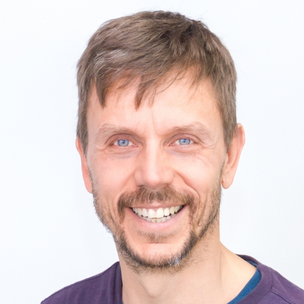
Dr. Emmanouil Georgiadis serves as Senior Lecturer in Sport and Exercise Psychology at the University of Suffolk's School of Health, Sciences and Society. An internationally recognized expert with elite athletic background as a swimmer, he applies psychological principles to enhance athletic performance and well-being across individual and team sports, including Olympic-level competitors. His research focuses on motivational constructs in sport/exercise settings, lifespan health behavior, chronic pain management, and psychophysiology. Key projects include non-biomedical pain perspectives, hospital gown usability studies, and heart rate variability biofeedback applications for depression. Recent publications span pain research, public health interventions, and dermatology-exercise interactions. Scientific recognition includes: Senior Fellow of Higher Education Academy Certified Sport and Exercise Psychology Counsellor Member of European Federation of Sport Psychology Member of American Psychological Association EMDR Cognitive Therapeutic Method certification Georgiadis leads CPD programs in health promotion, collaborates internationally through Erasmus+ programs across six European countries, and has designed physical activity initiatives with national/private institutions. His teaching integrates sport science, psychology, and positive well-being frameworks.
Adam Rolley is a Lecturer in Paramedicine at Queensland University of Technology's Faculty of Health, School of Clinical Sciences, with an active research career spanning over a decade. His work demonstrates consistent scholarly contributions across emergency healthcare, trauma systems, and paramedic education. Dr. Rolley's research interests encompass trauma care systems, emergency cardiac management, clinical ethics, and innovative approaches to paramedic education. His work examines trauma activation criteria, out-of-hospital cardiac arrest management, ethical decision-making in emergency settings, and student-centered clinical placement models. He has made significant contributions to developing the Injury Treatment and Rehabilitation Accessibility Queensland Index (iTRAQI) for traumatic brain injury patients. Analysis of Dr. Rolley's publication trajectory reveals a strong emphasis on practical applications of emergency medicine research. His work consistently bridges clinical practice with academic inquiry, particularly in trauma care systems, cardiac emergency protocols, and paramedic education models. His research employs systematic review methodologies, epidemiological approaches, and educational research designs to address pressing issues in pre-hospital care. Dr. Rolley maintains extensive collaborations with researchers across Queensland's healthcare system, particularly with the Jamieson Trauma Institute. His co-authorship patterns demonstrate interdisciplinary engagement with experts in toxicology, emergency medicine, nursing, and public health. His educational contributions are substantial, with multiple publications focused on innovative teaching methods and clinical placement models for paramedic students.
Keith Johnston is Professor and Cockrell Family Dean's Chair in Engineering Excellence in the Department of Chemical Engineering at the University of Texas at Austin's Cockrell School of Engineering. His research integrates materials chemistry, colloid science, and engineering to develop advanced nanoparticle systems for energy and biomedical applications. His educational background includes: B.S. from the University of Michigan (1977) Ph.D. from the University of Illinois (1981) Professor Johnston's research focuses on controlling nucleation, growth, and passivation of metal/metal oxide nanoparticles using ligands and polymeric stabilizers. Key areas include nanocluster assembly for novel materials, nanoparticle behavior at liquid/solid interfaces, subsurface nanotechnology for CO 2 sequestration and oil recovery, electrocatalysts for energy storage, and reversible protein nanoclusters for drug delivery. His biomedical work targets biodegradable plasmonic nanoclusters for cancer imaging/therapy that clear through kidneys. Analysis of his 2014-2017 publications reveals strong emphasis on CO 2 -in-water foams for subsurface applications (50% of recent work), protein stabilization for biologics delivery (30%), and electrocatalyst design (20%). These studies bridge fundamental colloid science with practical engineering challenges in energy and healthcare. His major recognitions include: National Academy of Engineering election (2011) AIChE's 100 Chemical Engineers of the Modern Era (2008) Fellow of American Institute of Medical and Biological Engineers (2013) Multiple AIChE awards including Industrial Gases Technology Institute Award (2004) University of Texas Faculty Excellence Awards (1990, 1995) Professor Johnston leads an active research group with significant interdisciplinary collaborations, particularly with petroleum engineers on subsurface applications. His work attracts substantial funding for developing earth-abundant catalysts and low-water-usage technologies. The lab maintains strong industry partnerships focused on translating nanoparticle research into energy and medical solutions. The research group operates specialized facilities for nanoparticle synthesis, colloid characterization, and subsurface simulation. Current projects emphasize greener oil recovery with minimal water usage, kidney-clearable imaging agents, and scalable electrocatalyst production. Future directions target commercialization of nanoparticle-stabilized CO 2 foams and self-administered biologic delivery systems.
Marleen A. Troy serves as Professor of Environmental Engineering and Director of the Sustainability Management Certificate Program at Wilkes University within the College of Science and Engineering's Department of Civil and Environmental Engineering. With continuous service since 1997, she has held progressive academic roles including Assistant Professor (1997-2002), Associate Professor (2002-2016), and full Professor (2016-present), along with leadership positions as Department Chair (2005-2010) and Sustainability Program Director (2010-present). Her educational foundation includes a Ph.D. and M.S.C.E. in Civil Engineering from Drexel University (1989, 1986), an M.S. in Microbiology from the University of Rhode Island (1982), and a B.S. in Biological Science from Drexel University (1980). Dr. Troy's research integrates environmental engineering with business sustainability, focusing on bioremediation techniques, waste management systems, and implementation challenges for small and medium-sized enterprises (SMEs). Her interdisciplinary work with the Sidhu School of Business examines how SMEs adopt environmental sustainability practices, develops sustainability metrics, and creates industry-focused implementation frameworks. This research bridges technical environmental solutions with practical business applications to address real-world sustainability barriers. Analysis of her 2013-2017 publications reveals consistent emphasis on sustainability education and business integration, particularly through university-community partnerships with local small businesses. Her work demonstrates evolving methodologies from course development to empirical modeling of professional growth, highlighting sustainability as both an educational imperative and operational business strategy. Her extensive recognition includes: Drexel University’s Featured Speaker for the 2014 Civil Engineering Alumni Lecture PSPE Keystone NE Chapter Past President’s Award for Outstanding Leadership and Service (2014) PSPE Luzerne Chapter Robert P. Eble, P.E., P.L.S. Memorial Distinguished Service Award (2011) Wilkes University Outstanding Advisor Award (student-nominated, 2010) Order of the Engineer (PSPE Link 230, 2008) Wilkes University Interdisciplinary Teaching Award (2007) Governor’s Award for Environmental Excellence in Education and Outreach (2002) Dr. Troy's advising excellence earned her Wilkes University's Outstanding Advisor Award in 2010, while her interdisciplinary collaboration with business faculty on Small Business Consulting courses received the Interdisciplinary Teaching Award in 2007. Her project leadership for the Governor’s Award-winning initiative demonstrates successful grant-funded outreach, though specific grant details aren't documented. She actively mentors students through sustainability-focused coursework and community engagement projects. As Director of the Sustainability Management Certificate Program, she leads cross-disciplinary initiatives connecting engineering and business education. Her institutional service includes the Environmental, Health and Safety Committee and Biosafety Officer role within the College of Science and Engineering. Beyond campus, she has shaped environmental policy through board positions at Earth Conservancy (2007-2016) and North Branch Land Trust (2012-2016), plus advisory roles with Keystone Clean Water Team and Pennsylvania Association of Environmental Professionals.





/prod01/channel_2/media/uniofsuffolk/website/content-assets/images/staff-profile-photos/ssh/Manos-Georgiadis-2.jpg)