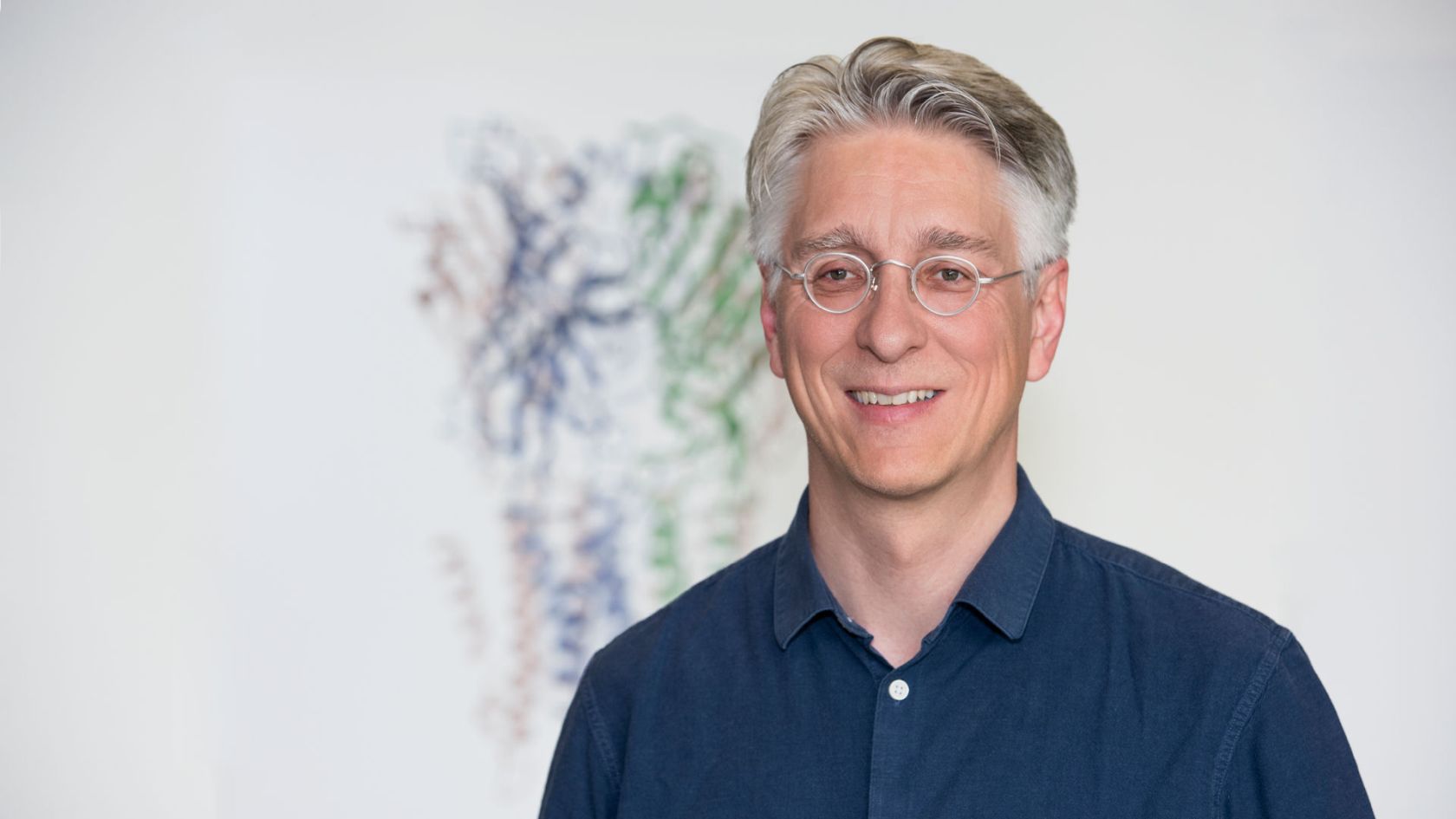
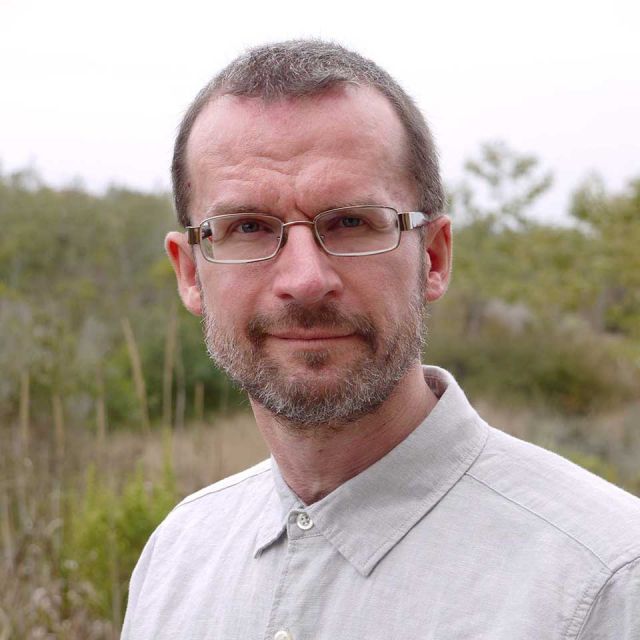
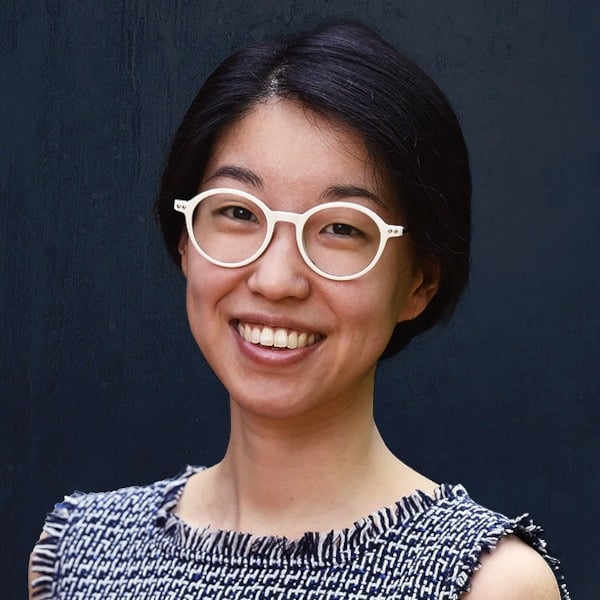
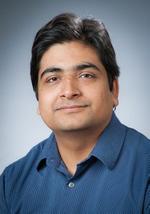
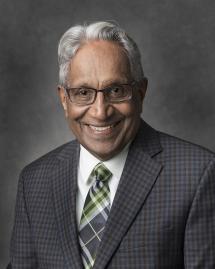
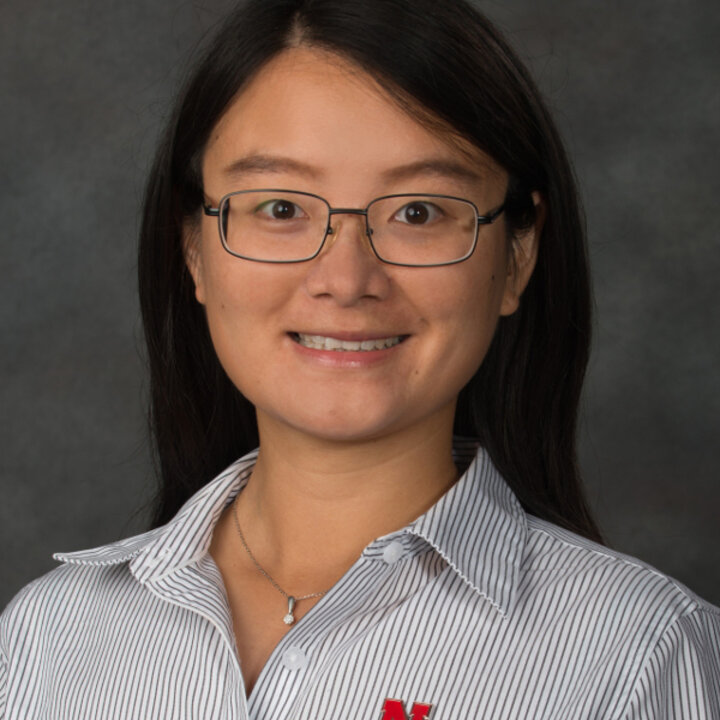
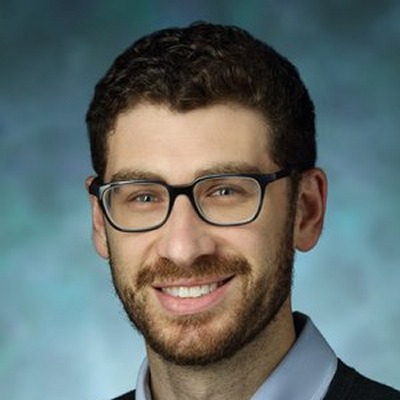
Lu Cheng is a Visiting Professor in the Department of Computer Science at the University of Helsinki, affiliated with the Vehtari Aki Professorship. He holds a Doctor of Philosophy in Natural Sciences from the University of Helsinki (2013). His research focuses on computational genomics, bioinformatics, and microbial genetics, with emphasis on DNA sequence analysis, nanopore sequencing technologies, and systems biology. He leads projects on alternative splicing in cancer and the impact of microbiota on human health. Notable contributions include the NanoBaseLib benchmark dataset and methods for RNA modification analysis. His work addresses UN Sustainable Development Goals related to good health and innovations in data science. Education: Doctor of Philosophy in Natural Sciences (2013), University of Helsinki; Doctoral degree in Natural Sciences (2013), University of Helsinki. Research Interests: Genomics, computational biology, microbial ecology, RNA sequencing technologies, and bioinformatics tool development. His projects explore bacterial population dynamics, host-pathogen interactions, and applications of machine learning in genomics. Advising: Supervises doctoral researchers including Guangzhao Cheng and Chengbo Fu. Active in grants such as the Academy of Finland Research Fellowship (2023-2025). Labs/Teams: Leads research groups focused on single-cell genomics and computational methods for biological systems.
Dr. Daniel Nettels is a Senior Scientist at the University of Zurich's Department of Biochemistry within the Faculty of Science. His research focuses on biophysical methods, including single-molecule spectroscopy and fluorescence techniques, to study protein folding, misfolding, and the dynamics of biomolecular condensates. He joined Prof. Ben Schuler's group in 2004 after completing a Ph.D. in physics at the University of Fribourg and prior studies in physics at the University of Bonn. Nettels teaches the module BCH 306: Biochemical and Biophysical Methods. His work integrates experimental and computational approaches to understand disordered proteins and their roles in biological systems. Education: Ph.D. in Physics, University of Fribourg (2003) M.Sc./Diploma in Physics, University of Bonn (1998) Research Interests: Single-molecule FRET and spectroscopy Biomolecular condensates and their dynamics Intrinsically disordered proteins Teaching: BCH 306 module in the Faculty of Science
Skirmantas Janusonis is an Associate Professor in the Department of Psychological and Brain Sciences at the University of California, Santa Barbara (UCSB). He is a core faculty member of the UCSB Neuroscience Research Institute and the Interdepartmental Graduate Program in Dynamical Neuroscience, and a member of the California NanoSystems Institute. His research program lies at the intersection of neuroscience, complex systems, and computational modeling. Education: Ph.D. in Neuroscience and Behavior, University of Massachusetts Amherst Postdoctoral Research, Department of Neuroscience, Yale University School of Medicine B.S./M.S. in Biology, Vilnius University, Lithuania Dr. Janusonis's research focuses on the stochastic (random walk-like) behavior of serotonergic axons in the brain, particularly within the ascending reticular activating system and the broader serotonergic matrix. His work integrates molecular neurobiology, comparative neuroanatomy (from sharks to rodents to humans), advanced microscopy, and supercomputing simulations. He investigates how these complex systems self-organize and their relevance to mental disorders, especially autism and the enigma of platelet hyperserotonemia. His lab collaborates with physicists, mathematicians, and engineers to model anomalous diffusion and fractional Brownian motion in 3D brain spaces. His recent publications reveal a strong trend toward computational and theoretical neuroscience, using high-resolution data and mathematical generalizations to model axonal distributions. Key themes include reflected fractional Brownian motion, self-organization of serotonergic densities, and the interface between central and peripheral serotonin systems. His work challenges traditional views of the blood-brain barrier and proposes interdisciplinary solutions involving immunology, physiology, and computer science. Scientific Awards and Recognition: Elected to the Board of Directors of the Organization for Computational Neurosciences (2024) NSF, NIMH, and California NanoSystems Institute grant funding Multiple student awards under his mentorship, including the Harry J. Carlisle Award and NIH IRTA NSF CRCNS and Frontera supercomputing grants UCSB Art of Science People's Choice Award (awarded to lab member) Dr. Janusonis actively mentors PhD students such as Justin Haiman and Dahyana Arroyo, and has advised alumni including Dr. Angela Chen, Dr. Kasie Mays, and Dr. Melissa Hingorani. His lab has received numerous grants from the NSF and NIH, supporting research on stochastic axon systems and super-resolution imaging. He teaches graduate and undergraduate courses including Neuroanatomy (Psy 269), Neurobiology of Brain States (Psy 136), and Complex Systems (Psy 113L). Research Team and Collaborations: The Janusonis Lab is an interdisciplinary group combining neuroscience, mathematics, and engineering. It collaborates with institutions such as UC San Diego, the University of Pisa, and MIT. The lab is equipped with advanced imaging tools and has access to Frontera, a leading NSF supercomputer. Outreach includes science nights at local schools and public lectures at the Santa Barbara Museum of Natural History.
Daniel Edler is a Researcher and Postdoctoral Fellow at the Department of Physics, Umeå University. His work focuses on network science, biodiversity analysis, and ecological modeling, with a particular emphasis on developing computational tools for community detection and biogeographical mapping. He contributes to interdisciplinary research, integrating methods from computer science, ecology, and information theory. Edler leads the development of Infomap Bioregions, a tool for mapping biogeographical regions using species distribution data, and CoordinateCleaner, which standardizes biological occurrence records. His research also explores threats to Madagascar’s biodiversity and the interplay between socio-political factors and biodiversity data availability through tools like Bio-Dem. He has co-developed raxmlGUI 2.0, a phylogenetic analysis interface, and contributes to the Infomap software package for network analysis. Edler’s publications highlight themes in higher-order network flows, multilayer community detection, and ecological network modules. His work appears in journals such as Science , American Journal of Botany , and Methods in Ecology and Evolution . He is an active member of the Complex Systems research group at Umeå University.
Professor Colleen Loo, MBBS (Hons), FRANZCP, MD (research doctorate), is a clinical psychiatrist and Professor of Psychiatry at the University of New South Wales and the Black Dog Institute in Sydney, Australia. She is an internationally recognized clinical expert and researcher in electroconvulsive therapy (ECT), Transcranial Magnetic Stimulation (TMS), transcranial Direct Current Stimulation (tDCS), and ketamine, having led the first Australian RCTs of these interventions in depression. With over 300 peer-reviewed publications, she has established herself as a leading authority in interventional psychiatry. Professor Loo's research expertise spans multiple domains of neuromodulation and novel psychiatric treatments. Her team at UNSW, based at the Black Dog Institute, focuses on transcranial magnetic stimulation, transcranial direct current stimulation, ECT, ketamine, and psychedelics. Current research streams include clinical trials of novel treatments for depression and anorexia, experiments improving brain stimulation approaches, cognitive neuroscience using brain stimulation to enhance cognition, combining brain stimulation with neuroimaging techniques, real-world treatment data collection through the CARE network, and computational modeling of brain stimulation effects. Her work bridges fundamental neuroscience with practical clinical implementation across diverse patient populations. Analysis of Professor Loo's recent publication record reveals a strong emphasis on advancing clinical applications of neuromodulation techniques, with particular focus on ketamine therapy (especially through the KADS trial), ECT optimization, and expanding applications across different demographic groups including the elderly. Her work spans from fundamental biological mechanisms to economic evaluations and real-world implementation challenges. Grant funding from Australian NHMRC Grant funding from MRFF Grant funding from US-based NARSAD and Stanley Foundations Grant funding from UK NHS/MRC Grant funding from Singapore NMC Grant funding from Ramsay Hospital Research Foundation Professor Loo has established clinics for novel treatments for depression (TMS, ketamine, tDCS) at the Black Dog Institute and Ramsay Clinic Northside, Sydney. She has developed professional training courses for psychiatrists in ECT, TMS, tDCS, and ketamine, and serves as an expert adviser to Australian government health departments and the Royal Australian and New Zealand College of Psychiatrists. She is the first person outside North America to become President of the International Society for ECT and Neurostimulation (ISEN). Professor Loo leads the Neurostimulation & Interventional Psychiatry Team at the Black Dog Institute and co-founded the Clinical Alliance and Research in ECT and Related Treatments (CARE) network, which collects real-world treatment data to improve clinical practice in neurostimulation and interventional psychiatry across multiple international sites.
Dr Manuela Truebano is a Lecturer in Marine Molecular Biology at the University of Plymouth, affiliated with the School of Biological and Marine Sciences (part of the Faculty of Science and Engineering). She holds a BSc in Marine Biology from the University of Liverpool, an MSc in Shellfish Biology from Bangor University, and a PhD in Molecular Ecophysiology (focusing on thermal stress) from Swansea University and the British Antarctic Survey. Her research group is part of the Ecophysiology and Development Research group within the Marine Biology and Ecology Research Centre. Her teaching portfolio includes module leadership roles in Marine Molecular Biology, Ecophysiology of Marine Animals, Conservation Physiology, and field courses. She has supervised two postgraduate research degrees: Michael Collins (PhD, 2019) and George Mason (ResM, 2021). Dr Truebano’s research focuses on thermal tolerance, hypoxia, and environmental stress responses in marine organisms, particularly invertebrates. She employs molecular and physiological approaches to study climate change impacts, including the development of tools like Dev-ResNet and HeartCV for automated phenotyping. Her work intersects with global sustainability goals, emphasizing organismal resilience to environmental shifts. Her recent publications highlight advancements in understanding transgenerational plasticity, thermal acclimation, and the interplay of multiple stressors. Teaching and learning grants include a 2015 initiative exploring video tutorials for lab skill training. She collaborates extensively in interdisciplinary projects, contributing to both academic and applied marine science.
Jane Wang is a Professor in the Department of Food Science at the University of Arkansas , where she has served since 1999, progressing from Assistant to Full Professor. She also holds the title of Director of the Experiment Station in the Department of Food Science. Her research focuses on starch structure-functionality relationships , rice quality , and biomaterial utilization , with over 120 refereed publications and 5 patents. Education: B.S. in Agricultural Chemistry (1986) from National Taiwan University , M.S. in Food Science (1989) from the University of Minnesota , and Ph.D. in Food Science (1992) from Iowa State University . Postdoctoral research in starch chemistry at Iowa State University (1993-1994). Research Interests: Jane Wang's work explores starch chemistry, rice processing optimization, and value-added applications of agricultural byproducts. She investigates how starch modifications affect food and pharmaceutical properties, with a particular focus on parboiling, germination, and enzymatic treatments. Her research also examines the impact of environmental factors on rice starch development and quality. Scientific Awards: Outstanding Departmental Research Award (2008) Outstanding Volunteer, IFT Carbohydrate Division (2007) Outstanding Mentor, University of Arkansas (2005) Grants & Professional Service: She has secured over $3M in research funding, including USDA-NIFA grants and industry contracts with more than 50 food companies. Jane has served on numerous academic committees (Patent, Promotion & Tenure, Curriculum) and held leadership roles in professional organizations like IFT and AACC. She has also acted as associate editor for Cereal Chemistry and Carbohydrate Polymers , and reviewed for multiple journals and agencies. Labs & Teams: Dr. Wang leads the Carbohydrate Research Program at the University of Arkansas, focusing on starch structure-functionality, rice fortification, and biomaterial development. Her lab collaborates with industry partners and academic institutions to advance food science applications.
Jean Fan, PhD is an Assistant Professor of Biomedical Engineering at Johns Hopkins University, affiliated with the Center for Computational Biology and Institute for Computational Medicine. Her research focuses on developing machine learning methods to analyze spatially resolved and single-cell omics data. Her team, the JEFworks Lab, creates open-source tools for analyzing high-dimensional biological data to understand cellular identity, tissue organization, and disease progression. Dr. Fan's work bridges computational biology with clinical applications, particularly in leukemia and pediatric brain cancers. Education: BS in Biomedical Engineering & Applied Math from Johns Hopkins (2013); PhD in Bioinformatics from Harvard Medical School (2018); Postdoc in Chemical Biology/Physics at Harvard (2018–2020) under Xiaowei Zhuang, focusing on spatial transcriptomics. Research emphasizes spatial genomics and computational tool development, with key contributions to spatial alignment algorithms (STalign), normalization techniques, and cell-type deconvolution methods. Her lab's work has advanced understanding of kidney ischemic injury, glioblastoma spatial dynamics, and CLL pathogenesis. Awards include Forbes 30 Under 30, NSF CAREER Award, and 2025 PECASE. She founded CuSTEMized, a nonprofit providing STEM storybooks for girls. Recent collaborative projects include HuBMAP 3D reference atlas construction and Discovery Award-funded interdisciplinary initiatives. Labs/Teams: JEFworks Lab (primary); active collaborations with Dana-Farber Cancer Institute and Harvard Medical School. Current efforts focus on spatially resolved multi-omic integration and clinical translation of computational tools.
Bishnu Acharya serves as an Associate Professor and Saskatchewan Ministry of Agriculture Chair in Bioprocess Engineering within the Department of Chemical and Biological Engineering at the University of Saskatchewan. His research program focuses on sustainable conversion of agricultural biomass into high-value products through advanced bioprocessing techniques, addressing critical environmental and energy challenges. His primary research domains include: Cellulose-based biomaterials and nanocomposites for biomedical and packaging applications Thermochemical conversion (pyrolysis, gasification) and biochemical processing of agricultural residues Engineered biochar systems for wastewater remediation and soil enhancement Integration of remote sensing and machine learning for precision agriculture optimization Development of biodegradable materials from flax, wheat straw, and camelina meal Analysis of his 2024-2025 publications reveals a strong interdisciplinary trajectory bridging chemical engineering, environmental science, and agricultural technology. Key thematic clusters involve circular economy implementation in biomass valorization, nanocellulose-based advanced material development, and sustainable wastewater treatment solutions. His work consistently emphasizes practical applications for Canadian agricultural systems, particularly in Saskatchewan and Prince Edward Island contexts. Professional Recognition: Saskatchewan Ministry of Agriculture Chair in Bioprocess Engineering While specific grant details are not publicly enumerated in available materials, Dr. Acharya's prolific output across high-impact journals indicates substantial research funding and active supervision of graduate students. His collaborations span environmental remediation, advanced materials development, and sustainable agricultural technologies, reflecting a systems-thinking approach to bioresource management. Laboratory infrastructure likely includes biomass processing units, nanomaterial characterization facilities, and bioreactor systems supporting his diverse research portfolio.
Professor Doraiswami Ramkrishna is the Harry Creighton Peffer Distinguished Professor of Chemical Engineering at Purdue University's Davidson School of Chemical Engineering. His research focuses on applying mathematical methods to chemical and biochemical systems, including population balance modeling, stochastic processes, and cybernetic frameworks for metabolic networks. His work spans crystallization processes, cancer chemotherapy modeling, and personalized medicine. Education: B.S. from the University of Bombay (1960), Ph.D. from the University of Minnesota (1965). He joined Purdue in 1976 after faculty roles at Indian institutions. His awards include membership in the U.S. and Indian National Academies of Engineering, the AIChE Wilhelm and Thomas Baron Awards, and the 2021 William H. Walker Award for Chemical Engineering Literature. Research Interests: Cybernetic modeling of biological systems, population balances in particulate systems, stochastic modeling of rare events, and mathematical approaches to cancer treatment optimization. His group collaborates on projects involving metabolic networks, drug resistance mechanisms, and personalized hydroxyurea therapy for sickle cell disease. Awards: Over 30 honors including the 2021 Walker Award, NAE membership, and Platinum Award from Mumbai University. Advising: Mentored numerous graduate students and research associates, with notable work on lipid metabolism, chemotherapy-induced neuropathy, and crystallization dynamics. Labs/Teams: Leads the Ramkrishna Research Group, collaborating internationally on projects like cancer care engineering and metabolic engineering of bioethanol production.
Dr. Sina Jamali is a Senior Lecturer at Griffith University's School of Environment and Science within the Chemistry and Forensic Science department. He is affiliated with the Queensland Quantum and Advanced Technologies Research Institute (QUATRI) and the Queensland Micro and Nanotechnology Centre. His research focuses on electrochemical sensors, nanomaterials, corrosion protection, and sustainable energy materials. He holds a PhD from the University of Wollongong and previously served as a DECRA Fellow at UNSW. Dr. Jamali's work addresses challenges in biosensing technologies, nanotechnology applications, and material degradation mechanisms. His funded research includes the Australian Research Council's DECRA grant (DE210101137) exploring stochastic electrochemical biosensors. He collaborates on projects related to 3D printable energy materials, antimicrobial coatings, and wearable health sensors. Research Themes: Electrochemical biosensors, material degradation, nanotechnology, sustainable materials, and biomedical applications. Key Projects: Developing green 3D-printable materials for energy devices, porous metal-organic frameworks biosensors, and graphene-based wearable health monitoring systems. Dr. Jamali has supervised multiple doctoral and master’s students in areas like bioengineered wearable sensors, antimicrobial materials, and energy device manufacturing. His publications span journals like Small Science , Angewandte Chemie , and Advanced Materials , with a focus on both fundamental and applied electrochemistry. He actively contributes to Griffith's teaching and supervision, emphasizing practical applications of chemistry and forensics. His work aligns with the Sustainable Development Goals for clean energy and sustainable cities.
Yeyin Shi is an Associate Professor and Agricultural Intelligence Engineer at the University of Nebraska-Lincoln, Department of Biological Systems Engineering. His research focuses on applying artificial intelligence and remote sensing technologies to enhance agricultural productivity and sustainability. He teaches courses such as AGST 316: Technologies and Techniques for Digital Agriculture and AGEN/AGRO/AGST 431/892: Site-Specific Crop Management. He holds a Ph.D. in Biosystems and Agricultural Engineering from Oklahoma State University (2014), an M.S. (2010), and a B.S. in Mechanical Engineering from Nanjing Forestry University (2007). Research Interests: Agricultural data generation/analysis, remote sensing systems (satellite/UAV-based), crop stress sensing, precision crop management, and high-throughput phenotyping. His work bridges machine learning, robotics, and agronomy to address challenges in sustainable farming practices. Recent projects include maize tassel detection via deep learning, UAV-based weed detection, and nitrogen stress indices for maize using hyperspectral imagery. Awards: ASABE Outstanding Manuscript Reviewer (2015), 1st Place Postdoc Research Poster (2015), 2nd Place Student Robotic Competition (2012) Grants: Active collaborations on USDA-funded projects for precision agriculture and phenotyping Labs/Teams: Leads the Agricultural Intelligence Research Group at UNL, focusing on AI-driven agricultural solutions His research emphasizes scalable solutions through edge computing and cloud-based frameworks for irrigation scheduling and crop monitoring, aiming to optimize resource use in both row crops and livestock systems.
Oliver Deussen is a Professor of Visual Computing at the University of Konstanz, recognized by the German Informatics Society (GSI) as a Fellow for his contributions to computer science. His research focuses on visualization, robotics, and environmental modeling, particularly in plant and landscape representation. He has pioneered methods in image manipulation and robotic painting, emphasizing digitalization's societal impacts. His work spans computational biology (e.g., schooling fish behavior) and AI-driven creative technologies. Research Interests: Visualization techniques, swarm behavior analysis, robotic creativity, and interdisciplinary applications of computer science. He explores how computational methods can model natural systems and enhance human-machine interaction. Awards: Fellow of the German Informatics Society (GSI) His research often bridges theory and practice, with contributions to SLAM frameworks, style transfer algorithms, and uncertainty visualization tools. Collaborations in robotics and biology reflect his commitment to applied computational research.
Joshua Modell is an Associate Professor in the Department of Molecular Biology and Genetics at the Johns Hopkins University School of Medicine. His research focuses on the fundamental biology of CRISPR-Cas systems and their roles in bacterial immunity against bacteriophages. Dr. Modell's research interests lie at the intersection of molecular biology, microbial genetics, and immunology. He investigates how CRISPR systems function during live infections, how they avoid autoimmunity, and how phage biology influences susceptibility to CRISPR attacks. His lab employs an interdisciplinary approach combining molecular biology, next-generation sequencing, functional genomics, biochemistry, bioinformatics, and time-lapse microscopy. The recent publications from the Modell lab reveal a strong focus on CRISPR regulation, anti-CRISPR mechanisms, phage defense strategies, and the evolutionary dynamics of CRISPR systems. The work spans from basic mechanistic insights into Cas9 function and spacer acquisition to understanding how viral recombination and anti-CRISPR proteins influence host-pathogen interactions. These studies are published in top-tier journals such as Nature , Cell , and Cell Reports , reflecting the impact and innovation of the research. Scientific Awards: No scientific awards mentioned in the provided text. Dr. Modell actively mentors graduate and undergraduate students, indicating a strong commitment to training the next generation of scientists. His lab includes multiple graduate students such as Katie King, Joshua Garcia-Colon, Marissa Feeley, Rhett Snyder, and Sarah Voss. While specific grant funding is not listed, the scope and productivity of the research suggest substantial extramural support. The lab operates at the forefront of CRISPR biology, aiming to uncover fundamental principles that can inform the development of next-generation genome-editing technologies. The Modell Lab is an active research group within the Department of Molecular Biology and Genetics at Johns Hopkins University School of Medicine. It uses cutting-edge techniques to study CRISPR immunity in its native biological context, focusing on type II CRISPR systems like Cas9. The lab integrates genetic, genomic, and cellular analyses to explore how CRISPR systems co-evolve with their bacterial hosts and viral predators.
James S. Plank is a Professor in the Department of Electrical Engineering and Computer Science at the University of Tennessee. He holds a PhD from Princeton University (1993) and has been at UT since 1993. His research focuses on fault-tolerant computing, erasure coding, distributed systems, and neuromorphic computing. He teaches programming courses from introductory to graduate levels and has won multiple teaching awards, including seven departmental awards, the College of Arts and Sciences Senior Faculty Teaching Award, and the Chancellor’s Citation for Excellence in Teaching. Plank is a member of the IEEE Computer Society and has contributed to open-source software like JGraph and Jerasure. His recent research emphasizes neuromorphic computing systems, including projects like NeuroPong and RISP Neuroprocessor. He collaborates with industry and academia on storage systems, checkpointing, and hardware-software co-design. Plank advises numerous graduate and undergraduate students, evident in his annual summer student gallery. He has secured grants such as the NSF-funded "Ground-roaming autonomous neuromorphic targeter" (2020). His lab, Neuromorphic UT, explores applications in control systems, vision, and robotics. Plank’s contributions to erasure coding and storage reliability include seminal works like the RAID-6 Liberation Code and SD codes for mixed failure modes.