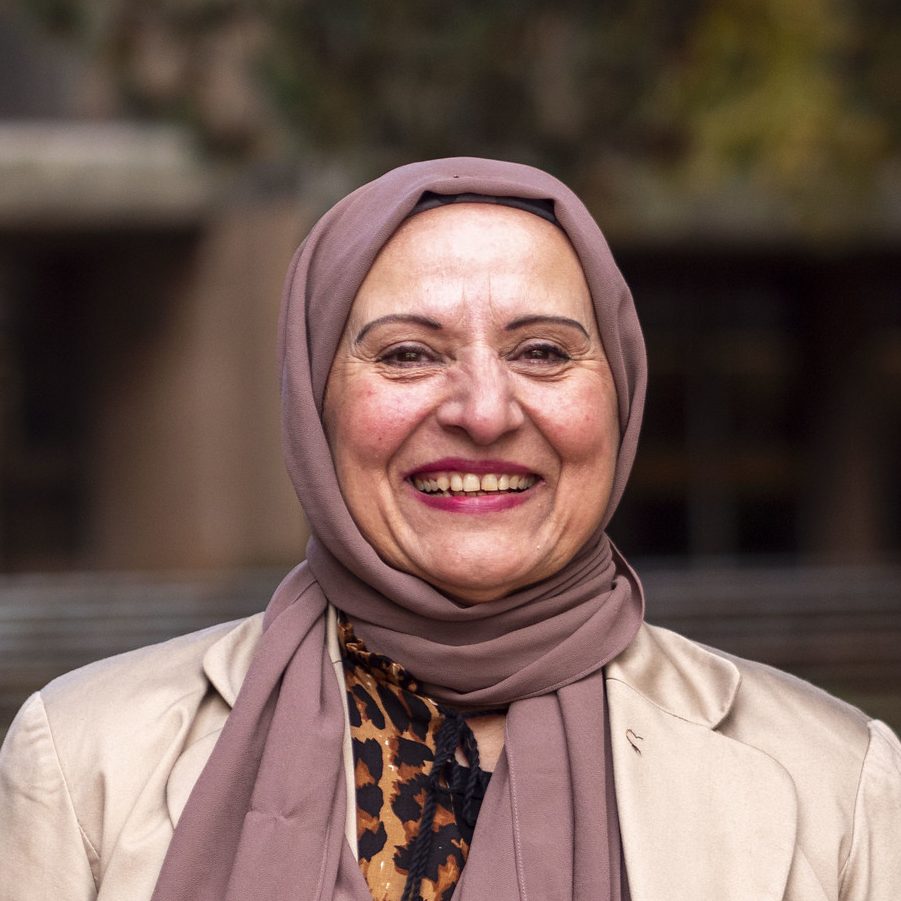
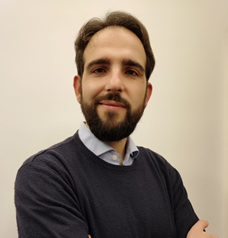
Yasmin Akhtar is a Lecturer at the University of British Columbia's Faculty of Land and Food Systems. Her research focuses on entomology, pest management, and natural products for insect control. She teaches courses such as APBI 290: Introductory Topics in Applied Biology and BIOL/APBI 327: Introduction to Entomology. PhD in Applied Biology, University of British Columbia Akhtar's research explores the insecticidal effects of plant extracts, essential oils, and diatomaceous earth formulations. She investigates their mechanisms against pests like cabbage loopers ( Trichoplusia ni ) and bed bugs ( Cimex lectularius ), emphasizing sustainable pest management strategies and chemical ecology. Her publications highlight trends in botanical insecticides, antifeedants, and synergistic mixtures. Key areas include Essential oil efficacy against lepidopteran pests Diatomaceous earth for bed bug control Chemical deterrents for insect behavior modification Plant-based pest management Residual toxicity studies Sustainable agricultural practices
Carmelo Cavallaro is a Research Fellow at the Department of Agriculture, Food and Environment (Di3A) of the University of Catania since 2017, with ongoing research grants until May 2025. He specializes in integrated pest management and biological control for invasive agricultural pests. Education : Master's Degree in Agricultural Sciences and Technologies (2016, University of Catania, 110/110 cum laude) with experimental thesis on hymenopteran parasitoids for Drosophila suzukii control Professional : Licensed phytosanitary consultant (2023) His research focuses on sublethal insecticide effects on pest-parasitoid systems, water stress impacts on plant-insect interactions, and IPM program validation for tomato pests in protected crops. Recent work examines Drosophila suzukii ecology and control strategies across Mediterranean horticultural systems. Article trends show expertise in parasitoid compatibility with bioinsecticides, olfactory disruption in target insects, and multi-trophic interactions under environmental stress. Collaborates extensively with Prof. Antonio Biondi's entomology research group. Key affiliations include: HORIZON Europe research program (2024-2025) ADOPT IPM project INNORTIFLORIS sustainable horticulture program INTEMAR pest control initiative WATER4AGRIFOOD water stress research DOPCILIETNA cherry production project
Ana Vuleta is a Senior Research Associate at the Institute for Biological Research "Siniša Stanković", a National Institute of the Republic of Serbia affiliated with the University of Belgrade. She works in the Department of Evolutionary Biology, where she conducts research on plant responses to environmental stressors. Her educational background includes: Doctorate degree, Ph.D. (Faculty of Biology, University of Belgrade, 2013) Bachelor's degree, B.Sc. (Faculty of Biology, University of Belgrade, 2005) Ana Vuleta has been employed at the Institute for Biological Research since 2005. Her primary research focuses on the adaptive responses of plants, particularly Iris pumila L., to changing and stressful abiotic environmental factors in natural settings. She investigates biological responses at various levels, from proteins to phenotypes, with emphasis on how plants respond to variations in light intensity and temperature. A significant aspect of her work examines enzymatic and non-enzymatic antioxidants that protect biological macromolecules from damage caused by reactive oxygen species during oxidative stress. Additionally, she explores plant compounds as potential biological insecticides and repellents against insect pests. Her research spans the interdisciplinary fields of Eco-Evo-Devo, Ecophysiology, and the Physiology and Molecular Biology of Plants, with a particular focus on understanding plant responses to climate change. Ana Vuleta has participated in several research projects throughout her career: "Adaptations in natural and laboratory populations" (2005) "Physiological and evolutionary aspects of the stress response in natural and laboratory populations" (2006-2010) "Evolution in laboratory and adaptations in nature" (2011-2020) Internal SAIGE Proof of Concept "Thym protect - Thymol-impregnated cellulose acetate beads as bioinsecticide/repellent for protection of common bean seeds in storages" (2023/24)
Dr. Shaodong Guo serves as an Advance Queensland Industry Research Fellow and Postdoctoral Research Fellow at the School of Science, Technology and Engineering, University of the Sunshine Coast, where he is also a member of the Centre for Bioinnovation. Having completed his PhD in 2022 from The University of Queensland, Dr. Guo has established himself as a specialist in venom peptide research with significant industry recognition. His research program focuses on the discovery and characterization of orally active venom peptides from diverse arachnid species, integrating proteomics, transcriptomics, electrophysiology, chromatography, protein sequencing, and mass spectrometry approaches. Key research areas include: Arachnid toxins as sustainable bioinsecticides Electrophysiology studies on insect ion channels Development of novel assays for oral insecticidal activity Investigation of venom peptide effects on insect behavior and memory Dr. Guo's publication record shows remarkable productivity with eight peer-reviewed articles in 2024 alone, demonstrating strong research momentum across multiple high-impact journals. His work reveals that oral insecticidal activity is more widespread in arachnid venoms than previously recognized, with significant implications for sustainable agriculture. His scientific recognition includes: Advance Queensland Industry Research Fellowships (2024) Membership in the ARC Centre of Excellence for Innovations in Peptide and Protein Science (CIPPS) Dr. Guo maintains active collaborations with Professor Volker Herzig and other researchers across Australia, contributing to both fundamental venom peptide science and practical agricultural applications. His current research aims to provide sustainable pest management solutions through environmentally-friendly bioinsecticides that target specific pests while minimizing ecological impact.
Associate Professor Volker Herzig is an ARC Future Fellow and Theme Leader of Biodiscovery at the University of the Sunshine Coast's Centre for Bioinnovation. He leads research on arthropod venoms, focusing on their biodiscovery and applications in medicine, agriculture, and basic science. His lab maintains the world’s largest arachnid venoms collection (550 spider and 150 scorpion venoms), used in collaborative projects targeting bioinsecticides, antiparasitics, and pharmacological tools. Key research areas include ion channel modulation, environmentally safe pest control, and venom effects on insect learning/memory. Herzig holds a Dip. (Biology) and PhD (Biology) from TU (Technische Universität, Germany). He has secured significant grants, including AUD240,000 from the Advance Queensland Industry Research Fellowships (2025-2027) for locust pest control and AUD755,000 via an ARC Future Fellowship (2020-2023) for spider venom-based biopesticides. His expertise spans toxinology, pharmacology, and molecular biology, supported by memberships in the International Society on Toxinology (IST) and Deutsche Arachnologische Gesellschaft (DeArGe). Future projects include investigating venom toxins’ role in insect learning/memory mechanisms, potentially revealing new pest control tools and insights into neurobiology. His work bridges basic research and applied solutions, emphasizing sustainable agriculture and biomedical innovation.
Pompeo Suma is an Associate Professor of General and Applied Entomology at the University of Catania , affiliated with the Department of Agri-Food and Environmental Systems Management (DiGeSA) . His research focuses on biological and integrated pest management, particularly for citrus pests and stored product insects, with applications of semiochemicals in IPM. PhD in Agricultural Entomology (University of Naples "Federico II") Graduated in Agricultural Sciences (University of Catania, 1997) Suma's scientific output includes over 100 publications on topics such as: Ambrosia Beetle Ecology (Xylosandrus species, fungal symbiosis) Molecular Plant Resistance Mechanisms (QTL analysis in citrus) Biological Control Agents (Nesidiocoris tenuis, parasitoids) His recent work (2021-2025) emphasizes invasive species dynamics, climate impacts on pest populations, and sustainable management strategies. Suma also collaborates as a referee for international journals and participates in multidisciplinary research networks across Europe. Current teaching activities include: Module on pest control in agri-food supply chains (University of Catania) Master's program on sustainable agriculture (Saf@Med, University of Reggio Calabria)
Maria Flavia Pitruzzello is a Research Fellow at the University of Catania , affiliated with the Applied Entomology department. Her work focuses on integrated pest management and multitrophic interactions in agricultural systems. Master's Degree in Agricultural Science and Technology (2022, University of Catania, cum laude) Bachelor's Degree in Agricultural Science and Technology (2020, University of Catania, cum laude) Her research spans three key areas: Insect Behavior : Analyzing parasitoid responses to plant-emitted volatiles using two-way olfactometers. Plant Defense Mechanisms : Studying gene expression changes under drought stress and their effects on pest-natural enemy dynamics. Biopesticide Toxicity : Evaluating lethal and sublethal impacts of natural substances on pests and their biological control agents. The articles listed reflect her focus on agricultural entomology , plant-insect interactions , and biocontrol optimization . Her work integrates molecular biology , ecology , and applied pest management methodologies.
Nafi Gürdal Alaeddinoğlu is a Professor in the Department of Biological Sciences at Middle East Technical University (METU). His research focuses on bacterial genetics, industrial biotechnology, and bioprocess optimization. He holds a B.Sc. in Medical Technology from Hacettepe University (1967), a Ph.D. in Microbiology from Reading University (1976), and completed a postdoctoral fellowship at MIT's Biology Department (1985-1986). Education: B.Sc., Medical Technology, Hacettepe University (1967) Ph.D., Microbiology, Reading University (1976) Postdoc, MIT Biology Department (1985-1986) His research interests include antimicrobial resistance mechanisms, industrial enzyme production, hydrocarbon biodegradation, and bioinsecticide development. His work spans applications in environmental biotechnology and biomedical engineering. Notable contributions include optimizing biopesticide production and developing controlled antibiotic release systems for implant-related infections. Publications highlight advancements in bioprocess optimization, bioremediation, and microbial genetics. He has collaborated on projects involving immobilized enzymes, biodegradable materials, and pathogen epidemiology.
Krista Collier-Jarvis is Assistant Professor in the English Department at Mount Saint Vincent University. Her research bridges American Gothic literature, Indigenous storytelling, and popular culture, with focus areas including horror narratives, contagion metaphors, and Indigenous representation. She leads the NSERC-funded Two-Eyed Seeing Program promoting Indigenous-Western scientific integration. Collier-Jarvis examines cultural narratives of apocalypse, trauma, and resilience through literary and multimedia analysis. Her work connects Indigenous knowledge systems with contemporary social issues. Principal Investigator for NSERC PromoScience grant on Two-Eyed Seeing education Research explores intergenerational trauma and decolonization methodologies Specialist in zombie narratives and pandemic representation in popular media
Dr. Thomas Wood serves as Deputy Head of Plant Pathology and Senior Programme Leader at the National Institute of Agricultural Botany (NIAB), where he leads research in plant genetics, genomics, and pathology. His work focuses on legumes and oilseeds with particular expertise in downy mildews and other significant crop pathogens. Dr. Wood's research interests center on understanding plant-pathogen interactions at the molecular level and translating this knowledge into practical disease management solutions. His work spans from fundamental research on host-pathogen relationships to applied solutions for crop protection, with a strong emphasis on sustainable approaches that reduce chemical inputs in agriculture. His recent publications (2023-2025) demonstrate a consistent research trajectory focused on disease resistance mechanisms in legumes, particularly faba beans, and innovative approaches to pathogen control including RNAi-based strategies and AI-assisted disease diagnosis. These works appear in respected journals such as Molecular Plant Pathology, Frontiers in Plant Sciences, and Seminars in Cell and Developmental Biology. Dr. Wood has secured substantial research funding from diverse sources including BBSRC, Defra, and Innovate UK, supporting multiple concurrent projects that address critical challenges in crop protection. His research program includes both UK-focused initiatives and international collaborations, particularly on bean disease resistance in Africa. Pulse Crop Genetic Improvement Network (2024-2029, Defra) Sustainable Crop Control: bioinsecticides efficacy (2024-2026, Innovate UK) AI-based crop disease diagnosis (2024-2026, Innovate UK) Rapid effector discovery for wheat protection (2024-2027, BBSRC) Bean disease resistance in Africa (2022-2027, philanthropic) Dr. Wood maintains extensive collaborations with academic and research institutions including John Innes Centre, University of Reading, University of Birmingham, and international partners in Africa. His work bridges fundamental plant pathology research with practical agricultural applications, contributing significantly to sustainable crop protection strategies.
Dr. Darija Lemić is an Associate Professor at the Department of Agricultural Zoology, Faculty of Agriculture, University of Zagreb. Her expertise spans entomology, population genetics, and integrated pest management with a focus on invasive species and climate change impacts. PhD in Agricultural Sciences (2009-2014) Diploma in Agricultural Engineering (2003-2008) Research interests: Geometric morphometrics for pest population analysis Insecticide resistance monitoring Ozone technology in post-harvest pest control Precision agriculture applications (hyperspectral imaging, machine learning) Invasive species dynamics in Mediterranean ecosystems Climate change adaptation strategies in crop protection Selected projects: Coordinator for Ecologically Acceptable Ambrosia Control (Croatian Science Foundation, 2023-2027) Partner in Smart AgroTech EU program (2020-2023) Coordinator for Pest Resistance Monitoring (Croatian Science Foundation, 2017-2021) Professional activities: Editorial board member for Insects , Journal of Central European Agriculture , and Sustainability Active in Croatian Entomological Society, Genetic Society, and European Society for Evolutionary Biology
Antonio Biondi serves as Full Professor of General and Applied Entomology at the University of Catania's Department of Agriculture, Food and Environment. He concurrently holds significant administrative positions as Coordinator of the PhD Course in Agricultural, Food and Environmental Science and Deputy Rector for University Evaluation. His educational background includes a Master's degree in Agricultural Sciences and Technologies (2009) and an international PhD in Phytosanitary Technologies and Agro-Ecosystem Protection (2012), both from the University of Catania. His post-doctoral training spanned multiple prestigious institutions including the Instituto Valenciano de Investigaciones Agrarias (Spain), Institut National de Recherche Agronomique (France), University of Minnesota, and University of California, Berkeley. Professor Biondi's research focuses on sustainable approaches to pest management in Mediterranean agriculture, with particular emphasis on the biology, ecology, and toxicology of bioinsecticides against invasive species. His work centers on model pests including Tuta absoluta , Drosophila suzukii , and Xylosandrus compactus and their natural enemies. His research integrates field studies with laboratory investigations to develop ecologically sound pest control strategies. With an h-index of 49, his scholarly impact is substantial, earning him recognition as a Highly Cited Researcher annually since 2019. He currently serves as Editor-in-Chief for the Journal of Pest Science and has contributed as editor and reviewer for numerous other high-impact journals in the WoS-Scopus network. Highly Cited Researcher (2019-present) Editor-in-Chief, Journal of Pest Science Member of expert committee for ANSES (French Agency) on plant health risks (2018-2022) Full member of Italian Entomological Society Professor Biondi actively supervises graduate students and post-doctoral researchers through international programs including Marie Curie and Erasmus agreements. His teaching responsibilities include Applied Agricultural Entomology and Integrated Pest Management courses for undergraduate and master's students. He has participated in numerous national and international research projects focused on sustainable pest control in agricultural ecosystems. His laboratory facilities at the Department of Agriculture, Food and Environment support both fundamental research on insect-plant interactions and applied studies for developing practical pest management solutions for Mediterranean agriculture.
Professor Elaine Fitches is a Professor in the Department of Biosciences at Durham University. Her research focuses on developing protein-based biopesticides and exploring sustainable insect farming for animal feed. She leads projects on fusion protein technology to enhance toxin delivery to insect pests and collaborates with industry on commercializing these innovations. Her work addresses pesticide resistance and promotes circular bioeconomy principles through waste-to-resource systems. Research Interests: Oral delivery of insecticidal peptides using carrier proteins AI-driven design of recombinant biopesticides Insect farming for sustainable feed production Environmental impact assessments of biofeed systems Publications highlight advancements in spider venom toxin engineering, fusion protein efficacy, and insect-based feed sustainability. She advises three PhD students and has co-authored over 20 peer-reviewed articles since 2012. Grants and Industry: Current collaborations involve scaling biopesticide production and evaluating insect meal nutritional profiles. Her lab uses yeast-based fermentation systems for prototype development. Labs/Teams: Active in Durham's Agri-Food Systems Group, focusing on integrated pest management and sustainable protein solutions.
Dr. Fieka Sukiran is a Research Fellow in the Department of Biosciences at Durham University. Their research focuses on biopesticides, herbicide booster technology, and plant growth promoting agents. Key contributions include developing spider venom-based bioinsecticides for pest control and enhancing biopesticide efficacy through protein engineering. Research interests emphasize innovative biological control solutions for agricultural pests such as the Asian citrus psyllid. Their work bridges toxicology, entomology, and biotechnology to address sustainable pest management challenges. Recent studies include optimizing insecticidal peptides via snowdrop lectin fusion and evaluating marine-derived toxins for pest control. No scientific awards or grants are explicitly mentioned in the provided text. Advising roles or student supervision details are not listed here.
Ali Rajabpour holds the position of full Professor of Entomology at Agricultural Sciences and Natural Resources University of Khuzestan (ASNRUKH), Iran, and is a Visiting Professor at Macquarie University’s School of Engineering in Sydney, Australia. He has been an active academic since 2011, specializing in insect population ecology and integrated pest management (IPM). His research includes over 80 peer-reviewed articles, nine textbooks, and 100+ conference papers, with a focus on pest control strategies, biocontrol agents, and population dynamics modeling. Key projects include termite control methods, fixed-precision sampling for pest monitoring, and studies on aphid and lepidopteran pest population dynamics. He serves on editorial boards for Journal of Plant Diseases and Protection and Plant Protection , and collaborates internationally on pest management challenges. His work integrates advanced techniques like remote sensing, GIS, and machine learning for precision agriculture. Research trends highlight innovative pest monitoring systems, biocontrol applications, and molecular dynamics of materials. Grants and projects span pest sampling protocols, climate-driven pest models, and microbial control strategies. His contributions bridge entomology with technological advancements to address agricultural sustainability.