Charless C. Fowlkes is a Professor in the Department of Computer Science at the University of California, Irvine (UCI), and a member of the UCI Vision Group. His research focuses on computational vision, integrating visual recognition with 3D scene understanding and developing tools for biological image analysis. UCI Chancellor's Fellow (2019-2022) NSF CAREER Award recipient (2013) Helmholtz Prize winner (2015) Research Interests His work spans computational vision, image understanding, 3D scene reconstruction, and machine learning applications in biological and forensic domains. He develops methods for automated pollen classification, cardiac tissue analysis, and forensic shoeprint matching. Recent Publications His recent work includes 3D scene reconstruction with epipolar transformers, forensic shoeprint analysis, and image inpainting techniques. These show trends in integrating geometric understanding with deep learning. Scientific Awards Awarded the Marr Prize (2009), Helmholtz Prize (2015), and NSF CAREER Award (2013), he has received recognition for both theoretical and applied contributions to computer vision. Teaching & Advising He has taught graduate and undergraduate courses in computer vision since 2008 and advised numerous PhD, MS, and BS students who now work at institutions like Google, Apple, and CMU. Collaborations He collaborates with labs at UIUC (Punyasena Lab), Harvard (DePace Lab), and UCI (Cinquin Lab, Khine Lab) for biological applications of computer vision.
Thomas Graham is an Assistant Professor and PhytoGro Research Chair in Controlled Environment Systems at the University of Guelph, where he also serves as R&D Manager for the Controlled Environment Systems Research Facility (CESRF). His academic journey includes a BSc in Environmental Sciences from the University of Guelph and Stirling University (1997), an MSc in Horticulture (2001), and a PhD in Environmental Biology (2012), all from the University of Guelph. He completed a NASA Post-Doctoral Fellowship (2012–2015) at Kennedy Space Center, focusing on bioregenerative life-support systems for space exploration. Dr. Graham’s research expertise spans controlled environment agriculture (CEA) , space biology , medicinal crop production , and water remediation . He leads projects addressing food security, crop diversification in urban farming, and sustainable practices for high-intensity agriculture. Key initiatives include developing CEA systems for medical crops, optimizing tree crops for spaceflight, and advancing composting-based closed-loop systems. His scientific contributions are reflected in roles as Associate Editor for Gravitational and Space Research and Editor for special issues on Agriculture in Space . He collaborates with NASA, USDA, OMAFRA, and international agencies like the German Space Agency (DLR). Awards include the NASA Post-Doctoral Research Fellowship. Dr. Graham emphasizes mentorship, conducting bi-weekly graduate meetings and fostering student autonomy while providing structured support. His lab integrates interdisciplinary approaches to tackle global challenges, from climate resilience to lunar food production.
Mattias Brunström serves as Assistant Professor of Cardiology and Associate Professor of Epidemiology at Umeå University's Faculty of Medicine within the Department of Public Health and Clinical Medicine, Section of Cardiology. He is concurrently a resident physician at Norrlands University Hospital and holds leadership roles as chairman of Sweden's national hypertension working group and scientific secretary of the Swedish Society for Hypertension, Stroke and Vascular Medicine, with active participation in the European and International Societies of Hypertension. His academic foundation includes a 2018 PhD thesis examining blood pressure-lowering treatment effects across different blood pressure levels through systematic reviews and meta-analyses of randomized clinical trials. This doctoral work established his expertise in evidence-based cardiovascular therapeutics and epidemiological methodology. Dr. Brunström's research program centers on cardiovascular disease risk factors, with specialized focus on hypertension pathophysiology and aortic diseases. His group investigates how adolescent blood pressure levels predict future cardiovascular events, examining interactions with obesity, physical fitness, and diabetes to improve risk stratification. They also analyze differential effects of antihypertensive drug classes on cardiovascular outcomes and study risk factors for aortic dissection/rupture to optimize preventive surgical interventions. This work addresses critical gaps in managing the world's leading cause of death, where uncontrolled hypertension contributes to 10 million annual fatalities despite effective treatments. Analysis of his 2024-2025 publications reveals dominant themes in hypertension guideline development, treatment threshold controversies, and cardiovascular risk assessment. His work frequently challenges conventional approaches (e.g., questioning excessive treatment of 'elevated' blood pressure in elderly patients) while advancing evidence for lifestyle interventions and beta-blocker utility. Methodologically, his research leverages large cohort studies (including 1.4 million enlistee data), systematic reviews, and international collaborations through societies like ESH and ISH to translate epidemiological findings into clinical practice. Dr. Brunström leads multiple funded research initiatives including 'Remission of type 2 diabetes through eHealth' (2022-2028) and 'VIPviza' (2013-2027), directing a multidisciplinary team that bridges clinical cardiology, epidemiology, and public health. His advisory role extends to national guideline committees and international hypertension societies where he shapes clinical practice through evidence synthesis and position papers. Based at Norrlands University Hospital's Cardiology Section, his research group operates within Umeå University's strong cardiovascular research ecosystem, maintaining active collaborations with the Swedish National Diabetes Register and international consortia. Their work emphasizes real-world applicability, examining topics like bedtime dosing of antihypertensives and self-report diagnostic tools to overcome barriers in hypertension control where only 25% of affected individuals achieve target blood pressure levels.
Nathalia Peixoto is an Associate Professor in the Department of Electrical and Computer Engineering and Affiliate Faculty in Bioengineering at George Mason University. Her work bridges neural engineering, biomedical applications, and assistive technology development with international collaborations across Israel, Ireland, Peru, and Korea. Educational background: PhD in Electrical Engineering, Universidade de Sao Paulo MS, University of Campinas Research Interests: Dr. Peixoto specializes in neural engineering with focus on brain-computer interfaces using wearable devices. Her lab develops: Neural prosthetics and implantable systems Bioimpedance-based medical sensors Low-cost electrophysiological recording platforms Community-centered engineering design solutions Publication Trends: Her 2022-2025 publications demonstrate strong interdisciplinary convergence between neuroscience, biomedical engineering, and AI. Key trends include machine learning for seizure detection in zebrafish models, electrochemical optimization of neural interfaces, and community-engaged design projects addressing societal challenges through transdisciplinary graduate training. Grants and Projects: Principal investigator for multiple NSF-funded initiatives: NRT-HDR: Transdisciplinary Graduate Training (2019-2024) Smart and Connected Communities: Networked Devices (2017-2019) Bioimpedance for retinal implants (2015-2017) C2MW: Classroom to Makers Week (2015-2016) Additional funding from VA STEM CoNNECT and Longwood University. Laboratory: The Neural Engineering Lab integrates chemistry, physics, and engineering disciplines through team-based projects involving high school to graduate students. Current work includes sustainable food-waste solutions, tremor-capturing robots for low-resource areas, and neural implants with international academic partnerships.
Christopher B. Gorman is a Professor in the Department of Chemistry at North Carolina State University (NC State), affiliated with the College of Sciences. His research focuses on nanoscale materials chemistry, including synthesis of novel polymers and materials with tailored electronic and biological properties. He holds a Ph.D. from the California Institute of Technology (1991) and a B.A. in Computer Science and Chemistry from Drew University (1987). Education: Ph.D. in Chemistry, California Institute of Technology, 1991 B.A. in Computer Science and Chemistry, Drew University, 1987 Research Interests: Synthesis of conducting polymers for organic electronics Dynamic surfaces with self-regulating properties Drug delivery systems for biological barriers Nanomaterials for environmental remediation (e.g., phosphorus removal) Biomaterials with anti-fouling or antimicrobial functions Recent Publications: Focused on nanoscale materials for biomedical, environmental, and electronic applications. Key themes include quantum dots for antimicrobial materials, functionalized polymers for drug delivery, and surface coatings with controlled degradation. Labs/Teams: Leads the Gorman Research Group at NC State, mentoring students in nanomaterials synthesis and characterization. Current group members include Sam, Juliana, Dylan, Will, Quy, Carson, Lihan, and Ivan.
Nicolas Chiaruttini is a Lecturer and Scientist at École Polytechnique Fédérale de Lausanne (EPFL), affiliated with the School of Life Sciences. He serves in the BioImaging and Optics Core Facility (PTBIOP) and contributes to doctoral education through the EDMS - Teaching program. Institution: École Polytechnique Fédérale de Lausanne (EPFL) School: School of Life Sciences Department: BioImaging and Optics Core Facility Roles: Scientist, Lecturer Office: AI 0140, Building AI, Station 15, 1015 Lausanne, Switzerland Contact: +41 21 693 96 29 | nicolas.chiaruttini@epfl.ch ORCID: 0000-0003-4722-6245 Unit Websites: BioImaging and Optics Core Facility , EDMS Program His research and professional interests center on bioimaging, optics, and image processing, particularly in the context of life sciences and micro/nano-sciences. These areas are reflected in his dual role supporting advanced imaging technologies and teaching in doctoral programs. He teaches the course Image Processing for Life Science , which integrates computational techniques with biological imaging applications. While no recent publications or awards are listed in the provided text, his work is aligned with interdisciplinary research at the intersection of engineering, physics, and biology. Nicolas Chiaruttini is actively contributing to both research infrastructure and academic education at EPFL, demonstrating a commitment to advancing scientific methodology and training the next generation of researchers in quantitative imaging and analysis.
Dr. Giancarlo Pascali is a Conjoint Associate Professor at the School of Chemistry, UNSW Sydney , and Radiochemistry Team Leader at ANSTO's Camperdown cyclotron site. With a PhD in "Innovative Biomedical Technologies" from the University of Lecce (2004), he has held research positions at IFC-CNR , NIH , and GMP facilities in Milan and Pisa. His expertise spans radiochemical methods , radiopharmaceutical development , and microfluidic automation for nuclear medicine production. Education: PhD in Innovative Biomedical Technologies, University of Lecce (2004) BSc in Chemistry, University of Pisa (2001) Research interests focus on M 3 : Molecules, Methods, Machines . In Molecules , he designs radiopharmaceuticals for cancer , dementia , and inflammatory diseases . For Methods , his work explores photochemistry , electrochemistry , and mechanochemistry to label biomolecules with 18 F and other isotopes. Under Machines , he pioneers microfluidic systems for automated radiochemistry, emphasizing safety and process reliability . Editorial & Leadership Roles: Editorial Board Member of Nuclear Medicine and Biology , Contrast Media & Molecular Imaging , and Current Radiopharmaceuticals Executive Board of ANZSNM , ARTnet , and ASMI Asia-Oceania Director and iSRS2025 Chair for SRS
Professor Pascal Fua is a distinguished faculty member at EPFL (Swiss Federal Institute of Technology) in the School of Computer and Communication Science. He joined EPFL in 1996 and currently serves as Head of the Computer Vision Laboratory (CVLAB). His extensive research spans multiple cutting-edge areas in computer vision and geometric deep learning, with applications ranging from 3D reconstruction to medical imaging and aerodynamic optimization. Dr. Fua's research interests encompass Computer Vision, 3D Reconstruction, Shape Modeling, Geometric Deep Learning, Medical Image Analysis, Augmented Reality, Motion Recovery, Surface Mesh Processing, and Aerodynamic Shape Optimization. His work demonstrates a remarkable ability to bridge theoretical computer vision with practical applications across diverse domains. His research has evolved from traditional geometric computer vision techniques to incorporating deep learning approaches for 3D modeling, with recent focus on differentiable rendering, implicit surface representations, and applications in medical imaging and engineering design. His publication record shows a consistent trajectory of high-impact research, with recent work focusing on differentiable iso-surface extraction, geometric deep learning for aerodynamic shape optimization, and novel approaches to 3D reconstruction. His work spans both theoretical advances in computer vision algorithms and practical applications in medical imaging, autonomous driving, and computational fluid dynamics. IEEE Fellow Multiple ERC Grants recipient Associate Editor of IEEE Transactions for Pattern Analysis and Machine Intelligence Throughout his career, Professor Fua has mentored numerous PhD students who have gone on to make significant contributions in computer vision and related fields. His laboratory has established collaborations across multiple disciplines, including medical imaging, aerospace engineering, and neuroscience, demonstrating the broad applicability of his research. His current work continues to push the boundaries of geometric deep learning and 3D vision, with particular emphasis on making these techniques more practical and applicable to real-world engineering and medical problems.
Aleksandra Radenovic is a Full Professor at École Polytechnique Fédérale de Lausanne (EPFL) holding multiple positions across the institution. She is a Full Professor at the Laboratory of Nanoscale Biology (LBEN) within the School of Engineering (STI), a Full Professor in Teaching at the School of Life Sciences (SV), and a Full Professor in Teaching at the School of Engineering (STI). Additionally, she serves as Co-Director of both the IBI-STI and IBI-SV administrative units, and is a Member of both the STI School direction and SV School direction. Dr. Radenovic received her PhD from the University of Lausanne in 2003, where she worked with Prof. Dietler in the Laboratory of Physics of Living Matter. Prior to that, she studied physics at the University of Zagreb from 1994-1999, and completed her baccalaureate at a Classical gymnasium in 1994. She conducted postdoctoral research at the University of California, Berkeley from 2004-2007 in the group of Prof. Liphardt. Her research focuses on single molecule biophysics, with particular emphasis on developing techniques and methodologies based on optical imaging, biosensing, and single molecule manipulation. Her laboratory works on three major research directions: (i) developing and using nanopores as platforms for molecular sensing and manipulation, particularly solid-state nanopores in glass nanocapillaries and 2D-material membranes; (ii) studying biomolecular function, especially protein and nucleic acid interactions, using force-based manipulation techniques like optical tweezers and Anti-Brownian Electrokinetic traps; and (iii) developing super-resolution optical microscopy based on single molecule localizations for quantitative cellular imaging. Her work bridges physics, engineering, and biology to create innovative tools for understanding molecular processes at the nanoscale. Analysis of her recent publications reveals a strong focus on nanofluidics, 2D materials (particularly MoS 2 and hBN), nanopore sensing, super-resolution microscopy, and the development of novel instrumentation for biophysical applications. Her research demonstrates increasing interdisciplinary collaboration, integrating materials science, nanotechnology, and biological applications to address fundamental questions in molecular biophysics. Dr. Radenovic has received numerous prestigious awards and grants, including: 2021: ERC Advanced Grant 2021: Optica Fellow 2016: CCMX Materials challenge award 2015: SNSF-ERC Consolidator Grant 2010: ERC Starting Grant 2003: SNSF Fellowship She has successfully advised numerous PhD students whose research spans single molecule biophysics, nanofluidics, and optical techniques. Her laboratory, the Laboratory of Nanoscale Biology (LBEN), is well-equipped for advanced biophysical research, with capabilities in nanopore fabrication, optical trapping, super-resolution microscopy, and 2D materials characterization. Dr. Radenovic has secured significant research funding through competitive grants, including multiple ERC grants, which have supported her innovative research program at the intersection of physics, engineering, and biology.
Maeva Dhaynaut is an Instructor in the Department of Radiology & Biomedical Imaging at Yale School of Medicine. Her academic appointment is within the Division of Bioimaging Sciences, focusing on positron emission tomography (PET) research and applications. Dr. Dhaynaut's research spans multiple areas of molecular and neuroimaging, with particular emphasis on: Development and application of PET radiotracers for neurological disorders Tau imaging in Alzheimer's disease and related neurodegenerative conditions Opioid receptor imaging and neuropsychiatric applications Quantitative imaging methods and kinetic modeling Novel radiopharmaceutical development for CNS targets Her recent publications demonstrate strong expertise in tau PET imaging with tracers like [18F]MK6240, with applications ranging from Alzheimer's disease to sports-related neurodegeneration in former football players. She has also made significant contributions to opioid receptor imaging and potassium channel imaging. Dr. Dhaynaut frequently employs advanced computational methods including diffusion models and Bayesian approaches for kinetic parameter estimation in dynamic PET imaging. Dr. Dhaynaut's collaborative research network includes prominent scientists such as Georges El Fakhri, Marc David Normandin, and Nicolas Guehl. Her work spans from basic radiopharmaceutical chemistry through preclinical validation to clinical applications, demonstrating a comprehensive translational research approach.
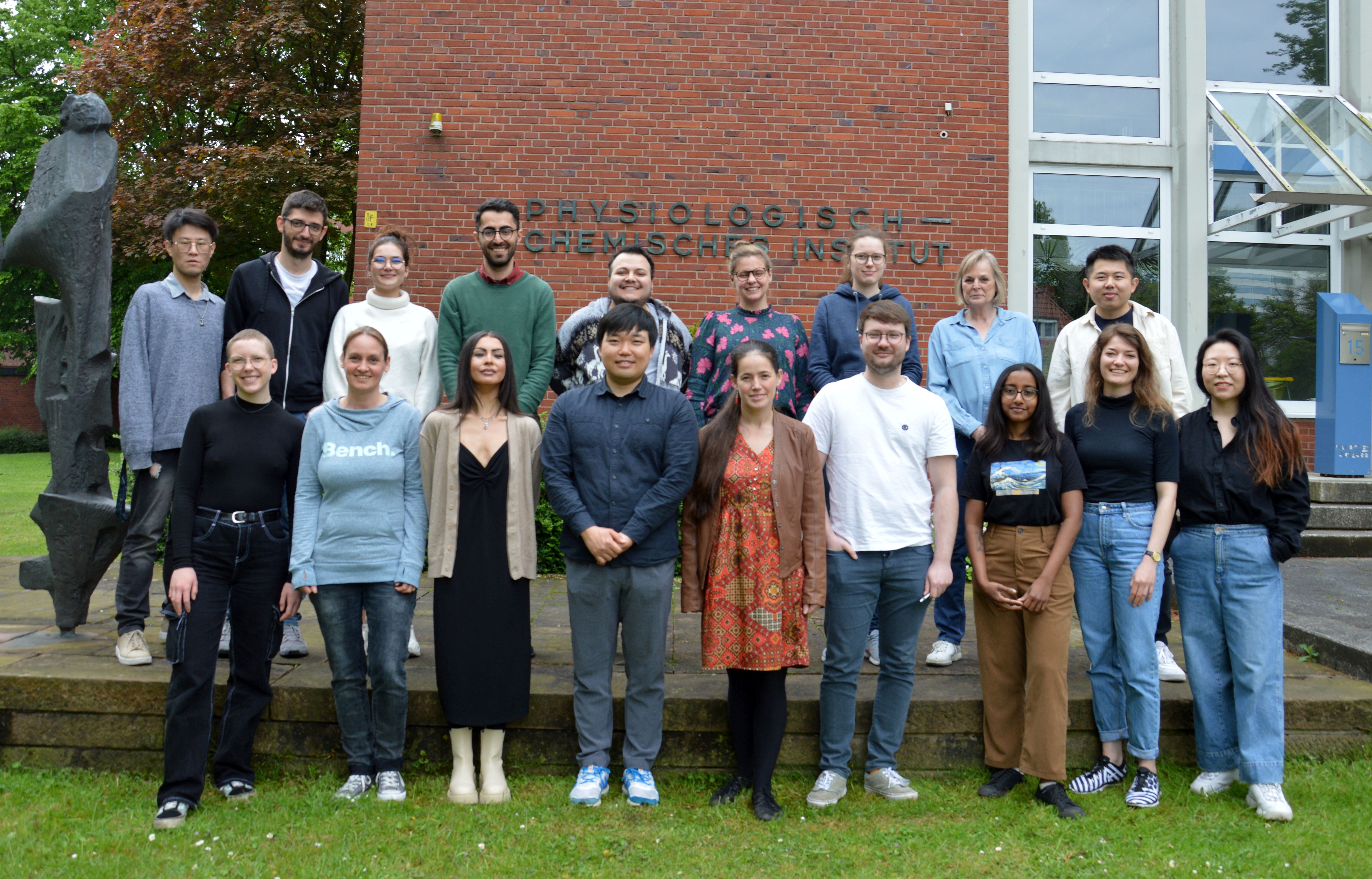
Seraphine V. Wegner is a Full Professor at the Institute of Physiological Chemistry and Pathobiochemistry within the Medical Faculty of the University of Münster. She leads an active research group focused on the spatiotemporal control of cell-material and cell-cell interactions using visible light. Her work bridges synthetic biology, cell biology, and photochemistry to create innovative approaches for tissue engineering and minimal cellular systems. Dr. Wegner's educational background includes a PhD from the University of Chicago (2005-2010) and undergraduate studies at Middle East Technical University in Turkey (2002-2005). Her career path has taken her through prestigious institutions including the Max Planck Institutes in Mainz and Heidelberg, where she established her independent research before joining the University of Münster as a Full Professor in 2019. Her research spans several interconnected areas including light-controlled minimal cellular systems, photoswitchable cell-cell interactions for tissue engineering, light-controlled cell-material interactions, and engineering designer biofilms with light. These research themes share a common thread of using light as a non-invasive tool to precisely control biological processes with high spatial and temporal resolution. Dr. Wegner's publication record shows consistent high-impact output across leading journals in cell biology, synthetic biology, and materials science. Her recent work demonstrates increasing sophistication in multi-color light control systems and applications in both fundamental biological questions and potential therapeutic approaches. ERC Consolidator Grant (2024): LIGHTHOUSE - Light as a signal for nonchemical cell-to-cell communication ERC Starting Grant (2018): ARTIST - Artificial cell-cell interactions for light switchable cell organization and signaling Young Leaders in Science Program, Schering Foundation (2016) MaxSynBio Independent Group Leader, BMBF/MPG (2015) Her research group actively collaborates across disciplines, with projects spanning from fundamental biophysics of cell adhesion to potential medical applications in tissue engineering and bacterial therapeutics. Dr. Wegner has established herself as a leader in the emerging field of optogenetic control of multicellular systems.
Nediljko Budisa is a Professor and Tier 1 Canada Research Chair in Chemical Synthetic Biology and Xenobiology at the University of Manitoba's Faculty of Science, Department of Chemistry. His research program focuses on expanding the fundamental biochemical capabilities of living systems through genetic code engineering and synthetic biology approaches. Dr. Budisa's research spans multiple cutting-edge areas in synthetic biology, with particular emphasis on genetic code expansion , non-canonical amino acid incorporation , and protein engineering . His laboratory employs both classical biochemical techniques and advanced computational methods to develop orthogonal translation systems, engineer novel enzymes, and create synthetic cells with expanded biochemical repertoires. His work bridges chemistry, biology, and engineering to address fundamental questions about life processes while developing practical applications in biotechnology and medicine. Analysis of Dr. Budisa's publication record reveals a consistent trajectory of innovation in genetic code engineering, with recent work increasingly integrating machine learning approaches for protein design. His research spans from fundamental studies of protein structure-function relationships to applied research in metabolic engineering and antiviral strategies, demonstrating the versatility of synthetic biology approaches. Tier 1 Canada Research Chair in Chemical Synthetic Biology and Xenobiology Dr. Budisa leads an active research program supported by his Canada Research Chair position, with extensive collaborations across Canada and internationally. His work has resulted in numerous patents and commercial applications in biotechnology. He actively participates in the synthetic biology community through initiatives like Prairie iGEM BioExM and has delivered public lectures on methodological challenges in expanded genetic code research. His research is conducted through the Chemical Synthetic Biology and Xenobiology laboratory at the University of Manitoba, where his team explores the social, cultural, educational, ethical and philosophical aspects of synthetic biology alongside technical innovations, reflecting a comprehensive approach to advancing this transformative field.
Professor Jeffrey W. Bode serves as Full Professor at the Department of Chemistry and Applied Biosciences at ETH Zurich, Switzerland, and maintains a secondary affiliation with the Institute of Transformative Biomolecules at Nagoya University, Japan. His internationally recognized research laboratory develops novel chemical reactions that operate under physiological conditions, bridging synthetic organic chemistry with biological applications. The Bode Research Group specializes in creating chemical methodologies that function in water and biological environments, including proteins, cells, and tissues. Their major research thrusts include acylboronate chemistry (particularly potassium acyltrifluoroborates or KATs), protein synthesis through ketoacid-hydroxylamine (KAHA) ligation, synthetic fermentation for drug discovery, and SnAP chemistry for N-heterocycle synthesis. These innovations enable applications in wound healing, drug delivery, cellular encapsulation, and artificial tissue development. The group's work on chemoselective ligation reactions has fundamentally advanced amide bond formation without traditional coupling reagents. Recent publications demonstrate a strong trajectory toward automated synthesis platforms, protein engineering, advanced bioconjugation techniques, and applications in chemical biology. The group has successfully commercialized SnAP chemistry through Sigma Aldrich and developed KAHA ligation into a robust method for synthesizing large proteins. Their research consistently focuses on creating molecules inaccessible through existing technologies, with particular emphasis on physiological compatibility and biological relevance. Professor Bode leads an international research team of approximately thirty PhD students and postdoctoral researchers from twenty different countries. The Bode Research Group maintains extensive collaborations across disciplines, contributing significantly to chemical biology, medicinal chemistry, and materials science. Their laboratory is equipped with advanced automation platforms for organic synthesis and maintains strong connections with pharmaceutical and biotechnology industries for translational applications of their chemical methodologies.
David Labaree is an Associate Research Scientist in the Department of Radiology & Biomedical Imaging at Yale University School of Medicine . He is affiliated with the Bioimaging Sciences PET Core and frequently collaborates with researchers such as Richard Carson, Nabeel Nabulsi, and Jean-Dominique Gallezot. Education: PhD, University of Maryland/College Park (1991) BA, Connecticut College (1982) Research Interests: Dr. Labaree's work focuses on PET imaging , radioligand development , and molecular imaging techniques for studying neurological and psychiatric disorders. His research spans bioorganic chemistry , pharmacology , and neuroimaging , with applications in drug development and central nervous system studies . Publications and Collaboration: He has contributed to 30+ peer-reviewed studies, particularly in neuroreceptor imaging and radiopharmaceutical innovation . His recent work explores SV2A tracers , PET kinetic modeling , and immuno-oncology imaging . Contact: Email: david.labaree@yale.edu
Kazunori Koide is a Professor in the Department of Chemistry at the University of Pittsburgh, affiliated with the Dietrich School of Arts and Sciences. His research focuses on organic synthesis of natural products, development of novel synthetic methodologies, and creation of fluorescent probes for biomedical applications. He leads the Koide Group, which explores anticancer compounds like FR901464 and stresgenin B, as well as sensors for metals such as palladium, copper, and platinum. Research interests include total synthesis of bioactive natural products, mechanistic studies of organic reactions, and design of fluorogenic probes for real-time imaging of biomolecules. Notable projects involve Birch reduction optimization, palladium detection technologies, and RNA splicing modulation therapies. His work has led to awards including the University of Pittsburgh Chancellor's Distinguished Research Award (2009) and the Merck Technology Collaboration Award (2014). Key contributions span medicinal chemistry, analytical methods, and drug discovery, with over 100 publications in top journals like J. Am. Chem. Soc. and Nature Catalysis . Lab activities emphasize interdisciplinary approaches, combining organic synthesis with cell biology and materials science. Collaborations with pharmaceutical companies and academic institutions drive translational research in cancer therapy and environmental monitoring.