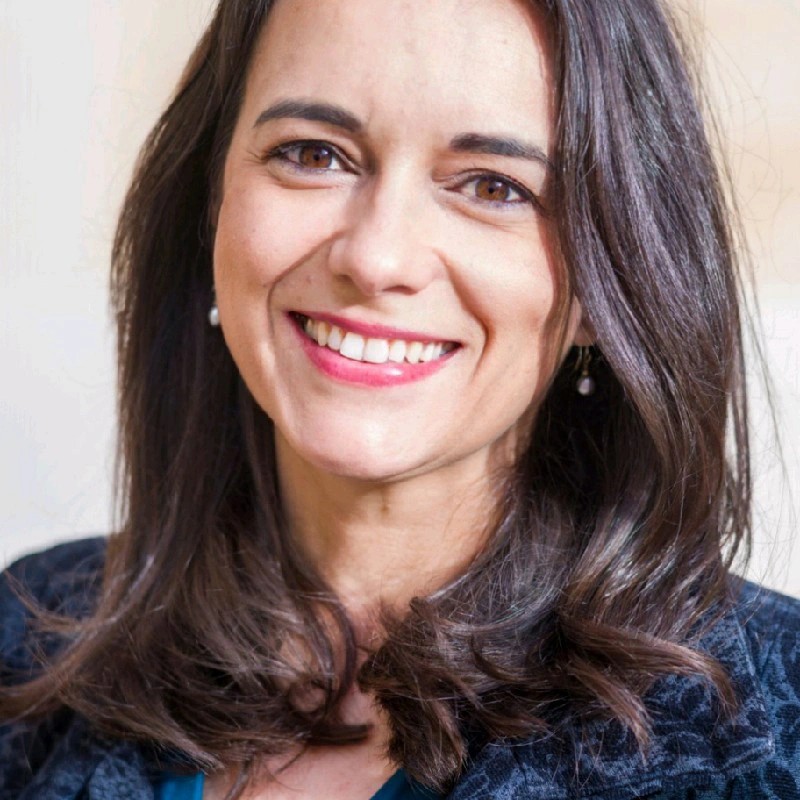
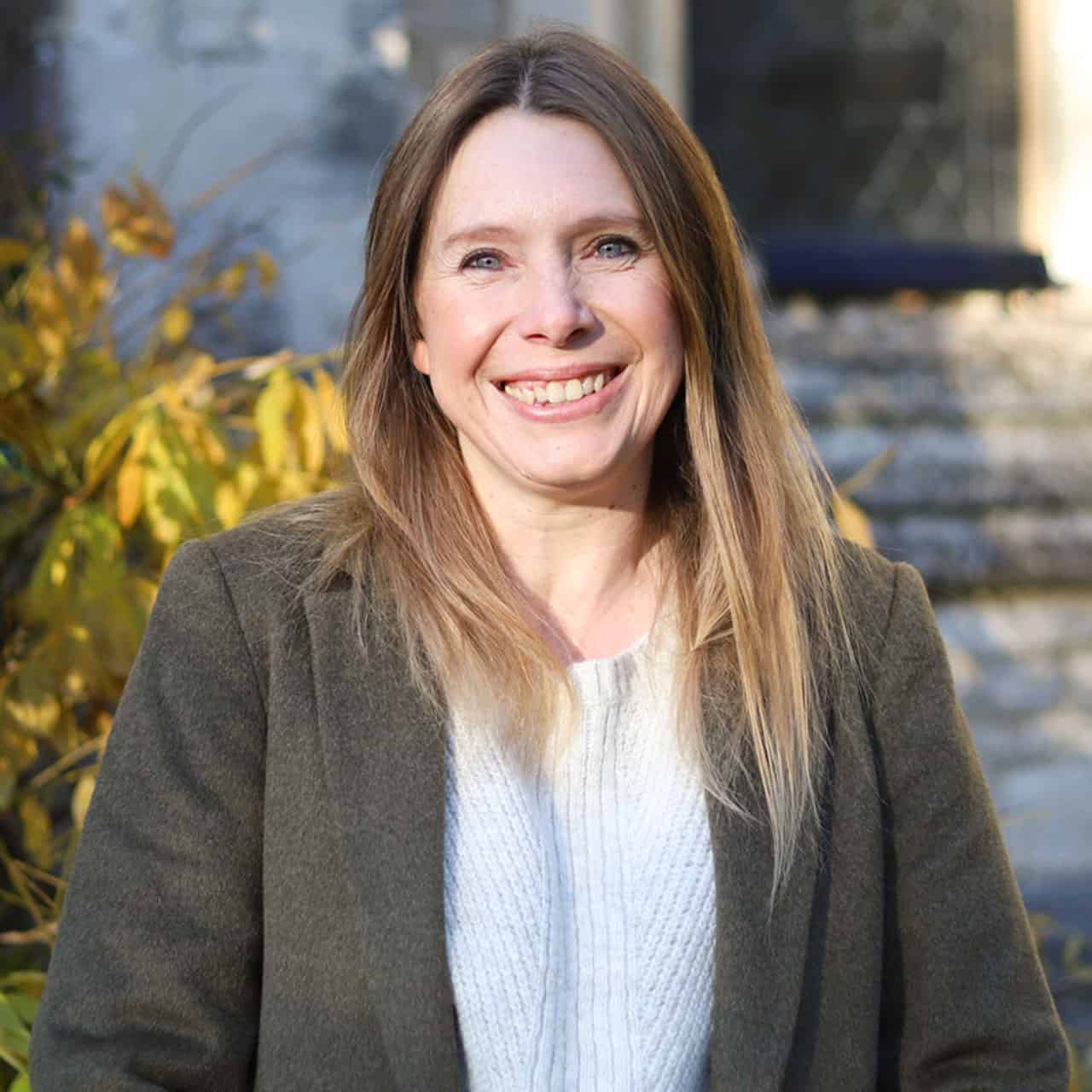
Danielle C. Mathersul is Senior Lecturer and Clinical Psychologist at Murdoch University's College of Health and Education. Her research integrates clinical psychology with psychophysiology to develop innovative treatments for emotional disorders. Research focus areas include: Mind-body interventions including yoga and mindfulness Transdiagnostic approaches to emotional disorders Psychophysiological markers of mental health Integrative treatment mechanisms Heart rate variability as biofeedback Dr. Mathersul maintains an affiliation with the Veterans Affairs Palo Alto's War Related Illness & Injury Study Center, applying her expertise to veteran mental health. Her work bridges traditional clinical psychology with complementary medicine approaches to develop holistic treatment frameworks.
Dr. Nicole E. Mahrer is an Associate Professor of Psychology at the University of La Verne, affiliated with the Cástulo de la Rocha College of Health and Community Well-Being. Her work focuses on child psychology, health psychology, and culturally-informed interventions. She holds a PsyD in Clinical Psychology from Arizona State University (ASU) and completed postdoctoral training at Children’s Hospital Los Angeles and UCLA. Education: B.A., University of California, San Diego M.A. and Ph.D., Arizona State University Research Interests: Dr. Mahrer examines risk and protective factors influencing physical/mental health in culturally diverse youth, with a focus on pediatric hospital settings, chronic pain management, and integrated healthcare. She collaborates with institutions like Children’s Hospital Los Angeles and explores telehealth innovations, including virtual reality (VR) applications for pain management. Awards & Grants: Randall Lewis Research Fellowship (2020) NIMH T32 Fellowship (2018) Children’s Hospital Exemplary Scholar Award (2017) NRSA Predoctoral Fellowship (2012) Teaching & Clinical Work: She teaches courses in cognitive behavioral therapy, assessment, and statistics. Clinically, she specializes in pediatric psychology, emphasizing culturally-sensitive interventions and family-centered care. Her work spans both English and Spanish-speaking communities. Labs & Collaborations: Collaborates with the Pediatric Pain Management Clinic at CHLA and a VR start-up to develop scalable mental health solutions. Active in interdisciplinary research teams addressing health disparities and prevention science.
Anwar Hossain is an Associate Professor at the School of Computing, part of the Faculty of Arts and Science at Queen's University. His research focuses on IoT, smart cities, healthcare technology, and machine learning applications. He has contributed to advancements in digital twins, edge computing, and railway defect detection using AI-driven methodologies. His work integrates ethical considerations with technical innovation, particularly in healthcare systems and infrastructure maintenance. Research interests span interdisciplinary areas such as multimodal AI for behavioral therapy, generative models for defect analysis, and privacy-preserving data aggregation in smart environments. His publications highlight trends in predictive healthcare systems, IoT-enabled infrastructure monitoring, and cognitive frameworks for urban systems. Notable contributions include frameworks for intelligent edge processing in smart cities and digital twin applications for mental well-being. His articles emphasize practical solutions for challenges in public health, railway safety, and urban sustainability. While no awards are explicitly listed, his extensive publication record reflects academic and industry relevance. Dr. Hossain collaborates on projects involving healthcare CPS (Cyber-Physical Systems), IoT security, and adaptive algorithm recommendation. His work bridges theoretical research with real-world implementations, contributing to both academic discourse and technological innovation in his field.
Assoc. Professor Adam Clarke is an Associate Professor at the School of Psychology, University of Wollongong. He specializes in electrophysiological research, focusing on ADHD, dementia, mindfulness meditation effects, and neurocognitive mechanisms. His work integrates EEG analysis with behavioral studies to explore attentional processes, arousal dynamics, and developmental psychophysiology. Research Interests: Professor Clarke’s research spans clinical and developmental psychophysiology, including EEG biomarkers for ADHD and dementia, meditation-induced neural changes, and age-related cognitive decline. He leads studies on gait analysis linked to cognitive impairment and employs advanced neuroimaging techniques to investigate attentional disorders. Funding Highlights: He has secured grants totaling AUD millions, including projects on dementia diagnosis via EEG-gait integration, ADHD neurodevelopment, and mindfulness-based interventions. Notable grants include the ARC-funded studies on ADHD central nervous system dynamics (2009–2013) and the 2023 UOW grant on gait-stability biomarkers for dementia. Key Projects: Biofeedback for dementia patients, EEG coherence in ADHD/autism comorbidity, and mindfulness-induced EEG spectral changes Labs: Centre for Psychophysics, Psychophysiology, and Psychopharmacology; Collaborative gait-neuroimaging lab Teaching & Supervision: Current PhD supervision includes dual-task biofeedback protocols and mindfulness EEG studies. Over 10 completed PhDs cover topics like ADHD EEG development, schizotypy stress responses, and gambling physiology.
Samantha Cross is a statistician affiliated with the Biostatistics & Health Informatics department, focusing on mental health, diabetes care, and gastrointestinal disorders. She collaborates on national and international research projects, including studies funded by the NIHR National Institute For Health & Care Research and Comic Relief . Research Interests : Mental Health, Randomized Controlled Trials (RCTs), Biofeedback, Hypoglycemia, Chronic Constipation, Childhood Self-Harm Active Projects : CORE Study (2024-2026): Evaluating maternity care frameworks in England Time to Change Global (2023-2025): Addressing stigma in Kenya Her recent work spans observational studies, cost-effectiveness analyses, and clinical trials, with a strong emphasis on public health implications and data-driven interventions.
Professor Tricia McCabe is a leading academic in Speech Pathology at the University of Sydney and holds an Honorary Professor position at the South Western Sydney Local Health District . She is a Certified Practicing Speech Pathologist and Fellow of Speech Pathology Australia , with a focus on Childhood Apraxia of Speech (CAS) , speech motor learning , and evidence-based practice innovations. Education : BAppSc(SpPath)Hons, PhD, GradCertEdStudies, Senior Fellow of the Higher Education Academy (2019) Her research explores motor learning principles in CAS treatment, ultrasound biofeedback for speech/swallowing disorders, and service delivery models in speech pathology. Recent projects include the NHMRC-funded ReST treatment trial (2020–2024), TICL Program (teacher-clinician collaboration), and Growing Little Learners (Hanen program evaluation). Analysis of her 15 most recent publications reveals trends in pediatric speech disorders , voice rehabilitation , telehealth delivery , and multidisciplinary service models . Key subfields include speech motor control , biofeedback technologies , literacy outcomes in CAS , simulation-based clinical training , and cross-cultural speech interventions . Scientific Honors Senior Fellow, Higher Education Academy (2019) Fellow, Speech Pathology Australia (2019) Keynote Speaker at International Conventions (Brazil, Greece, USA, Hong Kong, Philippines) Professor McCabe supervises PhD/Masters students in CAS, speech sound disorders, cleft palate continuity of care, and biofeedback applications. She leads the Communication Sciences and Disorders research team and co-founded speechBITE , an evidence-based practice database.
Patrizia Di Campli San Vito is a Researcher in the School of Computing Science at the University of Glasgow, focusing on Human-AI Interaction and Assistive Technologies. She holds a PhD from the University of Glasgow and prior degrees from the University of Ulm, Germany. Her current work involves participatory harm auditing of AI systems through the PHAWM project and developing adaptive radio systems (RadioMe) for dementia care. Previously, she contributed to ENTER and RadioMe projects addressing aging populations' needs through multimodal interfaces. Education: PhD: University of Glasgow Master's & Bachelor's: Media Informatics, University of Ulm Research Interests: Human-Computer Interaction (HCI), Assistive Technology for Aging Populations, Thermal/Haptic Feedback Systems, Automotive UIs, and Ethical AI Evaluation. She explores how multimodal interactions (e.g., thermal, haptic, audio) can improve accessibility and safety in healthcare and automotive domains. Key Projects: RADIO-ME: Adaptive radio system with agitation detection and music intervention for dementia patients PHAWM: Tools for non-experts to evaluate AI systems' societal impacts ENTER: Multimodal interaction for older adults Recent Work: Her publications focus on stress detection systems, in-car thermal feedback for navigation, and dementia-friendly calendar interfaces. She collaborates with Prof. Simone Stumpf (GIST Lab) and Prof. Stephen Brewster (Multimodal Interaction Group). Labs/Teams: Active in the Glasgow Interaction Systems Team (GIST) and previously contributed to the Multimodal Interaction Group.
Shaun Galloway is a Lecturer in Sport and Exercise Psychology at the Faculty of Education, Health, and Wellbeing, University of Wolverhampton. With a PhD in psychophysiology from Semmelweis University, Budapest, he has 20+ years of international academic experience across 6 countries. Research Focus: Sport psychology interventions, block periodization training theory, dance medicine, aging populations, and dementia-related physical activity Teaching: Leads modules from foundational physiology to advanced applied sport psychology across Wolverhampton, APSSB Singapore, and Semmelweis University Publications: 14+ peer-reviewed works spanning injury prevention in dancers, vitamin D effects, emotional regulation in martial arts, and stretching methodologies His work bridges academic research and practical application, with significant contributions to: Adolescent ballet injury prevention (11+ Dance program) Psychophysiological interventions for older adults Sport coaching pedagogy Vitamin D's role in athletic performance
Joel W. Hughes is a Professor in the Department of Psychological Sciences at Kent State University, specializing in Clinical Health Psychology and Cardiovascular Behavioral Medicine . His research explores how psychosocial factors like depression, traumatic stress, and social support influence cardiovascular risk, with a focus on mHealth interventions and patient self-management of chronic conditions such as heart failure and hypertension. Academic Rank: Professor Department: Psychological Sciences University: Kent State University Email: jhughes1@kent.edu Research Trends: His recent publications (2025–2015) highlight interdisciplinary work at the intersection of psychology, cardiology, and digital health. Key themes include stress management interventions , medication adherence , health literacy , and AI-driven healthcare solutions . Studies often employ meta-analytic methods, digital monitoring tools, and behavioral economics principles to address cardiovascular risk factors and chronic disease management. Training & Mentorship: Dr. Hughes supervises graduate students in clinical practicum work and teaches graduate-level research methods courses, emphasizing rigorous training in psychological science and cardiovascular behavioral medicine.
Dr. Sara Ascenso is a Lecturer in Musicians' Health and Wellbeing at the Royal Northern College of Music (RNCM). She holds a BMus in piano performance, an MSc and PhD in Occupational Health Psychology, and is a Fellow of the Higher Education Academy (FHEA). Her research focuses on musicians' wellbeing, occupational health, and arts & health interventions, particularly in vulnerable populations such as refugees and mental health service users. She has also contributed to developing HE curricula addressing musicians' mental health and work orientation. Key research areas include positive psychology applications, performance psychology, and community music engagement. Her work spans peer-reviewed articles in Frontiers in Psychology , Psychology of Music , and Psychotherapy and Psychosomatics , emphasizing interdisciplinary approaches. Current projects explore work meaning, resilience, and basic psychological needs in creative industries. Dr. Ascenso has pioneered studies on group drumming’s impact on mental health and co-led projects like the Lullaby Project for refugee communities. She holds additional roles as an Honorary Lecturer at University College London and visiting faculty at Trinity Laban Conservatoire and the Royal College of Music. Funding partners include the AHRC, Foundation for Science and Technology (FCT), and Arts Council England. Her 2022 research highlights digital health tools for fatigue monitoring and rethinking musicians' wellbeing in uncertain contexts.
Fabio Catania is a Postdoctoral Fellow at the McGovern Institute for Brain Research, Massachusetts Institute of Technology. His work focuses on developing conversational agents and AI systems tailored for neurodevelopmental disorders, emotion recognition in speech, and inclusive technology design. He has pioneered projects such as the Emozionalmente Italian emotional speech corpus and the Emoty conversational agent for individuals with autism spectrum disorder. Research Interests: AI-driven therapeutic interventions for neurodevelopmental disorders Multimodal emotion recognition systems Design of accessible conversational interfaces for marginalized groups Linguistic and acoustic analysis of non-verbal communication cues Key Contributions: Developed AI tools like Smemo (multimodal interface for children's creativity) and OK, DNA! (genomic data explorer) Created voice-controlled music production systems for motor-impaired users Explored irony and sarcasm detection through multimodal analysis His work bridges computational linguistics, human-computer interaction, and clinical applications, with a focus on creating ethical and inclusive AI systems for healthcare and education contexts.
Louise Ellis is a Senior Lecturer in the Department of Allied Health Professions, Sport and Exercise at the University of Huddersfield, where she has been a faculty member since 2015. She is also a member of the Centre for Applied Research in Health and actively contributes to research and supervision in sport psychology. Her educational and professional background includes: BASES Accredited Sport and Exercise Scientist (Psychology) Chartered Scientist (CSci) with the Science Council Fellow of the Higher Education Academy Louise's research focuses on choking under pressure , biofeedback training , and stress and anxiety in elite athletes . She has developed pressure simulation protocols used in professional football and applies psychophysiological monitoring (e.g., heart rate, galvanic skin response) to assess athlete responses. Her work bridges theory and practice in sport psychology, particularly with elite populations. The recent articles show a consistent trend in applying high-pressure simulations in football, studying psychophysiological responses, and using biofeedback techniques to improve performance. Her research spans both qualitative case studies and quantitative mixed-methods designs, primarily targeting professional and elite athletes. Her scientific recognition includes: BASES Accreditation in Sport and Exercise Psychology Chartered Scientist status Fellowship of the Higher Education Academy Active role in the BASES Climate Action and Sustainability Advisory Group (CASAG) Louise has supervised postgraduate research and is accepting new PhD students. She has collaborated with elite sports organizations including Liverpool FC and Wigan FC. Her research is supported by practical engagement and has received media attention from national outlets. She is also involved in broader initiatives such as the UN Sports for Climate Action Framework through her work with BASES. She is part of research networks focused on sport psychology and sustainability, contributing to both academic and societal impact. Her lab and team work emphasize applied interventions in real-world elite sport settings, particularly in football and Olympic pathways.
Helmut Hlavacs is a Professor at the University of Vienna's Faculty of Computer Science, with a distinguished career spanning over two decades in virtual reality, serious games, and human-computer interaction research. His work bridges computer science with psychological and medical applications, particularly in therapeutic contexts for children and adolescents. Dr. Hlavacs' research interests focus on virtual reality applications for healthcare, serious game design for therapeutic purposes, and innovative human-computer interaction techniques. His work demonstrates particular expertise in applying game technologies to address psychological conditions, medical treatments, and educational challenges. He has made significant contributions to VR therapy systems for anxiety disorders, stress management, and pediatric oncology support. Analysis of his recent publications reveals a strong trend toward integrating machine learning with virtual reality systems, developing novel game interfaces, and creating therapeutic applications for mental health conditions. His work spans technical computer graphics research, behavioral psychology studies, and practical healthcare implementations, demonstrating remarkable interdisciplinary reach. Dr. Hlavacs has collaborated extensively with medical researchers, particularly with Anna Felnhofer and Oswald D. Kothgassner on VR therapy applications, and with Amir Zaib Abbasi on consumer gaming behavior studies. His research has resulted in numerous serious games for healthcare applications, including systems for cancer patients, anxiety treatment, and vaccination communication. His laboratory work appears focused on developing the INTERACCT system for remote data entry by young leukemia patients, MindSpace for treating anxiety disorders in children, and various VR environments for therapeutic applications. Current projects indicate a strong emphasis on AI-driven game behavior, VR editor tools, and mobile gamification for behavioral change.
Melissa Day is a Reader in Qualitative Sport Psychology at the University of Chichester, where she serves as Programme Coordinator for the BSc in Sport and Exercise Psychology. BASES accredited and HCPC registered, she teaches across undergraduate and postgraduate programs while supervising multiple PhD students. Her academic work bridges theoretical sport psychology with practical applications in athletic performance, injury recovery, and disability sport contexts. Dr. Day's educational background includes a BSc (Hons) in Sport and Exercise Science from St Mary's University College (2003), an MSc in Sport and Exercise Science (Psychology pathway) from University College Chichester (2004), and a PhD on 'The underlying properties of stress' from the University of Wales (2007). Her research program centers on stress, appraisal, and coping mechanisms in sport contexts, with particular focus on trauma, disability, and injury experiences. Dr. Day has pioneered qualitative approaches to understanding vicarious trauma in sports, particularly examining how witnessing athletic injuries affects coaches and support staff. Her work on posttraumatic growth among Paralympic athletes has established important connections between sport participation and psychological adaptation following disability. She has also made significant contributions to understanding chronic pain in sport through innovative narrative methodologies, including her 'letter to my younger self' approach. Analysis of Dr. Day's recent publications reveals a strong trajectory toward knowledge translation in sport psychology, with increasing focus on practical applications of research findings. Her work has evolved from foundational studies on stress appraisal to contemporary research examining digital platforms for physical activity, esports physiology, and innovative narrative methods for translating research into practice. The interdisciplinary nature of her work is evident in collaborations spanning psychology, rehabilitation science, coaching education, and sports management. BASES accredited sport and exercise scientist HCPC registered practitioner psychologist Editorial board member for Qualitative Research in Sport, Exercise and Health Regular journal reviewer for multiple high-impact sport psychology publications Dr. Day actively supervises doctoral research, currently guiding three PhD students including Laura Shafe (researching vicarious trauma in sport) and Kim Humphries (examining psychological responses to injury onset). Her teaching portfolio includes undergraduate modules on interpersonal skills, psychology of training and competition, and psychology of injury and rehabilitation. She also serves as an external examiner for programs at other institutions and regularly contributes to academic conferences as both presenter and organizer.
Giampaolo Perna serves as Full Professor of Psychiatry at Humanitas University in Milan, where he leads the Personalized Medicine Center for Anxiety and Panic Disorders at Humanitas San Pio X. His clinical leadership extends to roles as Scientific Director of Psico Medical Care at Humanitas Medical Care, Chairman of the Department of Clinical Neurosciences at Villa San Benedetto Menni, and Chair of the World Psychiatric Association section on Personalized Psychiatry. He maintains international academic appointments as Voluntary Professor at the University of Miami and Visiting Associate Professor at Maastricht University. His educational foundation includes: Scientific High School Degree in Medicine and Surgery PhD in Psychiatry and Relational Sciences Residentship in Psychiatry Perna's research pioneers personalized psychiatry through biomarker integration and machine learning applications. His work focuses on physiological mechanisms in panic disorder (notably heart rate variability), comorbidity patterns between anxiety disorders and physical conditions like asthma/sinusitis, and digital mental health platforms for depression screening. He has developed affective neuroscience frameworks to translate laboratory findings into clinical protocols for anxiety and depression management. Recent publications (2024-2025) demonstrate three convergent trends: (1) Machine learning-driven screening tools for depression in sleep clinics, (2) Clinical profiling of panic disorder's impact on respiratory conditions, and (3) Workforce mental health studies examining academic stress in medical students and burnout among clinicians. This output reflects his commitment to data-driven personalization across diagnostic, treatment, and prevention domains. As an educator across seven institutions (including Milan, L'Aquila, Maastricht, and Miami), Perna has mentored students to degrees in Medicine/Psychology, PhDs, and psychiatry residencies globally. He directs the Summer Course in Affective Neuroscience and serves as Co-Editor-in-Chief of Personalized Medicine in Psychiatry . His leadership in the WFSBP anxiety disorder guidelines highlights his influence on clinical standards. He directs multidisciplinary teams at the Personalized Medicine Center for Anxiety and Panic Disorders and Villa San Benedetto Menni's Department of Clinical Neurosciences. These units integrate psychiatric, neurological, and technological expertise to develop evidence-based protocols for anxiety disorders, emphasizing physiological monitoring and tailored interventions through collaborations with sleep clinics and respiratory specialists.