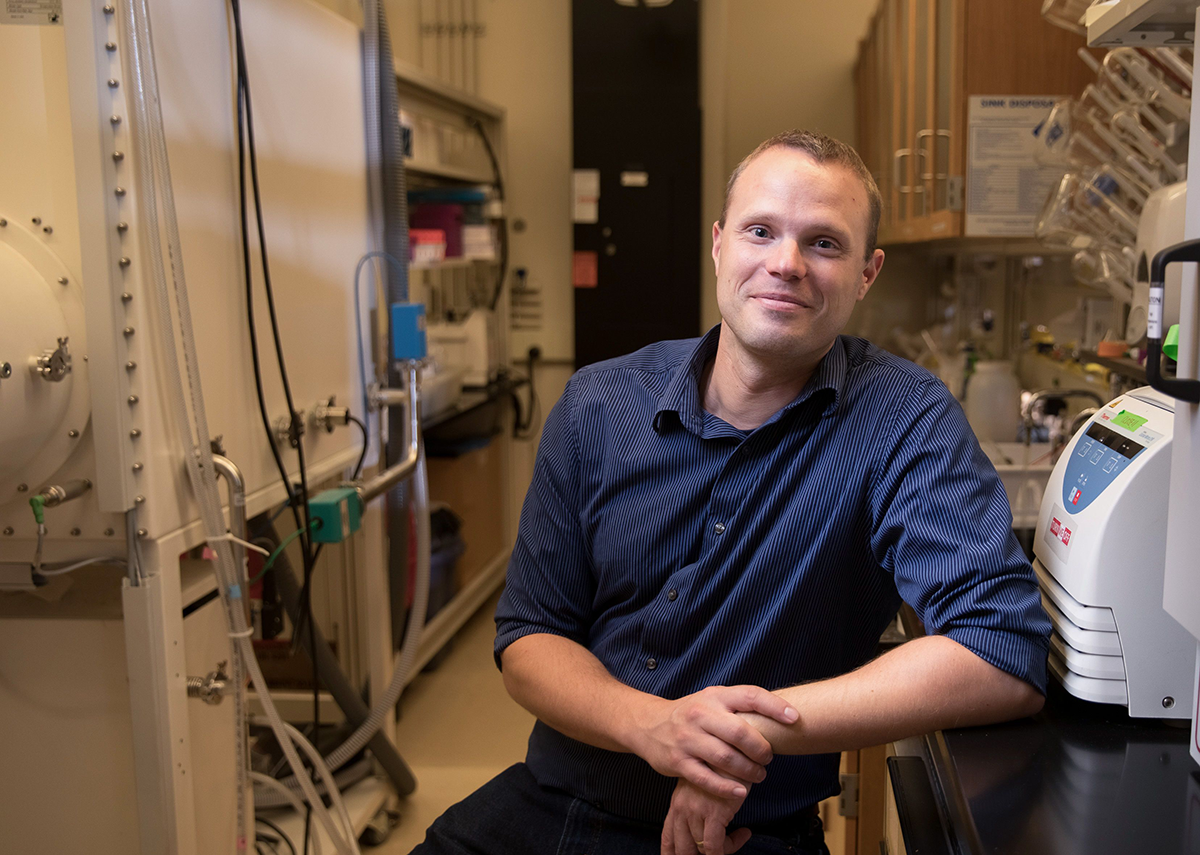
Dr. Guillermo Amador is an Assistant Professor in the Experimental Zoology department at Wageningen University & Research. His research focuses on understanding how animals interact with complex environments through locomotion, adhesion, and fluid dynamics. He investigates biological systems like insects, plants, and marine organisms to inspire bio-engineered solutions for robotics, microfluidics, and material science. Amador received his PhD in Mechanical Engineering from Georgia Institute of Technology (USA), followed by postdoctoral research at the Max Planck Institute for Intelligent Systems (Germany) and a Marie Sklodowska-Curie fellowship at TU Delft (Netherlands). His expertise spans biophysics, biomaterials, and biomechanics, with a focus on self-cleaning mechanisms and bioadhesion. He collaborates with the 4TU consortium on Dutch Soft Robotics to develop bio-inspired designs. His work bridges fundamental biology with engineering applications, emphasizing interdisciplinary approaches to solve challenges in robotics and environmental science. Amador teaches courses including Biomimetics and Functional Zoology , integrating his research into education. His research highlights include studies on cuttlefish suction cups, stick insect adhesion, and pollen transport mechanisms in pollinators.
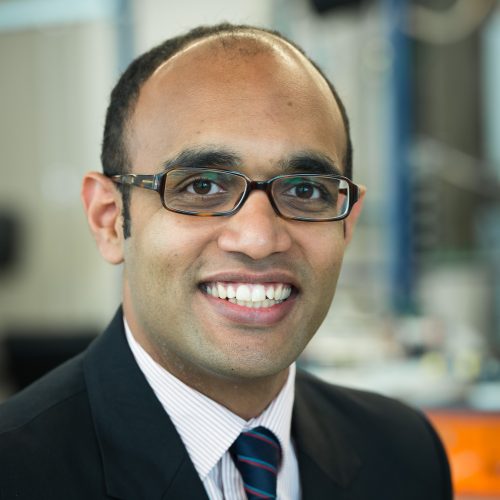
Prof. Marcy Zenobi-Wong is a Full Professor at ETH Zurich's Department of Health Sciences and Technology, specializing in biofabrication and tissue engineering. Her research focuses on cartilage regeneration using advanced biomaterials, including nanofilm coatings and 3D printing techniques. She holds patents in tissue engineering and has pioneered methods like filamented light (FLight) biofabrication for creating anisotropic tissues. Her academic journey includes a B.Sc. from MIT (1985), M.Sc. and Ph.D. from Stanford (1987, 1990), followed by postdoctoral work at the University of Michigan. She leads the Biofabrication Group at ETH, developing therapies for joint repair and regenerative medicine. Courses taught include Biomedical Engineering and Materials and Mechanics in Medicine . Research highlights include engineered hydrogels for cartilage protection, CRISPR-driven gene editing in chondrocytes, and biohybrid neural interfaces. Her work bridges material science, cell biology, and clinical applications, with a focus on translational medicine. Collaborative projects involve creating elastic cartilage grafts for microtia reconstruction and volumetric printing of complex tissue constructs.
Bradley D. Olsen is a full professor in the Department of Chemical Engineering at the Massachusetts Institute of Technology (MIT), where he leads research at the intersection of polymer science, soft matter physics, and bioengineering. His work focuses on designing materials for critical applications in biotechnology, hemostasis, and sustainable polymer development while advancing fundamental understanding of polymer network mechanics and self-assembly. Education: Ph.D. in Chemical Engineering, University of California Berkeley (2007) S.B. in Chemical Engineering, Massachusetts Institute of Technology (2003) Olsen's research spans protein-based materials, block copolymer phase behavior, and mechanochemical hydrogels. He has pioneered methods for quantifying polymer network topology, developing hemostatic nanoparticles, and creating bio-inspired materials for selective biomolecular transport and medical applications. His recent publications emphasize data-driven approaches to polymer characterization and educational outreach in materials science. Scientific Awards: American Physical Society (APS) Fellow (2023) Fulbright Amazonia Scholar (2023) Alexander and I. Michael Kasser Chair in Chemical Engineering (2021) ACS Macro Letters Young Investigator Award (2021) MIT Committed to Caring Honor (2019) AIChE Owens Corning Early Career Award (2019) APS Dillon Medal (2018) Kavli Emerging Leader in Chemistry (2017) ACS Polymer Division Fellow (2016) Camille Dreyfus-Teacher Scholar (2015) Alfred P. Sloan Research Fellow (2014) NSF Career Grant (2013) NIH Postdoctoral Fellowship (2008-2009) Hertz Fellow (2003-2007) Barry M. Goldwater Scholarship (2002) Olsen has received significant grant support including NSF Career (2013) and AFOSR (2012) awards. His teaching activities include innovative international outreach like the 2025 soccer-themed science camp in Brazil. The Olsen Group at MIT explores advanced materials with applications ranging from trauma care to sustainable polymers.
Vikramaditya G. Yadav is an Associate Professor at the University of British Columbia (UBC) in the Department of Chemical and Biological Engineering, Faculty of Applied Science. He directs the Master of Engineering Leadership (MEL) Program in Sustainable Process Engineering and leads the BioFoundry research group. Education: B.A.Sc., University of Waterloo (2007) Ph.D., Massachusetts Institute of Technology (2013) Postdoctoral Associate, Harvard University (2014) His research spans sustainable chemical manufacturing, metabolic engineering, and biotechnology. Key areas include: Designing biosynthetic enzymes for biomass valorization Developing bioremediation strategies for industrial water quality Creating innovative drug delivery systems and tissue engineering solutions Advancing synthetic biology for pharmaceutical and bioenergy applications His recent work focuses on ocular drug delivery, cannabinoid biosynthesis in E. coli, lignin-based nanoparticles for cancer therapy, and computational analysis of plant secondary metabolites. Collaborations with start-ups, industry, and medical labs drive innovation in Canada's bioeconomy. Professional Leadership: Chair, Biotechnology Division of the Chemical Institute of Canada Associate Editor, The Canadian Journal of Chemical Engineering He is affiliated with UBC's BioProducts Institute and contributes to project-based learning pedagogy.
Michael McAlpine is a Professor in the Mechanical Engineering department at the University of Minnesota . He also holds affiliations with the Biomedical Engineering and Electrical and Computer Engineering departments. His research focuses on 3D printing functional materials & devices , Nanoscale inks , Biomedical devices , Bioelectronics , and Flexible Microsystems . Research Interests : 3D Printing, Biomedical Engineering, Nanotechnology, Flexible Electronics, Microfluidics Labs : ME 361/363 Contact : mcalpine@umn.edu , (612) 626-3303, ME 117 Recent Research Trends include 3D Printed Biomedical Devices , Flexible Electronics , and Bioprinting Applications . His work spans from Spinal Organoid Formation to Programmable Drug Release Capsules . Scientific Award : Circulation Research 2020 Best Manuscript Award
Kelly Arnold is an Associate Professor in the Department of Biomedical Engineering at the University of Michigan. Her research integrates systems engineering principles with immunology to investigate variability in immune responses across infection, vaccination, and injury, with a focus on computational modeling and clinical translation. Research Focus Systems-level immune response modeling Vaccination and antibody functionality Vaginal microbiome-host interactions Chronic lung disease progression Computational serology and proteomics Recent Work Her 2025 studies examine SARS-CoV-2 vaccination responses in cancer patients and computational frameworks for vaginal probiotics. Earlier works (2024-2007) span COPD progression, lupus fibrosis, HIV susceptibility, and tissue engineering for fertility preservation. Methodologies include proteomic profiling, network modeling, and microfluidic systems.
Virgil Percec is the P. Roy Vagelos Professor of Chemistry at the University of Pennsylvania, affiliated with the School of Arts & Sciences and the Department of Chemistry. His research focuses on organic, supramolecular, and macromolecular chemistry, with an emphasis on self-assembly, drug delivery systems, and biomimetic nanosystems. He holds a B.S. and Ph.D. from institutions in Jassy, Romania, and conducted postdoctoral research at the University of Freiburg and the University of Akron. Research Interests: Percec’s work integrates synthetic methods, catalysis, and structural biology to design functional nanosystems. Key areas include hierarchical folding, supramolecular chirality, and synthetic mimics of biological membranes. His lab explores mRNA delivery systems using Janus dendrimers and studies self-organized structures like helical columns and quasicrystals. Recent Articles: His recent publications highlight advancements in mRNA delivery mechanisms, supramolecular architectures, and polymer synthesis innovations. The group’s work often involves interdisciplinary collaborations, bridging chemistry, materials science, and bioengineering. Awards: Percec was elected a Foreign Member of the Academia Europaea (2020) and delivered the inaugural ACS Kavli Lecture (2011). His lab has trained numerous students and postdocs, including Juncheng Lu (Master’s Capstone Award recipient) and Devendra Maurya (SET-LRP research). Labs & Teams: The Percec Research Laboratory at Penn develops cutting-edge biomaterials and supramolecular systems. The group collaborates globally, with projects funded by grants exploring nanotechnology and drug delivery.
Houman Savoji is an Associate Professor in the Department of Pharmacology and Physiology at the Faculty of Medicine, University of Montreal. He is also a full-time researcher at the CHU Sainte-Justine Research Center and principal investigator in regenerative medicine, organs-on-chip, and bioprinting at TransMedTech Institute. Dr. Savoji received his PhD in Biomedical Engineering from the Institute of Biomedical Engineering at Polytechnique Montréal in 2016. He then completed a postdoctoral fellowship at the Institute of Biomaterials and Biomedical Engineering at the University of Toronto. His research expertise combines advanced manufacturing technologies (micro- and nano-fabrication, 3D bioprinting, microfluidics, cell electrospinning) with functional and composite materials for applications in tissue engineering, regenerative medicine, and organs-on-chip. His work focuses on the design, development, optimization, implementation, and characterization of innovative functional biomaterials using emerging engineering technologies, with particular emphasis on cardiac tissue engineering and biomimetic pulmonary heart valves for pediatric patients. Dr. Savoji has published extensively on biomaterials, tissue engineering, 3D bioprinting, and organ-on-chip technologies. His recent publications demonstrate expertise in viscoelastic characterization of soft tissues, engineering immune responses to biomaterials, ceramic engineering for biomedical applications, and advanced 3D bioprinting techniques for cardiac and vascular tissue engineering. 2017-2020, Postdoctoral Research Grant, CIHR 2017-2019, Postdoctoral Research Grant, FRQNT 2017-2018, Human Society of International Grant, Human Toxicity Assessment Project 2016, CR-CHUM Research Center Award 2015, Star Student-Researcher Award, FRQNT 2014-2015, Jane and Frank Warchol Fellowship, Society of Vacuum Coaters Foundation 2013, Institute of Textile Science Award 2012-2015, Excellence Doctoral Scholarship for Foreign Students, FRQNT Dr. Savoji has supervised Master's students including Ines Barrakad (2024) working on 'Advanced manufacturing technologies versus molding of corneal implants: 3D printing vs molding of a Keratoprosthesis' and Zineb Ajji (2023) researching 'Development of perfusable patches by 3D bioprinting for potential application in cardiac tissue regeneration.' He has secured numerous research grants from organizations including CIHR, NSERC, FRQNT, FRQS, MITACS, and others for projects related to 3D bioprinting of cardiac tissues, biomimetic heart valves, and other tissue engineering applications. The Savoji Laboratory, located within the Department of Pharmacology and Physiology and Institute of Biomedical Engineering of the Faculty of Medicine of the University of Montreal, the Research Center of the CHU Sainte-Justine (CHUSJ), and the TransMedTech Institute, focuses on multidisciplinary research involving 3D bioprinting using stem-cell derived human cardiac cells to fabricate functional cardiac tissues for transplantation and drug discovery applications.
Justin D. Holmes is Professor of Nanochemistry in the School of Chemistry at University College Cork (UCC) and serves as a Principal Investigator at the Environmental Research Institute. He holds the position of Deputy Director at the Advanced Materials and Bioengineering Research (AMBER) centre, a Science Foundation Ireland-funded initiative that bridges academic research with industry applications. With more than 400 peer-reviewed publications in materials science, Professor Holmes has established himself as a leading figure in nanochemistry research and development. Professor Holmes' research program centers on developing chemical methods to synthesize and assemble nanostructured materials for environmental and energy applications. His work spans three primary domains: atmospheric sensors for detecting radicals and gases (RADICAL project), energy conversion through nanofluidic platforms for waste heat conversion (TRANSLATE project) and solar-to-chemical energy conversion (FreeHydroCells project), and sustainability through chemical recycling of waste plastics (AMBER project). His interdisciplinary approach integrates chemistry, materials science, and environmental engineering to address critical sustainability challenges through nanoscale innovation. Analysis of Professor Holmes' recent publications reveals a strong emphasis on sustainable materials development and energy applications. His research demonstrates consistent focus on germanium-based nanomaterials for electronics and energy storage, innovative polymer recycling techniques, and sustainable nanomaterial synthesis. The progression of his work shows increasing integration of circular economy principles, with significant contributions to plastic waste management and green chemistry approaches. Professor Holmes has received significant recognition for his contributions to science: Member of the Royal Irish Academy Fellow of the Royal Society of Chemistry His research is supported through substantial funding mechanisms, including his leadership role in the AMBER centre. Professor Holmes has successfully translated research into commercial applications through co-founding Glantreo Ltd., a UCC spin-out company. His work demonstrates a strong commitment to both fundamental scientific advancement and practical applications that address environmental challenges. Professor Holmes leads an active research group within the School of Chemistry at UCC, collaborating extensively through the Environmental Research Institute and the AMBER centre. His team maintains strong interdisciplinary connections across chemistry, materials science, and engineering disciplines, with sophisticated capabilities in nanomaterials synthesis, characterization, and application development. The research environment fosters innovation in environmental sensing, energy conversion technologies, and sustainable materials development.
Konstantinos Anastassiadis is a Professor at the Center for Molecular and Cellular Bioengineering (CMCB) of Dresden University of Technology , leading the Stem Cell Engineering group at the Biotechnology Center (BIOTEC) . His research focuses on unraveling molecular pathways regulating stem cell self-renewal and lineage commitment, with a strong emphasis on genetic engineering tool development and epigenetic mechanisms during cellular reprogramming. The lab utilizes mouse and human embryonic stem cells, neural stem cells, mesenchymal stromal cells, and induced pluripotent stem cells (iPSCs) in their investigations. Core Research Areas: Molecular regulation of stem cell fate Epigenetic mechanisms (e.g., UTX/UTY histone demethylases) Genetic engineering tool development (Flp, Dre, Vika recombinases, CRISPR protocols) Conditional immortalization systems for rare cell expansion Publications highlight his contributions to understanding: Role of histone methyltransferases (MLL1, MLL2, Setd1b) in hematopoiesis and cancer Epigenetic regulation during mouse development and spermatogenesis Genetic tools for protein tagging, transposon-mediated BAC transgenesis Interactions between stem cells and niche microenvironments Transcriptional and mechanical markers during reprogramming Collaborations span immunology , developmental biology , and bioinformatics . The lab actively participates in teaching activities at CMCB and maintains a focus on translational applications of stem cell research.
John A. Rogers is the Louis Simpson and Kimberly Querrey Professor at Northwestern University, holding joint appointments in Materials Science and Engineering, Biomedical Engineering, Mechanical Engineering, Chemistry, and Neurological Surgery. He directs the Querrey-Simpson Institute for Bioelectronics. His work bridges soft materials science, bio-integrated electronics, and nanotechnology, with a focus on wearable medical devices, bioresorbable systems, and neural interfaces. Educations: B.A. & B.S. from University of Texas Austin (1989), S.M. from MIT (1992), Ph.D. in Physical Chemistry from MIT (1995). Prior roles include Director of Bell Labs' Condensed Matter Physics Department and faculty positions at University of Illinois at Urbana-Champaign. Research emphasizes soft materials for bio-inspired electronics, including flexible sensors, microfluidic platforms, and bioresorbable implants. His lab has pioneered epidermal electronics, injectable optoelectronics, and neural interfacing systems. Over 1000 peer-reviewed publications and 100+ patents highlight his contributions to nanotechnology and biomedical engineering. Awards include the Benjamin Franklin Medal (2019), MRS Medal (2018), and MacArthur Fellowship (2009). He is a member of the National Academies of Sciences, Engineering, and Medicine. Current projects span bioelectronic medicines, wearable health monitors, and advanced medical imaging tools.
Associate Professor Anna Waterhouse is a Robinson Fellow and Head of the Cardiovascular Medical Devices Group at the Charles Perkins Centre, School of Medical Sciences, University of Sydney. Her research focuses on developing antithrombogenic materials and bioinspired medical devices to address cardiovascular diseases. She holds affiliations with the University of Sydney Nano Institute and the Australiasian Society for Biomaterials and Tissue Engineering as Treasurer and Secretary. Education includes a BSc (1st class hons) in Cell Biology from the University of Manchester and a PhD in bioengineering from the University of Sydney. She completed postdoctoral training at Harvard University’s Wyss Institute. Research interests span biomaterials, thrombosis prevention, and medical device engineering. Key projects include liquid-infused surfaces for anti-thrombotic coatings and biomimetic in vitro models. Her work integrates bioengineering, nanotechnology, and surface modification to improve medical device compatibility. Scientific awards include the Robinson Fellowship and CPC Mid-Career Researcher Support Award. Grants funded by ARC, Heart Foundation, and NSW Health support projects like slippery nano-coatings for medical devices. She advises PhD students in biomolecular nanotechnology, endothelial cell studies, and DNA nanostructures. Labs and collaborations involve Sydney Nano Institute and Charles Perkins Centre, focusing on translational research in cardiovascular and biomedical engineering.
Professor Hala Zreiqat AM is a leading biomedical engineer at The University of Sydney , serving as the Director of the ARC Training Centre for Innovative BioEngineering . A Fellow of all major Australian academies (AAS, ATSE, FAHMS, FRSN), she develops 3D printed bioceramics for bone regeneration while championing diversity through initiatives like the IDEAL Society and BIOTech Futures mentorship program. Her work bridges academia, clinical practice, and industry in musculoskeletal research . Research Focus: Her lab creates synthetic bone scaffolds that mimic natural bone architecture, strength, and porosity, enabling non-rejected bone regeneration via patient-matched implants. Key applications include orthopaedic, dental, and maxillofacial repair , with over $18M in competitive funding and multiple patents. Current projects explore AI-driven scaffold performance prediction and anti-senescence strategies for aging-related bone loss. Scientific Trends: Recent publications highlight 3D printed nanovoxelated ceramics , antisenescence biomaterials , and multifunctional theranostic platforms . Her team integrates machine learning for scaffold design, atom probe tomography for interface analysis, and two-photon imaging for cellular monitoring in 3D environments. 2021-2022 Fulbright Senior Scholar 2018 NSW Premier's Woman of the Year 2019 Eureka Prize for Innovative Use of Technology Fellow of Australian Academy of Science (2021) Over $18M in research funding Teaching & Leadership: She designed core courses like Tissue Engineering and Nanomaterials in Medicine , mentoring 158 students in 2020 alone. As Chair of CAAR (2020-2023), she strengthens Australia-Arab collaborations. Her lab trains early-career researchers , with alumni now in academia and industry.
Isabella Guido is a Senior Lecturer in Experimental Soft Matter Physics at the University of Surrey's School of Mathematics and Physics. She holds a PhD from TU Berlin (2010) and has conducted postdoctoral research at Peking University and the Max Planck Institute for Dynamics and Self-Organization. Her research focuses on synthetic biology, active bioinspired systems, and microtubule-motor protein dynamics. Guido's work bridges active matter physics and synthetic biology, aiming to develop minimal systems mimicking natural cellular structures. Key projects include synthetic beating structures resembling cilia, 3D active nematics, and investigations into cellular symmetry breaking via biomimetic systems. Her education includes a PhD on dielectrophoretic effects in mammalian cells, followed by postdoctoral studies on cell mechanics, microfluidics, and electroporation. Guido's interdisciplinary approach combines experimental biophysics with synthetic biology to uncover principles governing living matter. She leads the Synthetic Active Systems group and collaborates internationally on projects such as light-powered artificial cells and motor-driven microtubule networks. Her work addresses sustainable development goals through bio-inspired material design and active matter applications. Publications highlight contributions to electrotaxis mechanisms, live-cell imaging techniques (e.g., MIET), and microtubule network dynamics under depletion forces. Guido's research has advanced understanding of ciliary beating patterns, synthetic axoneme models, and biopolymer self-organization under mechanical stress.
Suradip Das is a Research Assistant Professor in the Department of Neurosurgery at the Perelman School of Medicine, University of Pennsylvania, where he serves as a Senior Research Investigator. His work bridges neural engineering and regenerative medicine to address critical challenges in nerve and muscle repair. His academic training includes: B.Tech in Biotechnology from Heritage Institute of Technology (2010) PhD in Biosciences and Bioengineering from Indian Institute of Technology Guwahati (2016) Dr. Das specializes in biomaterials development , peripheral nerve injury models , neuromuscular interface engineering , and stem cell-based regeneration . His research pioneers innervated tissue-engineered muscle constructs, demonstrating how motor neurons and endothelial cells synergistically enhance skeletal myocyte maturation. He innovates custom mechanobioreactors that apply tensile forces to guide nanofiber alignment for optimal myofiber formation, significantly advancing volumetric muscle loss treatments. Analysis of his 15 most recent publications reveals a dominant focus on neuromuscular regeneration (75% of articles), with emerging exploration of psychedelic compounds in neural repair. His work consistently integrates human iPSC-derived models , multi-cellular co-cultures , and large-animal validation to address translational gaps. Key trends include optogenetic control of motor units (2023), porcine nerve injury models (2020), and the critical role of pre-innervation in creating pro-regenerative microenvironments (2020-2022). As a core member of the Cullen Lab, Dr. Das collaborates on developing biofabricated neural microtissues for delayed nerve fusion and rapid functional recovery. His research directly informs clinical strategies for peripheral nerve repair and muscle regeneration through rigorous mechanistic studies and innovative engineering solutions.