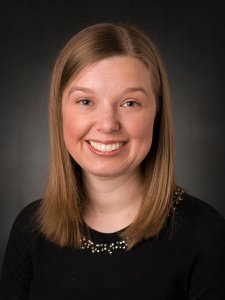
David R. Lee is an International Professor at the Charles H. Dyson School of Applied Economics and Management, Cornell University. He holds a BA from Amherst College (1972), MA and PhD from the University of Wisconsin-Madison (1980/1981). His research bridges economic development, agriculture, and environmental sustainability, focusing on food security, climate change impacts, and policy interventions. He has advised global institutions like the World Bank, FAO, and USAID, and received the World Bank Green Award twice (2007, 2011). Education: PhD in Applied Economics, University of Wisconsin-Madison (1981) MA in Economics, University of Wisconsin-Madison (1980) BA in Economics, Amherst College (1972) Research Interests: Dr. Lee explores how economic policies can enhance sustainable agriculture while mitigating environmental degradation. His work emphasizes climate-smart practices, technology diffusion among smallholders, and gender dynamics in resource use. Recent studies include analyzing religious networks' role in information sharing and bioenergy systems' climate mitigation potential. Awards: World Bank Green Award (2007, 2011) Teaching & Advising: Teaches International Trade and Finance and Natural Resources and Economic Development . Mentors graduate students in development economics. No specific grants listed, but extensive consultancy work with global institutions reflects applied research impact. Global Engagement: Conducted research in ~30 countries across Latin America, Sub-Saharan Africa, and beyond. Served as visiting scholar at FAO, USDA, and universities in Italy, Netherlands, Venezuela, and Honduras.
Jule Thober is a Scientific Manager at the Helmholtz Centre for Environmental Research - UFZ , leading Topic 5 "Landscapes of the Future" in the Helmholtz Program and managing the Integration Platform "Robust Pictures of the Future". She contributes to cross-disciplinary research in Smart Models / Monitoring and Computational Hydrosystems , focusing on agent-based models, sustainable land management, and climate risk analysis. Roles : Scientific Manager (2022–), Postdoc (2017–2021), PhD Student (2013–2016) Projects : Copernicus Contract Ulysses 2, LandYOUs Game Development Research Interests center on socio-environmental systems, integrating agent-based models with ecological economics. Her work explores decision-making under climate uncertainty, land use policy, and resilience of pastoral systems through computational methods. Publication Trends (15 most recent) span ecological complexity, environmental informatics, and computational hydrosystems. Key themes include agent-based land use models , climate risk mitigation , and participatory decision support tools . Collaborations involve UFZ departments, international institutions, and interdisciplinary teams in Germany and abroad. She contributes to Helmholtz POF IV programs and EU-funded initiatives like 4DHydro.
David R. Just is a Professor and Director of Graduate Studies at the Charles H. Dyson School of Applied Economics and Management at Cornell University. He holds a Ph.D. (2001) and MS (1999) from the University of California, Berkeley, and a BA (1998) from Brigham Young University. His research focuses on behavioral economics, examining how environmental and psychological factors influence economic decisions, particularly in food choices and agricultural contexts. His work on school lunch programs and low-cost behavioral nudges has been widely recognized. He co-directs the Cornell Center for Behavioral Economics in Child Nutrition Programs. Key research interests include the application of behavioral insights to public health, consumer decision-making, and agricultural policy. His studies often combine field experiments with econometric analysis to address real-world challenges, such as improving food accessibility and sustainability. His work has been featured in prominent media outlets and has influenced policy initiatives in food systems and nutrition. Roles: Professor, Director of Graduate Studies, Co-Director of Cornell Center for Behavioral Economics in Child Nutrition Programs. Education: Ph.D. and MS in Agricultural and Resource Economics (UC Berkeley), BA in Economics (BYU). Research: Behavioral economics, food policy, agricultural decision-making, and sustainable practices. Affiliations: Cornell SC Johnson College of Business, College of Agriculture and Life Sciences.
Virginia Dale is a Research Professor in the Department of Ecology and Evolutionary Biology at the University of Tennessee, Knoxville, and a Corporate Fellow Emeritus at Oak Ridge National Laboratory. Her research focuses on environmental decision-making, ecosystem management in the context of climate change and large disturbances, and sustainability of agricultural landscapes and energy systems. She contributed to the IPCC’s 2007 Nobel Peace Prize-winning work and has studied plant succession at Mount St. Helens since 1980. Dr. Dale holds a B.A. (1974), M.S. (1975), and Ph.D. (1980) in Mathematical Ecology from the University of Tennessee and University of Washington. She serves on scientific advisory boards for U.S. agencies and committees of the National Academies of Science. Her community involvement includes roles as a Trustee for The Nature Conservancy (Tennessee) and member of the Sierra Club’s state board. Education: B.A. in Mathematics, University of Tennessee, Knoxville (1974, with honors) M.S. in Mathematics with a minor in Ecology, University of Tennessee, Knoxville (1975) Ph.D. in Mathematical Ecology (Special Individual Program), University of Washington, Seattle (1980) Research Interests: Dr. Dale’s work integrates ecological principles with socio-environmental systems, emphasizing sustainability, climate change mitigation, and resilience. She explores bioenergy systems, land-use impacts, and stakeholder engagement in decision-making. Her long-term studies on Mount St. Helens provide insights into ecological recovery post-disturbance. Recent efforts address sustainability of wood pellet production and its implications for forests and climate goals. Awards: 2007 Nobel Peace Prize (shared with IPCC) Grants & Collaborations: Her research has been supported by federal agencies and international collaborations. She leads interdisciplinary projects on FEW systems, bioenergy governance, and landscape sustainability. Labs/Teams: Affiliated with Oak Ridge National Laboratory and the University of Tennessee’s Department of Ecology and Evolutionary Biology. Her work intersects with the Institute of Agriculture’s Forestry, Wildlife, and Fisheries department.
Dr. Belay Ayele is a Professor in the Department of Plant Science at the University of Manitoba's Faculty of Agricultural and Food Sciences. His research focuses on molecular mechanisms of plant hormones, seed biology, and abiotic stress tolerance in cereal crops. Education: PhD from University of Alberta; Postdoctoral Fellow at RIKEN Plant Science Center (Japan) and Iowa State University (USA) Research interests include: Elucidating hormonal regulation of seed dormancy and germination Molecular basis of preharvest sprouting resistance Genomic approaches to improve cereal stress tolerance Transcriptional regulation of plant growth under environmental challenges His recent work explores hormonal crosstalk in cereal crops (wheat, barley), emphasizing ABA/GA balance, jasmonate signaling, and stress adaptation. Publications span plant molecular biology, genomics, and bioenergy applications.
Professor Jukka Konttinen serves as Professor of Chemistry of Biorefining at Tampere University within the Faculty of Engineering and Natural Sciences and Department of Materials Science and Environmental Engineering. Previously, he held professorships at the University of Jyväskylä (2009-2014) and research positions at Åbo Akademi University and industry firms including Carbona Inc. His expertise spans thermochemical biomass conversion and sustainable energy systems. Education: D. Sc. (Chemical Engineering), Åbo Akademi University, 1998 Research Interests: Konttinen specializes in biorefining via thermochemical conversion processes including gasification, pyrolysis, hydrothermal liquefaction, and combustion. His work encompasses hybrid energy systems integrating solid/liquid biofuels, biogas, and solar power at distributed scales. He develops chemical process engineering solutions through modeling, simulation, and experimental validation from laboratory to commercial implementation. Publication Trends: His recent publications (2013-2024) demonstrate concentrated expertise in biomass conversion technologies, emphasizing process optimization for lignocellulosic feedstocks, syngas quality enhancement, and techno-economic-environmental assessments. Key themes include pretreatment methods, gasification kinetics, and integration of thermochemical processes with circular economy principles across agricultural and industrial waste streams. Scientific Awards: Supervisor of Best Academic Dissertation (Tiina Keipi) by Tampere University (2019) Supervisor of Best Academic Dissertation (Tiina Keipi) by Academic Engineers and Architects in Finland TEK (2019) Advising and Grants: Konttinen has supervised 13 PhD students (10 completed, 3 ongoing), 70 Master's theses, and 25 Bachelor's theses. His funding portfolio includes €250k as PI for Bio4all (Business Finland, 2024), €861k as WP leader for BL2F (EU Horizon, 2019-2024), plus €425k in confidential contracts (2014-2024) and €1.5M in prior grants. Labs and Teams: He leads the Bio and Circular Economy research unit and previously directed the Laboratory of Chemistry and Bioengineering (2017-2018). Current projects include EU Horizon's BL2F and Business Finland's Bio4all initiatives focused on climate-neutral energy systems and biorefinery commercialization.
Hongyi Xu is a Senior Lecturer at the Australian National University's Research School of Chemistry and a researcher/principle investigator at Stockholm University (0.2 FTE). He holds a PhD in Materials Engineering from the University of Queensland (2013) and a Bachelor of Engineering (Mechatronics) from the same institution (2008). His research focuses on developing electron crystallography methods for studying materials, small molecules, peptides, and macromolecules, with applications in drug design and structural biology. He has pioneered MicroED techniques, including solving the first new protein structure using this method and demonstrating protein-inhibitor binding analysis. Key research areas include electron crystallography methodology, multidimensional electron microscopy toolkits, metalloenzyme charge state analysis, and fragment-based drug design. He has secured grants such as the Swedish Research Council Starting Grant and has collaborated with over 25 international groups. Notable achievements include the development of SerialED and contributions to cryo-EM advancements like Single Particle Analysis (SPA) and cryo-ET. Recent publications highlight advancements in perovskite photovoltaics, electrocatalytic hydrogen peroxide production, and zeolite structural analysis. His work bridges materials science and biology, addressing challenges in structural determination through innovative microscopy techniques. Awards include the Dean’s Accommodation for Academic Excellence (2013) and the Best Thesis Award (2013).
Andrew Macintosh is a Professor at the Australian National University College of Law, where he serves as Associate Dean (Research). He is a leading environmental law and policy scholar with extensive expertise in climate change mitigation and adaptation, carbon markets, and environmental impact assessment processes. Professor Macintosh's research is distinctly cross-disciplinary, applying legal, economic, and political science methodologies to environmental policy challenges. His work has established him as one of Australia's foremost experts on carbon offsets, land sector carbon abatement, and federal environmental law. His publications in prestigious journals including Nature Climate Change and the Journal of Environmental Law demonstrate the high impact of his scholarly contributions. His recent publications reveal a consistent focus on the integrity of Australia's carbon credit system, particularly examining human-induced regeneration projects, landfill gas methods, and nature-based markets. His research critically assesses regulatory compliance, measurement accuracy, and actual environmental outcomes of carbon offset projects, highlighting systemic issues in policy implementation. Among his notable recognitions is the Schlamadinger Prize for Climate Change Research awarded in 2012. Professor Macintosh maintains significant policy engagement through leadership roles including Chair of the Australian Emissions Reduction Assurance Committee, Director of the Port of Newcastle, and membership on the Australian Government's Emissions Reduction Fund Expert Reference Group and National Greenhouse Gas Inventory User Reference Group. His previous roles include Chair of the Domestic Offsets Integrity Committee and Associate Member of the Australian Climate Change Authority. He serves as an editor of the Environmental and Planning Law Journal . His work bridges academic research and practical policy implementation, with regular advisory roles for governments, corporations, and non-government organizations on environmental law and policy matters. Professor Macintosh's research directly informs climate policy development and implementation at national and international levels.
Professor Peter Smith is a Chair in Plant & Soil Science at the University of Aberdeen within the School of Biological Sciences . He obtained his PhD in 1991 and has held academic positions since 2001, including Senior Lecturer (2001), Reader (2003), and Professor of Soils & Global Change (2005). His work focuses on modelling greenhouse gas mitigation , bioenergy systems , and global food security . Fellowships: Royal Society (FRS), Royal Society of Edinburgh (FRSE), European Academy of Sciences (FEurASc), Indian National Science Academy (FNA) Leadership: Co-leader of the Environmental Modelling Group , Science Director at Scotland's Climate Change Centre of Expertise His research spans soil carbon dynamics , greenhouse gas removal technologies , and climate-agriculture interactions , with over 900 publications. Articles highlight work on bioenergy crops , soil monitoring frameworks , and global food system resilience . Funding includes major grants from NERC , EU , and UK government for projects like GHG Europe, DEVIL, and VERIFY. He serves as Editor for Global Change Biology and Global Change Biology Bioenergy .
Dr. Victoria C. P. Chen is a Professor in the Industrial, Manufacturing, and Systems Engineering (IMSE) department at The University of Texas at Arlington (UTA), where she has served since 2002. She previously held positions at the Georgia Institute of Technology from 1993-2001. Dr. Chen has held several leadership roles at UTA, including Interim Department Chair (2012-2014), Director of the Center on Stochastic Modeling, Optimization, & Statistics (COSMOS) (2008-2012, and again from 2017-present), and Director of Doctoral Studies (2019-present). She was also the George & Elizabeth Pickett Professor from 2015-2017 and was inducted into the UT Arlington Academy of Distinguished Teachers in 2019. Dr. Chen is actively involved with INFORMS (Institute for Operations Research and the Management Science), where she currently serves as Secretary on the Executive Board. Dr. Chen earned her B.S. in Mathematical Sciences from The Johns Hopkins University, and her M.S. and Ph.D. in Operations Research and Industrial Engineering from Cornell University. Her academic journey includes visiting professorships at the University of Genoa, Italy, and Iowa State University. Dr. Chen's research utilizes statistical perspectives to create new methodologies for operations research problems appearing in engineering and science. Her expertise includes the design of experiments, statistical modeling, and data mining, particularly for computer experiments and stochastic optimization. Through her statistics-based approach, she has developed computationally-tractable decision-making methods for many high-dimensional complex systems. Her work spans multiple domains including sustainability, energy, water management, healthcare, and law enforcement. Specific application areas include inventory forecasting, airline optimization, water reservoir networks, wastewater treatment, air quality monitoring, green building design, nurse assignment systems, and pain management programs. Her recent publications demonstrate continued innovation in mixed integer programming for electric vehicle charging stations, vacuum ultraviolet spectroscopy prediction, and sustainable building education. Senior Member, Institute for Operations Research and the Management Sciences (INFORMS) (2024) Data Mining Prize (Lifetime Achievement Award), INFORMS Society on Data Mining (2023) College of Engineering Teaching Award, UT Arlington (2021) Third Place Award, C3.ai COVID-19 Grand Challenge (2020) Academy of Distinguished Teachers, University of Texas at Arlington (2019) George & Elizabeth Pickett Professorship (2015-2017) As an educator and mentor, Dr. Chen has advised over 25 doctoral students across diverse research topics in operations research and systems engineering. She has secured substantial research funding from multiple sources including the National Science Foundation (over $1.5 million in active projects), Environmental Protection Agency, National Institute of Justice, and industry partners like Luminant and Dallas-Fort Worth International Airport. Her current research projects focus on decision analytics for sustainable urban environments, optimization for Texas water management, and statistical methods for pain management programs. She has served as Principal Investigator or Co-PI on more than 20 externally funded research projects totaling over $3 million in funding. Dr. Chen co-founded the Center on Stochastic Modeling, Optimization, & Statistics (COSMOS) at UTA with Dr. H. W. Corley. This research center brings together faculty and students from multiple disciplines to address complex problems through advanced statistical and optimization methods. She also leads interdisciplinary research teams working on projects related to sustainable infrastructure, energy systems, and healthcare optimization, frequently collaborating with researchers from civil engineering, environmental science, and medical fields.
Lilyan Fulginiti is a Roy Frederick Professor of Agricultural Economics at the University of Nebraska-Lincoln. Her work focuses on agricultural productivity, climate change impacts, irrigation policies, and sustainable resource management, particularly in regions like the Ogallala Aquifer and South America. Research areas include agricultural economics, environmental economics, and climate policy. Her recent publications address gene-edited crops, carbon farming, and productivity disparities linked to trade and climate. Her scholarly output spans topics such as irrigation efficiency, biofuel economics, and conflict impacts on agriculture, reflecting a commitment to integrating economic theory with pressing environmental challenges. While no specific awards or student advisement details are listed, her extensive publication record underscores her contributions to advancing sustainable agricultural practices and policy analysis.
Dr. Giulio Santori is a Reader in Chemical Engineering at the University of Edinburgh's School of Engineering. He holds a PhD in Energy (2009) and an MSc in Mechanical Engineering (2004) from Università Politecnica delle Marche, Italy. His research focuses on thermal energy storage, adsorption-based cooling and desalination systems, low-grade heat utilization, and advanced materials like ionic liquids and ionogels. He is a member of the Scottish Carbon Capture and Storage Research Centre and the UK Carbon Capture Research Centre. Teaching: Chemical Engineering laboratories, design courses, and research projects. Research interests include optimizing sorption strategies for heat storage, developing sustainable adsorption heat pumps, and exploring applications of 3D-printed components in thermal systems. Current projects involve structured ionic liquids for vapor sorption and ionogels for desalination using low-grade heat. Recent publications highlight advancements in thermal storage technologies, adsorption cooling systems, and CO2 capture. Open PhD projects focus on ionic liquid-based sorption and hydrochar applications.
Ditte Hededam Welner is a Senior Researcher & Group Leader at the Novo Nordisk Foundation Center for Biosustainability, Technical University of Denmark. Her research focuses on Enzyme Engineering and Structural Biology, particularly the development of enzyme biocatalysts for sustainable industrial production of natural products like aromas, dyes, and pharmaceuticals. She leads efforts to replace petroleum-based chemical synthesis with eco-friendly bio-based processes, emphasizing glycosyltransferase (GT) engineering to enhance substrate specificity, efficiency, and stability. Education: Biochemistry, University of Copenhagen (2000–2011). Research Interests: Glycosylation mechanisms, high-throughput enzyme discovery/evolution, structural biology techniques (X-ray crystallography, NMR), and biocatalysis applications in sustainable chemistry. Her work contributes to UN SDG 9 (Industry, Innovation, and Infrastructure) and SDG 12 (Responsible Consumption and Production). Recent publications highlight advancements in alginate degradation mechanisms, sucrose synthase engineering, and glycosyltransferase applications in biocatalytic routes for indigo/indican production. She supervises multiple PhD projects on enzyme optimization, machine learning for enzyme engineering, and sustainable bioprocessing. Professional Activities: Peer review for journals like Nature Catalysis and Metabolic Engineering , conference organization, and editorial contributions. Active in promoting open-access science and sustainable biotechnology. Labs/Teams: Leads the Enzyme Engineering and Structural Biology group at DTU, collaborating with industry and academic partners globally to advance biocatalytic solutions for environmental challenges.
David Rooney is a Professor and Dean of Internationalisation and Reputation at Queen's University Belfast's School of Chemistry and Chemical Engineering. His research focuses on energy systems at the intersection of renewable energy, agri-tech, and manufacturing, addressing climate change and net-zero goals. He actively supervises PhD students in areas like sustainable aviation fuels, carbon removal, and biochar systems. Key projects include leading the CDT in Bio-Based Negative Emissions Technologies and collaborating on hydrogen production and diesel replacement schemes. He has received an Excellence in Teaching award (2018) and contributed to global initiatives like the UK-China Net-Zero Engineering Innovation Centre. His advisory work includes overseeing 22 PhD students and managing projects with industry partners. Rooney's lab specializes in catalyst development, bioenergy systems, and process intensification techniques. Recent research trends emphasize sustainable hydrogen production, biochar applications, and adsorption-based environmental solutions.
Heather Preisendanz is a Professor in the Department of Agricultural & Biological Engineering at Pennsylvania State University. Her research focuses on the fate, transport, and impacts of emerging contaminants, particularly PFAS, in agricultural and environmental systems. She leads interdisciplinary projects addressing water quality, contaminant mitigation, and sustainable land management. Recent work includes studies on PFAS contamination in private wells and agricultural fields, the efficacy of vegetative buffers, and low-cost water treatment solutions using biochar. She has been recognized as an Institute of Energy and the Environment (IEE) Fellow and contributed to projects like 'Developing Water Treatment Technologies for PFAS Removal in Disadvantaged Communities.' Her research integrates hydrology, biogeochemistry, and socio-technical systems to address environmental challenges. Collaborations include the USDA, Monash University, and the Chesapeake Bay watershed initiatives. She emphasizes translational science, bridging academic research with practical solutions for water sustainability. Affiliations: College of Agricultural Sciences, IEE Fellow, Agricultural & Biological Engineering Department Grants: USDA grants, IEE seed grants, and interdisciplinary funding for PFAS and water quality projects Key Projects: PFAS removal technologies, agroecosystem contaminant mitigation, and policy-relevant environmental assessments