Professor Klas Tybrandt leads the Soft Electronics group at Linköping University's Laboratory of Organic Electronics (LOE), focusing on stretchable materials and bioelectronics integration with the human body. He holds a Master's (2007) and PhD (2012) from LiU, followed by postdoctoral research at ETH Zurich (2013-2014). Promoted to Professor in 2024, he oversees the Wallenberg Wood Science Center (WWSC), WISE, and AFM initiatives. His work spans Stretchable batteries Neural interfaces Organic thermoelectrics and has earned awards like the ERC Consolidator Grant (2023) and Wallenberg Academy Fellow (2022). His research emphasizes sustainable materials and energy harvesting. Education: PhD in Organic Bioelectronics (LiU, 2012) ETH Zurich Postdoc (2013-2014) Research interests include soft electronics and biohybrid systems , with breakthroughs in gold nanowire electrodes and stretchable electrofluid batteries . Over 70 peer-reviewed articles and 7 patents underscore his contributions to organic electronics. Grants & Funding: ERC Consolidator Grant (€2M) Wallenberg Academy Fellowship (SEK 36M) Labs/Teams: Head of Soft Electronics group (LOE), active in WWSC and WISE consortia.
Eleni Stavrinidou serves as Senior Associate Professor and Head of Unit at Linköping University's Department of Science and Technology within the Faculty of Science and Engineering. She is Principal Investigator at the Electronic Plants research group within the Laboratory of Organic Electronics (LOE), where she leads groundbreaking research at the intersection of plant biology and electronics. Her educational background includes: Bachelor's degree in Physics (2008) from Aristotle University of Thessaloniki, Greece Master's degree in Nanotechnology (2010) from Aristotle University of Thessaloniki, Greece PhD in Microelectronics (2014) from École Nationale Supérieure des Mines de Saint-Étienne, France Stavrinidou's research focuses on developing bioelectronic devices for plant science with applications in sustainable food production and enhancing plant resistance to environmental stress. Her work explores the integration of electronic circuits within living plants, creating what she terms 'Electronic Plants.' She envisions technologies that enable new discoveries in plant biology while developing next-generation biohybrid systems that combine living and artificial components. Her research spans plant physiology, organic electronics, energy storage in biological systems, and sustainable technological concepts that harness nature's own processes. Her publications demonstrate a clear trend toward developing practical applications of plant bioelectronics, with recent work focusing on energy harvesting from plant motion, glucose-sensitive biohybrid roots, and molecular delivery systems within plants. These studies bridge plant science, materials engineering, and sustainable technology development. Notable scientific recognition includes: ERC Starting Grant (2021) Tage Erlander Prize for Natural Sciences and Technology (2023) L'ORÉAL-UNESCO For Women in Science prize (2019) Future Research Leaders grant from Swedish Foundation for Strategic Research (2020) Marie Skłodowska-Curie Fellowship (2016) Stavrinidou has secured significant research funding including a Swedish Research Council Starting Grant, an EU FET-OPEN grant (which she coordinated), and the ERC Starting Grant for her 4D-PhytoHybrid project. Her research group has developed innovative technologies such as implantable organic electronic ion pumps for hormone delivery in plants, electrically conductive 'soil' for hydroponics, and methods for storing energy in plant roots. She collaborates extensively with the Umeå Plant Science Center and participates in the EU's Horizon 2020 program through the HyPhOE initiative. As leader of the Electronic Plants group at the Laboratory of Organic Electronics, Stavrinidou directs research that follows two main avenues: incorporating electronic circuits into plants for energy storage applications, and developing bioelectronic devices to influence plant functions for greater environmental stress resistance. Her team has achieved notable breakthroughs including creating electronic circuits within rose vascular systems and developing methods to store energy in living bean plants.
Paschalis Gkoupidenis is an Associate Professor in the Department of Electrical and Computer Engineering at North Carolina State University (since August 2024) and a Group Leader at the Department of Molecular Electronics at the Max Planck Institute for Polymer Research. His research focuses on developing organic neuromorphic devices for neuro-inspired information processing, learning, sensing, and bio-interfacing. Research Interests Dr. Gkoupidenis specializes in hardware-based implementation of neuromorphic architectures, which offer efficient ways of data manipulation and processing, especially in data-intensive applications. His work explores how organic materials and devices can be used for neuro-inspired devices and bioelectronics, leveraging their attractive characteristics such as ability to operate in electrolytes, spatiotemporal response, analogue memory phenomena, tunability via chemical synthesis, low-cost fabrication processes, and biocompatibility. His research group investigates various concepts for inducing neuroplasticity, learning forms, and spatiotemporal information processing functions at a single-device level, as well as new paradigms of neuromorphic architectures at circuit level. These neuro-inspired functions are essential for trainable/adaptable circuits in energy-restricted environments and for local signal processing in bioelectronics. Scientific Contributions Development of organic neuromorphic devices for neuro-inspired information processing Research on synaptic plasticity functions in organic electrochemical transistors Exploration of neuromorphic device architectures with global connectivity through electrolyte gating Investigation of functional connectivity of organic neuromorphic devices by global voltage oscillations Advancement of organic neuromorphic devices for adaptive sensing and novel computing paradigms in bioelectronics Affiliations Associate Professor, Department of Electrical and Computer Engineering, North Carolina State University (since August 2024) Group Leader, Organic Neuromorphic Electronics, Max Planck Institute for Polymer Research (since 2017) Postdoctoral Researcher, Department of Bioelectronics, EMSE, France (2015-2017)
Christian Nielsen is a Professor of Materials Chemistry and Head of the Department of Chemistry at Queen Mary University of London (QMUL). He leads the Nielsen Lab, focusing on designing semiconducting materials for organic electronic and bioelectronic applications. His research spans organic solar cells, field-effect transistors, and biosensors, emphasizing structure-property relationships to advance device performance. He holds a PhD from the University of Copenhagen (2004) and has held academic and industrial roles in the US and UK. Key roles include Reader in Organic Materials (2022), and leadership in the Centre for Chemical Research and School of Physical and Chemical Sciences. Research interests include organic bioelectronics, semiconducting polymers, and thermoelectric materials. Notable achievements include EPSRC grants for graphene defect design, Leverhulme Trust funding for sequence-defined pi-conjugated materials, and an Academy of Medical Sciences award for bioelectronic sensors in epilepsy diagnosis. Supervision includes PhD students Dilara Gunturkun, Roman Halaksa, and others. Awards include the 2017 Higher Education Academy Fellowship and the Academy of Medical Sciences Springboard Award. His lab collaborates globally, with projects in EU consortia like ICONIC and MITICS.
Prof Wen Wang is Professor of Biomedical Engineering and Vice-Principal and Executive Dean for Science and Engineering at Queen Mary University of London, affiliated with the School of Engineering and Materials Science and the Centre for Bioengineering. He is a Chartered Engineer and holds fellowships from the Institution of Mechanical Engineers (FIMechE), Higher Education Academy (FHEA), American Institute for Medical and Biological Engineering (FAIMBE), and the Royal Academy of Engineering (FREng), reflecting his leadership and technical excellence in engineering and biomedical sciences. His research focuses on vascular bioengineering , biomaterial mechanics , and cell biomechanics , with particular emphasis on the endothelial glycocalyx , vascular stem cells , and transmembrane transport . He employs advanced techniques such as AFM nano-indentation, confocal microscopy, and microfluidic platforms to study the mechanical properties, shear stress responses, and structural stability of biological systems. His work spans from fundamental biophysics to translational applications in drug delivery and cardiovascular disease. Prof Wang has led multidisciplinary research projects in the UK and through international collaborations with partners in the US, China, and Japan. His recent publications highlight sustained contributions to understanding microcapsule mechanics , extracellular vesicles , biofluid dynamics , and biomolecular sensing . His work integrates experimental and computational modeling, particularly in microcirculation and cellular transport phenomena. He has received notable scientific recognition through multiple prestigious fellowships and has published extensively in high-impact journals including Nature Communications , Journal of Controlled Release , Biosensors and Bioelectronics , and Journal of Fluid Mechanics . His research demonstrates a strong trajectory in both fundamental discovery and applied biomedical innovation. Prof Wang actively supervises research and collaborates with clinical and engineering partners at Queen Mary and King's College London. His leadership in the School of Engineering and Materials Science underscores his role in shaping academic strategy and research excellence in science and engineering at Queen Mary University of London.
Christina Tringides is a tenure-track Assistant Professor in Materials Science and NanoEngineering at Rice University, affiliated with the Neuroengineering Initiative (NEI). She holds the CPRIT Scholar in Cancer Research title and leads the Tringides Lab, which develops soft materials and neurotechnologies for neural system interfaces. Her interdisciplinary work spans from cellular to organ levels, addressing both in vivo and in vitro applications. Education: B.S. in Materials Science & Engineering and Physics from MIT (2015); Ph.D. in Biophysics from Harvard University (2022) under David Mooney. Postdoctoral research at ETH Zürich with Janos Vörös as an ETH Fellow. Recognized with awards including the WIMA laureate (2023), NSF GRFP (2017), and Fulbright Scholar (2015). Research focuses on hydrogels, bioelectronics, and implantable electrode arrays. Key projects include biomimetic in vitro platforms for neural studies and viscoelastic biohybrid interfaces for neuromodulation. Her lab’s innovations aim to advance neurological disorder treatments and diagnostics. Scientific contributions include over 20 peer-reviewed articles, with recent work emphasizing conductive hydrogels, synaptic stimulation systems, and immunotherapy biomaterials. Active in professional organizations like the Materials Research Society and American Chemical Society.
Dr. Eric Meyers is an Assistant Professor in the Department of Bioengineering at the Erik Jonsson School of Engineering and Computer Science, University of Texas at Dallas. He holds a Ph.D. in Biomedical Engineering and dual Bachelor's/Master's degrees in Electrical Engineering from the same institution. His research focuses on closed-loop neurotechnology, neuromodulation, and bioelectronic medicine to enhance recovery from nervous system injuries. Key projects include developing wearable EMG sleeves for stroke rehabilitation and closed-loop neuromodulation systems to restore motor function. Education: B.S. (2012), M.S. (2018), Electrical Engineering; Ph.D. (2017), Biomedical Engineering – all from UTD His research interests span machine learning applications in neurorehabilitation, biomarker discovery for neurological conditions, and clinical translation of bioelectronic therapies. Recent work emphasizes wearable devices for real-time motor function assessment and neuromodulation-driven recovery strategies. Publications highlight advancements in EMG-based neural interfaces, closed-loop algorithms for stroke therapy, and innovative FES systems. His lab actively collaborates on projects funded by NIH and industry partnerships, with a focus on translating technologies to clinical settings.
Anja Skrivervik is a Full Professor at École Polytechnique Fédérale de Lausanne (EPFL), holding multiple key academic positions across the institution. She serves as a Full Professor in the School of Engineering (STI) within the Electromagnetics and Antennas group, as Director of the Electrical Engineering Doctoral Program, and as a Full Professor in multiple teaching units including EDEE, SEL, and EDMI. Her extensive institutional affiliations demonstrate her significant leadership role within EPFL's engineering and educational frameworks. Professor Skrivervik's research spans multiple cutting-edge domains in electromagnetic engineering with a particular focus on antenna design for specialized applications. Her work prominently features implantable medical devices, where she develops antennas and wireless power transfer systems for deep-body bioelectronics. She has made significant contributions to mm-Wave technology, particularly in multibeam systems for 5G applications and wireless power transfer. Her research also encompasses tissue phantom development for electromagnetic characterization, with recent work on biodegradable alternatives to traditional materials. The interdisciplinary nature of her work bridges electrical engineering, biomedical applications, and materials science. An analysis of her recent publications (2023-2025) reveals a consistent research trajectory focused on solving practical challenges in antenna design for constrained environments. Her work shows particular strength in optimizing antenna performance for implantable medical devices, where size, efficiency, and biocompatibility present unique challenges. She has developed novel approaches to beamsteering, mutual coupling reduction, and RF radiation modeling specifically tailored for medical applications. Her contributions to tissue phantom development represent an important methodological advancement for testing and validating implantable devices. As Director of the Electrical Engineering Doctoral Program and through her multiple professorial appointments, Professor Skrivervik plays a central role in shaping graduate education at EPFL. Her leadership extends to serving on the Doctoral Commission, where she helps set standards and policies for doctoral education across the institution. While specific grant information isn't detailed in the available materials, her extensive publication record across top journals and conferences suggests successful funding of her research activities. Her work appears to be conducted within EPFL's Electromagnetics and Antennas group (SCI STI AS), which likely houses specialized laboratories for antenna measurement, electromagnetic simulation, and biomedical device testing. The focus on tissue phantoms and implantable devices suggests dedicated facilities for biomedical electromagnetic testing, while her mm-Wave and 5G research indicates capabilities in high-frequency measurement and characterization.
Professor Sohini Kar-Narayan is a British-Indian materials scientist at the University of Cambridge, specializing in polymer-based materials for energy harvesting and biomedical applications. She serves as editor-in-chief of the journal APL Electronic Devices and leads innovative research on nanogenerators, microfluidic sensors, and bioelectronic interfaces. Education: Presidency University, Kolkata (undergraduate); Indian Institute of Science (PhD) Her research focuses on piezoelectric and triboelectric nanomaterials, with applications in self-powered wearable devices , orthopedic surgery sensors , and 4D-printed responsive systems . She develops scalable fabrication techniques like aerosol jet printing to bridge academic research and industrial innovation. The most recent publications highlight advancements in biopolymer-based energy harvesting , smart textiles , and microfluidic diagnostic tools , emphasizing interdisciplinary collaboration between materials science, biomedical engineering, and manufacturing technologies. Scientific Awards: Royal Society of Chemistry Peter Day Prize (2023), European Research Council Consolidator Grant (2023), Royal Academy of Engineering Fellowship (2024), Innovator of the Year (2024) Her work includes the development of the ArtioSense sensor for orthopedic surgery and collaborations with medical professionals to create workflow-compatible devices. She has received major funding from the European Research Council and leads a research group exploring sustainable energy solutions and bio-integrated electronics.
Dr. Chang Lei is an ARC Discovery Early Career Researcher Award (DECRA) Fellow at the Department of Medical Sciences within the Faculty of Medicine and Health at The University of Sydney. She is also a member of The University of Sydney Nano Institute and the Charles Perkins Centre. With expertise in nanotechnology-based bioanalysis, mass spectrometry, lateral flow immunoassay, and tissue regeneration, Dr. Lei leads several innovative research projects focused on advancing healthcare through nanotechnology. Dr. Lei completed her PhD at the Australian Institute for Bioengineering and Nanotechnology (AIBN) at The University of Queensland (UQ). Her academic journey includes receiving the Queensland Government Advance Queensland Research Fellowship, the UQ Amplify Fellowship in 2021, and the prestigious ARC DECRA in 2024. Her research interests span across nanotechnology applications in healthcare, with particular focus on: Developing novel nanomaterials for single-cell metabolomics analysis Creating affordable and ultra-sensitive biomarker detection platforms Engineering silica bio-nanomaterials for stem cell differentiation and bone repair Advancing lateral flow immunoassay technologies using nanomaterials Applying nanotechnology to dental and craniofacial regeneration Dr. Lei's publication record demonstrates a strong focus on nanotechnology applications across multiple disciplines. Her recent work shows increasing emphasis on medical applications of nanomaterials, particularly in diagnostics, cancer therapy, and tissue regeneration. She has published in high-impact journals including Nature Science Review, Small, Biosensors and Bioelectronics, Angewandte Chemie, and Advanced Materials. Dr. Lei has received several notable awards and honors: 2024 ARC DECRA Fellow 2021 The University of Queensland Amplify Fellow 2020 GC Minimum Intervention Dentistry Research Award 2017 Advanced Queensland Research Fellow As a reviewer for scientific journals such as Science Advances, Journal of Nanobiotechnology, and Journal of Materials Chemistry B, and for ARC and NHMRC grants, Dr. Lei actively contributes to the scientific community. She also serves as an editor for Frontiers in Bioengineering and Biotechnology and Nano TransMed. Her current research projects are supported by grants including the ARC DECRA and the FMH Start-up Scheme. Dr. Lei is actively involved in several research groups and initiatives: Member of The University of Sydney Nano Institute Member of the Charles Perkins Centre Member of Australian and New Zealand Society for Mass Spectrometry Member of The Australian Materials Research Society Member of the Australian Nanotechnology Network
Dr. Changsheng Wu is a Professor at the National University of Singapore (NUS), leading the Lab for Intelligent Sensing, Harvesting and Actuation (LISHA). He holds a Bachelor's from NUS and a PhD from Georgia Tech, with postdoctoral research at Northwestern University. His work focuses on wireless wearables, bioelectronics, energy harvesting, and advanced manufacturing for sustainable solutions. Education: Bachelor in Engineering Science (First Class Honours), NUS PhD in Materials Science and Engineering, Georgia Institute of Technology Postdoctoral Research, Querrey Simpson Institute for Bioelectronics, Northwestern University Research Interests: Wireless bioelectronics for clinical health monitoring Energy harvesting via nanogenerators Soft skin-electronics interfaces using metastructures Programmable materials for adaptive systems Advanced manufacturing techniques for wearable devices Key Achievements: Over 50 publications and 5 patents Recipient of TechConnect 2018 Innovation Award and 56th R&D 100 Award Developed wireless implantable sensors for tissue monitoring and bioresorbable medical devices Teaching: MLE5220: Finite Element Method in Materials MLE5238: Bioelectronics Laboratory: His LISHA lab pioneers innovations in self-powered systems, wearable health monitoring, and biohybrid robots. Current projects include metamaterial-based sensors and sustainable energy conversion materials.
Polina O. Anikeeva is a Professor of Materials Science and Engineering and Associate Director of the Research Laboratory of Electronics (RLE) at MIT. She leads the Bioelectronics Group, focusing on developing minimally invasive neural interfaces and neuroprosthetics using advanced materials. Her work integrates materials chemistry, nanotechnology, and microfabrication to enhance biocompatibility and signal quality in neural devices for conditions like Parkinson’s disease and major depressive disorder. Education: Bachelor of Science in Physics, St. Petersburg State Polytechnic University (2003) PhD in Materials Science, MIT (2009) Postdoctoral Fellowship in Bioengineering, Stanford University Her research emphasizes hybrid organic-inorganic materials and optoelectronic systems for neural recording/stimulation. Key innovations include magnetically actuated sensors, wireless neuromodulation, and flexible optoelectronic fibers. Notable achievements include the NIH Director’s Pioneer Award (2021) and collaborations with the Fashion Institute of Technology on smart textiles. Lab Focus: Bioelectronics Group at RLE develops next-generation neural interfaces, with applications in brain-machine interfaces and paralysis treatment. Recent advances include magnetoelectric nanodiscs for transgene-free neuromodulation and remotely controlled chemomagnetic neural circuits.
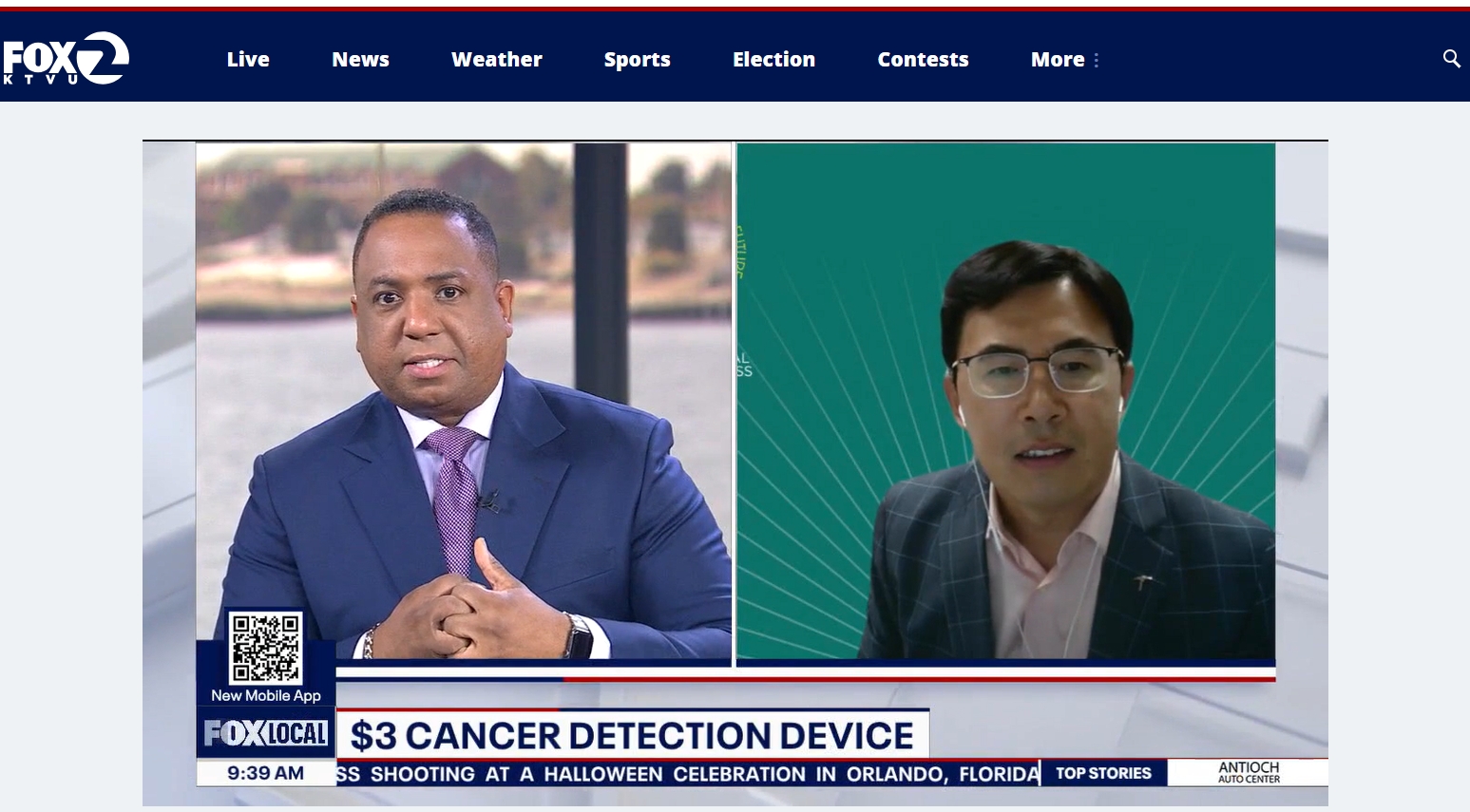
Dr. XiuJun Li is a Professor in the Department of Chemistry and Biochemistry at The University of Texas at El Paso (UTEP) within the College of Science. He leads the Li Microfluidic Lab-on-a-Chip & Nanotechnology Group, focusing on the development of cutting-edge, low-cost diagnostic technologies for applications in bioanalysis, biomedical engineering, forensic science, and environmental science. His work is highly interdisciplinary, bridging chemistry, engineering, and biology. Dr. Li's primary research interests lie in microfluidics, nanotechnology, lab-on-a-chip systems, and point-of-care diagnostics. His lab specializes in creating paper and polymer hybrid microfluidic devices for the ultrasensitive detection of cancer biomarkers, infectious diseases (such as SARS-CoV-2 and pertussis), and environmental toxins. A significant focus is on making these devices instrument-free and affordable, particularly for use in resource-limited settings and rural areas. His recent work on a $3 paper-based cancer detector has garnered significant media attention, including features in the New York Post and local TV stations. The trend in Dr. Li's recent publications reveals a strong emphasis on developing portable, visual, and quantitative diagnostic platforms. His research frequently involves the integration of nanomaterials for signal amplification, the use of microfluidic chips for controlled reactions, and innovative readout methods like bar-chart displays and smartphone-based detection, all aimed at creating practical tools for real-world healthcare challenges. Dr. Li has received substantial recognition for his contributions to science, including being named one of the World's Top 2% of Cited Researchers by Elsevier and a Top Scholar by ScholarGPS. He is an Editorial Board Member for Microsystems & Nanoengineering (Nature Publishing Group) and has been awarded a Travel Grant from GEM on the Road’s PFI Programming. He holds patents for his inventions in biosensing and photothermal detection. Dr. Li is a dedicated mentor and educator. He has advised numerous PhD and Master's students, many of whom have gone on to prestigious postdoctoral positions at institutions like Harvard, UPenn, and MD Anderson. He is also the Director of the Forensic Science program at UTEP, where he organizes outreach events to engage students. His lab is actively involved in research, with multiple postdoctoral fellows and graduate students currently working on projects related to cancer detection and infectious disease study.
Michael Daniele is an Associate Professor at North Carolina State University, jointly appointed in the Department of Electrical & Computer Engineering and the Joint Department of Biomedical Engineering . His research focuses on bioelectronics engineering, particularly in developing microsystems for monitoring, mimicking, and augmenting biological functions. He leads the @BiointerfaceLab , exploring wearable/implantable biosensors, microphysiological systems, and process analytical technologies for biomanufacturing. Education : Ph.D. in Materials Science & Engineering (Clemson University, 2012) Bachelor's in Materials Science & Engineering (Rutgers University, 2009) Research Highlights : Developing "injury-on-a-chip" models for coagulation studies Pioneering hydrogel microneedles for diagnostic devices Advancing light-controlled peptide ligands for protein purification Collaborating with Novartis on viral vector manufacturing Award Recognition : 2024 William F. Lane Outstanding Teaching Award 2019 NSF CAREER Award 2022 University Faculty Scholar Grants & Initiatives : Co-leader of the NC-Viral Vector Initiative (2023–present) NSF-funded projects in biosensor integration and biomanufacturing His work bridges engineering and medicine, with applications in gene therapy, wearable diagnostics, and precision agriculture.
Spyridon Pavlidis is an Associate Professor in the Department of Electrical and Computer Engineering at North Carolina State University, leading the Laboratory for Electronics in Advanced Devices and Systems (NCSU LEADS). He is affiliated with the ME Commons Hub (CLAWS), PowerAmerica, FREEDM, and ASSIST Research Centers. His research focuses on semiconductor devices, wide bandgap materials (GaN/AlN), and their applications in power electronics, sensing, and bioelectronics. Pavlidis holds a PhD from Georgia Tech (2016) and a Master's from Imperial College London (2010). Education: Ph.D. in Electrical and Computer Engineering, Georgia Institute of Technology (2016) M.Eng in Electrical and Electronic Engineering, Imperial College London (2010) His expertise spans power electronics packaging, microwave technologies, and biosensing. Recent work includes developing GaN and AlN-based devices for high-power and high-frequency applications. Pavlidis has received prestigious awards, including the 2022 NSF CAREER Award and the 2022 Bennett Faculty Fellowship. He actively contributes to IEEE committees and technical program reviews. His funded research includes defect-state analysis in GaN diodes and bioelectronic sensors for medical applications. Pavlidis collaborates across interdisciplinary teams, advancing next-generation semiconductor technologies and wearable biosensors.