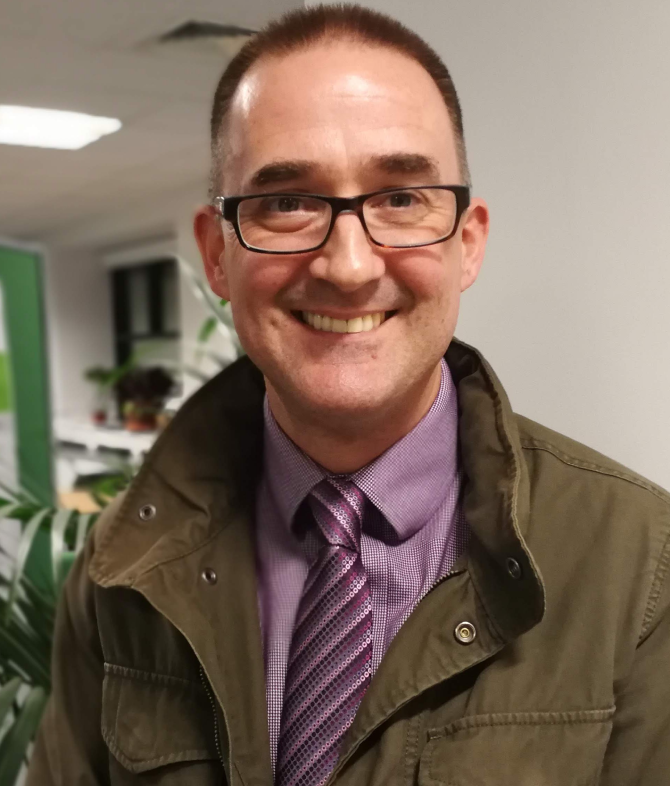
Hubert Zangl is a Professor at the University of Klagenfurt and Head of the Institute for Intelligent System Technologies . He serves as Chairman of the Information Technology Curricular Commission and participates in the Faculty Conference of the Faculty of Technical Sciences. Key research areas include: Sensor technology Electrical measurement technology Robotics Signal processing Electronics Recent research trends focus on: High-fidelity FMCW radar simulation frameworks Energy-efficient sensor systems Printed electronics for structural health monitoring Uncertainty propagation in measurement science Modular robotics with secure transducer identification Capacitive tactile sensing for robotic grasping Contact: Hubert.Zangl@aau.at
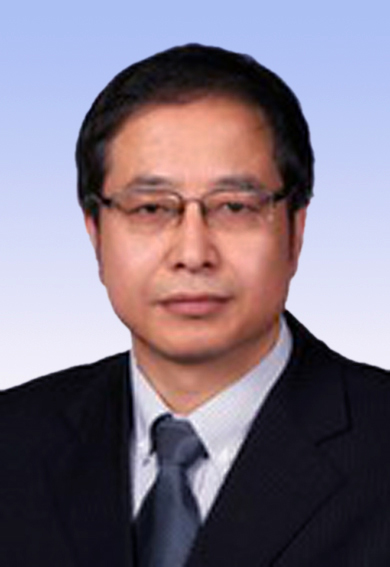
Jie Xu is a Scientist at Argonne National Laboratory and a CASE Affiliated Scientist at the University of Chicago, Pritzker School of Molecular Engineering . Her research focuses on engineering durable, scalable, and sustainable polymer semiconductors for skin-like electronics and autonomous material discovery. Education : PhD in Chemistry (Nanjing University), Postdoctoral Fellow (Stanford University) Her research bridges polymer physics , self-driving laboratories , and AI-guided material synthesis to address challenges in stretchable electronics, recyclable polymers, and energy-efficient manufacturing. She pioneered polymer circuits that remain conductive under extreme deformation and developed the first roll-to-roll mass-production method for stretchable semiconductors. Her 15 most recent articles highlight advancements in AI-driven polymer discovery , biodegradable electronics , and multi-modal energy dissipation . Key themes include autonomous experimentation , hydrogen-bonded polymer systems , and machine learning for conjugated polymers , with applications in wearable medical sensors , soft robotics , and human-computer interfaces . Scientific accolades include the Materials Research Society Postdoctoral Award , MIT Technology Review’s Innovators Under 35 , and recognition as a Scialog Fellow . She serves on editorial boards for APL Machine Learning and Flexible Electronics , and her team at Argonne includes postdocs and students working on self-driving labs and degradable polymers .
Prof. Annemiek ter Heijne is a Full Professor of Environmental Technology at Wageningen University & Research, affiliated with the Agrotechnology & Food Sciences faculty and leading the Environmental Technology group. She focuses on circular economy solutions, microbial electrochemistry, and sustainable resource recovery from waste streams. Her research integrates biological, chemical, and physical processes to develop technologies like bioelectrochemical systems for methane production and nutrient recovery. Education: MSc in Environmental Sciences (Wageningen University), PhD in Environmental Technology (Wageningen University & Wetsus). She has held a 0.8 FTE position since her PhD, balancing work with family and hobbies. Her leadership emphasizes collaboration, work-life balance, and the ethical use of AI in science. Research Interests: Bioelectrochemical systems, microbial fuel cells, carbon capture via electrochemical processes, and sustainable wastewater treatment. She explores how bacteria can clean wastewater while generating energy, emphasizing circularity and global sustainability. Key Projects: Scaling up methane-producing bioelectrochemical systems, CO₂-to-methane conversion, and optimizing bioanodes for ammonium recovery. Collaborates with industry to translate lab innovations into real-world applications. Awards: NWO Vidi Grant (2019) Advising: Supervises 18 PhD candidates including D. Metz (Circular Nutrients), Y. Chang (Sulfur Recovery), and J. Steller (Power-to-Methane) Grants: Multiple EU and industry funded projects on electrochemical technologies Labs/Teams: Leads the Environmental Technology group and chairs the Wageningen Energy Alliance, fostering cross-disciplinary energy research.
Caroline Schauer is a Professor and Department Head in Materials Science and Engineering at Drexel University's College of Engineering. Holding the Margaret C. Burns Chair in Engineering, she has been tenured since 2010 and promoted to full professor in 2018. BS (1991), MS (1994), PhD (1997) in Chemistry from SUNY Stony Brook Postdoctoral fellowships at University of Twente, Tufts University, and Naval Research Laboratory Her research focuses on natural polymer processing , electrospun nanoyarns , biodegradable biomaterials , and concrete self-healing technologies . Recent work explores MICCP (microbially induced calcium carbonate precipitation) for sustainable infrastructure and collagen-based nanoyarns for tissue engineering. Key trends in her publications include bio-inspired fiber design, antimicrobial material development, and environmental applications. Notable contributions span smart textiles , wound healing dressings , and conductive polymer composites . Fellow, American Institute for Medical and Biological Engineering (AIMBE), 2021 ELATES Fellow, 2017-2018 Drexel Harold M. Myers Award for Distinguished Service, 2018 Drexel Fellowships Office Faculty Mentor Award, 2016 Schauer has secured funding from NSF , DOD , PA Innovation Fellowship , and the US Department of Education . She leads the Natural Materials and Polymer Processing Group and serves as President of the Fiber Society since 2023.
Iris Yu is an Assistant Professor in the Civil and Environmental Engineering department at the National University of Singapore (NUS) . Her research focuses on green chemistry and biomass conversion , particularly utilizing microwave-assisted processing and green solvents to transform food and biomass waste into sustainable chemicals and materials. She actively contributes to teaching courses like Green Catalysis and Circular Economy , while leading a team of researchers in biorefinery and waste valorization projects. Her scientific awards include the L'Oréal-UNESCO for Women in Science Singapore Award 2024 MIT Technology Review Innovator Under 35 (TR35) Asia Pacific 2023 Fellow of the Royal Society of Chemistry (2023–Present) Clarivate Highly Cited Researcher (Cross-Field) 2022–2023 World's Top 2% Scientist by Stanford University 2023 Yu’s research interests span biomass upcycling microwave technology bioresource utilization catalysis fundamentals green and sustainable chemistry platform chemical production . Her publications frequently address microwave-assisted biorefineries , catalytic hydrogenation mechanisms , and sustainable solvent impacts on biomass conversion. She serves on editorial boards for journals like Science of the Total Environment and ACS Sustainable Chemistry & Engineering , and mentors students in the IRIS@NUS internship program. Her lab’s work has been recognized in awards such as the Best Student Poster at SIWW2024, highlighting innovative approaches like microalgae-based food waste valorization .
Andrew P. Dicks is a Teaching Professor in the Department of Chemistry at the University of Toronto, serving as Associate Chair for Undergraduate Studies. His work focuses on transforming chemistry education through green laboratory practices, sustainable curricula, and innovative pedagogical strategies. He has spearheaded the redesign of undergraduate organic chemistry labs to emphasize microscale experiments, green chemistry principles, and collaborative learning. His research explores methods to integrate the United Nations Sustainable Development Goals into education and has been recognized with the ACS-CEI Award for an undergraduate catalytic chemistry course. Dr. Dicks’ administrative contributions include mentoring faculty and developing programs like the Chemistry Teaching Fellowship. He advocates for teaching assistant training, writing instruction, and student learning communities. His lab initiatives emphasize real-world relevance, using waste materials (e.g., McDonald’s cooking oil) and natural media (citrus juice) to demonstrate chemical principles. Notable research themes include solvent-free reactions, energy-efficient microwave techniques, and metrics for evaluating reaction greenness. His articles highlight trends in green chemistry education, pandemic-driven pedagogical adaptations, and interdisciplinary approaches to materials science. Awards include the ACS-CEI Award, reflecting his impact on advancing sustainable chemistry education globally. Dr. Dicks also champions humor and puzzles in science communication to engage learners and foster a culture of curiosity.
Anja Skrivervik is a Full Professor at École Polytechnique Fédérale de Lausanne (EPFL), holding multiple key academic positions across the institution. She serves as a Full Professor in the School of Engineering (STI) within the Electromagnetics and Antennas group, as Director of the Electrical Engineering Doctoral Program, and as a Full Professor in multiple teaching units including EDEE, SEL, and EDMI. Her extensive institutional affiliations demonstrate her significant leadership role within EPFL's engineering and educational frameworks. Professor Skrivervik's research spans multiple cutting-edge domains in electromagnetic engineering with a particular focus on antenna design for specialized applications. Her work prominently features implantable medical devices, where she develops antennas and wireless power transfer systems for deep-body bioelectronics. She has made significant contributions to mm-Wave technology, particularly in multibeam systems for 5G applications and wireless power transfer. Her research also encompasses tissue phantom development for electromagnetic characterization, with recent work on biodegradable alternatives to traditional materials. The interdisciplinary nature of her work bridges electrical engineering, biomedical applications, and materials science. An analysis of her recent publications (2023-2025) reveals a consistent research trajectory focused on solving practical challenges in antenna design for constrained environments. Her work shows particular strength in optimizing antenna performance for implantable medical devices, where size, efficiency, and biocompatibility present unique challenges. She has developed novel approaches to beamsteering, mutual coupling reduction, and RF radiation modeling specifically tailored for medical applications. Her contributions to tissue phantom development represent an important methodological advancement for testing and validating implantable devices. As Director of the Electrical Engineering Doctoral Program and through her multiple professorial appointments, Professor Skrivervik plays a central role in shaping graduate education at EPFL. Her leadership extends to serving on the Doctoral Commission, where she helps set standards and policies for doctoral education across the institution. While specific grant information isn't detailed in the available materials, her extensive publication record across top journals and conferences suggests successful funding of her research activities. Her work appears to be conducted within EPFL's Electromagnetics and Antennas group (SCI STI AS), which likely houses specialized laboratories for antenna measurement, electromagnetic simulation, and biomedical device testing. The focus on tissue phantoms and implantable devices suggests dedicated facilities for biomedical electromagnetic testing, while her mm-Wave and 5G research indicates capabilities in high-frequency measurement and characterization.
Mikko Ritala is a Professor at the University of Helsinki's Department of Chemistry. His research focuses on atomic layer deposition (ALD), thin film materials, and catalytic processes. He leads the HelsinkiALD research infrastructure and has been a project manager for initiatives like the Intel-Ritala 2023-2026 corporate-funded project. Ritala has received the Alfred Kordelin Foundation Award (2010) for his contributions to materials science. His work spans interdisciplinary areas including energy materials, biomedical coatings, and environmental applications of advanced materials. Key research interests include developing novel ALD processes for functional thin films, optimizing photocurrent responses in energy systems, and exploring catalytic etching techniques. He actively collaborates internationally and organizes conferences such as the Materials for Advanced Metallization Conference (MAM2025) and the International Conference on Atomic Layer Deposition (ALD 2024). Ritala's research group has published extensively (>625 outputs) on topics like ALD-grown oxides, carbides, and fluorides, as well as applications in photovoltaics and environmental engineering. The HelsinkiALD laboratory under his leadership serves as a hub for ALD innovation and industrial partnerships.
Jouni Paltakari is a Professor in Bioproducts and Biosystems at Aalto University. His research focuses on paper converting and packaging technology, with particular interest in value-added fiber-based substrates, nanocellulose applications, and intelligent packaging solutions. He leads research activities in material characterization, composite modeling, and sustainable manufacturing processes. Institution: Aalto University Department: Bioproducts and Biosystems Research Areas: Paper converting, Packaging technology, Nanocellulose, Sustainable composites Email: jouni.paltakari@aalto.fi
Professor Mou Bozhong is a full Professor and Doctoral Supervisor at the School of Chemistry and Molecular Engineering, East China University of Science and Technology (ECUST) . He serves as Director of the Engineering Research Center for Biorecovery, Ministry of Education and heads the Institute of Applied Chemistry . Recognized as a Foreign Academician of the Russian Academy of Engineering , he also sits on the editorial boards of five leading journals and is a member of key professional committees of the Chinese Chemical Society and Chinese Society of Microbiology. Education & Career Path B.Sc. (1982), Chengdu University of Technology M.Sc. (1989), China Coal Research Institute (Xi’an) – Geodrilling Fluid Chemistry Laboratory Ph.D. (1998), Southwest Petroleum University – Applied Chemistry/Interfacial Chemistry Postdoctoral Research (1998–2000), Ocean University of Qingdao Visiting Scholar, University of Wyoming, USA – Microbial Enhanced Oil Recovery (MEOR) Joined ECUST as Full Professor (January 2001–present) Research Interests Professor Mu’s interdisciplinary research integrates microbiology, interfacial chemistry, and petroleum engineering . He investigates microbial life in extreme reservoir environments , focusing on: Structure and function of biosurfactants and bio-based surfactants Anaerobic biodegradation pathways of petroleum hydrocarbons and associated biomarkers Microbial community dynamics in high-temperature, high-pressure reservoirs CO₂ biotransformation and biofixation by reservoir microorganisms for CCUS applications Microbially influenced corrosion (MIC) and mitigation strategies in oilfield systems Publication & Patent Trends His 200+ SCI-indexed articles and 50+ invention patents (32 authorized) reveal a trajectory from fundamental molecular simulation of lipopeptide surfactants to large-scale field demonstrations of MEOR and CO₂-EOR technologies. Notable themes include in-situ microbial community engineering, metabolic pathway reconstruction via multi-omics, and development of eco-friendly surfactants for enhanced energy recovery . Scientific Awards & Honors Foreign Academician, Russian Academy of Engineering Second Prize, National Science and Technology Progress Award (2010) First Prize, Shanghai Science and Technology Progress Award (2008) First Prize, China Industry-University-Research Cooperation Innovation Achievement Award Baosteel Outstanding Teacher Award National Teaching Achievement Award (Second Prize) Enjoys Special Government Allowance from the State Council Member, 11th & 12th Shanghai CPPCC Teaching & Mentoring Professor Mu delivers core undergraduate courses in Physical Chemistry and graduate courses in Biophysical Chemistry and Energy Biotechnology . He pioneered the nation’s first bilingual Physical Chemistry demonstration course and mentors students in chemistry, microbiology, and bioengineering, actively recruiting Ph.D. and Master’s candidates. Laboratory & Teams His laboratories (Room 225, Laboratory Building 3) house the Engineering Research Center for Microbial Enhanced Oil Recovery , equipped for molecular microbiology, interfacial chemistry, and pilot-scale bioprocess testing. The group collaborates with PetroChina, SINOPEC, and international partners to translate fundamental discoveries into field applications.
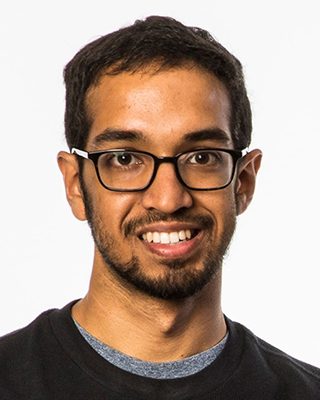
Professor Sohini Kar-Narayan is a British-Indian materials scientist at the University of Cambridge, specializing in polymer-based materials for energy harvesting and biomedical applications. She serves as editor-in-chief of the journal APL Electronic Devices and leads innovative research on nanogenerators, microfluidic sensors, and bioelectronic interfaces. Education: Presidency University, Kolkata (undergraduate); Indian Institute of Science (PhD) Her research focuses on piezoelectric and triboelectric nanomaterials, with applications in self-powered wearable devices , orthopedic surgery sensors , and 4D-printed responsive systems . She develops scalable fabrication techniques like aerosol jet printing to bridge academic research and industrial innovation. The most recent publications highlight advancements in biopolymer-based energy harvesting , smart textiles , and microfluidic diagnostic tools , emphasizing interdisciplinary collaboration between materials science, biomedical engineering, and manufacturing technologies. Scientific Awards: Royal Society of Chemistry Peter Day Prize (2023), European Research Council Consolidator Grant (2023), Royal Academy of Engineering Fellowship (2024), Innovator of the Year (2024) Her work includes the development of the ArtioSense sensor for orthopedic surgery and collaborations with medical professionals to create workflow-compatible devices. She has received major funding from the European Research Council and leads a research group exploring sustainable energy solutions and bio-integrated electronics.
Vikram Iyer is an Assistant Professor at the Paul G. Allen School of Computer Science and Engineering and holds an Adjunct Appointment in Mechanical Engineering at the University of Washington. He co-directs the CS for Environment Initiative , focusing on interdisciplinary solutions that bridge computing, biology, and physical systems for environmental sustainability. Education : Ph.D. in Electrical & Computer Engineering (University of Washington), B.S. in Electrical Engineering and Computer Sciences (UC Berkeley) Research Interests revolve around bio-inspired wireless systems , environmentally sustainable electronics , and miniaturized autonomous robotics . His work includes: Biodegradable circuit boards Battery-free wireless sensors Insect-scale vision systems Wind-dispersed environmental monitors AI tools for sustainable design Article Trends highlight contributions to green hardware , energy-autonomous robotics , and environmental sensing networks , often integrating machine learning with physical world interaction . Awards include: NSF CAREER Award SIGMOBILE Dissertation Award Marconi Society Paul Baran Young Scholar Best Paper Awards (SIGCOMM 2016, Sensys 2018) Google/Amazon Research Awards Students advised include Kyle Johnson (NSF Fellow), Vicente Arroyos (GEM Fellow), and Qiuyue Xue (co-advised with Shwetak Patel). His lab collaborates with the Networks & Mobile Systems Lab and Urban Innovation Initiative .
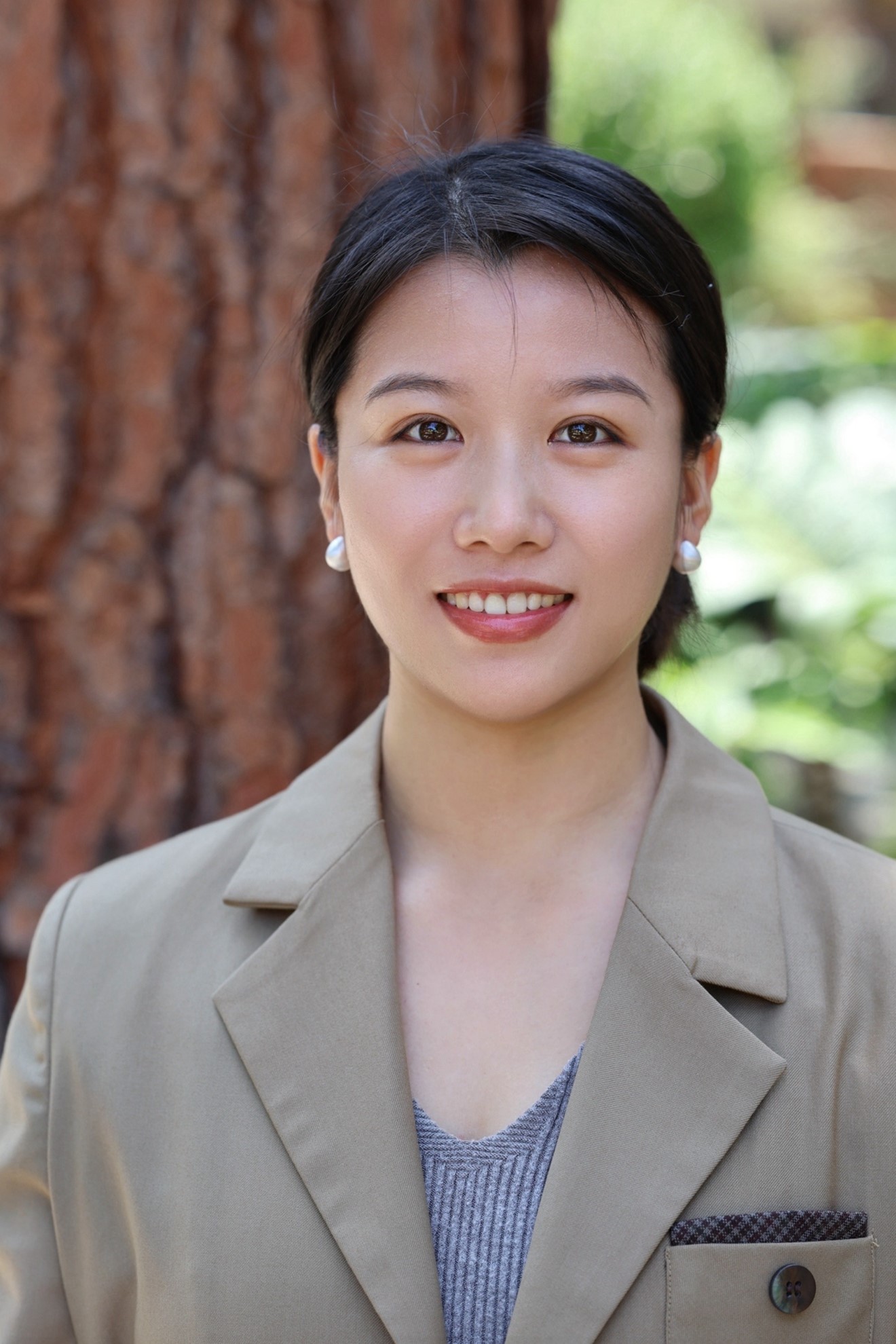
Dr. Yali Ling serves as an Assistant Professor in the Fashion Merchandising and Design program within the Department of Family and Consumer Sciences at California State University, Long Beach's College of Health and Human Services. Her research bridges traditional textile engineering with cutting-edge sustainable material innovation. Education: Ph.D. in Textile Technology Management, North Carolina State University (2021-2024) M.S. in Fashion Design and Engineering, Wuhan Textile University (2018-2021) B.S. in Fashion Design, Wuhan Textile University (2014-2018) Research Focus: Dr. Ling's work pioneers sustainable textile production through hemp/cotton blends and recycled materials, while advancing digital fashion technologies via 3D body scanning applications. Her expertise spans yarn engineering for performance textiles and functional apparel design addressing ergonomic challenges in diverse populations. This dual focus creates synergies between eco-conscious manufacturing and precision garment engineering. Publication Trends: Her 15 most recent publications (2019-2025) reveal three converging trajectories: (1) Sustainable material innovation (hemp textiles, eco-spinning), (2) Triboelectric wearable technology development, and (3) Anthropometric-driven apparel design. These strands collectively address industry demands for environmentally responsible production while enhancing human-technology interfaces in textile applications. Scientific Recognition: 2024 Best Poster Presentation at Textile Research Open House (NCSU) 2022 VF Graduate Student Impact Award ($5,000) 2021 Wuhan Textile University Special Graduate Scholarship ($1,500) 2020 Chinese Ministry of Education National Scholarship ($3,000) 2020 CNTAC "Maker China" Innovation Excellence Award 2019 China Natural Dialectics Research Association Symposium Prize Professional Engagement: Dr. Ling maintains active industry partnerships through her sustainable textile research while mentoring undergraduate students in the Fashion Merchandising and Design program. Her current work focuses on scaling hemp-based textile production and developing AI-integrated pattern generation systems. Research Infrastructure: While specific laboratory facilities aren't detailed in available materials, her publications indicate collaborations with Wilson College of Textiles' advanced manufacturing facilities and access to 3D body scanning technologies for anthropometric research.
Vitor Sencadas is an Associate Professor at the Department of Materials and Ceramic Engineering, University of Aveiro, Portugal. His research focuses on advanced materials for biomedical, energy, and environmental applications, with a strong emphasis on nanotechnology and additive manufacturing. He leads projects such as 3S4Leather, addressing leather waste valorization and sensorized additive manufacturing solutions. He has supervised multiple PhD students and contributed to over 150 publications in journals like Advanced Functional Materials and ACS Applied Materials & Interfaces. His research interests include biomimetic materials, flexible electronics, wearable sensors, and sustainable materials. Notable achievements include developing piezoelectric and luminescent solar concentrators, and contributions to Stanford’s 2022/2024 World Top 2% Scientists list. His work bridges materials science with practical applications in healthcare, energy harvesting, and environmental biorefinery processes. He collaborates extensively with CICECO – Aveiro Institute of Materials, contributing to interdisciplinary research and innovation in smart materials and biomedical devices. His group explores multifunctional materials for healthcare monitoring, energy systems, and sustainable manufacturing.
Dr. Charalampos (Babis) Pitsalidis is an Assistant Professor at the Department of Physics, Khalifa University, and a Visiting Scholar at the University of Cambridge. He directs the Laboratory of Biosystems and Bioelectronics on Chip (LAB-BBC), focusing on interdisciplinary research at the intersection of electronics and biology. Education: BSc in Physics (University of Crete, 2004), MSc in Nanosciences & Nanotechnologies (Aristotle University of Thessaloniki, 2010), PhD in Physics (Aristotle University of Thessaloniki, 2014) His research themes span bioelectronics, energy harvesting, and wearable technologies, with emphasis on triboelectric nanogenerators (TENGs) for biomedical applications. Projects include SENSE-MS (self-powered wearables for monitoring multiple sclerosis) and BioTENG (bio-derived materials for sustainable energy devices). Recent publications highlight advancements in biodegradable TENGs, injectable hydrogels, and multimodal imaging contrast agents. Awards include the Heraclitus II PhD Scholarship. Key affiliations: Khalifa University, University of Cambridge Labs: Director of LAB-BBC