
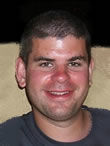
Professor David Grainger is a faculty member at the University of Birmingham's School of Biosciences, specializing in Molecular Microbiology. He leads the Grainger Lab, focusing on bacterial chromosome biology, pathogenicity, and antibiotic resistance. His research integrates high-throughput techniques and single-molecule analysis to study gene regulation and bacterial pathogenesis. Education: PhD (2004), PGCE (2000), BSc (1999) in Biochemistry from the University of Birmingham. Affiliations: Part of the Institute of Microbiology and Infection (IMI), collaborating with experts in genomics, proteomics, and structural biology. Research Interests: Deciphering chromosome biology of pathogenic bacteria, including transcriptional regulation, toxin production control, and antibiotic resistance pathways. Utilizes cutting-edge methods like Hi-C for 3D chromatin analysis and single-molecule microscopy. Recent Articles: Focused on transposon capture mechanisms, bacterial promoter diversity, and quorum sensing signaling. Highlights include studies on Salmonella regulons and Vibrio cholerae biofilm suppression. Awards: Wellcome Trust Career Development Fellowship (2008), Runner-up in 'Science Snaps' competition for scientific communication. Grants: Career Development Fellowship-funded establishment of his research group at the University of Warwick (2008). Labs/Teams: Grainger Lab at the University of Birmingham, part of the IMI network. Engages in public science outreach via Twitter and lab website.
جستجوی استاد راهنمای دانشگاهی
برای مسیر پژوهشیتان، استاد راهنما، استاد دانشگاه و پژوهشگر مناسب را پیدا کنید و با آنها ارتباط بگیرید.
نمایش ۱-۱۵ از ۶۲۱ استاد راهنما
اطلاعات پروفایلها از صفحات عمومی دانشگاهها گرفته شده و ممکن است بهروز نباشد.
Ian Wilsonمشاهده پروفایل
پژوهشگر
Dr. Ian Wilson is a researcher at Newcastle University with a focus on medical genetics, nephrology, and genomic analysis. His work spans genetic determinants of kidney diseases, mitochondrial disorders, and biomarker development. Notable contributions include studies on uromodulin genetics in African populations, copy-number variations in rare diseases, and kidney ciliopathies. He has collaborated extensively on projects involving genome sequencing, mitochondrial replacement therapy, and muscular dystrophy biomarkers. Wilson's research integrates computational tools like machine learning for predictive modeling in urolithiasis and employs advanced imaging techniques for disease progression monitoring. Key areas: Genetic epidemiology, renal genomics, mitochondrial DNA analysis Focus on translational applications: Biomarker development for kidney stones and muscular dystrophies Interdisciplinary collaborations in ophthalmology and orthopedics His publications reflect a commitment to advancing diagnostic accuracy and understanding complex genetic disorders through multi-omics approaches.
- Medical Genetics
- Nephrology
- Genomics
- +۳ مورد دیگر

Prof Jean Van Den Elsen is a Professor of Biochemistry at the University of Bath , affiliated with the Department of Life Sciences and several research centers including the Centre for Sustainable Chemical Technologies (CSCT) , Centre for Therapeutic Innovation , and Milner Centre for Evolution . They are actively accepting doctoral students and leading multidisciplinary projects at the intersection of structural biology and immunology. Education: Not explicitly mentioned Appointments: University of Bath (current), with collaborations across Chemistry, Biology & Biochemistry departments Research Focus: The laboratory investigates protein structural biology in two major areas: Complement System Interactions: Studying how pathogenic microbes like Staphylococcus aureus evade host immunity through complement system manipulation , with structural analysis of proteins such as C3d and C5 complexes. This work directly informs vaccine design and autoimmune disease treatment . Glycation Mechanisms: Developing diagnostic tools for detecting non-enzymatic sugar modifications linked to diabetes , Alzheimer's , and aging, with commercial partnerships like Abcam . Article Trends: Recent publications demonstrate: Structural analysis of complement evasion proteins (2022-2025) Engineering knob domains as miniature antibodies (2023) Evolutionary studies on cooperative behavior (2021-2025) Advancements in peptide synthesis platforms (2022-2023) Applications of AI protein folding (2020) Scientific Contributions: ORCID: 0000-0002-0367-1956 BBSRC Funding recipient (2023) 100+ citations across 76 research outputs Student Mentorship: Directly supervising 4 current PhD students and 1 postdoc, with a track record of mentoring 11 previous students including Daphne Jackson Fellows and MSCA researchers. Collaborations: Maintains active partnerships with Dr. Tony James (Chemistry), Dr. Rob Williams (Biochemistry), and industry partners UCB Celltech and Porton Biopharma Ltd. Their work contributes to UN Sustainable Development Goals 3 (Good Health), 12 (Responsible Consumption), and 13 (Climate Action).
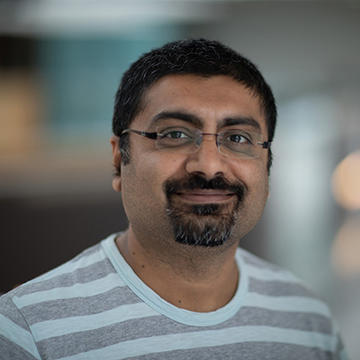
Shabaz Mohammed is an Associate Professor of Proteomics at the University of Oxford, holding joint appointments in the Departments of Chemistry and Biochemistry. Since 2020, he has served as Head of the Mechanistic Proteomics research programme at the Rosalind Franklin Institute. His research focuses on advancing proteomics technologies to study protein post-translational modifications and their roles in cellular processes, with applications in viral infections and disease mechanisms. Education: BSc in Chemistry, UMIST (now The University of Manchester), 1999 PhD in Biological Mass Spectrometry, University of Manchester, 2003 Postdoctoral Research, University of Southern Denmark (with Ole Jensen), 2005-2008 Postdoctoral Research, Utrecht University (with Albert Heck), 2008 Professor Mohammed's research centers on developing novel mass spectrometry approaches for large-scale characterization of protein post-translational modifications (PTMs). His group innovates in chromatographic techniques for single-cell proteomics, creates materials for PTM enrichment (glycosylation/phosphorylation), and applies these tools to study viral infections (SARS-CoV-2), cell cycle regulation, and signaling pathways. His work bridges chemistry, biochemistry, and cell biology to understand dynamic protein functions in health and disease. His recent publications (2023-2025) demonstrate strong emphasis on viral proteomics, particularly virus-host RNA-binding protein interactions, and innovations in mass spectrometry fragmentation techniques and chromatography. Key themes include viral remodeling of host cells, new labeling strategies for PTMs, and advancements in single-cell proteomics, with significant implications for understanding viral pathogenesis. Scientific Awards: No specific awards or fellowships were detailed in the source material. Advising and Grants: Information regarding graduate students supervised or specific research grants was not provided in the available text. As an active research group leader, Professor Mohammed likely mentors PhD students and secures competitive funding for proteomics research. Laboratories and Collaborations: Professor Mohammed leads a research group at Oxford focused on proteomics technology development. He collaborates extensively with the Ben Davis group on PTM detection materials and across the university on biochemical applications. At the Rosalind Franklin Institute, he heads the Mechanistic Proteomics programme to unravel protein functions through advanced proteomic methods.
Professor Patrick Steel is a faculty member at Durham University in the Department of Chemistry . His work spans Synthetic Organic Chemistry , Organosilicon Chemistry , and Chemical Biology , with applications in pharmaceuticals, agrochemicals, and parasitic disease treatment. Research Highlights: Developing C-H borylation methods for pharmaceutical intermediates Exploring silene cycloadditions for alkene functionalization Designing small molecule probes for plant and parasite biology Collaborating with Todd Marder (Würzburg) and others in synthetic biology Key Collaborations: Partnerships with pharmaceutical companies (GSK, Pfizer) and academic teams focus on novel antileishmanial compounds and herbicide resistance mechanisms . His group's organosilicon work intersects with collaborations on stereoselective synthesis and natural product analogs . Recent Publications (2025-2021) demonstrate expertise in transition metal catalysis , chemical probe development , and neglected disease research . The 2023 Leishmania proteomics and 2022 miltefosine studies show translational impact.
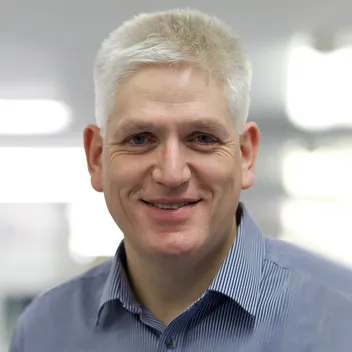
Professor Dario Alessi is a leading academic at the University of Dundee's School of Life Sciences, serving as the Director of the MRC Protein Phosphorylation Unit (MRC PPU) and Professor of Signal Transduction. He earned his BSc (1988) and PhD (1991) from the University of Birmingham. His research focuses on protein phosphorylation and ubiquitylation pathways, particularly the LRRK2 kinase pathway linked to Parkinson's disease. He has made groundbreaking contributions to understanding LRRK2's role in neurodegeneration, including its interaction with Rab proteins and scaffolding molecules like RILPL1. School of Life Sciences, University of Dundee MRC PPU Director since 2012 Signal Transduction Therapy Unit Director His work combines molecular biology, biochemistry, and collaborative industry partnerships to advance therapeutic strategies for Parkinson's disease. Key research areas include LRRK2 activation mechanisms, Rab protein phosphorylation, and lysosomal dysfunction. Alessi has trained over 30 graduate students and 40 postdocs, many now in academic and industry leadership roles. Notable awards include the EMBO Gold Medal (2005), the Robert A. Pritzker Prize for Leadership in Parkinson’s Research (2023), and an OBE (2023) for contributions to medical science. His lab promotes open science, sharing reagents and protocols globally through platforms like MRC Pure Agents and LRRK2.bio. Current projects include investigating novel mitochondrial and organelle biology in Parkinson’s, developing biomarkers, and advancing LRRK2 inhibitors through clinical trials. Collaborations span the Michael J. Fox Foundation, Aligning Science Across Parkinson’s, and the UK Dementia Research Initiative.
Kaveh Emamiمشاهده پروفایل
پژوهشگر
Dr. Kaveh Emami is a researcher at Newcastle University , specializing in proteomics, microbiology, and biotechnology. His work spans plant biotechnology, bacterial adhesion, and marine microbiology. Key research areas: Proteomics, Microbial Genetics, Plant Biochemistry, and Environmental Microbiology. Collaborated on studies involving rice mutants, barnacle adhesion, antibiotic discovery, and algal-bacterial interactions. His recent publications (2023–2009) focus on proteomic analysis, bacterial pathways, and applications in agricultural and marine biotechnology. No explicit scientific awards are documented in the provided data. Co-authored studies with Professor Angharad MR Gatehouse , Professor Tony Clare , and Professor Jeff Errington highlight his interdisciplinary collaborations.
- Proteomics
- Microbiology
- Genetic Engineering
- +۵ مورد دیگر

Scott Lovellمشاهده پروفایل
مدرس ارشد
Dr. Scott Lovell is a Senior Lecturer in Chemical Biology at the University of Bath's Department of Life Sciences. He leads the Lovell Group researching covalent drug discovery at the chemistry-biology-medicine interface, focusing on cancer and antibiotic-resistant infections. His team specializes in peptide synthesis, chemical proteomics, and phage display technologies. Dr. Lovell's research interests include: Covalent phage display for undruggable proteins Targeted covalent macrocycles (TCMs) Protease-activated imaging agents Covalent fragment libraries for cancer treatment His recent publications demonstrate a focus on developing covalent inhibitors through innovative screening platforms, with applications spanning transcription factor inhibition, antimicrobial strategies, and peptide-based drug discovery. Research strongly emphasizes translational approaches combining synthetic chemistry with molecular biology. Dr. Lovell is currently PI on multiple funded projects including: Tackling the Undruggable Cancer Proteome with Covalent Macrocycles (EPSRC) Synthesis of Targeted Covalent Macrocycle Libraries (Royal Society) A Phage Display Approach for Undruggable Proteins (Academy of Medical Sciences) He welcomes doctoral students to his interdisciplinary research team investigating novel chemical modalities for disease treatment.

Dawn Louise Maskell is a Professor in the Institute of Biological Chemistry, Biophysics and Bioengineering within the School of Engineering & Physical Sciences at Heriot-Watt University. Her academic career spans brewing science, yeast physiology, and sustainable fermentation processes, with significant contributions to both academic research and industry applications. Education BSc (Hons) in Brewing & Distilling PhD in Brewing Yeast Physiology Diploma in Brewing from the Institute of Brewing & Distilling Professor Maskell's research focuses on yeast physiology, particularly how stress impacts brewing yeast performance and fermentation. Her work has expanded to encompass all aspects of yeast and fermentation science with emphasis on process improvements for sustainability. She actively contributes to UN Sustainable Development Goals through her research on circular economy approaches in brewing and distilling. Her publication portfolio reveals consistent scholarly output with 29 research contributions, showing increased productivity in recent years (5 publications in 2021 alone). The research trends demonstrate a clear progression from fundamental yeast physiology studies toward applied sustainability research, particularly in carbon dioxide valorization from fermentation and circular economy innovations in the brewing industry. Scientific Recognition Fellowship of the Chartered Institute of Brewers and Distillers (awarded July 2, 2025) Professor Maskell maintains significant professional engagement through multiple leadership roles. She serves on the Board of Directors of the American Society of Brewing Chemists (since 2021), chairs their Technical Committee, and sits on the Editorial Board of the Journal of the American Society of Brewing Chemists. She has been part of the Institute of Brewing & Distilling's Board of Examiners for the Diploma in Brewing since 2014. Her impact extends beyond academia through the Horizon Proteins project, which develops circular economy innovations converting whisky by-products into fish feedstock with documented economic and environmental benefits. Her professional standing is further evidenced by her status as a Liveryman of the Worshipful Company of Distillers and an Honorary Liveryman of the Worshipful Company of Brewers, along with holding the Freedom of the City of London.
Albert Koulmanمشاهده پروفایل
پژوهشگر
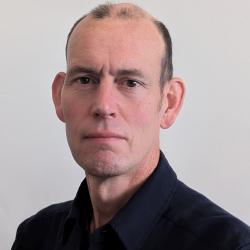
Dr. Albert Koulman is a Principal Research Associate at the University of Cambridge, affiliated with the Metabolic Research Laboratories (MRL) within the Institute of Metabolic Science. His work focuses on developing advanced analytical methods for metabolomics and lipidomics to understand metabolic processes in diseases. Department: Department of Clinical Biochemistry, University of Cambridge Key Roles: Scientific Director of the NIHR BRC Metabolomics and Lipidomics facility Research Interests 1. Metabolism in Pregnancy & Early Life: Collaborates with international teams to study lipid metabolism during pregnancy and infancy, developing biomarkers for gestational diabetes, infant nutrition, and childhood obesity risks. 2. Technological Innovations: Leads development of single-cell lipidomics and organelle-specific lipid profiling, establishing a full pipeline from sample preparation to bioinformatics. 3. Nutritional Biomarker Methodology: Specializes in dried blood spot applications for lipid analysis in clinical and population studies, supported by the MRC Epidemiology Unit. Article Trends Recent publications highlight his expertise in lipid metabolism across diseases (e.g., diabetes, melanoma, NAFLD). Key themes include sexual dimorphism in lipid biosynthesis, vitamin D dynamics during exercise, stromal lipid influences on cancer progression, and malnutrition recovery protocols. Methodological advancements (LC-MS/MS, single-cell analysis) and global health applications (Gambian maternal nutrition, pediatric rehabilitation) are recurring topics. Group Members & Collaborations Dr. Ben Jenkins (Analytical Chemist) Ms. Paulina Guevara Dominguez (Research Assistant) Ms. Nina van der Velde (MPhil Student) Collaborators: Sue Ozanne (Pregnancy Metabolism), MJFF (Parkinson’s research), MRC (Epidemiology Unit) Research Funding Biotechnology and Biological Sciences Research Council (BBSRC) JPI (Joint Programming Initiative) Michael J. Fox Foundation (MJFF) Medical Research Council (MRC) National Institute for Health and Care Research (NIHR)
- Metabolomics
- Lipidomics
- Analytical Chemistry
- +۴ مورد دیگر
Marco Tripodiمشاهده پروفایل
پژوهشگر
Marco Tripodi is a researcher at the University of Cambridge's MRC Laboratory of Molecular Biology (LMB), focusing on neural circuits for goal-oriented actions. His work explores how sensory inputs translate into coordinated movements. Research Focus : Neural circuit organization, motor control, sensory-motor integration, and brain mapping. Methodologies : Mouse genetics, optogenetics, viral circuit tracing, in vivo electrophysiology, and behavioral analysis. Recent studies highlight his lab's contributions to understanding collicular circuits, sensorimotor alignment, and advanced tools like self-inactivating rabies for neural circuit mapping. Publications span high-impact journals including Nature, Current Biology, and Cell. His group includes researchers exploring these areas collaboratively. Awards and broader affiliations are not explicitly mentioned in the provided text.
- Neuroscience
- Neurobiology
- Neural Circuits
- +۵ مورد دیگر
Professor Ulrich F Keyser is a faculty member at the University of Cambridge, affiliated with the Cavendish Laboratory and the Physics of Medicine department. His research focuses on applied physics in biological and soft systems, utilizing advanced techniques such as nanopore sensing, microfluidics, and DNA nanostructures. Keyser's work bridges biophysics, nanotechnology, and molecular biology, with applications in biomedical engineering and biomimetic systems. Research interests include: Single-molecule sensing and manipulation Nanopore-based diagnostics and RNA/DNA analysis Synthetic cell models and membrane biophysics DNA/RNA nanostructures and programmable sensors Ion transport and molecular dynamics in confined systems Biophysics of protein oligomers and nucleic acid modifications His recent publications highlight advancements in nanopore detection of RNA mutations, DNA structural studies, and programmable biosensing technologies. Keyser's laboratory employs interdisciplinary approaches combining physics, chemistry, and biology to address fundamental and applied questions in biomedical and soft matter systems.
- Applied Physics
- Biophysics
- Nanotechnology
- +۳ مورد دیگر
Miratul Muqit is a Professor of Experimental Neurology at the University of Dundee, affiliated with the MRC Protein Phosphorylation and Ubiquitylation Unit. His research focuses on molecular mechanisms of Parkinson's disease, particularly the PINK1/Parkin pathway and ubiquitin-mediated signaling in neurodegeneration. Research Interests: His work spans neuroprotective pathways, mitochondrial quality control (mitophagy), and kinase signaling in neuronal survival. Key areas include: Ubiquitin phosphorylation dynamics LRRK2/PINK1 convergence in ciliogenesis Therapeutic targeting of neurodegenerative processes Awards & Recognition: Elected Fellow of Academy of Medical Sciences (2023) Fellow of Royal Society of Edinburgh (2020) Brian Cox Prize for Excellence in Public Engagement Professional Activities: Active in public engagement through Parkinson's research interest groups and science festivals, translating complex neurological concepts for broader audiences.

Professor Luke Chamberlain is a leading researcher at the Strathclyde Institute of Pharmacy and Biomedical Sciences, University of Strathclyde, where he investigates the role of protein S-acylation in health and disease. His work bridges fundamental biochemistry with therapeutic discovery, focusing on the zDHHC family of enzymes and their impact on cellular signaling, membrane trafficking, and disease mechanisms. Education: PhD in Role of Cysteine-String Protein in Regulated Exocytosis, University of Liverpool (1998) BSc in Microbiology, University of Edinburgh (1994) His research is primarily focused on protein S-acylation (palmitoylation) , a reversible lipid modification that regulates protein localization, stability, and function. He explores how defects in this process contribute to neurodegenerative diseases, cancer, and diabetes. His lab employs advanced techniques such as click chemistry, confocal microscopy, proteomics, and behavioral analyses to dissect molecular mechanisms. The recent publications highlight trends in understanding substrate specificity of zDHHC enzymes , development of inhibitors , and the regulatory role of S-acylation in metabolic and neurological pathways . His work increasingly emphasizes chemical biology approaches to target S-acylation therapeutically. Scientific Awards: No awards explicitly mentioned in the text. Prof. Chamberlain actively mentors postdoctoral researchers and prospective PhD students, offering support for fellowship applications. He is Principal Investigator on multiple grants, including an integrated analysis of S-acylation dynamics (BBSRC-funded) and a Strathclyde-led network with Thailand. His professional activities include serving as an examiner for PhD theses, chairing international conferences such as the FASEB meeting on Protein Lipidation, and participating in research visits to institutions like Tsinghua and Peking University. Labs and Facilities: His research group utilizes the Leica SP8 Confocal Microscope facility at the Strathclyde Institute, enabling high-resolution imaging of protein localization and dynamics in live and fixed cells.

Dimitrios Anastasiouمشاهده پروفایل
استاد پژوهش
Dimitrios (Dimitris) Anastasiou is a Senior Group Leader at The Francis Crick Institute in London, UK, specializing in cancer metabolism research. Previously, he served as a Group Leader at the Medical Research Council National Institute for Medical Research (NIMR) starting in 2012 before transitioning to the Crick Institute in 2015. His research career includes postdoctoral work and an Instructor position at Beth Israel Deaconess Medical Center and the Department of Systems Biology, Harvard Medical School under Lewis Cantley, where he focused on metabolic reprogramming in cancer. University College London, UK - BSc Molecular Biology (2001) University of Basel, Basel, Switzerland - PhD in Biochemistry (2006) Anastasiou's research centers on understanding how cancer cells generate energy and utilize nutrients differently from normal cells. His laboratory conducts detailed analyses of metabolic pathways in cancer, investigating how tumor cells rewire their metabolism to support rapid growth and evade the body's defenses. His work spans biochemistry, proteomics, computational systems biology, human physiology, and tumor biology, with particular emphasis on identifying metabolic vulnerabilities that could be targeted for cancer therapy. His innovative approaches include developing chemical 'sensors' to monitor metabolic changes in cancer cells over time as tumors develop. Analysis of his recent publications reveals a consistent focus on metabolic regulation in cancer, particularly regarding glycolysis, hypoxia response, amino acid metabolism, and nucleotide biosynthesis. His work frequently examines enzyme regulation (particularly PKM2), metabolic adaptation to environmental stressors, and the intersection between metabolism and signaling pathways. A notable trend is his exploration of how metabolic enzymes function beyond their traditional roles, influencing cellular signaling and gene expression in cancer contexts. Anastasiou has made significant contributions to understanding metabolic reprogramming in cancer, particularly regarding pyruvate kinase M2 regulation, hypoxia responses, and nutrient utilization in tumor microenvironments. His work bridges basic biochemical mechanisms with potential therapeutic applications, focusing on identifying metabolic vulnerabilities in cancer cells that could be exploited for treatment. As a Senior Group Leader at the Crick Institute, Anastasiou leads a research group investigating how metabolism contributes to disease, particularly cancer. His laboratory utilizes a range of techniques including metabolomics, bioinformatics, structural biology, and high-throughput screening to study metabolic pathways. The group's work aims to identify fundamental differences between metabolic pathways in tumors and healthy tissue to discover new therapeutic targets against cancer.