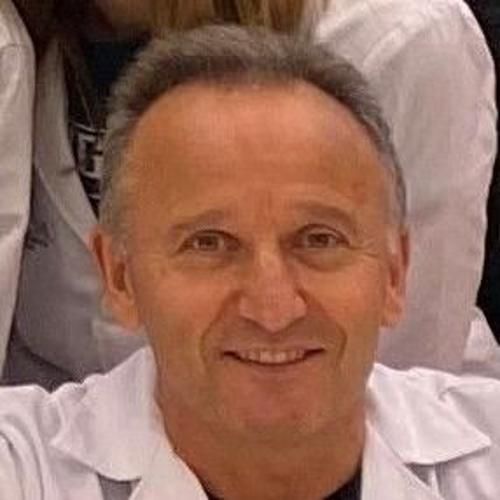
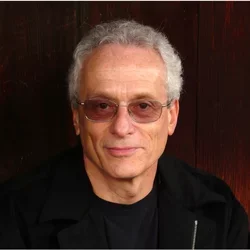
Dr. José María Fresno Baro is a Professor at the Department of Food Hygiene and Technology within the College of Veterinary Medicine at the University of León. His research focuses on lactic acid bacteria and technological applications in dairy products, particularly in cheese ripening and safety. Key Affiliations: University of León, College of Veterinary Medicine, Food Hygiene and Technology Department Thesis Supervision: Supervised PhD theses including studies on Armada cheese maturation by Dr. Ana Bernardo Álvarez and Dr. Josefa González Prieto His research explores cheese microbiology , biogenic amine reduction , autochthonous starter cultures , and food safety in dairy products. Recent publications analyze blue cheese sensory properties, edible insects' sustainability, and microbial applications for cheese quality improvement. His scientific work spans cheese proteolysis , lactic acid bacteria characterization , and food technology innovations , with a strong emphasis on traditional Spanish cheese varieties like Valdeón and Zamorano. The research portfolio demonstrates expertise in microbial interactions , biochemical transformations , and food processing optimization .
Barbara Dmochowska is an Adjunct Professor at the University of Gdańsk, affiliated with the Faculty of Chemistry, Department of Organic Chemistry, and Laboratory of Carbohydrate Chemistry. Her research focuses on carbohydrate derivatives, quaternary ammonium salts, and molecular dynamics of bioactive compounds. Research Interests : Organic synthesis of carbohydrate-based compounds, mutagenicity studies, computational modeling of reaction mechanisms, and development of antifungal agents. Article Trends : Recent work emphasizes quaternary ammonium salts for pharmaceutical applications, structural analysis of glycosyl compounds, and computational DFT studies of reaction pathways. Laboratory Role : Active member of the Laboratory of Carbohydrate Chemistry, contributing to synthetic methods and biochemical risk assessment.
Dr. Paulina Łukaszewicz serves as an Adjunct Assistant Professor in the Department of Environmental Analytics at the Faculty of Chemistry, University of Gdańsk. Her research focuses on environmental contaminants, particularly pesticides and pharmaceutical residues in complex matrices. Her primary research interests include environmental chemistry and analytical toxicology , with specialization in: Development of extraction methods for neonicotinoids and pharmaceutical contaminants Analysis of pesticide residues in honey and environmental samples Soil-water interactions of veterinary antibiotics Degradation pathways of emerging contaminants Analysis of her 15 most recent publications (2023-2025) reveals a strong emphasis on neonicotinoid pesticides and their environmental impact, with growing attention to pharmaceutical contaminants in soil and water systems. Her methodological expertise centers on advanced chromatographic techniques (GC-MS, LC-MS/MS) and extraction optimization for complex environmental matrices. Scientific contributions include: First validated SPE-LC-MS/MS method for new-generation neonicotinoids in surface water Investigation of cyanobacteria-mediated degradation of sulfoxaflor Optimization of extraction protocols for toxins in biological samples Her work demonstrates active collaboration with environmental monitoring institutions in Northern Poland, focusing on practical analytical solutions for contemporary pollution challenges. Current research directions indicate expansion into food safety applications and metabolite toxicity assessment.
Andreia A. Rosatella is an Assistant Professor at Universidade Lusófona , where she leads research projects on sustainable, biocompatible materials for drug delivery and chemical/biohazard protection . Her career spans postdoctoral work at iMed-ULisboa (2012–2019), a research fellowship at IST-UL (2011–2012), and a 2018–2019 tenure with IST's Solid-State group. She has secured 11 funded projects , including 3 as Principal Investigator and a SPS-NATO international project . Research Focus : Development of ionic liquids (including Magnetic and Chiral variants ), green chemistry , asymmetric catalysis , and flow chemistry . Her work emphasizes biodegradable materials and CO2 transport mechanisms. Publications : 15 most recent articles explore chemical decontamination systems , DASA stability , and anticancer diterpenes , with a future 2025 ChemCatChem paper on biocatalytic heme peroxidase cascades . Key subfields include Adler-Becker reaction optimization , chiral separations , and toxicological evaluation of solvents . Education : PhD in Chemistry (2011, Instituto Superior Técnico-UL ), Licenciatura in Applied Chemistry. Labs & Collaborations : Active in CBIOS (2021–present) and iMed-ULisboa (2019–2021). Collaborated with 99 researchers across multidisciplinary teams.
Asst. Prof. Emre Şenocak is a faculty member at Karadeniz Technical University's Faculty of Health Sciences, Department of Physical Therapy and Rehabilitation. He holds an Assistant Professorship since 2024, previously serving as a Research Assistant at both Karadeniz Technical University and Marmara University. His education includes a Doctorate (2019-2024) and Master's (2017-2019) in Physiotherapy and Rehabilitation from Marmara University. He has completed over 10 vocational trainings in research methods, occupational safety, and education management. His research focuses on rehabilitation techniques for neurological disorders (stroke, vestibular dysfunction), musculoskeletal conditions (cervical disc herniation, subacromial impingement), and chronic pain management (postmenopausal back pain, kinesiophobia). He has pioneered studies on robotic rehabilitation, tele-rehabilitation during pandemics, and ergonomic impacts on office workers' posture. He has published 14 peer-reviewed articles and 10 conference presentations since 2020. Şenocak currently chairs the Professional Education and Development Commission and serves on multiple departmental committees including Quality Assurance and Accreditation at his faculty. His managerial roles emphasize healthcare education standards and clinical practice improvement. Education: PhD in Physiotherapy (Marmara University), MSc in Physiotherapy (Marmara University) Key Research Areas: Stroke rehabilitation robotics, telehealth exercise programs, musculoskeletal mobilization techniques Awards: None explicitly listed Grants: Participated in TÜBİTAK 1505 industrial collaboration project training (2024) He leads research teams investigating patient outcomes in diabetes exercise programs, osteoarthritis treatments, and pediatric cerebral palsy caregiver experiences. His work bridges clinical practice with technological advancements in rehabilitation science.
Chloe Antoniou is an Associate Professor of Biochemistry and Co-Director of the Graduate Entry MD Programme at the University of Nicosia Medical School. She holds a BSc (Honors) in Biochemistry from the University of Illinois at Chicago (Fulbright Scholar) and a PhD in Chemistry from the same institution. She completed postdoctoral work at the University of Chicago's Department of Biochemistry and Molecular Biophysics, followed by a PGCert in Higher Biomedical Education from St George’s University, London. Her research focuses on protein biochemistry, particularly light-activated proteins and spectrin structural dynamics, alongside innovations in medical education. She has contributed to studies on PKAN genetic mutations, optogenetic tools (TULIPs), and protein folding mechanisms. Her work bridges molecular biophysics with clinical education, emphasizing technological integration in medical training. Publications span protein engineering, optogenetic systems, and nitric oxide biochemistry, reflecting her dual expertise in molecular mechanisms and pedagogy. No awards are explicitly listed, though her extensive academic roles suggest recognition in her fields. She advises the Graduate Entry MD Programme but no specific students are named here.
Prof. Tomas Ganz is a Professor in the Department of Medicine at the University of California, Los Angeles (UCLA). His research focuses on systemic iron metabolism, anemia mechanisms, and the role of iron in chronic diseases such as kidney disease and inflammation. He has contributed significantly to understanding the molecular regulation of hepcidin and erythroferrone, key hormones governing iron homeostasis. Recent work explores iron's interactions with pregnancy outcomes, cancer biology, and therapeutic interventions for anemias caused by chronic kidney disease or genetic disorders like β-thalassemia. His studies utilize mouse models, clinical trials, and biochemical analyses to investigate iron's role in erythropoiesis, inflammation, and organ dysfunction. Major research themes include: (1) Hepcidin biology and its impact on systemic iron distribution; (2) Erythroferrone's role in erythropoiesis and anemia mitigation; (3) Iron dysregulation in pregnancy and its fetal consequences; (4) Development of novel therapies for iron overload disorders. Publications highlight advancements in diagnostic methods (e.g., LC-MS/MS for 2,3-DPG measurement) and therapeutic strategies involving erythroferrone overexpression or novel iron chelators. Collaborative efforts with nephrology, oncology, and obstetrics teams address translational challenges in iron-related pathologies.
Frank Bellevue is a Lecturer in the Department of Chemistry at Purchase College's School of Natural and Social Sciences, where he also serves as a Winter Session Instructor. He holds a BS in Chemistry and Mathematics from Bates College and an MS/PhD in Organic Chemistry from Rensselaer Polytechnic Institute. His research centers on the synthesis and analysis of bioactive compounds, particularly steroid-based antibiotics, antifungal agents, and antiparasitic molecules. Recent work emphasizes natural products (e.g., turmeric, sage) as sources of antifungal compounds, while earlier studies focused on steroidal polyamines and alkylpolyamine analogues for anti-infective applications. Dr. Bellevue mentors undergraduate researchers through Senior Projects and the Bridges to the Baccalaureate Summer Research program. His publications reflect sustained interest in organic synthesis for therapeutic development, with methodologies spanning Wittig olefination, natural product extraction, and structure-activity analysis.
Daniel M. Hardy, Ph.D. is a Professor in the Department of Cell Biology and Biochemistry at Texas Tech University Health Sciences Center School of Medicine. His research spans multiple disciplines with a focus on reproductive biology, evolutionary genetics, zoonotic diseases, and musculoskeletal biology. He earned his Ph.D. in Medical Sciences/Biochemistry from the University of New Mexico School of Medicine. Dr. Hardy's research interests center on protein molecular evolution in animal fertilization and species divergence, zoonotic disease transmission, and connective tissue remodeling. His work combines biochemical, cell and molecular, genomic and phylogenetic approaches to characterize proteins that promote reproductive isolation. In the zoonotic disease field, he applies expertise in protein biochemistry and molecular biology toward developing biomarker-based tests for infectious diseases including Chronic Wasting Disease. His musculoskeletal research focuses on sex differences in anterior cruciate ligament maintenance and repair, and age-associated causes of intervertebral disc degeneration. His publication record demonstrates a consistent trajectory across reproductive biology, evolutionary genetics, and musculoskeletal research. The research shows strong integration of molecular techniques with evolutionary and clinical perspectives. Recent work has expanded into One Health approaches for zoonotic disease detection and surveillance. Dr. Hardy's laboratory employs comparative transcriptomics, biochemical analysis, phylogenetic methods, and biomechanical testing. His work bridges basic science with potential clinical applications in contraception, infectious disease detection, and sports medicine. The research program demonstrates strong interdisciplinary collaboration across multiple institutions and scientific fields.
Shafiq Ahmed is a researcher at Newcastle University specializing in medicinal chemistry and cancer therapeutics, with a focus on disrupting the MDM2-p53 protein-protein interaction—a critical target in oncology. His work bridges biochemical mechanisms and drug development for tumor suppression pathways. His core research domains include: Biochemistry (protein interactions and signaling pathways) Medicinal Chemistry (small-molecule inhibitor design) Cancer Research (p53 tumor suppressor mechanisms) Drug Discovery (scaffold optimization and potency enhancement) Analysis of his publications reveals a methodical progression from foundational scaffold development (2005) to advanced structure-activity optimization (2011), emphasizing isoindolinone-based compounds as promising anticancer agents. His contributions center on improving binding affinity and specificity for MDM2-p53 inhibition, with implications for targeted cancer therapies. No scientific awards, student supervision records, or laboratory affiliations were documented in the source material.
Donald H. Burke is a Professor at the University of Missouri with appointments in Molecular Microbiology & Immunology , Biochemistry , and Bioengineering . His work spans four decades, focusing on RNA biochemistry, antiviral therapies, and the origin of life. Major research areas: Ribozyme evolution , HIV reverse transcriptase inhibition , RNA aptamer engineering , and RNA world hypothesis . Key methodologies: SELEX (Systematic Evolution of Ligands by Exponential Enrichment), chimeric SELEX , and FASTAptamer , a bioinformatic toolkit he developed. His lab investigates RNA-protein interactions in HIV-1 replication, RNA-small molecule binding (e.g., S-adenosyl methionine), and RNA catalysis for phosphorylation reactions. Recent work explores RNA-based gene therapy and metabolic engineering using synthetic ribozymes. Collaborations include X-ray crystallography , clinical virology , and synthetic chemistry . The lab trains future scientists through PhD programs in Molecular Pathogenesis and Therapeutics , Biochemistry , and Genetics .
Dr. Francesca Mackenzie is a Senior Lecturer in Physiology and Pharmacology with a specialism in neuroscience at Kingston University's School of Life Sciences, Pharmacy and Chemistry, within the Department of Chemical and Pharmaceutical Sciences. She serves as Deputy Course Leader for the BSc Pharmacology program and leads a research group investigating neuronal development and regeneration. Her work aligns with UN Sustainable Development Goals 3 (Good Health and Wellbeing), 4 (Quality Education), and 10 (Reduced Inequalities). Her educational background includes a DPhil in Genetics from the University of Oxford and MRC Harwell Mammalian Genetics Unit, following a BSc (Hons) in Applied Biology from the University of Bath. She has held postdoctoral positions researching neuromuscular biology at MRC Harwell and neuronal development at the UCL Institute of Ophthalmology. Dr. Mackenzie's research focuses on the genetics and cell biology of neuronal development and regeneration, particularly in the peripheral nervous system and the eye. She employs research-led teaching methods with emphasis on authentic problem-solving and promoting equality, diversity, and inclusivity. Her laboratory investigates mechanosensing pathways in microglia related to Alzheimer's disease, neuronal regeneration mechanisms, and the role of VEGF in neural development and disease. Analysis of her publication record reveals consistent contributions to neurobiology, with particular emphasis on neuronal development, regeneration mechanisms, and signaling pathways like VEGF and Hippo in neural function. Her work spans from fundamental molecular mechanisms to potential clinical applications, especially in neurodegenerative conditions and regenerative medicine. Her scholarly recognition includes: Fellow of the Higher Education Academy (FHEA) Associate Fellow of the Higher Education Academy (AFHEA) Dr. Mackenzie actively supervises postgraduate research students and serves on the Kingston University Faculty Research Ethics Committee. She is the Academic Lead for the Biotechnology laboratory and contributes to the university's Vision, Cognition and Neuroscience research theme. As a reviewer for journals including Frontiers in Neuroscience and Cells, she maintains active engagement with the scientific community. Her laboratory currently includes PhD students Lucrezia Bruno and Najwa Abdulkadir, and MScR student Tien Ngo Thuy, continuing research on neuronal development, regeneration, and microglial function in health and disease.
Dr. Juliano Morimoto is a Senior Lecturer at the School of Natural and Computing Sciences , University of Aberdeen. With a DPhil in Zoology from the University of Oxford and postdoctoral experience in Sydney and Macquarie University, he specializes in Nutritional Ecology , Evolutionary Biology , and Machine Learning applications to animal biology. His research spans theoretical frameworks (e.g., Nutrigonometry), empirical studies on Drosophila, and applied work in insect-based food security solutions. Education : BSc Biological Sciences (Federal University of Paraná, Brazil), DPhil Zoology (University of Oxford) Research Streams : Theoretical nutrition models, empirical evolutionary ecology with Drosophila, and applied insect conservation/policy His publications reveal interdisciplinary work connecting nutritional geometry with insect behavior , genome-scale analysis , and ecological modeling . Recent work includes membrane permeability evolution, proteome-lifespan relationships, and social isolation effects in primates. He has received awards like the 2024 Best Undergraduate Supervisor and 2022 Riemann Fellowship for differential geometry applications to nutrition. Grants include a £980,000 BBSRC grant on dietary optimization for reproduction, multiple NERC/BBSRC awards, and international partnerships with Sweden and Brazil. He actively leads outreach in Brazil via projects funded by CNPq, including the Geometria Poetica ebook initiative for low-income students.
François Major is a Full Professor at the Université de Montréal, holding positions in both the Faculty of Arts and Sciences (Department of Computer Science and Operations Research) and the Faculty of Medicine (Department of Biochemistry and Molecular Medicine). He leads research in bioinformatics, focusing on RNA structure and function, and is affiliated with the IRIC (Institut de Recherche en Immunologie et en Cancérologie) and LBIT (Laboratoire de Biologie Informatique et Théorique). His work integrates computational methods to study RNA's role in gene expression and disease, particularly cancer. Education: PhD in Computer Science (1990, Université de Montréal), postdoctoral training at NCBI under David Lipman. Joined Université de Montréal in 1994 and became an IRIC Principal Investigator in 2005. Research Interests: Bioinformatics tools for RNA structure prediction, RNA dynamics modeling, and applications in gene silencing mechanisms. His lab develops algorithms to analyze RNA motifs and predict functional interactions, with a focus on non-coding RNAs and their roles in molecular medicine. Grant Highlights: Computational analysis of RNA structure/function (CRSNG, 2020–2027) CRC-IRICoR Platform for RNA design (2023–2025) Genome Canada-funded multi-target RNA therapeutics (2016–2021) Students: Supervised over 30 graduate students since 2000, focusing on RNA bioinformatics, structural biology, and computational genomics. Awards: 2010 Prix Urgel-Archambault (Acfas) for contributions to bioinformatics and RNA research. Labs: Leads LBIT and collaborates with IRIC, focusing on RNA-based therapies and structural bioinformatics.
Constantin (Nick) Takacs is an Assistant Professor in the Department of Biology at Northeastern University, where he leads the Takacs Lab. His research focuses on understanding the Lyme disease bacterium Borrelia burgdorferi , its tick vectors, and their interactions using genetic, imaging, and biochemical approaches. He joined Northeastern in January 2023 after completing postdoctoral research at Yale University, Stanford University, and HHMI. Dr. Takacs holds a Ph.D. from Rockefeller University (2016), where his work centered on hepatitis C virus, lipoprotein secretion, and liver diseases under the mentorship of Dr. Sanford M. Simon and Dr. Charles M. Rice. During his postdoctoral training with Dr. Christine Jacobs-Wagner, he pioneered genetic methods for Borrelia burgdorferi , including CRISPRi-based gene expression tools and insights into the bacterium's polyploid genome structure. His research interests span microbial pathogenesis, bacterial genetics, and host-pathogen interactions. Key themes include the molecular mechanisms of Borrelia 's segmented genome organization, CRISPR-based genetic tools for spirochete research, and the impact of environmental factors on Lyme disease transmission dynamics. His lab emphasizes collaborative, inclusive mentorship and translational research to address emerging infectious diseases. Notable publications highlight advancements in understanding Borrelia 's peptidoglycan biogenesis, genome stability in culture vs. tick vectors, and CRISPR applications for gene regulation. His work bridges fundamental microbiology with public health concerns, particularly regarding the expansion of Lyme disease due to climate change.