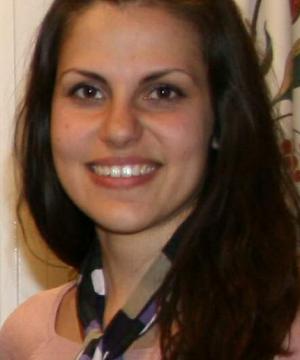
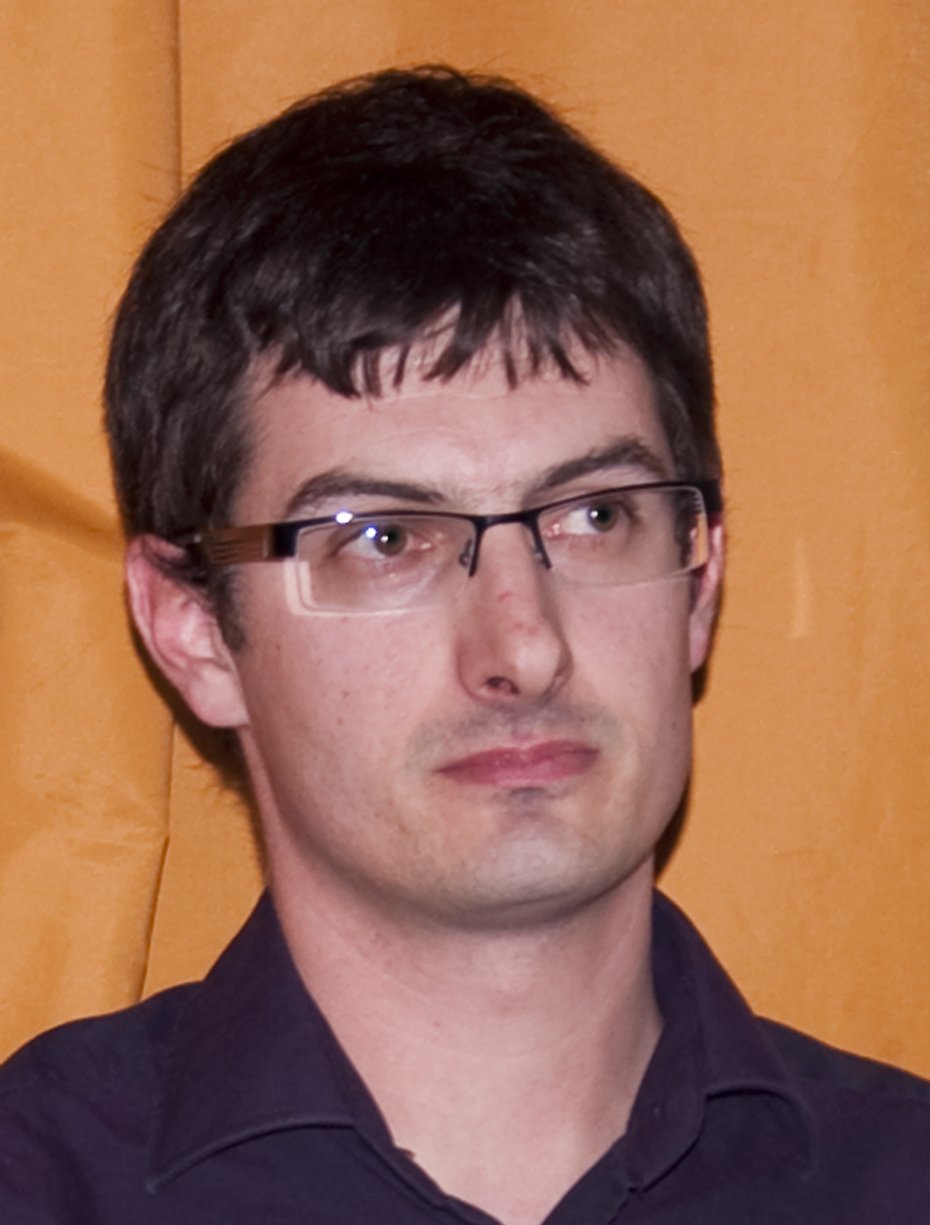
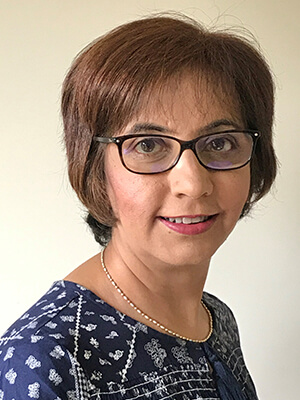
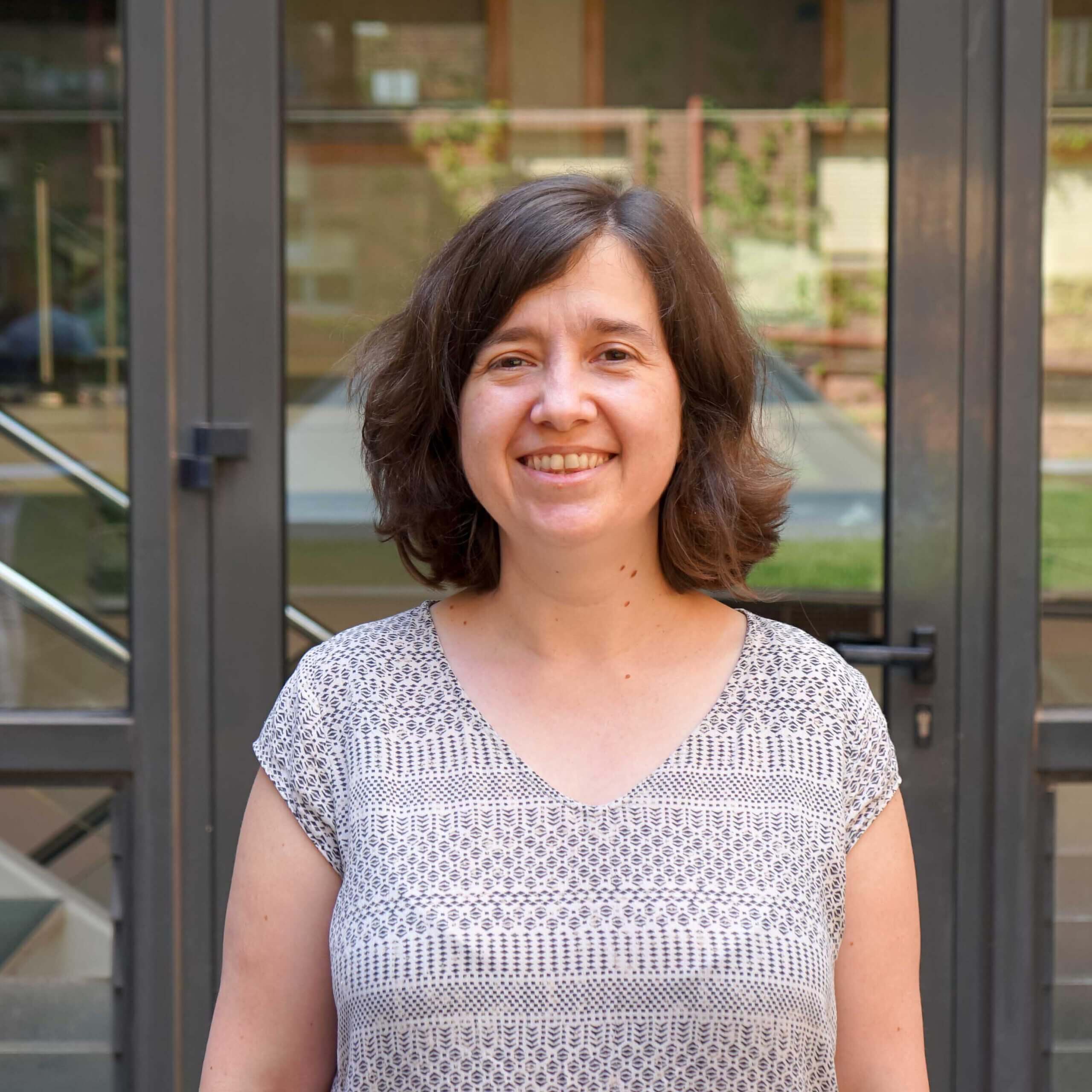
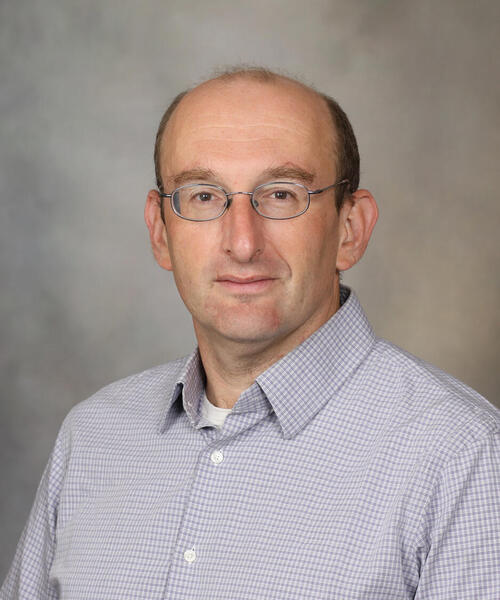
Dr. Anikó Kilár is a dedicated Research Fellow affiliated with the Institute of Bioanalysis at the University of Pécs Medical School. Her work contributes to interdisciplinary research at the intersection of molecular biology and medical science. Institution: University of Pécs Medical School Department: Institute of Bioanalysis Email: aniko.kilar@aok.pte.hu Specializing in biochemical analysis and molecular research, her scientific contributions align with the institute's focus on advancing medical diagnostics and therapeutic methodologies through rigorous molecular and cellular studies.
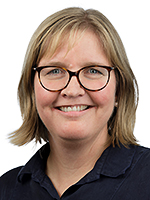
Astrid Gjelstad is an Associate Professor in the Department of Pharmaceutical Chemistry at the University of Oslo, specializing in microextraction technologies and anti-doping research. She teaches courses in Drug Analysis and Sports Pharmacy and Anti-Doping . Academic interests: Development of artificial liquid membrane systems for drug isolation Passive diffusion and electrokinetic migration studies Anti-doping and pharmaceutical use in sports Awards: 3rd place in HPLC 2007 poster competition Young Scientist Award at Extech08 Her research focuses on microextraction technology for rapid sampling in biological matrices, with applications in pharmaceutical analysis , bioanalysis , and environmental studies . Recent publications emphasize dried blood spots , parallel artificial liquid membrane extraction (PALME) , and sustainable methods for drug analysis. In anti-doping work, she investigates pharmaceutical trends among athletes and contributes to the Norwegian Athlete Biological Passport program. Her innovations in electromembrane extraction improve selectivity and efficiency in drug isolation.
Irene van den Broek is an Assistant Professor at the College of Pharmaceutical Sciences , Utrecht University , within the Chemical Biology and Drug Discovery department. She combines academic roles with freelance data visualization work. Teaches Bioanalysis (Bachelor's level) Supervises students in academic writing and intervision Develops interactive R Shiny applications for citizen science projects Her research focuses on: Bioanalysis techniques Quantified Self health tracking Data Visualization for health & environmental data Wearable Devices integration (Ōura Ring, RescueTime) Key article trends include environmental monitoring ( Onze Lucht , Was het Donker? ) and personal health analytics using R packages like echarts4r and reactable . Projects emphasize interactive web visualization and citizen science applications. She provides: Academic writing guidance Tutoring frameworks for student intervision Workshops on scientific communication Key projects include: Onze Lucht (air quality heatmaps) Was het Donker? (light pollution visualization) Ōura Ring Analysis (sleep/activity metrics)
Mimi Stokke Opdal is an Associate Professor in the Department of Pharmacology at the University of Oslo's Faculty of Medicine. Her research primarily focuses on therapeutic drug monitoring and clinical toxicology, with particular expertise in hypertension treatment adherence, methadone pharmacology, and analytical method development for drug quantification. She maintains an active research profile with publications spanning from the 1990s to the present. Dr. Opdal's research interests center on therapeutic drug monitoring (TDM), clinical toxicology, and pharmacokinetics. Her work has evolved from early studies on cardiac pharmacology and calcium channels to current research on medication adherence in hypertension treatment, methadone pharmacokinetics, and analytical method development for drug quantification. She has made significant contributions to understanding how serum drug concentrations can be used to assess medication adherence and optimize treatment outcomes, particularly in cardiovascular medicine. Analysis of her recent publications (2011-2025) shows a clear focus on therapeutic drug monitoring applications in clinical practice. Her work spans hypertension management, methadone maintenance therapy, antiepileptic drugs, and forensic toxicology. A notable trend is her development and application of advanced analytical techniques (particularly UHPLC-MS/MS) for drug quantification in biological samples, which has enabled more precise therapeutic drug monitoring and improved understanding of medication adherence patterns. Dr. Opdal is actively involved in the Therapeutic Drug Monitoring and Clinical Toxicology research group at the University of Oslo. Her collaborative approach is evident in her numerous multi-author publications involving researchers from various Norwegian hospitals and institutions. While specific grant information isn't provided in the available text, her extensive publication record in high-impact journals suggests successful grant acquisition supporting her research activities. Her laboratory work focuses on analytical method development for drug quantification, particularly using UHPLC-MS/MS techniques. The research group appears to maintain strong clinical connections, conducting studies in emergency departments, hypertension clinics, and with patients in methadone maintenance programs. This translational approach bridges laboratory analytical science with direct clinical applications.
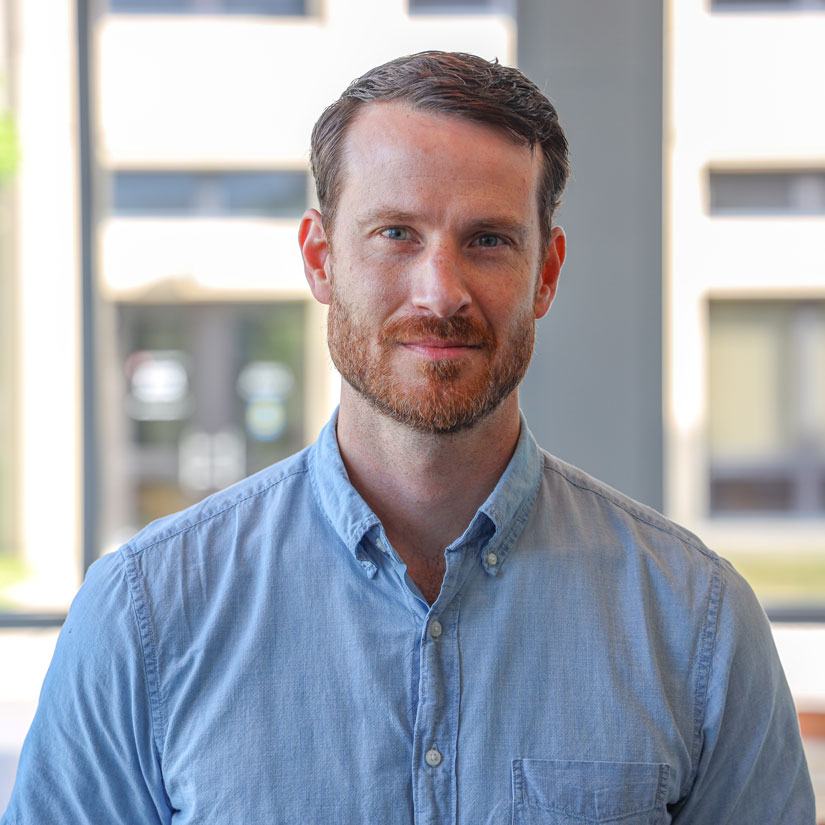
Dr. Jeffrey G. Bell is an Assistant Professor in the Department of Chemistry at Washington State University (WSU) since August 2020. He also serves as Affiliate Faculty in the Voiland School of Chemical Engineering and Bioengineering and as Associate Editor of ECS Sensors Plus . His research focuses on developing affordable diagnostic tools and advancing energy storage technologies through magnetoelectrochemistry, 3D-printed sensors, and novel battery systems. He holds a PhD from the University of Windsor (2017) and completed postdoctoral studies at Harvard University (2017–2020). Education: PhD in Chemistry, University of Windsor (2017) BSc Honors Chemistry, University of Windsor (2012) Postdoctoral Fellow, Harvard University (2017–2020) Research Interests: Electrochemical sensors for biomedical and environmental applications Magnetoelectrochemistry for enhancing battery performance 3D-printed point-of-care diagnostic devices Aqueous energy storage systems (e.g., zinc-ion batteries) Recent Trends in Publications: Dr. Bell’s work emphasizes integration of magnetic fields with electrochemistry to improve sensor sensitivity and battery stability. Recent studies explore novel materials for electrodes, low-cost diagnostics, and applications in global health equity. Funding & Grants: NSF CAREER Award (2025–2030): Calibration-Free Sensors for Biofluid Analysis ACS Petroleum Research Fund (2025–2027): Cobalt-based Catalysts for CO₂ Reduction Commercialization Gap Fund (2025): Enhanced Aqueous Zinc-Manganese Batteries Lab & Team: The Bell Group includes postdocs, graduate students (e.g., Sireesha Pedaballi, William McLeod), and undergraduates. Research spans electrochemistry, materials science, and device fabrication for healthcare and energy solutions.
Nicholas Manicke, Ph.D., is a Professor at Indiana University Indianapolis’ School of Science, affiliated with the Chemistry & Chemical Biology and Forensic & Investigative Sciences departments. As Associate Director of the Forensic & Investigative Sciences Program, he pioneers ambient ionization mass spectrometry methods like Paper Spray and DESI for rapid analysis of biofluids, drugs, and chemical warfare agents without traditional sample preparation. His work bridges biomedical research, forensic science, and homeland security, focusing on translating lab innovations into field-deployable solutions.
Leslie Carstensen Floren, PharmD, MA, is an Associate Adjunct Professor in the Department of Bioengineering and Therapeutic Sciences (BTS) at the University of California, San Francisco (UCSF) School of Pharmacy. She serves as Academic Coordinator & Director of Professional and Postdoctoral Educational Affairs in BTS and co-Director of the NIH-funded UCSF Clinical Pharmacology Fellowship Training Program. Education and Training Postdoctoral Fellowship, Department of Biopharmaceutical Sciences, UCSF (1997) Residency, UCSF School of Pharmacy PharmD, UCSF School of Pharmacy (1994) MA, Health Professions Education, UC Berkeley (2013) Diversity, Equity, and Inclusion Champion Training, UCSF (2020) Research and Teaching Interests Dr. Floren’s primary teaching responsibilities encompass pharmacokinetics, pharmacodynamics, clinical pharmacology, and drug development/regulatory sciences for PharmD students, Clinical Pharmacology Fellows, junior faculty, and industry professionals. She is nationally recognized for her innovative approaches to curriculum development, assessment methods, and integration of educational technology, with a particular focus on interprofessional education and mobile learning solutions. Her scholarly work explores how interprofessional teams construct knowledge in clinical settings, employing qualitative and quantitative methods to evaluate educational interventions that improve collaborative practice and patient outcomes. Recent projects include telehealth outreach rotations during COVID-19, geriatric immersion experiences, and mobile learning modules to enhance knowledge construction among health professions students. Honors and Awards UCSF Teaching Scholars Program, School of Medicine (2012) Long Award for Excellence in Teaching, UCSF School of Pharmacy (2010) UCSF School of Pharmacy Dean’s Recognition for Excellence in Teaching (2005–2012) Postdoctoral Research Fellowship, Department of Biopharmaceutical Sciences, UCSF (1995–1997) Leadership and Service As Academic Coordinator & Director of Professional and Postdoctoral Educational Affairs, Dr. Floren oversees curriculum design, assessment strategies, and accreditation activities for BTS educational programs. She co-directs the NIH-funded UCSF Clinical Pharmacology Fellowship Training Program, mentoring fellows and junior faculty in clinical pharmacology research and education. Additionally, she serves on UCSF Academic Senate committees and contributes to university-wide initiatives in diversity, equity, and inclusion.
Zhen Zhang is a Researcher at Purdue University's School of Materials Engineering , focusing on interdisciplinary research at the intersection of materials science and biomedical analysis. Their work emphasizes advanced proteomic and metabolomic methodologies using mass spectrometry. University: Purdue University School: School of Materials Engineering Position: Researcher Research Interests Materials Science (e.g., polyoxometalate-based materials) Bioanalysis (e.g., lipid and protein profiling) Proteomics and microprotein discovery Metabolomics and lipidomics Development of chemical labeling techniques Applications in disease diagnostics Publication Trends Zhang's recent publications highlight: Innovative RNA-binding proteome profiling via labeling approaches Lipid metabolism studies in fetal heart defects and asymptomatic COVID-19 Advanced LC-MS methodologies for trace sample analysis Development of polyoxometalate materials for pollutant removal and biomedical applications Exploration of microproteins in cancer and cardiovascular diseases Contact Email: zhan2395@purdue.edu
Frédéric Lemaître is a Full Professor at Sorbonne Université’s Faculty of Science and Engineering, Department of Chemistry. His career includes roles as an Assistant Professor (2004–2020) and Associate Professor (2004–2020) before achieving his current rank in 2020. He holds a double PhD (Physical and Molecular Chemistry) from Université de Bourgogne and Université de Sherbrooke. His research focuses on bioelectrochemistry, particularly single-cell secretion detection and photosynthetic bioelectricity production. Education: PhD in Physical Chemistry (University of Bourgogne, France) PhD in Molecular Chemistry (Université de Sherbrooke, Canada) Habilitation Thesis (2012, Université Pierre et Marie Curie) Research Interests: Electrochemical detection of exocytosis Photosynthetic electron harvesting Fluorescence-electrochemistry coupling Quinone-mediated energy systems Microelectrode array applications Publications: Over 50 peer-reviewed articles, with recent work emphasizing quinone reduction mechanisms, microbial solar cells, and single-cell secretion analysis. Key contributions include coupling electrochemistry with advanced microscopy techniques for real-time analysis. Awards: Early Career Electrochemistry Prize (2015, French Chemical Society) Teaching: Teaches General Chemistry, Organic Chemistry, Electrochemistry, and Thermodynamics at Sorbonne Université. Also instructs at CEPAC (Chemistry Aggregation Preparation Center) on electrochemical principles. Authored textbooks including Maxi-Fiches de Chimie Générale and De l’Oxydo-Réduction à l’Electrochimie . Labs/Teams: Leads research groups focused on bioelectrochemical systems and photosynthetic energy conversion, collaborating with institutions like the Ecole Normale Supérieure de Paris and international societies (ISE, BES).
Professor Sangeeta Tanna is a leading academic in Pharmaceutical Analysis at the Leicester School of Pharmacy, De Montfort University, within the Faculty of Health and Life Sciences. Her research sits at the intersection of analytical science and clinical practice, focusing on improving patient healthcare through innovative diagnostic and monitoring tools. University: De Montfort University School: Leicester School of Pharmacy Academic Rank: Professor Email: stanna@dmu.ac.uk Her research interests center on translational applications of analytical techniques, particularly in detecting substandard and counterfeit medicines using ATR-FTIR, Raman, and mass spectrometry. She pioneers the use of dried blood spot (DBS) analysis for medication adherence, therapeutic drug monitoring, and pediatric pharmacokinetics. Her work enables minimally invasive, patient-centered monitoring of cardiovascular and chronic disease treatments. She co-authored the book Analytical Chemistry for Assessing Medication Adherence (Elsevier), which consolidates key methodologies in the field. The recent publications reflect a strong trend in global health impact, with studies conducted in Kenya and Iraq demonstrating how DBS analysis improves clinical outcomes by identifying non-adherence and poor-quality medicines. Her work integrates hyphenated mass spectrometry techniques (LC-HRMS, LC-MS/MS) for high-precision bioanalysis and has led to changes in clinical practice by embedding pharmacists into care teams. Her scientific awards highlight her contributions to analytical science and pediatric care: APS PharmSci Geoffrey Phillips Analytical Science Commendation Prize (2016) Nominated for THE Research Project of the Year (2012) Royal Society of Chemistry Analytical Methods Prize (2010) British Pharmaceutical Conference Science Poster Prize (2009) Runner-up, Westminster Medal & Prize (2003) Prof. Tanna has led major research projects on medication adherence in collaboration with Kenyatta National Hospital (Kenya) and hospitals in Iraq. She also leads initiatives on rapid medicine authentication with the Pharmacy and Poisons Board, Kenya, and a risk-based surveillance model in Zambia funded by the Commonwealth PhD Scholarship. As Chair of the Athena SWAN self-assessment team, she led DMU’s first departmental submission, earning a Bronze award in 2019. She actively welcomes PhD students and international collaborations. She is affiliated with the Pharmacy Practice Research Group and is a Fellow of the Royal Society of Chemistry, British Mass Spectrometry Society, and the Academy of Pharmaceutical Sciences. Her public lectures and media appearances, including BBC and CCTV coverage, underscore the societal impact of her research.
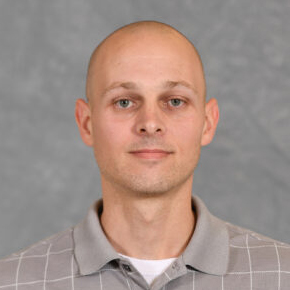
Per Ola Rønning is an Associate Professor at OsloMet's Faculty of Technology, Art and Design, Department of Mechanical, Electrical and Chemical Engineering. His research spans clinical medical sciences with a focus on mass spectrometry , chromatographic methods , and metabolomics . Affiliation: OsloMet - Storbyuniversitetet Research Fields: Sensor technology, Bioanalysis, Analytical chemistry Research Groups: ADvanced hEalth intelligence and brain-insPired Technologies (ADEPT), Smart Water Engineering Group (SWING) His recent publications demonstrate technical expertise in LC-MS/MS and dried blood spot metabolomics, with applications in autism spectrum disorders, fish welfare monitoring, and antibiotic resistance prevention. Current research interests include optimizing analytical methods for metabolomics and exploring caffeine's physiological effects in athletes. Contact: perola.ronning@oslomet.no
Ariadna Verdaguer Ferrer is a Researcher at the Department of Analytical and Applied Chemistry within IQS School of Engineering . Her work focuses on advanced analytical techniques for environmental and biomedical applications. Education: PhD in Chemistry (2012, URL) Chemical Engineering (2006, IQS) Bachelor of Chemistry (2003, URL) Research Interests: Characterization of water, contaminated soils, and industrial waste; development of electrochemical sensors for fusion reactors; analysis of pharmaceutical and environmental samples; and non-invasive cancer diagnostics through extracellular vesicle analysis using ICP-MS. Key Projects: Leading the AVEx project for early cancer detection and contributing to EQBA (Electrochemistry and Bioanalysis Group) and SEMOlMETFUS sensor development initiatives. Collaborations: Works with institutions like AGAUR and Agencia Estatal de Investigación, focusing on proton conductors, dielectric spectroscopy, and gold nanoparticle applications.
Professor Peter Cormack is affiliated with the University of Strathclyde as a Professor of Polymer Chemistry in the Department of Pure & Applied Chemistry within the Faculty of Science . He has held leadership roles including Head of Materials and Computational Chemistry since 2017 and Associate Dean for International Research from 2015 to 2018. BSc in Chemistry with First Class Honours (1992), University of Strathclyde PhD in Polymer Chemistry (1996), University of Strathclyde His research focuses on synthetic polymer chemistry and materials science , particularly the design, synthesis, and applications of functional organic polymers . Key areas include molecularly imprinted polymers , microporous solids , and self-assembling systems for applications like chemical separations , biomedical devices , and environmental analysis . Recent research trends highlight advancements in functional materials for solid-phase extraction, drug analysis, and pharmaceutical applications, as seen in his latest publications on polydivinylbenzene microspheres and cation-exchange polymer microspheres. Scientific Awards RSC/SCI Macro Group UK Young Researchers' Medal (2005) Gold Medal, ITEX ‘25 (2025) Most Innovative Teacher nominee (2014) Professor Cormack has supervised numerous graduate and postdoctoral researchers and actively collaborates internationally. He has participated in 141 activities, including invited talks and examinations, and his work aligns with UN Sustainable Development Goals for environmental and health-related applications.
Urs Duthaler is a Senior Researcher at the Institute of Forensic Medicine , University of Basel, specializing in Forensic Chemistry and Toxicology . His career spans roles at the University Hospital Basel and the Swiss Tropical and Public Health Institute, focusing on clinical pharmacology, mass spectrometry, and drug metabolism. Affiliation: University of Basel (Institute of Forensic Medicine) Previous Affiliation: University Hospital Basel (Klinische Pharmakologie und Toxikologie) Education: PhD in Pharmaceutical Sciences (2011), Habilitation (2020), Master in Pharmaceutical Sciences (2006) Research Interests include pharmacokinetics, forensic toxicology, mass spectrometry-based drug analysis, and pediatric pharmacology. His recent publications focus on analytical methods for MDMA and opioids, dose optimization in liver cirrhosis, and antimalarial drug efficacy. Collaborative work extends to cancer therapy and viral metabolism. Scientific Affiliations: Swiss Society of Clinical Pharmacology & Toxicology Swiss Group for Mass Spectrometry International Association of Forensic Toxicologists Swiss Society for Forensic Medicine Swiss Tropical and Public Health Institute Contact: urs.duthaler@bs.ch | Phone: +41 61 267 38 89
Alexander Revzin, Ph.D., is a Professor of Biomedical Engineering at Mayo Clinic in Rochester, Minnesota, with a primary appointment as a Consultant in the Department of Physiology & Biomedical Engineering and a joint appointment in the Division of Gastroenterology and Hepatology, Department of Internal Medicine. He leads the Cellular Microsystems and Biosensors Laboratory, a multidisciplinary team developing microphysiological systems (organs-on-chip) to study liver fibrosis, stem cell biology, and biosensor applications. Department: Department of Physiology & Biomedical Engineering School: Mayo Clinic College of Medicine and Science Research Lab: Cellular Microsystems and Biosensors Laboratory Email: revzin.alexander@mayo.edu Dr. Revzin's research lies at the intersection of engineering and biology, with a focus on microfabrication, microfluidics, biosensors, and regenerative medicine. His lab develops innovative platforms for cell cultivation and analysis, including liver-on-chip devices, stem cell spheroid systems, and biosensors for inflammatory cytokines and metabolites. These tools aim to model liver injury, improve stem cell differentiation, and enable point-of-care diagnostics, particularly for infectious diseases and liver conditions. The 15 most recent publications (2023–2025) reflect a strong trend toward personalized medicine, organ-on-chip modeling, and biosensor integration. Key themes include microencapsulation of stem cell-derived tissues, microfluidic organoids for cancer therapy testing, extracellular vesicle analysis, and real-time monitoring of cellular function. His work spans high-impact journals in bioengineering, materials science, and translational medicine. Scientific awards and professional recognition include: Fellow, American Institute for Medical and Biological Engineering (AIMBE), 2015 Program Director, Nano-Biosensing, National Science Foundation, 2013–2014 Chancellor’s Fellow, University of California, 2012 Associate Editor, Microsystems & Nanoengineering (Nature group journal), 2014–present Dr. Revzin actively mentors a large team of researchers and students, with frequent co-authorship from lab members such as Gwon K, de Hoyos-Vega JM, Gonzalez-Suarez AM, and Stybayeva G. His lab is equipped for microfabrication, cell culture, and biosensor development, supporting both basic and translational research. While no explicit grant details are listed, his leadership in major journals and multi-institutional collaborations suggests strong funding support. The Cellular Microsystems and Biosensors Laboratory fosters interdisciplinary collaboration, integrating mechanical, chemical, and biomedical engineers with chemists and biologists to advance regenerative medicine and diagnostic technologies.