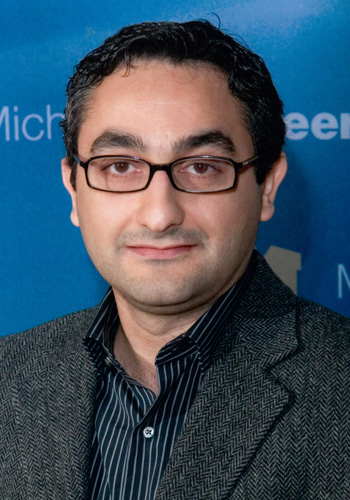
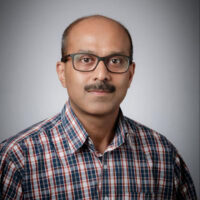
Dr. Mohammad Reza Abidian is an Associate Professor in the Department of Biomedical Engineering at the University of Houston, part of the Cullen College of Engineering. His research focuses on integrating organic bioelectronics with neural tissue to develop neuroelectronic devices for treating neurological disorders. Key areas include materials science (design of biocompatible devices), electronics (neural interface technologies), neuroscience (in vivo testing), and biomedical translation (clinical applications). Education: PhD in Biomedical Engineering from University of Michigan, Ann Arbor; Master’s and Bachelor’s in Biomedical and Mechanical Engineering from Amirkabir University of Technology, Tehran. His work emphasizes multidisciplinary innovation, such as 3D-printed organic semiconductor devices, conductive polymer nanotubes for drug delivery, and femtosecond laser fabrication. He leads the Abidian Lab, pioneering bioelectronic medicine and neural prosthetics. Awards: Single-PI NIH R01 grant (5-year award). His research bridges fundamental science with clinical applications, addressing challenges in neural regeneration, tumor-targeted therapy, and biosensor development. Grants and collaborations support his mission to advance biomedical technologies.
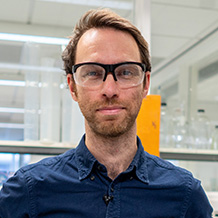
Dr Christopher Spicer is a Lecturer in Chemistry at the Department of Chemistry, University of York. His research focuses on developing synthetic biomolecules and materials to modulate biological systems, with particular emphasis on tissue regeneration and biomaterial design. The Spicer Lab employs interdisciplinary approaches combining chemical biology, materials chemistry, and bioengineering to create platforms that mimic natural regenerative processes. Key research areas include bioconjugation chemistry, dynamic material systems, and the design of 3D scaffolds for controlled cellular behavior. The lab's work bridges chemistry, biology, and materials science to address challenges in regenerative medicine. Current PhD opportunities are available in these fields. Dr Spicer's research emphasizes modular biomaterial platforms, enzymatically triggered delivery systems, and the development of novel bioactive materials. His work is supported by cutting-edge techniques such as solid-phase peptide synthesis, metadynamics simulations, and advanced microscopy. Contact: chris.spicer@york.ac.uk / Spicer Lab Website
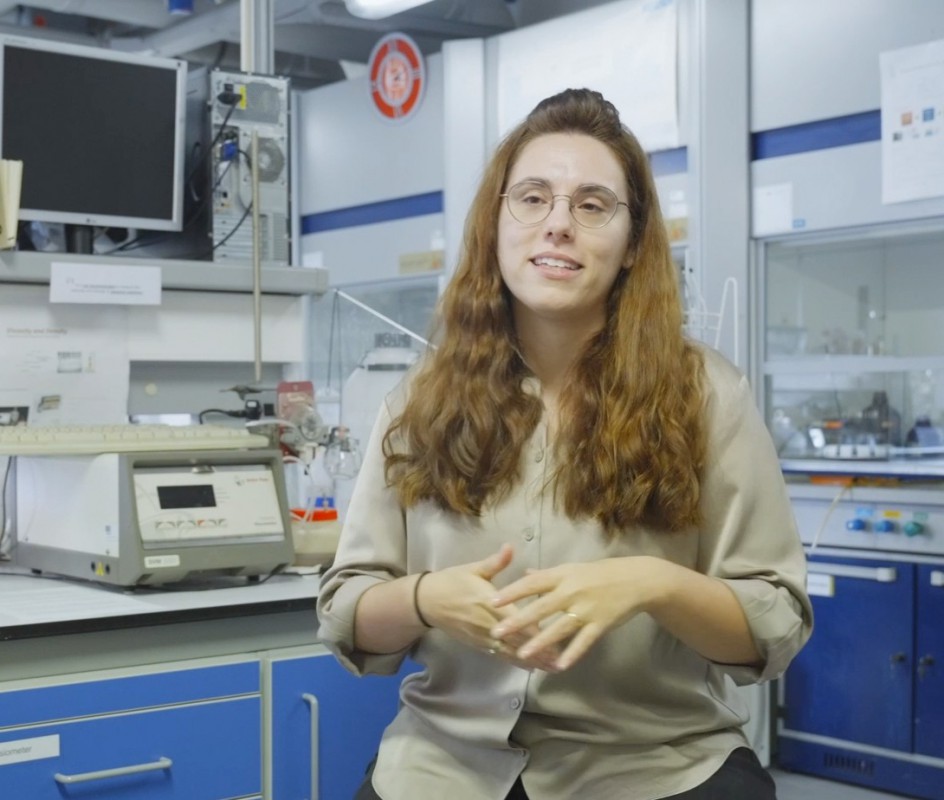
Ana Maria da Conceição Ferreira Takahashi is a Junior Researcher at the Aveiro Institute of Materials (CICECO), University of Aveiro, Portugal. She holds a PhD in Chemical Engineering (2018) and has conducted international research at institutions in Brazil, Japan, Germany, and Portugal. Her work focuses on sustainable processes using eco-friendly solvents for biomass valorization and plastic waste recycling, integrating green chemistry and biotechnology within circular economy frameworks. She leads the FCT-funded project GreenPATH, developing enzymatic depolymerization strategies for polymer recycling. With 43 peer-reviewed publications (h-index 20), she collaborates with industries like LEGO and Volvo in EU initiatives. She has supervised over 25 students and received the CICECO Young Researcher Award (2024). Education: BSc (2011), MSc (2013), and PhD (2018) in Chemical Engineering from University of Aveiro. Postdoctoral work included TUM University Foundation Fellowship (Germany) and JSPS Fellowship (Japan). Research interests emphasize bio-based solvents (ionic liquids, DESs), enzyme-assisted depolymerization, and computational tools like COSMO-RS for solvent selection. Projects include plastic additive removal, biomass extraction, and industrial collaboration for sustainable technologies.
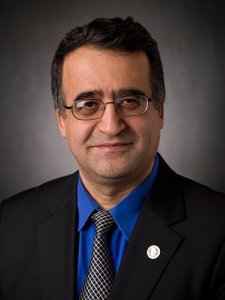
Ali Demirci is a Professor in the Department of Agricultural and Biological Engineering at the College of Agricultural Sciences, Pennsylvania State University, where he leads research in food safety engineering and sustainable bioprocessing. His work bridges agricultural engineering with microbiology to develop innovative solutions for food safety and bioresource utilization. His research program focuses on three interconnected domains: Non-thermal Food Safety : Development and characterization of pulsed UV light, electrolyzed oxidizing water, and ozone for microbial inactivation on food surfaces and equipment Advanced Bioreactor Systems : Design of biofilm bioreactors for enhanced production of high-value compounds like menaquinone-7 and nisin using immobilized microbial cultures Waste Valorization : Conversion of agricultural byproducts (particularly distillers' dried grains) into biofuels, enzymes, and functional food ingredients through optimized fermentation processes Analysis of his 2022-2025 publications reveals a strategic research trajectory toward sustainable bioprocess intensification. His work increasingly integrates circular economy principles, focusing on non-sterile processing, waste stream utilization, and techno-economic feasibility. Key technological threads include biofilm reactor scalability, lignocellulosic enzyme optimization, and pulsed light decontamination systems for industrial implementation. Professional recognition includes being honored as part of the Penn State College of Agricultural Sciences faculty by a national society in October 2024, highlighting his contributions to agricultural engineering. Dr. Demirci's research program demonstrates strong industry relevance through development of practical technologies for food safety enhancement and agricultural waste conversion. His collaborations span microbiology, food science, and chemical engineering disciplines, with publications appearing in leading journals including Bioprocess and Biosystems Engineering, Journal of Food Engineering, and Food and Bioprocess Technology. Current projects focus on scaling biofilm reactor technologies and integrating first- and second-generation bioethanol production systems.
Thomas Schnabel is a Research Group Leader and Senior Researcher in Design and Green Engineering at Salzburg University of Applied Sciences, where he heads the Green Materials and Processing research group and leads the Salzburg Center for Smart Materials 2.0 initiative. His work bridges academic research with practical industrial applications in sustainable materials science. His research focuses on: Valorization of wood byproducts, particularly tree bark extracts for multiple applications Development of natural fiber insulation materials from recycled wood residues Life cycle assessment of sustainable material production processes Application of bioactive compounds from bark for biomedical uses Green chemistry approaches to material processing and purification Dr. Schnabel's publication record shows a cohesive research trajectory focused on extracting maximum value from wood processing byproducts. His recent articles demonstrate increasing sophistication in characterizing bark extracts and developing practical applications across construction, biomedical fields, and sustainable manufacturing. The research directly contributes to UN Sustainable Development Goals related to responsible consumption, climate action, and industry innovation. He leads multiple significant research initiatives including: NETTLE: Cross-border cooperation for alpine plant bioactive compounds (2024-2026) DRWO4.0: Danube Region Wood Industry Transformation toward Industry 4.0 (2024-2025) SCSM 2.0: Salzburg Center for Smart Materials 2.0 (2023-2026) User-centered teaching materials development in forestry and bioeconomy (2023-2026) His collaborative network spans the Danube region and beyond, reflecting the international significance of his work in advancing sustainable materials science and engineering practices.
Gaston Courtade is an Associate Professor in Biopolymer Science at the Department of Biotechnology and Food Science, Faculty of Natural Sciences, Norwegian University of Science and Technology (NTNU). He leads research in protein dynamics and interactions between proteins and carbohydrates, focusing on lytic polysaccharide monooxygenases (LPMOs) and their structural-functional relationships. His research explores enzymatic mechanisms in biopolymer degradation, particularly through Characterization of LPMO activity on crystalline and non-crystalline substrates NMR and EPR spectroscopy for protein dynamics Role of carbohydrate-binding modules (CBMs) in enzyme efficiency Development of assays for plastic-degrading enzymes Redox chemistry in enzymatic catalysis His recent publications highlight trends in LPMO engineering , PET hydrolysis , protein expression systems , and oxidative stability of enzymes , with a strong emphasis on structural and functional analysis using advanced biophysical techniques.
Jens Dittmer is a Professor at Le Mans University, affiliated with the Institute of Molecules and Materials of Le Mans (IMMM). His research focuses on advanced solid-state NMR techniques for studying paramagnetic systems, ion conductors, hybrid perovskites, and polymer degradation. Key projects include developing NMR methods for paramagnetic materials, analyzing lithium garnets for battery applications, and collaborating with Pratt Institute on art conservation using NMR. Primary Affiliation: Institute of Molecules and Materials of Le Mans (IMMM), Le Mans University Research Highlights: Paramagnetic Solid-State NMR, Ion Mobility in Garnets, Hybrid Perovskite Photovoltaics, Polymer Degradation in Art Conservation His work bridges fundamental NMR physics with applied material science, particularly in energy and cultural heritage sectors. Collaborations span international institutions including University of Rennes, ParisTech, and Pratt Institute. Current projects emphasize sustainable material design and non-invasive analytical techniques.
Raja Ghosh is a Professor in the Department of Chemical Engineering at McMaster University's Faculty of Engineering. His research focuses on bioengineering and polymer materials, with specialization in membrane technology for biopharmaceutical applications. He is actively involved in the Health & Bio-innovation research cluster and teaches courses such as CHEM ENG 3BM3: Bioseparations Engineering and CHEM ENG 782: Biopharmaceuticals . Research Interests include membrane chromatography device design, bioseparations process development, membrane bioreactors for enzymatic and protein applications, and therapeutic protein stabilization. His work addresses scalable purification methods for monoclonal antibodies, PEGylated proteins, and viral vectors. Recent Publications highlight innovations in cuboid chromatography design, pH-modulated ion-exchange systems, and SARS-CoV-2 spike protein purification. He employs computational fluid dynamics (CFD) simulations to optimize device performance and reduce pressure drops in bioseparation processes. Contact Information : Email: rghosh@mcmaster.ca Office: JHE A408 Phone: 905-525-9140 ext. 27415
Kevin Edgar is a Professor of Biomaterials and Bioprocessing and Director of the ICTAS Bio-Based Materials Center at Virginia Tech's College of Natural Resources and Environment, Department of Sustainable Biomaterials. With a Ph.D. in Organic Chemistry from Duke University (1979) and a B.S. in Chemistry from Bucknell University (1975), he has established himself as a leading researcher in polysaccharide chemistry and sustainable biomaterials. Dr. Edgar's research focuses on designing and creating derivatives of natural polysaccharides to address demanding performance requirements, exploring structure-property-performance relationships for applications including drug-delivery systems, tissue engineering, biodegradable plastics, polymer compatibilization, hydrogels, and block copolymers. His work specifically targets novel methods to control and utilize the nanostructure of polysaccharides, with emphasis on regioselective substitution reactions of complex polysaccharides. He investigates how to effectively utilize natural polysaccharides to address societal needs, leveraging their diverse natural functions from structural support to information storage. Analysis of his recent publications reveals a strong focus on hydrogel development, drug delivery systems, and polysaccharide modification techniques. His work spans fundamental chemistry of polysaccharides to applied pharmaceutical and medical applications, with particular emphasis on creating sustainable alternatives to fossil fuel-based materials. The research demonstrates consistent innovation in regioselective synthesis methods and structure-property relationships of polysaccharide derivatives. 2023 Appointed to Virginia Tech Academy of Faculty Leadership 2022 Virginia Tech College of Natural Resources and Environment Outstanding Graduate Student Mentor Award 2016 Anselme Payen Award for outstanding professional contributions to cellulose science 2010 Named Fellow of the ACS Division of Cellulose and Renewable Materials 2009 Named Fellow of ACS (inaugural class of ACS Fellows) Dr. Edgar has mentored numerous graduate students through their Ph.D. and Master's research, with many receiving prestigious awards including multiple Eastman Awards for outstanding graduate students. His research has been supported by significant grants from NSF, USDA NIFA, and other funding agencies. He leads the ICTAS Bio-Based Materials Center and co-directs the Infectious Disease Interdisciplinary Graduate Education Program, demonstrating strong leadership in interdisciplinary research. His lab actively develops sustainable biomaterials with applications in drug delivery, tissue engineering, and environmental health.
Sébastien Fortin is a Full Professor at the Faculty of Pharmacy, Laval University, and a researcher at the Research Center of the CHU of Quebec – Laval University, where he leads the Oncology Axis. He is actively engaged in both teaching and research, with a strong focus on targeted cancer therapies and pharmaceutical chemistry. Bachelor's degree in Chemistry, Laval University Master's degree in Pharmacy, Laval University Joint Doctorate in Pharmacy (Laval University) and Life and Health Sciences (Auvergne 1 University, France) Postdoctoral Internship in Pharmacy, Laval University Postdoctoral Internship in Chemistry-Biology, University of Quebec in Trois-Rivières His research interests lie at the intersection of fundamental and translational science, particularly in the development of innovative anticancer agents. His work emphasizes targeted therapies , with projects focusing on prodrug development for breast cancer , characterization of amino acid transporters , and novel agents for acute myeloid leukemia (AML) . He employs a multidisciplinary approach combining pharmaceutical chemistry, molecular and cellular biology, pharmacology, and molecular modeling. The recent publications highlight a consistent trajectory in CYP1A1-targeted prodrugs , antimitotic agents , and metabolic inhibitors like DHODH . His team has developed novel families of compounds such as N-alkylphenylimidazolidones (AIMZs) and phenyl ureidobenzenesulfonates (PUB-SOs), demonstrating selective cytotoxicity and differentiation-inducing properties in cancer cells. These studies span from chemical synthesis to in vitro and in vivo evaluation, reflecting a robust drug discovery pipeline. Bourse de carrière (niveau junior 2), FRQS (2023–2026) Bourse de carrière (niveau junior 1), FRQS (2018–2022) Prix de la meilleure thèse en cotutelle franco-québécoise (2011) Prix de recherche GlaxoSmithKline/AFPC (2012) IRSC Postdoctoral Fellowship (2012) FRQS Doctoral Fellowship (2007–2009) Dr. Fortin supervises several graduate students and has secured significant funding from national agencies including NSERC, CIHR, and Fonds de recherche du Québec. His research is supported by infrastructure grants from the Canada Foundation for Innovation (CFI). He collaborates with professionals and students in his research team, advancing projects from molecular design to preclinical validation. His lab is involved in cutting-edge work on molecular probes for amino acid transporters , precision oncology , and drug delivery systems , positioning his research at the forefront of modern pharmaceutical sciences.
Associate Professor Nicolas Bordenave is a cross-appointed member at the School of Nutrition Sciences, University of Ottawa, focusing on molecular interactions between macronutrients and phytonutrients in food systems. His research explores how these interactions affect glycemic response and phenolic bioavailability in cereal, fruit, and vegetable-based systems. Education: Ph.D. in Food Science (specific institution not mentioned in text) Prior Roles: Research positions at PepsiCo (Chicago, UK) and postdoctoral training at Purdue University's Whistler Center Professional Involvement: Board member of Feeding Tomorrow (IFT Foundation), contributor to Radio Canada's Moteur de recherche program His research spans starch/phenolic interactions , nutritional functionality , and biodegradable packaging materials , with applications in metabolic health and food formulation . Recent publications highlight trends in beta-glucan viscosity , starch digestibility , and phytonutrient delivery . Scientific contributions include methodological advancements in glycemic response assessment and chitosan-based packaging . Key collaborations include work with researchers at Purdue, PepsiCo, and industry partners. His lab investigates macronutrient-phytonutrient interactions , nutritional biochemistry , and functional food design . Current projects align with improving metabolic health through optimized food structures.
Paulo Jorge Da Silva Bartolo is a Professor at the School of Mechanical & Aerospace Engineering, Nanyang Technological University (NTU), and Executive Director of the Singapore Centre for 3D Printing (SC3DP). He holds the President's Chair in Additive Manufacturing and has previously served as Chair Professor of Advanced Manufacturing at the University of Manchester (2014-2021) and founded the Centre for Rapid and Sustainable Product Development at the Polytechnic Institute of Leiria (2007-2013). Current: Professor, NTU Singapore 2014-2021: Chair Professor, University of Manchester 2007-2013: Director, Centre for Rapid and Sustainable Product Development (Portugal) His research spans the interface of biology and engineering , focusing on additive manufacturing for medical applications. Key areas include 3D-printed scaffolds for bone tissue engineering , graphene composites , biomanufacturing , and functionally graded materials in construction. His work integrates materials science with mechanical engineering to advance regenerative medicine and sustainable manufacturing. Prominent trends in his recent publications include multi-material scaffolds for bone regeneration, electrospinning techniques , and smart nanogels for environmental sensing. These studies emphasize nanotechnology integration , biomimetic design , and precision manufacturing across biomedical and civil engineering domains. Fellow of CIRP (International Academy of Production Engineering) Commendation from Portuguese Government (2021) Commendation from Polytechnic Institute of Leiria (2014) Council Award Afonso Lopes Vieira for Innovation (2009) With over 600 publications, 22 edited books, and 16 patents, Bartolo's work drives cross-disciplinary innovation. He has served on evaluation panels for the European Research Council , EPSRC , BBSRC , and funding agencies across Portugal, Italy, Netherlands, Belgium, France, Canada, Switzerland, and South Africa. As Academic Lead for Industry 4.0 at the Thomas Ashton Institute and former Head of the Manufacturing Group at the University of Manchester, he bridges digital manufacturing with health and safety research. His leadership extends to the EPSRC Global Challenges Research Fund and Manufacturing Futures panels.
Dr. Julian McClements is a Distinguished Professor in the Department of Food Science at the University of Massachusetts Amherst. He also holds adjunct/visiting roles at Zhejiang Gongshang University (China), Harvard University, and King Abdulaziz University (Saudi Arabia). His research focuses on food biopolymers, colloids, and delivery systems for nutrients/nutraceuticals, with over 1,200 peer-reviewed articles and 12 patents. He has secured $11.5M in grants and authored seminal books like *Future Foods* and *Food Emulsions*. Awards include the Nicolas Appert Award (IFT’s highest honor) and multiple fellowships. Education : Ph.D. in Food Science (1989), University of Leeds, UK. Postdoctoral training at UC Davis, University College Cork, and Leeds. Research Interests : Designing plant-based foods, food nanotechnology, encapsulation systems, and gastrointestinal fate of nutrients. His lab explores emulsion stability, hydrogel matrices, and sustainable food architectures. Achievements : Top-cited author in Agricultural Sciences (ISI) Over 1200 publications (H-index 162) Recipient of 12 patents Editorial roles at *Annual Reviews in Food Science and Technology* and other journals Advising & Grants : Advised numerous students (not listed) and secured grants from USDA, NSF, NASA, and industry partners. Research emphasizes healthful, sustainable food systems. Labs/Teams : Leads the Biopolymer and Colloids Research Group, organizing international conferences on food colloids and delivery systems.
Dr. İkilem Göcek serves as an Associate Professor in the Department of Textile Engineering at Istanbul Technical University, where they lead innovative research at the intersection of textile science and biomedical applications. Their work spans multiple disciplines including nanotechnology, functional textiles, and medical device development. Dr. Göcek's research focuses on advanced textile applications , particularly in developing biosensors , UV-protective nanofibrous materials , and medical textiles . Their fingerprint analysis shows strong concentration in nonwoven fabrics (75%), textile-based engineering (83%), and wicking properties (68%), indicating a specialized expertise in functional textile development for technical applications. The publication trends reveal a clear progression toward medical and technical textile applications , with recent work focusing on bone scaffolds (2025), textile-based strain sensors (2023), and UV-protective nanofibrous mats (2022). This trajectory demonstrates increasing sophistication in merging traditional textile engineering with cutting-edge biomedical applications. Dr. Göcek actively leads multiple research projects including: Sustainable nonwoven surface materials development (2025) Next-generation multifunctional hemostatic products (2025-2028) Bioactive agents from food waste for bone damage treatment (2023-2026) Sustainable home air conditioner filter design (2024) Medical sector absorbable surgical hemostat development (2024-2025) Nanocomposite nanofiber drug delivery systems for wound dressings (2022-2024) Flexible wearable lower body exoskeleton systems (2020-2023) With an h-index of 7 and 29 research outputs documented, Dr. Göcek maintains an active research program with substantial collaborative networks across multiple technical domains.
Cyril Kahn is a Lecturer at University of Lorraine with extensive research in nanoliposome technology and biomaterials development. His work bridges pharmaceutical sciences, tissue engineering, and biomedical applications with a particular focus on drug delivery systems. His primary research interests include Nanoliposome Technology , Drug Delivery Systems , Tissue Engineering , and Biomaterials Development . Kahn's research demonstrates significant innovation in creating targeted delivery systems for neuroprotective agents, particularly using curcumin and other natural compounds. His work on GelMA hydrogels and 3D printing represents cutting-edge approaches to scaffold development for tissue regeneration. Analysis of his recent publications (2023-2025) reveals a strong emphasis on Nanoliposome functionalization for targeted drug delivery Advanced hydrogel systems for tissue engineering Multiscale biomaterial design incorporating natural compounds Microfluidic platforms for drug testing Sustainable biomaterial processing techniques Kahn's research shows consistent progression toward more complex, multi-functional biomaterial systems with therapeutic applications. His technical expertise spans nanoliposome formulation, hydrogel characterization, 3D bioprinting, and in vitro testing of biomaterials. The interdisciplinary nature of his work connects pharmaceutical sciences with tissue engineering and materials science.