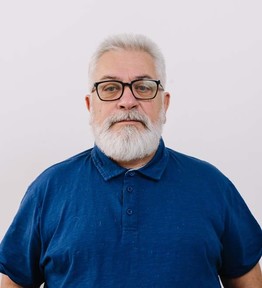
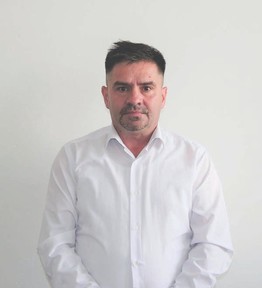
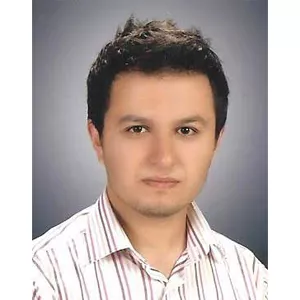
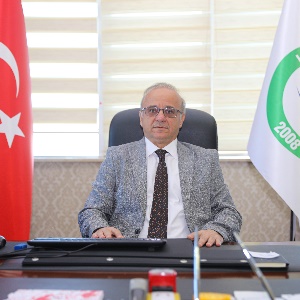
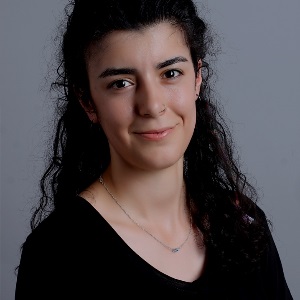
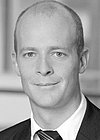
Abdulmagid Alabdul Magid is an Associate Professor at the Faculty of Pharmacy, University of Reims Champagne-Ardenne, and a member of the Reims Institute of Molecular Chemistry (ICMR-UMR CNRS 7312). His research focuses on natural products chemistry, particularly the isolation and characterization of bioactive compounds from plants, including polyphenols, sesquiterpenes, and triterpenoids. He specializes in chromatographic techniques and their application to studying plant secondary metabolites and their pharmacological activities. His work spans enzyme inhibition (e.g., tyrosinase and matrix metalloproteinases), anticancer agents from plant extracts, and chemotaxonomic studies. Collaborations include investigations into propolis derivatives, alfalfa cytotoxicity, and medicinal plants like Salvia and Elaeagnus. His research contributes to drug discovery and understanding plant biodiversity. Abdulmagid’s publications highlight trends in natural product isolation, bioactivity screening, and structure-activity relationships. While no awards or grants are explicitly listed, his involvement with the ICMR suggests active participation in collaborative research projects.
Haroutunian Serko is a Professor of Chemistry at the Agricultural University of Athens (AUA) and President of the board of the Hellenic Agricultural Organization DEMETER. He holds a PhD from AUA and has been a faculty member since 1989, advancing to full Professor in 2002. His research focuses on natural and synthetic bioactive products, with emphasis on valorizing agricultural byproducts, developing functional foods, and creating novel pharmaceuticals and biocides. He has authored 148 publications and edits Journal of Chemistry and International Journal of Functional Nutrition . His key research interests include: Natural product isolation and application Agro-waste management and circular economy Functional food development Anti-estrogenic/anti-angiogenic molecule design Recent work highlights: Utilizing vinification byproducts as dietary supplements Developing biopesticides from essential oils Biorefinery approaches for spent coffee grounds Laboratory affiliations include the Laboratory of Nutritional Physiology & Feeding. He has supervised no listed students but maintains active collaborations across academia and industry.
Prof. Dr. Ladislav Vasilišin is an Assistant Professor at the Faculty of Technology, University of Banja Luka, specializing in Food Technology and Industrial Biotechnology. He is affiliated with the Department of Food Technology and Industrial Biotechnology and holds the position of vanredni profesor (Assistant Professor) since September 2019. His research focuses on food chemistry, plant extracts, functional ingredients, and sustainable food processing technologies. He has authored/co-authored numerous peer-reviewed articles and conference papers, with recent work emphasizing antioxidant properties of plant-based foods, optimization of drying methods for bioactive compounds, and utilization of underutilized crops. His projects include developing nutrient-enriched bakery products and exploring antimicrobial food packaging solutions using local Bentonite and Zeolite materials. He is actively involved in academic projects funded by the Ministry of Science and Technological Development of Republika Srpska, including initiatives like 'Development of sensory-acceptable mixtures of selected spice plants' and 'Development of nutritionally enriched bakery products.' He has co-authored textbooks on instrumental analysis of food products and food technology operations. His collaborative work spans with colleagues across chemistry, environmental science, and agricultural research, addressing topics such as truffle composition, wheat flour quality, and thermal treatment effects on oils. He teaches courses in both bachelor's and master's programs at the Faculty of Technology and Poljoprivredni Fakultet (Agricultural Faculty).
Prof. Goran Vučić is an Associate Professor at the Faculty of Technology, University of Banja Luka, specializing in Food Technology and Industrial Biotechnology. His research focuses on food chemistry, plant-based ingredients, meat science, and antioxidant properties of natural products. He has contributed to over 100 peer-reviewed articles, emphasizing applications in functional foods, traditional Balkan ingredients, and sustainable bioprocessing. He leads projects on food safety, novel ingredient formulation, and industrial biotechnology. His work bridges traditional practices with modern analytical techniques, addressing topics like mineral retention in meats, phytochemical analysis of herbs, and truffle composition. Awards and grants include national projects on food innovation and biomass utilization. Prof. Vučić collaborates with international institutions, contributing to food science advancements in the Western Balkans.
Assoc. Prof. Uğur GÜLLER holds a position at the Faculty of Engineering, Department of Food Engineering at Iğdır University. He completed his PhD in Biochemistry at Atatürk University in 2014, focusing on mitochondrial glutamate dehydrogenase purification. His research spans enzymology, pharmacology, and natural product analysis, with a focus on enzyme inhibition mechanisms of bioactive compounds. He has advised two master’s theses and contributed to projects on antioxidant enzymes and local plant extracts. Awards include 2015 poster prizes for enzyme inhibition studies. He has served as Department Head and participates in academic committees. His research interests emphasize enzyme activity modulation by drugs and natural products, with a focus on antioxidant pathways and drug discovery. Recent work includes studies on resorcinol derivatives as acetylcholinesterase inhibitors and phenolic compounds' effects on glutathione reductase. Conference contributions highlight in vitro/in silico modeling. He teaches courses in food chemistry, enzymology, and analytical chemistry. Grants include projects on apple polyphenol oxidase and local grape antioxidant properties. Labs focus on biochemical analysis and food engineering applications. His work bridges basic enzymology with applied health sciences, emphasizing environmentally relevant models like high-altitude poultry and aquatic light effects.
Evren Yildiztugay is affiliated with Arel University and contributes to academic research in natural products chemistry and pharmacology. Their work focuses on chemical characterization of plant extracts, evaluating biological activities through in vitro and computational methods. Key research areas include antioxidant properties, phytochemical analysis, and drug discovery potential of traditionally used plants like Arum elongatum, Glaucosciadium cordifolium, Tanacetum nitens, and Verbascum species. Recent studies emphasize interdisciplinary approaches combining experimental and computational (network pharmacology) techniques to elucidate mechanisms of bioactivity.
Prof. Ramazan Erenler is a faculty member at the Faculty of Arts and Sciences, Igdir University. His research focuses on phytochemistry, nanoparticle synthesis, and biological activities of plant extracts. He has published extensively on topics such as green synthesis of silver nanoparticles, antioxidant mechanisms in medicinal plants, and molecular docking studies. His work often involves collaboration with international researchers and spans disciplines including analytical chemistry and drug discovery. Research Interests: His primary areas include nanoparticle synthesis using plant extracts, evaluation of antioxidant and antimicrobial properties of natural compounds, and the application of advanced analytical techniques like LC-ESI-MS/MS. He also investigates the pharmacological potential of lesser-studied plant species and their bioactive compounds. Articles Overview: Recent publications highlight his focus on green chemistry approaches for nanoparticle production, quantitative analysis of bioactive compounds, and in vitro studies on anticancer and antimicrobial activities. Collaborative projects often involve Algerian and Turkish institutions, emphasizing regional plant biodiversity. Awards and Grants: No specific awards or grants are listed in the provided information. His work is supported through institutional affiliations and collaborative research networks. Labs/Teams: While no lab names are explicitly mentioned, his research involves interdisciplinary teams focusing on plant biology, nanotechnology, and analytical chemistry methodologies.
Res. Asst. Ahmet Özdemir is a Researcher affiliated with the Department of Turkish Language and Literature at Bingöl University's Faculty of Arts and Sciences. He has been serving as a research assistant since 2009, following his BSc from Gaziosmanpaşa University (2009) and MSc from Atatürk University (2014). He is currently pursuing a PhD in the same field. His academic role focuses on Turkish Language and Literature, but his research interests and publications also extend into interdisciplinary areas such as pharmacology, nanotechnology, and environmental science. Education: Bachelor's: Turkish Language and Literature, Gaziosmanpaşa University (2009) Master's: Turkish Language and Literature, Atatürk University (2014) PhD: Ongoing in Turkish Language and Literature, Institute of Turkic Studies Research Interests: While rooted in Turkish Language and Literature, his work spans diverse domains: linguistics, cultural studies, medicinal chemistry, bioenergy systems, and nanomaterial applications . His recent studies explore topics like antibacterial agents, biochar environmental impacts, and green synthesis of nanoparticles. These interdisciplinary efforts reflect a focus on bridging humanities and scientific innovation. Publications: His articles highlight trends in biomaterials, drug discovery, and ecological sustainability. Key themes include the synthesis of nano-catalysts from plant extracts, biochar's role in soil health, and the diagnostic potential of biomarkers. Awards/Grants: No specific awards or grants mentioned in the provided text. Labs/Teams: No lab affiliations explicitly stated. However, his collaborative research in chemistry and biology suggests involvement with interdisciplinary teams.
Özlem Abi is a Researcher at the Department of Nursing, Faculty of Health Sciences, Igdir University. She holds a Doctorate from the Institute of Health Sciences/Nursing at Yuzuncu Yil University (thesis title: "L VAN YUZUNCUYIL UNIVERSITY") and a License in Nursing from Van Health School. Her research focuses on geriatric care, pediatric nursing, health literacy, and phytochemistry, with notable work on anxiety in surgical patients, epilepsy awareness among educators, and vaccine hesitancy. She has contributed to projects like "Epilepsi Nöbetinde; Ne yapmalı? Ne yapılmamalı?" and "Bir Paket Mutluluk, Çokça Umut," funded by higher education institutions. She is a member of the Turkish Nurses Association. Her academic journey includes a 2025 Ph.D. from Yuzuncu Yil University and a 2016-2020 undergraduate degree from Van Health School. Her research spans interdisciplinary topics, including neonatal music therapy and phytochemical analysis of Silk Road plants. Recent projects emphasize practical healthcare solutions for pediatric surgery and public health education. Despite no listed awards, her work addresses critical gaps in geriatric psychology, vaccine communication, and herbal medicine efficacy. Key Projects: "Epilepsi Nöbetinde; Ne yapmalı? Ne yapılmamalı?" (Lead Investigator) "Bir Paket Mutluluk, Çokça Umut" (Lead Investigator) Professional Affiliation: Member of Turkish Nurses Association Her articles highlight trends in surgical patient psychology, teacher health literacy, and analytical chemistry applications. Current teaching duties are not detailed, but her academic links and social profiles suggest active engagement in nursing education.
Professor Jayashree Arcot is a distinguished academic in the School of Chemical Engineering at the University of New South Wales (UNSW), where she serves as a Professor in Food Science and Nutrition within the Food and Health group. She holds the position of Undergraduate Food Science Program Director and Advisor, demonstrating her leadership in academic program development and student mentorship. Professor Arcot's research spans the critical intersection of food science and nutritional health, with particular emphasis on food and nutrient security. Her work encompasses food chemistry, nutrient analysis, and the bioaccessibility and bioavailability of micronutrients. She has developed expertise in stable isotopic techniques and 3D cell culture methods to investigate micronutrients (vitamins and minerals) and bioactives in foods. Her research extends to practical applications including nutrient recovery from food manufacturing waste streams, utilization of agricultural wastes for biodegradable packaging materials, and extraction of nutrients using membrane technology. Analysis of Professor Arcot's recent publications reveals a strong focus on food security challenges, micronutrient bioavailability, and innovative food technologies. Her work spans from fundamental research on nutrient interactions (particularly iron, zinc, and carotenoids) to applied research on plant-based alternatives, sustainable food systems, and public health nutrition interventions. A significant portion of her recent work addresses micronutrient malnutrition in the Asia Pacific region through food-based approaches. Excellence in Postgraduate Research Supervision Award (2013) Australia-India Senior Visiting Fellowship (2012-2013) Professor Arcot has supervised numerous PhD students, honors, and Master's students in Food Science, Food Chemistry, and Nutrition. Her research has attracted significant funding, including her role as Director of the ARC Training Centre for Advanced Technologies in Food Manufacture (2013-2018). She has initiated multiple industry-funded projects and collaborates extensively with researchers across disciplines including cancer cell biologists. Her laboratory work integrates advanced analytical techniques with biological models, particularly utilizing Caco-2 cell cultures and 3D organoids to study nutrient bioavailability. She leads collaborative research teams focused on sustainable food systems, including projects in Papua New Guinea, Indonesia, and the Democratic Republic of Congo aimed at improving food and nutrition security through local crop utilization and food fortification strategies.
Associate Professor Jian Zhao is a faculty member in the Food Science and Technology Group at the School of Chemical Engineering , Faculty of Engineering , University of New South Wales (UNSW) . His research focuses on bioactive food components , fermented foods and beverages , biotransformation of foods , and innovative food processing technologies . Key research areas include enzyme discovery for dairy alternatives, microbial ecology in coffee fermentation, and functional food packaging development. Recent publications highlight advancements in marine-derived milk-clotting enzymes , chitosan-based edible films , and gut microbiome modulation via food components. His work spans interdisciplinary applications of food chemistry , biotechnology , and molecular biology , with a strong emphasis on sustainable food systems and safety. Collaborative studies with researchers like Cox J , Paul NA , and Gooneratne R demonstrate international and cross-disciplinary engagement. For detailed inquiries, contact: jian.zhao@unsw.edu.au . Office: Hilmer, Level 4, Room 421 (via SEB E8) , UNSW.
Stefan Heuser is a Professor of Organic Chemistry at Technische Hochschule Nürnberg Georg Simon Ohm since 2010, and held roles such as Vice Dean, Budget Officer, and Scholarship Officer. He previously worked at Lilly Research GmbH (2002–2007) and Beiersdorf AG (2007–2010). His education includes a PhD from Philipps University Marburg and Technical University of Munich (1999–2002), and a diploma from Philipps University Marburg (1994–1999). He has been honored as 'Teacher of the Year' five times (2016–2021) at Paracelsus Medical University. Research focuses on drug design/synthesis, catalysis in organic synthesis, and new synthetic methods. He teaches organic chemistry, medicinal chemistry, and catalysis applications. His work includes pioneering microwave-assisted synthesis methods, development of novel silylation reagents, and scalable synthesis routes for natural products like magnolol. Education: PhD in Chemistry, Philipps-Universität Marburg & TU München (2002) Diploma in Chemistry, Philipps-Universität Marburg (1999) Studies at Heriot-Watt University Edinburgh (1997–1998) Publications highlight methodological advances in organic synthesis, including benzoxazoles, oxazolopyridines, and thiazole derivatives. He is actively involved in GDCh (Medicinal Chemistry Section), Friends of Chemistry, and the Hochschullehrerbund.
doc. dr Relja Suručić is an Associate Professor at the Faculty of Medicine of the University of Banja Luka, specializing in Pharmacognosy. His research focuses on natural product chemistry, drug design, and computational studies targeting enzyme inhibition, antiviral agents, and nanotechnology applications. He leads projects on phytochemicals' biomedical potential and SARS-CoV-2 inhibition mechanisms. Research interests include: Design of multitarget drugs for neurodegenerative diseases Antioxidant and antiparasitic activities of plant extracts In silico modeling of bioactive compounds Biosynthesis of nanoparticles for medical use Recent projects involve: Inhibition of SARS-CoV-2 via plant polyphenols Development of TRPA1 agonists for vasodilation Pharmacological evaluation of Geranium robertianum extracts He coordinates national and international grants, including EU-funded initiatives on researcher career development and nanotechnology in medicine.
Mariana Mello dos Santos is a Researcher and Casual Teaching staff member at the School of Allied Health, The University of Western Australia (UWA), pursuing a Doctor of Philosophy in the Centre for Optimisation of Medicines. Her research focuses on the physicochemical and antioxidant properties of bee-derived products, particularly Australian stingless bee honey, propolis, and cerumen. She employs advanced analytical techniques like High-Performance Thin-Layer Chromatography (HPTLC) and multivariate data analysis to study bioactive compounds in these natural products. Education: Bacherlor's degree in Industrial Chemistry from Universidade Federal do Rio de Janeiro (2018). Research Interests: Her work bridges food science, chemistry, and biology, with a focus on optimizing natural products for medicinal and nutritional applications. Key areas include assessing antioxidant capacity, phenolic content, and sensory properties of bee products, as well as their potential applications in health and environmental contexts. Publications: Her recent articles (2024–2025) explore Australian stingless bee honey, propolis, and cerumen, emphasizing their chemical profiles and bioactive properties. These studies contribute to understanding these products' roles in both traditional and modern healthcare systems. Awards: No scientific awards are explicitly mentioned in the provided text. Advising/Grants: No advising roles or grants are listed, though her research aligns with interdisciplinary projects in natural product analysis and application. Labs/Teams: Active within the School of Allied Health and the Centre for Optimisation of Medicines, collaborating with researchers like Prof. Locher and Dr. Lim on HPTLC-based analytical methodologies.
Hugo Lefeuvre is a Postdoctoral Research Fellow at the University of British Columbia, specializing in systems and security research with a focus on interdisciplinary applications in biochemistry, virology, and materials science. His work spans enzymology, viral mechanisms, antioxidant activity, and drug development. Research interests include viral protease mechanisms, enzyme characterization, essential oil composition, and the application of metal complexes in biomedical contexts. Hugo’s studies often bridge fundamental biology with applied chemistry, addressing challenges in antiviral strategies, drug design, and sustainable materials. Recent publications highlight advancements in understanding SARS-CoV-2 protease activity, antioxidant materials, and enzymatic processes in insects and plants. His work has implications for medical research, renewable energy, and pharmaceutical development. No scientific awards or grants are explicitly mentioned in the provided text. Advising roles or student supervision details are also not documented here. Hugo’s research often involves collaborations across departments, though specific lab affiliations are unspecified.