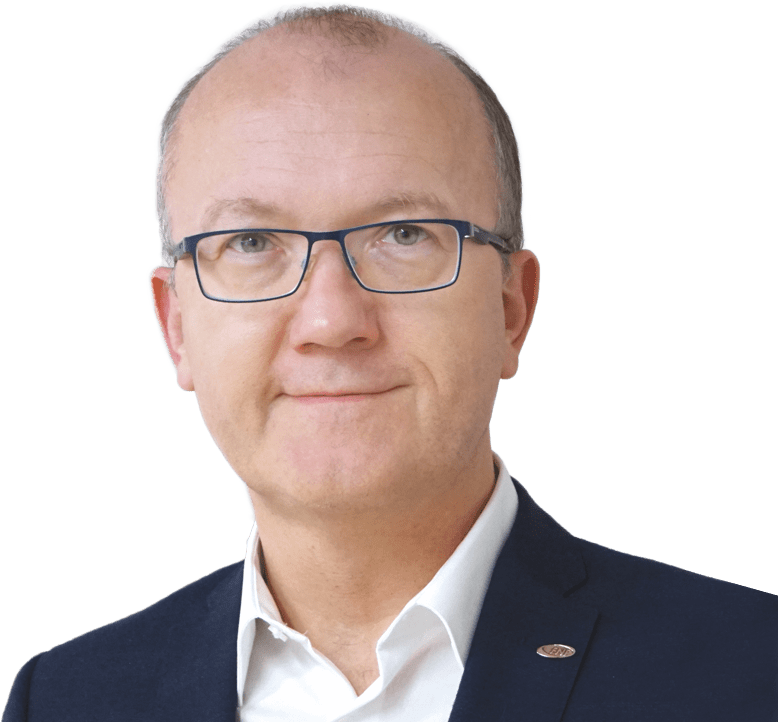
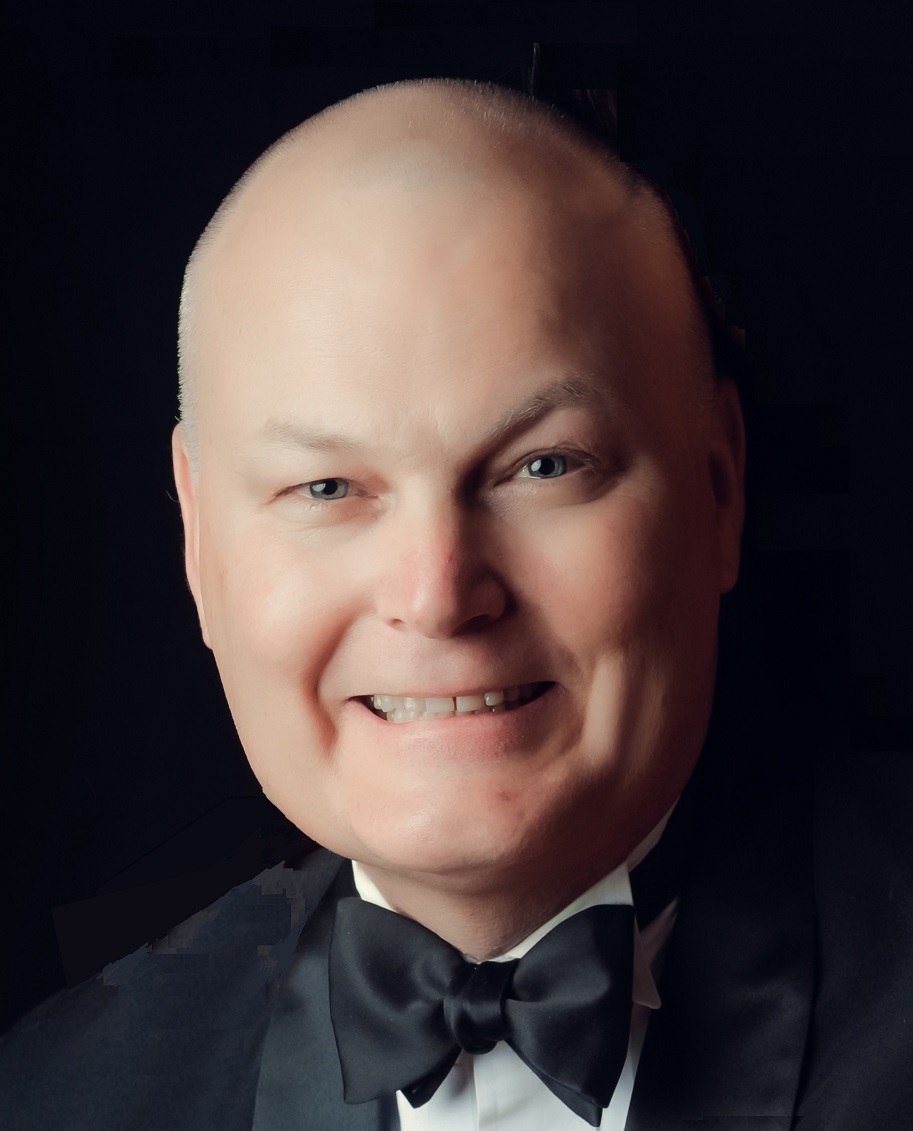
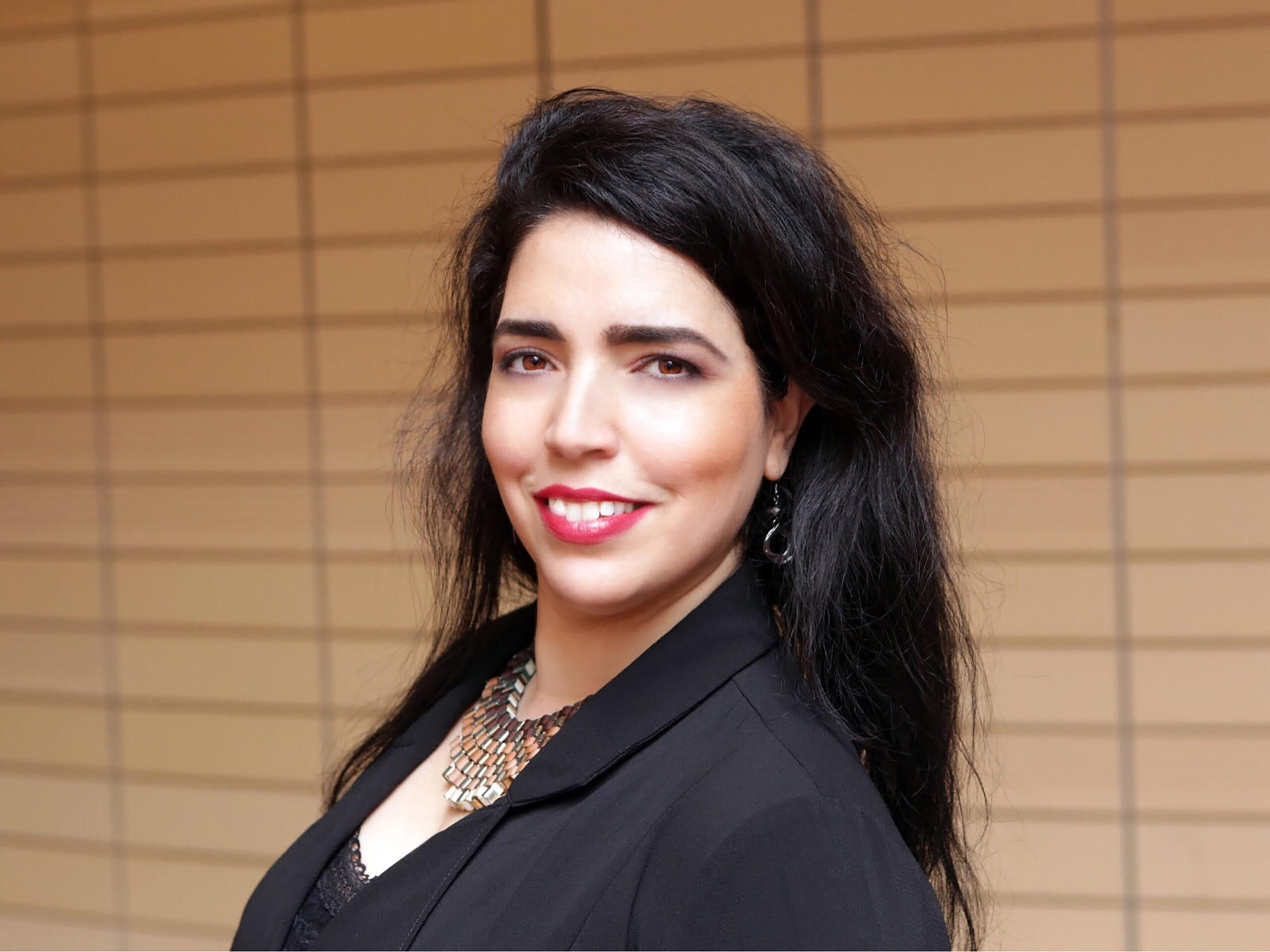
Michael McAlpine is a Professor in the Mechanical Engineering department at the University of Minnesota . He also holds affiliations with the Biomedical Engineering and Electrical and Computer Engineering departments. His research focuses on 3D printing functional materials & devices , Nanoscale inks , Biomedical devices , Bioelectronics , and Flexible Microsystems . Research Interests : 3D Printing, Biomedical Engineering, Nanotechnology, Flexible Electronics, Microfluidics Labs : ME 361/363 Contact : mcalpine@umn.edu , (612) 626-3303, ME 117 Recent Research Trends include 3D Printed Biomedical Devices , Flexible Electronics , and Bioprinting Applications . His work spans from Spinal Organoid Formation to Programmable Drug Release Capsules . Scientific Award : Circulation Research 2020 Best Manuscript Award
Isabella Guido is a Senior Lecturer in Experimental Soft Matter Physics at the University of Surrey's School of Mathematics and Physics. She holds a PhD from TU Berlin (2010) and has conducted postdoctoral research at Peking University and the Max Planck Institute for Dynamics and Self-Organization. Her research focuses on synthetic biology, active bioinspired systems, and microtubule-motor protein dynamics. Guido's work bridges active matter physics and synthetic biology, aiming to develop minimal systems mimicking natural cellular structures. Key projects include synthetic beating structures resembling cilia, 3D active nematics, and investigations into cellular symmetry breaking via biomimetic systems. Her education includes a PhD on dielectrophoretic effects in mammalian cells, followed by postdoctoral studies on cell mechanics, microfluidics, and electroporation. Guido's interdisciplinary approach combines experimental biophysics with synthetic biology to uncover principles governing living matter. She leads the Synthetic Active Systems group and collaborates internationally on projects such as light-powered artificial cells and motor-driven microtubule networks. Her work addresses sustainable development goals through bio-inspired material design and active matter applications. Publications highlight contributions to electrotaxis mechanisms, live-cell imaging techniques (e.g., MIET), and microtubule network dynamics under depletion forces. Guido's research has advanced understanding of ciliary beating patterns, synthetic axoneme models, and biopolymer self-organization under mechanical stress.
Karthik Menon serves as an Assistant Professor with a joint appointment in the Woodruff School at Georgia Institute of Technology and the Coulter Department of Biomedical Engineering. His research integrates fluid mechanics, computational modeling, and data-driven methodologies to address critical challenges in healthcare, renewable energy, and bio-inspired engineering systems. His academic credentials include: Ph.D. in Mechanical Engineering, Johns Hopkins University (2021) M.S. in Mechanical Engineering, Johns Hopkins University (2019) B.E. in Mechanical Engineering, Birla Institute of Technology and Science, Pilani, India (2015) Menon's research program centers on three interconnected domains: cardiovascular flows for personalized treatment of heart disease, fluid-structure interactions in biological systems like heart valves and bio-mimetic robots, and vortex-dominated flows for renewable energy applications. His approach combines high-fidelity computational modeling with machine learning to uncover fundamental physics and develop clinical solutions, such as cardiovascular digital twins for non-invasive risk assessment. Current projects focus on patient-specific hemodynamics using CT imaging and uncertainty quantification to improve surgical planning. Analysis of his 15 most recent publications (2023-2025) reveals a dominant focus on advancing multi-fidelity computational frameworks for cardiovascular applications. Key trends include Bayesian uncertainty quantification, zero-dimensional solver development, and integration of clinical imaging data to create predictive digital twins. His work bridges fluid dynamics with clinical cardiology, targeting improved outcomes in coronary artery disease and Kawasaki-related complications through physics-informed machine learning. Menon's scholarly contributions have been recognized through competitive awards: WCCM-PANACM 2024 Travel Award, U.S. Association for Computational Mechanics (2024) Future Faculty Symposium Travel Award, Society of Engineering Science Conference (2023) Mark O. Robbins Prize in High-performance Computing, Johns Hopkins University (2021) Corrsin-Kovasznay Outstanding Paper Award, Johns Hopkins University (2020) Prosperetti Travel Award, Johns Hopkins University (2017) Mechanical Engineering Departmental Fellowship, Johns Hopkins University (2016) As principal investigator of the ComBiNE Fluid Dynamics Lab, Menon mentors graduate students in developing computational tools for fluid-structure interaction problems. His collaborative projects with cardiologists at Stanford and Emory hospitals translate engineering principles into clinical applications for cardiovascular disease management. Current grant activities focus on NSF and NIH-funded initiatives for uncertainty-aware cardiovascular modeling and bio-inspired flow energy harvesting. The ComBiNE Fluid Dynamics Lab operates as an interdisciplinary hub where engineers, clinicians, and data scientists collaborate on fluid mechanics challenges. Current lab initiatives include developing real-time hemodynamic simulators for surgical planning, creating reduced-order models for cardiac device optimization, and investigating vortex dynamics in fish schooling for underwater vehicle design. The lab maintains strong partnerships with Children's Healthcare of Atlanta and the Parker H. Petit Institute for Bioengineering and Bioscience.
Akio Kodaira is affiliated with the Institute of Science Tokyo as a researcher. His work focuses on soft robotics, mechatronics, and advanced actuator design using materials like IPMC (Ionic Polymer-Metal Composites) and flexible fuel cells. Primary institution: Institute of Science Tokyo Research Interests Kodaira's research spans the development of soft robots, thin-film actuators, and bio-inspired mechanical systems. Key areas include IPMC fabrication techniques, energy-efficient actuators using Au/Pt electrodes, and 3D crafts using paper/fabric materials. Publication Trends Recent publications emphasize soft robotics, material hybridization (e.g., paper/fabric-assisted IPMC), and flexible fuel cell applications. His collaborations with researchers like Koichi Suzumori and Hiroyuki Nabae highlight interdisciplinary efforts in mechatronics and mechanical engineering. Collaborations Frequent co-authors include Koichi Suzumori (Professor, Institute of Science Tokyo), Kinji Asaka , and Hiroyuki Nabae . Projects involve thin-film robotics, McKibben muscles, and simulator-based navigation software.
Anne-Sophie Chauvin is a Senior Lecturer and Researcher at École Polytechnique Fédérale de Lausanne (EPFL), School of Basic Sciences, within the Institute of Chemical Sciences and Engineering and the Supramolecular Chemistry Laboratory. She actively engages in supramolecular and inorganic chemistry, focusing on f-element (lanthanides and actinides) coordination polymers and luminescent bioprobes for biological and technological applications, including invisible inks and dye-sensitized solar cells. PhD in Bioinorganic Chemistry from University Paris V-René Descartes (thesis on Nitrile Hydratase mimetics) Postdoctoral work at University of Geneva on chiral alcohol configuration analysis Habilitation à Diriger des Recherches (HDR) from University René Descartes (2006) Her research spans Lanthanide and Actinide Chemistry , Luminescence , Coordination Polymers , Metallacages , and Photovoltaic Materials . Recent publications emphasize catalytic spiro stereocenter formation, actinide coordination polymers, and photoredox-enabled biomolecule functionalization. She has supervised PhD students including Andrei Andreichenko , Julien Andrès , Steve Comby , and Aurélien Willauer . Recognitions include Fellowship of the Royal Society of Chemistry (FRSC) and membership in the Swiss Chemical Society (SCS). Current roles include teaching General and Analytical Chemistry to first-year Pharmacy and Biology students at the University of Lausanne (UNIL), overseeing practical sessions, and serving on the EPFL School of Basic Sciences Faculty Council.
Dario Carugo is an Associate Professor of Biostimulation and Immunological Engineering at University College London (UCL), School of Pharmacy, Department of Pharmaceutics. Previously, he held positions at the University of Oxford (Botnar Research Centre) and University of Southampton. His academic foundation includes a BSc and MSc in Biomedical Engineering from Politecnico di Milano (specializing in Biological Fluid Dynamics & Bio-Machines), and a PhD in Bioengineering Sciences from the University of Southampton. His research spans acoustofluidics , microfluidic drug delivery systems , and biofilm eradication technologies . Key interests include ultrasound-activated drug carriers, mechanistic models for therapeutic physical stimuli, and nano/micro-scale systems for chronic wound treatment, implant infections, and musculoskeletal disorders. His work integrates computational fluid dynamics with experimental models to optimize interventional treatments. Recent publications (2023-2025) reveal a strong trend toward biofilm-targeted therapies using ultrasound-responsive carriers (microbubbles/nanodroplets), oxygen delivery systems for bone healing, and 3D-printed devices for precision drug delivery. Interdisciplinary collaborations span microbiology, urology, and tissue engineering, with emphasis on translating lab innovations to clinical applications for chronic wounds and implant-associated infections. Awards: Italian National Bioengineering Group award IMechE Biomedical Engineering Division award EPSRC Doctoral Prize award FP7 European project funding BBSRC award Junior Research Fellowship at Jesus College, Oxford Carugo teaches Biofluids (Engineering Science) and Micro- & nano-technologies for personalised medicine (MSc Pharmacology), alongside supervising MSc Musculoskeletal Sciences laboratory activities. His Botnar Research Centre lab pioneers vortical flow devices for ultrasound-activated drug delivery and high-speed imaging systems (>1 million fps) to quantify cellular responses to mechanical stimuli.
Vikram Iyer is an Assistant Professor at the Paul G. Allen School of Computer Science and Engineering and holds an Adjunct Appointment in Mechanical Engineering at the University of Washington. He co-directs the CS for Environment Initiative , focusing on interdisciplinary solutions that bridge computing, biology, and physical systems for environmental sustainability. Education : Ph.D. in Electrical & Computer Engineering (University of Washington), B.S. in Electrical Engineering and Computer Sciences (UC Berkeley) Research Interests revolve around bio-inspired wireless systems , environmentally sustainable electronics , and miniaturized autonomous robotics . His work includes: Biodegradable circuit boards Battery-free wireless sensors Insect-scale vision systems Wind-dispersed environmental monitors AI tools for sustainable design Article Trends highlight contributions to green hardware , energy-autonomous robotics , and environmental sensing networks , often integrating machine learning with physical world interaction . Awards include: NSF CAREER Award SIGMOBILE Dissertation Award Marconi Society Paul Baran Young Scholar Best Paper Awards (SIGCOMM 2016, Sensys 2018) Google/Amazon Research Awards Students advised include Kyle Johnson (NSF Fellow), Vicente Arroyos (GEM Fellow), and Qiuyue Xue (co-advised with Shwetak Patel). His lab collaborates with the Networks & Mobile Systems Lab and Urban Innovation Initiative .
Dr.-Ing Alexander Vahl is a Researcher at the Technical Faculty of Kiel University, leading the subgroup Nanoparticles for Nanocomposites . He specializes in advanced materials science, focusing on nanoparticle synthesis, functional thin films, and neuromorphic engineering. His research bridges nanotechnology with applications in memristive systems and plasmonics, emphasizing strain-invariant conductors and photocatalytic growth mechanisms. Key projects include developing self-assembled nano-object networks for brain-inspired computing and optimizing gas aggregation cluster sources for novel material fabrication. His work spans disciplines such as memristive switching, plasmonic metasurfaces, and bio-inspired electronics. Notable contributions include studies on silver/polymer nanofluids, ITO-TiO₂ heterojunctions, and multicomponent nanoparticle synthesis. Vahl collaborates with the Chair for Functional Nanotechnology, leveraging interdisciplinary expertise to advance materials innovation. His articles highlight advancements in neuromorphic systems, photocatalytic deposition, and thin-film technologies. The research emphasizes scalability and real-world applications, such as energy-efficient sensors and hybrid zinc batteries. Vahl’s subgroup webpage and extensive publications reflect a commitment to pushing boundaries in nanomaterials engineering.
Sean Wilson is a Researcher at the Georgia Institute of Technology , affiliated with the College of Engineering and the School of Electrical and Computer Engineering . He serves as the Collaborative Autonomy Branch Chief at the Georgia Tech Research Institute (GTRI) and Director of the Robotarium Lab (https://www.robotarium.gatech.edu/), which provides free remote access to robotic hardware for algorithm testing. Educational Background: B.A. in Physics and Mathematics from State University of New York at Geneseo (2012) M.S. and Ph.D. in Mechanical Engineering from Arizona State University (2017) Dr. Wilson's research focuses on remotely-accessible robotic hardware , collaborative autonomy , and control of multi-agent and swarm robotic systems . His recent publications emphasize distributed control, swarm robotics, and bio-inspired robotic behaviors. The Robotarium Lab he directs enables global access to robotics testbeds for control research. Research Themes (2014-2023): Remote-access robotics (5), swarm coordination (7), bio-inspired algorithms (3), barrier functions (2), multi-robot systems (9), and control theory (4). Sean operates from the Robotarium Lab (Office Location: CCRF B11-3133D) as part of Georgia Tech's Institute for Robotics and Intelligent Machines (IRI) core faculty. His work bridges robotics infrastructure development with theoretical control research.
Professor Daniel Gryko leads a prominent research group at the Institute of Organic Chemistry, Polish Academy of Sciences, specializing in advanced functional dyes and photochemistry. His work bridges fundamental organic synthesis with practical applications in bioimaging, molecular electronics, and nanomaterials. With over 150 publications and numerous high-impact grants, including an ERC Advanced Grant and multiple Horizon Europe projects, Gryko has established himself as a leader in the field of novel chromophore design. Gryko's research focuses on developing innovative fluorescent dyes with exceptional photophysical properties, particularly exploring fluorescence of nitroaromatics, two-photon absorption phenomena, and excited-state intramolecular proton transfer (ESIPT). His group specializes in several key structural platforms including corroles, diketopyrrolopyrroles, pyrrolo[3,2-b]pyrroles, dipyrrolonaphthyridinediones, porphyrins, and coumarins. Recent work has centered on creating strongly emitting helicenes, quadrupolar dyes with unique symmetry-breaking properties, and developing specialized fluorophores for super-resolution microscopy applications. Analysis of Gryko's recent publications reveals a strong emphasis on molecular design strategies for controlling photophysical behavior. His group frequently employs π-expansion techniques, heteroatom doping, and strategic substitution patterns to tune emission properties. A significant portion of their work focuses on overcoming traditional limitations in fluorophore design, such as the non-fluorescence of nitroaromatics, through innovative molecular architectures. Gryko has received prestigious recognition including an ERC Advanced Grant for the ARCHIMEDES project targeting NIR-II emission efficiency, multiple Horizon Europe grants, and the TEAM grant from the Foundation for Polish Science supporting development of fluorescent probes for super-resolution microscopy. His group's work has resulted in numerous publications in top-tier journals including Journal of the American Chemical Society , Chemical Science , and Angewandte Chemie . Professor Gryko actively mentors a diverse research team including PhD students, postdoctoral researchers, and collaborators worldwide. His group has secured substantial funding including Horizon Europe grants for PhotoBrane and APACE projects, ERC funding, and multiple Polish National Science Centre grants. Current projects focus on developing novel fluorescent probes for super-resolution microscopy, creating bio-mimetic sunlight-pumped lasers, and designing photo-switchable membranes for molecular separation. The Gryko group operates a well-equipped laboratory focused on organic synthesis and photophysical characterization. Their work spans from fundamental molecular design to practical applications in bioimaging and materials science. Recent expansions of their research program include development of probes for detecting SARS-CoV-2 proteases, demonstrating the group's ability to pivot toward addressing pressing societal challenges.
Maggie He is an Assistant Professor of Organic Chemistry in the Department of Chemistry & Biochemistry at the University of Arkansas, College of Arts & Sciences. Her research program focuses on the development of functional materials with applications in sensing and adaptive systems. Education: Ph.D. in Chemistry, ETH Zürich M.S. in Chemistry, University of Pennsylvania B.S. in Chemistry, magna cum laude, The City College of New York Her research spans organic synthesis, materials chemistry, and sensor development, with particular expertise in carbon nanomaterials and shapeshifting molecular systems. Current work emphasizes covalent functionalization of carbon nanotubes , bullvalene-based dynamic molecules , and real-time chemical sensors for environmental and medical applications. The group integrates synthetic chemistry with materials characterization to bridge fundamental science and practical devices. Her publication record shows consistent focus on carbon nanomaterial functionalization (35% of recent articles), molecular dynamics in fluxional systems (25%), and sensing applications (40%), with increasing emphasis on radiation detection and bio-inspired sensor designs in the last five years. Scientific Awards: ETH Medal (2015) Swiss National Science Foundation Early Postdoc Mobility Fellowship (2014) Roche Symposium – Leading Chemists (2012) Multiple undergraduate research awards including Merck Index Award and Bristol-Myers Squibb Research Award She teaches graduate courses in organic analysis (CHEM 5753) and experimental methods (CHEM 4723), advising students in synthetic methodology and materials characterization. Her research group maintains collaborations with MIT and ETH Zürich, with funding supporting carbon nanomaterial synthesis and sensor development. The He Group operates specialized facilities for organic synthesis, nanomaterial characterization, and sensor testing, focusing on translating molecular innovations into functional devices for environmental monitoring and healthcare applications.
Professor Matt Garratt is a faculty member at the University of New South Wales (UNSW Canberra), School of Engineering and IT, serving as AI theme lead for the Defence Trailblazer Universities initiative with over $200 million in funding. His primary research focuses on sensing, guidance, and control for autonomous systems within robotics and unmanned aerial vehicles. Garratt's research spans robotics, swarm intelligence, and autonomous systems with emphasis on bio-inspired navigation techniques and adaptive flight control. His work addresses critical challenges including terrain following using vision systems, landing UAVs on moving platforms, and developing self-organizing swarms. He integrates artificial intelligence, computer vision, and machine learning to advance unmanned systems capabilities in complex environments. Analysis of his recent publications reveals strong trends in bio-inspired UAV navigation (particularly honeybee behavior modeling) and swarm robotics applications. His work increasingly incorporates deep learning for perception tasks while addressing real-world challenges like gas plume detection and adversarial robustness in 3D vision systems. The research demonstrates consistent progression toward practical implementation of autonomous systems in dynamic environments. Professor Garratt has secured over $7.7 million in external research funding as Chief Investigator on 33 grants. He actively mentors graduate students with scholarships available for Masters and PhD research in robotics and AI, focusing on: UAV path planning and adaptive control systems Swarm robotics collective motion optimization Bio-inspired autonomous navigation techniques Computer vision for robotic perception He co-founded the UNSW Canberra AIR (AI and Robotics) Group (AIR Lab), which drives research in trusted autonomy, swarm intelligence, and AI integration for defense applications. The lab develops practical solutions for autonomous systems operating in complex, real-world environments while maintaining ethical AI frameworks.
Prof. Dr.-Ing. David E. Rival is a full Professor at the Institute of Fluid Mechanics within the Faculty of Mechanical Engineering at Technische Universität Braunschweig. His research spans interdisciplinary domains at the intersection of experimental fluid dynamics, data assimilation, network science, and bio-inspiration, with applications in renewable energy systems and bio-mimetic engineering. Former Associate Professor at Queen’s University, Canada Doctoral work on dragonfly flight aerodynamics at TU Darmstadt Alexander von Humboldt research fellowship recipient (2020) Postdoctoral associate at MIT studying shape morphing in nature Research chair at University of Calgary on atmospheric sensing His work focuses on unsteady flow phenomena, bio-inspired design, and advanced measurement techniques. Key projects include: Co-chairing NATO AVT task group on flow separation International collaborations with AFOSR, NATO, and ONR Development of cost-effective flow-tracking sensors for natural environments Investigations into shear-thinning suspension dynamics and vortex ring behavior Recent publications demonstrate a strong emphasis on: Large-scale particle tracking with natural light and UAVs Machine learning for sparse data reconstruction in fluid flows Soft coastal protection methods and ecohydraulics Advanced sensing techniques for atmospheric and industrial applications Scientific Awards: 2020: Alexander von Humboldt Research Fellowship Notable research achievements include textbook authorship on Biological and Bio-Inspired Fluid Dynamics (Springer) and media features in The Nature of Things (David Suzuki) and Discovery Channel’s Daily Planet .
Affiliations and Roles Professor Wang holds dual appointments as Professor of Physics and Mechanical and Aerospace Engineering at Cornell University. She is affiliated with the Sibley School of Mechanical and Aerospace Engineering and the College of Arts and Sciences. Education B.S. in Physics, Fudan University, Shanghai, China (1989) Ph.D. in Physics, University of Chicago (1996) NSF-NATO Postdoctoral Fellow, Theoretical Physics, Oxford University (1997) Visiting Member, Courant Institute of Mathematical Sciences, NYU (1997-1999) Research Her research focuses on the physics of living organisms, particularly insect flight dynamics , biophysics , and computational modeling . Key projects include: Dragonfly righting reflex mechanisms Neuro-mechanical control in fruit flies Unsteady aerodynamics and fluid-structure interactions Awards and Honors Simons Fellowship in Theoretical Physics (2020) Radcliffe Fellowship (2007) Cornell Provost's Award for Distinguished Scholarship (2005) David and Lucile Packard Fellowship (2002) Labs and Collaborations Her work integrates experimental and computational approaches, often conducted in collaboration with institutions like the Janelia Research Campus (HHMI) and the Joint Texas Experimental Tokamak (J-TEXT).
Ronit Freeman, PhD is an Associate Professor in the Department of Applied Physical Sciences at the University of North Carolina at Chapel Hill , where she is also affiliated with the UNC Lineberger Comprehensive Cancer Center . Research Focus : Cellular response to extracellular matrix (ECM) cues across multiple length/time scales Methodologies : Synthetic biology, supramolecular chemistry, DNA/RNA aptamer technology Dr. Freeman's work develops reconfigurable ECM platforms to study and engineer cellular fate decisions through: Controllable biochemical and biomechanical signaling Advanced fibrous architecture design Dynamic topography and mechanics modulation Applications in cancer therapy, wound healing, and fibrosis reversal Key collaborations include: Shawn Hingtgen's lab - Therapeutic cell engineering RNA Discovery Center (led by Chad Pecot) Scientific Achievements: Recipient of Eshelman Institute for Innovation Award (2020) Gordon & Betty Moore Foundation Collaborative Innovation Award (2019) Scialog Fellow (2019) Multiple early-career fellowships (EMBO, Clore, Converging Technologies) Her interdisciplinary team combines expertise from chemistry, cell biology, synthetic biology, medicine, engineering, and physics to address cutting-edge bio-nanotechnology challenges.