Dr. Philip Vance is a Senior Lecturer in Computer Science at the School of Computing, Engineering and Intelligent Systems, Ulster University, Derry~Londonderry campus. His research focuses on computer vision, machine learning, and ambient-assisted living technologies. Research interests include: Developing computer vision algorithms for industrial applications Transfer learning systems for manufacturing defect classification Contactless biometric monitoring through facial analysis Real-time human activity recognition using keypoint tracking Ensemble learning approaches for robotic skill composition His recent publications demonstrate expertise in neural networks, industrial informatics, and biomedical signal processing. Research metrics show an h-index of 220 with 241 citations. Scientific awards: Best Paper Award at the 27th Irish Machine Vision and Image Processing Conference (2021) Best Paper Award at the 24th Irish Machine Vision and Image Processing Conference (2016) Dr. Vance contributes to collaborative research projects including the BIONICS bio-inspired surveillance system and rural assistive living technologies. He is associated with the Computer Science and Informatics Research group.
Elizabeth Johnson is an Adjunct Professor of Marketing at the The Wharton School , University of Pennsylvania, where she serves as Executive Director & Senior Fellow of the Wharton Neuroscience Initiative . Her research bridges vision science and business , focusing on visual behavior, eye tracking, and applications to consumer decision-making and marketing strategies . She previously spent 14 years at Duke University as a faculty member in Neurobiology and Associate Director of the Duke Institute for Brain Sciences. PhD in Neural Science, New York University AB in Psychobiology, Mount Holyoke College Johnson's research spans retinal physiology , early visual cortex processing, and social cognition in visual navigation. Her work includes collaborations with Lenovo to develop personalized color display technology and co-teaching a course on visual marketing with Professor Barbara Kahn. Recent publications highlight her expertise in eye tracking , neural mechanisms of vision , and translational neuroscience applications to business. She has contributed to in vivo cortical physiology methodologies, macaque V1 neurophysiology , and biomimetic design research. Her interdisciplinary approach extends to public health interventions for perinatal intimate partner violence.
Prof. Dr. Alexander Ecker is Professor of Data Science at the Institute of Computer Science, University of Göttingen, and concurrently holds the prestigious Max Planck Fellow position at the Max Planck Institute for Dynamics and Self-Organization. Since 2020 he also serves on the Executive Board of the Campus Institute Data Science in Göttingen. He leads the Neural Data Science research group, comprising 14 PhD students and 2 postdoctoral researchers, focusing on the interface of machine learning and computational neuroscience. His educational background includes a Dr. rer. nat. in Neuroscience (2014) from the Graduate School of Neural and Behavioral Sciences/IMPRS, University of Tübingen, followed by post-doctoral and group-leader positions at the University of Tübingen and the Max Planck Institute for Biological Cybernetics. Research Interests Machine Learning & Deep Learning: developing novel algorithms for representation learning and generative modeling. Computational Neuroscience: large-scale data-driven modeling of visual cortical circuits. Visual Perception: bridging biological vision and computer vision via biologically inspired architectures. His work has produced a steady stream of influential publications (2019-2025) in leading journals such as Nature Communications , Nature , Nature Methods , PLOS Computational Biology , ICLR , NeurIPS , and CVPR . The publications trend toward integrating high-resolution neural recordings with state-of-the-art machine-learning models to uncover principles of sensory processing, neuron-type classification, and behavior. Scientific Awards & Honors Max Planck Fellow, Max Planck Institute for Dynamics and Self-Organization (ongoing) Executive Board Member, Campus Institute Data Science, Göttingen (since 2020) Teaching, Advising & Grants Regularly teaches advanced courses: “Deep Learning for Image Synthesis”, “Current Topics in Deep Learning”, and “Graph Machine Learning”. Supervises 14 current PhD students and 2 postdocs within the Neural Data Science Group. Offers numerous Bachelor’s and Master’s thesis projects, with topics ranging from neuronal morphology clustering to primate vocalization analysis. Leads or co-leads large collaborative consortia with labs in Göttingen, Tübingen, Baylor College of Medicine, and other institutions across the US and Germany. Labs & Teams The Neural Data Science Group operates at the Institute of Computer Science, University of Göttingen, and is tightly integrated with the Max Planck Institute for Dynamics and Self-Organization. The group maintains active collaborations with over a dozen partner laboratories, including groups led by Fabian Sinz, Andreas Tolias, Thomas Euler, Tim Gollisch, and Viola Priesemann, fostering an interdisciplinary environment that spans computer science, physics, biology, and psychology.
Dennis Krupke is a Researcher at the Department of Informatics, University of Hamburg, affiliated with the Human-Computer Interaction (HCI) group and the Technical Aspects of Multimodal Systems (TAMS). His work bridges robotics, virtual reality, and human-computer interaction, focusing on natural interfaces for human-robot cooperation. Education: Diploma in Informatics (2014), University of Hamburg Research Interests: Human-Robot Interaction (HRI) Bio-inspired Robotics and Sensor Systems Modular Robotics and Low-cost Prototyping Mixed Reality for Immersive Scenarios Scientific Awards: Finalist, IROS KROS Best Paper Award on Cognitive Robotics (2018) Highly Commended Paper, Industrial Robot Innovation Award (2017) CLAWAR Association Best Technical Paper Award (2015) Best Innovative Robot Award, CLAWAR (2014) Publications & Projects: Co-developed a printable modular robot with Florens Wasserfall Contributed to ROS-Unity integration for VR-based robotics Explored locomotion techniques for modular robots using reinforcement learning
Jamel Ali, Ph.D. , is an Assistant Professor in the Department of Chemical & Biomedical Engineering at the FAMU–FSU College of Engineering, a joint unit of Florida A&M University and Florida State University. His office is located in Building B, Room B373F, and he can be reached via e-mail at jali@eng.famu.fsu.edu . Dr. Ali earned a B.S. (2011) and M.S. (2013) in Chemical Engineering from Howard University, followed by a Ph.D. (2016) in Mechanical Engineering & Mechanics from Drexel University. His research spans four tightly integrated thrusts: Micro/nanobiorobotics – design and wireless control of bacteria-inspired and erythrocyte-based micro/nanorobots for targeted therapy and minimally invasive surgery; Microbial dynamics – understanding how flagellar mechanics and collective motion govern bacterial locomotion in complex biological fluids; Cancer mechanobiology – elucidating mechanical cues that drive pancreatic cancer progression, adipocyte reprogramming, and acinar-ductal metaplasia; Biomaterials for biomedical applications – developing 3-D extracellular matrix scaffolds, hydrogels, and biofabricated organoids for regenerative medicine, drug screening, and personalized therapy. Across 40+ peer-reviewed articles (2015-2025), Dr. Ali’s work exhibits a clear trajectory from fundamental fluid-mechanics studies of microswimmers and colloidal gels to translational applications in diabetes, pancreatic cancer, and targeted drug delivery. Recent high-impact contributions include demonstrations of symmetry-breaking propulsion in viscoelastic fluids, magnetically actuated erythrocyte micromotors for localized therapy, and organoid-based reversal of hyperglycemia in type-1 diabetes models. Labs & Teams: While explicit laboratory names are not provided, Google-Scholar entries and publication affiliations indicate active collaboration with the Micro/Nanoscale Bio-Robotics Laboratory (formerly at Drexel) and ongoing participation in multi-university consortia such as the Florida-California CaRE2 Health Equity Center.
Arthur G Richards serves as Professor of Robotics and Control within the Dynamics and Control department at the University of Bristol's School of Engineering Mathematics and Technology. His research specializes in trajectory optimization for aerospace applications, focusing on UAV autonomy, spacecraft rendezvous, and air traffic management through advanced optimization techniques. His educational foundation includes an M.Eng. from the University of Cambridge and S.M./Ph.D. degrees from MIT. Research interests center on solving complex aerospace challenges through: Non-convex optimization for obstacle avoidance in cluttered environments Robust model predictive control for real-time disturbance compensation Distributed optimization enabling large-scale vehicle cooperation Scalable algorithms for high-traffic scenarios with minimal fuel consumption Analysis of his 132 research outputs reveals evolving emphasis on reliability-aware UAV path planning, interpretable reinforcement learning for aircraft control, and swarm robotics with real-world validation. Recent work increasingly integrates machine learning with traditional control theory while addressing practical constraints like sensor noise and system failures. Professor Richards has supervised 22 research students and secured funding for 11 projects, including the active Aerial Robotics for Search and Rescue (2022-2026) and PORTAL (2022-2024) initiatives. His industry collaborations with Thales and focus on technology transfer demonstrate strong academic-industrial integration. He actively contributes to the Smart Networks for Sustainable Futures and Robotics research groups, developing frameworks for multi-robot systems that balance theoretical rigor with practical deployment requirements in conservation, inspection, and exploration scenarios.
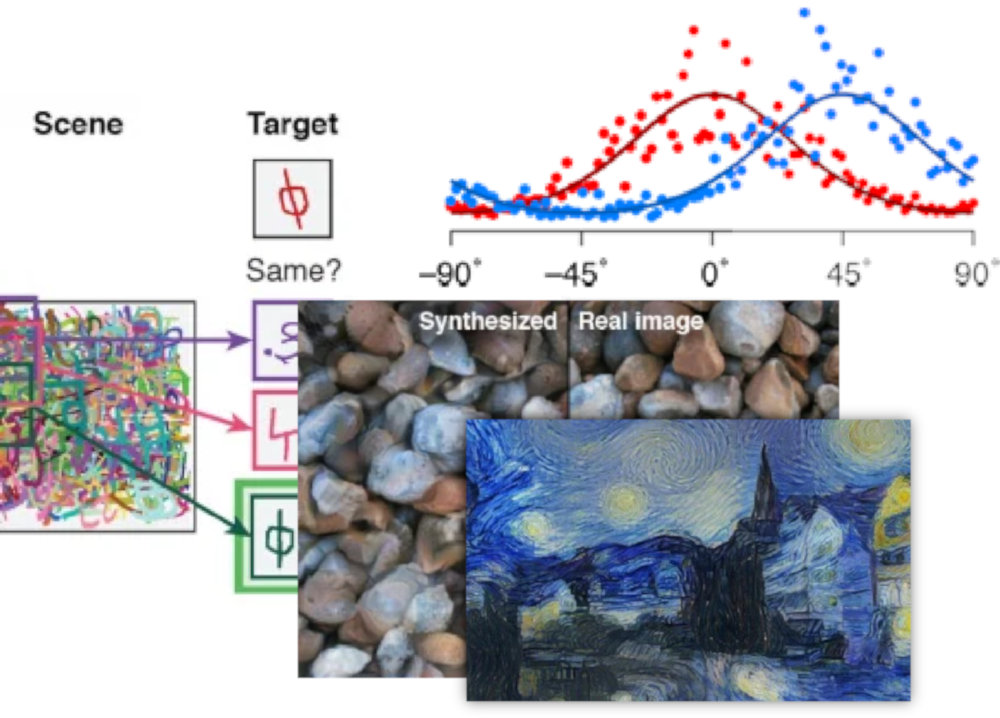
Miguel Eckstein is a Distinguished Professor at UC Santa Barbara with joint appointments in the Department of Psychological & Brain Sciences (College of Letters & Science) and the Department of Electrical and Computer Engineering (College of Engineering). He earned a Bachelor's in Physics and Psychology from UC Berkeley and a PhD in Cognitive Psychology from UCLA. His career includes prior positions at Cedars Sinai Medical Center and NASA Ames Research Center. Eckstein leads pioneering research in computational human vision, integrating behavioral psychophysics, eye tracking, EEG, fMRI, and computational modeling to study: Neural mechanisms of visual perception, attention, and learning Medical image perception for clinical diagnostics Bio-inspired computer vision systems Human-robot interaction optimization His work bridges fundamental cognitive neuroscience with applied engineering solutions. Publication analysis reveals interdisciplinary contributions spanning neuroscience, computer vision, medical imaging, and psychology. Recent work (2017-2021) emphasizes neural decoding of visual processes, 3D medical imaging limitations, human-AI perceptual comparisons, and crowd-sourced visual intelligence. Awards and honors include: Guggenheim Fellowship (2019) National Academy of Sciences Troland Award NSF CAREER Award SPIE Image Perception Cum Laude Award Optical Society of America Young Investigator Award He directs the Vision and Image Understanding Lab and co-founded the Mellichamp Initiative in Mind & Machine Intelligence, fostering cross-disciplinary AI research. Grant activities support medical imaging perception, neural computation, and human-machine collaboration projects.
Zheng Wen is an Associate Professor (non-tenure-track) at Waseda University, affiliated with the Faculty of Science and Engineering and the Global Center for Science and Engineering. His research spans multiple interdisciplinary domains at the intersection of information technology, security systems, and artificial intelligence applications. Dr. Wen received his Ph.D. from Waseda University between 2013 and 2019, following undergraduate studies at Wuhan University from 2005 to 2009. Dr. Wen's research interests focus on the convergence of emerging technologies for practical applications. His primary areas include Data Science , Internet of Things (IoT) , Blockchain , and Artificial Intelligence , with specific applications in communication networks, disaster management, and content-oriented networking. His work demonstrates a strong emphasis on solving real-world problems through technological innovation, particularly in security-critical domains. Analysis of Dr. Wen's publication record reveals a consistent research trajectory focused on applying machine learning and AI techniques to security and communication challenges. His recent work shows increasing emphasis on blockchain applications for IoT security, GNSS spoofing detection for drone systems, and millimeter-wave imaging for security applications. The interdisciplinary nature of his research connects computer science, electrical engineering, and practical security implementations. Dr. Wen is an active member of professional organizations including IEEE and IEICE, reflecting his engagement with the broader academic community in his fields of expertise. While specific details about his advising and grant activities are not provided in the available information, his extensive publication record across multiple domains suggests active research supervision and likely participation in collaborative research projects. His work on drone security, blockchain applications, and millimeter-wave imaging indicates potential industry partnerships and practical implementations of his research. Dr. Wen's research appears to be conducted within collaborative teams focusing on security systems, wireless communications, and AI applications, with frequent co-authorship patterns suggesting established research groups working on related projects in these domains.
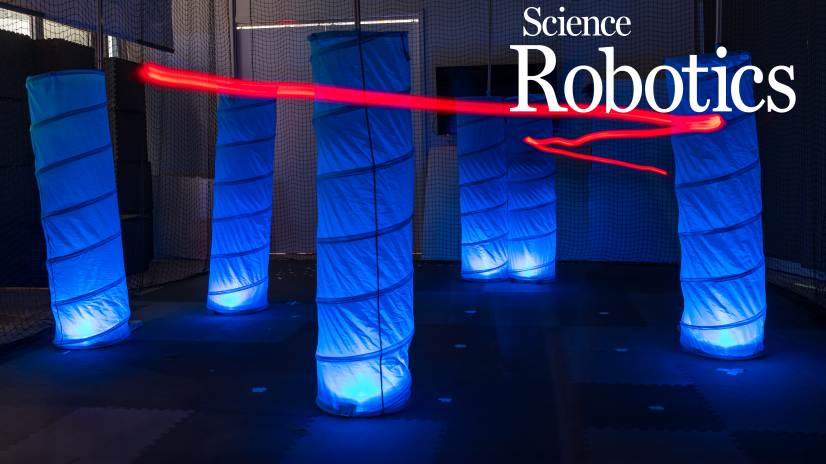
Nitin J Sanket is an Assistant Professor in the Robotics Engineering Department at Worcester Polytechnic Institute, where he leads the Perception and Autonomous Robotics Group (PeAR) founded in 2022. His research focuses on advancing autonomy for tiny mobile robots through bio-inspired approaches that enable on-board sensing and computation without external infrastructure. Ph.D. in Computer Science from University of Maryland, College Park (2021) M.S. in Robotics from University of Pennsylvania (2016) B.E. in Electronics and Communication from M. S. Ramaiah Institute of Technology, Bangalore, India (2013) Professor Sanket's research centers on four interconnected thrusts: Active perception (using movement to simplify perception problems), Interactive perception (selectively interacting with the environment), Novel perception (using data statistics like neural network uncertainty), and Novel sensing (employing sensors like event cameras). His work targets extreme resource-constrained robots, exemplified by the world's first RoboBeeHive prototype – hummingbird-sized nano-quadrotors capable of pollination with all sensing and computation performed on-board. His lab's 'Minimal-AI' philosophy emphasizes efficiency, using perception-action synergy to solve complex problems with minimal computational resources. His recent publications reveal a strong focus on efficient vision algorithms for tiny robots, with papers in Science Robotics (featured on the cover), IEEE ICRA, IROS, and CVPR. Key themes include uncertainty modeling for resource-constrained systems, event-based vision, and bio-inspired navigation. His work frequently bridges theoretical innovation with practical implementation on real hardware. Larry S. Davis Award for Best Computer Science PhD Thesis at University of Maryland (2021) MDPI Drones 2021 PhD Thesis Award Brin Family Prize (2018) Science Robotics cover feature (2023) Professor Sanket actively mentors 19 students (3 PhD, 6 Masters, 10 undergraduates) and recently secured a $705K NSF grant (September 2025) for bio-inspired sound navigation in tiny robots. His lab emphasizes hands-on experience with real hardware systems rather than pure simulation. His research on bat-inspired drones for search and rescue operations has received extensive media coverage from Associated Press, Washington Post, NPR, and other major outlets, demonstrating the real-world relevance of his work. The Perception and Autonomous Robotics Group (PeAR) provides students with opportunities to work on cutting-edge problems in nano-drone development, bio-inspired navigation, and minimal-AI approaches, preparing them for careers at the forefront of robotics innovation.
Prof. Dr. Sarah Degallier Rochat serves as Head of Humane Digital Transformation at Bern University of Applied Sciences (BFH), where she is a Professor in the Department of Technology and Computer Science. She is affiliated with the Institute for Human Centered Engineering (HuCE) and specifically works within the Laboratory for Computer Perception and Virtual Reality. Her research spans multiple institutional collaborations including the Institute for Data Applications and Security (IDAS) at BFH and partnerships with the University of Fribourg on experimental studies. Professor Degallier Rochat's research focuses on human-robot interaction , collaborative robotics , and humane digital transformation . She challenges the notion of complete human replacement by technology, advocating instead for human augmentation where technology empowers rather than mechanizes workers. Her work examines how humans and robots can work together effectively in industrial settings, with particular emphasis on developing intuitive interfaces for robot programming that promote digital skills acquisition among workers through experiential learning rather than symbolic cognition. Her research has evolved from foundational work in motor primitives for humanoid robots to current applications in industrial settings. She investigates the human factors involved in digital transformation, with special attention to workers with intermediate and lower levels of education who are often overlooked in digital skills training. Her approach emphasizes embodied cognition and work experience as foundations for developing effective human-machine interfaces that leverage existing worker knowledge. Human augmentation through collaborative robotics Intuitive robot programming interfaces (visual programming) Digital skills development for industrial workers Human-centered approaches to digital transformation Ethical considerations in human-robot collaboration Workplace adaptation to new technologies Professor Degallier Rochat has secured funding from diverse sources including Innosuisse, the Gerbert Rüf Foundation, and SNF. With support from the Gerbert Rüf Foundation's First Venture program, she co-founded a spin-off company aimed at making automation profitable for SMEs through employee training. Her research demonstrates significant practical impact, with interface designs tested across 116 participants showing positive effects on programming anxiety and usability. Her laboratory develops practical solutions for human-robot collaboration in manufacturing environments, creating interfaces that workers can use without extensive technical training. Through numerous publications, conference presentations, and media engagements, she actively contributes to the discourse on ethical and human-centered technological development in industry.
Anders Lyhne Christensen is a Professor at the Maersk Mc-Kinney Moller Institute, University of Southern Denmark (SDU), where he serves as a Professor at both the SDU Drone Center and SDU Climate Cluster. His academic work focuses on robotics, swarm intelligence, and drone technology applications. His research interests center around swarm robotics and multi-robot systems, with particular emphasis on drone swarm applications for wildlife monitoring, search and rescue operations, and environmental conservation. His work bridges computer science, robotics engineering, and practical field applications, developing solutions that address real-world challenges through innovative swarm intelligence approaches. Professor Christensen's recent publications reveal a strong focus on practical drone swarm implementations, with research spanning wildlife monitoring systems, search and rescue operations, communication protocols for UAV swarms, and efficient pathfinding algorithms for multi-agent systems. His work demonstrates a consistent trajectory toward developing robust, field-deployable swarm robotics solutions. He actively contributes to major research projects including WildDrone (2023-2026), CloudBrain (2020-2023), and SpikeDrone (2018-2021), focusing on drone swarm applications for environmental monitoring and complex task execution. His teaching portfolio includes courses on Bio-inspired Autonomous Systems, Reinforcement Learning for Robotics, and introductions to robotics, computer vision, and artificial intelligence.
Rachid Alami is a Senior Scientist at CNRS and holds the Academic Chair of Cognitive and Interactive Robotics at the Artificial and Natural Intelligence Toulouse Institute (ANITI) since 2019. He has been with CNRS since 1984, founding and leading the Robotics and InteractionS (RIS) team at LAAS for 10 years and serving as head of the LAAS Robotics Department for 8 years. His extensive career includes coordinating LAAS's Ambient Intelligence initiative and co-chairing the Interactive Robotics SIG at the French Research Group in Robotics for 6 years. Professor Alami's research focuses on cognitive robotics with emphasis on human-aware motion planning , combined task and motion planning , and multi-robot coordination . His work integrates symbolic reasoning with geometric constraints to create robots capable of operating safely and effectively in human-centered environments. His team has made significant contributions to social navigation algorithms, theory of mind for robots, and human-robot joint action frameworks. Analysis of his recent publications shows a strong trend toward integrating cognitive models with practical robotics applications, particularly in developing robots that can anticipate human actions and adapt their behavior accordingly. His work increasingly incorporates machine learning approaches to predict action feasibility while maintaining the formal guarantees of traditional planning systems. Senior Scientist at CNRS since 1984 Academic Chair at ANITI since 2019 Founder of Robotics and InteractionS (RIS) team Former head of LAAS Robotics Department Member of numerous thesis committees including INSA Lyon (2023) Professor Alami actively supervises PhD students and leads multiple research projects focusing on human-aware robotics. His lab collaborates extensively with international partners through European research initiatives, providing students with opportunities for international exchanges and collaborative research. The lab maintains strong connections with industry partners to ensure research relevance to real-world applications. His research group, the Robotics and InteractionS team at LAAS-CNRS, develops advanced algorithms for human-robot interaction, with particular expertise in navigation systems that respect social norms, task planners that anticipate human actions, and multi-robot coordination frameworks for collaborative tasks in shared environments.
Dr. Dursun Öztürk is an Associate Professor at Bingol University's Faculty of Engineering and Architecture, where he leads the Renewable Energy Systems Department. He obtained his PhD in Electrical-Electronics Engineering from Firat University (2012) and has been an associate professor since 2025. His research bridges renewable energy systems, control theory, and high-voltage engineering. Research Focus: Dr. Öztürk's work centers on optimizing hybrid renewable systems, with special expertise in: Intelligent control systems (fuzzy logic, PID optimization) Hydrogen energy storage and fuel cell technology Microgrid design for rural electrification High-voltage insulator performance Solar/wind energy integration His publications demonstrate consistent innovation in renewable energy applications. Supervision & Projects: Actively advises graduate students on renewable energy projects. Leads significant research initiatives including: TÜBİTAK project on high-voltage insulators (2017-2019) BÜBAP project on photocatalytic solar panels (2021-2022) FKA-funded renewable energy infrastructure development Administrative Roles: Former Dean's Assistant (2014-2022), current Head of Renewable Energy Systems Department since 2019, and active Senate member.
Research Professor in Bioelectronics & Neuroscience at Western Sydney University's International Centre for Neuromorphic Systems (ICNS), leading the Biomedical Engineering and Neuromorphic Systems (BENS) Research Program within the MARCS Institute. Pioneer in neuromorphic engineering with over 300 publications and 35 patents. Research focuses on neuromorphic engineering —applying neural processing principles to create brain-inspired electronic systems—and reverse engineering the brain through neurophysiological studies. Key contributions include neuromorphic vision/audio sensors and intelligent sensor development combining bio-inspired hardware with signal processing. Notable awards include IEEE Fellowship (2014) and ARC Research Fellowships. Founded four startups: VAST Audio, Personal Audio, Heard Systems, and Optera Solutions. Fellow IEEE (2014) ARC Queen Elizabeth II Fellowship (2008-2012) ARC Research Fellowship (2003-2007) Previously: Postdoctoral Fellow at University of Sydney (1998), Senior Lecturer/Reader at School of Electrical and Information Engineering (1999-2011). Director of ICNS since 2018. Education: PhD from EPFL (1998), MSc from University of Twente (1990).