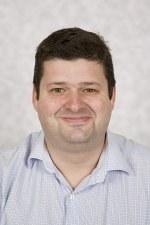
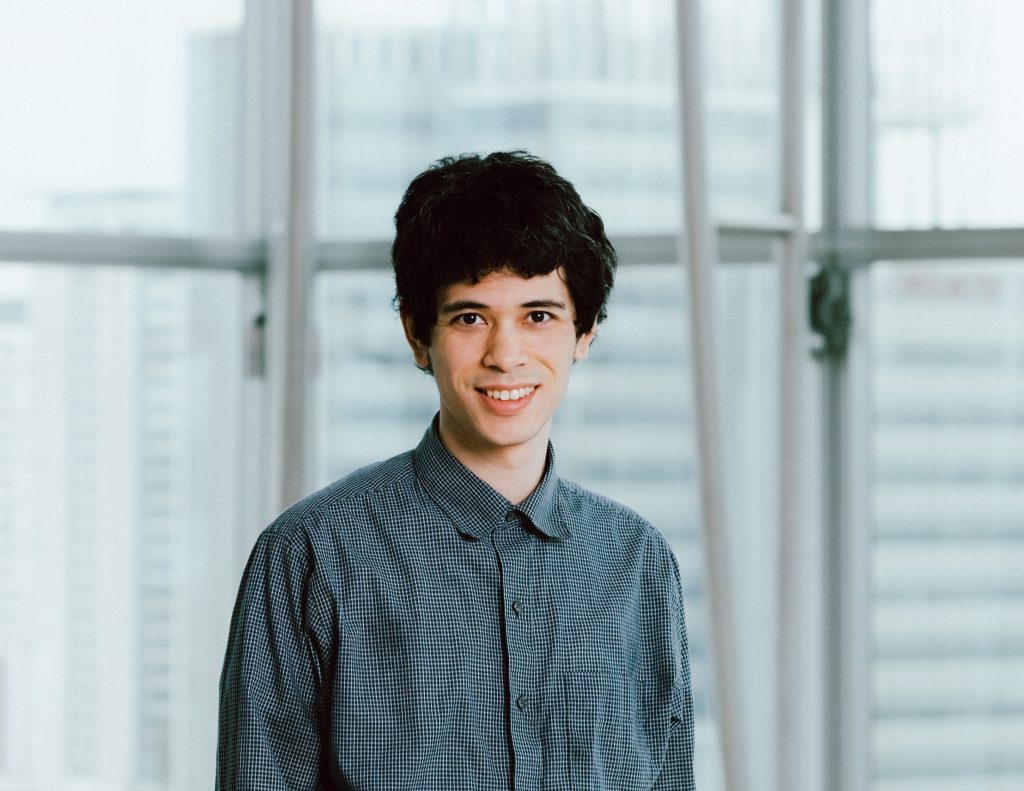
Luca Bergamasco is a Fixed-term Tenure-Track Assistant Professor at the Department of Energy (DENERG) , College of Electrical and Energy Engineering , Politecnico di Torino. His academic career spans multiple teaching roles across Electrical, Energy, Mechanical, Aerospace, and Automotive Engineering colleges, with a focus on computational heat transfer and solar energy technologies. Faculty of Electrical and Energy Engineering Member of Mechanical, Aerospace, and Automotive Engineering College Dr. Bergamasco's research centers on thermal engineering and industrial energy systems , combining machine learning with traditional thermal analysis. Key projects involve optimizing phase change materials for energy storage and developing neural network models for industrial applications. His recent publications (2023-2025) reveal a strong emphasis on thermal conductivity enhancement , CO2 reduction , and machine learning integration in energy systems. Collaborative work with Alessandro Ribezzo on metal wool-phase change composites demonstrates practical applications of his research. Teaching activities include Advanced Solar Energy Technologies and Computational Heat and Mass Transfer courses at both PhD and Master's levels. He actively supervises PhD students and contributes to courses like Machine Learning for Energy Applications .
Prof. Dr.-Ing. Udo Jung is a faculty member at the Technical University of Central Hesse, affiliated with the College of Mechanical Engineering, Mechatronics and Materials Technology. He leads the Lightweight Construction & Structural Durability Laboratory, focusing on teaching and research in lightweight design, fatigue strength, and structural optimization. Teaches courses: Lightweight Construction 1/2/3 (LB1/LB2/LB3), Fatigue Strength (BF), Design Methodology (CM), Structural Optimization (SRO) Research emphasizes bionics, 3D printing, sustainable mobility, and computational methods like FEM Active in industry collaborations (e.g., Continental Engineering Services, Adam Opel AG) His work bridges theoretical principles and practical applications in mechanical engineering, particularly automotive systems. He contributes to the Competence Center for Automotive, Mobility, and Materials Research, exploring innovations in commercial vehicle electrification and bio-inspired design methodologies.
Dr Terry Ireland serves as an Honorary Researcher in the Department of Chemical Engineering within Brunel University London's College of Engineering, Design and Physical Sciences. His academic foundation includes a BSc in Chemistry from the University of Essex (1996), followed by an MSc (1999) and PhD (2008) from the University of Greenwich under Professor Jack Silver's supervision, focusing on rare earth element doped phosphor materials. BSc Chemistry, University of Essex (1996) MSc (Precipitation techniques and characterisation of rare earth element doped phosphor materials), University of Greenwich (1999) PhD (Precipitation techniques and characterisation of rare earth element doped phosphor materials), University of Greenwich (2008) His research spans luminescent materials synthesis , photonic band gap structures , and bio-replication techniques using Lepidoptera templates. Current investigations include nanofabrication of phosphor materials and dye-sensitised solar cells, with emphasis on structural colour engineering inspired by natural systems. His work bridges fundamental materials science with practical display and lighting technologies. Analysis of his 66+ publications reveals consistent focus on phosphor characterisation (particularly rare earth doped oxides), nanoparticle fabrication techniques, and bio-inspired photonic structures . Key collaborations with Silver, Withnall, and Fern demonstrate interdisciplinary approaches spanning chemical engineering, optics, and biomimetics. Recent work shows increasing emphasis on sustainable materials processing and applications in next-generation displays. Dr Ireland has contributed to numerous conference proceedings and peer-reviewed journals including Journal of Luminescence , Optics & Laser Technology , and Nanotechnology , with his 2011 paper Achieving structured colour in inorganic systems representing a significant synthesis of biomimetic principles in photonic materials design. As a Research Fellow since 2006, he has developed expertise in phosphor synthesis techniques, characterisation methodologies including Raman spectroscopy, and applications in electroluminescent displays. His work with micellar templating and sacrificial phases demonstrates innovative approaches to nanoparticle morphology control, while collaborations on bio-replicated structures highlight cross-disciplinary integration of natural design principles. His laboratory work involves advanced materials characterisation facilities and nanofabrication techniques, particularly focused on solution-based synthesis routes for phosphor materials. Current projects continue to explore the intersection of natural photonic structures and engineered luminescent systems, maintaining strong industry relevance through display technology applications.
Martin Cramer Pedersen is an Associate Professor at the Niels Bohr Institute, University of Copenhagen, affiliated with the Biocomplexity department and the Solid State Physics group. His research spans interdisciplinary topics at the intersection of biophysics, materials science, and computational biology. Specializes in structural characterization using small-angle scattering (SAXS/SANS) Develops computational methods for analyzing complex biological and soft matter systems Investigates active matter dynamics, membrane-bound protein interactions, and colloidal self-assembly Recent publications highlight his work on: Hyperbolic order in curved materials α-synuclein aggregation mechanisms Active particle-induced porous gel structures Advanced scattering data analysis tutorials Casein micelle structural heterogeneity Nematic order collapse on frictional substrates His collaborative research involves institutions across Europe and Australia, with applications in biophysics, nanotechnology, and soft matter physics.
Hossein Salahshoor is an Assistant Professor of Civil and Environmental Engineering and holds a joint appointment in the Thomas Lord Department of Mechanical Engineering and Materials Science at Duke University's Pratt School of Engineering. He is also a Faculty Network Member of the Duke Institute for Brain Sciences. Education: Ph.D. in Aerospace Engineering (Georgia Tech, 2018), M.S. in Mathematics (Georgia Tech), B.Sc. in Civil Engineering (University of Tehran) His research focuses on computational mechanics and data-driven modeling of complex material systems, with applications in brain mechanics, bio-inspired materials, metamaterials, and sustainability. Current projects include ultrasound neuromodulation studies, gas vesicle mechanics, and predictive modeling of viscoelastic materials. Recent publications highlight innovations in model-free data-driven computing , ultrasound-brain interaction , and metamaterial design , reflecting interdisciplinary work at the intersection of mechanics, applied math, and biology. He leads the Salahshoor Lab, which emphasizes multiscale modeling and experimental collaboration. He actively mentors students in computational mechanics and teaches graduate courses in continuum mechanics, composite materials, and advanced topics in CEE/ME. Lab news includes hiring announcements and participation in Duke's green materials initiatives.
Dan Nicolau serves as a Professor and holds the Marika Zelenka Roy Chair in Bioengineering at McGill University's Faculty of Engineering, Department of Bioengineering. His research integrates bioengineering principles with micro/nano-fabrication techniques to develop innovative biomedical solutions. His research focuses on dynamic hybrid nanodevices utilizing protein molecular motors on semiconductor devices, smart micro/nano-profiled surfaces for biomolecular probing, non-denaturating biomolecule immobilization technologies for biosensors and microfluidics, and biological intelligence algorithms inspired by microorganism survival strategies. Key application areas include Lab-on-a-Chip systems, biosensors, high-throughput screening, and medical diagnostics. Analysis of his recent publications reveals a strong emphasis on vascular-on-chip modeling (particularly gas embolism and bubble dynamics), fungal intelligence algorithms for space exploration, protein-surface interactions , and molecular motor-based biosensors . His work bridges fundamental biophysics with practical engineering solutions for biomedical challenges. Scientific recognition includes the prestigious Marika Zelenka Roy Chair in Bioengineering at McGill University. His laboratory develops microfabricated structures for studying biological systems, with particular expertise in creating electro-mechanical devices that interface with biomolecules, combinatorial surface probing platforms , and network-based biocomputing systems . Current research directions include vascular system modeling, fungal navigation algorithms, and advanced biosensor development using molecular motors.
Ghislaine Vantomme is an Assistant Professor at Eindhoven University of Technology (TU/e), where she leads the Supramolecular Chemistry and Materials group within the Department of Chemical Engineering and Chemistry and the Institute for Complex Molecular Systems. Her research focuses on developing intelligent supramolecular materials inspired by living systems, with applications in molecular computing, bio-(opto)electronics, and sustainable materials. Dr. Vantomme received her chemistry education at l'École Normale Supérieure (Cachan, France) from 2006 to 2010, followed by an MSc from Sorbonne University (Paris). She completed her PhD in 2014 under Nobel Laureate Prof. Jean-Marie Lehn at the Institut de Sciences et d'Ingénierie Supramoléculaires in Strasbourg. After a postdoctoral fellowship at TU Eindhoven working with Prof. Bert Meijer on photo-actuators based on liquid crystal networks, she was appointed Assistant Professor in 2019. Her research program bridges organic synthesis, systems chemistry, and materials science to create supramolecular materials capable of sensing, adapting, communicating, and learning. Dr. Vantomme's group designs, synthesizes, and characterizes complex molecular systems with the ultimate aim of building intelligent materials that can be trained to learn new decision-making functions. Her work particularly focuses on developing materials that mimic the adaptability and sustainability of living matter using purely synthetic molecules, as she states: 'My dream is to synthesize materials that are as adaptive and sustainable as living matter - using purely synthetic molecules.' Analysis of Dr. Vantomme's recent publications reveals a strong focus on supramolecular materials with adaptive properties, particularly in the areas of chirality control, 2D nanostructure formation, and biomimetic systems. Her research integrates concepts from polymer science, nanotechnology, and computational modeling to create materials with precisely controlled morphologies and functions. The interdisciplinary nature of her work is evident in publications spanning chemistry, materials science, and electronics journals, with a particular emphasis on applications in next-generation electronic devices and sustainable technologies. Dr. Vantomme has received significant recognition for her research, including: VENI grant (2017) VIDI grant (2024) 2026 New Horizons Solvay Lectureship Her research is supported by prestigious funding sources including the European Research Council (SYNMAT project ID 788618) and the Dutch Ministry of Education, Culture and Science (Gravity program 024.001.035). Dr. Vantomme is actively involved in mentoring students and teaching courses including Organic Chemistry 1 & 2, Practical Organic Chemistry, and Advances in Molecular Chemistry. Dr. Vantomme leads the Supramolecular Chemistry and Materials group, which is part of the ICMS Core and Macro-Organic Chemistry groups within the Institute for Complex Molecular Systems. Her team brings together expertise in organic synthesis, physical characterization, and materials science to tackle challenging problems in supramolecular chemistry and advanced materials development.
Fernando Jose Lopez Garcia is a Researcher at the Research Center in Biological Chemistry and Molecular Materials (CIQUS), a joint institution between the Spanish National Research Council (CSIC) and the University of Santiago de Compostela (USC), where he contributes to the BCS Biological and Supramolecular Chemistry group. He earned his Doctorate from the University of Santiago de Compostela in 2003 with a thesis on Asymmetric synthesis of medium-sized carbocycles , supervised by Dr. José Luis Mascareñas Cid. This foundational work established his expertise in complex organic molecule construction. Dr. Lopez Garcia's research centers on Supramolecular Chemistry and Biological Chemistry , with significant contributions to Organic Synthesis methodologies. His specialization in Asymmetric Synthesis enables precise creation of chiral carbocyclic structures, bridging synthetic chemistry with biological applications to develop functional molecular systems. Current work focuses on designing bio-inspired supramolecular architectures for advanced material science. His research activities are anchored in the BCS group at CIQUS, a collaborative hub fostering interdisciplinary innovation in chemical sciences through state-of-the-art instrumentation and cross-institutional partnerships.
Sanjay Rastogi is a Professor of Polymer Technology at Loughborough University, UK, and Professor in the Biomaterials program at Maastricht University, The Netherlands. He is currently seconded from Loughborough University to Teijin Aramid in Arnhem, Netherlands, where he chairs innovation programs. His academic career spans multiple prestigious institutions including Eindhoven University of Technology, Max Planck Institute for Polymers, and the National Chemical Laboratory in Pune, India where he was appointed as an Outstanding Scientist by the Council for Science and Industrial Research. Professor Rastogi's research focuses on the fundamental understanding of structure-property relationships in polymers, with particular emphasis on bio-based high performance polymers, chain dynamics in thermodynamically metastable polymer melts, and hydrogen bonding in synthetic and bio-polymers. His work combines chemistry, physics and rheological aspects of polymer science to develop optimal processing techniques for high-demand applications. His research has led to significant commercial applications, most notably the development of disentangled ultrahigh molecular weight polyethylene technology that enabled the creation of Endumax®, a brand for body armor protection materials now employing over 80 staff with projected sales exceeding €15M. Professor Rastogi has received numerous scientific awards including the Teijin Group Senior Technical Expert award, the Outstanding Scientist designation from CSIR India, and multiple DPI Innovation awards. He has been recognized with best poster awards from Polymer Technology Netherlands and the European Polymer Federation. With over 21 million dollars in research grants secured, Professor Rastogi has supervised 23 PhD students and 17 Master's students. His research group at Maastricht University includes 2 PhDs, 3 post-docs, and a team of six newly appointed assistant professors. He has been a program coordinator for the Dutch Polymer Institute, representing over 20 chemical industries worldwide, and actively involved in nucleating the Bio-Inspired cluster within DPI. Professor Rastogi is a frequent user of advanced synchrotron radiation facilities at ESRF (Grenoble), DESY (Hamburg), and Daresbury (UK), where he has developed unique experimental tools including diamond window piston cylinder pressure cells and specialized stretching cells for deformation studies.
Shuai ZHANG is a Research Fellow at Nanyang Technological University (NTU), Singapore, working under the supervision of Prof. Chen Lv. He previously served as a Postdoctoral Fellow at the University of Hong Kong (HKU) with Prof. Jia Pan and completed his Ph.D. and Master's in Marine Science and Technology at Northwestern Polytechnical University under Prof. Mingyong Liu and Prof. Xingguang Peng. He was also a Joint Ph.D. student at the Intelligent Computational Engineering Laboratory (ICE LAB) at the University of Strathclyde, UK, supervised by Dr. Edmondo Minisci. Ph.D., Marine Science and Technology, Northwestern Polytechnical University Master, Marine Science and Technology, Northwestern Polytechnical University His research focuses on Swarm robots/drones , Robotics and autonomous systems , Swarm intelligence , and Bio-inspired optimization , with applications in Multi-robot/agent systems , Differential privacy , and Distributed control . He investigates collective behaviors in robotic systems using Game theory and Evolutionary dynamics , while integrating Smooth particle hydrodynamics and Agent-based modeling . Recent publications demonstrate expertise in EEG emotion recognition , BCI-assisted neurorehabilitation , and non-invasive brain-computer interfaces , with a trend toward geometric modeling in neural networks and adaptive signal processing. His work bridges theoretical models (e.g., transformers, co-adaptive networks) with practical implementations in embedded systems and wearable technologies. Associate Editor, 2023 IEEE International Conference on Robotics and Biomimetics (ROBIO 2023) He actively contributes to academic services as a reviewer for journals including IEEE Transactions on Robotics (T-RO), IEEE Robotics and Automation Letters (RA-L), and Complex & Intelligent Systems , reflecting his impact in robotics and computational neuroscience communities.
Dr. Min-Kyu Song is an Associate Professor at Washington State University within the Voiland College of Engineering and Architecture, School of Mechanical and Materials Engineering. He holds a Ph.D. in Materials Science and Engineering from Georgia Tech (2011) and previously earned his M.S. (2001) and B.S. (1999) from Korea University. His research focuses on rational materials design for energy and environmental applications, including batteries, fuel cells, supercapacitors, smart windows, electrochemical desalination, and bio-inspired manufacturing technologies. He emphasizes structure-property relationships in ceramics/metal materials and solid-state electrochemistry. Energy technologies: batteries, fuel cells, supercapacitors, smart windows Environmental technologies: electrochemical synthesis/fuel production, water desalination Bio-inspired materials for energy/environmental applications Structure-property relations in advanced materials Dr. Song has received multiple awards including the Outstanding Inventor Award, Rising Stars in Electrochemistry recognition, and Academic Advisor Excellence Award. His group has secured NSF I-Corps funding and mentored undergraduate researchers like Michael Kindle (NASA Space Grant Scholar) and Panpan Dong (China Scholarship Council Fellow). Served as co-organizer for multiple international symposia (TMS, MRS, ACS) Developed graduate courses: MSE 503 (Electrochemical Energy Systems), MSE 302 (Electronic Materials) Active in industry engagement (Samsung SDI, Microsoft, KAIST collaborations)
Luca De Vico is an Associate Professor in the Department of Biotechnology, Chemistry and Pharmacy at the University of Siena, specializing in computational chemistry with a focus on multiconfigurational methods. His research spans organic chemistry, molecular modeling, and photosynthetic systems, with particular expertise in light-harvesting complexes and exciton theory. Professor De Vico's research interests center on computational chemistry approaches to understanding complex molecular systems, particularly those involved in photosynthesis. His work combines multiconfigurational quantum chemical methods with molecular modeling to investigate light-harvesting systems, chlorophyll derivatives, and molecular aggregates. His expertise in exciton theory and QM/MM methods has led to significant contributions in understanding energy transfer processes in biological and artificial photosynthetic systems. Analysis of his recent publications reveals a strong focus on computational design of photosynthetic systems , with particular emphasis on bacteriochlorophyll models, light-harvesting antenna systems, and multiconfigurational approaches to excitonic coupling. His work bridges fundamental quantum chemistry with practical applications in renewable energy and biomimetic materials. Professor De Vico has made significant contributions to computational chemistry software development, particularly through his involvement with the OpenMolcas project, which provides advanced multiconfigurational quantum chemistry capabilities to the research community. His teaching portfolio includes advanced courses in Emerging Synthetic Methodologies and Multiconfigurational Methods in Computational Chemistry for graduate students in Chemistry, as well as foundational Organic Chemistry courses for Pharmacy and Chemical Sciences students.
Steven Beites is a tenured Professor at Laurentian University's McEwen School of Architecture, where he directs the Institute for Northern Housing Innovation and serves as Graduate Coordinator. He holds a Master of Architecture from the University of Toronto, a Master of Science in Digital and Material Technologies from the University of Michigan, and is a Ph.D. candidate at the European Graduate School in Switzerland. Previously, he taught at Toronto Metropolitan University and the University of Waterloo, with visiting appointments at Harvard’s Graduate School of Design. His research integrates robotics, material science, and bio-based materials to transform affordable housing in Northern Ontario, focusing on decarbonization, automated construction, and sustainable design. Key themes include: Robotic fabrication for in-situ construction Low-carbon bio-material assemblies Cable-driven parallel robot (CDPR) systems Community-driven design-build frameworks Publications emphasize robotic construction (68% of recent works), material innovation (21%), and pedagogical/community design (11%), with consistent focus on practical applications for housing affordability. Significant awards include: Voyageur Innovation Challenge 2025 (1st Place) Kathryne Kril-Atkins Innovation Fellowship National Award of Excellence from Canadian Society of Landscape Architects Azure Magazine’s Social Good AZ Award Over 15 national/international competition wins including Postmark Hotel (2024) and Venice Biennale exhibitions He secured $1.75M+ in grants (SSHRC, NFRF) establishing the Institute for Northern Housing Innovation, and advises the Ontario government on modular housing policy through the Council of Ontario Universities.
Alex Routh is Professor of Colloid Science in the Department of Chemical Engineering and Biotechnology at the University of Cambridge. He leads the Colloidal Dispersions research group, focusing on fundamental and applied aspects of colloidal systems. His work bridges theoretical understanding of particle behavior with practical applications in consumer products, coatings, and drug delivery systems. Professor Routh's research centers on four interconnected areas: film formation from colloidal dispersions, particle aggregation phenomena, microencapsulation technologies, and responsive microgel systems. His work on film formation investigates how particles pack and deform during drying to create continuous films, with applications in coatings technology. His aggregation research examines clumping mechanisms in systems ranging from engine oil additives to biological environments. In microencapsulation, he develops novel systems with responsive shells for controlled release, while his microgel work explores temperature-responsive particle behavior for drug delivery applications. Analysis of Professor Routh's recent publications reveals a strong trend toward practical applications of fundamental colloid science, particularly in fast-moving consumer goods. His work demonstrates consistent progression from theoretical investigations to engineered solutions for real-world problems, with growing emphasis on environmentally friendly materials and sustainable encapsulation technologies in his most recent research. Professor Routh actively collaborates across disciplines, notably with Dr. Bill Clegg in Materials Science on crack formation in drying films. His research group employs diverse experimental techniques including light scattering, rheology, neutron scattering, and advanced imaging methods to probe colloidal behavior at multiple scales. His laboratory maintains strong industry connections, particularly with consumer goods manufacturers seeking advanced encapsulation solutions.
Assistant Professor Andrew Barnabas Wong holds a primary appointment in the Department of Materials Science and Engineering at the National University of Singapore (NUS), with a joint affiliation in the Department of Chemical and Biomolecular Engineering. His research program focuses on advancing electrochemical CO 2 conversion technologies for sustainable energy applications. His academic training includes: Joint B.S.-M.S. in Chemistry, University of Chicago (2011) Ph.D. in Chemistry, UC Berkeley under Prof. Peidong Yang (2016) Postdoctoral research with Prof. Thomas Jaramillo at Stanford University (2016-2020) Dr. Wong's research centers on engineering electrochemical microenvironments through three interconnected thrusts: (1) developing materials and methods to optimize CO 2 reduction reaction (CO 2 RR) microenvironments, (2) pioneering high-temperature CO 2 conversion in molten salt electrolytes to circumvent hydrogen evolution limitations, and (3) creating hybrid biotic-abiotic systems that combine electrocatalysis with microbial catalysis for challenging reactions like N 2 reduction. His group also develops perovskite-inspired materials for defect-tolerant semiconductors. Analysis of his 15 most recent publications (2018-2025) reveals consistent focus on microenvironment engineering for CO 2 conversion, with significant contributions in interfacial structure control, CO transport management, and novel catalyst-electrolyte design. His work bridges electrocatalysis, materials science, and bioelectrochemistry, demonstrating particular expertise in tandem catalytic systems and molten electrolyte approaches for multicarbon product generation. Dr. Wong leads the A.B. Wong Group at NUS, which maintains active collaborations across chemistry, materials science, and chemical engineering disciplines. The group's facilities in Engineering Block 2 (E2-05-26) support research in rational material synthesis and electrochemical conversion systems development.