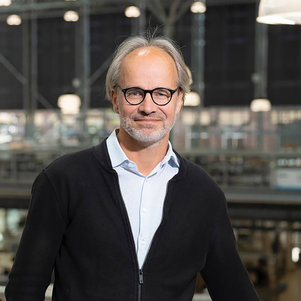
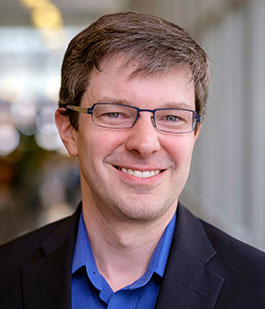
Peyman Mirtaheri is a Professor at the Department of Mechanical, Electronics and Chemistry (MEK) under the Faculty of Technology, Art and Design at Oslo Metropolitan University (OsloMet). He also holds an Adjunct Professor position at the Faculty of Biomedical Engineering at Michigan Technological University, USA. His primary role involves teaching courses such as Medical Sensors and Actuators (ACIT4720) and the upcoming BioInspired Systems (fall 2025). Research Interests: Professor Mirtaheri leads the ADEPT lab (ADvanced hEalth intelligence and brain-insPired Technologies) and ADEPT_technology, focusing on: Developing measurement techniques for brain activity detection and analysis Applying fNIRS (functional near-infrared spectroscopy) and EEG (electroencephalography) to study movement, balance, and cerebral cortex activity Advancing bio-inspired systems and health technology Key Projects: His active research includes Use of 3D printers in future rehabilitation (knowledge-based and patient-centered solutions) and completed work on Brain activity during walking and balance . Labs & Collaborations: He integrates his optical/NIRS laboratory into OsloMet's ADEPT lab, collaborating with institutions like Michigan Technological University and contributing to global conferences such as the IEEE International Symposium on Circuits and Systems and the ISPO World Congress .
Dr. Andreu Català Mallofré is a Full Professor at the Universitat Politècnica de Catalunya (UPC), affiliated with the Department of Systems, Automatic and Industrial Informatics Engineering. He serves as the principal investigator at the CETpD - Centre d'Estudis Tecnològics per a l'Atenció a la Dependència i la Vida Autònoma (Technical Research Center for Dependency Care and Autonomous Living) and leads the TOC - Tecnologia Orientada a la Comunitat (Community-Oriented Technology) research group. With an academic career spanning over 30 years, he specializes in assistive technologies, human-computer interaction, and biomedical data analysis. His research interests focus on Wearable health monitoring systems Parkinson's disease management solutions Frailty assessment algorithms Emotion-driven computing Community-embedded technology Gerontechnology applications These areas have produced 367 academic outputs including 59 indexed journal articles, 148 conference papers, and 66 competitive R&D projects. Recent publications demonstrate a clear trend toward multimodal health monitoring combining inertial sensors with biometric data for aging populations . Key application areas include freezing-of-gait detection in Parkinson's patients and distress estimation during assisted mobility. His 2024 work explores agricultural sustainability through data-driven fertilizer optimization. Scientific recognition includes UPC Social Council Award (2013) 20+ years as conference committee member Multiple competitive R&D grants 23391773000 Scopus ID Orcid 0000-0001-8775-1955 As academic advisor, he has mentored 3 PhD candidates including Daniel Manuel Rodriguez-Martin (Human Movement Analysis, 2020) Leonid Ivonin (Physiological Signal Processing, 2014) John Neal Abram Brown (Calm Computing, 2014) His teams operate within Vilanova i la Geltrú's School of Engineering, with strong industry and healthcare sector collaborations.
Ahmed Hassan is a Senior Lecturer in Architectural Technology at the Department of Design and Architecture, School of Arts and Humanities, University of Huddersfield. He serves as Course Leader and is affiliated with the Innovative Design Lab Research Centre. His research focuses on sustainable building technologies, particularly bio-polymeric materials in façades, climate change mitigation, and urban sustainability. UN Sustainable Development Goals (SDGs) contributions: Sustainable Cities and Communities, Climate Action Active in research outputs (5 publications, 2015–2024) Collaborations include international conferences and SDG-aligned projects Research interests revolve around innovative bio-polymeric materials, façade engineering, and sustainable urban design. Recent work explores multi-criteria decision-making models (AHP, TOPSIS) for material selection and CT-based analysis of architectural components. Scientific activities include presentations at global conferences (2019–2024) and media engagement (e.g., Prometheus Journal interview, 2021). He supervises research projects and contributes to industry-academia collaborations.
Gemma Eibes is an Associate Professor at the Department of Chemical Engineering, Universidade de Santiago de Compostela (USC), Spain. She holds a PhD in Chemical Engineering (2007) and has conducted postdoctoral research at the Technical University of Lisbon (2007–2009) and USC (2009–present). Her research focuses on enzymatic biocatalysis, biorefinery technologies, and sustainable waste valorization, with particular emphasis on lignocellulosic biomass conversion, pollutant bioremediation, and bio-based product development. Eibes leads projects funded by national and EU grants, including the Proyectos I+D+i (Mineco) and ERA-IB2 programs. Education: BSc in Chemical Engineering (USC, 2001); PhD in Chemical Engineering (USC, 2007), supervised by Dr. Juan Manuel Lema and Dr. María Teresa Moreira. Research Interests: Enzymatic degradation of pollutants, bioprocess optimization, bioactive compound extraction from agro-industrial wastes, and development of eco-friendly biocatalytic systems. Her work integrates chemical engineering principles with biotechnology to create sustainable solutions for environmental and industrial challenges. Notable Projects: CREPÉ (PET biorecycling), PETzyme (enzymatic PET recycling), and ULTREIA (apple pomace biorefinery). She has supervised multiple PhD and MSc students on topics like enzymatic polymerization, lignin valorization, and biofuel production. Awards: FPI Fellowship (Spanish Government, 2002), Postdoctoral Grants (Xunta de Galicia, 2013, 2015), Principal Investigator roles in major grants. Labs/Teams: BIOGROUP Biotecnoloxía Ambiental, affiliated with the Interdisciplinary Research Center in Environmental Technologies (CRETUS). Collaborations include institutions in Portugal, Germany, and the EU.
Sara Gonzalez Garcia is an Associate Professor at the Department of Chemical Engineering, University of Santiago de Compostela, affiliated with the Higher Technical School of Engineering and the Center for Interdisciplinary Research in Environmental Technologies (CRETUS). She holds a PhD in Chemical Engineering from the same university (2009), supervised by Dr. Gumersindo Feijoo Costa and Dra. Maria Teresa Moreira Vilar, focusing on environmental assessments of wood and non-wood products. Her research emphasizes sustainability evaluation through Life Cycle Assessment (LCA) and carbon footprint analysis in industrial, agricultural, and food systems. Key research areas include environmental biotechnology, circular economy, and waste valorization. She has authored over 100 peer-reviewed papers (56 as first author), 8 book chapters, and contributed to 3 PhD theses. Her work bridges environmental science with practical applications, such as optimizing biorefineries, sustainable farming practices, and eco-labeling frameworks for the hospitality sector. She leads the BIOGROUP (Environmental Biotechnology Research Group) and has received the prestigious Agustin de Betancourt y Molina Medal (2016) for young researchers. Her academic contributions span international collaborations and policy-relevant studies, including assessments of municipal carbon footprints and the environmental impact of dietary patterns. Current projects focus on multi-criteria sustainability indicators for urban systems and advancing bio-based economies through circular principles.
Ana Arias Calvo is a Postdoctoral researcher at the Department of Chemical Engineering, University of Santiago de Compostela, affiliated with the Higher Technical School of Engineering. She is part of the BIOGROUP (Environmental Biotechnology) research group. Her doctoral thesis focused on transforming biowaste into biomaterials and bioactive products within circular economy frameworks, completed in 2023 under the supervision of Dra. María Teresa Moreira Vilar and Dr. Chewing Feijoo Costa. Research Interests: Ana's work centers on sustainable biorefinery design, waste valorization, and environmental impact assessments. She explores how circular economy principles can drive innovation in bio-based materials, renewable resources, and eco-efficient technologies. Her research integrates life cycle analysis (LCA), multi-criteria decision-making, and policy frameworks to evaluate sustainability outcomes. Key Themes in Publications: Her recent work emphasizes the environmental and economic feasibility of biorefinery systems, biofuel production from agro-industrial byproducts, and the development of sustainable bio-based polymers and adhesives. She also investigates governance mechanisms to align certification systems with bioeconomic policies. Advising & Grants: No advising roles or grants are explicitly listed, though her research often involves collaborative projects with industry and academic partners. She contributes to advancing the bioeconomy through interdisciplinary approaches that bridge technological innovation and environmental stewardship. Labs/Teams: Active member of the BIOGROUP lab, focusing on environmental biotechnology and circular economy applications.
Dr. Jane Wood is a Lecturer in Fashion Technology at the University of Manchester, specializing in biomaterials, industrial sustainability, and smart garment systems. She holds a PhD in Applied Microbiology, an MSc in Apparel Product Development, and a BSc in Textile Chemistry from the University of Leeds. Her interdisciplinary research addresses environmental challenges in the global textiles sector, with a focus on microbial cellulose production, color pollution remediation, and sustainable design. She is co-lead of the Sustainable Textiles and Apparel Research (STAR) group, fostering collaborative research among PhD and master’s students. Dr. Wood’s academic leadership includes curriculum development, such as the BSc (Hons) Fashion Product Innovation program, and industry partnerships with organizations like the British Textile Machinery Association. She is a STEM Ambassador, advocating for STEM inclusion and science communication through media appearances and public engagement. Her accolades include the Senior Fellowship of the Higher Education Academy (SFHEA), Fellowships from the Textile Institute and Society of Dyers and Colourists, and the gold award for the Textiles 2030 initiative. She actively contributes to policy panels, editorial boards, and research assessments like Horizon Europe. Key Roles: Academic Leadership, Curriculum Design, Public Engagement Research Groups: STAR Group, Textiles and Life Conference Series Industry Collaborations: Ford, Volkswagen, Disney, Marks & Spencer Her research articles span topics like microbial cellulose, smart textiles, and sustainable practices, with a focus on bridging academic and industrial needs. She mentors early-career researchers and chairs international academic events, emphasizing interdisciplinary innovation and environmental stewardship. Awards & Fellowships: Textiles 2030 Gold Award (2021) Senior Fellowship of HEA (2021) Fellow of Textile Institute (2017) Grants & Projects: Innovate UK-KTP Project on PFAS Filtration Smart Sensor Integration in Sportswear (KTP Project) Labs & Teams: Co-leads STAR Group, collaborates with industry partners on textile innovation.
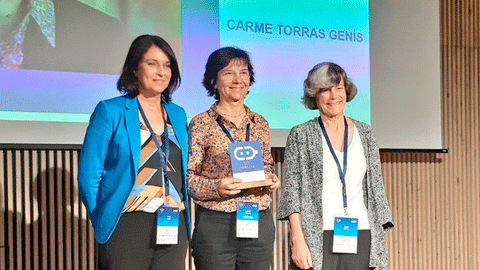
Carme Torras is a Research Professor at the Institute of Robotics and Industrial Informatics (IRI), a joint center of the Polytechnic University of Catalonia (UPC) and the Spanish National Research Council (CSIC), affiliated with the Faculty of Informatics of Barcelona (FIB). She leads the research group in assistive robotics, focusing on ethical, human-centered robotic systems. With over 400 scientific publications, she has made pioneering contributions in robotics, neurocomputing, and artificial intelligence. PhD in Computer Science – Universitat Politècnica de Catalunya Master in Computer Science – University of Massachusetts Bachelor in Mathematics – University of Barcelona Her research interests span robotics , artificial intelligence , neurocomputing , and ethics in digital technologies . She emphasizes the societal impact of AI, promoting ethical principles and public engagement. Her recent articles and literary works explore human-robot interaction, assistive systems, and the emotional dimensions of technology. The analysis of her recent publications reveals a strong trend toward interdisciplinary research combining technical innovation with ethical reflection. Her work integrates robotics with cognitive science, literature, and social responsibility, emphasizing open science and inclusive design. She advocates for an open laboratory model in assistive robotics to foster collaborative innovation. Nit de la Robòtica Award (2022) Pedrolo Prize for 'La mutación sentimental' Ictineu Prize for 'La mutación sentimental' and 'Enxarxats' Carme Torras has supervised 20 doctoral theses and led 17 European research projects, demonstrating significant leadership in both academic mentoring and large-scale collaborative research. She is deeply involved in science communication, using fiction to explore ethical dilemmas in AI. Her vision includes expanding open-access research infrastructure in robotics. She leads the assistive robotics research group at IRI, which focuses on developing intelligent robotic systems for healthcare and personal assistance. The team emphasizes ethical design, human-robot collaboration, and accessibility, contributing to both technological advancement and societal dialogue.
Sascha R.A. Kersten serves as Full Professor in Sustainable Process Technology at the University of Twente, maintaining an active research profile with 234 publications and significant academic impact evidenced by an h-index of 61 and over 11,560 citations. His work centers on sustainable chemical engineering solutions for energy and materials conversion. Research interests prominently feature pyrolysis (100% fingerprint match), biomass conversion (53%), catalytic processes, bio-oil production, and thermochemical treatment of feedstocks. Kersten specializes in transforming lignocellulosic biomass and waste plastics into biofuels and value-added chemicals through advanced reaction engineering and separation techniques. Recent publications demonstrate consistent focus on catalytic pathways for bio-jet fuel synthesis, continuous extraction methodologies for biomass-derived sugars, and innovative pulping using deep eutectic solvents. His work integrates reaction kinetics with process design to address industrial-scale sustainability challenges in renewable energy and circular economy applications. Kersten has supervised 44 research projects including PhD theses, as documented in institutional records. His collaborative network spans international research teams, with significant activity in the last five years reflected in multi-country research outputs and conference engagements.
Nane Kratzke is a Professor at Lübeck University of Applied Sciences, specializing in cloud computing and cloud-native applications. His research addresses practical challenges in container orchestration, cloud security, and vendor lock-in for small and medium enterprises. He holds a Diplom in Computer Science and a Doctorate in Natural Sciences, though specific institutions are not documented in available sources. Research interests include cloud-native architecture design, Kubernetes orchestration, moving target defenses for cloud security, and cost modeling of cloud services. His work bridges academic research and industry needs, particularly for SMEs seeking cloud portability through multi-cloud strategies and runtime transferability. Analysis of recent publications (2022-2024) reveals a strategic shift toward AI-driven cloud management techniques like prompt engineering, building on foundational contributions in cloud observability, security mechanisms, and transferability frameworks established between 2016-2021. Key recurring themes include mitigating vendor lock-in and enabling seamless application migration across cloud environments. No scientific awards are documented in the provided information sources. Details regarding graduate student advising, research grants, and laboratory facilities are not specified in current datasets, though his publications on programming assessment tools indicate engagement with computer science education.
Prof. Ben Maoz is a Professor at the Department of Bio-Medical Engineering , The Iby and Aladar Fleischman Faculty of Engineering , Tel Aviv University . He directs the MaozLab, which pioneers interdisciplinary research in neuroengineering, microphysiological systems, and nanoscale therapeutic delivery. His lab integrates engineering principles with neuroscience to model human diseases and develop translational technologies. Research Focus Prof. Maoz's research spans: Organ-on-Chip Platforms : Developing modular microfluidic systems (e.g., neurovascular units, PNS-CNS models) for disease modeling and drug screening. Nanoneuroengineering : Designing brain-targeted nanocarriers (liposomes, dendriplexes) for siRNA and antibody delivery in neurodegenerative disorders like Parkinson's. Medical Devices : Creating implantable sensors, nanogenerators for sensory restoration, and tools for traumatic brain injury analysis. Cellular Mechanobiology : Investigating biomechanical forces in tissues using magnetoresponsive hydrogels and 3D cultures. Publication Trends His recent work (2023-2025) emphasizes: Advanced drug delivery systems for neurological applications (e.g., siRNA to neurons, alpha-synuclein-targeting antibodies). Innovative organ-on-chip platforms for studying cancer metastasis, viral entry, and neuro-immune interactions. Biomaterials and nanotechnologies addressing sensory restoration, cellular contractility, and super-resolution imaging. Laboratory & Collaborations The MaozLab employs microfabrication, molecular biology, and in vitro modeling to tackle challenges in brain health, with collaborations spanning oncology, virology, and gastroenterology.
Prof. Dr. Ir. Arjan van Timmeren holds the Environmental Technology & Design chair at TU Delft's Faculty of Architecture and the Built Environment, Department of Urbanism. He is also Scientific Director of the Resilient Delta Initiative in Rotterdam, Academical Portfolio Director for the Sustainable Cities program at TUD Extension School, and Principal Investigator at AMS Institute in Amsterdam. His research spans smart cities , green-blue urban systems , circularity , and urban metabolism , with international projects in Kiruna (Sweden), São Paulo, Rotterdam, Nijmegen, and Zwolle. Key keywords: Environmental Technology Climate Adaptation Urban Innovation GIS Analysis Smart Infrastructure Biobased Materials As an idealistic yet pragmatic researcher, he emphasizes integrated design-technology-human approaches to address urban challenges like climate resilience and urbanization . His work bridges fundamental research and real-world applications through living labs and international collaborations.
Jorge Santos is Professor of Fishery Biology at The Norwegian College of Fishery Science, UiT The Arctic University of Norway, Tromsø. His work integrates fisheries ecology, socio-ecological systems, and innovative art-science approaches to address coastal and marine challenges. Research Focus: Fisheries ecology and bio-geography, trophic networks, effects of fishing, coasts and estuaries, small-scale fisheries, fisheries management, coastal culture, futures of coasts and fisheries, Blue Economy, education and outreach, and quantitative methods. Key Trends: Recent work emphasizes climate change impacts on marine communities, rotational harvesting effects, geographic life-history variations, and interdisciplinary art-science collaborations for ocean communication. His publications reveal a strong shift toward integrating ecological science with cultural narratives and future scenario planning. Scientific Recognition: No formal awards listed in provided materials. Advising: Supervises bachelor, master, and PhD students across biological and social dimensions of marine systems. Grants & Projects: Coordinates NorLanka Blue (marine sciences/blue economy in Sri Lanka), SAMAKI (MSc/PhD school in Tanzania/Zanzibar), and Blue Route (global PhD education). Serves on MASMA Programme Committee and leads consultancies for fisheries/education development. Active in CRAFT research group (Center for Arctic Humanities) and projects AFO-JIGG (small-scale fishing welfare) and FUTURES4Fish (coastal futures), Santos pioneers transdisciplinary approaches bridging science, art, and community engagement.
Dr. Giulia Mazzoccanti is a Research Fellow at the Department of Chemistry and Drug Technologies, Sapienza University of Rome. She holds a PhD in Pharmaceutical Sciences from Sapienza University of Rome (2018) and an MSc in Pharmaceutical Chemistry and Technology (2015) with top honors. Her academic appointments include her current position as Research Fellow (2021-present), Postdoctoral Researcher at Sapienza University of Rome (2019-2021), and upcoming Visiting Researcher position at CIC biomaGUNE, Spain (Oct 2024-Mar 2025). Dr. Mazzoccanti's research focuses on: Chirality and stereochemistry in natural and synthetic compounds Chiral stationary phases: synthesis and application in UHPLC, UHPSFC Absolute configuration assignment and stereostability of chiral systems Separation and profiling of cannabinoids (CBC, Δ⁹-THC) Functionalized nanomaterials (carbon nanodots) Epimeric peptide impurities in pharmaceutical products Her work demonstrates a strong integration of theoretical and experimental approaches to solve complex problems in separation science and stereochemistry. She has developed advanced techniques for unraveling the complexity of natural substances, ranging from small chiral molecules to large proteins, with particular emphasis on chiral separations using innovative stationary phases. Dr. Mazzoccanti has published 43 peer-reviewed articles (2016-2024) with an H-index of 12 and 506 citations (Scopus, April 2024). Her research has appeared in high-impact journals including Journal of Organic Chemistry, Chirality, Journal of Natural Products, TrAC, Analytical Chemistry, and ChemCatChem. Her publication record shows a consistent trajectory of scholarly output with increasing impact in the fields of chiral separations, natural products chemistry, and pharmaceutical analysis. She has received recognition through invitations to speak at international conferences including HANDS 2024 – International School on Chirality (Como, Italy), Extreme Chromatography Workshop (CNR Rome, 2023), and Global Summit on Catalysis and Chemical Engineering (Rome, 2023). Her scientific service includes: Topic Editor for MDPI journals: Molecules, Biomolecules, Metabolites, Separations Reviewer for journals: RSC Advances, Cannabis and Cannabinoid Research, etc. Member of the Local Scientific Committee – Chirality 2023, Rome Dr. Mazzoccanti is actively involved in research funding as Principal Investigator of two research agreements (2023, 2024) with Fresenius Kabi iPSUM, focused on stereoselective high-performance separations. She also participates in university-funded major research projects such as MACbyMOCC (asymmetric catalysis in flow). Her teaching activities include: Organic Chemistry (in English), 6 CFU, BSc in Molecular Biology, Medicinal Chemistry and Computer Science for Pharmaceutical Applications (48 hours) Organic Chemistry and Natural Products Chemistry, 5 CFU of 9, BSc in Applied Pharmaceutical Sciences (40 hours) Lecture on chiral selector design for enantiodiscrimination for PhD in Chemistry, University of Milan Teaching module titled "Advanced techniques in separation science for unraveling the complexity of natural products and (bio)pharmaceuticals" for PhD in Molecular Design and Characterization for Health
Liam Palmer is a Research Professor of Chemistry at Northwestern University and serves as the Director of Research at the Center for Regenerative Nanomedicine. His academic journey began with a PhD in Chemistry from The Scripps Research Institute in 2005. Research Interests : Controlling materials through molecular design Directional intermolecular interactions (peptide hydrogen bonds, π-π stacking) Nano-to-macroscopic scale material engineering Biological and bio-inspired applications Self-assembly of soft materials Organic and hybrid material systems Scientific Contributions : Leading work in supramolecular polymerization pathways Innovations in light-driven actuation systems Developing bioactive nanofiber matrices Exploring ferroelectric properties in hybrid materials Advancing single-cell encapsulation technologies Investigating molecular dynamics in self-assembling systems