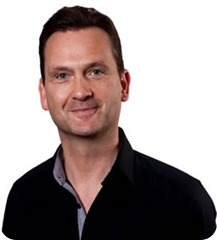
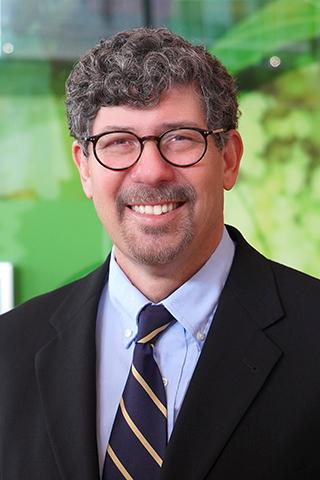
Ben Allen is an Associate Professor in the Department of Cell and Developmental Biology at the University of Michigan. His research focuses on the mechanisms of growth factor and morphogen signaling, particularly Hedgehog (HH) signaling in development, tissue homeostasis, and cancer. Employing techniques such as mouse genetics, chicken in ovo electroporations, and biochemical analyses, his lab investigates HH signaling regulation in embryonic/postnatal development and diseases like pancreatic cancer. Recent work explores HH pathway roles in taste organ repair, kidney morphogenesis, and immunosuppressive tumor microenvironments. The lab's publications highlight interdisciplinary approaches, with keywords spanning developmental biology, cancer biology, and signal transduction. Subfields include pancreatic cancer progression, ciliary transport, GLI transcription factor dynamics, and tissue-specific signaling modulation. Collaborations with cancer researchers and regenerative medicine specialists are evident. Allen's group also contributes to science education initiatives, exemplified by their "Developing Future Biologists" program targeting underrepresented undergraduate students.
Associate Professor Craig Hacking is an Academic Lead for Clinical Radiology at the Academy for Medical Education, University of Queensland (UQ). As a consultant radiologist at Princess Alexandra Hospital and forensic radiologist at Qld Health, his expertise spans trauma, emergency, and forensic radiology, alongside radiology and anatomy education. He graduated from UQ with a MBBS in 2005 and attained FRANZCR in 2013. He is renowned for contributions to Radiopaedia.org, including editorial roles and online anatomy courses. His teaching spans over two decades, including roles with ANZERG and RANZCR examinations. He leads the UQ MD Year 2 Radiology fundamentals curriculum and developed the Radiology resources website for students. Research focuses on trauma imaging, spectral CT, and radiology education. Over 15 publications include studies on electric scooter injury patterns, spectral CT applications, and fracture classification using AI. His book Imaging for Students (2023) is a key educational resource. Awards and honors are not explicitly listed, but his leadership roles and contributions indicate significant recognition. Supervision is available for research students.
Edward C. Norton is the UnitedHealthcare Professor of Health Care Management in the Department of Health Management and Policy and a Professor in the Department of Economics at the University of Michigan. He serves as Director of Quantitative Analytics in the Center for Healthcare Outcomes and Policy and is a Research Associate at the National Bureau of Economic Research (Health Economics and Economics of Aging Programs). His work bridges econometric methods with health policy, focusing on long-term care, aging, and pay-for-performance systems. Education: PhD in Economics from MIT (1990), AB in Economics from Princeton University (1986). Research interests span health economics , econometric modeling , aging , and healthcare finance . His recent publications address topics like IVF insurance coverage , robotic surgical outcomes , and dementia-related economic burdens , employing advanced statistical techniques to evaluate policy impacts. He has received the 2018 School of Public Health Excellence in Research Award . His methodological contributions include developing analytical tools for heterogeneous treatment effects and logit model interpretations , with applications in Medicare payment reforms and healthcare quality studies.
Dr. Daniel Shu is an Assistant Professor in the Department of Medicine at the University of Maryland School of Medicine and a medical oncologist at the University of Maryland Greenebaum Comprehensive Cancer Center. His clinical expertise encompasses gastrointestinal cancers, including liver, bile duct, gallbladder, pancreas, and colon malignancies. Education: MD from Temple University School of Medicine (2017) Internal Medicine Residency at Johns Hopkins Hospital (2020) Medical Oncology Fellowship at Johns Hopkins Hospital (2024) Dr. Shu's research centers on cancer immunology, with emphasis on adaptive immune responses to malignancies. He employs multiomic techniques including bulk/single-cell RNA sequencing, TCR/BCR sequencing, and imaging mass cytometry to investigate tertiary lymphoid structures in liver cancer immunotherapy. His work bridges clinical oncology and mechanistic immunology to optimize therapeutic strategies. His 2024-2025 publications reveal a concentrated focus on tertiary lymphoid structures as biomarkers and therapeutic targets in hepatocellular carcinoma. Research spans clinical trial analysis, pathological response assessment, and morphological characterization of immune structures during neoadjuvant immunotherapy, establishing foundational insights for precision immuno-oncology. Scientific Awards: Conquer Cancer/ASCO Young Investigator Award (2024-2025) Supported by the ASCO Young Investigator Award, Dr. Shu leads research integrating clinical oncology with advanced immunological profiling. He actively collaborates within multidisciplinary teams at the Greenebaum Comprehensive Cancer Center, focusing on gastrointestinal malignancies and immune microenvironment dynamics. His ongoing projects include biomarker development for immunotherapy response prediction. As a member of ASCO, AACR, and SITC, Dr. Shu contributes to national cancer research initiatives while maintaining clinical practice in gastrointestinal oncology at the University of Maryland's NCI-designated cancer center.
Professor Christopher Goldring serves as Deputy Executive Dean of the Institute for Systems, Molecular and Integrative Biology at the University of Liverpool's Department of Pharmacology and Therapeutics. He co-directs the Human Liver Research Facility and the Joint Centre for Pharmacology and Therapeutics with XJTLU in Suzhou, China, while holding advisory roles with the MHRA Herbal Medicines Advisory Committee and MRC DiscoveryMedicineNorth doctoral training program. Goldring's research centers on translational drug safety , focusing on developing humanised biologically-relevant models for predicting adverse drug reactions. Key initiatives include: Leading UKRI's 3Dbionet project to enhance 3D in vitro liver models Establishing pipelines for human primary liver cells (>380 samples since 2011) Developing industry-adopted roadmaps for pharmaceutical safety assessment Creating precision-cut tissue slice models for drug metabolism studies Investigating cholangiocarcinoma genomics and targeted therapies Analysis of his 2020-2025 publications reveals three dominant trends: biomarker validation for drug-induced liver injury (DILI), physiological refinement of complex in vitro models (organoids, 3D cultures), and translational oncology focusing on biliary tract cancers. His work bridges academic research with pharmaceutical industry needs through twelve industry partnerships. Recognition includes: Fellow of the British Pharmacological Society Goldring supervises PhD research on stem cell-derived hepatocyte models, DILI biomarkers, and NRF2-mediated immune responses while securing major funding including: TransBioLine consortium (EU Commission, 2019-2025): $22M for translational biomarker development AMMF Charity projects (2017-2026): Cholangiocarcinoma immunosuppression studies NW Cancer Research (2023-2027): Uveal melanoma metastasis modeling MRC/BBSRC grants: Liver model reproducibility and physiological relevance He co-directs the Centre for Drug Safety Science and Human Liver Research Facility, leading teams that include pharmaceutical partners (Janssen, Pfizer, Merck) and international academic collaborators to establish standards for preclinical safety assessment.
Luke Boulter is a Reader and Cancer Research UK Fellow at the University of Edinburgh , affiliated with the Institute of Genetics and Cancer and the MRC Human Genetics Unit . His research focuses on Wnt signaling in liver tissue repair and cancer progression. BSc (Hons) in Molecular Cell Biology – University of York (2004) PhD – University of Edinburgh (2011) Luke’s lab investigates how Wnt signaling regulates liver regeneration, bile duct development, and cholangiocarcinoma. Key themes include: Canonical and non-canonical Wnt pathway dynamics Epithelial-mesenchymal interactions in disease Therapeutic targeting of signaling networks His recent publications highlight work on: Biliary tree patterning (2024) TGFβ-ECM-integrin axis in polycystic liver disease (2023) CRISPR-based genetic heterogeneity analysis in cholangiocarcinoma (2022) Scientific awards include: Cancer Research UK Fellowship Leverhulme Trust Early Career Fellowship Current projects funded by MRC, CRUK, UKRI, and Chief Scientist Office focus on repatterning cystic environments, targeting tumor-initiating cells, and pharmacological Wnt modulation.
Nicholas F. LaRusso, M.D., is a distinguished academic and clinician at Mayo Clinic, holding the Charles H. Weinman Endowed Professorship in Medicine, Biochemistry, and Molecular Biology. He is affiliated with the Department of Internal Medicine, Division of Gastroenterology and Hepatology, and the Department of Biochemistry and Molecular Biology. His research focuses on cholangiocyte biology, cholangiopathies, and liver diseases, with a particular emphasis on cystogenesis and primary sclerosing cholangitis (PSC). Dr. LaRusso has led groundbreaking studies on therapeutic targets for polycystic liver diseases and pioneered novel treatments for cholangiopathies. Education: Dr. LaRusso earned his MD from New York Medical College (1969) and a BS in Biology from Boston College (1964). He completed residency and fellowship training in gastroenterology at Mayo Clinic, including a fellowship under Dr. W.H.J. Summerskill. Research Interests: His work integrates clinical practice with laboratory research, addressing pathogenesis and treatment of cholangiopathies. Key areas include TGR5 receptor modulation, cholangiocyte senescence, and epigenetic mechanisms in PSC. His team has translated discoveries into therapies for polycystic liver diseases and other biliary disorders. Grants & Projects: He leads NIH-funded projects, including the Mayo Center for Cell Signaling in Gastroenterology (since 2009) and the Midwest DDRCC Alliance Conference (2023-2024). His grants total over $30M in NIH support, including a MERIT Award (1991). Awards: Recipient of the Julius Friedenwald Medal (2014), Distinguished Mentor Award (2005), and multiple Honorary Fellowships. He has authored over 497 peer-reviewed publications and is a sought-after speaker in hepatology. Labs & Teams: Directs the Mayo Clinic Robert M. and Billie Kelley Pirnie Translational Polycystic Kidney Disease Center and collaborates with the Robert and Arlene Kogod Center on Aging. His lab focuses on cell signaling pathways and therapeutic innovations in hepatobiliary diseases.
Dr. David Hughes is a Lecturer/Assistant Professor at University College Dublin (UCD), where he joined the Conway Institute and School of Biomolecular and Biomedical Science in 2018. He serves as a Senior Conway Fellow, Head of the Molecular Epidemiology of Cancer Group (MEC), and Co-Director of the Cancer Biology Therapeutics (CBT) lab cluster. His research focuses on the nutritional, genetic, molecular, and microbial epidemiology of various cancer sites, with colorectal cancer being his primary area of focus. Dr. Hughes' educational background includes: BSc in Biochemistry from the University of Leeds (1990) PhD in Medical Genetics from Queen's University Belfast (1996) Postgraduate Diploma in Health Professions Education from the Royal College of Surgeons in Ireland (2015) Dr. Hughes' research examines how nutritional, genetic, metabolic, microbial, and lifestyle factors (together with their interactive impact on molecular mechanisms) affect the initiation and progression of cancer. His primary focus is on colorectal cancer, but he also conducts research on liver, pancreatic, breast, and gastric cancers. His investigative approaches include nutritional, genetic, molecular, and microbial epidemiology through observational and experimental studies in large European cancer cohorts. A significant portion of his work investigates the relationship between selenium status and cancer risk, particularly for colorectal and liver cancers. Dr. Hughes' recent publications reveal a strong focus on the interplay between the gut microbiome, nutritional factors (particularly selenium), and cancer development. His work increasingly incorporates genetic epidemiology approaches like Mendelian randomization to establish causal relationships. There's a clear progression from studying individual nutrients and microbes to examining complex interactions between multiple factors in cancer pathogenesis. Dr. Hughes has received notable recognition including: Senior Conway Fellow Dr. Hughes is actively involved in mentoring students and securing research funding. His current and recent grants include projects funded by the Health Research Board, the EU, the International Health Cohorts Consortium, the World Cancer Research Fund, and various funders for the EPIC project. He leads the large prospective cohort studies within the European Prospective Investigation into Cancer and Nutrition (EPIC), focusing on the influence of bacterial antigens, gut barrier integrity, and nutritional status of micronutrient minerals on cancer risk. He is also a steering committee member for colorectal cancer projects within the EPIC study and a member of the International Cancer Microbiome Consortium. Dr. Hughes leads the Molecular Epidemiology of Cancer Group (MEC) and co-directs the Cancer Biology Therapeutics (CBT) lab cluster at UCD. His team conducts research within the European Prospective Investigation into Cancer and Nutrition (EPIC) cohort, which includes over half a million participants across 23 centers in 10 Western European countries. The MEC group focuses on nutritional, genetic, molecular, and microbial epidemiology of various cancer sites, with particular emphasis on colorectal cancer.
Dr. Michal Heger is a Researcher at Utrecht University's Faculty of Science, specifically within the Membrane Biochemistry & Biophysics department. He also holds the position of Professor of photonanomedicine at Jiaxing University Medical College in China and serves as Editor-in-chief of the Journal of Clinical and Translational Research. Additionally, he is Chief formulation officer at Nurish.Me in San Diego. Dr. Heger's research primarily focuses on the development of minimally invasive diagnostic and therapeutic modalities for treatment-resistant cancers, with special emphasis on bile duct cancer (extrahepatic cholangiocarcinoma, eCCA). His work follows three pillars: minimally invasive approaches, patient-friendly treatments, and affordable solutions. Photodynamic therapy (PDT) forms the core of his research program, where he investigates nanoscale carrier platforms for photosensitizer delivery, cancer cell responses to PDT, PDT-induced immune responses, and representative cell and animal models for cholangiocarcinoma. His publication record shows significant expertise in photodynamic therapy, with numerous articles spanning from 2012 to 2025. The research trends indicate a strong focus on nanotechnology applications in cancer therapy, particularly in developing targeted delivery systems for photosensitizers and combination therapies. His work bridges basic science with clinical applications, especially in difficult-to-treat cancers where conventional approaches have limited success. Dr. Heger collaborates extensively with various research groups, particularly in the areas of liquid biopsies and molecular profiling for cancer diagnostics and therapy monitoring. His work often involves interdisciplinary approaches combining pharmacology, nanotechnology, and molecular biology to address challenging clinical problems in oncology.
Khe T. C. Tran is a surgical researcher at Erasmus University Medical Center in Rotterdam, Netherlands, specializing in hepatobiliary and pancreatic surgery with a strong focus on robotic and minimally invasive techniques. As a Researcher in the Department of Surgery, Tran actively contributes to advancing surgical methodologies and outcomes through rigorous clinical research. Dr. Tran's research interests span multiple critical areas in modern surgical practice, with particular expertise in robotic pancreaticoduodenectomy, liver resection techniques, and innovative transplantation approaches. The research portfolio demonstrates deep engagement with learning curve analysis in complex surgical procedures, quality assessment in surgical anastomoses, and expanding donor organ pools through domino transplantation strategies for metabolic disorders. Analysis of recent publications reveals a clear trend toward large-scale, multicenter collaborative studies examining the comparative effectiveness of robotic versus traditional laparoscopic approaches in hepatobiliary surgery. The research emphasizes practical clinical outcomes, risk factor identification, and systematic evaluation of surgical learning curves to improve patient safety and procedural success rates. Dr. Tran actively participates in major surgical research initiatives including the Dutch Pancreatic Cancer Group and Dutch Hepato Biliary Audit (DHBA), contributing to national surgical quality improvement efforts. The research output demonstrates significant collaboration with leading surgical centers both within the Netherlands and internationally, reflecting integration into broader surgical research networks. Current work focuses on refining robotic surgical techniques, particularly in pancreaticoduodenectomy and liver resection procedures, with emphasis on identifying critical learning curve milestones and developing objective assessment tools for surgical performance. The research program addresses important gaps in understanding the optimal implementation pathways for advanced surgical technologies in complex hepatopancreatobiliary procedures.
Joshua Winder, MD is an Assistant Professor in the Department of Surgery, specializing in Minimally Invasive Surgery/Bariatrics. His research focuses on advancing techniques in laparoscopic and endoscopic interventions, including cholangioscopy, hernia repair, and bariatric procedures. He has contributed to over 42 peer-reviewed publications since 2015. Notable work includes the development of novel surgical tools and techniques, such as the disposable single-use cholangioscope and percutaneous endoscopic biliary lithectomy methods. He received the Dean's Award for Excellence in Teaching in 2023. His research spans disciplines like laparoscopic surgery, biliary system interventions, and endoscopic surveillance for Barrett's esophagus. Recent studies highlight innovations in surgical systems design and emerging therapies for obesity.
Karin Jirström is a Professor at the Department of Therapeutic Pathology, Faculty of Medicine, Lund University. She leads the LUCC: Lund University Cancer Centre and serves as Vice Dean at the Faculty of Medicine. Her research focuses on tumor-agnostic cancer biomarker discovery and adaptive treatment strategies. Roles: Professor, Head of Division, Vice Dean, Principal Investigator, Supervisor Key Institutions: Lund University, Faculty of Medicine, Therapeutic Pathology, LUCC Research Interests: Jirström specializes in tumor-agnostic biomarkers, exploring tumor heterogeneity and clonal evolution to improve treatment for pancreatic, liver, biliary tract, and colorectal cancers. Her lab maintains extensive tissue microarray resources and conducts prospective clinical trials to optimize precision oncology. Recent Article Trends: Her 2024-2025 publications emphasize biomarker validation across multiple cancers, integrating epigenetics, machine learning, and tumor microenvironment dynamics. Key themes include adaptive therapy in colorectal cancer, chemoresistance in breast cancer, and liquid biopsy applications in PDAC. Supervision: She mentors students in projects like BILLIONSTARS (bile duct/liver cancer) and On-CALL (metastatic colorectal cancer), focusing on translational research and clinical collaborations. Labs & Collaborations: Jirström co-manages the Immunohistochemistry and Tissue Microarray Center Malmö, fostering interdisciplinary work with clinicians and researchers in cancer evolution and adaptive therapies.
Dr. B. (Bart) Spee is an Associate Professor at Utrecht University's Faculty of Veterinary Medicine, Department of Clinical Sciences, specializing in Internal Medicine for Companion Animals. With over 18 years of experience in molecular biology and veterinary medicine, he has authored more than 90 peer-reviewed scientific publications. His research focuses on developing stem cell treatments for liver diseases, particularly using organoids, positioning him as a global leader in liver disease research. Spee's primary research interests include stem cell biology, liver regeneration, organoid technology, biofabrication, and tissue engineering. His work centers on creating physiologically relevant in vitro liver models using biofabrication technology for drug toxicity testing and personalized medicine approaches. He also explores this technology for developing Advanced Therapy Medicinal Products (ATMPs), such as bioengineered livers, as alternatives to organ donation. His research has significant translational implications, bridging veterinary and human medicine, particularly in treating conditions like Wilson's disease and copper storage disease. His publication record reveals a strong focus on organoid technology, liver regeneration mechanisms, and biofabrication approaches. The research trends show increasing emphasis on bioprinting, multi-organ systems, and translational applications for drug testing and disease modeling. Recent work demonstrates integration of organoid technology with advanced biomaterials and engineering approaches to create more sophisticated liver models. Visiting Postdoctoral Fellowship 2007 Spee has secured significant research funding, including €1.4 million from a €6.4 million EU grant for the OrganTrans consortium focused on bioprinting organs. He leads the 'Artificial Cow Model' project (2022-2026) funded by NWO and is involved in the 'Drug disposition On-a-Chip' project funded by Health~Holland. His previous work includes the completed 'Liver progenitor cells for functional recovery of liver disease' project (2010-2016) funded by NWO's Translational adult stem cell research grant. Spee coordinates the bachelor elective and international summer school 'Regenerative Medicine and Advanced in Vitro Models' and is involved in the 'Veterinary Professional level 2' course. His laboratory at the Hubrecht Institute serves as a hub for developing innovative approaches to liver disease treatment and modeling, with strong connections to both veterinary clinical practice and human medical applications.
Dr. Lawrence J. Saubermann is a Professor in both the Department of Medicine (Gastroenterology/Hepatology) and the Department of Pediatrics (Pediatric Gastroenterology, Hepatology and Nutrition) at the University of Rochester Medical Center. His clinical practice focuses on adolescents and adults with Inflammatory Bowel Diseases (IBD) including Crohn's Disease, Ulcerative Colitis, Celiac Sprue, and microscopic colitis, utilizing a multidisciplinary approach involving rheumatologists, pathologists, and surgeons. Education: MD from UT Southwestern Medical Center (1991) Residency: Internal Medicine, Rhode Island Hospital (1992-1994) Fellowship: Gastroenterology, Brigham & Women's Hospital (1994-1998) Research interests center on the intestinal mucosal immune system in IBD, including clinical trials with biologic agents, environmental toxin impacts, and serologic marker development. His work with the Broad Foundation, NIH, and Howard Hughes Medical Institute highlights translational research efforts. Scientific Awards: Senior Research Award (CCFA, 2003) Mentored Clinical Scientist Development Award (NIH, 1998) Fellowship (American College of Gastroenterology, 2009) Active IRB Committee Member (Panels Purple & Green, 2001-2002) Collaborations with clinical and basic science researchers, plus participation in a longitudinal IBD database study, demonstrate his integrative approach to understanding disease mechanisms and developing therapies.
Annika Bergquist is a Professor of Gastroenterology with a focus on Hepatology at the Department of Medicine, Huddinge, Karolinska Institutet. As a Senior Physician, she leads the Annika Bergquist research group, specializing in autoimmune liver diseases, particularly primary sclerosing cholangitis (PSC) and bile duct cancer. Her work bridges clinical practice, translational research, and epidemiology, addressing disease mechanisms, diagnostic tools, and treatment strategies. Education & Academic Roles : - PhD in Medicine (2001), Karolinska Institutet - Docent (2007), Karolinska Institutet - Medical Degree (1992), Karolinska Institutet Research Focus : Her research centers on PSC, investigating its link to inflammatory bowel disease (IBD), malignancy risks (cholangiocarcinoma, colorectal cancer), and biomarkers for disease progression. She leads international collaborations, including the PiSCATIN statin trial and the Scandinavian PSC Biobank. Grants & Collaborations : - Swedish Cancer Society grant (2023) for liver cancer research - Swedish Research Council grants (2022, 2024) for PSC studies - Collaborations with SWEHEP, IPSCSG, and the Norwegian PSC Research Center Advising : Supervised over 15 PhD/Master’s students since 2018, focusing on PSC comorbidities, biomarkers, and clinical trials. Labs/Teams : The Annika Bergquist group includes researchers, statisticians, and clinicians, with projects on PSC immunobiology, diagnostic algorithms, and patient outcomes.