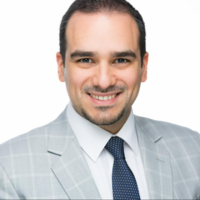
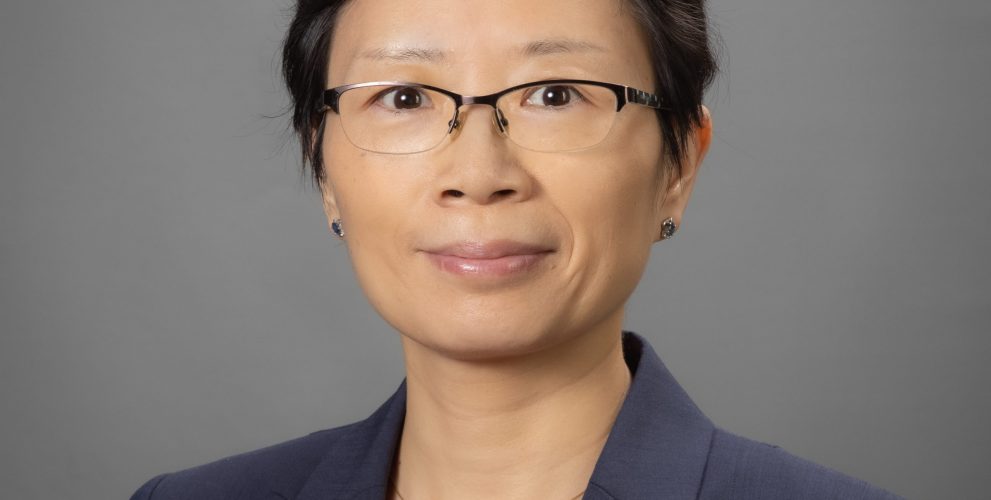
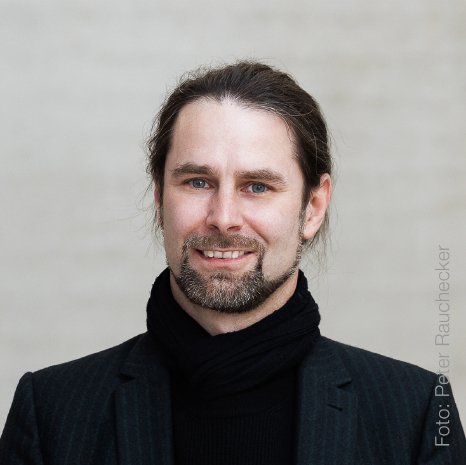
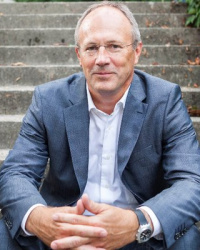
Hamidreza Mahyar is an Assistant Professor at the Faculty of Engineering , McMaster University , and an Associate Member of the Computing and Software department. His academic journey includes postdoctoral work at Boston University and TU Wien , and a Ph.D. in Computer Science from Sharif University of Technology . Research Focus: Mahyar's work bridges machine learning and network science , emphasizing graph neural networks for applications in social networks , recommendation systems , drug discovery , and generative AI . His research spans industrial AI (Industry 4.0 projects at Infineon Technologies), biomedical engineering (organoid morphology analysis), and semiconductor manufacturing (wafermap modeling). Scientific Recognition: McMaster Teaching Merit Award (2022) Vector Scholarship in AI (2023) NSERC USRA Award (2022) Google Cloud Platform for Research Award (2018) Best Paper Selection, Complex Networks (2018) Academic Leadership: He mentors PhD students (Taraneh Ghandi) and MSc students (Reza Namazi, Mohammad Khodadad, Ali Shiraei), while leading AI initiatives at Mind Lab 56 and BrainMaven . Former mentees include industry leaders at Google, Accenture, and ETH Zurich.
Maria Paz Linares Herreros is a Lecturer at the Universitat Politècnica de Catalunya (UPC), affiliated with the School of Mathematics and Statistics (FME) and the Department of Statistics and Operations Research. She is a member of the IMP (Information Modeling and Processing) research group and collaborates with inLab FIB on intelligent transportation systems. Research interests: Transportation systems, smart cities, traffic simulation, data-driven modeling, environmental impact assessment Specializes in applying machine learning and simulation to urban mobility challenges Her recent publications focus on: Parking availability prediction using deep learning Traffic emission modeling linked to urban policies Dynamic ride-sharing system optimization Integration of IoT data in transportation planning Scientific recognition: Recipient of the IV International Award on Transport Infrastructure Management Research (2018) Active contributor to projects like CitScale and Virtual Mobility Lab Collaborator in European initiatives like KIC Urban Mobility
Haiyan Hu is a Professor at the Department of Computer Science, University of Central Florida (College of Engineering and Computer Science), where she leads the Data Integration and Knowledge Discovery Lab. Her work bridges computational biology, bioinformatics, and machine learning to address challenges in biomedical research, particularly in understanding gene regulation, microRNA, and long non-coding RNA mechanisms linked to diseases like cancer, Alzheimer’s, and Parkinson’s. Education Ph.D. in Computer Science, University of Southern California Research Focus : Dr. Hu’s research applies big data mining, statistical pattern recognition, and deep learning to genomic and epigenetic data analysis. She develops computational methods for knowledge discovery in complex biological systems, with emphasis on disease mechanisms and regulatory networks. Scientific Recognition : NSF CAREER Award, 2012-2019 UCF Research Incentive Awards (2014, 2019) UCF Reach for the Stars Award (2015) Labs and Collaborations : Dr. Hu directs the Data Integration and Knowledge Discovery Lab, fostering interdisciplinary research that integrates computational approaches with biomedical applications.
Dr. Marios Georgakis is a Clinician-Scientist and Junior Group Leader at the Institute for Stroke and Dementia Research (ISD) at Ludwig-Maximilians-Universität München (LMU Munich). He also serves as a Visiting Scientist at the Broad Institute of MIT and Harvard and is completing his clinical residency in Neurology at LMU University Hospital. As Principal Investigator of the Georgakis Lab, he leads a research team focused on developing precision medicine approaches for cerebrovascular diseases. Education: Medical studies (M.D.): Medical School, National and Kapodistrian University of Athens, Greece (2009-2015) Master studies (M.Sc.): Molecular Physiology (Neurosciences), National and Kapodistrian University of Athens, Greece (2015-2017) Doctoral studies (D.Sc.) in Epidemiology, National and Kapodistrian University of Athens, Greece (2015-2019) Doctoral studies (Ph.D.) in Graduate School of Systemic Neurosciences (GSN), LMU Munich, Germany (2017-2020) Dr. Georgakis' research focuses on leveraging big data from epidemiological studies and human biobanks to develop precise and personalized preventive and therapeutic strategies for cerebrovascular diseases. His work spans biomedical neuroscience with particular emphasis on cerebrovascular disease, stroke, atherosclerosis, cerebral small vessel disease, multi-omics, data science, epidemiology, and population genetics. He employs innovative bioinformatic tools including genome-wide association studies, Mendelian randomization, multi-omics integration, single-cell transcriptomics, spatial transcriptomics, and machine learning to discover causal mechanisms, identify therapeutic targets, develop risk stratification tools, and create accurate biomarkers for cerebrovascular diseases. His laboratory has established the AtherOMICS biobank for human atherosclerotic plaque samples and developed computational pipelines for big data analyses. Recent publication trends show a strong focus on genetic architecture of stroke, inflammatory pathways in cerebrovascular disease, and development of polygenic risk scores for clinical application. Scientific Awards: Emmy Noether Independent Group Leader Award, German Research Foundation (DFG), 2023 Early Career Achievement Award, CHARGE Consortium, 2023 Fellow of the Hertie Network of Excellence in Clinical Neuroscience, 2023 Clinician-Scientist Fellow of the Excellence Munich Cluster for Systems Neurology (SyNergy), 2023 Walter-Benjamin Fellowship for postdoctoral research by German Research Foundation (DFG), 2021-2022 Dr. Georgakis actively mentors a diverse team of 12 current students and postdocs including PhD students, MD students, and clinician scientists, with several alumni who have completed their training in his lab. His research is supported by multiple grants including the Emmy Noether program from the German Research Foundation, focusing on multi-omics characterization of immune mechanisms driving human atheroprogression, dissecting cerebrovascular atherosclerosis with population genetics, and developing personalized biomarkers using deep learning. The Georgakis Lab operates two main research platforms: the AtherOMICS Biobank for human atherosclerotic plaque samples and the Big Data Lab for computational analyses. These platforms enable his team to conduct deep phenotyping of human atherosclerosis, develop in vivo diagnostics, discover therapeutic targets, and create personalized diagnostic and risk prediction tools for cardiovascular diseases.
Leah Boustan is a Professor of Economics and Director of the Economic History Program at Yale University. She is a research associate at the National Bureau of Economic Research (NBER), where she co-directs the Development of the American Economy Program, and serves as co-editor of the American Economic Journal: Applied Economics . Her research lies at the intersection of economic history and labor economics, with a focus on migration, intergenerational mobility, and racial economic disparities. She employs large-scale historical datasets, particularly digitized U.S. census records, to study long-term economic trends. Her work has demonstrated that children of immigrants consistently achieve higher economic mobility than children of the U.S.-born, and that immigrants assimilate culturally and economically at rates comparable across historical periods. The themes in her recent publications reflect a strong emphasis on empirical methods, historical data linkage, and policy-relevant findings. Her research spans topics such as immigrant incarceration, enclave effects, occupational assimilation, and the economic impacts of the Great Black Migration. She has also contributed to understanding political discourse on immigration through textual analysis of congressional speeches. Alfred P. Sloan Research Fellowship (2012) IZA Young Labor Economist Award (2019) Fellow of the Econometric Society (2022) Fellow of the Society of Labor Economists (2024) Allan Sharlin Memorial Book Award Alice Hanson Jones Award Boustan has advised major research initiatives such as the Census Linking Project, which enables longitudinal analysis of historical U.S. census data. She has not publicly listed formal PhD or Master’s students in the provided materials. Her work is supported by prestigious fellowships and institutional affiliations, and she plays a key role in shaping research agendas in urban economics and economic history through editorial leadership. She is affiliated with interdisciplinary research teams focused on digitizing and analyzing historical records, and her collaborations with scholars like Ran Abramitzky have produced influential books and policy insights. Future work is likely to expand on big data applications in economic history and intergenerational inequality.
Johannes Soeding is a Research Group Leader in the Computational Biology department at the Max Planck Institute for Multidisciplinary Sciences in Göttingen, Germany. His work bridges physics, bioinformatics, and molecular biology, focusing on computational methods for biological data analysis. His research interests include computational biology, protein structure and function prediction, metagenomics, transcriptional regulation, and statistical genomics. He develops widely used software tools such as HH-suite, HHpred, MMseqs2, and Foldseek for protein sequence and structure analysis. The recent publications demonstrate a strong focus on high-throughput biological data, particularly in protein structure search (e.g., Foldseek), metagenomic gene discovery (e.g., MetaEuk), and regulatory genomics. His work combines algorithm development with deep biological insights, often published in top-tier journals like Nature Biotechnology , Science , and Nature Methods . He has been involved in significant methodological advances in sequence clustering, contact prediction, and eQTL analysis, showing a consistent trend toward scalable, data-driven approaches in genomics and proteomics. Soeding has contributed to major projects in gene regulatory networks and RNA biology, often in collaboration with experimental groups. His leadership in developing open, efficient bioinformatics tools has had a broad impact on the scientific community. He is affiliated with several graduate programs including IMPRS Physics of Biological and Complex Systems, Biomolecules: Structure - Function - Dynamics, and Genome Science, indicating active participation in training the next generation of scientists.
Dr. Miguel Ángel Sánchez Fornié is a Collaborating Researcher at the Instituto de Investigación Tecnológica (IIT), affiliated with the School of Engineering at Universidad Pontificia Comillas (ICAI). He has been actively involved with IIT since 1980, contributing to European research projects and teaching Smart Grids in Master's programs since 2002. His work bridges industry leadership and academic research, particularly in the digitalization and modernization of electricity systems. Electromechanical Engineering, ICAI (1974) Diploma in Nuclear Safety, MIT, Boston (1977) Postgraduate coursework in Electricity Sector Regulation, 2008 His research focuses on smart grids, electricity system regulation, power system planning and operation, asset management, telecommunications for power systems, cybersecurity, and the application of big data and artificial intelligence in energy systems . He has led and contributed to major European projects such as H2020 and Horizon Europe, focusing on grid resilience, digitalization, and workforce skills development. The recent publications reflect a strong trend toward the digital transformation of electricity distribution networks , with emphasis on metrics, investment analysis, and the integration of distributed energy resources. His work spans from foundational reliability modeling in the 1980s to contemporary policy and technical frameworks for smart grids, showing a lifelong commitment to evolving energy infrastructure. Dr. Sánchez Fornié has been involved in several funded research projects and educational initiatives, including EDDIE, CoordiNet, and Digital Twin for Europe. He has also contributed to workforce development through sectoral skills alliances in the energy domain. He holds leadership roles in external organizations such as FUTURED and the European Technology and Innovation Platform on Smart Energy Networks (ETIP SNET), where he serves as Honorary Co-Chair of WG4. He has organized and participated in numerous scientific conferences and seminars, particularly on digitalization and education in the energy sector. Member, Education for the Digitalisation of the Energy System (EDDIE ASBL), Brussels (2024–Present) Board Member, FUTURED, Zaragoza (2017–Present) Co-Chair (Honorary), WG4, ETIP SNET, Brussels (2017–Present)
Mengqiu Cao is a Lecturer in Urban Systems Predictive Analytics and Machine Learning at the University College London (UCL) within the Bartlett School of Environment, Energy and Resources . He integrates academia and industry expertise to advance interdisciplinary research at the intersection of transport analysis and urban studies. Research Focus : Sustainable transport, urban mobility, logistics, social equity, and low carbon transitions. Teaching : Coordinates modules on climate sciences, data-driven consumer behavior analysis, and transport policy. Awards : Holds fellowships with the Royal Geographical Society, Royal Statistical Society, and Royal Society of Arts. Publications : Recent works examine green space impacts on mobility, equitable EV charging access, dockless bike-sharing patterns, and 15-minute city frameworks.
Igor Simone Stievano is a Full Professor at the Polytechnic University of Turin , affiliated with the Department of Electronics and Telecommunications (DET) and the Interdepartmental Center Ec-L - Energy Center Lab . He holds a PhD in Electrical Engineering and has supervised numerous students in disciplines spanning electromagnetic compatibility, machine learning, and multi-energy networks. His research interests include: Modeling and simulation of integrated circuits Machine learning for signal integrity Multi-energy network resilience Stochastic analysis of electrical systems Electromagnetic compatibility Key projects include the EU-funded SHIMMER initiative on hydrogen injection in gas networks and commercial contracts for high-speed I/O macromodeling. He serves as a chair and committee member at major conferences like the IEEE Workshop on Signal and Power Integrity. Scientific recognitions : IEEE Senior Member Recipient of the 2013 Futuro in Ricerca grant Editorial Board member of ENERGIES (2020-) Stievano actively participates in PhD college evaluations for Mathematical Sciences and Metrology programs at Politecnico di Torino, while teaching courses in Electrical Engineering and Digital Technologies across biomedical, computer, and media engineering curricula.
FH-Prof. Mag. Dr. Tassilo Pellegrini is a Professor at the University of Applied Sciences St. Pölten , leading the Institute for Innovation Systems within the Department of Digital Business and Innovation . His work bridges semantic technologies with digital business strategies. Education : Business Economics, Communication Studies, Political Science Research Focus : Semantic Web, Linked Data, Digital Media Economics, Network Neutrality, Data Licensing His publications highlight trends in Semantic Metadata for news production, Linked Data Integration , and Cloud-based Business Models under network neutrality constraints. Recent work explores thesaurus-driven knowledge organization and the economic implications of Big Data. Scientific Awards : Best Paper Award at I-Semantics 2012 Key Projects : ECO-TCO (Digital Data for Sustainability), Corporate Semantic Web initiatives Contact: tassilo.pellegrini@fhstp.ac.at
Amirhosein Taherkordi is a Professor in the Networks and Distributed Systems group at the Department of Informatics, University of Oslo, Norway. His research focuses on resource-efficiency, scalability, adaptability, dependability, mobility and data-intensiveness of distributed systems for emerging computing technologies including Internet of Things (IoT), Fog/Edge/Cloud Computing, and Cyber-Physical Systems (CPS). Dr. Taherkordi received his Ph.D. from the Informatics Department at the University of Oslo under the supervision of Prof. Frank Eliassen, with his thesis titled "Programming Wireless Sensor Networks: From Static to Adaptive Models." He holds an M.Sc. in Information Technology Engineering (Software Engineering) from University of Science and Technology and a B.Sc. in Computer Engineering from Sharif University of Technology. His research spans multiple domains of distributed systems with emphasis on practical applications. He investigates energy efficiency in wireless sensor networks, communication optimization in IoT systems, and adaptive resource allocation in edge computing environments. His work addresses critical challenges in network traffic classification, federated learning for vehicular networks, and data processing across heterogeneous platforms. Analysis of his recent publications reveals a strong trajectory toward communication-efficient federated learning techniques for vehicular networks, energy-aware protocols for IoT data collection, and advanced machine learning approaches for network traffic analysis. His research consistently focuses on optimizing resource usage while maintaining system performance and privacy in distributed architectures. Dr. Taherkordi actively contributes to several research initiatives including the CPS Lab at UiO for Cyber Physical Systems, DILUTE: Fluid Service Abstraction for Large-Scale Cloud IoT Systems, and the Gemini Centre on IoT at UiO. His work bridges theoretical advances with practical implementations in transportation systems, environmental monitoring, and industrial automation.
Alysson Neves Bessani is an Associate Professor at the Informatics Department of Faculdade de Ciências da Universidade de Lisboa, Portugal, and a member of the LaSIGE research group. His work focuses on distributed systems, Byzantine fault tolerance, and cybersecurity, with significant contributions to blockchain consensus and intrusion-tolerant architectures. Academic Rank: Associate Professor University: Universidade de Lisboa School: Faculdade de Ciências Department: Informatics Department Research Groups: LaSIGE, Navigators Research Interests span distributed systems design, Byzantine fault tolerance, adaptive consensus protocols, and secure multi-cloud storage. His work bridges theoretical foundations with practical implementations like the BFT-SMaRt library and the Vawlt startup. Scientific Awards include multiple Test-of-Time Awards (DSN'24, DSN'21), IBM Faculty Award (2017), and Best Student Paper at Middleware'19. He has advised numerous PhD and Master’s students, contributing to advancements in fault-tolerant systems. Publications (15 most recent) reveal trends in Byzantine consensus optimization, blockchain integration, and AI-driven threat detection. His interdisciplinary work combines distributed computing with genomics and IoT security, reflecting a broad impact across computer science.
Miklós Szócska is a Professor and Dean of the Faculty of Public Health at Semmelweis University, Budapest. He also serves as the Director of the Healthcare Management Training Center and Head of the Institute of Digital Health Sciences. His career bridges academic leadership with healthcare policy, including roles as Secretary of State for Health (2010–2014), where he focused on evidence-based health policy, public health taxes, and e-health systems. Education: General Practitioner, Semmelweis University (1989) Master of Public Administration, Harvard University's John F. Kennedy School of Government (1998–1999) PhD, Semmelweis University (2008) Research Interests: Szócska's work spans network analysis , leadership and change management , crisis communication , social innovation , and big data/AI applications in healthcare . His recent studies focus on reconstructing 3D histological structures via machine learning, global mortality linked to pathogens, and tobacco control policies. Article Trends: His publications emphasize global health metrics (e.g., mortality decomposition, colorectal cancer risk factors) and digital health innovations (AI, e-health). Systematic analyses from the Global Burden of Disease Study frequently inform his research. Academic Affiliations: He leads the Institute of Digital Health Sciences and chairs the Faculty of Public Health at Semmelweis University. His international roles include Board Membership at the European Health Forum Gastein and Supervisory Board positions at EIT Health.
Morteza Ghobakhloo is a Senior Lecturer and Researcher at Uppsala University , affiliated with the Department of Civil Engineering and Industrial Engineering (Industrial Engineering) and the Institute for Research on Conflicts of Goals in Sustainable Social Transition . His email is morteza.ghobakhloo@angstrom.uu.se . He focuses on digital transformation, sustainability, and human-centric technologies. Research Interests: Morteza’s work bridges Industry 4.0/5.0 , Sustainable Manufacturing , and Generative AI applications. His studies explore blockchain, big data analytics, and smart technologies in supply chain resilience, energy efficiency, and organizational innovation. Article Trends: Recent publications highlight Industry 5.0’s role in sustainable supply chains, AI-driven healthcare optimization, and blockchain for socioenvironmental solutions. He employs hybrid methodologies like PLS-fsQCA, ANN, and simulation modeling across sectors including energy, healthcare, and tourism.
Witold Pedrycz serves as Professor and Canada Research Chair in Computational Intelligence within the Department of Electrical and Computer Engineering at the University of Alberta, Canada, and maintains affiliation with the Systems Research Institute of the Polish Academy of Sciences in Warsaw, Poland. His research expertise spans Computational Intelligence, fuzzy modeling, Granular Computing, knowledge discovery, data science, pattern recognition, knowledge-based neural networks, and control engineering, with additional exploration in Artificial Intelligence, Big Data, Data Engineering, Internet of Things, Complex Systems, and Software Engineering. Scientific Honors: IEEE Fellow (1998) Foreign member of the Polish Academy of Sciences (2009) Fellow of the Royal Society of Canada (2012) Norbert Wiener award (2007) IEEE Canada Computer Engineering Medal Cajastur Prize for Soft Computing Killam Prize Fuzzy Pioneer Award 2019 Meritorious Service Award Dr. Pedrycz holds editorial leadership as Editor-in-Chief of Information Sciences and WIREs Data Mining and Knowledge Discovery, Co-editor-in-Chief of the International Journal of Granular Computing and Journal of Data Information and Management, and serves on the Advisory Board of IEEE Transactions on Fuzzy Systems. The source material contains no details regarding his academic advising, research grants, laboratory affiliations, or educational background.