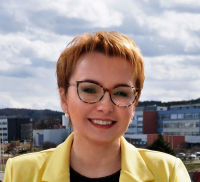
Robert D. Zettle is a Professor of Psychology in the Clinical-Community Psychology Program at Fairmount College of Liberal Arts and Sciences, Wichita State University. He directs the Contextual Behavioral Science Lab and teaches Abnormal Psychology, Cognitive Behavioral Therapy, and Ethical and Professional Issues in Clinical Psychology. Dr. Zettle's educational background includes: Ph.D. in Psychology from University of North Carolina-Greensboro (1984) M.A. in Psychology from Bucknell University (1976) B.A. in Psychology from Wilkes College (1974) His research centers on Contextual Behavioral Science , examining how languaging and verbal behavior contribute to human suffering. Key areas include: Developing measures of psychological flexibility and self-as-context Experimental manipulation of processes in anxiety and mood disorders Comparing traditional CBT with Acceptance and Commitment Therapy (ACT) for depression Investigating mechanisms like defusion and acceptance in ACT Current projects focus on dissociative symptom induction, mood-enhancing versus value-congruent behavioral activation, and client treatment preferences in spider fear interventions. Dr. Zettle's recent publications (2019-2025) reveal a strong emphasis on self-as-context measurement , cross-cultural adaptations of ACT tools, and depression relapse prevention . His work increasingly integrates attention bias modification with ACT and explores client preference dynamics, while expanding applications to university counseling centers and international contexts. He mentors graduate students including Nakisha Carrasquillo, Angela Cathey, Suzanne Gird, Angie Hardage-Bundy, Sarah Staats, and Jeff Swails. His research is supported by ongoing projects in the Contextual Behavioral Science Lab investigating core ACT processes and clinical applications. The Contextual Behavioral Science Lab, directed by Dr. Zettle, maintains a collaborative team environment focused on both experimental psychopathology and clinical treatment development. Current work spans measurement validation, interoceptive exposure techniques, and comparative treatment studies for depression and anxiety disorders.