Prof Sunil Vadera is a Professor of Computer Science at the University of Salford, affiliated with the School of Science, Engineering & Environment. He holds fellowships from the British Computer Society (FBCS) and is a Chartered Engineer (CEng) and Chartered IT Professional (CITP). His leadership roles include former Dean of the School of Computing, Science and Engineering, and Director of the Informatics Research Institute. He received the UK BDO Best Indian Scientist and Engineer award in 2014 and the Amity Award for AI contributions in 2018. His research focuses on bridging theory and practice in AI, with projects like the GM AI Foundry supporting SMEs, EU-funded energy-efficient building systems, and smart meter data analysis for British Gas. His work spans AI applications in healthcare, cybersecurity, IoT, and energy systems. He leads the Deep Learning module in the MSc in AI program and has supervised multiple PhD students, including Dr Salem Ameen. Key research interests include cost-sensitive machine learning, explainable AI, phishing detection, and medical imaging. Recent publications address AI-driven solutions in healthcare (e.g., breast arterial calcification detection), cybersecurity (Arabic phishing emails), and livestock behavior analysis using vision transformers. He has pioneered algorithms like CSNL and EECSDT, advancing decision tree and Bayesian network methodologies. Prof Vadera’s contributions extend to academic leadership, including chairing the BCS Accreditations Committee. His interdisciplinary projects often involve collaborations with industry and government, emphasizing real-world impact. The Informatics Research Institute under his direction fosters innovative AI applications across sectors.
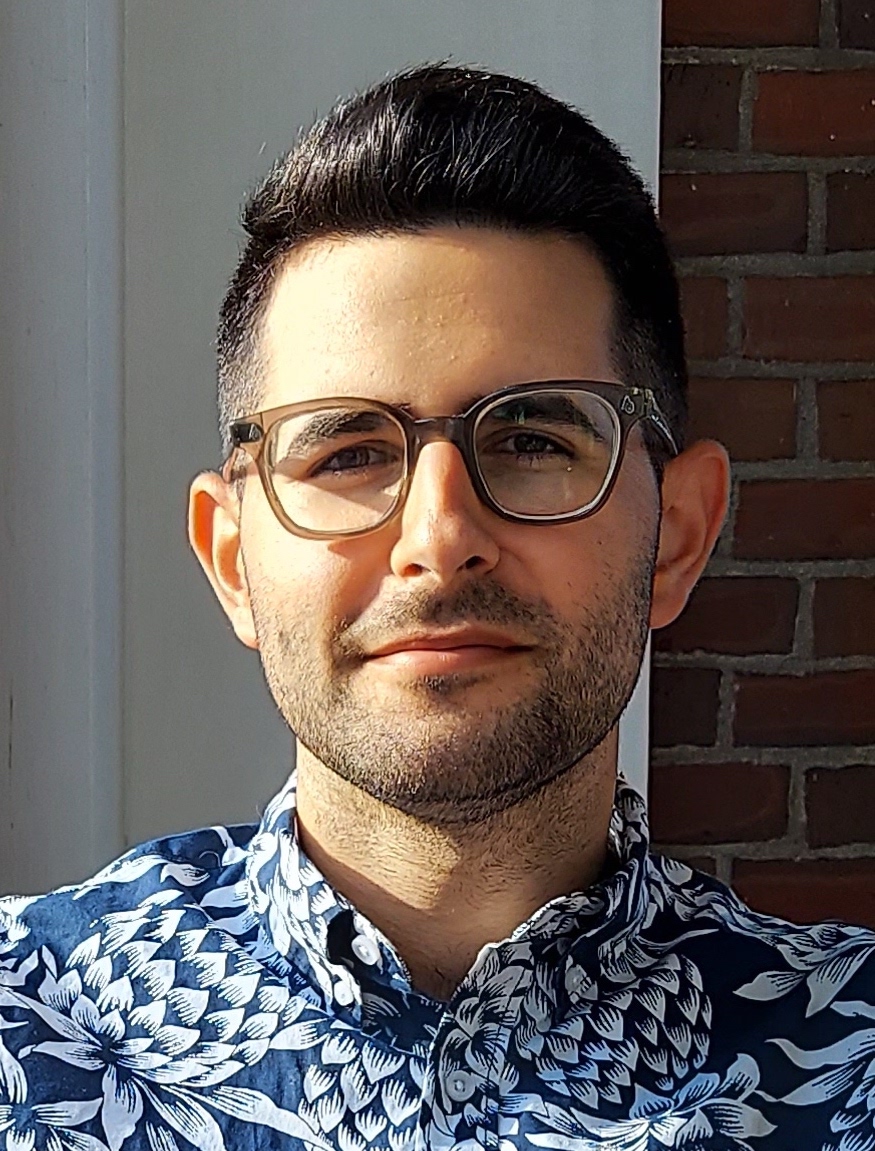
Victor Churchill is an Assistant Professor of Mathematics at Trinity College since 2023. He holds a Ph.D. and A.M. from Dartmouth College, an M.S. from New York University's Courant Institute, and a B.A. from Boston College. His research focuses on computational mathematics, scientific machine learning, and image reconstruction, particularly in Bayesian uncertainty quantification for synthetic aperture radar imaging and learning unknown dynamical systems using neural networks. He has held a postdoctoral position at The Ohio State University under Dr. Dongbin Xiu and previously worked at Dartmouth under Dr. Anne Gelb. Research Highlights: His work includes deep learning of PDEs, ensemble prediction for robust neural network training, and chaotic system learning from partial observations. Recent contributions address coarse time-scale observations and uncertainty quantification in SAR imaging. He was awarded the SIAM Science Policy Fellowship (2023-2024) to engage with federal science policy advocacy. Teaching: He teaches computational science courses at both undergraduate and graduate levels, integrating his research into lectures through case studies and data-driven examples. His pedagogical approach emphasizes applied computational mathematics and real-world problem-solving. Affiliations: Previously affiliated with The Ohio State University as a Visiting Assistant Professor of Scientific Computation. Active in computational math communities, including SIAM policy engagement. Personal Interests: An avid runner with marathon personal bests, he also enjoys bonsai cultivation, architectural design, and animal care. His unconventional hobbies include experimenting with hair color transformations.
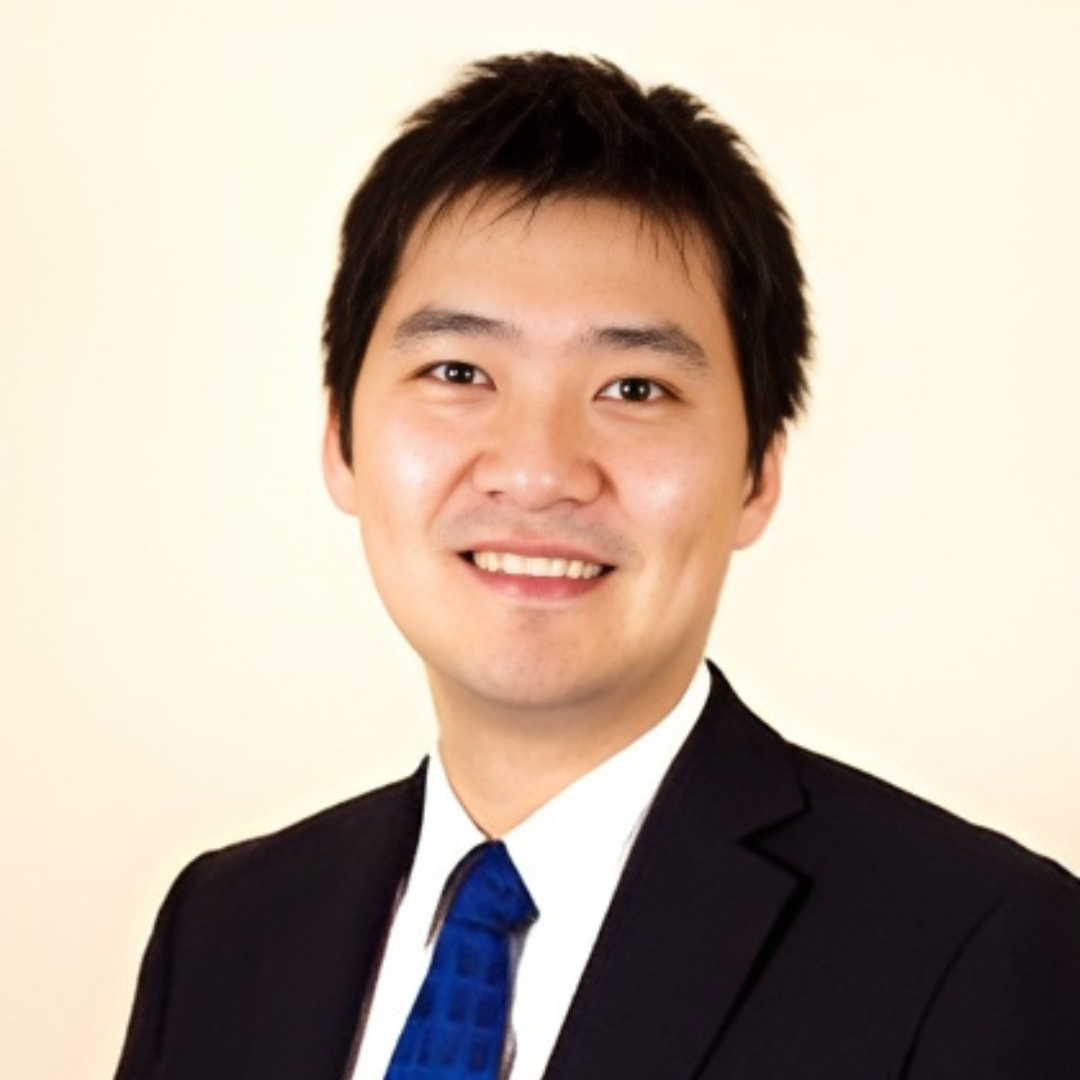
Yang Zhang is a Full Professor and Director of Undergraduate Studies in the Department of Speech-Language-Hearing Sciences at the University of Minnesota, Twin Cities. He also holds affiliation with the Masonic Institute for the Developing Brain. With over 233 publications and 59,364 reads on ResearchGate, Dr. Zhang has established himself as a leading researcher in auditory neuroscience and speech perception. Dr. Zhang's educational background includes a Ph.D. in Speech and Hearing Sciences from the University of Washington (2002) and an MA in Linguistics (psycholinguistics) from the University of Iowa (1997). His research focuses on brain plasticity across the lifespan, particularly examining neural signature markers for normal and pathological development of speech and language in socio-affective and cultural contexts. He employs an integrative approach combining top-down brain imaging techniques (high-density EEG, MEG, MRI, fMRI) with bottom-up construction through neural coding and computational modeling. Dr. Zhang's research has particularly emphasized speech perception in various populations including children with autism spectrum disorders, cochlear implant users, and second language learners. His lab has conducted extensive work on lexical tone perception, emotional prosody processing, and the neural mechanisms underlying language acquisition. Recent work has explored the application of artificial intelligence in communication sciences and disorders. Dr. Zhang serves as Section Chief Editor for Brain Sciences (MDPI) and Associate Editor for Developmental Science (Wiley), and is on the Editorial Board of the Journal of Speech, Language, and Hearing Research. His research has been recognized with awards including the Developmental Science Early Career Researcher Prize (2010) and the 2023 Brain Imaging Grant Award from the College of Liberal Arts. Developmental Science Early Career Researcher Prize (2010) 2023 Brain Imaging Grant Award from the College of Liberal Arts Dr. Zhang leads the Zhang Lab, which maintains an active research program with numerous ongoing projects examining brain plasticity in speech and language processing across different populations. The lab employs advanced neuroimaging techniques including EEG, MEG, and fMRI to investigate the neural mechanisms underlying speech perception, language acquisition, and emotional processing in both typical and atypical development.
Haoxiang Lang serves as Department Chair and Associate Professor in the Department of Automotive and Mechatronics Engineering at Ontario Tech University's Faculty of Engineering and Applied Science. His laboratory, GRASP Lab, focuses on advanced robotics and intelligent systems research. Education: PhD in Mechanical Engineering, University of British Columbia (2013) MASc in Mechanical Engineering, University of British Columbia (2008) BSc in Marine Engineering, Ningbo University (2003) Dr. Lang's research spans mechatronics, autonomous robotics, visual servoing, and machine learning. His work focuses on developing advanced control systems for robotic manipulation, autonomous vehicle navigation, and sensor fusion techniques. Recent projects include vision-based combat vehicle control, deep learning for aerial image processing, and thermal management for robotic systems. His publications demonstrate strong emphasis on robotic perception-control integration, with recurring themes in visual servoing, sensor fusion, autonomous navigation, and machine learning applications in robotics. Recent works increasingly incorporate deep neural networks for complex tasks like object manipulation and environment mapping. Dr. Lang leads the GRASP Lab, which develops experimental platforms including autonomous combat vehicles and robotic manipulators. The lab focuses on practical implementations of control theories and collaborates on industrial applications.
Tapan Mukerji is a Professor (Research) at Stanford University with joint appointments in the Department of Energy Science & Engineering, the Department of Earth & Planetary Sciences, and the Department of Geophysics within the School of Earth Sciences. He co-directs the Stanford Center for Earth Resources Forecasting (SCERF), the Basin Processes and Subsurface Modeling (BPSM) consortium, and the Stanford Rocks and Geomaterials Project (SRGP), and previously co-directed the Stanford Rock Physics and Borehole Geophysics Project (SRB). His educational background includes: Ph.D. in Geophysics from Stanford University (1995) M.Sc.(Tech) in Geophysics from Banaras Hindu University, India (1989) B.Sc. in Physics from Banaras Hindu University, India (1986) Tapan Mukerji's research focuses on integrating rock physics, wave propagation physics, spatial data science, and machine learning to address challenges in remote sensing of subsurface systems, stochastic geomodeling, uncertainty quantification, and value of information analysis in Earth sciences. His work uses theoretical, computational, and statistical methods to discover fundamental relations between geophysical data and rock properties, quantify uncertainty in subsurface models, and address decision making under uncertainty. He is particularly interested in forging links between geosciences, engineering, and decision sciences, believing these interdisciplinary connections are critical for the future of energy resources research. His research has broad applications in hydrocarbon exploration, geothermal energy, carbon sequestration, and critical mineral exploration. His recent publications demonstrate a strong trend toward integrating advanced machine learning techniques with traditional geophysical methods. There's increasing focus on physics-informed neural networks, generative models for geological facies simulation, and uncertainty quantification in subsurface characterization. His work bridges the gap between theoretical rock physics and practical applications in energy resource development, with particular emphasis on making robust decisions under uncertainty. Professor Mukerji has received numerous scientific awards and recognitions: Karcher Award for Outstanding Young Geophysicist, Society of Exploration Geophysicists (2000) ENI Award 2014: New frontiers of Hydrocarbons - upstream, ENI - Italy (2014) Best paper, honorable mention, Society of Exploration Geophysicists (2020) Best paper, International Association of Mathematical Geosciences (2010) Multiple best paper awards from various geophysical societies Invited keynote speaker at numerous international conferences Haider Fellowship and Green Fellowship from Stanford University Professor Mukerji actively advises and mentors graduate students, serving as Doctoral Dissertation Advisor for Jaehong Chung and Jiayuan Huang, Doctoral Dissertation Reader for several students, and Postdoctoral Faculty Sponsor for Qi Hu and Suihong Song. His research has been supported by multiple industrial consortia including the Stanford Rock Physics and Borehole Geophysics Project (SRB), Stanford Center for Earth Resources Forecasting (SCERF), Basin Processes and Subsurface Modeling (BPSM), Stanford Rocks and Geomaterials Project (SRGP), and Smart Fields Consortium (SFC). He has also received funding from the Department of Energy and various fellowship programs throughout his career. Professor Mukerji co-directs several major research groups at Stanford including the Stanford Center for Earth Resources Forecasting (SCERF), the Basin Processes and Subsurface Modeling (BPSM) consortium, and the Stanford Rocks and Geomaterials Project (SRGP). These groups bring together faculty, researchers, and industry partners to tackle complex problems in subsurface characterization, reservoir modeling, and energy resource development. His labs focus on developing computational methods for integrating geophysical data with rock physics models, creating advanced uncertainty quantification frameworks, and building decision support tools for subsurface resource management.
Simon Cotter is a Professor of Applied Mathematics at The University of Manchester. His research focuses on Bayesian inference, stochastic modeling, and computational methods, with applications in biological systems (e.g., tendon mechanics, placental development) and financial modeling. He contributes to the university’s Digital Futures research beacon and collaborates across disciplines including biomechanics, computational biology, and data science. Research Interests: Bayesian data assimilation and parameter estimation Monte Carlo methods (e.g., multi-index, adaptive importance sampling) Multiscale stochastic systems and reaction networks Inverse problems in material science and biological systems Recent work highlights include developing NuZZ (a numerical Zig-Zag algorithm for general models) and advancing hierarchical Bayesian methods for data selection. His projects address challenges in debt recovery forecasting, placental development modeling, and cell cycle heterogeneity analysis. He co-leads a multi-modal pregnancy research project aimed at understanding stillbirth mechanisms and is actively involved in initiatives promoting gender equity in academia.
Walter R. Mebane, Jr. is a Professor of Political Science and Statistics at the University of Michigan's College of Literature, Science, and the Arts. He holds a Ph.D. from Yale University (Political Science), an M.A. from Yale, and a B.A. from Harvard University (Government). His research focuses on election forensics, statistical methodology, and voting systems, with a particular emphasis on detecting electoral fraud and analyzing voting technologies. Mebane has developed the eforensics R package for election fraud analysis and contributed to tools like RGENOUD for optimization. He teaches advanced courses on multivariate analysis, survey sampling, and election forensics. His work spans global elections, including analyses of anomalies in Kenya, Turkey, Venezuela, and the U.S. He integrates computational methods (e.g., neural networks, agent-based models) with traditional statistical techniques. Mebane’s research also addresses issues like voting machine accuracy, strategic voting, and the application of Benford’s Law. His contributions bridge political theory, statistical rigor, and practical election monitoring.
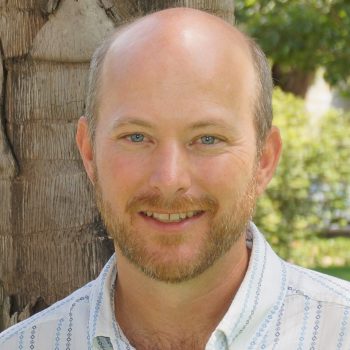
Mark Johnson is a Professor at the University of British Columbia (UBC), holding dual appointments in the Institute for Resources, Environment and Sustainability (IRES) and the Department of Earth, Ocean and Atmospheric Sciences within the Faculty of Science. He also serves as the Canada Research Chair (Tier 2) in Ecohydrology , focusing on interdisciplinary water and carbon cycle research. His research emphasizes ecohydrological processes, land-use impacts, and sustainable management strategies under climate change. Johnson’s work spans tropical and temperate ecosystems, including the Amazon, Cerrado, and Pantanal biomes, as well as Canadian watersheds. Key areas include carbon sequestration dynamics, freshwater ecosystem health, and agricultural water efficiency. He collaborates with communities, governments, and industry to translate scientific insights into actionable policies and practices. His research interests are driven by innovative methods such as drone-based hyperspectral and thermal imaging, remote sensing integration, and Bayesian inference to study ecosystem productivity and water-carbon interactions. He has pioneered studies on biochar applications to improve soil fertility and water retention in drought-prone regions. Johnson’s scientific contributions include advancing understanding of CO2 and CH4 fluxes in wetlands, evaluating water footprints, and modeling evaporative demands. His work highlights the urgency of rethinking water and land management in agriculturally intensive regions like the tropics and the Lower Fraser Valley. Awards: Canada Research Chair (Tier 2, Ecohydrology) In teaching, Johnson instructs courses such as Global Aspects of Ecohydrology , Social-Ecological Systems , and Ecohydrology of Watersheds , bridging theoretical and applied environmental science. His grants and projects, including the AgWIT initiative, prioritize community-driven solutions for water security and sustainable agriculture. He leads the Ecohydrology Lab at UBC, coordinating with global networks like AmeriFlux and NASA’s ECOSTRESS mission to enhance large-scale ecohydrological monitoring. His team addresses pressing issues like climate adaptation, wetland restoration, and the socio-hydrological resilience of rural communities in Costa Rica and Brazil.
Stephen Self is an Adjunct Professor at the University of California, Berkeley, specializing in physical volcanology. His research focuses on large volcanic eruptions, including flood basalts, calderas, and ignimbrites, with an emphasis on their environmental impacts. He has conducted extensive field studies on volcanic products and their implications for climate change and public health. Key areas of investigation include the Deccan Traps, Valles Caldera, and historical eruptions such as Tambora and Mount Pinatubo. His work integrates geochronology, petrology, and field-based analyses to understand eruption processes and their global effects. Education details are not explicitly provided in the text, but his career has been centered around volcanological studies at major institutions. His research interests span volcanic hazards, magma dynamics, and the interplay between volcanism and Earth system processes. Recent publications highlight studies on sulfur emissions from historic eruptions, the environmental impacts of flood basalts, and the chronology of Deccan Traps volcanism. His work often addresses the temporal and spatial distribution of volcanic events, linking them to mass extinctions and climatic shifts, particularly around the Cretaceous-Paleogene boundary. Collaborative efforts include textbook contributions on volcanology and geochronological studies of major volcanic provinces. No scientific awards are listed in the provided text. Advising and grants are not detailed here, but his fieldwork and laboratory studies suggest involvement in large-scale research projects. His work contributes to both academic understanding and practical hazard assessments for volcanic regions worldwide.
Dr Chris Cooney is a NERC Independent Research Fellow at the University of Sheffield’s School of Biosciences. He holds a DPhil in Zoology from the University of Oxford (2010–2014) and a BSc in Biology from the University of York (2007–2010). His research focuses on understanding large-scale biodiversity patterns, phylogenetic comparative methods, and avian evolutionary dynamics. Key themes include sexual selection, speciation rates, and ecological drivers of diversity. He has held prestigious fellowships, including the Leverhulme Early Career Fellowship (2019–2020). His work combines computational tools (e.g., deep learning for phenotyping) with large datasets to address evolutionary questions. Cooney supervises multiple PhD students, including Jasmine Hardie, Robert MacDonald, and Shriya Uday, and collaborates internationally in avian biodiversity research. Publications highlight innovations in understanding avian morphology, sexual dimorphism, and ecological interactions. Awards include recognition for his contributions to evolutionary biology and biodiversity science. His Cooney Lab at Sheffield fosters interdisciplinary research bridging ecology, evolution, and computational biology.
Dr. Jan Dettmer is an Associate Professor in the Department of Earth, Energy, and Environment at the University of Calgary's Faculty of Science. His research focuses on quantitative analysis of Earth structures through geophysical data inversion, specializing in Bayesian methods for uncertainty quantification. His work spans seismology, acoustical oceanography, and tsunami hazard prediction, with applications ranging from shallow seabed characterization to deep mantle structures. Research interests include: Probabilistic inversion methods for earthquake source parameters and earth structure Wave propagation modeling in complex media Computational algorithm development for large-scale inverse problems Integration of supercomputing (CPU/GPU clusters) in geophysical analysis Recent publications demonstrate strong focus on geophysical inversion techniques, computational methods, and applications to energy and environmental challenges. Awarded the Faculty of Science Research Award for early career excellence (2019).
Gemma Piella Fenoy is a Full Professor at the Universitat Pompeu Fabra (UPF), Department of Engineering. She holds a Telecommunication Engineering degree from the Universitat Politècnica de Catalunya (UPC) and a PhD in Applied Sciences from the Universiteit van Amsterdam. Her career includes postdoctoral research at Télécom Paris (Marie Curie Fellowship) and a Ramón y Cajal Researcher position. She co-founded the SIMBIOsys research group and the Barcelona Center of New Medical Technologies (BCN-MedTech), leading its research in Medical Image Analysis and Machine Learning for Personalized Medicine. Her work bridges theoretical foundations with clinical applications, recognized by awards like the ICREA Academia (2021) and DonaTIC (2022). She is a member of ELLIS and Sigma Xi, and served as co-chair of the Avicenna Alliance's AI Task Force (2023-2024). Research focuses on medical imaging, machine learning in healthcare, fetal MRI analysis, and AI-driven diagnostics. Notable projects include the LiverColor platform for liver graft assessment and BabyFM for 3D fetal facial modeling. Her work emphasizes interdisciplinary collaboration between engineering and clinical medicine, addressing challenges in prenatal care, neurological disorders, and personalized medicine. She actively contributes to global health initiatives and AI ethics in clinical applications. Education PhD in Applied Sciences, Universiteit van Amsterdam (The Netherlands) Telecommunication Engineering Degree, Universitat Politècnica de Catalunya (Spain) Her scientific contributions span over 150 peer-reviewed articles in top journals and conferences, with a focus on medical image analysis, AI in healthcare, and clinical decision support systems. She leads BCN-MedTech, a consolidated research group recognized by the Catalan government, and collaborates with international institutions on AI-driven medical solutions.
Karen M. Fischer is the Louis and Elizabeth Scherck Distinguished Professor of Geological Sciences at Brown University. Her research focuses on seismology, particularly the structure and dynamics of Earth's lithosphere and asthenosphere. She holds a B.S. from Yale University (1983) and a Ph.D. from MIT (1989), with postdoctoral work at Columbia University’s Lamont-Doherty Earth Observatory. Fischer’s work combines field seismology, data analysis, and modeling to study mantle processes, plate tectonics, and seismic signatures of ancient and modern plate boundaries. Her research has been recognized through prestigious awards, including the Inge Lehmann Medal (AGU), Harry Fielding Reid Medal (SSA), and the W. S. Jardetzky Medal. At Brown, she has received teaching and mentoring awards, reflecting her commitment to education. Fischer’s affiliations include the American Geophysical Union and the Seismological Society of America. Key research themes include mantle melting, lithosphere-asthenosphere boundary dynamics, and seismic anisotropy. Her recent work explores hotspot tracks, subduction zone processes, and global lithospheric structure. Collaborations with institutions worldwide and mentorship of students underscore her active role in advancing geophysical sciences.
Professor Pola Goldberg Oppenheimer is a leading academic in Micro-Engineering and Bio-Nanotechnology at the School of Chemical Engineering, University of Birmingham , and holds a prestigious Royal Academy of Engineering Research Fellowship . She leads an interdisciplinary team collaborating with clinical and industrial partners (e.g., Queen Elizabeth Hospital, BAE Systems) to develop nanomaterials for advanced healthcare applications such as rapid diagnostics for traumatic brain injury (TBI). Her research bridges nano-to-macro engineering, focusing on electrohydrodynamic lithography and smart nanostructured devices . Education: PhD (2012, University of Cambridge), MPhil (Ben-Gurion University), dual BSc (Chemistry & Chemical Engineering). Awards include the RAEng Fellowship, Beilby Medal, and WomenTech100 recognition. She has secured over £18M in funding, with >70 publications in top journals like Advanced Materials and Nature Biomedical Engineering . Her research group (ANMSA) pioneers innovations in nanocomposite materials , point-of-care sensors , and biomedical device fabrication . Notable contributions include developing optofluidic gold-architectured substrates for TBI detection and hierarchical nanostructuring techniques. She actively engages in policy advising (RAEng, NHS collaborations) and public outreach, including BBC features and STEM mentorship. Awards section highlights: 2021 Royal Society of Chemistry Beilby Medal 2020 WomenTech100 Award 2016 RAEng Fellowship 2013 Birmingham Fellowship Grants and collaborations: Over £18M funding portfolio includes partnerships with Dstl, P&G, and BAE Systems. She leads the Healthcare Technologies Institute (HTI), fostering cross-disciplinary innovation in healthcare technologies.
Patrizio Campisi is a Full Professor in the Section of Applied Electronics at the Department of Engineering, Roma TRE University, Rome, Italy. He leads cutting-edge research in digital signal and image processing with applications to secure multimedia communications and biometrics. He has held visiting positions at the University of Toronto, Beckman Institute (UIUC), and École Polytechnique de Nantes, and has been a Marie Curie Fellow (2010–2014). His educational background includes a Laurea (summa cum laude) in Electronic Engineering from Sapienza University of Rome and a Ph.D. in Electrical Engineering from Roma TRE University. His research focuses on secure biometric recognition (signature, keystroke, EEG, vein), digital watermarking, blind image deconvolution, HDR imaging, and privacy-preserving technologies. He has contributed significantly to template protection, multimodal biometrics, and forensic image analysis. His work bridges engineering, computer science, and security, with strong applications in mobile authentication, border control, and social media safety. The recent publications reflect a strong trend in biometrics, image forensics, and privacy-enhancing technologies, with a focus on real-world applications in mobile systems, healthcare, and law enforcement. Key themes include secure authentication, de-identification, and computational imaging. IEEE Second International Conference on Biometric Systems 2008 Best Student Paper Award IEEE Biometric Symposium 2007 Best Paper Award IEEE International Conference on Image Processing 2006 Best Student Paper Award Marie Curie Fellow (2010–2014) NATO-CNR Advanced Fellowship (2003) IEEE Senior Member Prof. Campisi has supervised numerous students and leads the BioMedia4n6 lab. He has secured major EU grants including H2020 projects AMBER, COSMOS, and ENCASE. His editorial leadership includes serving as Editor-in-Chief of IEEE Transactions on Information Forensics and Security (2018–2020) and Chair of the IEEE Information Forensics and Security Technical Committee (2017–2018). He is actively involved in research networks such as COST Actions on de-identification and biometrics-forensics integration, and has contributed to EU policy via the BEST Thematic Network on biometrics and fundamental rights. His lab, BioMedia4n6, focuses on biometrics, multimedia forensics, and privacy-aware systems.