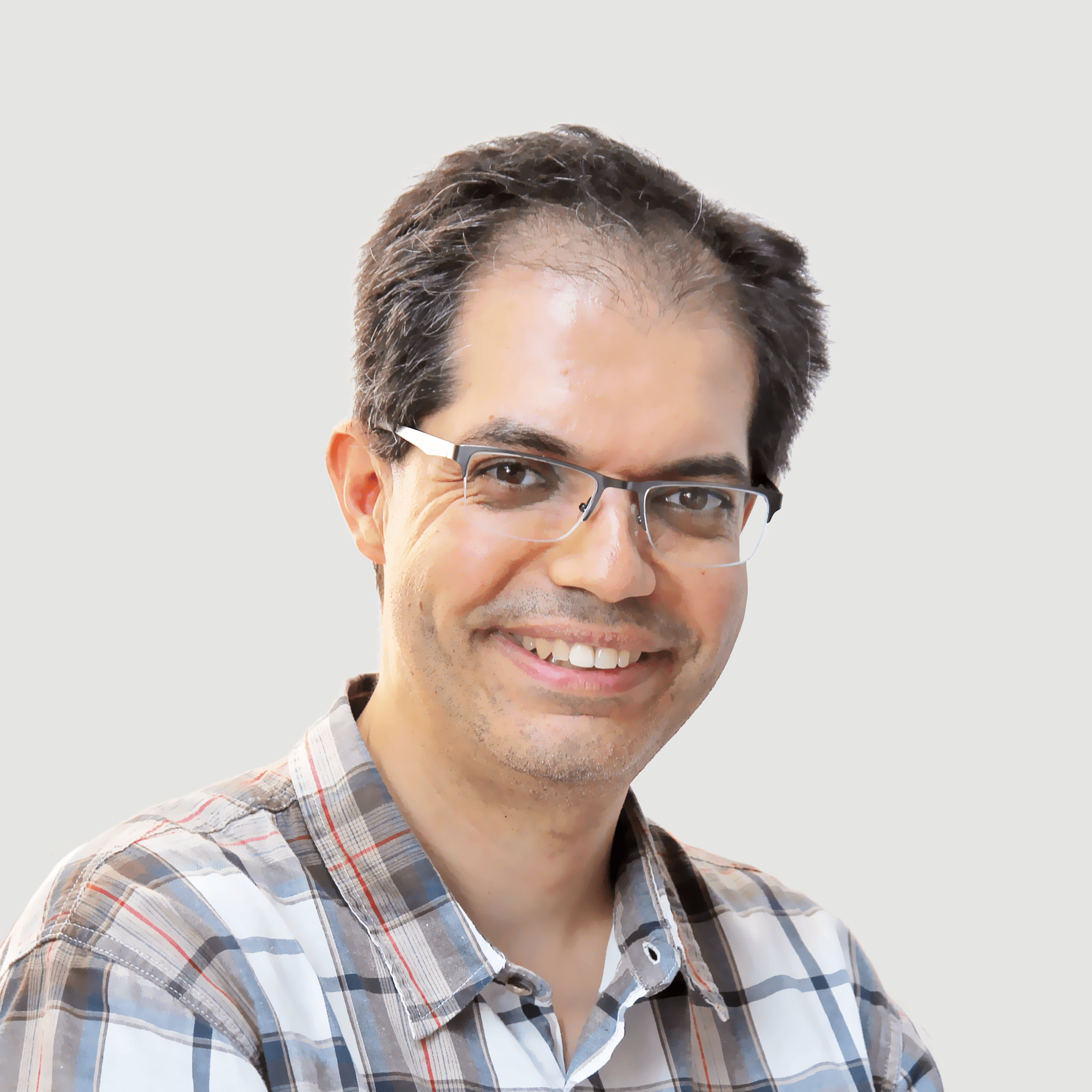
Pascal Poupart is a Professor and Canada CIFAR AI Chair at the Vector Institute, affiliated with the David R. Cheriton School of Computer Science at the University of Waterloo. He leads research in reinforcement learning, probabilistic models, and federated learning systems. Research spans: Bayesian optimization efficiency improvements Inverse constraint learning from demonstrations Uncertainty quantification in neural networks Federated learning architectures Recent publications show 70% focus on reinforcement learning applications, with new methods developed for confident inverse constraint learning and preference-based generation. Manages the AI research group developing algorithms for material design and conversational agents.
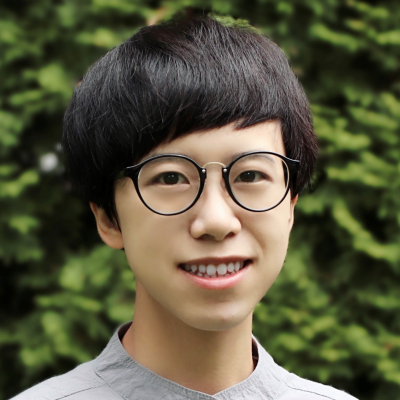
Dr. Xiaoxiao Li is an Assistant Professor in the Electrical and Computer Engineering Department at the University of British Columbia (UBC), with joint appointments in Computer Science (Associate Member) and the School of Medicine at Yale University (Adjunct Assistant Professor). She is also a Canada CIFAR AI Chair and Canada Research Chair (Tier II) in Responsible AI. Her research focuses on enhancing trustworthiness, fairness, and efficiency in AI algorithms and foundation models, particularly in healthcare applications. Education: B.S. (Honors) in Zhejiang University (2015), Ph.D. in Biomedical Engineering from Yale University (2020), Postdoc at Princeton University (2020-2021). She leads the Trusted and Efficient AI (TEA) Lab at UBC, which develops algorithms for federated learning, medical imaging analysis, and interpretable AI systems. Research interests include federated learning, generative models, medical image analysis, AI fairness, and graph-based methods for neuroimaging. Recent projects include GMValuator (data valuation for generative models), FairMedFM (fairness benchmarking in medical AI), and FedTextGrad (textual gradient-based FL optimization). Grants: Canada Foundation for Innovation Grant (2023), UBC Green Lab Fund (2023), Vector Institute funding Teaching: Courses on machine learning, federated learning, and AI ethics at UBC Awards & Recognition: Best Paper Award at FL@FM WWW 2024, Editorial Board Member of Medical Image Analysis , multiple top-tier conference acceptances (NeurIPS, ICLR, CVPR, MICCAI). Lab & Teams: TEA Lab collaborates with industry and hospitals to translate AI research into clinical tools. Current projects address AI fairness in healthcare, federated learning for medical data, and multimodal medical analytics.
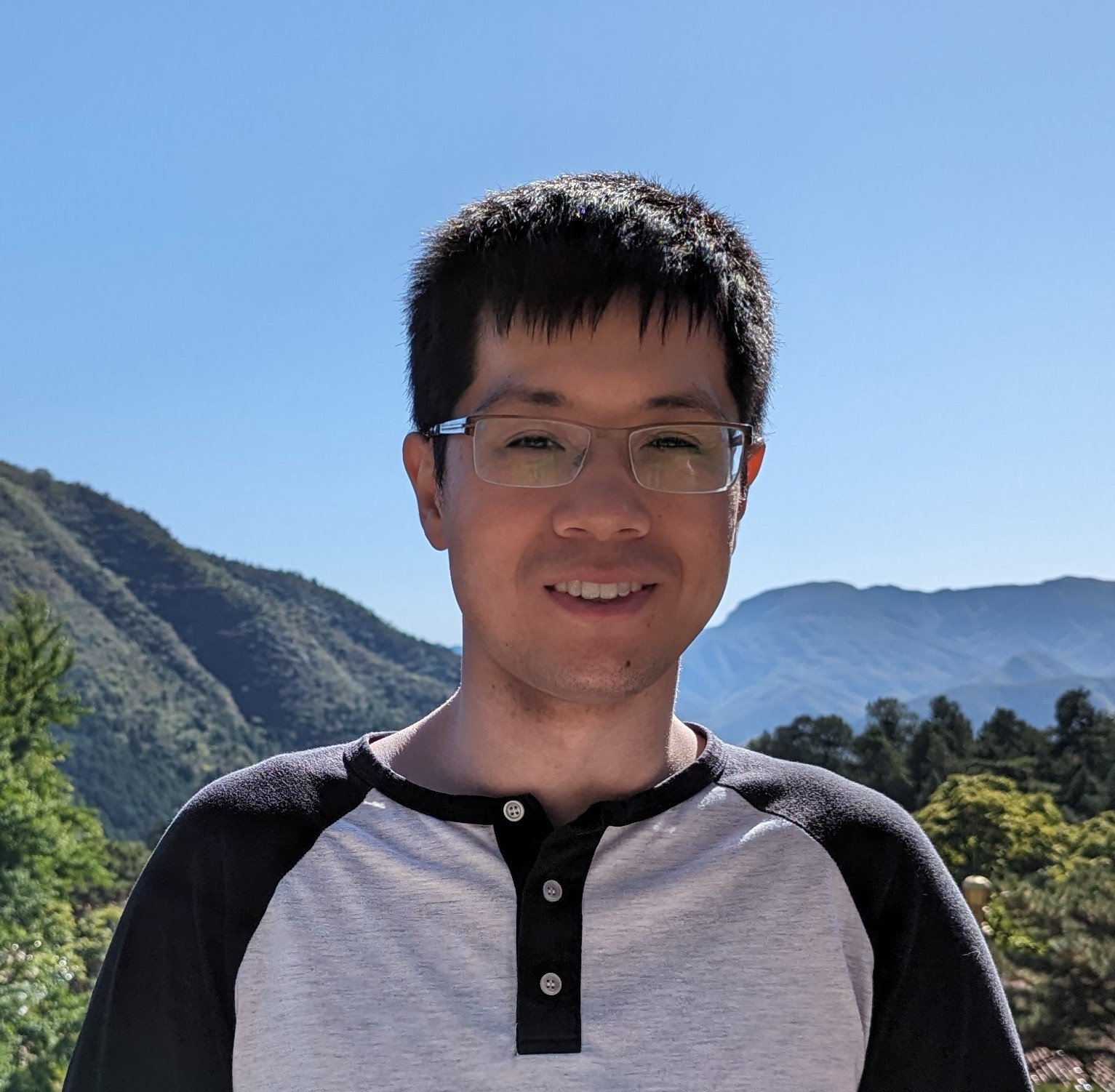
Wenhu Chen is an Assistant Professor at the University of Waterloo's Computer Science Department and a CIFAR AI Chair at the Vector Institute. He also holds a part-time role as a Senior Research Scientist at Google DeepMind (20% allocation). His research focuses on natural language processing, deep learning, and multimodal reasoning, with contributions to models like MAmmoTH, OpenCoderInterpreter, and VISTA. He received awards including the Canada CIFAR AI Chair (2022) and the UCSB CS Outstanding Dissertation Award (2021). Education: PhD in Computer Science from the University of California, Santa Barbara (under William Wang and Xifeng Yan). Research interests include complex reasoning, controllable GenAI, and multimodal benchmarks like MEGABench and MMMU. Grants include CIFAR AI Chair Funding (2022-2027), NSERC Discovery Fund (2023-2028), and multiple NRC Canada grants. He directs the TIGER Lab, advancing generative models in text, images, videos, and music. Recent talks include presentations on multimodal reasoning at Apple and NeurIPS workshops.
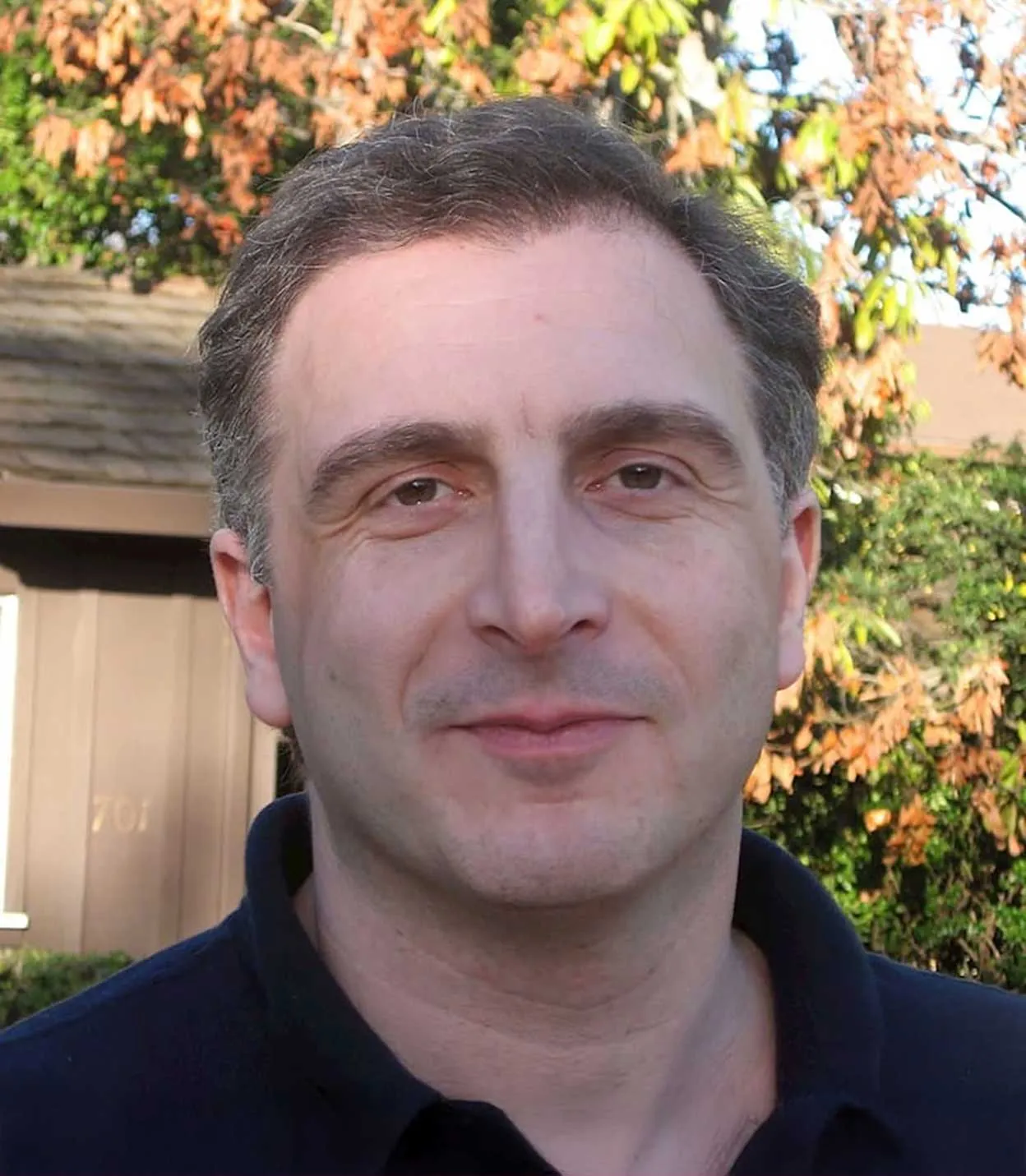
James M. Piret is a Professor at the University of British Columbia (UBC), affiliated with the School of Biomedical Engineering and the Michael Smith Laboratories. He holds a Sc.D. from MIT (1989), an S.M. from MIT (1986), and an A.B. from Harvard College (1981). His research focuses on bioprocessing, biomedical engineering, and cell therapy biotechnology, with emphasis on optimizing therapeutic cell production and biomanufacturing processes. Education : Sc.D. in Chemical Engineering, Massachusetts Institute of Technology (1989) S.M. in Chemical Engineering, Massachusetts Institute of Technology (1986) A.B. in Chemistry, Harvard College (1981) Professor Piret’s research integrates bioreactor engineering, Raman spectroscopy, and data analytics to advance cell-based therapies for diseases like cancer and diabetes. Collaborations with stem cell biologists (e.g., Drs. Kieffer and Levings) and engineers (Drs. Turner and Gopaluni) drive innovations in bioprocess optimization and device development. His lab emphasizes multidisciplinary approaches to accelerate biotechnology production processes and cell therapy manufacturing. Awards : William F. Meggers Award (2022) R.S. Jane Memorial Award (2015) Cell Culture Engineering Award (2012) Fellow, Chemical Institute of Canada (2004) His work includes developing novel methodologies for CHO cell glycosylation engineering, optimizing fed-batch bioreactor systems, and advancing Raman spectroscopy techniques for real-time cell analysis. The lab actively recruits motivated graduate and postdoctoral researchers to tackle high-impact challenges in biomedical and chemical engineering.
Philipp Afeche is a Professor of Operations Management and Statistics at the Rotman School of Management, University of Toronto. His research bridges operations and marketing/economics, focusing on revenue management, pricing strategies, and service design in congestion-prone systems like healthcare and transportation. He holds a BA from the University of St. Gallen and MS/PhD degrees from Stanford University. Afeche has been recognized with the 2014 Best Paper Award (MSOM) and the 2018 Roger Martin Teaching Award. Education: BA, University of St. Gallen, Switzerland MS, Stanford University, USA PhD, Stanford University, USA Research Interests: Afeche explores optimization challenges in dynamic service systems, including pricing under uncertainty, strategic customer behavior in queues, and platform design for shared mobility systems. His work integrates queueing theory, game theory, and empirical analysis to address real-world operational inefficiencies in healthcare delivery and transportation networks. Recent studies focus on ride-hailing market mechanisms and bipartite matching systems. Awards: 2014 Best Paper Award, Manufacturing & Service Operations Management 2018 Roger Martin Award for Excellence in Teaching Grants & Editorial Roles: Editor for Management Science and Operations Research, with funding reviews for agencies in Canada, Hong Kong, Israel, and the US. Past chair of the Service Management SIG for MSOM Society. Labs/Teams: Active in Rotman's Operations Management group and collaborates with industry partners on supply chain optimization and revenue management projects.
Yuanzhu Chen is a Professor in the School of Computing at Queen’s University, affiliated with the Faculty of Arts and Science. He previously served as Professor and Department Head at Memorial University of Newfoundland (2005–2021). His research focuses on computer networking, mobile computing, complex networks, and applied machine learning, emphasizing wireless innovation beyond traditional wired systems. He holds a PhD from Simon Fraser University (2004) and a B.Sc. from Peking University (1999). Education: PhD in Computing Science (Simon Fraser University, 2004); B.Sc. in Computer Science (Peking University, 1999). Earlier roles include Post-doctoral Researcher at Simon Fraser University (2004–2005) and leadership positions at Memorial University, including Department Head (2019–2021). Research Interests: Network Coding and Opportunistic Routing Mobile and Wireless Network Protocols Complex Network Analysis Machine Learning Applications Indoor Positioning Systems Social Network Dynamics Selected Awards: Recipient of Queen’s University President's Award for Distinguished Teaching. Lab Affiliation: Director of the Wireless Networking and Mobile Computing Lab (WineMocol). Active in collaborative projects involving smartphone sensors, community-based environmental monitoring, and stock market prediction using web data.
Samir Elhedhli is a Professor in the Department of Management Sciences at the University of Waterloo, within the Faculty of Engineering. His research focuses on Large-scale Optimization, Logistics, Supply Chain Design, Healthcare Operations, Airline Scheduling, and Data Analytics. He has held grants from NSERC, CFI, OCE, and MITACS, collaborating with industries in aircraft manufacturing, airline scheduling, and warehouse management. Education: PhD in Management Science, McGill University (2001) Master's in Industrial Engineering, Bilkent University (1996) Bachelor's in Industrial Engineering, Bilkent University (1994) Research Interests: Data Analytics & Data Science Large-scale Optimization (Interior-point methods, decomposition, column generation) Supply-chain Analytics (Logistics, warehousing, routing, scheduling) Environmental Sustainability in Supply Chains Key Awards: CORS Service Award (2013) University of Waterloo Distinguished and Outstanding Performance Awards (2005–2019) Grants & Advising: Active grants from NSERC, CFI, OCE, and MITACS Currently accepting graduate student applications Administration & Service: Chair, Department of Management Sciences (2014–2018) President, Canadian Operational Research Society (2011–2012) Co-Editor-in-Chief, INFOR Journal (2014–present) Labs & Teams: Leads the WanOpt research group focused on optimization methodologies and applications.
Dr. Yang Wang is an Associate Professor in the Department of Computer Science and Software Engineering at Concordia University. His research focuses on computer vision and machine learning, with a particular emphasis on domain adaptation, meta-learning, and privacy-preserving techniques. He actively advises prospective graduate students through a dedicated webpage outlining application procedures. Research interests include few-shot learning, test-time adaptation, and cross-modal applications such as handwritten text recognition and gaze estimation. His work explores how models can adapt dynamically to new domains using limited labeled data, with applications in crowd counting, medical data analysis, and cybersecurity. He also investigates privacy-preserving methods for deep learning models to protect user attributes and sensitive information. Recent publications highlight advancements in meta-auxiliary learning frameworks and efficient user adaptation techniques. His contributions span journals and conferences, showcasing innovations in both foundational machine learning methodologies and real-world applications.
Csaba Szepesvári is a Professor and Canada CIFAR AI Chair in the Department of Computing Science at the University of Alberta, affiliated with Amii. Since 2017, he has been on partial leave, leading the Foundations team at DeepMind in Edmonton. His work bridges theoretical machine learning and practical reinforcement learning systems. His research interests lie at the intersection of reinforcement learning, sequential decision making, bandit algorithms, and theoretical machine learning . He develops and analyzes algorithms for efficient learning in complex environments, focusing on sample efficiency, function approximation, and optimization. His recent work explores policy gradient methods, offline and online RL, uncertainty estimation, and foundational limits of learning algorithms. The trends in his recent publications (2023–2024) emphasize theoretical advances in RL and bandits , particularly in q π -realizability, natural policy gradient, ensemble sampling, and lower bounds. The work spans NeurIPS, ICML, COLT, and AISTATS, reflecting deep theoretical engagement with practical implications. He is recognized as a Canada CIFAR AI Chair , a prestigious award supporting leading researchers in artificial intelligence. Csaba Szepesvári mentors students and collaborates extensively, often with researchers like András György, Tor Lattimore, Gellért Weisz, and Dale Schuurmans. He has co-organized RL theory seminars and workshops and co-authored the influential book Bandit Algorithms (2020). His leadership in both academic and industrial research (DeepMind) underscores his impact on the field. He is actively involved in the machine learning community through research, mentorship, and event organization, contributing to both foundational theory and real-world applications.
Sudhakar Ganti is an Associate Professor in the Department of Computer Science at the University of Victoria, part of the Faculty of Engineering and Computer Science. He holds a PhD from the University of Ottawa. His research focuses on cloud computing resource management, software-defined networking (SDN), traffic management, quality-of-service optimization, and performance evaluation through queueing theory. His work bridges theoretical frameworks with practical applications in network efficiency and distributed systems. Dr. Ganti’s expertise includes optimizing resource allocation in fog-cloud systems, enhancing telehealth IoT energy efficiency, and developing dynamic defense frameworks for SDN security. His contributions span network traffic prediction, large file transport protocols, and formal verification of networking systems. He has published extensively in top-tier conferences and journals, addressing challenges in distributed computing, cyber security, and edge computing. His research trends emphasize leveraging reinforcement learning for fog-cloud resource allocation, multi-objective optimization in IoT, and SDN-driven network security. Earlier work includes foundational studies on optical router bypass, cloud workload characterization, and conversational agents for smart environments. Despite his prolific output, no academic awards or grants are explicitly mentioned in his profile.
James Forbes is an Associate Professor in the Department of Mechanical Engineering at McGill University. He holds the title of William Dawson Scholar and is affiliated with the Dynamics Estimation & Control of Aerospace & Robotics Systems research group. His primary research focus is on Dynamics and Control, with emphasis on navigation, guidance, and control (GNC) techniques for robotic systems. He teaches courses such as MECH 309 (Numerical Methods), MECH 412 (System Dynamics), and advanced topics in control systems. Forbes earned his Ph.D. in Aerospace Science and Engineering from the University of Toronto, following an M.A.Sc. from the same institution and a B.A.Sc. in Mechanical Engineering from the University of Waterloo. His research interests include nonlinear state estimation (batch methods, filtering), control synthesis via optimization (LQR, LMI approaches), and data-driven modeling using Koopman operator techniques. Applications span unmanned aerial vehicles (UAVs), autonomous underwater vehicles (AUVs), and SLAM systems. He has developed the navlie Python package for state estimation on Lie groups. Notable awards include the William Dawson Scholar distinction. His recent work focuses on multi-UAV localization, robust control algorithms, and sensor fusion techniques. He collaborates on projects involving UWB-based positioning and inertial navigation systems.
Danielle Zyngier serves as an Adjunct Assistant Professor in the Department of Chemical Engineering within the Faculty of Engineering at McMaster University. Her academic role focuses on research and teaching in process systems engineering, optimization, and control systems with industrial applications. Her research spans Chemical Engineering (54.8% of activity), Optimization Theory (18.2%), and Control Systems (9.4%). She specializes in uncertainty management for scheduling problems, sensor network design, and hybrid monitoring systems. Key application areas include cascaded hydropower systems considering electricity price variations, rail logistics, wastewater treatment processes, and offshore compression systems in oil and gas operations. Analysis of her 15 most recent publications reveals consistent focus on robust optimization frameworks for industrial processes under uncertainty. Her work bridges theoretical advancements in MILP formulations and real-time scheduling with practical implementations in energy, transportation, and environmental systems. Recent contributions (2017-2021) emphasize online scheduling for hydropower systems, while earlier work established foundations in sensor networks and soft sensors. No doctoral or master's students are listed in available records. The VIVO database indicates no currently loaded research grants, though co-author networks show established collaborations with Thomas Marlin (4 publications) and Christopher L.E. Swartz (3 publications).
Tao Chen is an Associate Professor in the Department of Economics at the University of Waterloo. His research focuses on environmental engineering challenges, particularly membrane fouling mechanisms in cold-climate water treatment systems, operational parameter optimization (e.g., temperature, hydraulic retention time), and sustainable wastewater management strategies. He holds cross appointments and is affiliated with groups related to interdisciplinary environmental research. Research interests include membrane technology applications in tertiary treatment, temperature effects on fouling dynamics, and process modeling for biological reactors (e.g., MBBR, IFAS). His work emphasizes practical solutions for energy-efficient and climate-adaptive water systems, particularly in cold regions. Key trends in his publications (2014-2024) highlight advancements in understanding fouling mechanisms, optimizing operational variables, and developing models for sustainable wastewater treatment. Notable topics include ultrafiltration membrane performance under low temperatures, soluble microbial products in activated sludge systems, and partial nitrification-anammox processes. No scientific awards or grants are explicitly listed in the provided text. No advisee students are mentioned, but his research likely involves graduate student collaboration. Lab or team affiliations are not detailed in the available information.
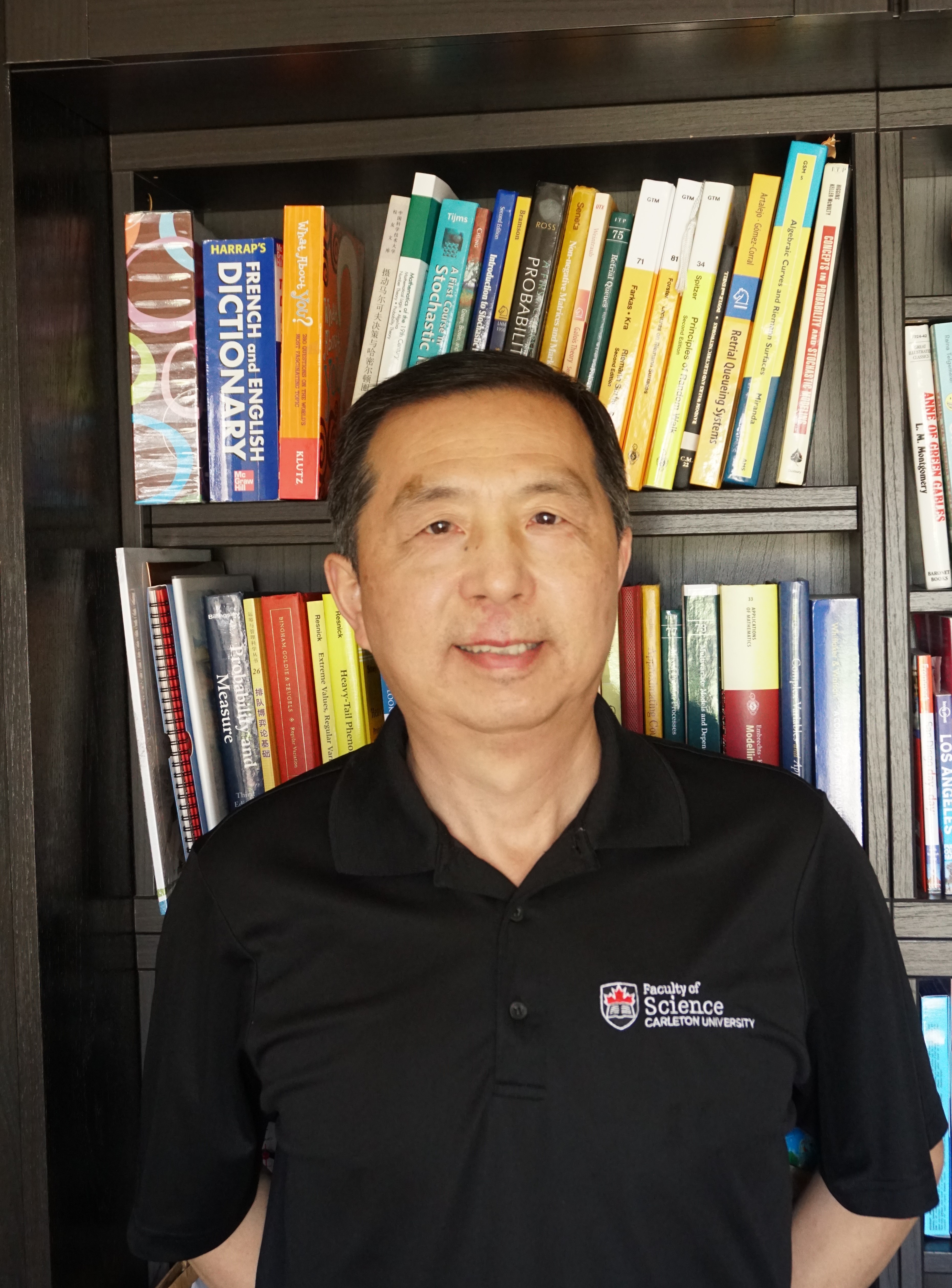
Professor Yiqiang Q. Zhao is a faculty member at the School of Mathematics and Statistics, Carleton University, where he has served as Associate Dean (Research and Graduate Studies) of the Faculty of Science since 2021. His research focuses on applied probability, stochastic processes, and their applications in telecommunication networks, queueing systems, and Gaussian processes. With over 130 peer-reviewed publications and 150+ students supervised since 2000, he has received the Carleton Faculty of Science Teaching Award (2002-2003) and twice been recommended as the 'Most Welcomed Teacher' by graduate students. He has also held editorial roles for journals like Stochastic Models and Queueing Systems . Dr. Zhao's research explores exact tail asymptotics in queueing systems, mean-field interaction models, copula constructions, and statistical inference for stochastic processes. His work spans wireless network modeling, resource allocation, and geometric methods in probability, with funding from NSERC and industry partners like Alcatel and MITACS. His recent publications highlight advancements in mean-field stability, retrial queue approximations, and kernel methods for multidimensional queueing analysis. Editorial board memberships and committee leadership roles underscore his contributions to academic governance. Scientific Awards: Carleton Faculty of Science Teaching Award (2002-2003) Most Welcomed Teacher recognition (twice) Dr. Zhao collaborates with international institutions and supervises a dynamic research team. His grants from NSERC and industry partnerships reflect his impact on applied probability research.
Prashant Mhaskar is a Professor in the Department of Chemical Engineering at McMaster University. His research focuses on model predictive control (MPC), fault detection and isolation (FDI), and data-driven modeling of chemical and bioprocess systems. He has established a four-year partnership with Sartorius to advance biomanufacturing technologies for antibody and virus-based treatments. Key research areas include: Batch and continuous process control Hybrid modeling integrating first-principles and data Stochastic and nonlinear control systems Bioreactor optimization for monoclonal antibody production Safe-parking frameworks for fault-tolerant control Economic model predictive control for industrial processes Recent work emphasizes practical implementations using recurrent neural networks, autoencoders, and physics-informed neural networks to address plant-model mismatch and sparse data challenges.