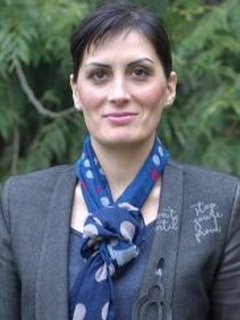
Slavica Antonić is an Assistant Professor at the Faculty of Forestry , University of Belgrade , where she has been engaged since 2012. Her academic journey includes a 2009 Forestry degree, a 2011 master's thesis, and ongoing doctoral studies since 2014. Research Interests: Her work focuses on forest exploitation mechanics , occupational safety in logging , non-wood forest product utilization , and forest biomass energy systems . She has contributed to understanding terrain impacts on forest infrastructure and optimizing harvesting technologies. Recent Publications: Her 2022-2023 work analyzes morphometric terrain parameters for road networks, chainsaw energy efficiency, and Delphi method-based road siting criteria. Earlier studies (2014-2016) address noise exposure for operators, regeneration damage in beech stands, and poplar plantation residue utilization. Scientific Awards: Slovenian Ministry scholarship for exchange studies at Biotechnology Faculty, Ljubljana (2011) Teaching & Collaboration: She instructs Forest Exploitation 1 and 2 in basic studies and graduate courses on biomass energy and non-wood products. Active in 4 research projects and 9 thesis defense commissions, her work bridges operational efficiency with ecological preservation.
Francesco Pavani serves as Full Professor of Experimental Psychology and Deputy Dean at the Center for Mind/Brain Sciences (CIMeC) at the University of Trento, where he also holds the Rector’s delegate position for coordinating PhD programs university-wide. His academic leadership spans roles as Head of the PhD School in Cognitive and Brain Sciences (2013–2019) and international affiliations including associate membership at Lyon’s Centre de Recherche en Neuroscience. Pavani’s research bridges cognitive neuroscience, deafness studies, and multisensory perception with translational applications for cochlear implant users. Education Ph.D. in Psychology, University of Bologna (2000; Supervisor: Elisabetta Làdavas) Master equivalent degree (Laurea Magistrale) in Psychology, University of Bologna (1995) Honorary Research Fellow, Institute of Cognitive Neuroscience, University College London (1998; Supervisor: Jon Driver) Visitor Scholar, Center for Neural Engineering, University of Southern California (1994; Supervisor: Michael A. Arbib) Research Focus Pavani investigates multisensory perception and attention mechanisms in typical and atypical populations, with emphasis on deafness, cochlear implantation, and neural plasticity. His work integrates psychophysics, neuropsychology, and neuroimaging to dissect how auditory, visual, and motor systems interact during spatial processing, language comprehension, and metacognitive judgments. Current projects examine spatial hearing rehabilitation through virtual reality, metacognitive aspects of listening effort, and the impact of face masks on communication for deaf individuals—addressing critical gaps in inclusive healthcare and education. Publication Trends His 2024–2025 publications reveal three dominant threads: (1) metacognitive dimensions of hearing (e.g., confidence in spatial judgments, effort tracking during speech-in-noise), (2) neural plasticity in cochlear implant users across ages, and (3) real-world communication barriers like face masks. Methodologically, he pioneers active listening paradigms where motor actions (reaching, postural adjustments) modulate auditory perception—highlighting embodiment’s role in sensory rehabilitation. Over 70% of recent work involves multicentric collaborations, emphasizing clinical translation. Scientific Recognition Giulio Tarra Award for Deafness Research (Pio Istituto dei Sordi di Milano, 2019) Prix Médisite en Neurosciences (Fondation de France, 2016) Chaire CIC-Cerveau et Santé Mentale (Fondation Neurodis, Lyon, 2015) Travel Fellowship, EuroConference on Spatial Neglect (2000) Premio Giovani Ricercatori, Italian Psychology Association (1997) Mentorship and Collaborations As leader of the Cognition Across the Senses (CAtS) research group, Pavani mentors postdocs, PhD candidates, and master’s students in projects spanning basic science (e.g., neural mechanisms of multisensory integration) to applied outcomes (e.g., VR spatial hearing training). His €2M+ grant portfolio includes European Marie Curie Fellowships and French-Italian collaborations like the CRNL partnership. He actively shapes policy as Rector’s delegate for PhD programs and previously coordinated university-wide student recruitment. Research Infrastructure The CAtS group operates within CIMeC’s state-of-the-art facilities, utilizing motion capture systems, eye-tracking, EEG, and custom virtual reality setups (e.g., SPHERE platform for 3D sound localization). Their work directly informs clinical tools like spatial auditory mapping devices (patented in 2024) and sign language accessibility protocols. Current initiatives focus on translating metacognitive training into rehabilitation apps for cochlear implant users and developing inclusive communication standards for healthcare settings post-pandemic.
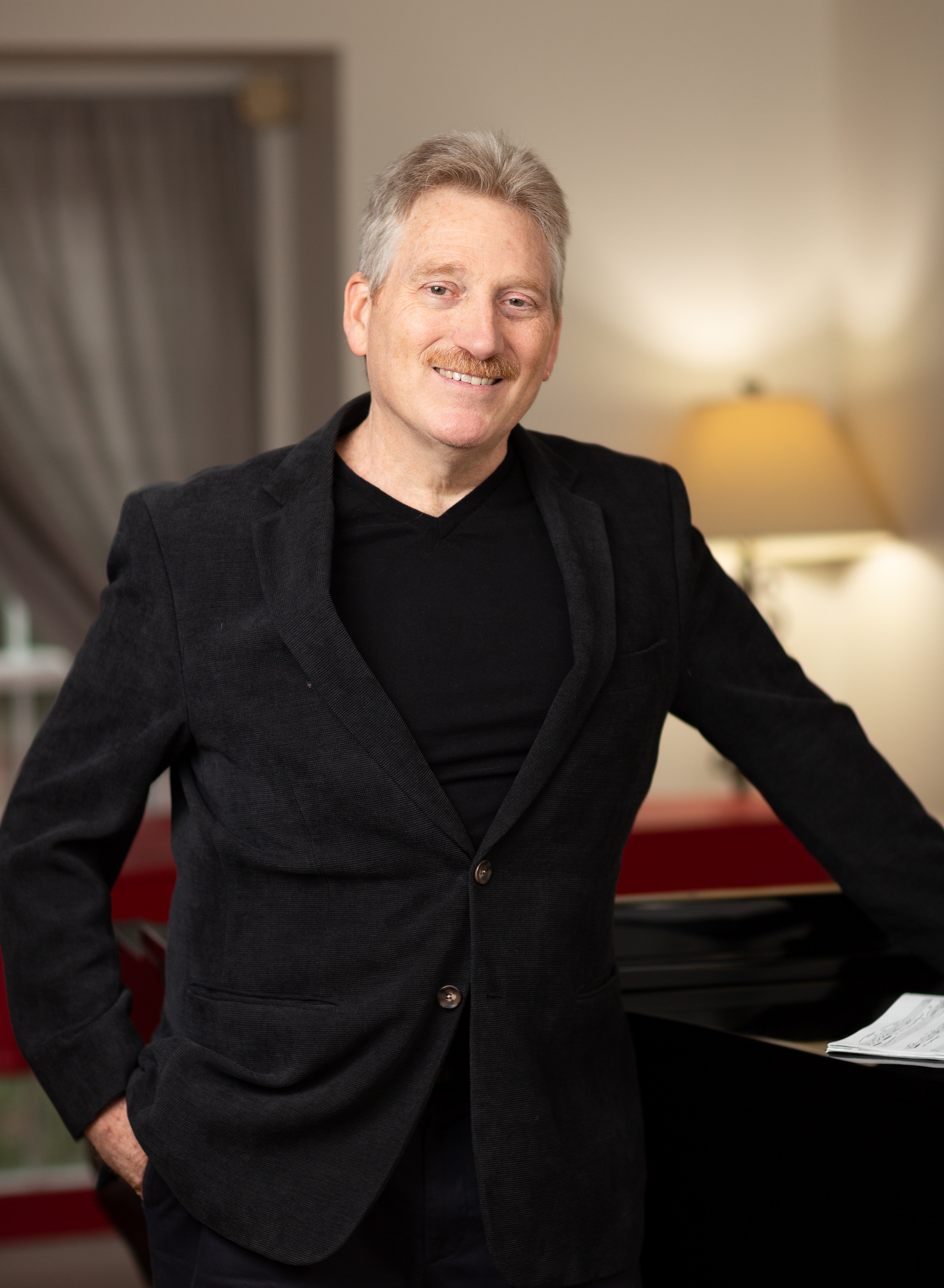
Lance R Hulme serves as Professor at North Carolina Central University's College of Arts, Social Sciences, and Humanities, where he directs the Music Theory and Composition program and teaches Music Industry and FabLab courses. His leadership extends to developing the educational software Basic Training in Music Skills and directing the acclaimed À la carte concert series. His educational background includes a DMA and MMA from Yale University, MM from Eastman School of Music, BM from University of Minnesota, and studies at Universität für Musik in Vienna. His career spans conducting premieres, jazz fusion performance with Dreamscape band, and 17 years in Europe co-founding Ensemble Surprise. Yale University: DMA (1998), MMA (1994) Eastman School of Music: MM (1989) Universität für Musik Wien: AA (1987) University of Minnesota: BM (1983) Hulme's research spans compositional eclecticism, music technology integration, and aural skills pedagogy. Critics describe him as a 'chameleon composer' weaving diverse musical traditions into rich expressive textures. His work bridges 'serious' and vernacular music while employing advanced structural techniques, with special focus on computer-assisted composition and interactive collaborations with choreographers. His publication trends reveal sustained exploration across genres: from sacred choral works (Psalm 62) to electronic compositions (Caritas Abundat), jazz arrangements (My Favorite Things), and chamber pieces (JethroZen). The corpus demonstrates consistent engagement with cross-cultural synthesis, technological innovation, and expressive narrative forms, with recent works emphasizing digital media integration. Notable awards include: Grand Prize, International Witold Lutoslawski Composition Competition First Prize, ASCAP/Rudolf Nissim Prize 2021 Malta International Composition Competition First Prize Fulbright Grant to Austria MacDowell Colony Fellowship Hulme's advising impact manifests through his educational software used across institutions and mentorship via the À la carte concert series, which has become 'one of North Carolina's most important concert series' (Classical Voice NC). His technological contributions include sound engineering for album productions and real-time dance installations at Modern Repertory Dance Theater. He leads NCCU's FabLab music technology initiatives and continues directing Ensemble Surprise's legacy through À la carte, presenting '700 years of new music' across genres and epochs. Current projects include interactive computer compositions and expanding his educational software platform.
Benjamin A. H. Jensen is a tenured Associate Professor in Nutritional Immunology at the Department of Biomedical Sciences, Faculty of Health and Medical Sciences, University of Copenhagen. He leads the Jensen Group which focuses on barrier (dys)function and investigates how dietary components, gut microbial community structures, and compartmentalized immunology interact to orchestrate chronic inflammation. His research has been published in top-tier journals including Nature, Nature Metabolism, Cell Metabolism, and GUT. Dr. Jensen earned his PhD in Molecular Biomedicine from the University of Copenhagen in 2016, with a thesis titled "Insulin Resistance: A Fine-Tuned Interplay Between Diet, Intestinal Microbes and Immunity." Prior to this, he completed an MSc in Biochemistry with a major in Immunology (2013) and a Diploma of Engineering in Biotechnology (2012). His research interests center on nutritional immunology, particularly host defense peptides (HDPs) and their influence on host-microbe mutualism in chronic inflammatory diseases. The Jensen Group develops experimental systems tailored to model human diseases with unmet medical needs, with a specific focus on the gut-liver, gut-lung, and gut-brain axes. His work emphasizes sound and reproducible research over high-impact publications, aiming to make discoveries that benefit society. His recent publications demonstrate a strong focus on the interactions between diet, gut microbiome, and host immunity in metabolic diseases like obesity and type 2 diabetes. The research spans from basic molecular mechanisms to translational applications, with particular attention to how dietary components and host defense peptides influence disease progression and potential treatments. Emerging Excellence Investigator award, Novo Nordisk Foundation (2021) Nominated for 'Scientific Discovery of the Year' by Québec Science, Canada (2021) Featured as #BestofNatMetab2020 in Nature Metabolism (2021) Featured on the frontpage of Nature Metabolism (2020) Scientific advisor to the International Life Sciences Institute (ILSI), Europe, Probiotic Task Force (2022) Dr. Jensen serves as main supervisor for 3 postdocs (1 industrial), 1 PhD student (with 3 additional as co-supervisor), and numerous master's and bachelor's students. He has co-invented two issued patents and founded Aesculus Bio ApS. His group collaborates with academic and industrial partners across multiple countries, reflecting his international research network. He has received significant grant funding including the prestigious Novo Nordisk Foundation Excellence Emerging Investigator Grant (2021) to establish his research group. The Jensen Group operates at the intersection of nutritional science, immunology, and microbiome research, with a strong translational focus on developing novel approaches for chronic inflammatory diseases. Their work combines advanced experimental models with clinical insights to bridge the gap between basic science and therapeutic applications.
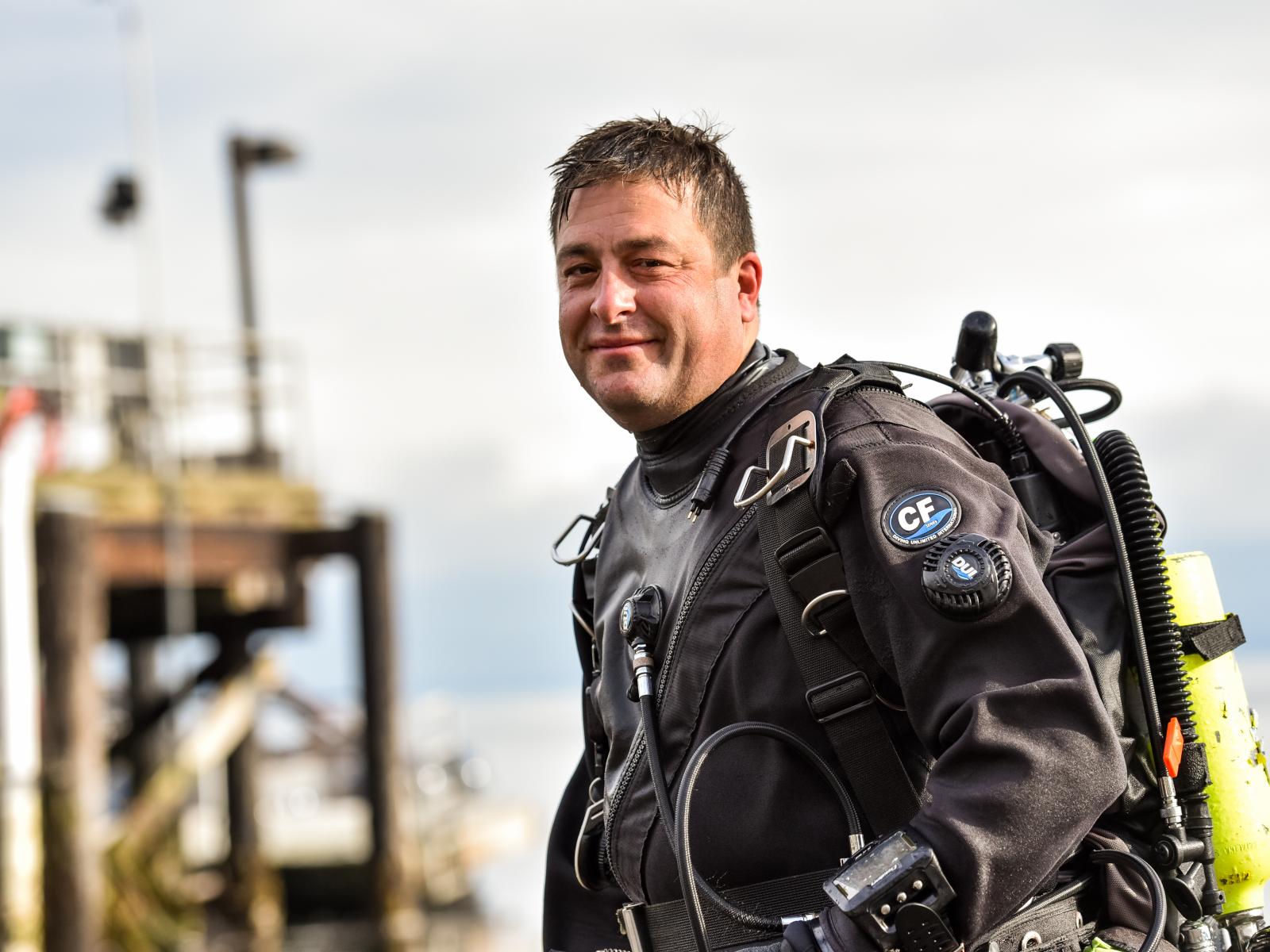
John Vavrinec, PhD, serves as a Dive Officer and senior research scientist with the Coastal Ecosystems Team at Pacific Northwest National Laboratory (PNNL)-Sequim, while holding a joint appointment as an oceanography instructor at Western Washington University. His career spans over three decades of field research in coastal and estuarine environments across North America, with extensive expertise in marine ecology, oceanography, and scientific diving operations. His educational background includes a PhD in Oceanography from the University of Maine (2003), BS in Environmental and Forest Biology from SUNY College of Environmental Science and Forestry (1992), and AA in Liberal Arts Math and Science from SUNY Stone Ridge (1990). Professional certifications encompass NOAA Working Diver, NAUI Master Diver, TDI Rebreather Diver, and multiple advanced technical diving credentials. Vavrinec's research integrates basic ecological principles with practical conservation management, focusing on subtidal community dynamics, marine protected area effectiveness, and anthropogenic impact assessment. His interdisciplinary approach combines field studies on crab foraging, sea urchin demographics, larval transport, and fish behavior with large-scale restoration projects. Recent work emphasizes coastal habitat rehabilitation and human activity impacts on wild populations, requiring collaboration with fisheries managers, government agencies, and industry stakeholders. His publication record reveals consistent contributions to Columbia River estuary restoration, eelgrass rehabilitation in Puget Sound, and underwater unexploded ordnance (UXO) site characterization. Key research themes include cumulative effects assessment, adaptive management frameworks, and marine ecosystem response metrics to anthropogenic disturbances. 2010 Outstanding Performance Award for unparalleled teamwork and safety focus 2011 Outstanding Performance Award for Cumulative Effects Study support 2011 Team Of The Year Award As a PNNL STEM ambassador and Western Washington University instructor, Vavrinec actively engages K-12 students through the West Sound STEM Network. His operational expertise includes over 3,000 scientific research dives across diverse environments from the Gulf of Maine to the Pacific Northwest, supporting resource assessment, experimental construction, and underwater documentation for federal and academic projects.
Thomas R. Chauncey is an Academic Associate Professor in the Division of Hematology and Oncology at the University of Washington School of Medicine and serves as Director of the Marrow Transplant Unit at VA Puget Sound Health Care System in Seattle. His clinical practice is centered at the VA Puget Sound facility located at 1660 S. Columbian Way, Seattle, WA 98108. Dr. Chauncey earned his M.D. from Rush Medical College and his Ph.D. from the University of Chicago. He completed his residency training at the University of Washington (UW) followed by a fellowship in Hematology-Oncology at the same institution. He is board certified in Internal Medicine and Medical Oncology by the American Board of Internal Medicine. His primary research and clinical expertise focuses on hematopoietic stem cell transplantation and leukemia treatment. Dr. Chauncey's work has significantly contributed to the understanding of bone marrow transplantation techniques, graft-versus-host disease management, and treatment protocols for various hematologic malignancies. His research spans several decades, with publications ranging from basic biochemical studies in the 1980s to contemporary clinical transplantation research. An analysis of his publication history reveals a consistent focus on improving outcomes in hematopoietic cell transplantation. His more recent work (2003-2013) has centered on optimizing conditioning regimens, understanding graft-versus-tumor effects, and exploring the role of natural killer cells in transplantation immunology. His earlier work included foundational studies in biochemistry and chemotherapy mechanisms. Dr. Chauncey maintains strong institutional affiliations with the University of Washington (uwmedicine.org) and the Fred Hutchinson Cancer Center, positioning him at the forefront of hematologic malignancy research and treatment in the Pacific Northwest. As Director of the Marrow Transplant Unit at VA Puget Sound, he leads a clinical team providing specialized care for veterans requiring stem cell transplantation. His dual academic and clinical roles enable him to translate research findings directly into patient care while mentoring the next generation of hematologists and oncologists.
Lubomir Ivanov is a Professor of Computer Science and current Chair of the Computer Science Department at Iona University, where he also serves as Game Development Coordinator and primary contact for all undergraduate programs. He joined Iona in 1999 after completing his academic training at Stevens Institute of Technology and has established himself as a versatile educator teaching courses ranging from computer architecture to virtual reality development. Education: Ph.D. in Computer Science, Stevens Institute of Technology M.S. in Computer Science, Stevens Institute of Technology B.S. in Computer Engineering, Stevens Institute of Technology Dr. Ivanov's research demonstrates exceptional interdisciplinary breadth, with dual pillars in Natural Language Processing and Applied Virtual Reality . His NLP work pioneers authorship attribution techniques using linguistic features from phonetic patterns (alliteration, assonance) to semantic dimensions (abstractness/concreteness), particularly for historical texts like Thomas Paine's writings. Simultaneously, his VR research creates impactful educational tools, including anti-bullying simulators with facial-expression recognition and mental health applications for non-suicidal self-injury assistance, reflecting strong collaborations with psychology departments. Analysis of his 15 most recent publications (2016-2024) reveals an evolving trajectory: early work focused on phonetic features for authorship analysis, progressively incorporating semantic and sentiment features, while his VR research matured from basic environments to sophisticated systems integrating real-time facial recognition and user experience optimization. Both strands consistently address real-world problems through computational methods. Scientific Awards: None mentioned in source material. Dr. Ivanov actively mentors students on research projects including the 'Bully' virtual environment and NSSI assistance software, securing collaborative grants with psychology departments. His leadership extends to university governance through the Faculty Senate and previous department chairmanship (2006-2009), alongside curriculum development for game development courses targeting non-CS majors. He directs a cross-disciplinary research ecosystem centered on the Game Development concentration, integrating computer science with education and psychology to create socially impactful technologies through ongoing VR and NLP innovation.
Prof. Dr.-Ing. Matthias Blau is a Professor at Jade University of Applied Sciences in Oldenburg, Germany, working within the Department of Civil Engineering Geoinformation Health Technology under the School of Technology and Health for People. He leads the Institute for Hearing Technology and Audiology and conducts research on sound transmission to and perception by the human auditory system, and the design of technical systems that interact with this system. His research interests focus on understanding how sound is transmitted to and perceived by the individual human auditory system, and how technical systems (including hearing systems, medical implants, or concert halls) can be designed to interact with this system. His work spans ear canal modeling, hearing aid technology, head-related transfer functions, and individualized audio systems. He has developed methods for predicting sound pressure at the eardrum, modeling infant ears, and improving binaural audio rendering. Analysis of his publication record reveals a consistent research trajectory focused on individualized approaches to hearing technology. His work has evolved from basic ear canal modeling to sophisticated applications in hearing aids, virtual environments, and infant hearing assessment. Key themes include the development of models that account for individual anatomical differences, the creation of databases for acoustic research, and the improvement of spatial audio rendering techniques. Prof. Blau has supervised multiple PhD students whose work has contributed significantly to the field. His former students include Tobias Sankowsky-Rothe (2023), Mina Fallahi (2021), Eugen Razumow (2015), and current students Felix Stärz and Reinhild Roden. His research has practical applications in hearing aid design, hearing assessment for infants, and virtual reality audio systems. He leads the Institute for Hearing Technology and Audiology at Jade University, which maintains the IHA database of human geometries including torso, head and complete outer ears for acoustic research. This database, available on Zenodo, contains complete ear canals up to the eardrums, making it an ideal tool for studying interactions with in-ear hearing systems.
Michael Mautner is a composer, conductor, and author currently teaching Project Oriented Composition at the Mozarteum University in the Department of Composition & Music Theory. He has held significant positions including composer, music dramaturge, and musical director at the Rabenhof Theater in Vienna since 2002, academic editor at the Hermann Publishing Group since 2005, and music curator of the Konzett Gallery Vienna since 2013. His educational background includes: Salzburg Music High School, Matura 1978 1978-1984: University of Salzburg (musicology, art history, philosophy) 1979-1985: Mozarteum University (composition with Gerhard Wimberger, conducting with Bernhard Conz, Mladen Basic, and Michael Gielen) Summer courses with Witold Lutoslawski, Henri Dutilleux, and Hans Werner Henze Mautner's creative work focuses on contemporary composition with particular emphasis on multimedia music theater and the interfaces of perception between visual art and music. He maintains what he describes as 'stylistic ambivalence,' working with both tonal harmony and dissonant sharpness without preference for either approach. His work aims to be immediately accessible despite its complexity and uncompromising nature, while still exploring new artistic spaces and contents. He is particularly known for his COM.MEDIA project based on Dante Alighieri and his collaboration with artist Kurt Hofstetter on 'supersymmetric composition technique.' His recent compositions demonstrate a strong trend toward interdisciplinary work at the intersection of visual art and music, with many pieces created specifically for gallery or museum contexts in collaboration with visual artists, especially Franz West. There's also a notable focus on adapting literary and historical texts into musical form, with works based on Dante, Arthur Schnitzler, and Austrian political history. Technologically, his work increasingly incorporates electronic elements and novel compositional techniques like the supersymmetric approach. Mautner has received numerous awards for his work: Staatsstipendium für Komposition (1985) Prix du Centre Acanthes (1982) Silver Bear at the Berlin Festival in the youth film/music category for 'Tunnelkind' (1990) 1st prize in the Mozart composition competition of the City of Vienna/Austro Mechana (1991) Förderungspreis des Landes Salzburg (1994) Mautner has supervised numerous composition students throughout his career, particularly during his tenure as Head of the 'Applied Composition' course at the Mozarteum University from 1994-2005 and his current role teaching Project Oriented Composition since 2015. His work has been supported by significant commissions from prestigious organizations including the Mozarteum Foundation, European Parliament, Gesellschaft der Musikfreunde Wien, ORF, Museum Moderner Kunst Wien, École Nationale Supérieure des Beaux-Arts Paris, Kunsthaus Bregenz, Wiener Festwochen, Rabenhof Theater, and the City of Salzburg. He collaborates extensively with various ensembles and institutions, most notably the Merlin Ensemble Wien and the Konzett Gallery Vienna where he directs the KonzettKonzeptKonzert series. His current work includes the 'Supersymmetric Music' project with Kurt Hofstetter, which generates musical sequences through rotations of the space-time axis of a dot matrix corresponding to tones and durations, representing a novel approach to composition that moves beyond conventional patterns.
Derek Hoare is an Associate Professor in Hearing Sciences at the University of Nottingham, Faculty of Medicine & Health Sciences. He leads the Hearing Disorders theme in the NIHR Nottingham Biomedical Research Centre and serves as Chair of the British Society of Audiology. His work bridges clinical audiology practice with scientific research to improve understanding and management of tinnitus, hyperacusis, and hearing loss. Derek trained as a nurse at the University of Brighton before completing his academic qualifications at The University of Manchester, where he earned a BSc (Hons) in Neuroscience, a Master of Research in Biological Sciences, and a PhD in Sensory Neuroscience. His doctoral research investigated olfactory sensory information processing in insect models using genetic, electrophysiology, and behavioral techniques, which led to his interest in abnormal perceptual phenomena like tinnitus. Dr. Hoare's research expertise spans health service research, systematic reviews, evaluation of tinnitus and hyperacusis measures, defining therapeutic targets, developing novel interventions, and evaluating standard and commercial therapies. His work combines neuroscience principles with clinical audiology to address the complex nature of tinnitus and related conditions, with particular focus on translating research findings into practical clinical applications. Analysis of Dr. Hoare's recent publications reveals a strong emphasis on tinnitus assessment tools (particularly the Tinnitus Functional Index), treatment efficacy, patient experiences with tinnitus services, and psychological aspects of tinnitus management. His research frequently employs systematic review methodologies and contributes to evidence-based clinical guidelines across multiple disciplines including audiology, neuroscience, psychology, and healthcare delivery. As Chair of the British Society of Audiology, Dr. Hoare plays a leadership role in advancing the field of audiology in the UK. His position as theme lead at the NIHR Nottingham Biomedical Research Centre indicates significant professional recognition, though specific scientific awards are not detailed in the available information. Dr. Hoare collaborates extensively with researchers across multiple institutions and countries, as evidenced by his co-authorship on numerous international studies. His work often involves interdisciplinary teams combining expertise from audiology, psychology, neuroscience, and healthcare services research to address complex questions in hearing science and improve patient care pathways. Through the NIHR Nottingham Biomedical Research Centre, Dr. Hoare leads a research team focused on hearing disorders with particular emphasis on tinnitus and hyperacusis. His work connects basic neuroscience with clinical applications, aiming to improve diagnostic tools, treatment protocols, and service delivery for individuals with hearing-related conditions.
Anju Saxena is a Professor in General Linguistics at the Department of Linguistics and Philology, Uppsala University. Her research focuses on the linguistic landscape of the Himalayan region, particularly on Kanashi and other lesser-known languages of South Asia. Professor Saxena's research interests span multiple areas of linguistics with particular emphasis on: Himalayan and South Asian languages documentation and analysis Language contact and historical linguistics Computational linguistics approaches to language documentation FrameNet development for linguistic domains Language variation and typological studies Numeral systems and grammaticalization processes Her recent publications demonstrate a consistent focus on Kanashi language studies, with multiple comprehensive works published in 2022 including a linguistic sketch, sound system analysis, vocabulary documentation, and investigations into Kanashi's historical development and relationship to other West Himalayish languages. She has also made significant contributions to computational linguistics through her work on LingFN (Linguistic FrameNet) and applying digital resources to language documentation. Professor Saxena maintains an active research profile with collaborations across international institutions, as evidenced by her extensive publication record extending to 2023.