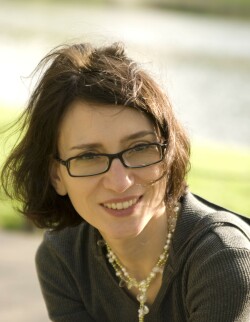
Martin Lövdén is a Professor at the Department of Psychology, University of Gothenburg, and serves as Assistant Head of Department. His primary research focuses on cognitive neuroscience, particularly learning, memory, and aging mechanisms. He explores how dopamine systems, neuroinflammation, and physical activity influence cognitive aging, aiming to improve interventions for successful aging. Research highlights include studies on dopamine D2 receptor availability's role in memory decline, interactions between inflammation and striatal function, and longitudinal brain-cognition relationships. His work often integrates neuroimaging, behavioral experiments, and population-level epidemiology. Lövdén leads the Lövden Lab within Life Lab, focusing on neuroplasticity and cognitive aging. His articles consistently analyze mechanisms linking brain structure/function to cognitive outcomes, with recent emphasis on early-life dementia risk factors and dopamine-neuroinflammation interactions. Key affiliations: Department of Psychology, Section of Neuro, Cognition and Developmental Psychology Primary lab: Lövden Lab (part of Life Lab) Research collaborations: Extensive international networks including Max Planck Institute for Human Development (Berlin) Publications span journals like Science , NeuroImage , and Nature Communications , with a focus on translational research bridging basic neuroscience and clinical applications.
Dr. Yannis Paloyelis is a Reader in Neuroscience and Psychology at King's College London, where he directs the BSc Neuroscience and Psychology program. His research focuses on the oxytocin system's role in brain function, particularly in pain perception, social cognition, and neuropsychiatric disorders like schizophrenia and eating disorders. He holds a PhD from King's College London (2010) and has contributed to over 50 peer-reviewed articles. His work emphasizes optimizing oxytocin administration methods and understanding its pharmacodynamics. Dr. Paloyelis has received the Glenn I. Hatton Memorial Award (2013) and leads projects funded by organizations such as the MRC and PARI GmbH. His academic roles include directing educational programs that bridge neuroscience and psychology disciplines. Key collaborations involve institutions like University College London and St George's Hospital. Research interests span translational neuroscience, neuroimaging, and clinical pharmacology, with a focus on mental health disorders. Notable studies include investigations into oxytocin's effects on brain connectivity in psychosis risk populations and its modulation of food-related behavior in eating disorders. His work bridges basic science and clinical applications, aiming to improve therapeutic strategies for neuropsychiatric conditions.
Dr. Caroline Catmur is a Reader in Cognitive Psychology at King's College London's Institute of Psychiatry, Psychology & Neuroscience, where she joined in August 2015. Her research focuses on the psychological and neural mechanisms underlying social cognitive abilities including imitation, empathy, and theory of mind. She leads the Experimental and Social Psychology Research Group (EASY) within the Department of Psychology. Dr. Catmur earned her PhD in Psychology from University College London and completed her undergraduate studies with a BA in Experimental Psychology from the University of Oxford. Prior to her current position, she served as a Lecturer in Cognitive Psychology at the University of Surrey. She is also recognized as a Fellow of the Higher Education Academy for her contributions to teaching and learning. Her research program investigates social cognition through multiple lenses, with particular emphasis on how social experience shapes the brain's mirror neuron system, how brain stimulation can illuminate social interaction mechanisms, and how empathic abilities develop. Her work bridges cognitive psychology, neuroscience, and clinical applications, particularly in understanding autism spectrum disorders and alexithymia. She has made significant contributions to understanding the relationship between language development and emotional processing, face perception mechanisms, and the cognitive foundations of theory of mind. Dr. Catmur's recent publications reveal a strong focus on mental state attribution, with increasing attention to computational approaches to theory of mind and the intersection of artificial intelligence with human social cognition. Her work consistently examines individual differences in social cognitive abilities, particularly regarding autism spectrum conditions and alexithymia, while maintaining a strong foundation in experimental cognitive psychology methods. Philip Leverhulme Prize in Psychology from the Leverhulme Trust (2015) Fellow of the Higher Education Academy Dr. Catmur has secured significant research funding from major organizations including the Royal Society, Economic and Social Research Council, Experimental Psychology Society, John Templeton Foundation, and Wellcome Trust. She has led two major research projects: 'The Role of Cultural Evolution in Human Understanding' (2022-2024, John Templeton Foundation) and 'Mirroring intentions? Establishing the contribution of mirror neurons to action understanding' (2016-2019, Leverhulme Trust). Her work has been widely disseminated through numerous peer-reviewed publications and has gained attention in both academic and public spheres. Dr. Catmur is actively involved with the IoPPN Virtual Reality Research Lab, a world-leading multidisciplinary group dedicated to VR-based research, assessment, and treatments to improve mental health and enhance well-being. She also contributes to the Research Centre for Technology and the Body, exploring how embodied technology shapes human experience from basic tools to modern interfaces.
Alex Martin, Ph.D., serves as Chief of the Section on Cognitive Neuropsychology at the National Institute of Mental Health (NIMH), National Institutes of Health (NIH) in Bethesda, MD. He has led this research section since 1997, having joined NIMH in 1990 after faculty positions at the Uniformed Services University of the Health Sciences. His research employs functional magnetic resonance imaging (fMRI) and magnetoencephalography (MEG) to investigate neural circuitry underlying perceptual, memory, and social functions. Primary research domains include: Semantic memory organization and object recognition mechanisms Neural plasticity through experience and learning Representation of abstract social knowledge in autism spectrum disorders Cross-modal sensory integration (e.g., visual-taste processing) Recent publications (2013-2021) demonstrate consistent focus on cognitive neuroscience methodologies applied to memory systems, sensory processing, and neural representation. Article themes cluster around hippocampal memory functions, insular cortex specialization, and hemispheric lateralization patterns. Honors include elected Fellowship in: American Association for the Advancement of Science (AAAS) American Psychological Society (APS) American Psychological Association (APA) Dr. Martin leads the Cognitive Neuropsychology Section within NIMH's Laboratory of Brain and Cognition, conducting both basic neuroscience and clinical investigations at the NIH Clinical Center.
Dr. Elizabeth H. Blackburn is the Morris Herztein Professor of Biology and Physiology in the Department of Biochemistry and Biophysics at the University of California, San Francisco (UCSF) School of Medicine. She is a Nobel Laureate renowned for her groundbreaking work on telomeres and telomerase. Dr. Blackburn also serves as a Non-Resident Fellow of the Salk Institute and maintains an active research program investigating fundamental biological mechanisms with implications for human health. Dr. Blackburn earned her B.Sc. (1970) and M.Sc. (1972) from the University of Melbourne in Australia, and her Ph.D. (1975) from the University of Cambridge in England. She completed postdoctoral work in Molecular and Cellular Biology at Yale University from 1975 to 1977. Dr. Blackburn pioneered telomere and telomerase research, discovering the molecular nature of telomeres - the protective caps at chromosome ends - and the enzyme telomerase that maintains them. Her laboratory at UCSF investigates telomere biology across various cell types, establishing foundational knowledge about cellular aging mechanisms. Her work bridges basic molecular biology with implications for cancer, aging-related diseases, and the impact of psychosocial factors on biological aging. She has demonstrated how telomere length serves as a biomarker connecting environmental stressors to cellular health. Analysis of Dr. Blackburn's recent publications reveals continued innovation in telomere biology with expanding applications to human health. Her work increasingly examines how socioeconomic factors, stress, and lifestyle influence telomere dynamics across the lifespan. Recent studies explore connections between telomere length and mental health outcomes, cardiovascular disease, obesity trajectories, and developmental programming from prenatal through childhood stages, demonstrating the field's evolution from basic science to population health applications. Dr. Blackburn's scientific achievements have been recognized with numerous prestigious awards: Nobel Prize for Physiology or Medicine (2009) Paul Ehrlich and Ludwig Darmstaedter Prize (2009) Albert Lasker Medical Research Award in Basic Medical Research (2006) TIME Magazine's 100 Most influential People (2007) North American Laureate for L'Oreal-UNESCO For Women in Science (2008) California Hall of Fame Inductee (2011) Throughout her distinguished career, Dr. Blackburn has secured substantial research funding as Principal Investigator on numerous NIH projects including 'Social Disadvantage and Fetal Programming of Newborn-Infant Telomere Biology' (R01AG050455), 'Inflammation, Aging, Microbes, Obstructive Lung Disease and Diffusion Abnormalities' (R01HL128156), and 'Synergism of telomere maintenance and telomerase with cancer-promoting signaling' (R01CA096840). Her laboratory has trained generations of scientists who have established independent research careers in molecular biology and related fields. Dr. Blackburn leads a vibrant research team at UCSF's Mission Bay campus, employing multidisciplinary approaches that combine molecular biology, genetics, epidemiology, and clinical research to investigate telomere maintenance mechanisms and their implications for human disease. Her laboratory continues to push the boundaries of understanding how fundamental cellular processes influence health and disease across the human lifespan.
Hitoshi Morikawa is an Associate Professor holding the M. June and J. Virgil Waggoner Professorship in Molecular Biology Neuroscience at the University of Texas at Austin, where he has been faculty since 2002. He directs the Morikawa Lab within the Neuroscience Interdisciplinary Life Sciences Graduate Programs, focusing on neural mechanisms of addiction and reward learning. Dr. Morikawa received his M.D. from Kyoto University in Japan in 1990 and completed clinical training in anesthesiology before pursuing basic research. He earned his Ph.D. in anesthesiology & neuropharmacology in 1999, followed by three years of postdoctoral training at the Vollum Institute in Portland, Oregon, working in John Williams' lab. His research career has evolved from studying opioid receptor mechanisms to sophisticated investigations of the mesostriatal dopaminergic system. His laboratory investigates neural plasticity in the mesostriatal dopaminergic system underlying reward-based learning and addiction development, with particular focus on calcium-dependent regulation of neuronal activity. Using brain slice electrophysiology, calcium imaging, UV photolysis of caged compounds, and behavioral assays combined with targeted pharmacological and viral interventions, his team links cellular and molecular processes to addictive behaviors in animal models. Recent work examines how daily life experiences (stress, diet, exercise) impact these processes to identify risk factors and therapeutic strategies for addiction, schizophrenia, and depression. Dr. Morikawa's publication record spans over 50 articles, with recent work focusing on L-type calcium channel blockers like isradipine for addiction treatment, stress interactions with drug reward, and calcium signaling in dopamine neurons. His work shows consistent progression from cellular mechanisms to translational applications. Japan Scholarship Foundation Predoctoral Scholarship (1994-1997) Ministry of Education, Science and Culture of Japan Grant-in-Aid for Scientific Research (1998-1999) Uehara Memorial Foundation Postdoctoral Fellowship (1999-2000) Dr. Morikawa actively mentors postdoctoral fellows including Saeideh Karimihaghighi and Alican Caglayan, and research assistants like Heather Wessel. His lab continues to recruit new researchers and investigate the cellular mechanisms driving addiction, with current work bridging molecular neuroscience with potential clinical applications for substance use disorders.
Ronald F. Rogers serves as Vice Provost for Academic Innovation and Institutional Effectiveness at San José State University, returning to the Psychology Department in 2025 after significant administrative leadership. A member of the SJSU faculty since 1999, he previously held positions as Associate Dean in the College of Social Sciences (2016-21) and Chair of the Department of Psychology (2011-16), demonstrating sustained commitment to academic excellence and institutional advancement. Education: Doctor of Philosophy, Psychology, Rutgers University New Brunswick, 1995 Master of Science, Psychology, Rutgers University New Brunswick, 1993 Bachelor of Arts, Psychology, University of California, Santa Cruz, 1989 Postdoctoral Research Fellow in Behavioral Neuroscience, Indiana University Bloomington, 1995-1999 Dr. Rogers' scholarly journey spans from fundamental neuroscience research to educational innovation. His early career focused on cellular mechanisms of neuroplasticity and eyeblink conditioning, establishing his expertise in learning and memory processes. More recently, his scholarship has centered on the scholarship of teaching and learning, with particular emphasis on statistics education, classroom engagement, and the effectiveness of online learning platforms. His research consistently bridges cognitive principles with practical educational applications, demonstrating how understanding learning mechanisms can improve teaching effectiveness. Analysis of his publication record reveals a strategic evolution from basic neuroscience research to educational innovation. Recent publications focus on online education methodologies, statistics learning interventions, and assessment frameworks, reflecting his administrative role in academic innovation. Earlier works in cognitive neuroscience established his foundational understanding of learning processes. This trajectory exemplifies how deep disciplinary knowledge can be leveraged to address contemporary educational challenges, particularly in developing effective approaches to statistics education and reducing statistics anxiety. Professional Recognition: Committee on Academic Technology and Online Education, CSU Office of the Chancellor, 2024-25 Council for Chief Online Learning Officers, SJSU Representative, UPCEA, 2023-25 Western Psychological Association: Council of Representatives (2004-16), Annual Conference Program Review Committee (2012-19) Reviewer for major publishers including Sage Publications, Prentice Hall, and Journal of the Psychonomic Society Dr. Rogers has mentored over 40 graduate students, chairing seven Master's theses and serving on numerous committees. His mentorship spans cognitive psychology, educational psychology, and statistics education. He has led significant initiatives including the SJSU-Udacity partnership, which developed innovative MOOC-based statistics courses that improved learning outcomes while reducing anxiety. As Vice Provost, he oversees SJSU Online, which provides flexible 100% online degree pathways for working learners, and Global Engagement initiatives including International Student Services and Study Abroad programs. His leadership emphasizes data-driven decision making and continuous improvement in educational practices to expand access to quality higher education.
Carolina Montenegro serves as an ATS Assistant Lecturer in the Department of Psychology at the University of Alberta's Faculty of Arts. She specializes in teaching foundational courses in psychological processes, individual behavior, and learning principles. Courses Taught PSYCH 104 - Basic Psychological Processes PSYCH 105 - Individual and Social Behavior PSYCH 381 - Principles of Learning Research Interests Her academic focus lies in psychological processes encompassing perception, motivation, learning, and thinking , with emphasis on classical and instrumental conditioning, memory mechanisms, and social behavior dynamics. She incorporates non-human animal research into her pedagogical approach, particularly in learning principles.
Erin Scully serves as an ATS Assistant Lecturer in the Department of Psychology, Faculty of Science, at the University of Alberta. She actively teaches core undergraduate courses including PSYCH 104 (Basic Psychological Processes), PSYCH 275 (Brain and Behavior), PSYCH 367 (Perception), and PSYCH 377 (Human Neuropsychology) across Fall 2025 and Winter 2026 terms, delivering multiple lecture sections per course. Her academic focus centers on neural and cognitive mechanisms underlying human behavior, with research interests spanning: Cognitive Psychology and information processing Neuropsychological assessment and brain damage effects Sensory-perceptual systems and experimental paradigms Learning-motivation dynamics in behavioral contexts Brain-behavior relationships in clinical populations Cognitive rehabilitation methodologies Dr. Scully's pedagogical approach integrates empirical research with clinical applications, particularly examining how neurological conditions impact cognition, emotion, and sensorimotor function. Her courses emphasize evidence-based analysis of perception, memory, language, and executive functions through both theoretical frameworks and laboratory experiences. As an educator, she oversees large-enrollment courses with structured laboratory components requiring research participation or alternative assignments. Her teaching responsibilities demonstrate consistent commitment to foundational and advanced psychological science instruction within the Faculty of Science curriculum.
Tara A. LeGates serves as Assistant Professor at the University of Maryland, Baltimore County (UMBC) with a secondary appointment in Physiology Education and Training. Her research program investigates neuronal circuit plasticity mechanisms underlying reward-related behaviors and their implications for psychiatric disorders. Education: B.S. in Behavioral Neuroscience, Rider University (2007, Summa Cum Laude) Ph.D. in Biology, Johns Hopkins University (2013) Postdoctoral Fellowship, Department of Physiology, University of Maryland School of Medicine (2013-2017) Dr. LeGates employs a multilevel experimental approach spanning molecular, circuit, and behavioral levels to study how neuronal circuits integrate information for reward processing. Her work combines electrophysiology, in vivo imaging, and behavioral assays in mouse models to examine synaptic mechanisms in conditions like depression. She also investigates circadian regulation of mood and learning through light exposure pathways. Her publication record demonstrates consistent focus on reward circuitry (2020-2018) and foundational work on light-mediated circadian effects (2014-2012), revealing critical synaptic mechanisms and melanopsin-dependent pathways. These studies bridge basic neuroscience with clinical relevance for psychiatric conditions. Dr. LeGates leads an active research laboratory utilizing advanced techniques including patch-clamp electrophysiology, fiber photometry, and behavioral paradigms to dissect neural circuit dynamics underlying reward and mood regulation.
Prof. Dr. med. Ulrike Seifert is a faculty member at the Institute of Biochemistry , University of Greifswald , with dual specialization in Biochemistry and Hygiene/Environmental Medicine . Her research focuses on immunoproteasomes , antigen processing , and virology , particularly in the context of SARS-CoV-2 and hepatitis C virus infections. Education/Training : Dr. med. (medical doctorate), Univ.-Prof. (University Professor) Her recent work explores the role of proteasome systems in immune evasion and therapeutic targeting. Publications from 2025–2021 span MHC class I epitope generation , interferon-induced proteasome remodeling , and multidrug-resistant organism dynamics . She collaborates with researchers in hematology , oncology , and clinical microbiology , with a strong emphasis on translational research linking basic science to clinical applications. Key trends in her publications include: Proteasome modulation in melanoma and leukemia Role of immunoproteasome in viral infections and autoimmune diseases Investigations into environmental pathogen transmission (e.g., surface resilience, glove use, and SARS-CoV-2 ) Her team at the Institute of Biochemistry integrates biochemical assays with bioinformatics (e.g., DiscovEpi tool) to advance understanding of immune pathways and pathogen interactions.
Professor Konstanze F. Winklhofer is a full Professor of Molecular Cell Biology at the Institute of Biochemistry and Pathobiochemistry, Faculty of Medicine, Ruhr University Bochum, Germany. She additionally serves as Vice-Speaker of the Research Department of Neuroscience and heads the Winklhofer Lab, which is equipped with state-of-the-art imaging core facilities including super-resolution microscopy, lattice-SIM, holotomography, and high-content screening platforms. Education & Career: Current: Professor (W3) at Ruhr University Bochum, Faculty of Medicine, Institute of Biochemistry and Pathobiochemistry. Role: Vice-Speaker, Research Department of Neuroscience. Research Focus: The Winklhofer laboratory investigates molecular, cellular, and systems-level mechanisms underlying neurodegenerative diseases. Central themes include: Ubiquitin system & proteostasis: understanding how linear ubiquitination and E3 ligases such as Parkin and LUBAC control neuronal integrity. Mitochondrial biology: deciphering mitochondria-centric stress response pathways, inter-organellar communication, and innate immune signaling (NF-κB axis). Phase separation & condensate biology: studying how proteins such as NEMO, α-synuclein, and prion protein undergo liquid-liquid phase separation and how this impacts aggregation and clearance by autophagy. Advanced imaging: exploiting super-resolution microscopy (SIM, PALM/dSTORM), live-cell lattice-SIM, FRAP/FRET, and holotomography to visualize dynamic cellular processes in real time. Publications & Trends: Across more than 150 peer-reviewed articles since 2000, the group has progressively shifted from elucidating basic ubiquitin biochemistry to integrating these insights with emerging concepts of phase separation and mitochondrial signaling hubs. Recent high-impact works (2023-2025) in Nature Communications , EMBO Journal , Cell , and Life Science Alliance highlight novel roles for NEMO, PACRG, and LUBAC in aggregate clearance and neuroinflammation. Scientific Awards: No specific awards detailed in the provided text. Funding & Collaborations: The lab is funded by the German Research Foundation (DFG) through major consortia including: RESOLV Cluster of Excellence (EXC 2033) SPP2453 “Integration of mitochondria into the cellular proteostasis network” FOR2848 “Nanoscale Architecture and Heterogeneity of the Mitochondrial Inner Membrane” RTG2862 “Monoaminergic Neuronal Networks and Disease” IMPRS for Living Matter Lab & Imaging Core: The Winklhofer group operates an open-access Imaging Facility housing Zeiss Elyra PS.1, Elyra7 Lattice-SIM, Nanolive CX-A holotomography, Cytation 5 MPW multimode reader, and Sapphire Biomolecular Imager. Custom pipelines in Imaris and CellProfiler enable advanced segmentation, particle tracking, and machine-learning-assisted analysis.
Daisaku Yokoyama is an Assistant Professor at the Institute of Industrial Science, University of Tokyo, where he works in Department 3 of the Kitsuregawa-Toyoda Laboratory. His research focuses on parallel and distributed processing, combinatorial search, game tree search, and other search processes. He is also involved in the development of "Gekisashi," a computer shogi (Japanese chess) player. His academic background includes: March 1998: Graduated from the Department of Electronic and Information Engineering, Faculty of Engineering, The University of Tokyo March 2000: Completed Master's course in Information Engineering at the University of Tokyo 2002.3: Graduated from the Doctoral Program in Information Engineering, Graduate School of Engineering, The University of Tokyo September 2006: Obtained a PhD in Science from the Graduate School of Frontier Sciences, University of Tokyo Daisaku Yokoyama's research interests primarily center around parallel and distributed computing systems, with a particular focus on combinatorial search algorithms and game tree search techniques. His work bridges theoretical computer science with practical applications, especially in the domain of computer shogi where he has developed "Gekisashi." Beyond game AI, his research has expanded into big data analytics, particularly in transportation systems where he analyzes passenger flows in metro networks and driver behavior using vehicle recorder data. His work demonstrates a consistent thread of applying parallel processing techniques to solve computationally intensive problems across various domains. Yokoyama's publication record shows a clear evolution from foundational work in parallel combinatorial optimization (PopKern library) to more applied research in computer shogi and eventually to big data applications in transportation systems. His early work established frameworks for parallel search algorithms, while more recent publications demonstrate applications of these techniques to real-world problems involving massive datasets from metro systems and vehicle recorders. His research consistently emphasizes the importance of domain-specific knowledge in optimizing parallel algorithms. His notable scientific achievements include: DBSJ Best Paper Award 2014 for "Application and Evaluation of a Bayesian-Based Monte Carlo Tree Search Algorithm to Shogi" Game Programming Workshop Excellent Paper Award (awarded twice) Throughout his career, Yokoyama has been actively involved in academic service, serving on editorial boards, program committees, and as an organizer for numerous conferences and workshops related to programming, parallel computing, and game AI. His work on the Gekisashi shogi engine represents a long-term research project that has evolved from basic search algorithms to sophisticated AI systems, demonstrating both theoretical rigor and practical implementation skills. He is part of the Kitsuregawa-Toyoda Laboratory at the Institute of Industrial Science, University of Tokyo, which focuses on advanced computing systems, database technologies, and large-scale data processing. The laboratory provides a collaborative environment for research spanning theoretical computer science to real-world applications in transportation analytics and game AI.
Rubing Zhao-Shea is an Assistant Professor in the Department of Neurobiology at UMass Chan Medical School, specifically within the T.H. Chan School of Medicine. Her research focuses on the neural mechanisms underlying addiction, anxiety, and reward processing, with particular emphasis on the interpeduncular nucleus and ventral tegmental area circuits. Education: MD from Beijing Medical University, Beijing, China Dr. Zhao-Shea's research interests center on understanding the neural circuitry involved in nicotine and alcohol addiction, with a focus on how specific brain regions like the interpeduncular nucleus, habenula, and ventral tegmental area contribute to withdrawal symptoms, anxiety, and reward processing. Her work often investigates the role of GABAergic and dopaminergic signaling in these processes, with implications for understanding addiction mechanisms and developing potential treatments. She has made significant contributions to understanding how nicotine withdrawal affects anxiety and how specific neural circuits mediate these effects. Analysis of Dr. Zhao-Shea's recent publications reveals a strong focus on the interpeduncular nucleus and its connections with other brain regions in mediating anxiety during nicotine withdrawal, social behavior, and threat processing. Her research increasingly incorporates advanced techniques like viral tracing, genetic manipulations, and molecular analyses to uncover the specific neural circuits and molecular mechanisms underlying addiction-related behaviors. There is a clear progression from basic circuit mapping to understanding more complex behavioral phenotypes and potential therapeutic targets. Professional Activities: Active researcher in neurobiology and addiction neuroscience Collaborates extensively with other researchers in the field, particularly with Dr. Andrew Tapper and colleagues
Professor DAVUT SINAN KAPLAN is a distinguished academic at Gaziantep University Faculty of Medicine, Department of Basic Medical Sciences, where he currently holds the rank of Professor (since 2024). Previously, he served as Associate Professor (2019-2024) and Doctor Lecturer (2014-2019). His academic journey began with veterinary medicine training at Firat University (2004-2009), followed by doctoral studies in Physiology at Gaziantep University (2009-2013), with part of his doctoral work completed at the University of Bologna, Italy (2011). His research spans multiple physiological domains with a particular emphasis on oxidative stress mechanisms, exercise physiology, metabolic disorders, and neurophysiology. His work frequently employs animal models to investigate conditions including diabetes, obesity, neurodegenerative diseases, and wound healing processes. He has made significant contributions to understanding the physiological effects of traditional foods, herbal compounds, and exercise interventions. Analysis of his recent publications reveals a strong focus on translational research connecting basic physiological mechanisms with clinical applications. His work demonstrates consistent interest in the gut-brain axis, cellular mechanisms of neurodegeneration, and the physiological impacts of both natural compounds and exercise interventions across various disease models. AYŞE BAYSAL BİLİM ÖDÜLÜ (2018) 2012 Bildiri Ödülü kategorisinde 1. (birincilik) ödülü (2012) Bildiri 2. (ikincilik) ödülü (2010) Veteriner Fakültesi Dönem 3. sü (2009) Professor Kaplan has supervised numerous graduate students across medical specialization, doctoral, and degree programs, with research topics spanning from metabolic disorders to neurophysiology. He has led multiple research projects funded by TÜBİTAK and university resources, focusing on areas including gut microbiome interactions, wound healing mechanisms, and exercise physiology. His administrative roles include serving as Domestic Institute Manager (2021-present), Domestic Erasmus Coordinator (2017-present), and various positions on the Animal Experiments Ethics Committee. He is also an active member of the Turkish Physiological Sciences Association since 2013.