Niels Kokot, MD is a Clinical Professor in the Department of Otolaryngology-Head & Neck Surgery at the Keck School of Medicine of USC , University of Southern California. His clinical and research focus spans head and neck oncology, HPV vaccination dynamics, reconstructive surgery, and health disparities in cancer survivorship. Role: Clinical Professor, Otolaryngology-Head & Neck Surgery Affiliation: Keck School of Medicine of USC Email: kokot@usc.edu Research Interests include head and neck cancer, HPV-related pathogenesis, reconstructive microsurgery, psychosocial determinants of postoperative outcomes, and health equity. He investigates disparities in cancer diagnosis, treatment of minority populations, and the role of digital platforms in patient education. Recent Publications highlight trends in cost-effectiveness of surveillance imaging, free flap outcomes, and the intersection of social media with health communication. His work spans clinical trials, systematic reviews, and epidemiological studies. Collaborations involve multidisciplinary teams, including critical care, endocrinology, and medical oncology. His career bridges basic science (notably cytokine signaling in the 1990s) with contemporary clinical and health systems research.
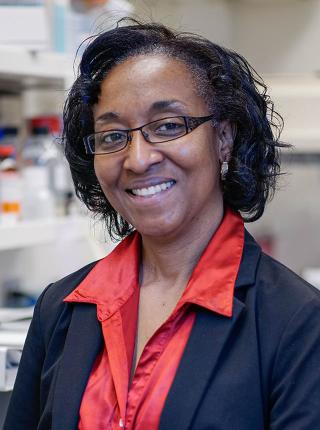
Camille Ragin, PhD, MPH is a Professor in the Cancer Prevention and Control Program at Fox Chase Cancer Center (FCCC), where she serves as Associate Director for Cancer Disparities Research and Research Integration within the Office of Research Initiatives for Strategic Excellence (RISE). She is Principal Investigator of The African Caribbean Cancer Consortium (AC3) and a member of the NCCN Advancing Cancer Care Access for All Forum Program. Her work focuses on understanding and addressing cancer disparities among populations of African ancestry through molecular epidemiology research. Dr. Ragin earned her BS in Medical Laboratory Sciences from Hunter College, New York, NY, followed by a PhD in Infectious Diseases and Microbiology and an MPH in Epidemiology, both from the University of Pittsburgh, PA. Her educational background provides a strong foundation for her interdisciplinary approach to cancer disparities research. Dr. Ragin's research focuses on the Molecular Epidemiology of Cancer in the African Diaspora, examining the genomic basis for cancer risks and outcomes among populations of African ancestry. She founded and leads the African Caribbean Cancer Consortium (AC3), a global effort to assess cancer burden in the African Diaspora. She established the Cancer Prevention Project of Philadelphia (CAP3), a multicultural community-based cohort of healthy participants, and the African Cancer Genome Registry (AGR), a multi-national cohort of Black participants diagnosed with cancer. Her work has particularly focused on racial disparities in head and neck squamous cell carcinoma, where she has demonstrated that differences in outcomes between Black and White patients may be independent of barriers to care and screening. Her recent publications reveal a strong emphasis on cancer disparities research, with particular focus on prostate cancer, head and neck cancer, and HPV-related cancers among populations of African ancestry. Her work increasingly incorporates advanced methodologies including AI applications, neighborhood-level variables, and genetic feedback mechanisms to better understand and address health inequities. She maintains a strong commitment to community engagement and participatory research approaches that empower underserved populations. AACR Team Science Award, African Caribbean Cancer Consortium Team (2023) International Community Service Award, TJB - Philadelphia, PA (2015) My Sisters' Health Watch Distinguished Stakeholder (2015) Citation from City Council of Philadelphia (2015, 2012) American Cancer Society's Cancer Control Award (2016) Charles Gordon Henry Award (2012) Keleti Prize for Excellence in Environmental Health (2005) Dr. Ragin actively mentors the next generation of scientists, particularly from underrepresented backgrounds. Her lab includes doctoral students, postdoctoral associates, and research staff working on various aspects of cancer disparities research. She serves as mentor and trainer for students recruited from historically black colleges through the Undergraduate Summer Research Fellowship program. Her community engagement model has been successfully adapted in both the Caribbean and Philadelphia metropolitan area, facilitating strong recruitment of participants of African ancestry for population-based molecular epidemiology studies. Dr. Ragin leads the Cancer Prevention and Control research program with a dedicated team including doctoral students, research specialists, and administrative support. Her laboratory focuses on understanding the molecular basis for cancer disparities, particularly in head and neck squamous cell carcinoma among populations of African ancestry. The AC3 serves as a broad-based resource for education, training and research on cancer etiology, screening, prevention, treatment and survivorship related to populations of African descent.
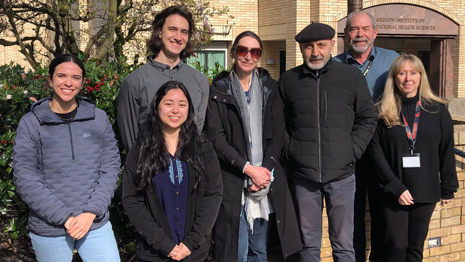
Dr. R. Stephen Lloyd and Dr. Amanda K. McCullough are Professors in the Department of Molecular & Medical Genetics at Oregon Health & Science University (OHSU). They co-direct the Lloyd-McCullough Lab, which focuses on DNA repair mechanisms, environmental toxicology, and carcinogenesis. Dr. Lloyd holds a Ph.D. in Molecular Biology from the University of Texas MD Anderson, while Dr. McCullough earned her Ph.D. in Cellular and Molecular Biology from the University of Vermont. Their research explores: (1) DNA-protein crosslink repair, (2) UV-induced DNA damage therapeutics, and (3) oxidative DNA damage in metabolic diseases. Recent work includes developing topical enzymes for skin cancer prevention and studying NEIL1/OGG1 DNA glycosylases in obesity-linked genomic instability. Publications emphasize aflatoxin mutagenesis , UV carcinogenesis , and metabolic syndrome , with trends showing applied DNA repair innovations for cancer therapy. Awards include the Editor’s Choice Award for seminal work on environmental mutagenesis. Lab members include Irina Minko (Staff Scientist) and research assistants Vladimir Vartanian, Sami Moellmer, Michael Luzadder, and Jamie Zuckerman. The lab collaborates globally on NIH/NIEHS-funded projects.
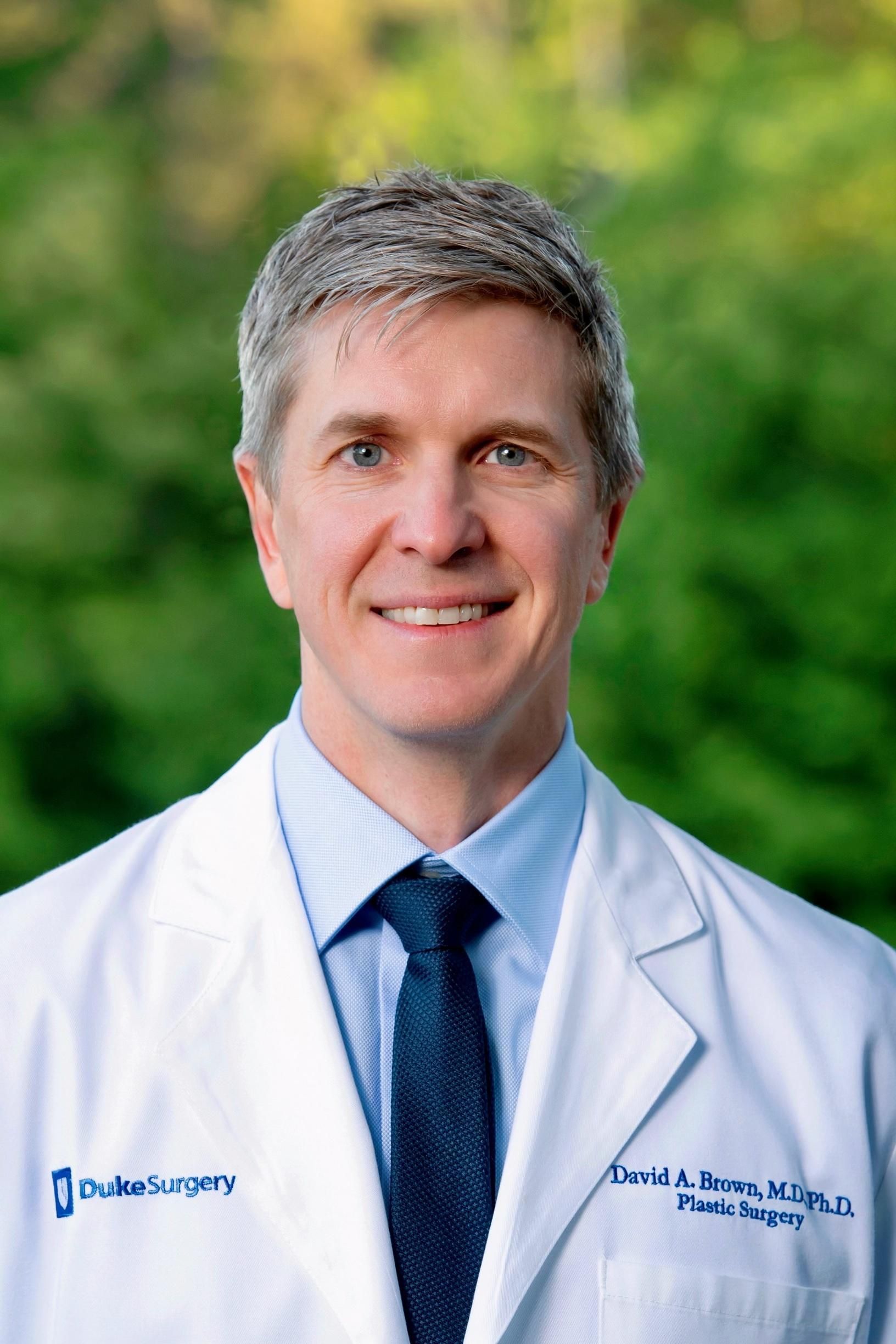
David A. Brown, M.D., Ph.D. is Associate Professor of Surgery and Vice Chief of Research at Duke University in the Division of Plastic, Maxillofacial, and Oral Surgery. He serves as Medical Director of the Duke Wound Healing Clinic and Co-Director of the Duke Regeneration Center. His academic journey began with a B.S. in engineering from University of Colorado (1999), followed by a Ph.D. in biomedical engineering at UCLA (2008), M.D. from UC Irvine (2009), and surgical training at University of Washington Medical Center (2009-2014) and Duke University (2014-2017). Research Interests Dr. Brown's work focuses on limb and digit regeneration , targeted muscle reinnervation , and advanced wound healing . His research bridges regenerative medicine , biomedical engineering , and clinical plastic surgery to develop novel therapies for complex surgical wounds and tissue defects. Recent studies analyze cellular mechanisms in hidradenitis suppurativa , biodegradable scaffold applications , and photothermal cancer ablation using nanotechnology. Publications & Grants His 15 most recent publications span topics from prophylactic muscle flap techniques to computational analysis of cleft lip deformities . Current grants include National Institutes of Health funding (2024-2029) for Enhancing limb regeneration with gene therapy and multiple The Plastic Surgery Foundation awards. Fellow of the American College of Surgeons Board-certified in Surgery, Plastic Surgery, and Wound Management ASCI PSSF Fellowship recipient Clinical Leadership As Vice Chief of Research (2023-present) and Medical Director of Duke Wound Clinic, he directs regenerative medicine initiatives and advanced wound care programs at Duke University Medical Center.
Magnus Ågren serves as an Affiliate Professor in the Department of Clinical Medicine within the Faculty of Health and Medical Sciences at the University of Copenhagen, specializing in Surgery. Based at Blegdamsvej 3, Copenhagen, he maintains active clinical and research engagement with contact details including dual phone lines (+4538635954, +4520886575) and email magnus.agren@mail.dk through the university's ikm.ku.dk platform. His research centers on molecular mechanisms of wound healing, with primary focus areas including: Venous leg ulcer pathophysiology and treatment Cytokine dynamics in chronic wound fluid Innovative therapeutic approaches (zinc supplementation, neuropeptides, botulinum neurotoxin) Biomarker identification for skin graft healing Systematic analysis of keloid management strategies His work bridges laboratory investigation with clinical application to advance evidence-based wound care protocols. Analysis of his 37 research outputs (2022-2025) reveals consistent emphasis on molecular wound healing mechanisms, particularly cytokine networks in chronic wounds and translational applications of novel therapies. His publication pattern shows strong interdisciplinary collaboration across dermatology, surgery, and molecular biology, with recent work exploring neuropeptide Y for ischemic wounds and zinc's role in tissue repair. The systematic reviews in his portfolio demonstrate commitment to evidence synthesis for clinical practice improvement. Scientific awards are not documented in available materials. Advisory activities and grant funding details remain unspecified in current records. Dr. Ågren operates within the Department of Clinical Medicine's collaborative research ecosystem, contributing to institutional networks focused on wound healing science. His work engages multidisciplinary teams investigating molecular pathways of tissue repair and clinical translation of novel wound management strategies.
Wade H. Jeffrey is a Professor and Director of the Center for Environmental Diagnostics and Bioremediation at the University of West Florida, Department of Biology. His research focuses on marine microbial ecology with particular emphasis on ultraviolet radiation effects, oil spill microbiology, and microbial responses to environmental stressors. Dr. Jeffrey earned his B.S. in Biology from Virginia Polytechnic Institute and State University (1981), followed by M.S. (1985) and Ph.D. (1989) in Marine Science from the University of South Florida. He completed a National Research Council Post Doctoral Fellowship with the US EPA Gulf Ecology Division. His research interests span Marine Microbiology , Oil Spill Microbiology , Ultraviolet Radiation Effects on Marine Microbes , DNA Damage and Repair in the Environment , Ozone Depletion , and Microbial Community Structure and Function . Dr. Jeffrey has led multiple Antarctic research expeditions aboard the RVIB NATHANIEL B. PALMER, including the BRIDE OF TABASCO (2002), POTATOE (2003), MIXURS (2003), GRINCHES (2004-2005), and RE-MIXURS (2005) cruises. His most recent publications analyze microbial biomass and production across polar regions, with particular focus on how ultraviolet radiation and ocean mixing affect phytoplankton and bacterial productivity in the Ross Sea. His work demonstrates expertise in measuring bacterial production using leucine and thymidine incorporation methods, analyzing chlorophyll concentrations, and collecting comprehensive oceanographic data through CTD hydrocasts. Dr. Jeffrey teaches courses in Biological Oceanography, Climate Change Biology, and Professional Development in Biology, bridging his research expertise with undergraduate and graduate education.
Henrik Peter Sahlin Pettersen is an Associate Professor at the Department of Clinical and Molecular Medicine, Norwegian University of Science and Technology (NTNU). His research focuses on molecular mechanisms of DNA repair, cancer biology, and applications of digital pathology. He is affiliated with the Molecular Biology research group (http://www.ntnu.no/dmf/ikm/molbiol) and the DNA Repair and Genome Stability group (http://www.ntnu.no/dmf/ikm/dna-r). His work spans interdisciplinary areas including: Genomic instability and mutagenesis in cancer Role of tumor-associated macrophages in meningiomas Development of AI-driven tools for histopathological analysis Quantitative immunohistochemistry methods Recent studies highlight contributions to: IBD treatment mechanisms using patient-derived colonoids Disease differentiation in inflammatory bowel diseases through T-cell analysis Automated breast cancer segmentation techniques He actively collaborates across disciplines, integrating molecular biology with computational pathology solutions. His presentations at international conferences reflect commitment to advancing translational research in oncology and digital diagnostics.
Sheila David is a Professor of Chemistry at the University of California, Davis, specializing in chemical biology and DNA repair mechanisms. Her research focuses on understanding the molecular basis of DNA base excision repair, particularly the role of enzymes like MUTYH and NEIL1 in recognizing and repairing oxidative DNA damage. Her work integrates enzymology, synthetic chemistry, and cell biology to bridge in vitro insights with in vivo repair processes, with implications for cancer therapy and mutagenesis prevention. Education: Ph.D. in Chemistry, University of Minnesota (1989) B.A. in Chemistry, Saint Olaf College (1984) Awards: ADVANCE Scholar Award (2018) ACS and AAAS Fellowships (2011/2010) Beckman Young Investigator and Sloan Fellow Research Interests: DNA glycosylases, oxidative stress, cancer biology, Fe-S cluster enzymes, and the structural basis of DNA repair. Her lab, located in the Chemistry Annex, investigates how DNA repair enzymes like MUTYH and NEIL1 prevent mutations by targeting oxidative lesions such as 8-oxoguanine. Recent studies highlight the role of enzyme variants in cancer susceptibility and the impact of RNA editing on repair specificity. Collaborative projects include developing synthetic tools to probe repair mechanisms and exploring therapeutic applications of these findings. Key grants include NIH postdoctoral training (1990-1992) and ongoing support for chemical biology initiatives. Her work bridges fundamental biochemistry with translational research in cancer and mutagenesis.
Lisa Chesner, PhD is an Associate Researcher in the Department of Urology at the University of California, San Francisco (UCSF) School of Medicine. She holds a BS in Biology from the University of Wisconsin-Eau Claire (2011), an MS in Pharmacology from the University of Minnesota-Twin Cities (2014), and a PhD in Pharmacology from the same institution (2018). Dr. Chesner's research focuses on prostate cancer mechanisms, particularly DNA repair pathways, epigenetic alterations, and androgen receptor signaling. Her work integrates genomic, epigenomic, and functional approaches to understand prostate cancer progression and identify potential therapeutic targets. She has developed specialized methodologies for studying DNA-protein crosslink repair mechanisms, which have been foundational to her research program. Her publication record demonstrates a clear progression from fundamental DNA repair mechanisms to sophisticated cancer genomics applications, with increasing focus on prostate cancer since 2017. Recent work includes comprehensive analyses of chromatin accessibility, DNA methylation landscapes, and three-dimensional genome organization in advanced prostate cancer. Prostate Cancer Foundation 2020-2023 Young Investigator Award Department of Defense Prostate Cancer Research Program 2020 Early Investigator Research Award University of Minnesota 2018 Milne and Brandenburg Award University of Minnesota 2018 Dr. Marvin and Hadassah Bananer Research Award University of Minnesota 2016-2018 NHLBI T32 Training Grant University of Minnesota 2018 Honorable Mention, 3 Minute Thesis Dr. Chesner has established herself as a prominent researcher in prostate cancer genomics through her collaborative work with the West Coast Prostate Cancer Dream Team and other major research consortia. Her 2019 'One-Eyed Sheep' Talk winning the Postdoc Slam demonstrates her ability to communicate complex scientific concepts effectively.
Prof. Şafak Karaçay serves as Professor and Head of the Department of Pediatric Surgery at Yeditepe University Faculty of Medicine, Istanbul. With academic appointments since 2011 at Yeditepe and a 2014 position at Bahçeşehir University, he maintains active clinical and research roles in pediatric surgical care. Education: Medical Degree, Marmara University Faculty of Medicine (1992-1999) Surgical Specialization, Izmir Tepecik Training and Research Hospital (2000-2006) His research focuses on neonatal surgical emergencies, gastrointestinal pathologies, trauma management, and minimally invasive techniques. Key contributions address diagnostic challenges in appendicitis-trauma comorbidities, laparoscopic innovations, and rare congenital conditions. His work bridges clinical practice with experimental studies on surgical adhesives and anesthetic protocols. Recent publications (2011-2016) demonstrate consistent output in high-impact journals, emphasizing case-based learning and surgical technique refinement. Dominant themes include neonatal airway obstruction, ovarian torsion, and gastrointestinal emergencies, reflecting his specialization in life-threatening pediatric conditions requiring immediate surgical intervention. Scientific Awards: Applied Modular Education Second Prize (Medical Faculty) Most Successful Poster Award (Turkish Pediatric Surgery Association) Turkish Pediatric Surgery Qualification Certificate European Pediatric Surgery Qualification Certificate Prof. Karaçay directs three active research projects on neonatal circumcision bacteriology and cyanoacrylate applications in urinary/vas deferens anastomosis. His administrative leadership includes departmental headship (2019) and Faculty Management Board membership (2020). He regularly presents at national conferences on pediatric gastroenterology and trauma management. As co-organizer of the Fetal Interventions Symposium and active member of both the Turkish Pediatric Surgery Association and Pediatric Urology Society, he contributes significantly to multidisciplinary collaboration in pediatric surgical care.
Daniel Semlow is an Assistant Professor of Biochemistry at the California Institute of Technology (Caltech) and a Ronald and JoAnne Willens Scholar. He earned his B.S. from the University of Illinois, Urbana (2005) and his Ph.D. from the University of Chicago (2015). He served as a Visiting Associate at Caltech from 2019–2020 before joining as a faculty member in 2020. His research focuses on DNA replication and repair mechanisms, particularly those involving nucleic acid chemistry and genome maintenance. Education: B.S. in Biochemistry, University of Illinois, Urbana (2005) Ph.D. in Biochemistry, University of Chicago (2015) The Semlow Lab employs biochemical, genetic, and analytical methods to investigate how cells tolerate and repair DNA damage during replication. They also develop tools to identify novel DNA lesions and elucidate their origins. These studies aim to advance understanding of DNA repair pathways and potentially inform therapeutic strategies for cancer and genetic disorders. His publications highlight research on DNA interstrand crosslink repair, spliceosome dynamics, and RNA ligase deoxyribozymes. Key themes include DNA damage response, RNA processing, and enzyme activity. Collaborations with researchers like James C. Walter and others underscore interdisciplinary approaches to genome stability. Scientific Awards: Ronald and JoAnne Willens Scholar (2021–) As an instructor, Semlow contributes to Caltech’s BMB/Bi/Ch 174 course on advanced topics in biochemistry and molecular biophysics (2021–2024). He emphasizes literature analysis and synthesis of biochemical research.
Irene Zegar is an Associate Professor in the Department of Chemistry at Pittsburg State University. Her research focuses on the structural and functional consequences of DNA damage caused by carcinogenic polycyclic aromatic hydrocarbons (PAHs) and the role of specialized DNA polymerases in repair processes. Education : Ph.D. and B.S. from the University of Illinois-Chicago Dr. Zegar's work investigates how PAH-DNA adducts induce mutations linked to cancer initiation. Using multidimensional NMR spectroscopy and molecular dynamics simulations, she analyzes structural perturbations in DNA. A second research focus involves polX, a unique DNA polymerase lacking the finger domain, to study its role in excision repair. Her recent publications highlight collaborations on PAH-induced DNA conformational changes and adduct effects on mismatched base pairs. Dr. Zegar received the 2003 Robert K. Ratzlaff Outstanding Faculty Award for instructional excellence.
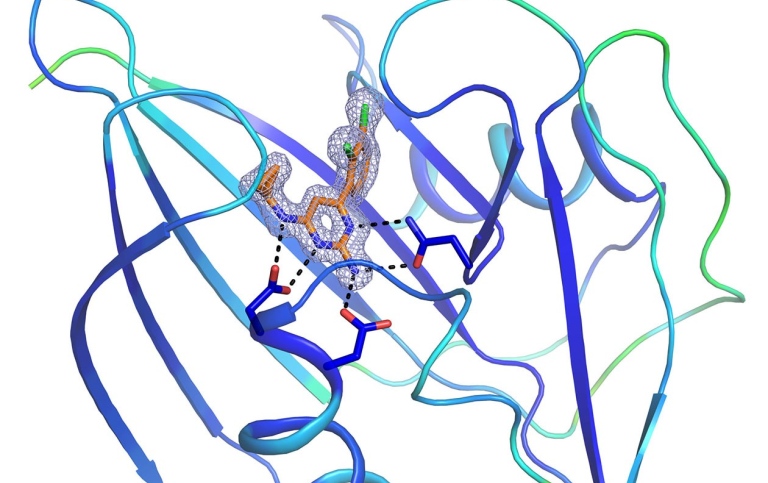
Pål Stenmark is a Professor of Biochemistry at the Department of Biochemistry and Biophysics , Stockholm University. His research focuses on botulinum neurotoxins and structure-based drug design , particularly targeting enzymes in nucleotide metabolism for cancer therapy. Research Interests Elucidating the molecular mechanisms of botulinum neurotoxins using X-ray crystallography and cryo-EM . Developing novel cancer drugs through structural insights into proteins like MTH1 and OGG1 , which are critical for managing oxidative DNA damage. Applying interdisciplinary collaborations to refine inhibitors for therapeutic applications. Scientific Awards Awarded a grant from the Swedish Brain Foundation (Hjärnfonden) in 2023 for research on ALS, Epilepsy, and Alzheimer's. Students and Collaborators Supervises a team including PhD students and postdocs such as Chloe Leveque , Maria Nowakowska , and Ellen Walse . Laboratory members engage in projects spanning protein structure , neurotoxin interactions , and nanobody tools for synaptic imaging. Publications His recent work explores trends in botulinum toxin engineering , OGG1 activation , and endolysin structures for food safety applications.
Elin Moe serves as an Associate Professor II in Biomolecular and Structural Chemistry at the Department of Chemistry, UiT The Arctic University of Norway. Her research and teaching activities are centered around protein production technology and structural biology approaches to understanding DNA repair mechanisms. Dr. Moe's research focuses on the Base Excision Repair (BER) pathway in Deinococcus radiodurans , an extremophile bacterium renowned for its extraordinary resistance to ionizing radiation (tolerating doses up to 5,000 Grays without loss of viability, compared to 50 Grays for most organisms). Her work employs integrated structural biology methodologies to investigate how this organism repairs DNA damage. She has extensively studied various DNA repair enzymes including uracil-DNA glycosylase, endonuclease III, DNA ligase, and other components of the BER pathway in D. radiodurans . Additionally, her research extends to cold-adapted enzymes from marine organisms such as Atlantic cod and various Vibrio species, examining their structural adaptations to extreme environments. Her recent publications reveal a broadening research scope that now includes PARP1-related research with implications for cancer therapy, demonstrating the translational potential of her fundamental research on DNA repair mechanisms. The articles show a consistent pattern of structural and functional characterization of DNA repair proteins, with increasing applications in biomedical contexts. Dr. Moe teaches Kje-3603 Protein production technology and has collaborated extensively with researchers both within UiT and internationally. Her work bridges fundamental molecular biology with potential applications in radiation biology, extremophile adaptation, and cancer therapeutics.
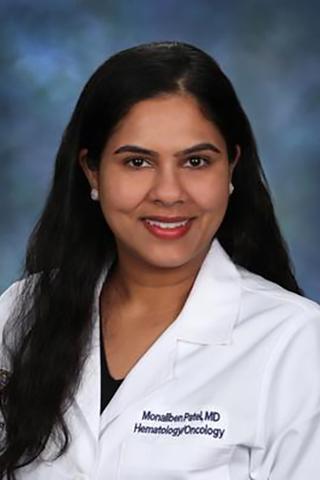
Monaliben Patel, M.D. is an Associate Professor in the Department of Hematology/Oncology at the University of Rochester School of Medicine and Dentistry. She is a faculty member of the University of Rochester Medical Faculty Group (URMFG) and participates in Accountable Health Partners (AHP), a regional network of over 2,000 providers. Board-certified in Hematology and Medical Oncology, Dr. Patel accepts new patients and maintains active clinical practice. Her educational background includes: Medical Degree (MD) from American University of the Caribbean (2009) Internal Medicine Residency at Cooper University Hospital (2010-2013) Hematology & Oncology Fellowship at Cooper University Hospital (2013-2016) Dr. Patel's research focuses on hematologic malignancies and solid tumors, with emphasis on lung cancer, head and neck cancer, and health disparities in oncology. She investigates biomarker testing accessibility, clinical trial enrollment barriers, and immunotherapy responses in squamous cell carcinoma. Her work extends to non-melanoma skin cancers and dehydration management during radiation therapy. Analysis of her 11 publications (2012-2023) reveals consistent contributions to cancer care delivery systems, health equity research, and therapeutic innovation. Her studies combine clinical trials, retrospective analyses, and literature reviews to address gaps in biomarker utilization and treatment optimization across multiple cancer types. No scientific awards were documented in the provided materials. Information regarding student mentorship or grant funding was not specified in available sources. Dr. Patel's clinical and research activities are integrated within UR Medicine's comprehensive cancer program, collaborating with multidisciplinary teams to advance hematology-oncology care.