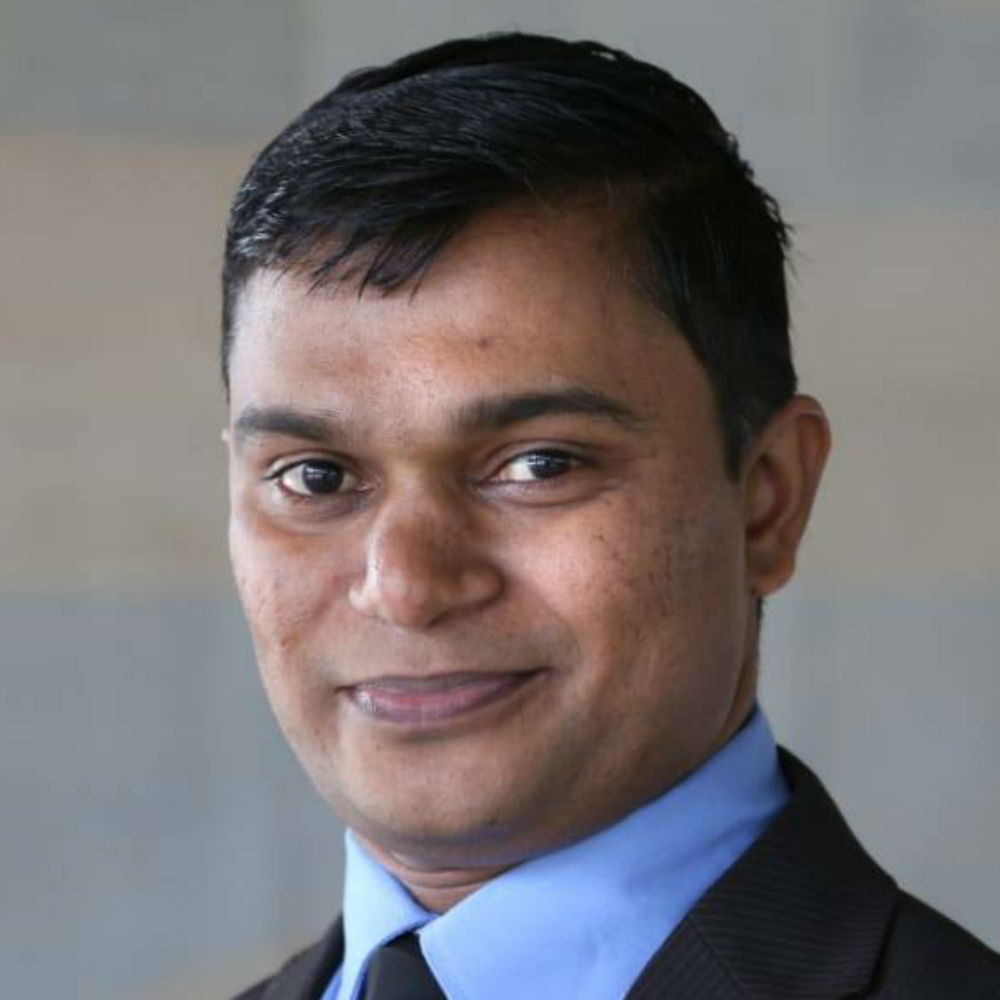
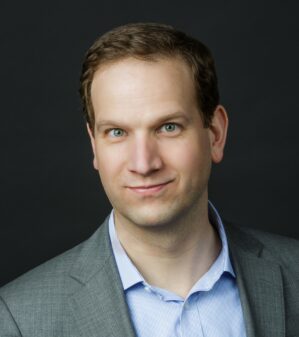
Dr. Gabriel Benzecry is an Assistant Professor & Bretzlaff Scholar at Northwood University, specializing in Austrian economics and the history of economic thought . He holds a Ph.D. in Economics from Middle Tennessee State University and will assume the role of David E. Fry Professor of Free Market Economics in 2025. His research focuses on intellectual legacies of economists like Hayek, Mises, and List, with a focus on socialism, banking sectors, and academic freedom. His educational background includes a deep immersion in classical liberal thought, reflected in his teaching philosophy emphasizing personal responsibility and fostering critical thinking. His research spans political economy , socialist theory , and economic methodology , with recent work analyzing monopolized banking systems, the evolution of welfare states, and the erosion of academic freedom in modern institutions. Key themes in his publications include critiques of centralized planning, spontaneous order theory, and the historical impact of commerce on societal development. His awards include the prestigious Bretzlaff Scholar designation, recognizing his contributions to free market scholarship. Benzecry is deeply committed to Northwood University’s mission of promoting free enterprise education, smaller class sizes, and the preservation of academic independence. His work often intersects with moral character development in students, blending rigorous academic inquiry with ethical leadership principles.
Leif Christensen serves as Associate Professor in the Department of Accounting at Copenhagen Business School (CBS), bringing extensive professional experience as a state-authorized auditor and former PwC partner with 15 years in that role. His academic career spans over a decade of teaching focused on risk management and audit, complemented by active research since 2013 on internal control optimization through case studies examining auditor influence on business decisions regarding control scope and implementation. Research Focus: Christensen's scholarly work centers on management control systems, internal audit practices, and financial accounting, with particular emphasis on crisis-driven control adaptations in banking sectors and public-sector accounting innovations. His methodology combines qualitative case studies with practical industry applications, addressing critical gaps in how audit quality impacts organizational decision-making and risk mitigation strategies. Publication Trends: Analysis of his 11 publications (2016-2022) reveals sustained investigation into management control systems during economic crises, especially within banking institutions post-2008, and expanding into higher education cost accounting. His collaborative work with Pall Rikhardsson and Carsten Rohde consistently bridges theoretical frameworks with real-world banking and public-sector challenges, producing peer-reviewed articles, book chapters, and policy reports that influence both academic discourse and industry practices. Scientific Awards: No specific awards or fellowships are documented in the source material. Academic Guidance and External Engagement: Christensen supervises master's theses in accounting, auditing, and risk management while maintaining significant external commitments including accounting advisory for NepCon (2018-present), board training for Finansforbundet and CBS Executive (2018-present), and expert consultancy for Jørn Quiste (2019-present). His research on internal control optimization since 2013 demonstrates sustained funding for practical investigations into audit effectiveness and control system design.
Dr. Chaminda Wijethilake serves as a Senior Lecturer in Accounting at Essex Business School, University of Essex, where he contributes to sustainability accounting education and research. His academic journey spans Sri Lanka, Taiwan, and Australia, culminating in impactful work at the intersection of accounting, sustainability, and governance across diverse global contexts. Education: Bachelor of Commerce with First Class Honours, University of Peradeniya, Sri Lanka (2007) Master of Business Administration, National Cheng Kung University, Taiwan (2011) PhD in Accounting and Corporate Governance, Macquarie University, Australia (2016) Chaminda's research pioneers the application of accounting frameworks to urgent sustainability challenges, particularly examining how management control systems mediate organizational responses to environmental pressures. His work spans waste management governance, sustainable supply chains in emerging economies, and accountability mechanisms during disasters, consistently revealing how formal control systems interact with cultural and institutional factors to drive (or hinder) sustainability outcomes. Current projects investigate digitalization in NGOs and sustainability core values in risk management. His publication portfolio demonstrates a clear trajectory toward increasingly complex global sustainability challenges, evolving from firm-level sustainability controls to transnational waste governance and pandemic response systems. Recent work shows growing emphasis on Global South contexts and the political dimensions of environmental accountability. Scientific Awards: President’s Award for Scientific Research by the Government of Sri Lanka Best International Impact Research Award by the University of Essex Chaminda actively supervises four PhD candidates researching sustainability management accounting in healthcare, Thailand's primary care system, and public sector accountability. His research program is supported by significant grants from PEFA-World Bank Group, Innovate UK, and the Global Challenges Research Fund, including a 2021 ESRC IAA project developing an Essex employability toolkit and a 2020 GCRF project integrating climate change into South Asian public finance policies.
Krisztián Széll is a Habil. Associate Professor at Eötvös Loránd University’s College of Education, specializing in educational inequality and school resilience. His research explores student achievement, school climate, Roma student integration, adaptive testing, and school dropout risk. He leads the Research Group on Innovation and Equality in Education and serves on the university’s Research Ethics Committee. Key Research Areas: Educational equity, resilience development, language policy, psychometric testing, and pandemic-era learning patterns. Publications: Focus on Hungary, cross-national comparisons, and methodological advancements in educational assessment. Affiliations: Eötvös Loránd University, Research Ethics Committee, Research Group on Innovation and Equality in Education. His recent work analyzes contextual factors in student belonging, adaptive testing formulas, and pandemic impacts on learning. He contributes to debates on reliability metrics like Cronbach’s alpha and institutional factors shaping educational outcomes.
Valery Vladimirovich Shilov is a Professor at the Department of Software Engineering within the Faculty of Computer Science at the National Research University Higher School of Economics (HSE University) in Moscow. He began working at HSE in 2015 and has extensive scientific and teaching experience spanning several decades across various prestigious institutions in Russia. His educational background includes a degree in Applied Mathematics from Lomonosov Moscow State University (1976), qualification as a Lawyer from the Higher Institute of Management (2001), and the academic title of Candidate of Technical Sciences (1989). His professional journey began at Central Research Institute 45 of the Ministry of Defense of the USSR (1976-1989), continued at the USSR Academy of Sciences Computing Center (1989-1997), and included professorial positions at MATI - Russian State Technological University named after K.E. Tsiolkovsky (1997-2015), where he also served as Head of the Department of Design of Computing Complexes and Deputy Dean of the Engineering and Economic Faculty for Science. Professor Shilov's research focuses on parallel computing, parallel architectures, and the history of informatics, with particular emphasis on Soviet and Russian computing history. His scholarly output demonstrates deep engagement with historical aspects of computing technology, including early mechanical calculators, Soviet-era computer development, and the evolution of computing in Eastern Europe. His publications reveal a consistent pattern of examining how computing technologies evolved within specific historical, political, and economic contexts, with special attention to Russian and Soviet contributions. His numerous scientific awards reflect significant recognition in his field, including honors from the Ministry of Education and Science of Russia, the Russian Section of IEEE Computer Society, the Polytechnic Museum, and multiple awards from HSE University. His leadership in organizing academic conferences, particularly those focused on the history of computing in Russia and former Soviet states, has been instrumental in preserving and advancing knowledge in this specialized area. Professor Shilov has supervised multiple PhD students focusing on software engineering, processor architecture, and parallel computing algorithms. His grant activities include leading an RFBR project on the history of domestic computing and informatics (1946-1960), demonstrating his commitment to documenting and analyzing the historical development of computing in Russia. He remains actively involved in academic service as a member of editorial boards for several journals and as a participant in numerous international conferences.
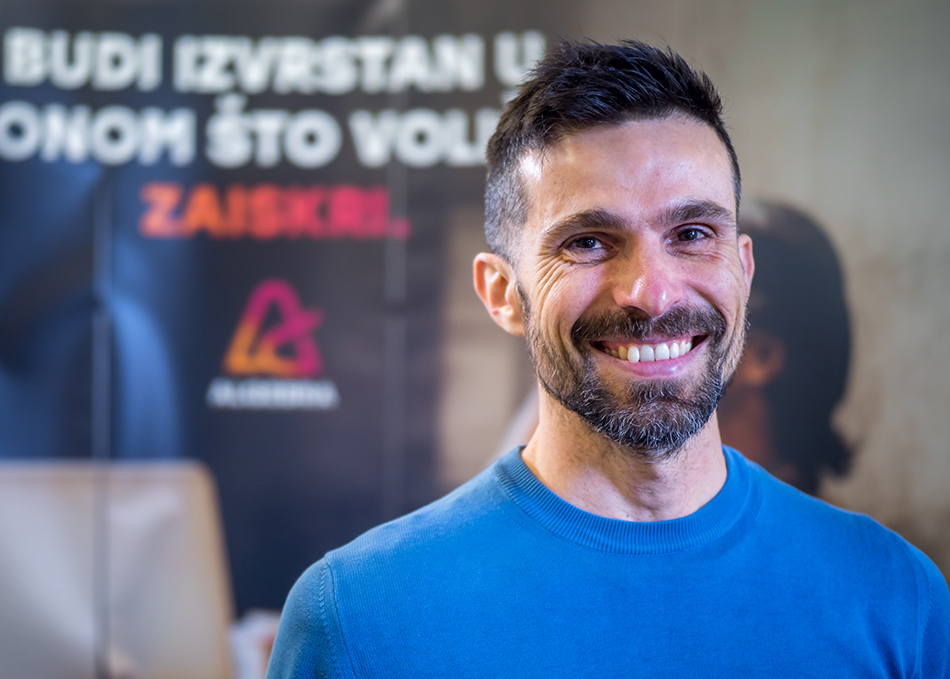
Toni Milun serves as a lecturer in mathematics and statistics at Algebra University of Applied Sciences, where he bridges theoretical concepts with practical business applications. His academic foundation includes a 1999 degree from the Faculty of Science and Mathematics at the University of Zagreb and a 2012 postgraduate specialist degree in Statistical Methods for Economic Analysis and Forecasting from the Faculty of Economics in Zagreb. He is currently completing his doctoral research in Economics at the Faculty of Economics in Rijeka. His research spans Mathematics Education, Financial Mathematics, and Business Statistics, with a distinctive focus on making complex quantitative concepts accessible through innovative pedagogical approaches. Milun's work consistently connects mathematical theory to real-world economic scenarios, particularly in SME financing, investment analysis, and statistical literacy for decision-makers. His publications reveal a strong emphasis on practical applications in Croatian business contexts and educational settings. Analysis of his 15 most recent publications shows dominant themes in financial mathematics (35%), business statistics (30%), and adult education (25%), with recurring subfields including percentage calculations in commerce, regression modeling of socioeconomic factors, and maritime/IT-specific mathematical applications. His research demonstrates consistent engagement with Croatian economic data and educational challenges. His notable recognition includes: Pride of Croatia award for special contribution to education Milun actively disseminates knowledge through public-facing initiatives rather than formal academic advising. He has co-authored a high school mathematics textbook and provides consulting services in applied mathematics and statistics, focusing on business problem-solving. His educational outreach generates significant impact through digital platforms and traditional media. He leads the www.tonimilun.com educational portal and television productions ('Školski sat' and 'Financijalac'), directing teams of educators, video producers, and subject-matter experts to create accessible mathematical and financial literacy content for diverse audiences across Croatia.
María Jesús Beltrán Muñoz is an Associate Professor in the Department of Economics, Quantitative Methods and Economic History at Pablo de Olavide University in Seville, Spain. She holds a European PhD in Ecological Economics and Environmental Management from the same institution and an MSc in Ecological Economics from the Autonomous University of Barcelona. Her academic career includes significant research positions including as a Research Engineer for the French National Center for Scientific Research on the TERRE-EAU Project and as a Marie Curie Post-Doctoral Research Fellow for the European Network of Political Ecology (ENTITLE Project). She has also served as a visiting researcher at the Centre for Water and Development, SOAS University of London. Her research focuses on the political ecology of water systems, with particular expertise in virtual water analysis, water footprint methodology, and socio-ecological metabolism. She examines how water resources are managed within political and economic frameworks, with special attention to power dynamics in water governance. Her work bridges ecological economics with critical political analysis, challenging conventional approaches to water accounting and management. Analysis of her publication record reveals consistent research trends examining the political dimensions of water resource management, with particular attention to Spanish and Palestinian contexts. Her work increasingly integrates metabolic analysis frameworks with political ecology approaches, developing more contextualized understandings of water flows that account for social, institutional, and environmental factors beyond simple quantitative accounting. Marie Curie Post-Doctoral Research Fellow (ENTITLE Project) Research Engineer for French National Center for Scientific Research (TERRE-EAU Project) Beltrán Muñoz teaches courses including Water Footprint Calculation in the University Master's Degree in Climate Change, Carbon and Water Resources, and Introduction to Economics in the Degree in Social Work. She supervises numerous Final Degree Projects across multiple programs including Sociology, Business Administration, Agricultural Engineering, and Political and Administrative Sciences, demonstrating interdisciplinary engagement across the university.
Dr. Edward Shore serves as a Lecturer in the School of Banking & Finance within the UNSW Business School at the University of New South Wales. His academic career focuses on the intersection of finance and climate policy, with particular expertise in corporate finance applications to environmental challenges. Education: PhD in Economics, Columbia University (2024) MSc in Economics, University College London MA in Economics and Management, University of Oxford Dr. Shore's research program centers on climate finance, specifically examining the financial costs of climate transition and carbon regulation impacts on capital markets. His work bridges theoretical finance with practical climate policy applications, investigating how renewable energy integration affects asset pricing, corporate behavior, and investment decisions. Through rigorous empirical analysis, he explores market responses to regulatory frameworks like Renewable Portfolio Standards and evaluates transition risk in energy-intensive sectors. His publication record demonstrates significant contributions to understanding how carbon regulation influences utilities' cost of capital and corporate short-termism in meeting analyst expectations. Dr. Shore's research combines quantitative finance methodologies with climate economics to address critical questions about market adaptation to environmental policy changes. Research Leadership: Leading investigations into renewable asset price volatility Developing frameworks for climate transition risk assessment Examining peer group effects in financial forecasting Dr. Shore actively contributes to academic discourse through his publications in finance and climate economics, addressing both theoretical and policy-relevant questions at the frontier of sustainable finance research.
Prof. Dr.-Ing. Stefan Lechner has been full Professor of Energy Economics and Energy Systems at the Technical University of Central Hesse (THM) , Giessen, since March 2015. He is affiliated with the Department of Mechanical Engineering and Energy Technology and the Institute THESA – Institute of Thermodynamics, Energy Process Engineering and Systems Analysis . Additionally, he leads the Laboratory for Energy Economics and is a core member of the Competence Center for Energy Technology and Energy Management (etem.THM) . Education & Career Dr.-Ing., Brandenburg University of Technology (BTU) Cottbus, 2012 – Dissertation on steam-fluidized-bed drying of lignite. Dipl.-Ing. (FH) Mechanical Engineering, Georg Agricola University of Applied Sciences Bochum, 2002 – specialising in Future Energies. Supplementary doctoral studies & economics coursework at BTU Cottbus and FernUniversität Hagen. Professional experience at Vattenfall (plant management, power-plant planning & R&D) and Kreisel Umwelttechnik (Head of Development) before entering academia. Research Interests Prof. Lechner’s work centres on the techno-economic analysis and optimisation of energy systems in transition . Core themes include renewable energy integration , thermal energy storage (particularly Carnot batteries using ceramic high-temperature stores), sector coupling between electricity, heat and mobility, and 5th-generation cold district-heating networks (5GDHC). Methodologically, he combines experimental thermal engineering with open-source simulation frameworks , agent-based demand modelling , and electricity-market modelling . Recent activities expand into waste-heat recovery from data centres and transcritical CO₂ heat-pump systems for low-temperature district heating, always targeting cost-effective, grid-friendly and sustainable solutions . Publication Trends Between 2017 and 2024 his output highlights a clear evolution from fundamental studies on pressurized steam fluidized-bed drying and lignite heat-transfer toward system-level analyses of storage-based sector coupling . A dominant cluster addresses Carnot batteries , covering high-temperature storage materials, gas-turbine re-conversion concepts, and demonstration results. Parallel streams examine GIS-based rooftop PV potential , agent-based settlement energy-demand modelling , and regulatory frameworks for cross-sector energy markets. Scientific Awards & Honours No specific awards are mentioned in the provided material. Research Funding & Teams Prof. Lechner has secured and coordinates projects worth > €10 million (THM share ≈ €6.5 million) funded by BMBF, BMWK/BMWi, Hessian ministries (HMWK, HMWEVW), WI-Bank and ERDF : LOEWE 3 DUWä (2025-2027) – transcritical CO₂ dual-use heat pumps for cold district heating. EnEff:Stadt FlexQuartier2 (2023-2027) – hybrid storage optimisation in Giessen’s Philosophenhöhe district. KNW-Plus (2022-2023) – design & online tool for cold local heating networks. Innovative waste-heat use from data centres (2022-2023). FlexQuartier Gießen (2018-2023) – integrated hybrid storage & sector coupling in a new-build district. Kommun:E (2018-2022) – municipal energy-supply transformation under Germany’s Energiewende. High-T-Stor (2017-2019) – cross-sector high-temperature storage for renewable balancing. FES (2019-2021) – Research Center for Energy Storage and Sector Coupling. These projects involve interdisciplinary consortia including municipalities, grid operators, SMEs, and research partners across Germany. Teaching & Academic Leadership He lectures in Energy Economics and Sector Coupling, Energy Markets, Heat Transfer, Renewable Energy Technology and Energy System Analysis . He also serves as Programme Manager for the part-time continuing-education M.Sc. Energy Efficiency Management (StudiumPlus, Wetzlar) and contributes to advanced master’s courses on energy law and thermodynamics.
Professor Longbing Cao serves as a Professor at University of Technology Sydney (UTS) in the Faculty of Engineering and Information Technology, specifically within the Data Science Institute. He also holds the position of Distinguished Chair Professor in AI at Macquarie University and is an ARC Future Fellow (Level 3). As a pioneering researcher in AI, data science, and advanced analytics, Professor Cao founded the UTS Advanced Analytics Institute, the first data science initiative in Australia. Professor Cao's research interests span across data science fundamentals, machine/deep learning, behavior informatics, and enterprise data science applications. His work bridges the gap between theoretical research and practical implementation, focusing on non-IID learning, actionable knowledge discovery, and complex behavior modeling. His research has addressed real-world challenges in government services, finance, insurance, banking, telecommunications, transport, and e-commerce sectors. His 15 most recent publications reveal a strong trend toward addressing distributional challenges in machine learning, developing transdisciplinary AI approaches, modeling complex temporal dependencies, and advancing negative sequence analysis. His work consistently integrates theoretical foundations with practical applications, particularly in financial analytics, healthcare, and disaster resilience. Scientific Awards: Eureka Prize for Excellence in Data Science (2019) ACM Distinguished Scientist Professor Cao has made significant contributions to academic leadership and research supervision. He established world-first research degrees at UTS (Master of Analytics and PhD Thesis: Analytics), founded the IEEE Task Force on Data Science and Advanced Analytics, and served as general chair of the KDD conference in 2015 (the first edition in Australia). His funded research portfolio includes multiple ARC grants and industry collaborations focusing on complex data analytics, behavior informatics, and AI applications. He leads the Data Science Lab at UTS, which has become a prominent center for data science research in Australia. The lab focuses on developing fundamental theories and practical applications of data science, with strong industry partnerships that translate research into real-world impact. Professor Cao's leadership in establishing the annual Big Data Summit in 2012 created Australia's first platform for bridging academic research with industry and government applications.
Timothy R. Holbrook is a Professor at the University of Denver Sturm College of Law , holding the Provost’s Professor and Robert B. Yegge Endowed Distinguished Professor in Law titles. His research focuses on patent law , intellectual property, and transnational legal issues. Research Interests : Holbrook specializes in Patentability doctrines (novelty, nonobviousness, eligibility) Extraterritoriality and territoriality in IP 3D printing and digital infringement Patent disclosure requirements (enablement, written description) His recent work proposes reformulating U.S. patent examination to separate relative and absolute patentability standards. Publications : Holbrook has authored influential papers on topics like ex parte examination divided infringement expressive theories in patents international IP conflicts His 2024 article on Relative and Absolute Patentability in Wake Forest Law Review outlines a new typology for patent standards. Contact : tim.holbrook@law.du.edu | Denver, CO 80210
Mark Schankerman is a Professor of Economics at the London School of Economics (LSE), leading roles include directing the MSc in Economics and PhD Placement. He holds a PhD from Harvard University, with prior roles at the University of Arizona and the European Bank for Reconstruction and Development. His expertise spans innovation, patents, industrial economics, and law and economics. Education: PhD in Economics, Harvard University MA in Economics, Harvard University BA in Economics (Magna cum Laude, Phi Beta Kappa), Brandeis University Research Interests: Focuses on intellectual property rights, cumulative innovation, university technology transfer, and policy impacts on innovation ecosystems. His work bridges law, economics, and technology, addressing global challenges like drug accessibility and patent system reforms. Recent studies include patent screening mechanisms and global diffusion of pharmaceuticals. Professional Contributions: Editorial roles at Journal of Industrial Economics , Economics of Transition , and RAND Journal of Economics Consultant to USPTO, OECD, and UK Government on IP policy Visiting professorships at Tilburg University, Tel Aviv University, and Toulouse School of Economics Awards: Recipient of the Feldberg Prize for Best Student in Economics (Brandeis University). Grants & Leadership: Directed policy studies at the EBRD and led grant-funded research on patent systems Advisor to multilateral institutions like the World Bank and OECD Labs/Teams: Active in LSE’s STICERD Economics of Industry Programme, focusing on industrial economics and innovation policy.
Jules van Binsbergen is the Anthony L. Davis Director of the Joseph H. Lauder Institute for Management and International Studies and holds the Lauder Chair Professorship at the University of Pennsylvania. He is also the Nippon Life Professor of Finance at The Wharton School and currently a Visiting Professor at MIT Sloan School of Management. His research focuses on asset pricing, financial markets' macroeconomic interactions, and financial intermediaries' performance. He earned a PhD in Finance from Duke University and an MA in Financial Econometrics from Tilburg University, with an undergraduate degree in Jazz Piano from The Hague's Royal Conservatory. Prof. van Binsbergen’s work bridges theoretical and empirical finance. His current research explores the dynamics between financial systems and broader economic trends, including monetary policy impacts, environmental risks, and mutual fund management strategies. He co-hosts the podcast All Else Equal: Making Better Decisions and is affiliated with the NBER and CEPR as a research scholar. His academic trajectory includes teaching roles at Stanford Graduate School of Business and Northwestern’s Kellogg School. Beyond research, he addresses practical finance challenges such as risk-free rate calculation methodologies and the valuation of long-term liabilities. His contributions span asset pricing models, corporate finance, and the evaluation of financial professionals’ skill and incentives. Prof. van Binsbergen’s interdisciplinary approach integrates econometric rigor with real-world financial phenomena, emphasizing both theoretical innovation and policy-relevant insights.
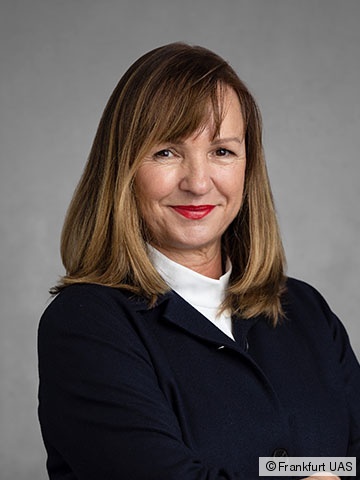
Prof. Dr. Erika Graf is a Professor for International Business Administration at Frankfurt University of Applied Sciences, Faculty of Business and Law. She serves as Director of Internationalisation Strategy for the faculty and has held academic roles since 2011. Her professional background includes senior consulting roles in the service industry, marketing management in global corporations, and teaching in institutions like the University of Applied Sciences in Mainz. Education: Bachelor in Marketing Management (University of Applied Sciences, Mainz), Master in International Business (Pace University, USA), PhD from NIMBAS University (Netherlands) and University of Bradford (UK). Research focuses on sustainability marketing, cross-cultural marketing in social media, international marketing strategies, and marketing productivity. She has collaborated with universities and businesses on studies involving customer loyalty, CRM systems, and technology adoption in various industries. Her work spans academic publications and practical consulting, emphasizing interdisciplinary approaches to business challenges. Her published works explore topics such as sustainability in HR recruitment, market entry strategies (e.g., Lidl in Finland), and digital marketing tools for SMEs. She actively engages in academic conferences and is a member of the American Marketing Association and Marketing Club Frankfurt. Her teaching spans courses in Marketing, International Strategic Management, and Sustainability, delivered in English. She advises students and collaborates on interdisciplinary initiatives, emphasizing global business practices and ethical considerations.
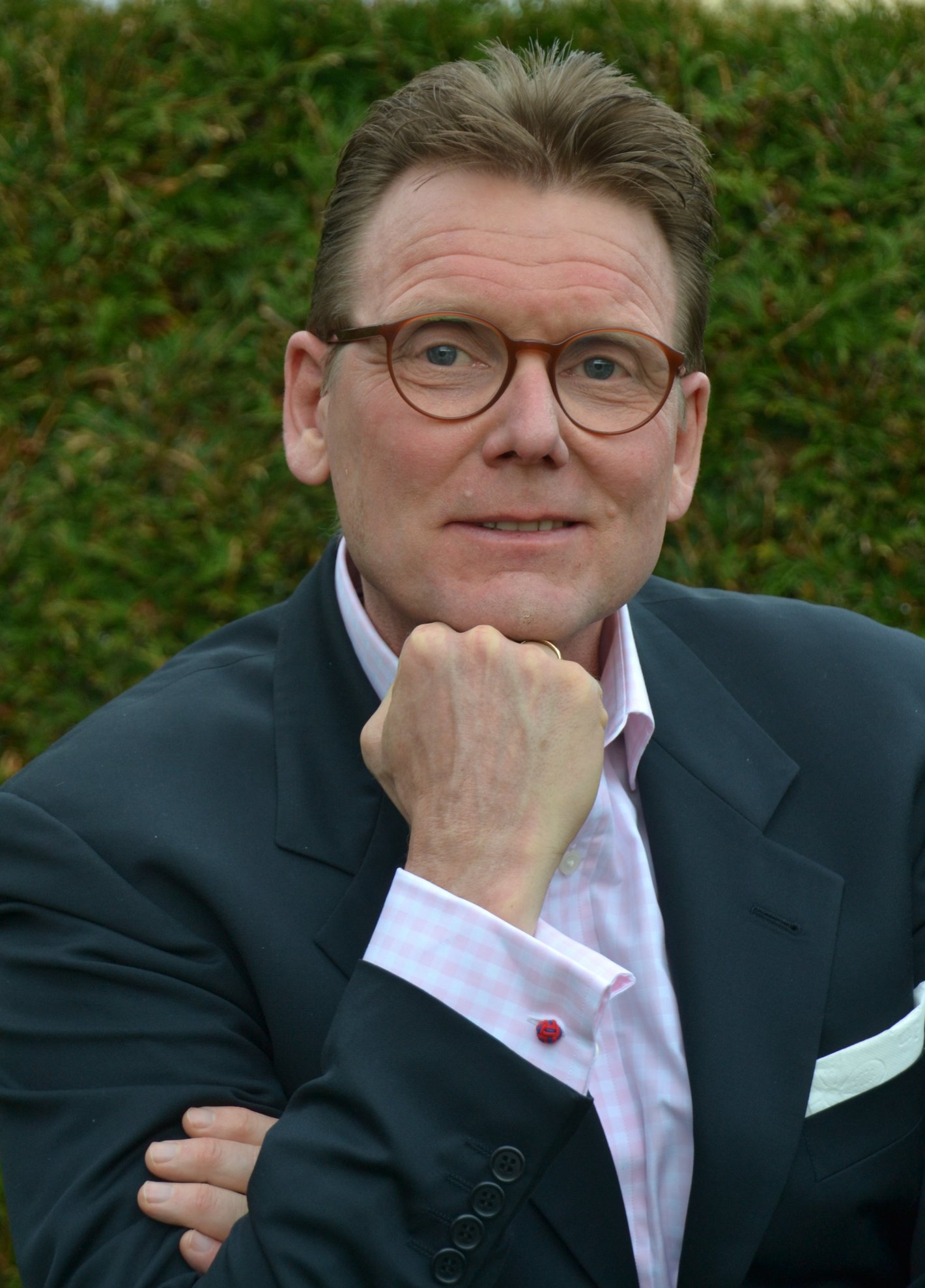
Professor Knut Henkel is a Professor at the University of Applied Sciences Emden/Leer, affiliated with the School of Economics and the Department of Accounting . He specializes in financial accounting, corporate taxation, and sustainability reporting. His responsibilities include teaching and research in areas such as financial reporting under HGB and IFRS standards, banking regulation, and European accounting frameworks. He has organized the online seminar series "Nachhaltigkeit - EU Green Deal" from 2021 to 2023, addressing the EU Green Deal's impact on business and regional development. His research interests focus on Financial reporting methodologies Transition to IFRS 9 standards Sustainability reporting frameworks (EFRAG/ESRS, ISSB) Crisis management in accounting practices (e.g., pandemic effects) Comparative analyses of financial reporting across countries Public sector accounting under IPSAS His work bridges theoretical and practical aspects of international financial standards and their implementation in diverse sectors. Recent publications highlight trends in Adoption and impact of IFRS 9 Crisis-driven adjustments in financial reporting EU Green Deal compliance strategies Banking sector accounting challenges Cross-country comparisons in financial regulation These studies emphasize the evolving demands of global and European accounting standards. No scientific awards were explicitly mentioned in the provided information. However, his contributions to teaching include pioneering the use of apps for active learning in accounting education, as documented in his 2018 publication. Professor Henkel has supervised numerous bachelor's and master's theses since 2017, fostering academic research in his field. While specific student names are not listed here, his thesis portal provides accessible summaries of these academic works. He actively engages in academic discourse through his website ( www.knuthenkel.de ) and LinkedIn profile, maintaining a visible presence in both research and professional circles. His organizational activities include the "Nachhaltigkeit - EU Green Deal" seminar series, which serves as a platform for discussing sustainability challenges and EU policy implications. This initiative underscores his commitment to bridging academic research with real-world applications in regional and corporate development.