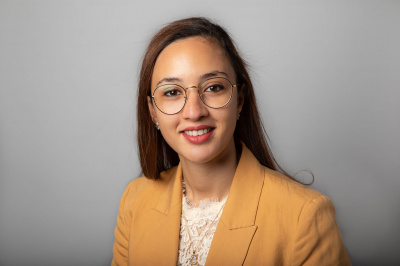
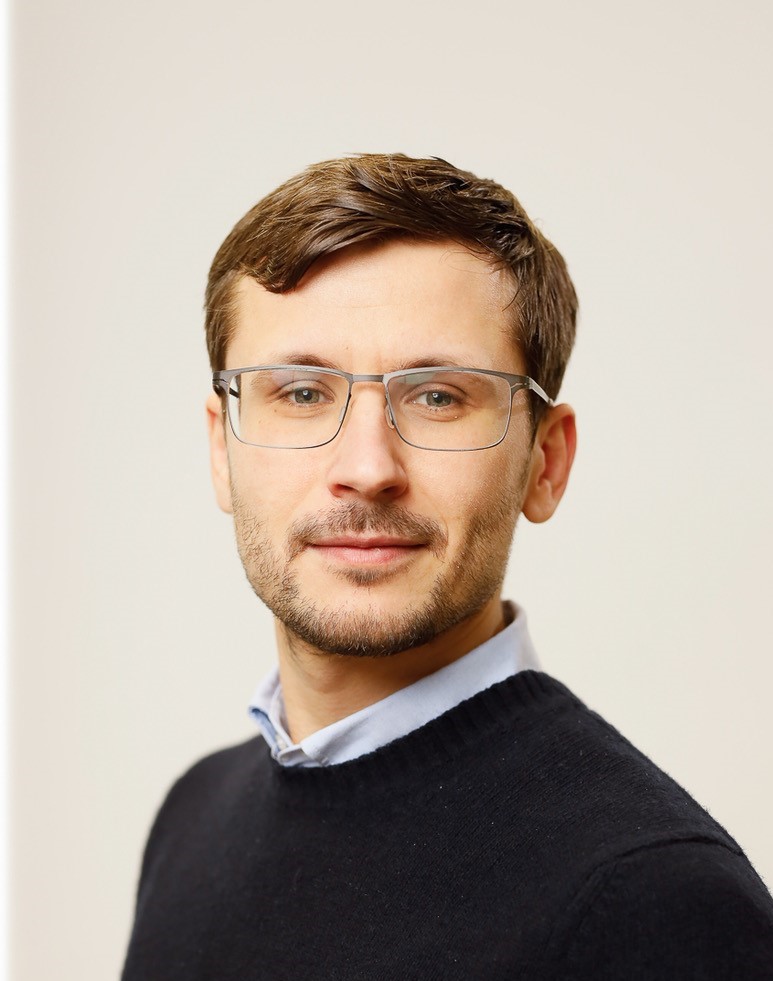
Yang Yuxiang is an Assistant Professor at the University of Hong Kong's School of Computing and Data Science. His research focuses on software security, adversarial machine learning, and AI safety, with a particular emphasis on formal methods and large language models. He holds a PhD from Hong Kong. Research interests include: Automated program repair using LLMs Cybersecurity in open-source ecosystems Adversarial attacks on vision-language models Formal verification of theorem provers Ethical implications of AI systems Recent publications explore cutting-edge topics such as causality-aware safety testing for autonomous systems , smart contract vulnerability detection , and large model safety at scale . His work bridges theoretical foundations with practical applications in secure software development and AI ethics.
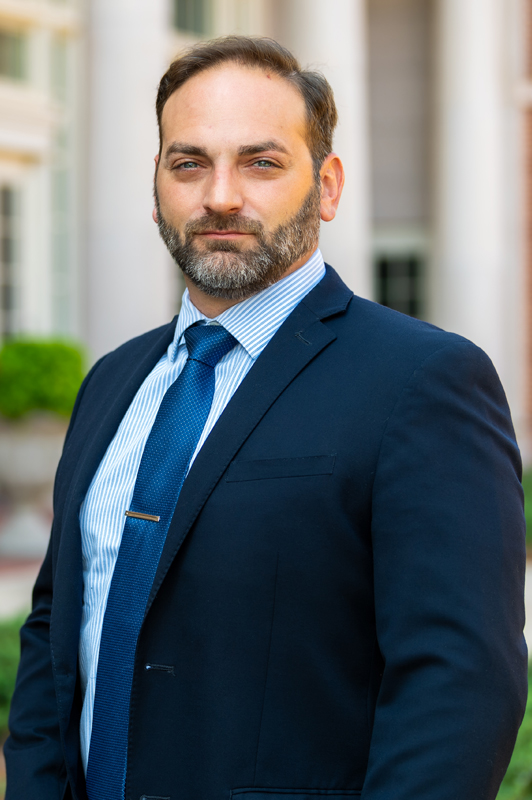
Dr. Sebastien Demmel is a Senior Research Fellow (Advanced Technologies) at the School of Psychology & Counselling, Faculty of Health, Queensland University of Technology (QUT). He is affiliated with the Centre for Accident Research & Road Safety – Queensland (CARRS-Q). His roles include managing the CARRS-Q Advanced Driving Simulator and serving as a major engineer for L4-capable autonomous vehicles like Zoé2. He holds a PhD from QUT (2013) and a dual Masters from the University of Versailles (France). His research focuses on Automated Driving (including CHAD and ODD projects), wireless vehicle communication (CAVI FOT), driving simulation (LAARMA project), and naturalistic data collection. Key collaborations include LIVIC (France), VEDECOM, and INRIA. He has contributed to projects like the Ipswich Connected Vehicle Pilot and AVR3 training center. Dr. Demmel’s work spans vehicle automation safety, human factors in autonomous systems, and transportation technology. His international expertise includes training at Vedecom Tech (France) and expertise in L4 autonomous vehicles. He has co-authored over 20 peer-reviewed publications, focusing on driver behavior, automation handover, and road safety.
Meriem Benyahya is a Postdoctoral Researcher at the University of Geneva's Research Institute for Statistics and Information Science. Her work focuses on cybersecurity, data privacy, and regulatory frameworks for connected and automated vehicles (CAVs). She has published extensively in journals like Journal of Transportation Engineering and IEEE Access , addressing topics ranging from certification roadmaps for CAVs to GDPR compliance in automated transport systems. Education : - Ph.D., University of Geneva - Specialization in Applied Algorithmics (Executive Program) Research Highlights : - Systematic reviews of threat analysis methodologies for CAVs - Cybersecurity certification gaps and penetration testing strategies - Human-centric risk visualization for dynamic safety assessment Professional Engagement : - Active contributor to conferences like ARES 2023 - Collaborates with industry on modular CCAM (Connected and Autonomous Mobility) architectures
Dr James Knight is a Senior Research Fellow in Informatics at the School of Engineering and Informatics, University of Sussex. He is currently an EPSRC Research Software Engineering Fellow (2022–2026), leading research in neuromorphic computing and spiking neural networks. His work bridges computer science, neuroscience, and robotics, with a focus on bio-inspired artificial intelligence and computational modeling of insect cognition. Education: PhD in Computer Science, University of Manchester (2013–2016) MPhil in Advanced Computer Science, University of Cambridge (2012–2013) BEng in Electronic Engineering, University of Warwick (2003–2006) His research interests center on neuromorphic computing , spiking neural networks , and bio-inspired AI , particularly drawing insights from insect neuroscience to develop efficient and robust machine learning systems. He explores event-based vision, neural hardware acceleration, and computational models of insect navigation and perception. The 15 most recent publications (2024–2025) reflect a strong trend in developing and benchmarking neuromorphic algorithms, including training methods like Eventprop, hardware-software co-design (e.g., FeNN processor), and modeling biological systems such as insect central complex and mushroom bodies. These works span journals like Nature Communications , PLoS Computational Biology , and Neuromorphic Computing and Engineering , as well as IEEE and Springer conferences. Scientific Grants: Unlocking spiking neural networks for machine learning research (EPSRC, 2022–2026) – Principal Investigator ActiveAI – active learning and selective attention for robust, transparent and efficient AI (EPSRC, 2019–2022) – Research Team Member Dr Knight actively collaborates with leading researchers including Thomas Nowotny, Andrew Philippides, and Paul Graham. His work contributes to both theoretical advances in neural computation and practical applications in robotics and AI. He is involved in developing frameworks such as NeuroBench for standardized evaluation of neuromorphic systems. Laboratories and Research Teams: He is part of the neuromorphic computing and computational neuroscience research groups at the University of Sussex, contributing to interdisciplinary projects that integrate software engineering, AI, and biological modeling.
Andrea Boni is an Associate Professor in the Department of Information Engineering at the Faculty of Engineering, University of Parma, where he has been a faculty member since 1999. He leads the Analog IC Design research group and teaches core electronics courses including Analog Design, Amplifier Design, and Electronics 2 at both undergraduate and graduate levels. His research focuses on analog and mixed-signal integrated circuits, with emphasis on high-speed and ultra-low-power designs in CMOS and BiCMOS technologies. Key areas include Analog-to-Digital Converters (ADCs), low-voltage reference circuits, RF oscillators, frequency synthesizers, and their applications in wireless sensors, UWB radars, and RFID systems. The recent publications highlight a strong trend toward low-power, wireless, and intelligent sensing systems, particularly in structural health monitoring, precision agriculture, and food authenticity. These works reflect a convergence of analog circuit innovation with embedded intelligence and IoT applications. Dr. Boni serves on the technical committee of the Custom Integrated Circuits Conference and is a reviewer for IEEE Journal of Solid-State Circuits and IEEE Transactions on Circuits and Systems – II. He advises no listed students in the provided text and has not been awarded any scientific prizes mentioned. His group receives both public and private funding. He leads the Analog IC Design group, which has been active for over a decade in cutting-edge analog circuit research.
Mark A. Hoffman is an Associate Professor at Auburn University's Samuel Ginn College of Engineering, specializing in Mechanical Engineering. He focuses on internal combustion engines, alternative fuels, and thermal barrier coatings. Ph.D., M.S., and B.S. in Mechanical Engineering His research explores low-temperature combustion, heat transfer optimization, and sustainable energy systems. Recent projects include zero-emission landscape equipment integration and truck platooning efficiency improvements. Notable collaborations involve Auburn University's research initiatives with KITECH and the Federal Transit Administration (FTA) for clean energy transportation. His work spans experimental validation, control strategies, and thermal dynamics analysis.
Dr. Marcus Handte is a Senior Researcher at the University of Duisburg-Essen, focusing on networked embedded systems, context-aware computing, and sustainable mobility. His academic journey includes a Habilitation in Computer Science (2013) and a PhD in Natural Sciences (2009) from Universität Stuttgart, alongside a Master's degree from Georgia Institute of Technology (2002). Research Interests Context-aware applications Localization and location-based systems Sustainable mobility solutions Internet of Things (IoT) Smart city infrastructure Privacy-preserving technologies His recent work involves developing platforms for multimodal mobility analysis (MOBYDEX), wireless EV charging systems (TALAKO, FAIR), and innovative approaches to indoor localization. Publications span journals like Machine Vision and Applications and conferences in pervasive computing. Scientific Recognition Best Poster Award at ACM KMIS 2023 Dr. Handte has contributed to projects such as ATMo2, INNAMORUHR, and GAMBAS, and maintains active collaborations across institutions. His expertise in adaptive middleware and distributed systems continues to shape research in smart mobility and ambient intelligence.
Jian Lin is an Associate Professor in the Department of Mechanical and Aerospace Engineering at the University of Missouri (MU), with courtesy appointments in Electrical Engineering & Computer Science (EECS) and Chemical Engineering (ChBME). He leads an interdisciplinary research group focused on advanced manufacturing and materials for biomedical and energy applications. His work is supported by major funding agencies including the National Science Foundation, National Institutes of Health, U.S. Department of Energy, and U.S. Department of Agriculture. Education: PhD in Mechanical Engineering, University of California, Riverside MS in Electrical Engineering, University of California, Riverside BS in Mechanical and Automation Engineering, Zhejiang University Dr. Lin's research spans three core areas: smart manufacturing powered by artificial intelligence , soft materials and 3D/4D printing , and biomanufacturing . His group explores innovative fabrication techniques such as humidity-assisted 3D printing, VPP sustainability, and direct integration of electronics into everyday objects. The lab also develops medical devices for vital sign monitoring and soft tissue regeneration. His recent publications highlight a strong trend toward interdisciplinary innovation , combining materials science, AI, robotics, and biomedical engineering. Themes include sustainable manufacturing, smart implants, wearable health sensors, and autonomous inspection systems—reflecting a convergence of engineering disciplines to solve real-world challenges in healthcare and energy. Scientific Awards and Honors: 2015 ORAU Ralph E. Powe Junior Faculty Enhancement Award 2016 Emerging Investigator, Journal of Materials Chemistry 2019 Dean William R. Kimel and Mila Kimel Faculty Fellow, College of Engineering, MU Dr. Lin actively advises graduate students and leads the Advanced Manufacturing Lab at MU. His research is funded by multiple federal grants, enabling high-impact projects in biomanufacturing, smart materials, and sustainable fabrication. He mentors students in cutting-edge research, many of whom contribute to publications and innovations featured in university news. Current initiatives include AI-driven manufacturing systems, 4D-printed medical implants, and wearable health technologies.
John Gaspar serves as Director of Human Factors Research at the University of Iowa's Driving Safety Research Institute within the College of Engineering. His work bridges the Department of Industrial and Systems Engineering and the National Advanced Driving Simulator (NADS), where he leads critical research on driver-vehicle interactions. With a PhD in Psychology from the University of Illinois Urbana-Champaign, his academic foundation supports interdisciplinary work spanning engineering, cognitive science, and transportation safety. Gaspar's research focuses on human factors in vehicle automation systems, drowsy driving countermeasures, and driver monitoring technologies. He employs multimodal methodologies including high-fidelity simulation, naturalistic driving studies, and physiological monitoring to examine driver behavior in automated vehicles. His work specifically investigates mental model development around ADAS technologies, transition of control in conditional automation, and fatigue management strategies during long-haul driving. Analysis of his recent publications reveals dominant research themes in drowsy driving countermeasures (25% of recent work), ADAS mental model development (20%), driver monitoring system validation (15%), and rural automated vehicle deployment challenges (10%). His methodological approach consistently integrates simulation with real-world validation, particularly through NHTSA-funded projects examining human-automation interaction. As principal investigator on three active NHTSA projects, Gaspar leads research on automated vehicle HMIs, drowsiness countermeasures, and driver state detection systems. His work directly informs transportation safety policy through collaborations with the Transportation Research Board, Human Factors and Ergonomics Society, and Society of Automotive Engineers. The Driving Safety Research Institute under his direction operates multiple high-fidelity simulators including NADS-1 and NADS-2, supporting both fundamental human factors research and applied vehicle safety development. Gaspar's laboratory infrastructure includes the National Advanced Driving Simulator complex with motion-base platforms, instrumented on-road vehicles, and rural driving scenario capabilities. His team specializes in multimodal data collection combining eye-tracking, physiological monitoring, vehicle dynamics, and behavioral coding to create comprehensive driver state models. Current projects emphasize real-world applicability of laboratory findings, particularly for vulnerable populations including older drivers and those operating in rural environments.
Karl Stampfer is a Professor of Forest Engineering at the Institute of Forest Engineering within the Department of Ecosystem Management, Climate and Biodiversity at the University of Natural Resources and Life Sciences, Vienna (BOKU). Appointed in 2012, he leads research on digital transformation in forestry operations with emphasis on work safety, steep-terrain harvesting, and climate-resilient infrastructure. His work bridges engineering practice and academic innovation through the Forest Demonstration Centre. His academic credentials include a Diploma (1991), Doctoral degree (1996), and Habilitation (2002), all from BOKU. Career progression shows continuous engagement: University assistant at the Institute of Forest Engineering from 1993, culminating in his full professorship. Stampfer's research focuses on Forest Engineering with three core pillars: (1) Timber harvesting system optimization for steep terrain using winch-assisted and cable yarding technologies, (2) Work safety through UWB sensors and causal accident modeling, and (3) Digitalization via laser scanning (TLS/ALS) for forest inventory, road monitoring, and digital twin development. His work integrates sustainable resource management with practical industry applications. Analysis of his 78 publications reveals a strong 2022-2024 trend: digital tools dominate 65% of outputs, particularly LiDAR for danger zone monitoring and climate adaptation. Safety research comprises 25%, with accident counterfactuals and ergonomic analysis. The remaining 10% addresses biomass logistics and road engineering, reflecting his multidisciplinary approach to European mountain forestry challenges. Scientific recognition includes: Promotion Award of the Foundation '120 Years of University of Natural Resources and Life Sciences, Vienna' (2002) Schrödinger Fellowship at ETH Zurich's Professorship for Forest Engineering (1997) Promotion Award of the Austrian Society for Occupational Medicine (1996) He has supervised numerous theses with no publicly listed advisees. Grant activity centers on externally funded research reports (e.g., SafeForests, LaDiWaldi) despite zero ongoing projects shown. Collaborations with AUVA, Land Kärnten, and international consortia like IUFRO drive his practical knowledge transfer to forest associations and policymakers. Stampfer operates within BOKU's Forest Demonstration Centre and co-leads the HCAI-Lab with Andreas Holzinger. His team specializes in field validation of digital tools, including the Seilgerätesimulator (VR training) and UWB danger zone monitors. Current work targets autonomous harvesting systems and AI explainability for accident prevention, as evidenced by 2025 presentations at FORMEC and Woodmaster events.
Saurabh Gupta is an Associate Professor in the Electrical and Computer Engineering Department at the University of Illinois Urbana-Champaign (UIUC), where he is based at the Coordinated Science Lab (CSL 319). He previously served as a Research Scientist at Facebook AI Research in Pittsburgh working with Prof. Abhinav Gupta. His educational background includes a PhD in Computer Science from UC Berkeley advised by Prof. Jitendra Malik, and an undergraduate degree in Computer Science and Engineering from IIT Delhi, India. Gupta's research focuses on building intelligent agents that can interact with the physical world, with particular emphasis on computer vision, robotics, and machine learning. His work explores representations that enable physical interaction and learning from active engagement with environments. Key research directions include spatio-semantic and topological representations for visual navigation, skill discovery, learning from videos, and active visual learning. His recent publications reveal a strong trend toward practical robotics applications with an emphasis on real-world deployment. The research spans multiple domains including humanoid robotics, egocentric vision, physical reasoning, and wireless sensing. Significant attention is given to bridging the sim-to-real gap and developing systems that work in practical environments rather than controlled laboratory settings. As an educator, Gupta teaches advanced courses including Deep Learning for Computer Vision (CS 444/ECE 494), Computer Vision (ECE 549/CS 543), and Learning-Based Robotics (ECE 598 SG). Gupta advises multiple PhD students including Arjun Gupta, Shaowei Liu, Aditya Prakash, Xiaoyu Zhang, Runpei Dong, and Xialin He, with former student Matthew Chang completing his PhD in 2024 on Robot Learning from Videos. His research group operates within the Coordinated Science Laboratory at UIUC, collaborating with researchers across computer vision, robotics, and machine learning domains. The group maintains strong connections with industry research labs including Meta AI Research, where former students have pursued research scientist positions.
Victor Bolbot serves as a Postdoctoral Researcher in the Department of Energy and Mechanical Engineering at Aalto University, Finland, affiliated with the Marine and Arctic Technology research group. His work focuses on advancing safety, reliability, and cybersecurity frameworks for autonomous maritime systems through rigorous systems engineering approaches and data-driven methodologies. He maintains active collaborations with international researchers and institutions, evidenced by extensive co-authorship across high-impact publications. Dr. Bolbot's research centers on autonomous ships, marine systems safety, ship propulsion cybersecurity, and risk modeling. He employs systems-theoretic process analysis (STPA), Bayesian networks, and association rule mining to address critical challenges including maritime accident causation, cybersecurity vulnerabilities in dual-fuel engines, safety acceptance criteria for autonomous vessels, and socio-technical implications of maritime automation. His methodological innovations bridge theoretical safety engineering with practical applications in Arctic navigation, inland waterways, and regulatory compliance, emphasizing the integration of cyber-physical risk assessment. Analysis of his 2023-2025 publications reveals three dominant research trajectories: (1) Development of cyber-physical risk frameworks like STPA-Cyber for maritime cybersecurity; (2) Real-time Bayesian modeling for dynamic operations including remote pilotage and ice navigation; and (3) Socio-technical investigations into regulatory frameworks, educational needs, and workforce skill transformations for autonomous shipping. His work consistently addresses the interplay between technological innovation and safety assurance, with growing emphasis on cybersecurity as a critical maritime safety component. As an active member of Aalto University's Marine and Arctic Technology research group, Dr. Bolbot contributes to interdisciplinary projects tackling complex challenges in marine safety engineering, Arctic operations, and sustainable maritime technologies. The group's collaborative environment supports the development of safer, more efficient, and environmentally conscious maritime systems through experimental validation, computational modeling, and industry partnerships.
Jordanka Kovaceva is a Researcher at Chalmers University of Technology's Division of Vehicle Safety within the Mechanics and Maritime Sciences school. She has been with the institution since 2015 and is also affiliated with the SAFER Vehicle and Traffic Safety Centre, where she leads a project focused on active safety for vulnerable road users. Her work connects with numerous EU-funded initiatives including SAFE-UP, PROSPECT, and MeBeSafe. Her research centers on traffic safety analysis using naturalistic driving data from major international datasets including euroFOT, UDrive, and SHRP2. She specializes in developing methodologies to analyze real-world crash data with particular emphasis on vulnerable road users such as cyclists and pedestrians. Her work bridges engineering, data science, and human factors to improve active and passive safety systems. Recent efforts focus on micromobility safety, automated emergency braking systems, and the impact of infrastructure design on pedestrian safety in winter conditions. Analysis of her publication trends shows consistent focus on vulnerable road user protection, with increasing attention to micromobility vehicles (e-scooters) in recent years. Her work combines naturalistic driving studies, simulation modeling, and real-world crash data analysis to inform safety system development. She frequently collaborates with international partners across EU projects, demonstrating strong integration of research with practical safety applications. As a project leader within SAFER, she oversees research initiatives addressing active safety for vulnerable road users. Her funding portfolio includes multiple European Commission grants and Swedish Transport Administration projects, reflecting her prominence in traffic safety research. She actively contributes to the development of safety assessment methodologies that bridge academic research and automotive industry applications. Her laboratory work centers around the Vehicle Safety division's facilities at Chalmers, utilizing naturalistic driving data analysis platforms and collaborating with the SAFER research center. She works within interdisciplinary teams that include engineers, data scientists, and human factors specialists to address complex traffic safety challenges through both fundamental and applied research approaches.
Dr. Jonathan Cheng is Professor of Plastic Surgery and Chief of Pediatric Hand, Peripheral Nerve, and Microvascular Surgery at UT Southwestern Medical Center and Children's Medical Center in Dallas. He is a fellowship-trained hand surgeon with a clinical and research focus on brachial plexus repair, peripheral nerve reconstruction, and microsurgical techniques. University: UT Southwestern Medical Center School: School of Medicine Department: Department of Plastic Surgery Academic Rank: Professor Dr. Cheng earned his MD from Baylor College of Medicine, completed residency in Plastic Surgery at Medical College of Wisconsin, and advanced fellowship training in hand and microvascular surgery at Washington University in St. Louis. He also holds a bachelor's degree in Chemical Physics from Rice University. His research interests center on peripheral nerve regeneration, neural interfacing for prosthetic control, and bioelectronic medicines. He leads the Peripheral Nerve Lab at UT Southwestern and mentors Ph.D. candidates in the Biomedical Engineering Program. His work bridges clinical challenges with translational innovation, particularly in developing AI-driven neuroprosthetics and long-gap nerve repair strategies. The recent articles reflect a strong trend in neuroengineering, AI-based motor intent decoding, and high-resolution neural interfacing. His publications span clinical hand surgery, diagnostic imaging, and advanced neural prosthetics, indicating a multidisciplinary research profile focused on restoring function in nerve injuries and amputations. Dr. Cheng is a Fellow of the American College of Surgeons and a member of the American Society for Surgery of the Hand. He has received competitive funding from public and private organizations for his translational research. He actively mentors Ph.D. students and conducts clinical trials and preclinical studies in chronic neural interfacing. His lab develops implantable systems for neural recording and stimulation, with applications in prosthetics and autonomic modulation. He collaborates extensively with engineers and radiologists. Dr. Cheng leads the peripheral nerve and brachial plexus team clinic at Children's Health Children’s Medical Center Dallas. His lab performs mechanistic studies on nerve regeneration and develops bioelectronic implants for systemic disease modulation.
Subhadra Ramanathan is an Assistant Professor in the Pediatric Genetics Division of the School of Medicine at Loma Linda University. With 47 publications spanning from 2004 to 2025, Dr. Ramanathan has established herself as a prominent researcher and clinician in medical genetics, particularly focusing on pediatric genetic disorders and clinical case consultations. Her primary research interests include: Pediatric genetic disorders and syndromes Clinical case consultations for rare genetic conditions Genotype-phenotype correlations in neurodevelopmental disorders Skeletal and congenital malformations Genetic counseling implications for families Diagnostic approaches to complex genetic presentations Dr. Ramanathan's work demonstrates expertise across a wide spectrum of genetic conditions, with particular emphasis on translating genetic findings into clinical practice. She has co-authored numerous "Genetics Corner" articles in Neonatology Today with Dr. Robin D. Clark, providing valuable clinical guidance for healthcare providers encountering genetic conditions in neonatal and pediatric settings. Her research portfolio includes significant contributions to understanding developmental disorders, chromosomal abnormalities, and rare syndromes. Recent publications address FLVCR1-related disorders, Cornelia de Lange Syndrome, and RHOBTB2-associated neurodevelopmental conditions, reflecting her commitment to advancing knowledge in these specialized areas. Dr. Ramanathan has received formal education including a Master of Science from UC Irvine (2003) and holds CGC (Certified Genetic Counselor) credentials, which inform her integrated approach to clinical genetics and patient care.