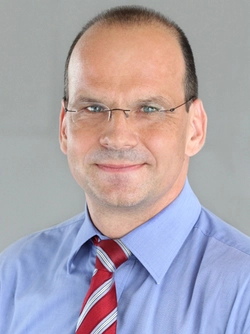
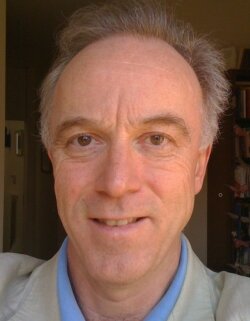
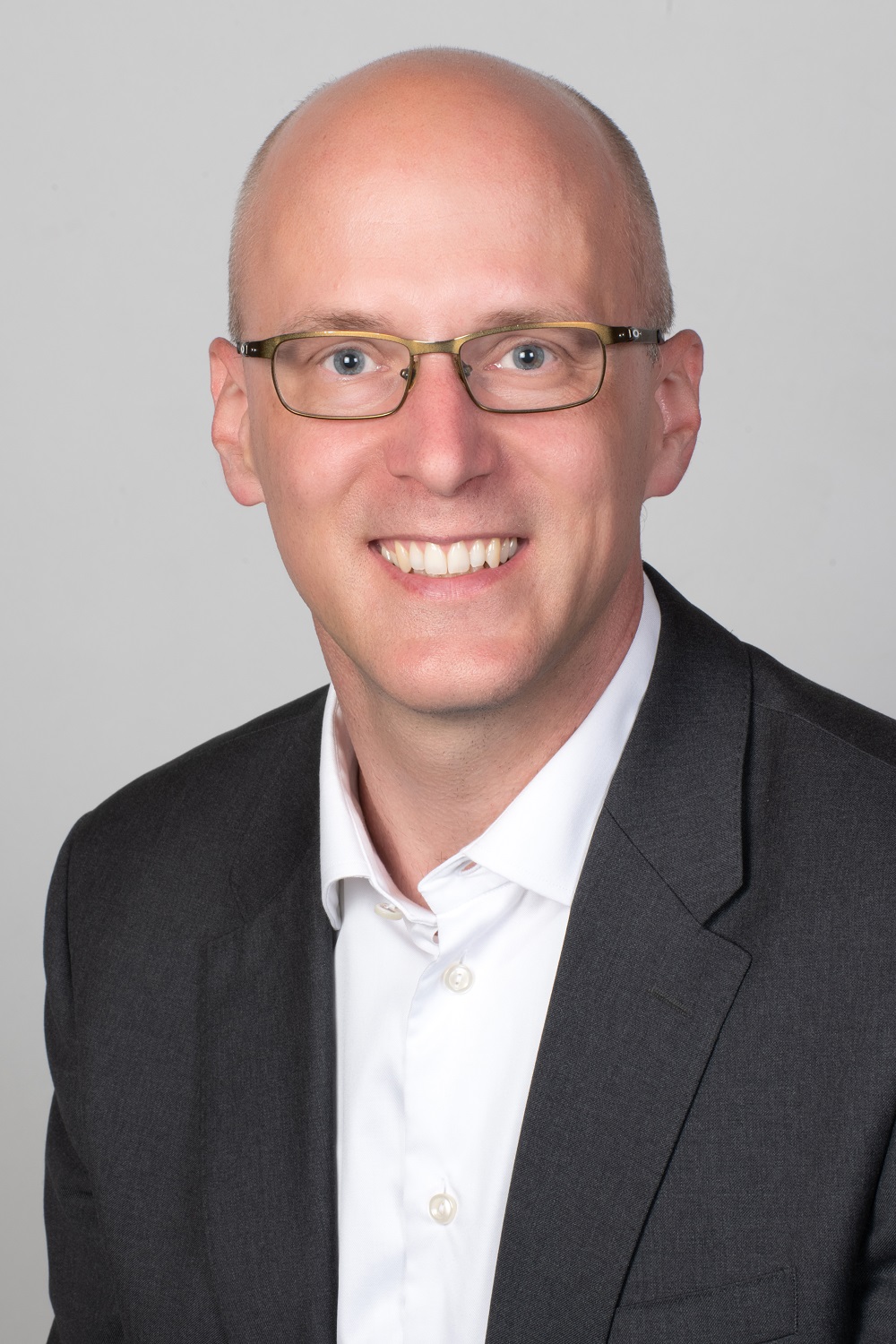
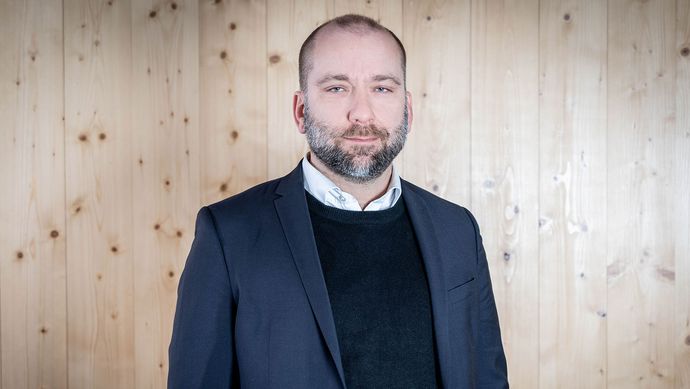
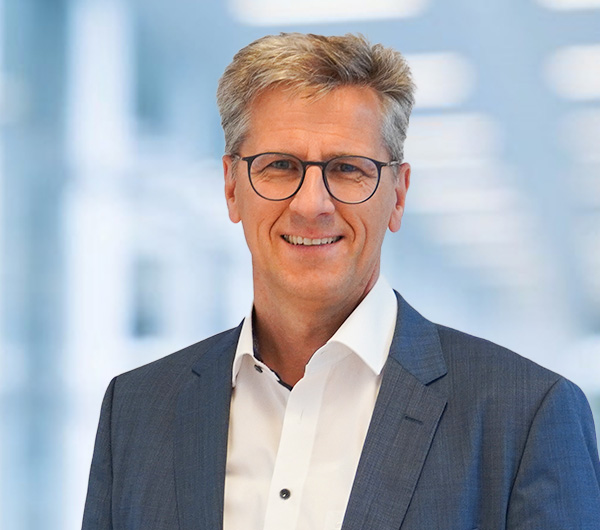
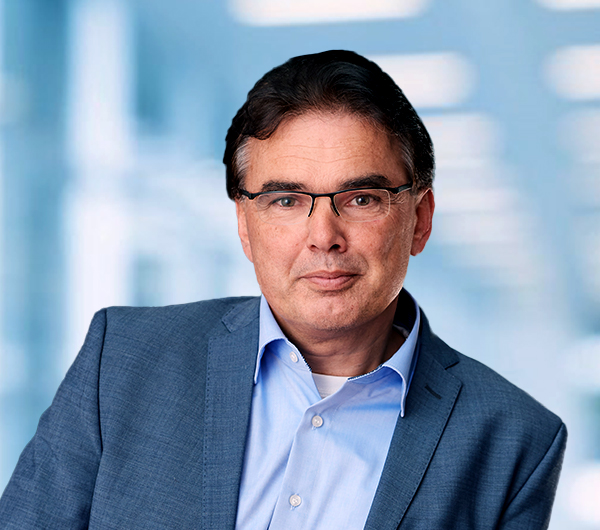
Christian Facchi is a Research Professor at the Faculty of Electrical Engineering and Information Technology, Ingolstadt University of Applied Sciences (THI). He currently serves as Academic Director of the THI Doctoral School and previously held roles including Scientific Director of the Center for Applied Research (ZAF) and Head of the Graduate Center of the THI. Subject Area: Software Engineering and Distributed Systems Research Focus: Embedded systems, CAR2X communication, automated driving, Industry 4.0 Research Leadership : He leads research initiatives in vehicular communication protocols, neurosymbolic AI for autonomous systems, and testing methodologies for connected vehicles. His work bridges theoretical computer science with practical applications in mobility and industrial automation. Supervised Research : Guides Ph.D. candidates on topics such as: V2X Priority Cooperative Maneuver Coordination VRU Safety Protection with V2X Uncertainty-Aware Criticality in Reinforcement Learning Neurosymbolic AI for Vulnerable Road User Prediction Committee Involvement : Active in academic governance as a member of the German Council of Science and Humanities, and former deputy head of research construction CARISSMA. He co-founded industry 4.0 testing committees and BayWISS mobility networks.
Dr. Nassipkul Dyussembekova is a Group Leader in the Grid Integration Group at the Institute for the Transformation of the Energy System (ITE) at the West Coast University of Applied Sciences (since 2020). Previously, she served as a Professor of Energy Engineering at Satbayev University in Almaty, Kazakhstan (2017–2019), focusing on energy efficiency, electrical networks, and renewable energy integration. Her academic background includes a PhD in Electrical Engineering from TU Braunschweig, Germany (2009), and earlier roles as Head of the Energy and Environmental Technology Department at the German-Kazakh University (2010–2017). Her research interests center on energy efficiency, grid integration of renewables, decentralized energy systems, and power electronics. She has led projects such as the ISO 50001 Energy Management System implementation for international companies and the EnEffUni initiative to enhance energy efficiency in Central Asian universities. She has also organized major international conferences, including the Renewable Energies and Energy Efficiency Conference in Almaty (2018) and EXPO-2017 events in Astana (2017). Her work spans technical publications on grid-friendly renewable integration, medium-voltage DC systems, and hydropower optimization. Collaborations include partnerships with institutions like TU Dresden, University of Kassel, and the World Bank. She contributes to sustainability-oriented energy strategies and policy development, with a focus on bridging technical and regulatory challenges in energy systems.
Prof. Dr.-Ing. Ulrich Königorski is a Professor of Control Systems and Mechatronics at the Technical University of Darmstadt's Institute of Automatic Control and Mechatronics. He holds a doctorate from TU Karlsruhe and has extensive industry experience at Robert Bosch GmbH and Thyssen Henschel. His research focuses on modeling nonlinear systems, mechatronic systems control, vehicle dynamics, and microgrid control. Königorski leads the Control Systems and Mechatronics Laboratory and has contributed to projects like Proreta 3 (driver assistance systems) and FLORIDyn (wind turbine modeling). His work bridges theoretical control methods with practical applications in automotive, robotics, and renewable energy sectors. Education: Electrical Engineering (1977-1983, TU Karlsruhe), PhD (1987, TU Karlsruhe) on state feedback design. Professional roles include Dean of the Faculty of Electrical Engineering and spokesperson roles in academic committees. Research interests emphasize system modeling, robust control, and mechatronics applications. Notable areas include automated driving trajectory planning, sensorless motor control, and inverter-based microgrid synchronization. His recent work addresses challenges in unsupervised scenario extraction for autonomous systems and gait phase estimation for prosthetics. Labs/Teams: Head of the Control Systems and Mechatronics Laboratory. Collaborations include industry partnerships for automotive and renewable energy projects. Ongoing research focuses on enhancing safety in nonlinear systems, optimizing energy grids, and advancing human-centric automation technologies.
Prof. Dr.-Ing. Robert Seifried is a Full Professor and Chair for Structural Mechanics at the Institute of Mechanics and Ocean Engineering , Hamburg University of Technology (TUHH) . He also serves as the Dean of the School of Multidisciplinary Engineering Science and Technologies since 2019. His leadership roles include Head of FIT, Head of AIW, Head of Engineering Science, and Head of Theoretical Mechanical Engineering. He is actively involved in research, teaching, and academic administration. PhD in Mechanical Engineering, University of Stuttgart (2005) Habilitation in Applied Mechanics, University of Stuttgart (2012) Postdoctoral research at UC Berkeley (2006–2007) Assistant Professor at University of Stuttgart (2008–2013) Full Professor at University of Siegen (2013–2014) Full Professor at TUHH (since 2014) Prof. Seifried’s research centers on multibody system dynamics , with a strong emphasis on underactuated and flexible systems . His work spans soft robotics , particle dampers , topology optimization , and ocean engineering . He investigates advanced control strategies such as funnel control, servo constraints, and stable inversion, particularly for systems with nonlinearities and impacts. His research integrates computational modeling (e.g., isogeometric analysis, adjoint sensitivity) with experimental validation in areas like wave energy converters and underwater robotics. The recent publications highlight a trend toward interdisciplinary robotics and smart ocean technologies . Key themes include soft robot control and sensing , particle damping for vibration suppression , topology optimization under uncertainty , and modeling of nonlinear ocean waves . These works demonstrate a consistent focus on enhancing system performance, robustness, and energy efficiency through advanced simulation and control. Lead investigator in multiple research projects on multibody dynamics and ocean systems Advisor to numerous PhD and Master’s students in robotics and mechanics Developer of simulation tools like Dynmanto for multibody systems Recipient of research funding for projects in soft robotics, wave energy, and vehicle dynamics Prof. Seifried leads a dynamic research group focused on mechanics and marine engineering . His team develops novel solutions for soft and underwater robots , hybrid particle dampers , and optimized marine structures . The group combines theoretical modeling, numerical simulation, and experimental testing, often in collaboration with industry and international institutions. Their work supports future advancements in autonomous marine systems, resilient infrastructure, and energy harvesting technologies.
Manuel Keßler is an apl. Prof. Dr. and Adjunct Professor at the University of Stuttgart's Institute of Aerodynamics and Gas Dynamics , serving as Deputy Head of the Institute and Head of the Helicopters and Aeroacoustics working group. His research focuses on Helicopter Aeromechanics , Aeroacoustics , and High-Fidelity CFD Simulations . He leads projects involving rotorcraft noise reduction, computational fluid dynamics validation, and advanced simulation frameworks like the FLOWer solver. His work integrates experimental and numerical methods, with applications in compound helicopters (e.g., Airbus Helicopters' RACER), eVTOL systems (Volocopter), and distributed propulsion demonstrators. Keßler's technical expertise includes programming in C++, Python, and various assemblers, alongside experience with microcontroller systems (AVR, ARM7, etc.). He oversees the Institute's HPC-cluster (Prandtl) and teaches courses on Fluid Mechanics, Aeroacoustics, and programming optimization. His research spans rotor-fuselage interactions, dynamic stall mitigation, and aeroelastic phenomena, with a strong emphasis on validating numerical models against flight-test data. Notable contributions include numerical investigations of noise sources in distributed propulsion systems, CFD simulations of rotorcraft in ground effect, and aeroacoustic studies of counter-rotating open rotors. His interdisciplinary approach bridges computational methods with real-world engineering challenges, advancing rotorcraft design and noise mitigation strategies.
Nikolas Herbst is a Professor and Chair of Software Engineering at the Department of Computer Science, University of Würzburg. He leads research in Software Performance Engineering, High-Performance Data Processing, and Autonomic Computing. His work focuses on Cloud and Serverless Computing, Elasticity, and Time Series Analysis. He currently serves as JMU Chief Information Security Officer (CISO) and holds leadership roles in SPEC Research Groups and ICPE Steering Committees. Education: PhD in Computer Science (Karlsruhe Institute of Technology, 2018) Master of Computer Science (Karlsruhe Institute of Technology, 2012) Research Interests: His lab develops tools like CHAMELEON, TELESCOPE, and BUNGEE for cloud elasticity and performance analysis. He emphasizes benchmarking, resource demand estimation, and self-aware systems. Recent projects include real-time forest monitoring (ROOT) and serverless scientific computing (SOS). Teaching: Teaches Operating Systems, Performance Engineering & Benchmarking, and Self-Aware Computing at both undergraduate and graduate levels since 2012. Awards: 10 Year Most Impact Paper Award (ACM/SPEC ICPE 2023) SPEC Kaivalya Dixit Distinguished Dissertation Award (2019) IBM PhD Fellowship (2014) Grants & Projects: Coordinates DFG-funded projects like bidt-ROOT (2023–2026) and SOS (2025–2029). Leads development of open-source tools for cloud performance analysis, including WCF (Workload Classification & Forecasting).
Jannos Siaplaouras is a Professor of Pediatrics and Interprofessional Care at the Faculty of Health Sciences, Hochschule Fulda, Germany. He has been actively involved in teaching and research since 2016 and maintains a clinical practice as a specialist in child and adolescent medicine. His work bridges clinical pediatrics, interprofessional education, and preventive cardiology. Research Interests: His research focuses on physical activity, sports participation, and cardiopulmonary rehabilitation in children with congenital heart defects. He investigates heart rate variability, ECG screening, and long-term outcomes in pediatric cardiac patients. His work promotes safe physical activity and evidence-based guidelines for children with chronic conditions. The recent publications highlight a strong trend toward epidemiological studies, nationwide surveys, and pilot interventions assessing physical activity, exercise training, and cardiovascular risk in pediatric populations. Key themes include congenital heart disease, pulmonary hypertension, and preventive cardiology through ECG screening and sports medicine. Scientific Awards: Best Scientific Presentation Award, DGPK Annual Conference 2020 (1000€) Teaching and Professional Engagement: Dr. Siaplaouras has taught at Hochschule Fulda (Hebammenkunde, Physiotherapy, Oecotrophology), Philipps-Universität Marburg, and Goethe-Universität Frankfurt. He has served as a lecturer in sports medicine and pediatric cardiology. He is a Review Editor for Frontiers in Cardiovascular Medicine and Frontiers in Pediatrics . He held leadership roles including Vice President of the Society for Pediatric Sports Medicine (D/A/CH) and president of the 19th annual GPS conference in 2019. Professional Affiliations: He is a member of several societies including DGKJ, DGK, DGPK, DEGUM, and GPS.
Prof. Dr.-Ing. Steffen Greiser is a Professor of Automation Technology at the Faculty of Management, Culture and Technology, Osnabrück University of Applied Sciences. He has been serving in this role since 2020 and leads the Laboratory for Digitized Value Creation Processes as its spokesperson since 2023. His academic journey began with a Mechatronics degree at TU Ilmenau, followed by a distinguished research career at the German Aerospace Center (DLR), where he earned his doctorate in 2016 and received the DLR Dissertation Award in 2017. Prior to academia, he also held a position at Volkswagen in chassis control systems. His research interests include Robotics, Sensor Technology, Internet of Things, 5G/6G Network Technology, and Sustainability , applied across domains such as mobility, production, and drones. He is actively engaged in research projects like BiCoNet, TIDA5G, InnoNT, CARLA, and EDNA, focusing on digitalization and sustainable automation. The most recent publications reflect a strong trend toward smart manufacturing, digital learning factories, sensor-based environmental monitoring, and advanced control systems . His work bridges engineering fundamentals with real-world industrial applications, particularly in Industry 4.0 and sustainable logistics. Scientific Awards: DLR Dissertation Award (2017) Advising and Grants: While specific student advisees are not listed, Prof. Greiser leads significant research initiatives funded by national and international programs (e.g., Interreg, BMWI). His leadership in projects like EDNA and BiCoNet demonstrates active mentorship and grant acquisition in applied automation and digital transformation. Labs and Teams: He is the spokesperson for the Laboratory for Digitized Value Creation Processes, which supports research in smart production, data analytics, and Industry 4.0 applications. His collaborations span academic, industrial, and cross-border innovation networks.
Johannes Schlaich is a Professor of Mobility and Transport at the Berlin University of Technology , with a focus on integrated transport planning, traffic modeling, and digitalization in transport. His research includes strategic demand modeling, shared mobility, and future mobility systems.
Prof. Dr. Gregor Schöner is a Professor at the Institute of Neuroinformatics, Faculty of Computer Science, Ruhr University Bochum, leading the Theory of Cognitive Systems research group. His research focuses on embodied cognition, aiming to understand how cognition emerges in nervous systems. Key aspects include: The integration of cognitive processes with sensory and motor interfaces The role of structured environments in cognition Neural principles of cognitive processing, modeled through neural dynamics and Dynamic Field Theory His group collaborates with experimental researchers on model systems spanning motor control, spatial and visual memory, motion perception, and developmental psychology. They also work with the autonomous robotics group to implement models on robots, testing the sufficiency, robustness, and scalability of theoretical conceptions.
Prof. Dr. Matthias Tichy is a Full Professor and head of the Institute of Software Engineering and Programming Languages at Ulm University, Germany, since 2015. His research focuses on domain-specific languages (DSLs), model-driven engineering (MDE), self-adaptive software , and cyber-physical systems , with an emphasis on safety-critical applications and graph transformation formalisms. He employs empirical research methods to evaluate technical contributions and human factors in software engineering. University: Ulm University Role: Professor & Institute Head Research Interests span domain-specific languages for mechatronic systems, collaborative modeling , performance prediction in model transformations, and software evolution in industrial contexts. His work often bridges graph transformations and safety assurance for self-adaptive systems. Recent Publications highlight trends in model versioning (e.g., operation-based caching), DSL design (e.g., flowR for R code analysis), and automotive software testing (e.g., clustering test case specifications). He frequently collaborates with international institutions on topics like cyber-physical systems and IoT resilience . Key Collaborations include projects with Chalmers University, University of Gothenburg, and industrial partners like dSPACE GmbH. His grants and industry partnerships focus on automotive software , robotics , and self-healing systems .
Martin Atzmüller is a Professor at the Institute of Computer Science , University of Osnabrück. He leads the Semantic Information Systems research group and serves as Scientific Director of the Cooperative and Autonomous Systems research area at the German Research Center for Artificial Intelligence (DFKI). He is also a founding spokesperson of the Joint Lab on Artificial Intelligence and Data Science and a founding member of the Data Science research area at the University of Osnabrück. Education : Diploma in Computer Science (University of Texas at Austin, USA) Diploma in Computer Science (University of Würzburg, Germany) Doctorate (Dr. rer. nat.) in Computer Science (University of Würzburg, Germany, 2006) Habilitation in Computer Science (University of Kassel, Germany, 2013) Research Interests : Professor Atzmüller specializes in Artificial Intelligence , focusing on modeling complex data, Explainable AI , Interpretable Learning , Machine Perception , and Semantic Interpretation . His work includes analyzing complex sensor data (e.g., images, graphs, networks) and designing AI systems for robotics and sensor-based applications. Recent Research Trends : His recent research highlights active intention recognition , metacognitive systems , and long-term robotic data acquisition in agricultural monitoring and autonomous systems. These projects emphasize uncertainty resilience , reconfigurable controllers , and semantic integration of sensor data. Labs & Teams : He contributes to the Cooperative and Autonomous Systems research area at DFKI and co-founded the Joint Lab on Artificial Intelligence and Data Science at the University of Osnabrück. His projects include ExPrIS , AW4.0 , and AI-Test-Field , focusing on semantic interpretation, trusted data exchange, and sustainable agricultural processes.
Prof. Ulrich Büker is a faculty member at TH OWL since 2022, leading the Intelligent Systems research group at inIT (Institute for Industrial Information Technology). He became deputy head of inIT in 2024 and Vice Dean of Department 5 in 2025. His work bridges academic research and industrial applications in intelligent systems. Education : Diploma in Computer Science (University of Paderborn), Doctorate and Habilitation in Electrical Engineering and Information Technology (University of Paderborn). Research Interests include: Application-oriented artificial intelligence for automation and mobility systems. Autonomous driving with focus on scenario generation and vision-based control. Computer vision for robotics and industrial applications. Embedded systems in battery electric vehicles. Article Trends demonstrate expertise in autonomous systems, computer vision, and industrial applications, spanning from foundational 2000s work on hybrid object models to recent LLM-driven autonomous driving scenario generation . Key sub-fields include neural networks, image processing, and vehicle energy management. Professional Contributions include: Industrial leadership roles at Aptiv , Delphi , and Hella . Membership in German Informatics Society (GI) and German Society for Pattern Recognition (DAGM) . Patents in image segmentation (DE000010250781, EP000001416441).
Prof. Jürgen Jasperneite is the director of Fraunhofer IOSB-INA in Lemgo and a board member of the Institute for Industrial Information Technology (inIT) at Ostwestfalen-Lippe University of Applied Sciences (TH OWL). He holds the Professorship for Computer Networks and focuses on industrial communication systems for cyber-physical systems and IoT. Current affiliations: Fraunhofer IOSB-INA (Director), inIT (Board Member), TH OWL (Professor) International collaborations: Guest Professor at Midsweden University (2021–present), Research Fellow at Stanford University (2017–present) Research Interests include: Distributed real-time communication and processing 5G/6G integration into industrial networks Time-Sensitive Networking (TSN) and Ethernet migration Semantic interoperability and IT security SmartFactoryOWL and Industry 4.0 testbeds Zero-touch management and network digital twins His work spans manufacturing, process automation, logistics, and urban mobility , with a focus on bridging information technology (IT) and operational technology (OT) through standards like OPC UA and PROFINET. Scientific Recognition : IEEE Senior Member (since 2006) Over 250 publications and conference leadership roles Best Paper Awards at IEEE ISPCS (2007), IEEE ETFA (2012), GI Echtzeit (2014) Founding director of Germany's first Fraunhofer application center for industrial automation Contact: computernetworks@init-owl.de
Prof. Dr.-Ing. Peter Urban is a Professor and Deputy Director at the Institute of Automotive Engineering, RWTH Aachen University in Germany. His research encompasses automotive engineering with focus areas including vehicle acoustics, electric vehicles, autonomous systems, and safety engineering. He leads initiatives in vehicle design and traffic psychology research. Research Focus: Vehicle acoustics and noise reduction technologies Electric vehicle architecture and battery integration Autonomous delivery systems and urban mobility solutions Crash safety and occupant protection systems Sustainable transportation design His recent publications demonstrate strong emphasis on electric vehicle component integration (battery housings, lightweight structures), traffic noise reduction methodologies, and safety assessments for autonomous systems. Work frequently addresses European standards and certification requirements.