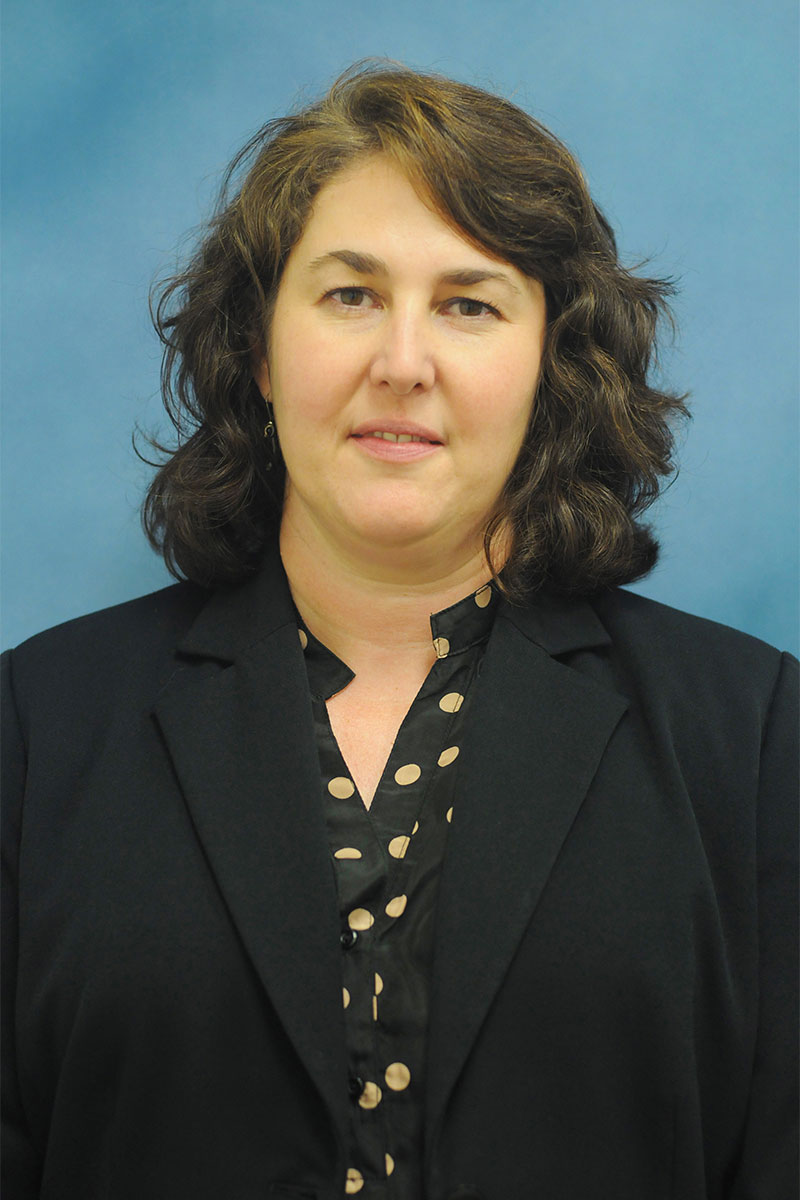
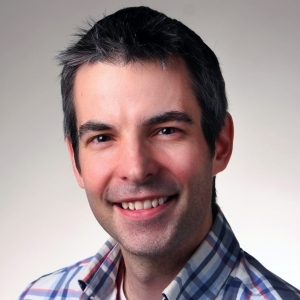
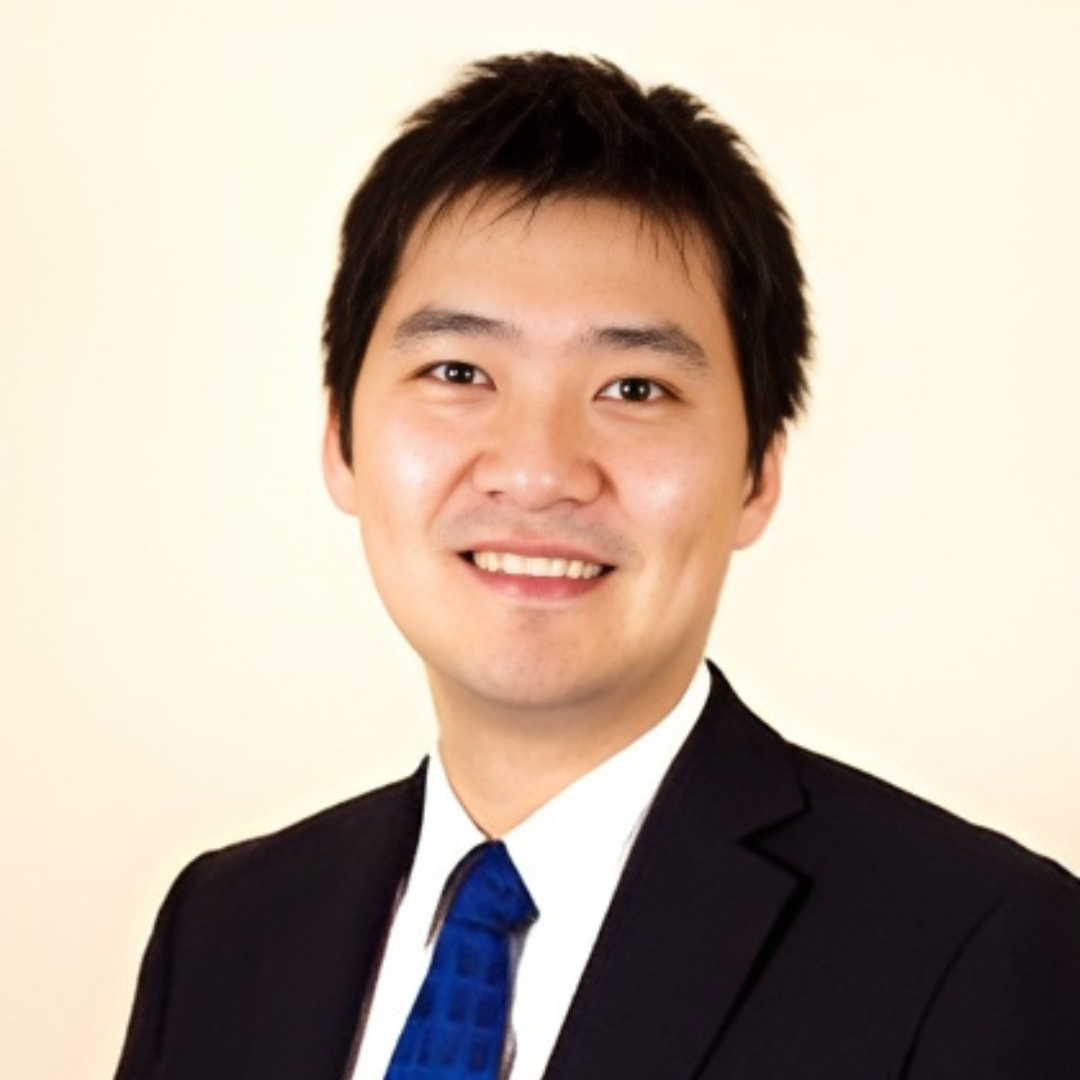
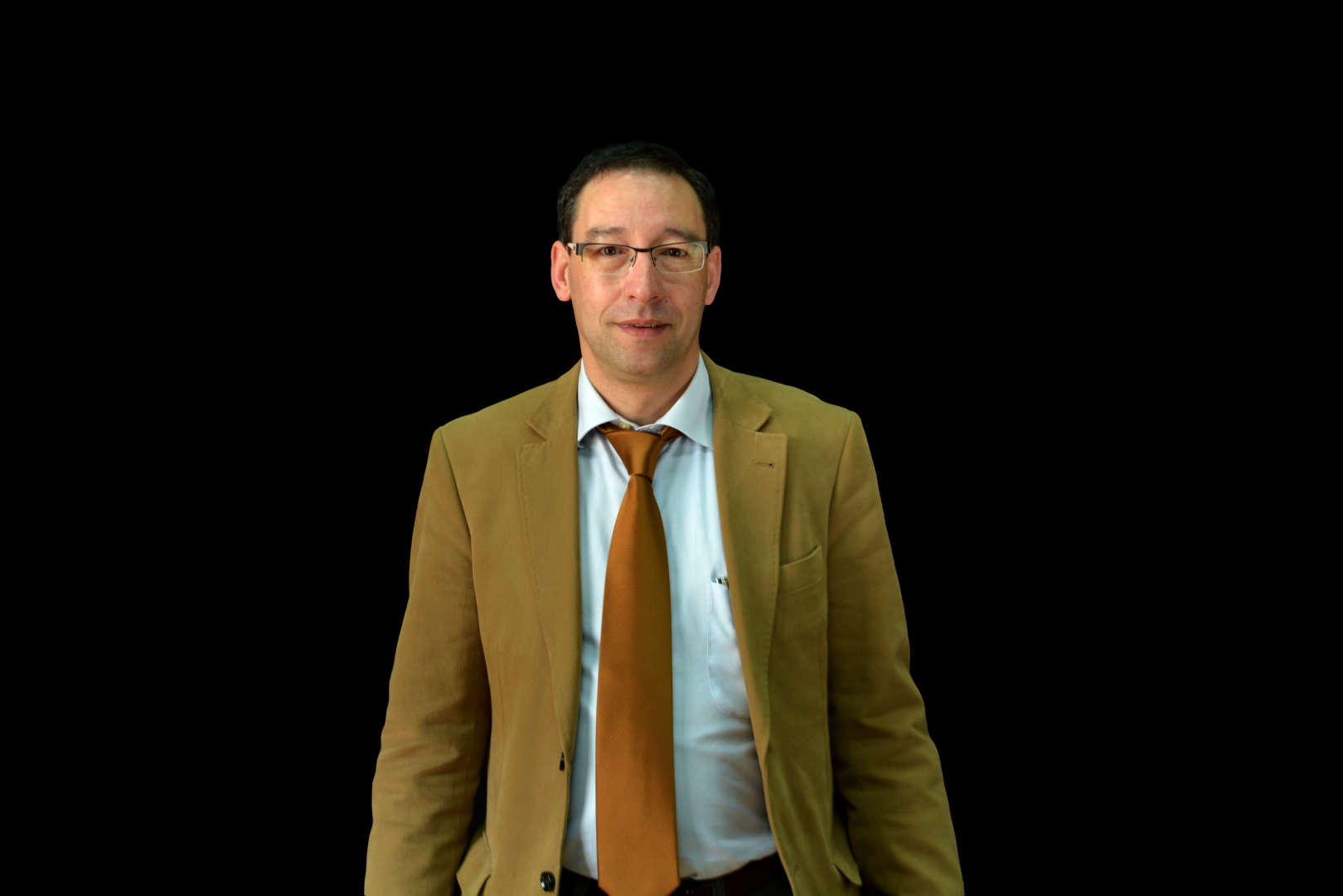
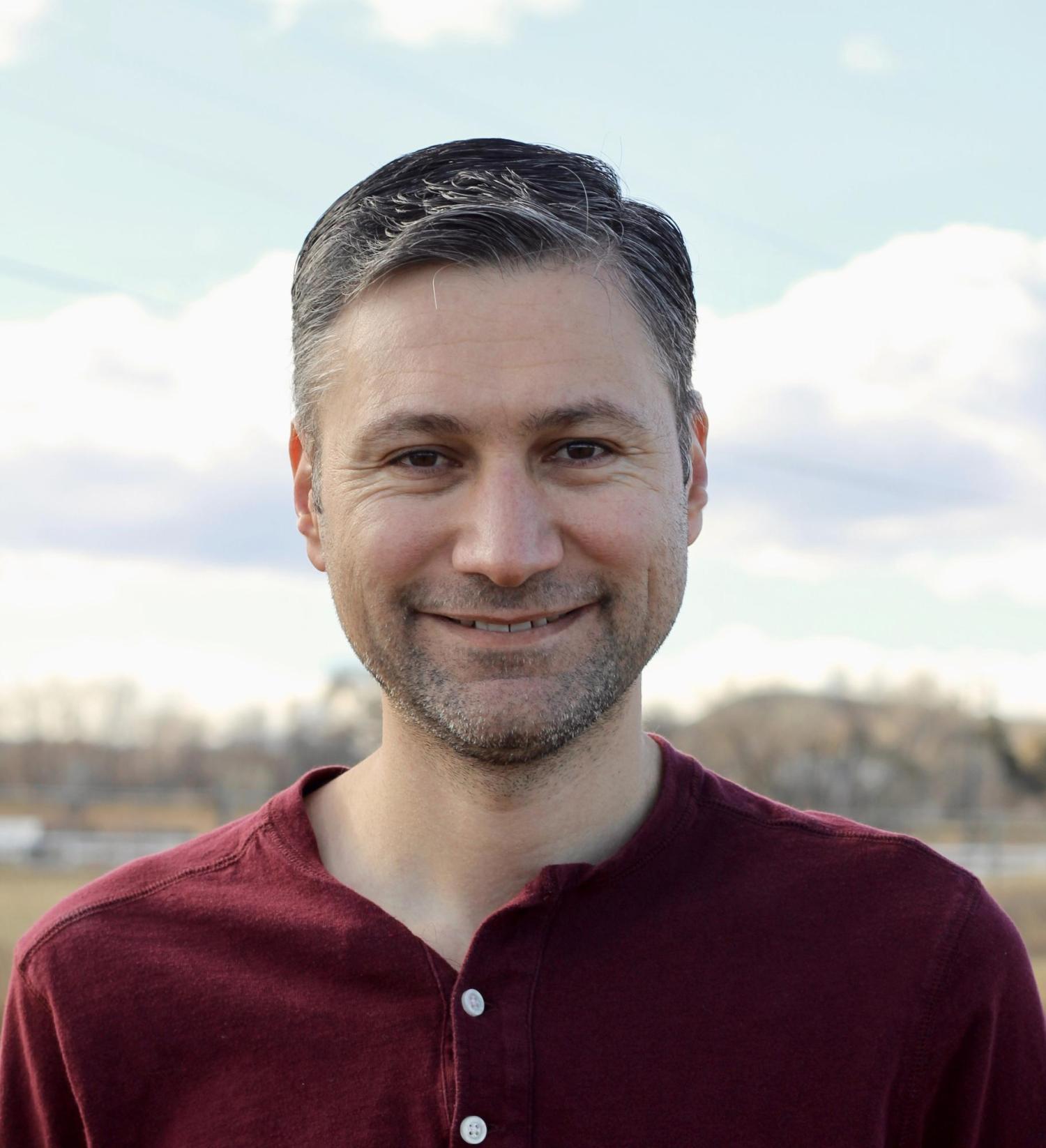
Andrew Lammas is a Lecturer in Electrical and Electronic Engineering at Flinders University, within the College of Science and Engineering and affiliated with the Centre for Defence Engineering Research and Training. He holds a PhD and Bachelor of Engineering from Flinders University and has been actively contributing to research and teaching since 2023. His work spans robotics, control systems, machine learning, and renewable energy systems. Education: Bachelor of Engineering (Computer Systems), Flinders University, 2004 Doctor of Philosophy (Engineering), Flinders University, 2012 His research interests include robot localisation, control, state estimation, sensor fusion, battery management, and renewable energy systems. He has developed expertise in Bayesian filtering, Kalman and particle filters, digital twins, and hydrodynamic modeling. His teaching responsibilities include coordination and lecturing in Electronic Circuits and Estimation & Machine Learning. The most recent research articles highlight a strong focus on autonomous underwater vehicles, digital twins for defence applications, sim-to-real transfer in control systems, and condition-based maintenance using hybrid neural-physical models. These works reflect a consistent trajectory in intelligent robotic systems, adaptive control, and real-world deployment of AI in engineering contexts. Scientific Awards: No awards explicitly mentioned. Andrew Lammas supervises Honours, Master’s, and PhD students, with registered interests in robot planning, battery management, sensor processing, and control of robotic platforms. He has led industry and defence-affiliated research projects, including multiple technical reports for the Department of Defence. He is also involved in community outreach, such as regional roadshows and Science Alive events, promoting engineering and robotics. He is actively involved in the RobotX Maritime Robotics Competition and contributes to curriculum development in electrical and electronic engineering. His research aligns with UN Sustainable Development Goals in renewable energy and sustainable infrastructure.