- Neural control of circulation
- Estrogen modulation of cardiac function
- Cardiovascular effects of alcohol
- +۵ مورد دیگر
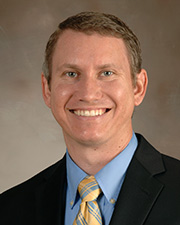
Abdel A. Abdel-Rahman, PhD, FAHA is a Distinguished Professor and Vice Chair in the Department of Pharmacology and Toxicology at East Carolina University's Brody School of Medicine. He joined ECU in March 1985 as an assistant professor, was promoted to associate professor with tenure in 1989, and to full professor in 1994. He has served as Vice Chair of the department since 2006 and has received ECU's Lifetime Achievement Award and Distinguished Professorship in 2000, along with Brody's Master Educator Award. Dr. Abdel-Rahman's research focuses on neural control of circulation, estrogen modulation of cardiac function in health and disease, diabetes and cardiovascular complications, and the cardiovascular effects of alcohol and cannabinoids. His work particularly examines sex differences in cardiovascular responses, with recent emphasis on circadian rhythm proteins like PER2, connexin-43 signaling pathways, and cannabinoid receptor mechanisms in cardiac function regulation. His publications from 2020-2025 demonstrate consistent productivity in high-impact pharmacology and cardiovascular journals. He has been continuously funded by the NIH since 1988 through 2023, with two overlapping R01 grants totaling 40 years of funding exceeding $12 million. His most recent research examines how estrogen replacement restores period 2-mediated inhibition of ferroptosis to mitigate cardiac dysfunction in estrogen-deficient models, and how ethanol induces cardiopulmonary inflammation leading to hypertension. ECU's Lifetime Achievement Award and Distinguished Professorship (2000) Brody's Master Educator Award Fellow of the American Heart Association (FAHA) Teavel Award from American Heart Association (2023) Volkman Award from ECU Brody School of Medicine (2022) RCAW best graduate student poster Award (2022) Dr. Abdel-Rahman has trained 16 graduate students and 17 postdoctoral scholars, with several receiving awards for their research. He serves on editorial boards of multiple journals including Frontiers in Pharmacology and has organized research topics on cardiorenal dysregulation. His extensive grant funding and service on NIH study sections since 2016 demonstrates his standing in the cardiovascular research community. His work bridges basic science with clinical implications, particularly regarding sex differences in cardiovascular responses to alcohol, diabetes, and other stressors.