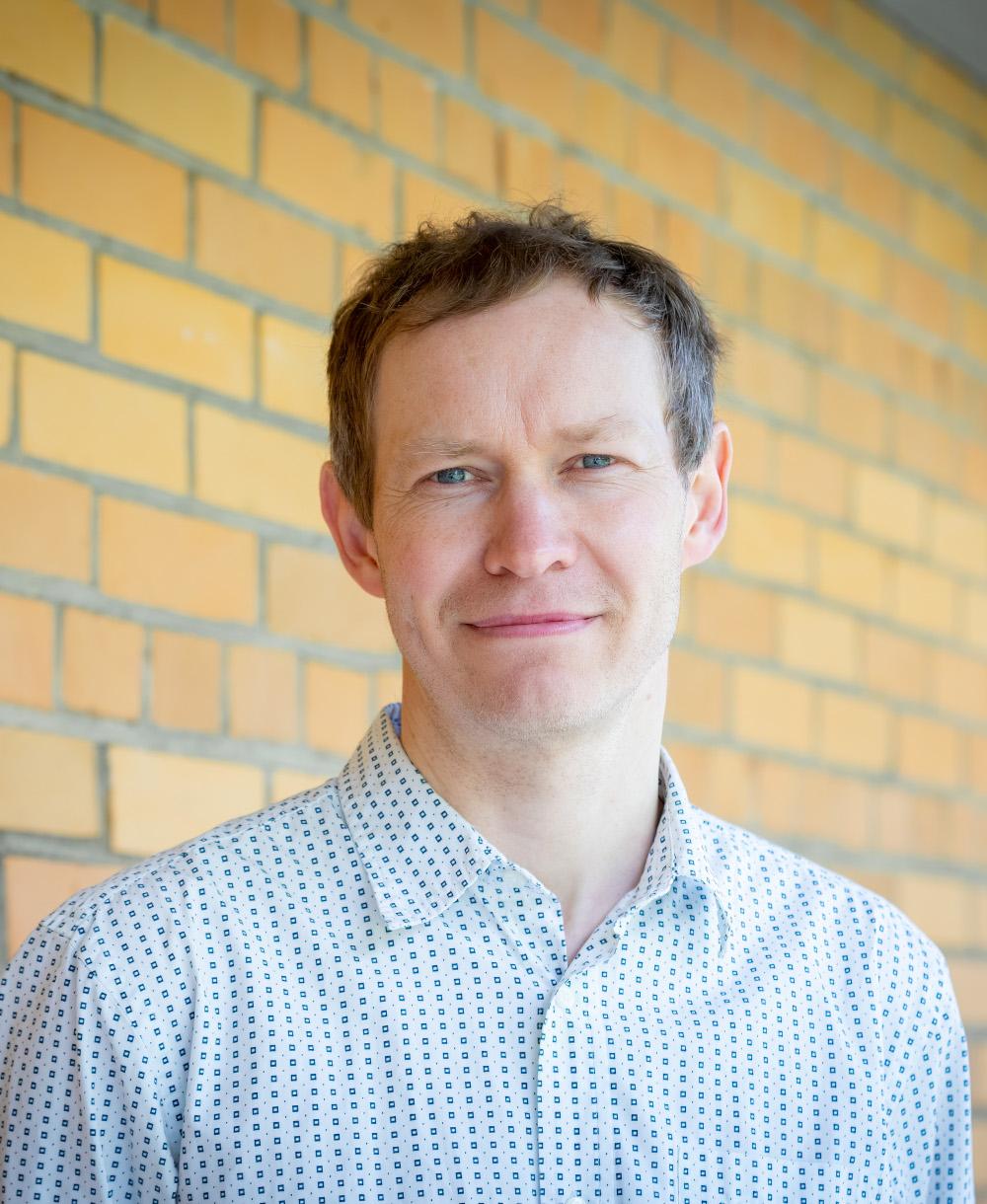
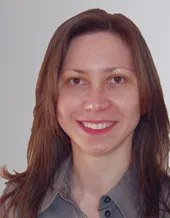
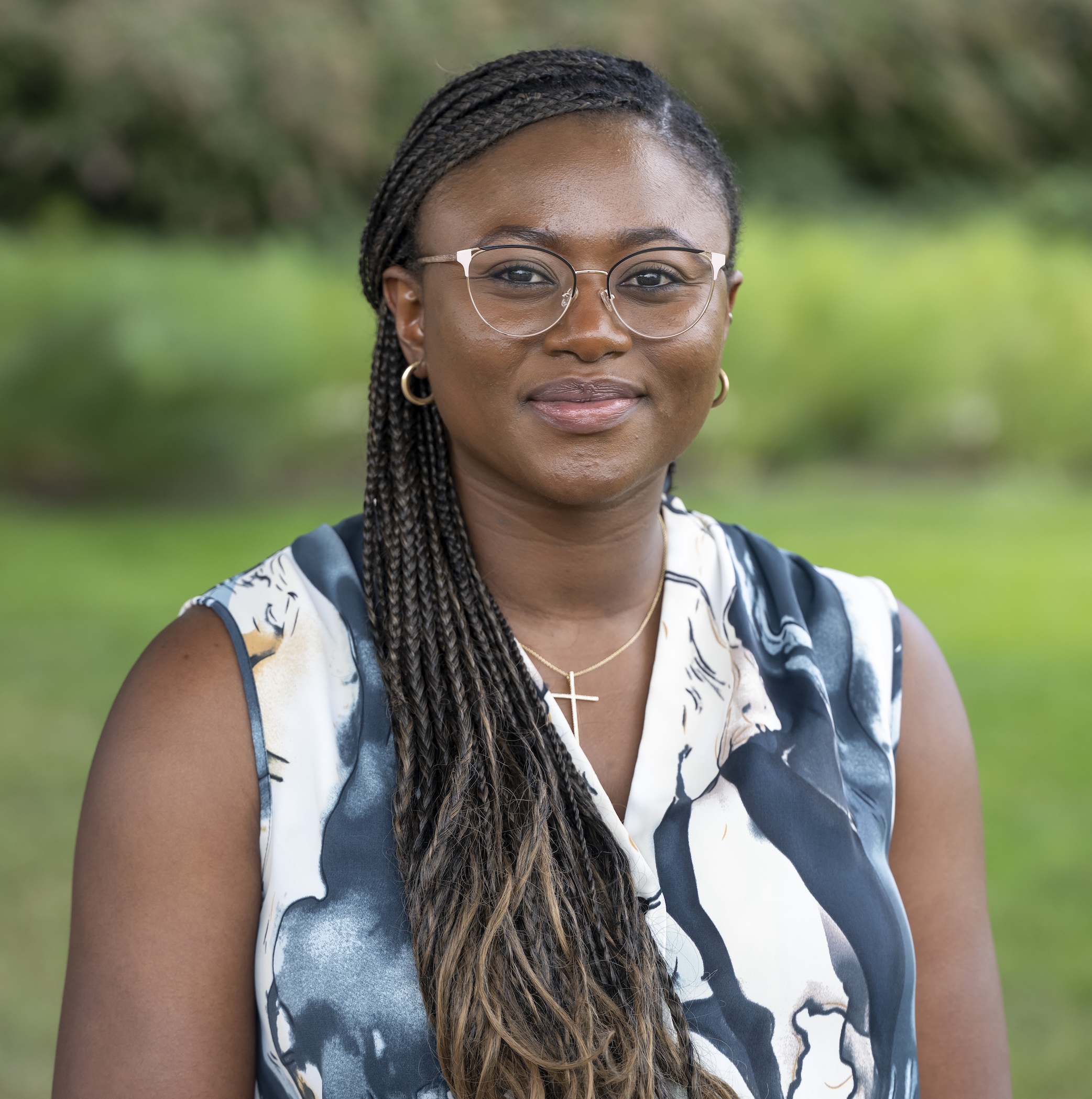
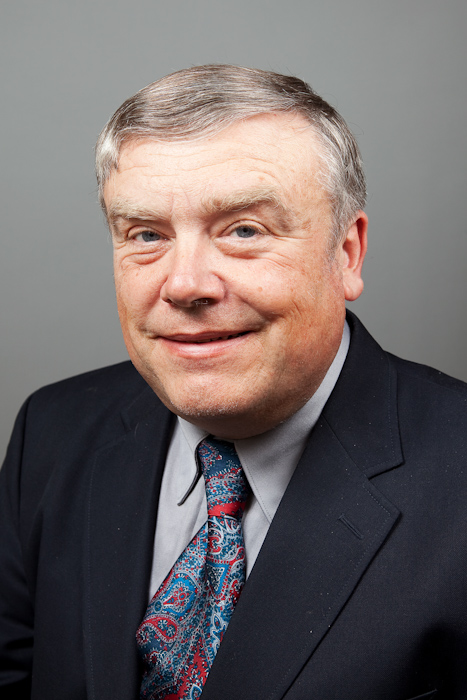
Kourosh Davoudi is an Associate Professor of Computer Science at Ontario Tech University's Faculty of Science. He holds a PhD in Computer Science from York University with a focus on Machine Learning and Data Mining. Prior to joining Ontario Tech in 2019, he was a postdoctoral research fellow at the University of Waterloo's Department of Management Sciences. His research interests span Natural Language Processing, Deep Learning, Reinforcement Learning, Graph Mining, and Machine Learning. He actively supervises graduate students in these areas and teaches courses such as Data Mining and Artificial Intelligence. His research emphasizes practical applications of AI techniques in areas like outbreak detection, sentiment analysis, and automated grading systems. Recent work includes innovations in neural document segmentation, vision-language models, and hybrid outbreak detection using social media data. His publications consistently address challenges in algorithm design, explainable AI, and domain-specific NLP applications. Dr. Davoudi has contributed to conferences such as COLING, EMNLP, and IEEE transactions, focusing on interdisciplinary applications of machine learning. His work bridges theoretical advancements with real-world problems in healthcare, education, and social media analysis.
Tero Päivärinta is a Professor at the University of Oulu, Faculty of Information Technology and Electrical Engineering. His work focuses on software engineering, digital ecosystems, and cybersecurity. He specializes in empirical studies of software systems, digital twins, and autonomous driving technologies. His research explores hybrid intelligence systems, data-centric decision-making, and governance of collective ambidexterity in digital initiatives. Education: PhD holder with extensive experience in academic and industry collaborations. Key research domains include cyber-physical systems, DevSecOps automation, and IT governance in public sectors. He co-leads projects such as the NUVE Lab’s vehicle testing frameworks and contributes to initiatives like the Software-Defined Vehicle project. Research highlights include advancing knowledge graphs for manufacturing, cybersecurity compliance in DevOps pipelines, and evaluating data-driven decisions. His articles emphasize interoperability challenges, adaptive systems design, and sustainable digital transformation in public utilities. Professional contributions include organizing the TKTP Annual Symposium and co-editing volumes celebrating academic peers like Markku Oivo. His work bridges theoretical software engineering with practical applications in mobility, governance, and industrial systems.
Tanel Alumäe is a Tenured Associate Professor of Speech Processing and Head of the Laboratory of Language Technology at Tallinn University of Technology (TalTech). He holds a PhD in Information and Communication Technology from TalTech (2006) and has conducted research at institutions like LIMSI/CNRS, Aalto University, and Raytheon BBN Technologies. His research focuses on speech processing, speaker and language recognition, and low-resource language technologies. Affiliations: Department of Software Science, School of Information Technologies, TalTech. Education: PhD in ICT (2006), MSc in Informatics (2002), Diploma in Computer & Systems Engineering (1999). Research interests include speech recognition, speaker diarization, spoken language translation, and combating DeepFake voices. He leads teams achieving top results in competitions like IARPA BABEL, NIST LRE, and Interspeech challenges. His work emphasizes open-source tools and equitable AI solutions. Key Awards: Best Student Paper at Odyssey 2024 and TSD 2018. Keeletegu Awards (2019, 2011) for contributions to Estonian language technology. Grants & Leadership: Managed the National Programme for Estonian Language Technology (2011–2017). Serves as Secretary of the Northern European Association for Language Technology (NEALT) and Area Chair for ICME, EACL, and Interspeech conferences. Labs & Teams: Directs the Laboratory of Language Technology, focusing on practical applications of speech and language technologies.
Dr. Alexander Plopski is an Assistant Professor at the Institute of Visual Computing, Technische Universität Graz. His research focuses on advancing augmented reality (AR) technologies, human-computer interaction (HCI), and optical display systems. He holds a PhD, M.Sc., and BSc in relevant fields. His work emphasizes perceptual optimization in AR displays, eye tracking integration, and accessibility solutions for color vision deficiencies. Key research areas include gaze-contingent AR interfaces, light field manipulation for extended reality, and multimodal interaction techniques. Notable contributions include the development of the 'guitARhero' interactive AR guitar tutorial system and studies on focal distance effects in optical see-through displays. His publications span topics from AR display calibration to gesture recognition using radar sensing. He has explored applications in industrial training, medical AR, and robotic telemanipulation. His work often bridges theoretical perceptual studies with practical system implementations, aiming to enhance user experience and accessibility in AR/VR environments.
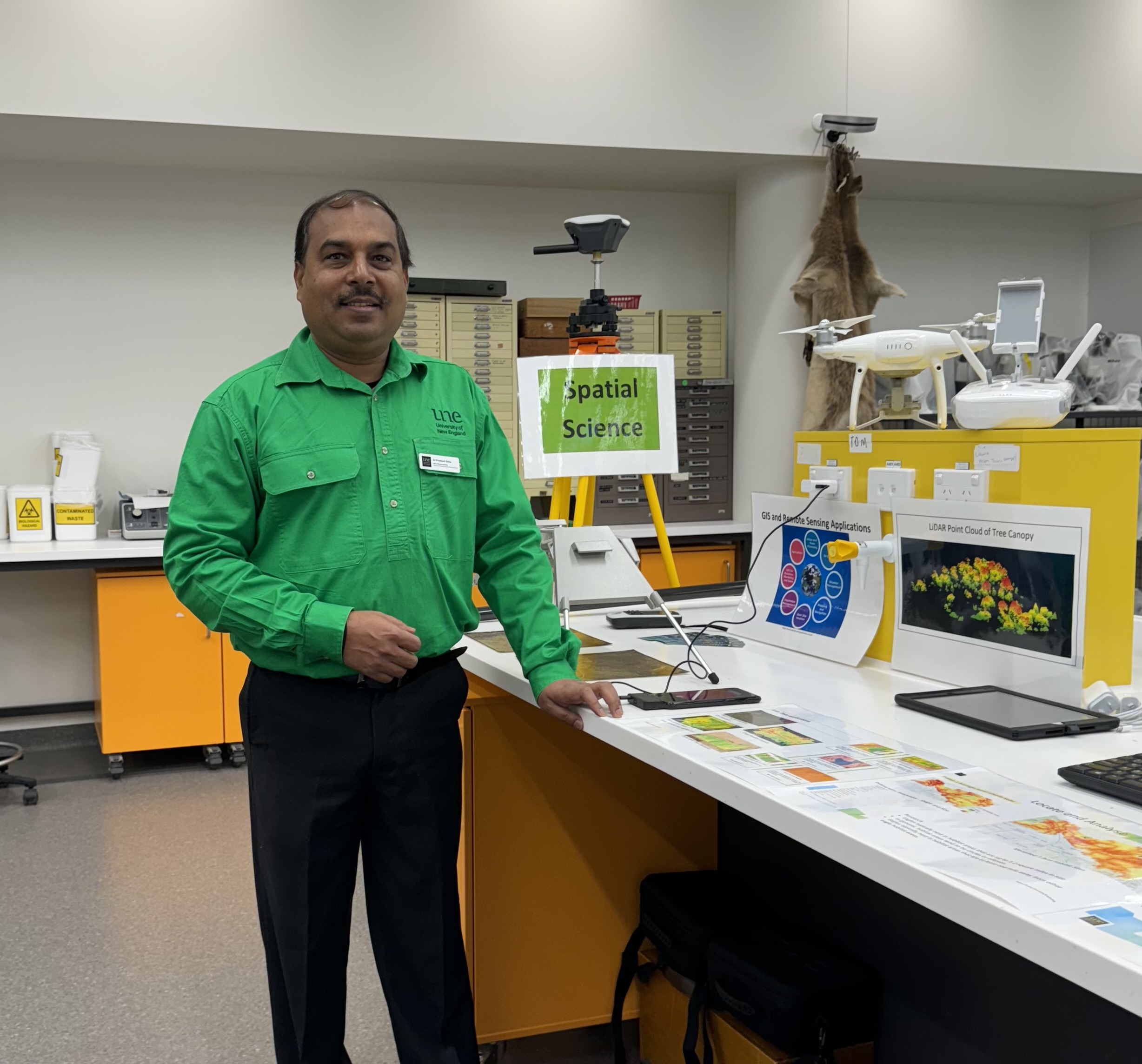
Dr. Priyakant Sinha is a Senior Lecturer in Spatial Science at the University of New England's School of Environmental and Rural Science, with over 20 years of research experience in remote sensing and geospatial science. He specializes in applying remote sensing technologies to agriculture, environmental monitoring, and natural resource management. His research focuses on: Advanced agricultural remote sensing and precision agriculture Time-series crop monitoring and yield prediction UAV/Drone-based 3D imaging for farm management Vegetation species mapping and change detection Hyperspectral and LiDAR data analysis Dr. Sinha teaches courses in GIS, spatial analysis, precision agriculture, and remote sensing applications. He has successfully supervised multiple PhD students in areas ranging from flood hazard mapping to drought monitoring using earth observation data. Technical expertise includes advanced digital image processing, GIS analysis and modeling, and specialized software including ENVI, ArcGIS, QGIS, and Pix4D. He develops innovative methods for temporal change analysis using machine learning and Google Earth Engine.
Pedro Fonseca is an Assistant Professor at the Department of Computer Science, Purdue University. He leads the Reliable and Secure Systems Lab, focusing on building reliable and secure core software systems such as operating systems, hypervisors, and distributed systems. His research has been recognized with awards including the NSF CAREER Award and Google Faculty Research Awards. Before Purdue, he completed a postdoc at the University of Washington, working with Arvind Krishnamurthy, Hank Levy, and Xi Wang. He earned his PhD from MPI-SWS and the University of Saarland under Rodrigo Rodrigues. His academic contributions span over 30 peer-reviewed publications in top-tier conferences like SOSP, OSDI, EuroSys, and ASPLOS. He teaches courses including CS503 (Operating Systems), CS592 (Reliable and Secure Systems), and CS408 (Software Testing). He actively serves on program committees for major systems conferences including SOSP, OSDI, EuroSys, and ASPLOS.
Abbas Heydarnoori is an Assistant Professor in the Department of Computer Science at Bowling Green State University (USA) since 2022, and previously held a faculty position at Sharif University of Technology (Iran) from 2012 to 2022. He earned his Ph.D. in Computer Science from the University of Waterloo (Canada, 2009), and M.Sc. and B.Sc. in Software Engineering from Sharif University of Technology (2001 and 1999). His research focuses on AI-driven software engineering (AI4SE/SE4AI), leveraging data science and AI to address challenges like fault localization, bug prediction, and code comprehension. He analyzes software repositories (e.g., GitHub, Stack Overflow) to improve developer productivity and software quality. He has contributed to tools like CrowdSummarizer and ExceptionTracer, and his work spans topics such as microservices architecture, API usage analysis, and code summarization. Teaching includes graduate/undergraduate courses on AI for Software Engineering, Database Systems, and Software Engineering. His service roles include editorial board membership at Science of Computer Programming , and PC membership in conferences like MSR, SANER, and FSE. His research group actively publishes on automated code analysis, documentation generation, and developer productivity tools, with a focus on empirical and data-driven approaches.
Alexandra Kirsch is an Assistant Professor in the Media Informatics Department at the University of Tübingen's Faculty of Informatics. She held the Carl von Linde Junior Fellowship at the Technical University of Munich (TUM) Institute for Advanced Study (TUM-IAS) from 2010. Previously, she was a senior research scientist at TUM's Intelligent Autonomous Systems Group and led the independent Junior Research Group “Planning for Adaptive Robot Assistance” within the Excellence Cluster CoTeSys (Cognition for Technical Systems). Education: Diploma in Computer Science from TUM, 2003 Doctoral degree from TUM, completed between 2003-2007 Research Interests: Kirsch focuses on developing control mechanisms for autonomous robots using artificial intelligence, aiming to create systems that collaborate closely and transparently with humans. Her work emphasizes models of world dynamics, robot action effects, and human behavior. She created the Robot Learning Language (RoLL) to automate model acquisition and update processes during robot operations. Collaborations with psychologists and neuroscientists explore joint human-robot planning tasks and model development for seamless interaction. Scientific Awards: Member of the Bayerische Akademie der Wissenschaften Förderkolleg (2012) Award by Comet Computer GmbH for excellent graduation results (2003) Advising & Grants: Managed interdisciplinary research projects during her junior fellowship at TUM. Previously worked as a management consultant at Booz & Co., 2007-2008. Her grants include the Carl von Linde Fellowship and support for the Junior Research Group. Labs/Teams: Active in the Planning for Adaptive Robot Assistance group (CoTeSys) and collaborates with the Cognitive Technology focus group at TUM-IAS. Engages in cross-disciplinary teams involving neuroscience and psychology for human-robot interaction studies.
Hannah K. Bako is an Assistant Professor at the School of Data Science , University of Virginia, leading the ViDAR Lab . Her work bridges data visualization, human-computer interaction (HCI), and design, focusing on enhancing creativity through computational tools and example-aided workflows. Recruiting students for Fall 2026 Program Committee member for IUI'26, VISCOMM, and VIS'25 Research explores: How examples inspire visualization design processes Techniques to improve diversity in automated design generation Code augmentation strategies for D3.js authoring Semantic decomposition of visualization design workflows Teaching : Spring 2026 course DS 2003: Communicating with Data . Recent News : August 2025: Became Assistant Professor at UVA SDS July 2025: Two papers accepted at IEEE VIS'25 May 2025: Completed PhD dissertation defense
Talal Shaikh is an Associate Professor at Heriot-Watt University's School of Mathematical and Computer Sciences in Dubai. He serves as Director of Undergraduate Studies and Programme Director for BSc Computer Science, BSc CS (AI), and MSc Software Engineering. With a decade of industry experience as a Chief Information Officer and Software Engineer, he bridges practical insights with academic research. Research Interests: Pervasive Computing, IoT/M2M, AI/ML, WiFi Sensing for Healthcare, Financial Machine Learning, Educational Technology Awards: Teaching Excellence Awards (2017/18), Fellow of the Higher Education Academy (FHEA), multiple Learning and Teaching Oscars (2016, 2017, 2018) His work spans Ubiquitous Computing and IoT , focusing on sensor networks and WiFi-based sensing for healthcare. In Artificial Intelligence , he applies ML to robotics, financial analytics, and educational innovation. Recent articles analyze Reinforcement Learning , Emotion Recognition , and WiFi Sensing applications. His teaching emphasizes student-centric learning, with over 100 supervised dissertations achieving distinctions. Collaborations include international conferences and interdisciplinary research in smart environments and adaptive systems.
Adlen Ksentini is a Professor at EURECOM, a leading graduate school and research center in Sophia Antipolis, France, specializing in digital science and communication systems. His extensive research focuses on next-generation mobile networks (5G/6G), network management, and the integration of artificial intelligence with telecommunications infrastructure. Dr. Ksentini actively contributes to major EU research initiatives including 6G-BRICKS and AC3, serving as a key researcher and project leader in the development of future network architectures. Dr. Ksentini's research interests center around network slicing, intent-based networking, edge computing, and the application of machine learning to network management problems. His work bridges theoretical advancements with practical implementations in 5G/6G systems, with particular emphasis on zero-touch network management, energy efficiency optimization, quality of service assurance, and the integration of large language models with network operations. His research has significantly contributed to the development of O-RAN (Open Radio Access Network) frameworks and the evolution of network automation. His recent publication trends reveal a strategic shift toward AI-native network architectures, with increasing focus on integrating large language models (LLMs) with network management systems. His work demonstrates a clear progression from traditional network management approaches to more autonomous, AI-powered systems capable of intent-based configuration, self-optimization, and predictive maintenance. The publications show strong emphasis on practical implementations within the 6G research ecosystem, addressing critical challenges in network slicing, resource allocation, and energy efficiency. As a research supervisor, Dr. Ksentini mentors several PhD students including Abdelkader Mekrache, Karim Boutiba, Bouziane Brik, and Houda Hafi, who frequently appear as co-authors on his publications. His research is primarily funded through major EU research projects such as 6G-BRICKS (Building Reusable Testbed Infrastructures for Cloud-to-Device Breakthrough Technologies) and AC3 (which focuses on Cloud Edge Continuum). Dr. Ksentini is actively involved with the 6G-BRICKS project consortium and the AC3 project team, where he contributes to developing next-generation network architectures that integrate communication, computing, and sensing capabilities. His work within these projects focuses on creating reusable testbed infrastructures and addressing security and trust management challenges in the cloud-edge continuum.
Andreas Rauber is an Associate Professor in the Department of Data Science at Technical University of Vienna. He serves as Curriculum Coordinator for Bachelor and Master programs in Business Informatics and Data Science, and chairs the Curriculum Commission for Business Informatics. His research focuses on Information Systems Engineering, Logic and Computation, and Visual Computing, addressing challenges in data management, digital preservation, and reproducibility in e-science. He leads projects like OS Trails and FAIR-AI, emphasizing FAIR principles and trustworthy research infrastructures. Rauber has contributed to over 150 publications, including works on data citation frameworks, adversarial ML defenses, and reproducibility in IR. His work bridges technical innovation with policy, exemplified through roles in the EOSC Support Office Austria and RDA Austria initiatives. Key projects include establishing FAIR data practices across universities and advancing digital preservation through repositories like DBRepo. He coordinates international collaborations, such as the EU-funded EOSC-Life and EGI Advanced Computing projects. His teaching spans courses in machine learning, information retrieval, and research methods, fostering next-generation data scientists.
Mauro Pezzè is a Full Professor of Software Engineering at the Università della Svizzera italiana (USI) and Università di Milano Bicocca, leading the STAR research group since 2006. He holds a laurea from the University of Pisa and a PhD from Politecnico di Milano. His research focuses on software testing, analysis, self-adaptive systems, and cloud systems. He has held editorial roles, including Editor-in-Chief of ACM Transactions on Software Engineering and Methodologies (TOSEM), and served on numerous program committees. Education: Laurea (Pisa), PhD (Politecnico di Milano). Professional roles include Dean of the Faculty of Informatics at USI (2009-2013), visiting scientist at UC Irvine and Edinburgh, and technical lead for international projects. He co-authored a seminal book on software testing (Wiley, 2007), with over 670 citations. Research Interests: Software Testing, Self-Adaptive Systems, Cloud Computing, AI in SE, Sustainable Software. Projects include work on field-based testing, failure prediction in distributed systems, and neuro-symbolic approaches for test oracles. Grants and Advising: Led STAR Lab projects in self-healing systems, GUI testing, and semantic matching. Advised numerous PhD/postdoc students (e.g., Ciniselli, Di Grazia, Qiu). Collaborations with European tech firms on R&D initiatives. Labs/Teams: STAR Group at USI/Constructor Institute, Bicocca, and Politecnico di Milano. Current members include postdocs and PhD students working on AI-driven testing and cloud reliability.
Alva L. Couch is an Associate Professor at Tufts University's School of Engineering, Department of Computer Science, with a career spanning over 30 years. His work bridges network/system administration, autonomic computing, and hydrologic data science, focusing on scalable solutions for data management and automated system administration. Education: Ph.D. in Mathematics (1988), B.S. in Architecture (1978), and B.A. in Bassoon/Contrabassoon Performance (1978). Research Interests His research centers on: Network and System Administration: Tools like SLINK, Maelstrom, and Babble for dependency analysis, cloud migration, and policy enforcement. Geo-informatics: MEDFORD metadata language and HydroShare platform for hydrologic data curation and discovery. Autonomic Computing: Promise theory, convergent operators, and closure models for self-managing systems. Recent Work Trends His 2024-2018 publications emphasize: Cloud-based hydrologic data management (AnVILMEDFORD, HydroShare) Metadata standards for interdisciplinary research Machine learning for system administration Agent-based resource sharing models Scientific Awards Liebner Teaching Award (1996) Seymour Simches Advising Award (2017) Best Paper Awards: LISA 1996, AIMS 2008, LISA 2001 LISA 2000 Best Student Paper (with Michael Gilfix) Contributions He developed key software like Peep (network auralization) and Slink (configuration management), supported by NSF grants and industry partnerships. His work with CUAHSI's Water Data Center shapes national hydrologic data infrastructure. He also advocates for science education and privacy in computing.
Giuliano Casale is a Professor in the Department of Computing at Imperial College London, leading the Quality of Service Research Lab (QORE). His research focuses on performance assurance, resource management, and fault-tolerance in distributed systems. He teaches courses on Probability and Statistics and Scheduling and Resource Allocation at undergraduate and Master’s levels. Casale’s work spans cloud computing, edge AI, and machine learning applications in system modeling. Key contributions include methodologies for performance engineering, anomaly detection, and automated resource management in large-scale systems. He actively participates in international conferences, delivering keynote speeches on topics such as performance evaluation and AI-driven systems. His research integrates queueing theory, machine learning, and generative models to address challenges in distributed software systems. Casale also engages in service activities like PhD admissions tutoring and collaborates on projects involving resilience planning and cloud service optimization. His lab, QORE, emphasizes practical solutions for real-world distributed systems, including edge federations and serverless architectures. Casale’s work bridges theoretical performance analysis with industrial applications, contributing to advancements in both academia and industry.