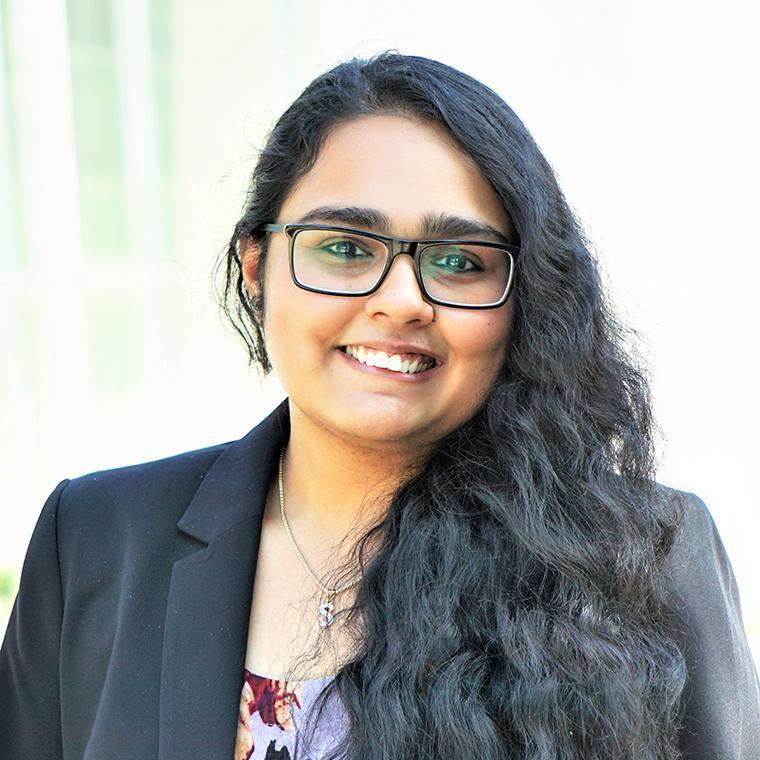
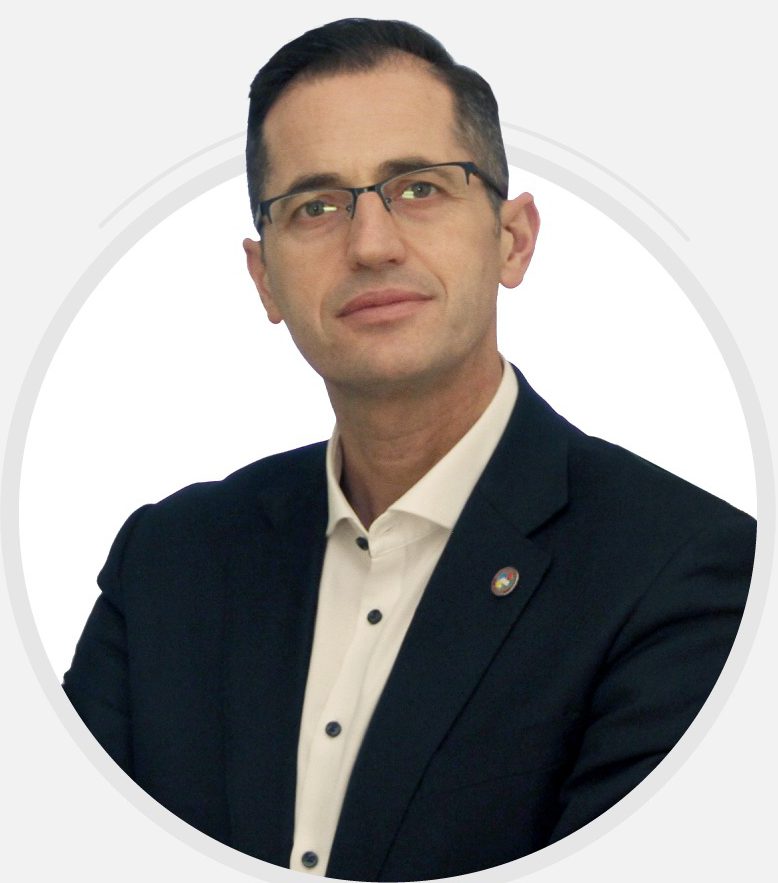
Suvi Saarikallio is a Professor of Music Education at the University of Jyväskylä, Finland , affiliated with the Faculty of Humanities and Social Sciences and the Department of Music, Art and Culture Studies . She leads interdisciplinary research bridging music psychology, education, and therapy, with a focus on youth development, emotion regulation, and well-being. Research Groups: Centre of Excellence in Music, Mind, Body and Brain (2022-2029), Musiconnect (2022-2027) Key Projects: Music and You, Stress & music listening, MPACT (Music and Sports), Music and Cross-modal Associations, SOSUS (Social Sustainability for Children) Research Trends: Her recent publications explore music's role in emotional regulation, cross-modal perception, health outcomes, and educational applications. Themes include AI's impact on music evaluation, rhythm's connection to cognitive skills, and music's influence on stress and social-emotional development. Contact: suvi.saarikallio@jyu.fi
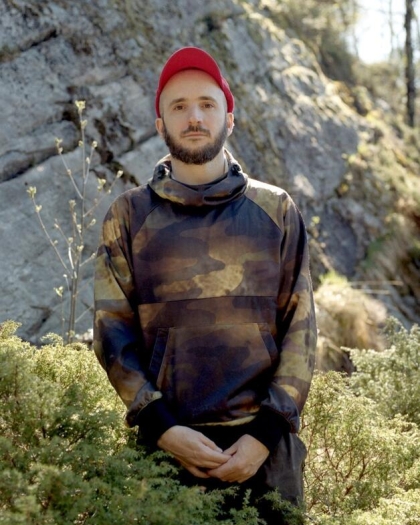
Richard Garner is a lecturer at Macquarie University's School of Mathematical and Physical Sciences, Faculty of Science and Engineering. He specializes in teaching mathematics to engineering and computing students in units like MATH2055 and MATH1007, focusing on problem-solving and real-world applications. His teaching philosophy emphasizes authentic mathematical experiences, blending abstract concepts with practical examples, such as connecting multivariable calculus to AI technologies. School: School of Mathematical and Physical Sciences University: Macquarie University Teaching Areas: Mathematics for engineering and computing, convolution, multivariable calculus Richard won a Student Nominated Award in the 2023 Vice Chancellor’s Learning and Teaching Awards, reflecting his commitment to student-centered education. He prioritizes clarity in course design, using visual tools and accessible materials to enhance learning, and fosters a supportive environment where students feel comfortable asking questions. Key Teaching Strategies Organized iLearn layouts following Macquarie University's standards Multiple formats for lecture materials (diagrams, color-coded slides) Weekly task clarity and real-world problem framing Live worked examples and transparent success criteria His research spans category theory, computational effects, and homotopy theory, with publications on topics like comodels, monoidal bicategories, and enriched categories. Richard's work bridges abstract mathematics with applications in computer science and logic. Scientific Awards 2023 Vice Chancellor’s Learning and Teaching Award (Student Nominated) Students praise his ability to make complex concepts intuitive, his enthusiasm for mathematics, and his dedication to explaining the 'why' behind the subject. His teaching design, including time-sensitive banners and structured weekly content, has been highlighted as exemplary.
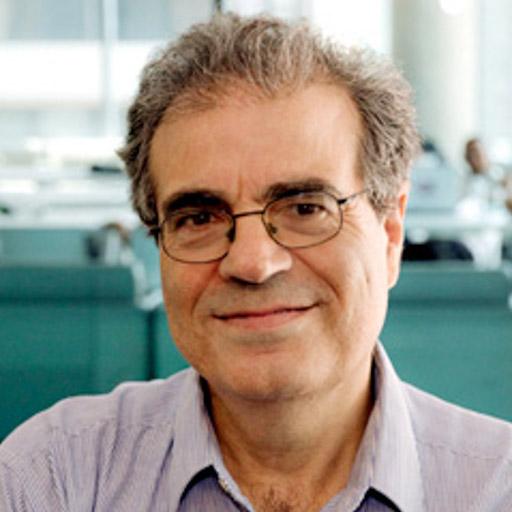
Ke Xu is a Professor in the Department of Computer Science at Tsinghua University's School of Information Science and Technology. With extensive research contributions in network security, privacy-preserving technologies, and machine learning applications for networking, Professor Xu has established himself as a leading researcher in computer science. Professor Xu's research interests span network security, privacy-preserving technologies, machine learning for networking, federated learning, internet protocols, encrypted traffic analysis, blockchain applications, and AI in networking. His work bridges theoretical foundations with practical implementations, focusing on real-world security challenges and network optimization problems. He has developed novel frameworks for secure network operations, privacy-preserving data sharing, and efficient AI deployment in distributed environments. Professor Xu's publication record shows a clear trend toward integrating artificial intelligence with traditional networking challenges. His recent work explores federated learning security, encrypted traffic analysis using deep learning, and novel approaches to network security that leverage machine learning techniques. The interdisciplinary nature of his research spans computer networking, security, privacy, and artificial intelligence. Professor Xu has received recognition for his contributions to network security and privacy-preserving technologies through publications in top-tier venues including IEEE journals, ACM conferences, and security symposia. His work has appeared in IEEE Transactions on Dependable and Secure Computing, IEEE/ACM Transactions on Networking, and security conferences like CCS and NDSS. Professor Xu actively collaborates with researchers across institutions, supervising students and junior researchers in exploring cutting-edge problems in network security and AI. His research has been supported by significant grants focusing on network security, privacy, and intelligent networking infrastructure. He leads projects that address fundamental challenges in secure communication, privacy-preserving data analysis, and intelligent network management. Professor Xu is involved with research laboratories focusing on network security and intelligent systems at Tsinghua University. His team works on developing practical security solutions, privacy frameworks, and AI-enhanced networking protocols that address real-world challenges in today's increasingly connected world.
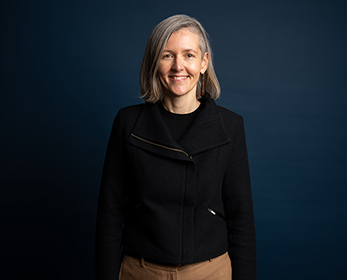
Smita Ghosh is an Assistant Professor in the Department of Mathematics and Computer Science at Santa Clara University, part of the College of Arts and Sciences. Her research focuses on social network analysis, algorithms for information diffusion, and applications in cybersecurity, disaster management, and machine learning. She holds a B.Tech. from the West Bengal University of Technology, India, and an M.S. and Ph.D. from the University of Texas, Dallas. Her work addresses challenges in rumor containment, clickbait detection, and optimizing network models for social media content analysis. Recent publications include studies on hypergraph-based solutions for rumor blocking and stochastic models for emergency response in social networks. She also explores cross-modal topic modeling for enhancing content detection algorithms. Notable contributions include developing data-driven strategies for identifying hate speech spreaders and improving wildfire severity predictions using environmental features. Her research bridges theoretical computer science with real-world applications in public health, education, and disaster management. Her academic contributions include organizing conference proceedings like the 18th International Conference on Algorithmic Aspects in Information and Management (AAIM 2024). She actively contributes to educational initiatives such as the Classroute project, creating multilingual educational content for Punjabi and Urdu speakers.
Gabriele de Seta is a researcher at the University of Bergen's Department of Linguistic, Literary and Aesthetic Studies, leading the ALGOFOLK project funded by the Trond Mohn Foundation (2024-2028). A sociologist by training with a PhD from Hong Kong Polytechnic University, he previously served as postdoctoral fellow at Academia Sinica (Taipei) and on the ERC-funded Machine Vision in Everyday Life project. Department of Ethnology, Academia Sinica (postdoctoral fellow) Department of Linguistic, Literary and Aesthetic Studies, University of Bergen (researcher) His research focuses on algorithmic folklore, synthetic ethnography, and Chinese digital culture. He examines how digital technologies and creative practices mutually shape each other, particularly in China's sociotechnical landscape. Key areas include platform governance, machine vision, algorithmic accountability, and digital vernaculars. Recent publications analyze TikTok/Douyin's infrastructural role, deepfakes, QR codes as globalized gateways, and Chinese internet vulgarity. His work combines theoretical frameworks from STS, media studies, and digital anthropology with fieldwork on Chinese digital practices. Trond Mohn Foundation Starting Grant ERC-funded research As educator, he designed the Machine Vision module for Bergen's Critical Approaches to Technology and Society course and taught Key Theories in Digital Culture. He supervises multiple MA/PhD students including co-supervision of Hanna Lauvli. Through his blog and podcast, he promotes public engagement with digital research.
Garreth Tigwell is an Assistant Professor in the School of Information at RIT, co-directing the CAIR Lab with Dr. Kristen Shinohara. His research focuses on accessibility in digital design, particularly for disabled users, addressing challenges faced by novice and expert creators. His work spans topics like accessible prototyping tools, cultural considerations in design, and inclusive mixed reality interfaces. Education: BSc in Psychology, University of Dundee, 2012 MSc (Distinction) in User Experience Engineering, University of Dundee, 2014 PhD in Human-Computer Interaction (HCI), University of Dundee, 2019 Research Interests: Designing accessible digital systems for blind, deaf, and low-vision users Adaptable user interfaces for mixed reality and textured surfaces Cultural dimensions in accessibility pedagogy Authentication methods for visually impaired users Articles Trends: Recent work emphasizes AR/VR accessibility, cultural design frameworks, and haptic authentication. His studies often involve collaborations with global researchers and industry partners. Awards: Best Paper (MobileHCI 2022) CHI Honorable Mention (2023, 2024) NSF-funded research projects Advising & Grants: Active in mentoring graduate students and securing grants. His lab focuses on born-accessible AI tools and inclusive design education. Teaches courses like HCI Research Methods and Future Interactions. Labs/Teams: Co-leads the CAIR Lab, which develops technologies to bridge accessibility gaps in digital design and prototyping.
Trysh Travis is an Associate Professor of Women’s Studies at the University of Florida. Her research focuses on the gendered history of medicine, therapeutic cultures, and recovery movements. She earned an MA from the Bread Loaf School of English and a PhD in American Studies from Yale University. Her work has been supported by the Mellon Foundation and the National Endowment for the Humanities. She co-founded the translational humanities project Points with UF colleague Joseph Spillane and serves as Managing Editor Emerita. Key publications include The Language of the Heart: Twelve-Step Recovery from Alcoholics Anonymous to Oprah Winfrey (2009) and co-editing Rethinking Therapeutic Culture (2016). Her articles explore topics ranging from opioid treatment legacies to feminist critiques of drug policy. Education: PhD in American Studies (Yale University), MA in English (Bread Loaf School of English) Grants: Mellon Foundation, National Endowment for the Humanities Key Projects: Co-founder of Points blog, author/co-editor of influential books on recovery culture Travis’s research bridges literary history and cultural analysis, emphasizing intersections of gender, medicine, and therapeutic practices. Her work critiques historical and contemporary recovery narratives, interrogating how therapeutic frameworks shape identities and social norms. Recent scholarship addresses opioid policy legacies and the role of whiteness in cultural discourse.
Xinran Zhu is an Assistant Professor at the University of Illinois Urbana-Champaign College of Education, specializing in Learning Design & Leadership and Instructional Design, Technology, & Organization. Her research intersects learning sciences, learning analytics, and AI in education, focusing on designing technology-supported learning environments for authentic classroom settings. Ph.D. in Learning Sciences and Technologies, University of Pennsylvania (2024) M.A. in Educational Psychology, University of Connecticut Graduate studies in learning technologies, University of Minnesota Her research spans three main areas: (1) design and implementation of educational technologies, particularly social annotation tools for knowledge building; (2) AI integration in education to augment collaborative learning; and (3) computational discourse analysis using network analysis and NLP to generate actionable insights. Recent projects include SynthesisAI , a GenAI-powered chatbot for knowledge synthesis, and the Synthesis Lab , a precursor tool for integrating peer ideas in collaborative writing. Dr. Zhu teaches courses on ubiquitous learning, advanced learning technologies, and eLearning system design. She employs co-design methodologies to develop and implement technologies in both lab and real-world classroom settings, emphasizing student agency and ethical AI partnerships.
Michel Laroche serves as Professor of Marketing and holds the Royal Bank Distinguished Professorship at Concordia University's John Molson School of Business. He maintains active research leadership through editorship of the Canadian Journal of Administrative Sciences and extensive scholarly contributions across global marketing domains. His educational background includes a Diplôme d'ingénieur from École Centrale de Paris, M.S.E. from Johns Hopkins, and M.Ph./Ph.D. from Columbia University, complemented by an honorary Doctor of Science from the University of Guelph. This multidisciplinary foundation underpins his research approach. Consumer behavior modeling Social media/digital marketing analytics Cross-cultural retailing dynamics Advertising effectiveness in global contexts Internet of Things consumer adoption Artificial intelligence in marketing systems His publication portfolio demonstrates consistent innovation in digital consumer behavior, with recent work examining social commerce cultural dynamics, TikTok authenticity metrics, and pandemic-driven media consumption patterns. Articles consistently integrate technological advancement with deep cultural analysis. Fellow of the Royal Society of Canada Recipient of the Jacques-Rousseau Medal for multidisciplinary research Living Legend of Marketing Award (HEC-Montreal) Hans B. Thorelli Award for international marketing research JBR Outstanding Associate Editor Award (namesake) Laroche has supervised 64 M.Sc. and 27 Ph.D. theses while securing major funding from SSHRC and FQRSC. His editorial leadership spans 16 years as Managing Editor of the Journal of Business Research and current Editor-in-Chief role at CJAS , establishing significant infrastructure for marketing scholarship. Professional service includes presidential roles in ASAC and AMS, plus extensive journal editorial board participation.
Prof. Dr. Simone Winko holds the Chair for Modern German Literature and Literary Theory at the University of Göttingen since 2003. Her research spans literary theory, canonization, praxeology of literary studies, and the intersection of emotions with German poetry around 1900 and digital humanities. Academic Roles: Chair at Göttingen (2003–), DFG Priority Programme 2207 leadership (2017–), Courant Center collaboration (2009–) Key Projects: DFG projects on literary change (2023–), computational literary history (2020–2023), and argumentation practices in interpretations (2018–2020) Her recent work focuses on emotions in German-language poetry , using computational methods to model text similarity and analyze historical shifts between Realism and Modernism. She explores how emotional codes and narrative strategies are embedded in lyrical structures, particularly through projects like Anthologien zeitgenössischer deutschsprachiger Lyrik (2022). Scientific Awards : 2010: 1st prize for best doctoral supervision (KissWin, BMBF-funded) Teaching & Collaboration : Supervises B.A., M.A., and Ph.D. theses; co-edits the Journal of Literary Theory and Revisionen book series. Collaborates with Fotis Jannidis, Gerhard Lauer, and Matías Martínez on computational approaches to literary studies.
Rowena Harper is a Professor and Deputy Vice-Chancellor (Education) at Edith Cowan University (ECU), where she leads educational strategy, including Library and the Centre for Learning and Teaching. Her portfolio encompasses curriculum innovation, learning technologies, and academic integrity initiatives. Prior roles include Director of ECU's Centre for Learning and Teaching and Associate Director of Curriculum Development at the University of South Australia. Harper holds a PhD, GradCertEd, and BA (Hons). Her research focuses on academic integrity, contract cheating, digital learning, and English language development. She co-founded the International Consortium of Academic Language and Learning Developers (ICALLD) and served as President of the Association for Academic Language and Learning (AALL). Key projects include leading the Learning Management System transition and City Campus Project at ECU. Her articles highlight innovative approaches to combating contract cheating, assessment reform, and digital clinical communication in health education. She emphasizes ethical pedagogy and institutional accountability in addressing academic misconduct.
Dr Melanie Cooke is a Senior Lecturer in ESOL and Applied Linguistics at King's College London, working within the School of Education, Communication and Society and the Centre for Language, Discourse and Communication. She has been with King's since 2003, following prior teaching experience teaching EFL in Spain and ESOL to adult migrants in London. Cooke serves as convenor of the Hub for Education and Language Diversity (HELD), a collaboration between the Centre for LDC and English for Action, and co-organized the ESRC-funded 'Queering ESOL' seminar series. Her research focuses on teaching and learning in adult ESOL classrooms in the UK, particularly examining the social and political contexts of migrant language education. Cooke's work explores linguistic citizenship, participatory pedagogy in ESOL, and the relationship between language education and citizenship policies. She has made significant contributions to understanding how language is used as a political tool in immigration policy and integration debates. Her recent publications demonstrate a consistent focus on linguistic citizenship, with major works including 'Localising linguistic citizenship in England' (2024), 'Working papers for a more open academy' (2023), and 'Brokering Britain, Educating Citizens' (2019) with Rob Peutrell. These works explore the intersection of language education, migration policy, and citizenship frameworks. Elsevier Outstanding PhD Thesis Prize for Exceptional Doctoral Work (2016) Cooke teaches across multiple programs including BA English Language & Linguistics, MA Applied Linguistics and ELT, MA Language and Cultural Diversity, and MA TESOL. Her courses cover sociolinguistics, qualitative research methods, language and migration, and communicative language teaching. She also actively supervises PhD students in areas related to ESOL teaching and learning, language and citizenship, and language and migration. Notably, Cooke maintains active engagement with ESOL practice, regularly teaching in an ESOL class in East London that uses the participatory ESOL approach, creating a valuable connection between her research and practice.
Unn Røyneland is a Professor of Scandinavian Linguistics and Multilingualism at the University of Oslo 's Faculty of Humanities . She is affiliated with the Center for Multilingualism in Society Across the Lifespan (MultiLing) and has been a key figure in Norwegian language policy and standardization efforts, including the Nynorsk 2011 orthographic revision . Current Research Focus: Multilingual and multilectal practices on social media Dialect acquisition among migrants Dialect levelling and language attitudes Language and embodiment Multiethnolectal speech styles Language policy and planning Ongoing Projects: Multilectal Literacy in Education (2020-2025) (RCN-funded, Co-PI) Multilectal Practices on Social Media (2020) (with Øystein A. Vangsnes) Urban Talk and Text (MultiLing Core-group project, 2021) AquaAurora (2021, UiT The Arctic University of Norway) Her scholarly work spans 15+ years of research output, with recent publications analyzing: Language activism and social justice (2024) Multilingualism across the lifespan (2022) Migration-induced dialect acquisition (2020) Youth multilingual practices in digital spaces (2018) Nynorsk standardization processes (2016) Multiethnolectal speech patterns (2008-2010) As Co-Chief Editor of the LME Linguistic Minorities in Europe Online series at De Gruyter, she continues shaping academic discourse in multilingualism studies.
Michelle MacLeod is a Professor of Gaelic and Head of the School of Language, Literature, Music and Visual Culture at the University of Aberdeen, where she has been a faculty member since 2004 and was promoted to Personal Chair in 2019. She is currently Dean for Impact and Engagement and leads research and teaching in Scottish Gaelic language, literature, and identity. Education: M.A. (Hons), PhD (University of Aberdeen) Her research centers on modern Gaelic literature, Gaelic drama, language planning, and the sociolinguistics of minority languages. She is deeply engaged in questions of Gaelic identity, adult language acquisition, and community language policy. Her work bridges academic scholarship and public policy, particularly through her role on Bord na Gaidhlig. The most recent publications show a strong focus on Gaelic cultural expression, language policy critique, and sociolinguistic analysis of new speakers and family language use. Her work increasingly integrates interdisciplinary methods, including digital pedagogy and motivational psychology in language learning. Scientific awards include: Donald Meek Prize for best non-fiction Gaelic book (2021) AHRC Future of Languages Research Fellow (2022) Students' Union & University of Aberdeen Prize for Most Inspirational Lecturer (2024) She supervises PhD students in Gaelic studies and linguistics and collaborates with institutions like Sabhal Mòr Ostaig and Comunn na Gàidhlig. Her leadership extends to national language planning and knowledge exchange, reflecting her commitment to the revitalization of Gaelic as a living community language. Michelle MacLeod is a key figure in the Gaelic academic community, leading both institutional and scholarly efforts to sustain and develop Scotland’s indigenous language through research, teaching, and policy engagement.
Prof. Blerim Rexha is a full professor at the University of Prishtina's Faculty of Electrical and Computer Engineering, Kosovo. With a Ph.D. in Computer Engineering from Vienna University of Technology (2004), he has led research in cybersecurity, blockchain, machine learning, and electronic voting systems. His teaching portfolio includes data, computer, and internet security courses. Education : Ph.D. in Computer Engineering (Vienna), Electrical Engineer MSc (Prishtina), specialized certifications in software engineering, biometrics, and .NET programming. His research spans cybersecurity (DDoS mitigation, face authentication attacks), blockchain applications (electronic voting bridges, transaction privacy), and machine learning integration (boosted trees for intrusion detection, LSTM for vulnerability scanning). He has contributed to cloud security through novel encryption methods and AI-driven attack detection. Recent publications focus on energy efficiency in cloud vs on-premises systems, XGBoost/CatBoost/LightGBM comparisons for network security, and blockchain bridges for e-voting. His work has addressed privacy preservation in video data, SMS encryption, and eID card pseudo-profiles. Awards include the 2024 Marin Barleti Prize for academic contributions and Best Paper Awards in election security (2015) and Kosovo website vulnerabilities (2013). Honors : Marin Barleti Prize (2024) Cyber Security Ambassador (2018) ICT Academician of the Year (2016) Best Paper Awards (2015, 2013) As academic advisor to the KosovaCyberTeam , he mentors students like Korab Keqekolla and Abian Morina. His leadership extends to Kosovo's Cyber Security State Training Center curriculum development and jury roles in Albanian ICT Awards .