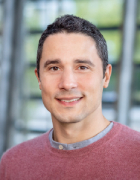
Marco Atzori is a Lecturer in the Department of Psychology at Santa Clara University, College of Arts and Sciences. He holds a Ph.D. in Biophysics from S.I.S.S.A./I.S.A.S., Trieste, Italy, with postdoctoral research at the University of Tennessee and NIH. His research focuses on neurophysiological mechanisms underlying neuropsychiatric disorders, emphasizing monoaminergic and neuropeptide modulation of synaptic transmission, inflammation’s impact on brain excitability, and translational models of autism, schizophrenia, and anxiety disorders. Key techniques include brain slice electrophysiology, in-vivo neurophysiology, and behavioral assays in rodent models. Education: B.S. Physics (1989, University of Trieste), M.Sci. Biophysics (1993, S.I.S.S.A.), Ph.D. Biophysics (1995, S.I.S.S.A.), and postdoctoral training (1996–2000). His work spans over 30 peer-reviewed articles in journals like Neuroscience , Journal of Neuroscience Research , and Frontiers in Synaptic Neuroscience , exploring topics such as nicotinic receptor pharmacology, cytokine-neurotransmitter interactions, and vagal nerve stimulation’s therapeutic potential. Research interests include the interplay between stress, inflammation, and synaptic plasticity in psychiatric conditions, with a focus on developing novel treatments targeting GABAergic and glutamatergic systems. His studies employ both in vivo and in vitro models to investigate attentional circuits, epilepsy mechanisms, and the role of environmental enrichment on cortical excitability. Laboratory techniques include advanced neuroimaging (MRI/spectroscopy), immunohistochemistry, and stress protocols (e.g., social defeat models). Collaborations with institutions like NIH and UT Memphis have supported his exploration of monoamine modulation in cortical circuits and the neurobiology of auditory processing.