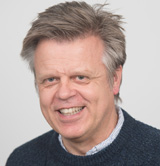
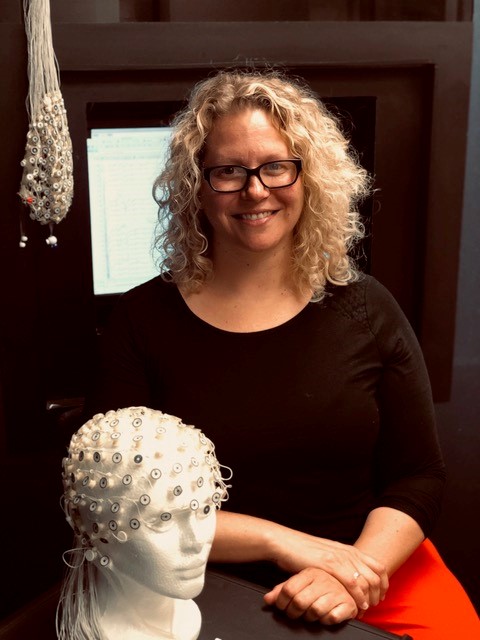
Prof. Waldemar Kolanus leads the Molecular Immunology and Cell Biology department at the University of Bonn's Life & Medical Sciences Institute (LIMES) . His research bridges immunoregulation , stem cell dynamics , and metabolic stress responses in immune cells. Unit 2 member at LIMES Principal investigator in SFB 704 and ImmunoSensation Cluster Leads a multidisciplinary lab with postdocs, PhD students, and technical staff His work focuses on intracellular signaling pathways connecting immune activation to tissue homeostasis, particularly through: Cytohesin proteins in integrin-mediated adhesion and migration TRIM71 in stem cell regulation and congenital hydrocephalus High-salt environments affecting macrophage function Publication trends show expertise in immune cell migration , genetic models , and chemical inhibition , with frequent use of mice and zebrafish for in vivo studies. Key articles explore: TRIM71's dual role in auditory development and germ cell maintenance Cytohesin family's Golgi regulation and insulin signaling Ruxolitinib's off-target migration inhibition of dendritic cells Contact details: Address: LIMES Institute, Carl-Troll-Straße 31, Bonn Email: kolanus.sekretariat@uni-bonn.de Phone: +49 228 73-62788
Thomas J. Jentsch is a leading Professor at the Leibniz-Forschungsinstitut für Molekulare Pharmakologie (FMP) in Berlin, with secondary affiliation to the Max Delbrück Center (MDC) . He holds dual doctorates in Medicine and Physics from Freie Universität Berlin and has pioneered research in ion transport physiology since co-founding the Center for Molecular Neurobiology Hamburg in 1988. Head of Jentsch Group at FMP since 2006 World leader in chloride channel research His research bridges molecular physiology and human genetics , focusing on: CLC family chloride channels/transporters VRAC/LRRC8 volume-regulated channels ASOR/TMEM206 acid-activated channels Pathologies: neurodegeneration, deafness, osteopetrosis, hypertension Recent work includes breakthroughs in VRAC channel structure (2023) and CLCN7 channelopathies (2024). His lab employs genetically modified mouse models and human mutation analysis to uncover disease mechanisms.
Dr. Scot Kristian Hill is a Professor in the Department of Psychology within Rosalind Franklin University's College of Health Professions, specializing in clinical neuropsychology and psychosis research. His work integrates neuroimaging, genetic analysis, and cognitive testing to investigate neurocognitive deficits in schizophrenia and related disorders. Education PhD in School Psychology, Ball State University (specializing in Clinical Neuropsychology) Postdoctoral Fellowship, Thomas Jefferson University Hospital Postdoctoral Fellowship, Brain Behavior Laboratory, University of Pennsylvania School of Medicine Research Focus : Dr. Hill's laboratory investigates the neural mechanisms of working memory dysfunction in psychosis, with emphasis on frontostriatal communications and electrophysiological markers. His team develops digital neuropsychological assessment tools and examines intermediate phenotypes across psychotic disorders using multimodal approaches including EEG, fMRI, and genetic analyses. Current projects explore cognitive heterogeneity in first-episode psychosis and neurotransmitter regulation at genetic and systems levels. Publication Trends : Recent work shows increasing focus on digital assessment tools (e.g., web-based performance validity tests), cognitive heterogeneity within diagnostic categories, and gene-treatment interactions in psychosis. Collaborative studies through the B-SNIP consortium dominate his schizophrenia research, while methodological innovations characterize his neuropsychological assessment publications. Awards NIMH National Research Service Award Fellowship NIMH Mentored Patient-Oriented Research Career Development Award NIH Clinical Research Loan Repayment Program Award Mentorship & Funding : Dr. Hill has trained 16 PhD graduates and currently supervises 5 graduate students across clinical psychology and counseling programs. His grant portfolio includes NIMH-funded investigations of neurocognition in first-episode schizophrenia, shared genetic liability in psychotic disorders, and cognitive effects of antipsychotic medications, with recent emphasis on digital phenotyping and tele-neuropsychology. Research Infrastructure : He leads the RFU Psychosis Research Laboratory and serves as a core investigator in the multi-site Bipolar and Schizophrenia Network on Intermediate Phenotypes (B-SNIP), conducting large-scale studies of cognitive and neurobiological markers across the psychosis spectrum.
Dr. Saima Riazuddin is a Professor at the University of Maryland School of Medicine, with joint appointments in Otorhinolaryngology-Head & Neck Surgery and Biochemistry & Molecular Biology. Her research focuses on the molecular genetics of inherited disorders, particularly hearing loss, vestibular dysfunction, intellectual disability, and Usher syndrome, utilizing human genetics, mouse models, and zebrafish models to identify disease-causing genes and elucidate their functional mechanisms. PhD in Molecular Genetics (University of Punjab, Pakistan) MPH in Leadership Management & Policy (University of Cincinnati) MBA in Business Administration (University of Cincinnati) Her lab investigates the genetic factors determining hearing sensitivity, pathogenic mutations affecting ear/eye structure, and molecular mechanisms of auditory/vision functions. Publications in Nature Genetics , Cell , and Molecular Psychiatry highlight discoveries in genes like TRIOBP , CIB2 , and ELMOD3 linked to deafness syndromes. Scientific accolades include the Medal of Honor from Pakistan's President. Research spans linkage analysis, functional gene characterization, and therapeutic design for genetic hearing/visual impairments.
Professor Kevin M O'Dell is a leading academic at the University of Glasgow , holding the title of Professor of Behaviour Genetics in the School of Life Sciences , Molecular Biosciences department . With over two decades of research spanning genetics, mitochondrial pathology, and neurobiology, his work has significantly advanced understanding of human genetic disorders through Drosophila melanogaster models. Specializes in sex-specific behavior and mitochondrial disease research Recipient of prestigious Wellcome Trust and BBSRC grants International conference speaker (USA, Belgium, France, England) Member of Genetics Society (1995-present) His research program integrates mitochondrial dysfunction studies with genetic rescue mechanisms , focusing on disorders like deafness and myotonic dystrophy. Key contributions include developing Drosophila models for human diseases and investigating gene dosage effects in phenotypic expression. Scientific awards and funding include: Wellcome Trust grant (2013-2015) for confocal microscopy BBSRC grant (2003-2006) for molecular biosciences research His publications demonstrate consistent leadership in mitochondrial disease modeling (2001-2014), with collaborative work spanning biochemistry, neurogenetics, and developmental biology. The research shows particular focus on ANT1 deficiency , oxidative phosphorylation defects , and temperature-sensitive neurological mutations .
Mette Bertelsen Vardrup is a Clinical Associate Professor in the Department of Clinical Medicine at the University of Copenhagen and a clinical geneticist at the Department of Clinical Genetics, Copenhagen University Hospital - Rigshospitalet. She serves as clinical coordinator and leads Ophthalmogenetics and Audiogenetics programs at the hospital, integrating clinical practice with academic research in medical genetics. Her research centers on genetic mechanisms of sensory disorders, with dual focus on hereditary eye conditions (including inherited retinal diseases, optic nerve atrophy, congenital cataracts, and glaucoma) and genetic hearing impairment (both syndromic and non-syndromic forms). This work bridges ophthalmology, audiology, and molecular genetics to develop precision diagnostic approaches for complex sensory disorders. Analysis of her 43 research outputs reveals consistent emphasis on genomic characterization of rare disorders, particularly retinitis pigmentosa variants, optic disc drusen, and achromatopsia. Her recent publications (2023-2025) demonstrate methodological integration of whole-genome sequencing, detailed phenotyping, and biomarker discovery across international collaborations, with significant contributions to understanding genotype-phenotype correlations in Danish patient cohorts.
George Taylor is a Professor in the Department of Psychological Sciences at the University of Missouri-St. Louis with an extensive research portfolio spanning behavioral neuroscience, neurodegenerative diseases, and cognitive function. His work from 2005-2019 demonstrates sustained scholarly productivity using sophisticated animal models to investigate neurological conditions and pharmacological interventions. Specializes in murine models of Infantile Batten Disease, characterizing Parkinson-like symptoms independent of dopaminergic dysfunction Investigates developmental neurotoxicity of anesthetics, showing neonatal isoflurane exposures induce neuroapoptosis with mild behavioral consequences Explores cognitive aging mechanisms and unexpected memory effects of low-dose memantine His research employs comprehensive behavioral assessments including water maze testing, running wheel performance, and auditory cue conditioning. Dr. Taylor maintains active collaborations with Washington University in St. Louis researchers and has mentored numerous students, contributing significantly to translational neuroscience with potential clinical applications for neurodegenerative conditions and pediatric anesthesia safety. 2015 Scientific Reports paper on Batten disease has 28 citation indexes Research bridges basic neuroscience with clinical relevance Methodological expertise in behavioral phenotyping of neurological conditions
Professor Karen Steel is a Professor of Sensory Function at King’s College London, affiliated with the School of Neuroscience and the Department of Genetics within the Institute of Psychiatry, Psychology & Neuroscience. Her research focuses on the genetics of deafness, particularly using mouse models to uncover molecular pathways underlying age-related hearing loss. She leads the Academic Head of Biological Services role and has received prestigious awards, including the Brain Prize (2012) and Fellowship in the Royal Society. Her work bridges basic science and clinical applications, aiming to identify therapeutic targets for hearing loss reversal. Key research interests include genetic mechanisms of hearing impairment, drug development for hearing loss, and translational studies in mouse models. Collaborators include leading institutions globally, such as the Medical University of South Carolina and the University of Sheffield. Notable achievements include reversing hearing loss in mice via gene activation and identifying critical genes like SPNS2 and WBP2. Recent projects include investigations into synaptic damage reversal, genome-wide knockout screens, and the role of microRNAs in auditory function. Her work contributes to Sustainable Development Goals related to health and well-being. Funding sources include Wellcome Trust, Action on Hearing Loss, and NIH.
Einat Liebenthal, D.Sc. is an Assistant Professor of Psychiatry at Harvard Medical School and Associate Director of the Functional Neuroimaging and Bioinformatics Lab in the Institute for Technology in Psychiatry at McLean Hospital. Her research focuses on understanding verbal and non-verbal communication through digital behavioral measures and multimodal neuroimaging techniques. Harvard Medical School - Department of Psychiatry McLean Hospital - Functional Neuroimaging & Bioinformatics Lab Institute for Technology in Psychiatry Education: BSc in Biology, Hebrew University (1990) MSc in Neuroscience, Hebrew University (1993) DSc in Neuroscience, Technion Israel Institute for Technology (1997) Post-Doctoral Fellowship in Speech Electrophysiology, Albert Einstein College of Medicine (1997-1999) Dr. Liebenthal's research centers on cognitive neuroscience approaches to understanding language and emotion processing. Her work investigates the functional organization of the human brain for spoken language perception and the abnormal interactions of language and emotion neurocircuits in psychotic disorders. She has pioneered naturalistic approaches for dynamic assessment of verbal and non-verbal communication in real-world settings, with applications for individuals with language impairments. Her research employs behavioral, multimodal neurobiological, and computational methods to characterize language at multiple levels and identify phenotypes of language malfunction in neurological and mental conditions. Analysis of Dr. Liebenthal's recent publications reveals a consistent focus on language processing in psychiatric disorders, particularly psychosis. Her work integrates multimodal neuroimaging (fMRI, EEG) with computational linguistics to develop digital phenotyping approaches for mental health assessment. Recent projects include movie-watching fMRI paradigms for language mapping, computational analysis of spoken language in psychosis, and development of the Dynamic Affective Movie Clip Database (DynAMoS) for emotion research. Her methodological contributions to EEG-fMRI integration and naturalistic neuroimaging approaches represent significant advances in the field. Dr. Liebenthal actively mentors students through research opportunities in her lab, with current projects focusing on naturalistic assessment of language and emotion, and movie-watching fMRI for mapping language and emotion brain networks. Her research is supported by the National Institutes of Health / National Institute on Deafness and Other Communication Disorders and the Brain & Behavior Foundation. She leads the Functional Neuroimaging & Bioinformatics Lab at McLean Hospital's Imaging Center, where her team develops innovative approaches to assess language and emotion functions in individuals with neurological and psychiatric disorders. The lab employs a multidisciplinary approach combining cognitive neuroscience, computational methods, and clinical psychiatry to create scalable, neuroscientifically-grounded diagnostic and interventional methods.
Caitlin Hudac is an Associate Professor in the Department of Psychology at the University of South Carolina, affiliated with the McCausland College of Arts and Sciences. She directs the Brain Research Across Development (B-RAD) Lab and co-leads the Carolina Autism and Neurodevelopment Research Center. Her work focuses on neurodevelopmental disorders, particularly autism spectrum disorder (ASD), using EEG/ERP, eye-tracking, and fMRI to study social brain development and genetic biomarkers. She emphasizes addressing health disparities through inclusive research methods, such as mobile EEG testing and community engagement. Dr. Hudac holds a Ph.D. in Developmental Psychology from the University of Nebraska-Lincoln (2014) and postdoctoral training at the University of Washington. Her research spans genetic etiologies of ASD (e.g., GRIN2B, SCN2A, DYRK1A mutations), social attention dynamics, and neurobehavioral interventions. She has secured grants totaling over $14 million, including NIH R01 and R15 awards. Her awards include the Theodore Tjossem Postdoctoral Award (2017) and recognition for DEI contributions. Her lab prioritizes diversity, equity, and inclusion, with trainings on autism research equity and family-centered approaches. Key projects include the HEALthy Brain and Child Development Study and Simons Foundation-funded biomarker initiatives.
Amanda Lauer is the George T. Nager Professor of Otolaryngology-Head and Neck Surgery at Johns Hopkins University School of Medicine, where she also serves as Vice Director of Faculty Affairs. She leads the Lauer Lab, which is part of the David M. Rubenstein Hearing Research Center and the Center for Hearing and Balance. Her research focuses on the neural mechanisms underlying hearing loss and auditory system plasticity. Using integrative approaches, her lab investigates how noise exposure, aging, and disease affect both peripheral and central auditory pathways. She employs behavioral, optogenetic, gene therapy, physiological, and anatomical methods to study synaptic changes and the protective role of efferent feedback systems. Neuroscience Training Program Center for Hearing and Balance T32 Otolaryngology Resident Research T32 Dr. Lauer co-directs the R25-funded Research Training Program in Otolaryngology and mentors undergraduate and medical students in summer research programs. Her lab emphasizes intellectual, cultural, and disciplinary diversity, with members from medicine, biology, biopsychology, and audiology. Collaborations span electrophysiology and molecular biology labs, enhancing the depth and breadth of auditory system analysis. The lab also conducts comparative studies across species to understand natural resilience to noise and hearing damage, including in humans. Dr. Lauer supports other research groups by characterizing auditory phenotypes in mouse models of rare diseases, neurological conditions, and developmental disorders.
Jason Tait Sanchez serves as Associate Professor and Director of Graduate Studies in the Department of Communication Sciences & Disorders at Northwestern University's School of Communication, where he is also a Fellow of the Hugh Knowles Center. His research focuses on neural mechanisms underlying auditory processing, with emphasis on time-coding in the brainstem. His educational trajectory includes a BA in Communication Disorders from the University of Northern Colorado, MA in Audiology and Speech Sciences from Michigan State University, PhD in Audiology and Neuroscience from Kent State University, and an Otolaryngology Fellowship at the University of Washington. Dr. Sanchez's research program centers on auditory neuroscience , specifically investigating synaptic transmission, ion channel function, and developmental specialization in the auditory brainstem using avian models. His work combines electrophysiological, anatomical, and computational approaches to unravel how neural circuits encode temporal information for sound localization and speech processing, with implications for hearing disorders and neural plasticity. Analysis of his 2015-2020 publications reveals a cohesive research trajectory examining intrinsic neuronal properties and ion channel mechanisms in the avian nucleus magnocellularis. His work demonstrates how specialized cellular features enable precise temporal coding, with applications spanning molecular neuroscience, clinical audiology, and computational modeling of auditory processing. His scientific recognition includes: 2019 Faculty Appreciation Recipient (Northwestern Athletics) 2017 & 2016 Northwestern University Faculty Honor Roll 2015 Clarence Simon Award for Teacher and Mentor 2014 Young Investigator Award (American Auditory Society) Dr. Sanchez directs the Central Auditory Physiology Laboratory and has secured significant research funding, including NIH/NIDCD R01 DC017167 (Molecular Mechanisms of Tonotopy Development) and R03 DC0103841 (Synaptic Function Regulation), alongside Knowles Hearing Research Center support. His grant portfolio reflects sustained investigation into developmental auditory neuroscience with translational potential. The Central Auditory Physiology Laboratory employs integrated approaches including in vivo electrophysiology, anatomical analysis, and computational modeling to investigate neural coding principles, with particular focus on how developmental processes shape auditory circuitry for precise temporal processing.
Ulrica Englund Johansson is a Senior Lecturer in Medical Science at Linnaeus University 's Faculty of Health and Life Sciences since 2021. She also holds an associate professor (docent) title in Neurobiology (2011) and continues experimental research at Lund University 's Faculty of Science since 2009. Education Medical Doctor (MD), Lund University (2000) PhD in Neurobiology, Lund University (2002) Associate Professor (Docent) in Neurobiology, Lund University (2011) Research Focus Her work spans neurobiology , neural stem cells , and biomedical engineering for neurological disease treatment. Key areas include: Pain Research Group - Investigating pain's impact on cognitive function Non-pharmacological Neurological Therapies - Exploring outdoor/nature-based interventions Retinal Research - Cellular interactions and inflammation studies Neural Transplantation - Stem cell migration and integration Nanotechnology Applications - Gold/silver nanoparticle effects Publication Trends (2013-2022) Her research demonstrates strong expertise in neural stem cell transplantation (15+ articles), nanoparticle interactions with retinal cells, and auditory nerve regeneration . Recurring themes include BDNF signaling , biomimetic scaffolds , and neuroinflammatory responses in experimental models. Academic Leadership Extensive experience in: Postgraduate education leadership (PhD committees, master's courses) Academic leadership program development Multidisciplinary collaboration in medicine , chemistry , nanotechnology , and electrophysiology Gender equality and workplace environment initiatives
Simon von Kroge is an Associate Professor in the Department of Osteologie und Biomechanik at the University Medical Center Hamburg-Eppendorf (UKE). His research focuses on bone quality disorders including osteoporosis, mineralization defects, and skeletal regeneration, with particular emphasis on biomechanical properties and therapeutic interventions for bone loss. Research interests include: Genetic and metabolic bone diseases Bone-cartilage interactions in osteoarthritis Biomechanics of spinal and joint implants Mineralization processes in auditory ossicles Sex-specific bone aging patterns His recent publications demonstrate strong interdisciplinary focus on: Preclinical models of rare bone disorders Advanced imaging analysis of bone microstructure Novel biomaterials for skeletal reconstruction Geriatric fracture biomechanics Mechanotransduction pathways in skeletal tissues
Emanuele Bernardinelli is a Research Associate at Paracelsus Medical University's Institute of Pharmacology and Toxicology, focusing on the molecular genetics of pendrin-related hearing disorders. His research investigates pathogenic mechanisms of SLC26A4 mutations in Pendred syndrome and non-syndromic hearing loss. He holds a Dr. rer.nat. and PhD, with research spanning protein biochemistry, genetic heterogeneity in hearing disorders, and therapeutic strategies targeting protein degradation pathways. Bernardinelli received the Silver (2018) and Bronze (2017) Research Awards from Paracelsus Medical University for outstanding contributions. His work utilizes cellular models, proteomic approaches, and genetic screening to study pendrin protein function and dysfunction. Recent publications explore ubiquitin-proteasome system interventions, novel genetic determinants of hearing loss, and mouse models of DFNB4/Pendred syndrome. Bernardinelli collaborates internationally on auditory research projects and contributes to large-scale genetic studies through the GALAH survey consortium. His methodology development includes novel approaches for studying pendrin's role in ENT disorders.