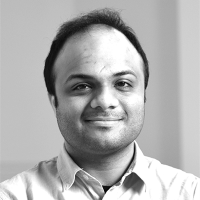
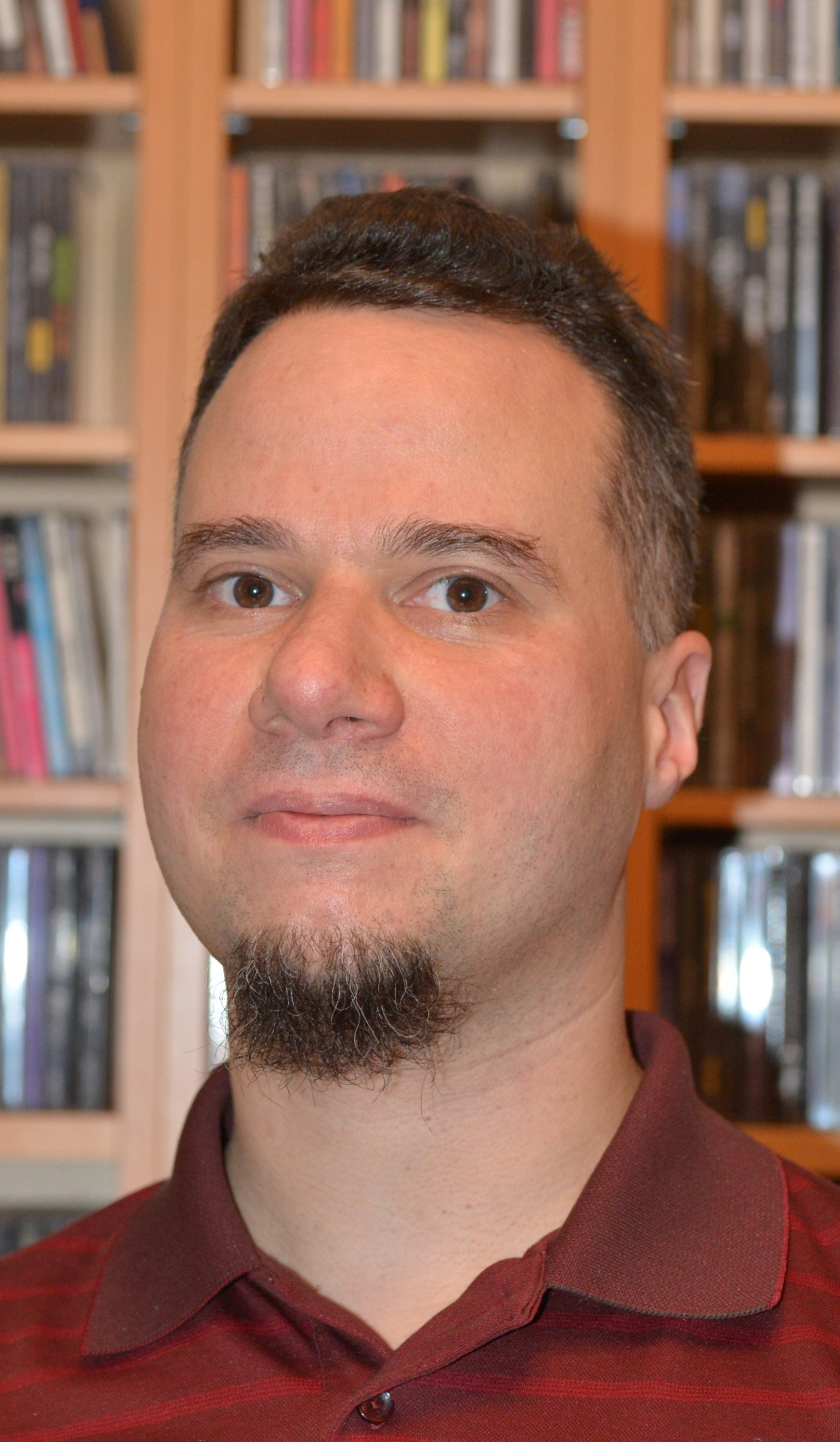
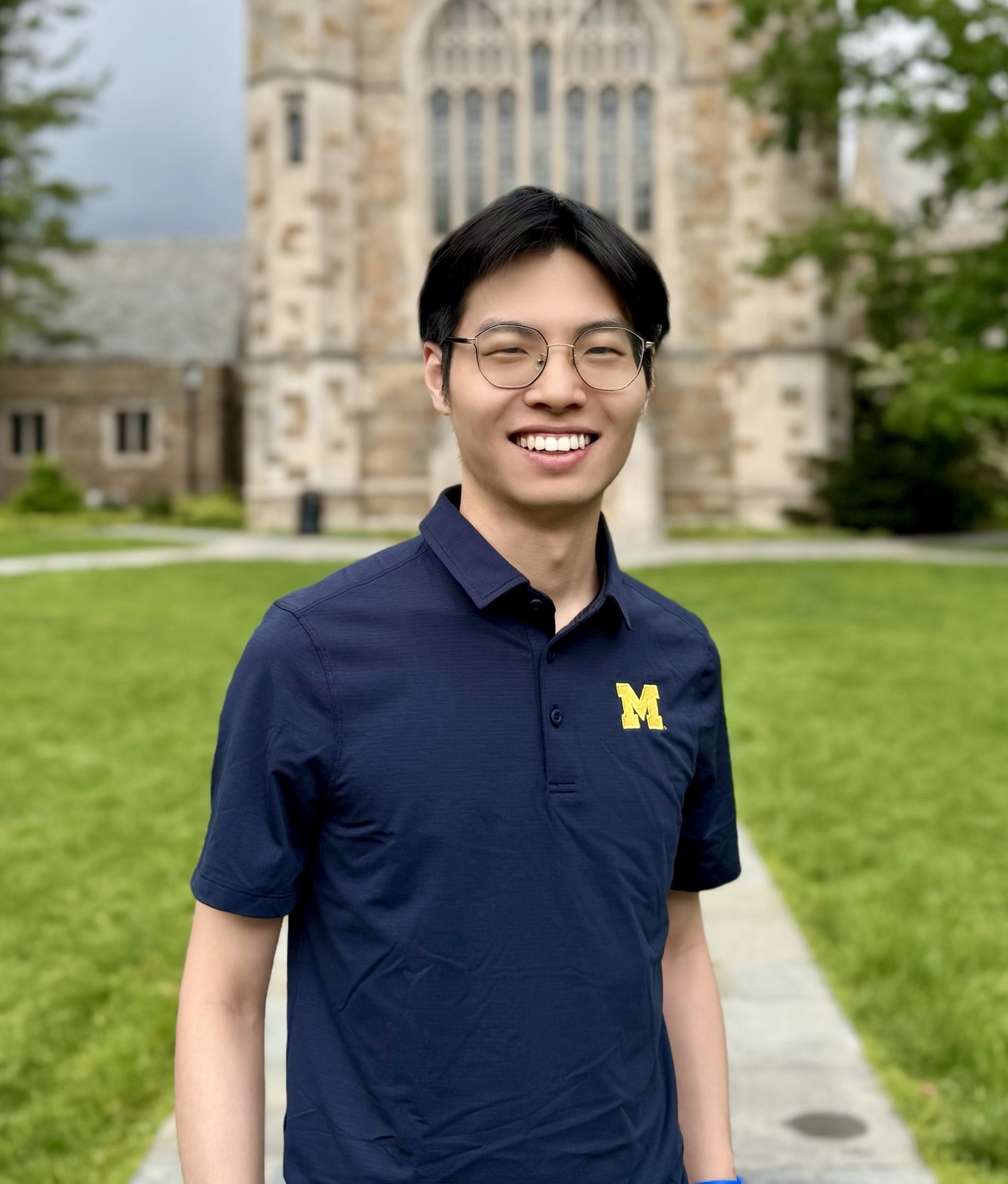
Michael Filimowicz is a Lecturer at Simon Fraser University's School of Interactive Arts and Technology, where he explores AI-generated media, sound design, and quantum information theory. He holds a PhD in Interdisciplinary Design from SFU, an MFA from SAIC, and a BA in Philosophy. Filimowicz is an award-winning AI artist whose work has been exhibited at SIGGRAPH and ArtTech. His research develops immersive displays ('Pixelphonics') and examines sensory interfaces across gaming and exhibitions. He has edited volumes on sound design and AI ethics. He teaches courses in game studies and digital photography, emphasizing creative applications of emerging technologies. Filimowicz's theoretical work bridges quantum physics, consciousness studies, and media poetics.
Robert Rowe is a Professor of Music Technology at New York University's Steinhardt School of Culture, Education, and Human Development, and an Affiliated Faculty member at NYU Abu Dhabi. He is a core member of the Music & Audio Research Laboratory (MARL), specializing in interactive music systems, algorithmic composition, and music cognition. His work bridges music technology, computer science, and artistic performance. Bachelor of Music in Music History & Theory (University of Wisconsin, 1976) Master of Arts in Composition (University of Iowa, 1978) Ph.D. in Music and Cognition (MIT Media Lab, 1991) Rowe's research focuses on interactive systems, real-time music processing, and the intersection of music with cognitive science and artificial intelligence. His compositions have been performed globally and are featured on multiple record labels. Key contributions include the books Interactive Music Systems (1993) and Machine Musicianship (2001), which explore computational approaches to music creation and performance. His recent work emphasizes distributed performance systems, emotion recognition in music, and the application of machine learning to interactive composition. Notable projects include Melting the Darkness (2014) and Arcturus (2006), which showcase real-time interaction between performers and computational systems. Awards : First Prize in the Bourges International Electroacoustic Music Competition (1990) Grants : Multiple grants from NYU and external institutions for research in music technology and cognition. Rowe has led initiatives in NYU’s Steinhardt School, including serving as Associate Dean of Research & Doctoral Affairs, and collaborates internationally with institutions like IRCAM (Paris) and the Sweelinck Conservatory (Amsterdam). His lab, MARL, develops cutting-edge tools for music analysis, generation, and performance.
Peter Vistisen is an Associate Professor at the Department of Communication and Psychology, Faculty of Social Sciences and Humanities, Aalborg University, Denmark. His interdisciplinary work bridges information technology and the liberal arts, with a focus on user-centered innovation, digital media, and design thinking. He is affiliated with InDiMedia (Centre for Interactive Digital Media & Experience Design) and involved in the MASSHINE research initiative. His research interests include: User-centered innovation and design thinking Digital innovation and strategic design Animation and sketching as tools in the innovation process Metaverse and experience technologies AI for the People and ethical digital design Interactive digital media in everyday life His recent publications reflect a strong trend toward interdisciplinary research combining digital media, health communication, sustainability, and cultural storytelling. Key themes include the use of animation in health and climate communication, XR onboarding systems, museum metaverses, and the domestication of digital tools in everyday life. His work often involves collaborative, user-driven design and explores how emerging technologies can be made accessible and meaningful. Scientific awards include: Årets Underviser (Teacher of the Year), 2020 Årets Brøl: Best App/Mobile Website, 2014 MÆRKK Prize: Best Master’s Thesis, 2011 He actively supervises students and leads research projects in digital innovation, public engagement, and experience design. His grants and projects often involve cross-sector collaboration with healthcare, cultural institutions, and public organizations. He is involved in multiple research centers and initiatives, including InDiMedia and MASSHINE, and frequently contributes to academic conferences, workshops, and public media discussions on digital culture and design. Notable research teams and labs: InDiMedia (Centre for Interactive Digital Media & Experience Design) MASSHINE Collaborative projects with healthcare and cultural sectors
Dr. Pranava Madhyastha is a Senior Lecturer in Artificial Intelligence at the Department of Computer Science, City, University of London, and a Principal Investigator at The Alan Turing Institute. He holds a PhD from Universitat Politècnica de Catalunya, Spain, and has held research positions at Imperial College London and the University of Sheffield. His primary research interests lie in multimodal machine learning, grounded representation learning, natural language understanding and generation, and their applications in machine translation, syntactic parsing, and language interaction. He explores how models can integrate signals from text, vision, and speech to improve language comprehension and production. The most recent publications highlight a strong focus on multimodal AI, visual analytics with large language models, prosody prediction, toxicity detection, and formal analysis of neural network capabilities in language tasks. His work bridges theoretical and applied aspects of AI, with contributions in top venues like ACL, EMNLP, ICML, and IEEE journals. Scientific Awards: No specific awards listed in the provided text. He advises several PhD students, including Maeve Hutchinson, Chenxi Whitehouse, Nadine El Naggar, Hadeel Al-Negheimish, and Chiraag Lala. His research is supported through academic collaborations and institutional affiliations, with no specific grants mentioned. He leads research activities at City and maintains a strong presence through publications and open research.
Institute of Dendrology, Polish Academy of SciencesPoland
Kamel K. Mohammed is a researcher affiliated with Al-Azhar University in Egypt, the Scientific Research Group in Egypt (SRGE), and Biomid Company. His work bridges biomedical engineering and artificial intelligence, with publications spanning medical image analysis, IoT security, and drone identification systems since 2021. His research focuses on applying deep learning to healthcare diagnostics, particularly in cancer detection (oral squamous cell carcinoma and lung cancer) and ear disease classification. He develops innovative solutions using transfer learning, CNN-LSTM architectures, and 3D segmentation techniques while addressing cybersecurity challenges in IoT networks through image-based malware detection and RF fingerprinting for drone identification. Publications from 2021-2023 demonstrate consistent output with an average impact factor of 5.2. His single-authored works (100% single authorship) have received institutional sponsorship from the Japan Society for the Promotion of Science, Princess Nourah Bint Abdulrahman University, and Universidad Carlos III de Madrid, each funding one 2023 publication. He operates within the Scientific Research Group in Egypt (SRGE) ecosystem, which appears to be a collaborative hub for biomedical and engineering research, and maintains industry ties through Biomid Company for applied technology development.
Riccardo Guidotti is an Assistant Professor (RTD-B) at the Department of Computer Science, University of Pisa, and a member of the Knowledge Discovery and Data Mining Laboratory (KDDLab), a joint research group with the Information Science and Technology Institute of the National Research Council (ISTI-CNR) in Pisa, Italy. His research spans explainable AI, personal data mining, clustering, and transactional data analysis. PhD in Computer Science, University of Pisa Master's Degree in Computer Science, University of Pisa (110/110 cum laude) Bachelor's Degree in Computer Science, University of Pisa (110/110 cum laude) His research interests include Explainable AI , Personal Data Mining , Clustering , and Transactional Data Analysis . He focuses on making AI systems interpretable and understandable, especially through local and global explanation techniques applied to behavioral and mobility data. His work bridges theoretical models with real-world applications in retail, mobility, and social networks. The recent publications highlight a strong trend in explainability of black-box models , with emphasis on rule-based and exemplar-driven methods. His work extends to temporal pattern discovery , privacy risk assessment , and software engineering analytics , demonstrating interdisciplinary reach across AI, data science, and human-centric systems. Scientific awards received: IBM Fellowship Award (2014) ISTI Young Researcher Award (2016, 2017, 2018, 2019) Next Generation Data Scientist Award (NGDS 2018) He has contributed to teaching courses such as Data Mining, Logic Programming, and Advanced Data Mining topics. He has been involved in major EU-funded projects including SoBigData++, XAI, AI4EU, and HumanE-AI-Net, where he contributes to advancing explainable and ethical AI. He collaborates extensively within the KDDLab, focusing on knowledge discovery and data-driven decision-making. His lab work emphasizes scalable, interpretable, and socially aware data mining systems.
Markus Schedl is a Full Professor at Johannes Kepler University Linz , Austria, where he leads the Multimedia Mining and Search (MMS) group within the Institute of Computational Perception . He also heads the Human-centered Artificial Intelligence (HCAI) group at the Linz Institute of Technology (LIT) AI Lab . Education: Computer Science (TU Wien), PhD (JKU Linz), Master's in International Business Administration (WU Wien, University of Gothenburg) Research Interests span recommender systems , information retrieval , algorithmic fairness , user modeling , and machine learning . His recent publications focus on: Multimodal and hybrid AI for human-centric personalization Context-aware music recommendation and emotion recognition Graph neural networks for session-based recommendation Technical and regulatory compliance in fair, transparent, and privacy-preserving systems Projects are funded by the Austrian Science Fund (FWF) , Austrian Research Promotion Agency (FFG) , and European Commission (EC) . He maintains industry collaborations with Siemens, Spotify, and Deezer. Teaching includes courses like Introduction to Machine Learning and Social Media Mining and Analysis at JKU, with guest lecturing experiences at Pompeu Fabra, Queen Mary London, and KTH Stockholm. Labs & Teams: MMS group at JKU's Institute of Computational Perception and HCAI group at LIT AI Lab.
Dr. Morgan Harvey is a Senior Lecturer in Data Science at the University of Sheffield's School of Information, Journalism and Communication. He holds a PhD from the University of Strathclyde (2011) and has held academic roles in the UK, Germany, and Switzerland. His research bridges systems-centric and user-centered Information Retrieval (IR), focusing on recommender systems, mobile search behavior, and health informatics. He has secured over £2.5 million in research funding, including an AHRC grant for historical record transcription using machine learning. Research interests include: information retrieval, recommender systems, health behavior nudging, mobile search interruptions, and digital government services. Recent projects include using AI to promote sustainable eating and analyzing the impact of distractions on mobile search tasks. He supervises PhD students in areas like healthy food recommendation systems and health information seeking on social media. His work is published in top journals like JASIST and Information Processing & Management. He is a member of the Information Retrieval Research Group and teaches modules like Database Design and Information Retrieval.
Nicola Dibben is a Professor of Music and Faculty Director of Research and Innovation at the School of Languages, Arts and Societies, University of Sheffield. Her work bridges music cognition, popular music studies, and music digitalisation, with a focus on AI music generation, environmentalism, and social justice. Her research explores how music engagement shapes identity, emotions, and environmental values, including collaborations with Björk on the Biophilia album-app and projects like MIMA (Machine Intelligence for Music and Audio). She investigates ethical AI tools for musicians and the psychological impacts of synthetic media. Key Research Areas: Music and AI (assistive technologies, voice conversion) Environmentalism in music (Iceland, Colombia collaborations) Embodied cognition (facial surgery effects, prosociality studies) Digital transformations (VR, tablet-based music) Scientific Awards: Honorary Doctorate, University of Oslo (2022) Fellow of the Higher Education Academy (FHEA) She supervises doctoral candidates in music cognition, transgender singer experiences, and music's role in environmentalism. Her work includes Datasounds (AHRC-funded) and MiMA (Machine Intelligence for Music and Audio).
Roberto Gil Pita is a Professor at the University of Alcalá (Spain), affiliated with the Department of Signal Theory and Communications. He leads the AES3 research group focusing on acoustic and electromagnetic smart sensor networks and signal processing applications. His doctoral work (2006) centered on radar target classification using statistical and AI methods under the supervision of Dr. Manuel Rosa Zurera. His research spans signal processing, machine learning, and their applications in aerospace, biomedical systems, and smart cities. Key areas include UAV detection, emotion recognition from speech, and acoustic localization using microphone arrays. His academic background includes a doctorate from the University of Alcalá and extensive contributions to wireless acoustic sensor networks, hearing aid signal processing, and bioimpedance spectroscopy. He has developed energy-efficient algorithms for real-time audio analysis, acoustic violence detection systems, and robust methods for speech enhancement in noisy environments. His work bridges theoretical signal processing with practical engineering solutions for defense, healthcare, and urban monitoring. Research interests extend to aeroelastic flutter analysis in aviation, wearable biomedical sensors for stress assessment, and data-driven approaches for sound environment classification. He has pioneered the use of deep learning in flutter testing and acoustic event classification, contributing to datasets like REALISED for benchmarking machine learning models. Notable projects include acoustic localization of drones using microphone arrays, real-time emotion detection systems, and collaborative research in smart healthcare technologies. His work emphasizes computational efficiency and energy conservation, particularly for embedded systems and battery-operated devices.
Patrick LeMieux is an Associate Professor in the Department of Cinema and Digital Media at the University of California, Davis, within the College of Letters and Science. He is a media artist, game designer, and electronic musician whose work explores the intersections of game studies, media theory, and digital art. His creative and scholarly practice investigates the materiality of technical media, community histories of play, and the politics of digital culture. Education: Ph.D. in Media Arts and Sciences, Duke University M.F.A. in Digital Media Art, University of Florida, Gainesville B.E.D. in Visualization Science, College of Architecture, Texas A&M University LeMieux's research centers on game studies, media theory, audio production, and artmaking. He examines how games function beyond entertainment—engaging in metagaming, modding, and alternative interfaces. His work often critiques the boundaries of games, exploring speedrunning, esports, modular synthesis, and installation art. He is particularly interested in the social and political dimensions of play, as seen in projects like the Octopad and True Blue . His recent publications and artworks reflect a deep engagement with digital culture, from algorithmic manipulation of image search to reimagining classic games as collaborative experiences. Themes across his work include accessibility, media archaeology, and the material practices of digital media. His co-authored book Metagaming is a foundational text in critical game studies. Scientific Awards: No formal awards listed in the text. LeMieux has advised and mentored students through courses such as CDM 198 and TCS 198 (Modding), where students engage in hands-on media experimentation. He has secured project visibility through exhibitions and conferences rather than traditional grants. His collaborative work with Stephanie Boluk highlights his interdisciplinary approach. Labs and Teams: He collaborates with Stephanie Boluk on metagames and publications. He has exhibited with collectives such as Control Alt Play and alt.ctrl.gdc, indicating active participation in experimental game communities. His lab-like practice involves hardware modding, software development, and gallery installations, often centered in the Art Building at UC Davis.
Ke Sun is an Assistant Professor in the EECS Department at the University of Michigan, Ann Arbor. His research develops intelligent, deployable sensing systems for mobile, wearable, and IoT ecosystems, with applications in HCI, cybersecurity, health monitoring, and robotics. His work has been implemented in commercial devices like Amazon Echo and Google Home. Research spans: HCI for Mobile/IoT : Touch/gesture sensing (VSkin, RFCanvas) Cybersecurity : Privacy protection against eavesdropping (EveGuard, StealthyIMU) Health/Environmental Sensing : Vital sign monitoring (LoEar), activity logging (EgoADL) Wireless/Robotics : mmWave radar navigation (milliEgo), acoustic temperature sensing (VECTOR) Publication trends show consistent focus on acoustic/wireless sensing (13/15 papers), cybersecurity (5/15), and cross-modal AI fusion. Recent work explores adversarial ML attacks and LLM vulnerabilities. Awards include: Google Ph.D. Fellowship (2023) UbiComp Distinguished Paper Award (2023) ACM SenSys Best Poster Runner-up (2020) ACM-ICPC Asia Gold Medal (2015) Industry collaboration includes three internships at Amazon Lab126 where his research influenced Echo device development. He serves on program committees for ACM MobiSys/SenSys and organized the ICLR ML for IoT Workshop.
Ryen W. White is a Partner Research Director and Deputy Lab Director at Microsoft Research in Redmond, leading the LEAP (Language, Learning, Audio, Privacy) research area. He also serves as an Affiliate Full Professor at the University of Washington. His research focuses on multi-agent systems (AutoGen), action engines, and computational health. He has contributed to Microsoft products like Bing, Xbox, and Azure. Recognized as an ACM Fellow (2021), he leads roles in ACM SIGIR and ACM Transactions on the Web. He chairs conferences such as CHIIR and has received awards including the Tony Kent Strix Award (2022) and multiple SIGIR Best Paper awards. His PhD from the University of Glasgow (2005) was awarded the BCS Distinguished Dissertation Award. Education: PhD in Computing Science, University of Glasgow (2005) Key Roles: Vice Chair of ACM SIGIR, Editor-in-Chief of ACM Transactions on the Web Research Interests: Exploratory search, human-computer interaction, and generative AI in search systems. His work bridges theoretical contributions with practical applications in healthcare, gaming, and enterprise tools. Recent focus areas include task intelligence frameworks and ethical AI integration. Awards: SIGIR 2023 Test of Time Award, SIGIR 2022 Test of Time Award, SIGCHI Academy Membership Leadership in organizing conferences like SIGIR, CHIIR, and WWW. Co-authored influential books on information access and search systems. Advised PhD committees at top institutions and continues to drive interdisciplinary research collaborations.
Dr. Gérard Chollet is a Professor at Telecom SudParis, associated with the SAMOVAR laboratory. His research focuses on speech processing, biometrics, privacy-preserving AI, and assistive robotics. He leads projects like the EMPATHIC virtual coach for aging populations and the Roberta IRONSIDE robot assistant. Key contributions include audiovisual identity verification, low-resource ASR systems, and privacy-conscious machine learning frameworks. His work spans over 20 years with publications in top journals and conferences, emphasizing healthcare technology and multimodal human-machine interaction. Education: Not explicitly stated in text, but expertise implies advanced degrees in electrical engineering or computer science. Research Interests: Speech recognition, audiovisual biometrics, privacy in AI, assistive robotics, and end-to-end machine learning. Recent work emphasizes ethical AI, healthcare applications, and secure cloud computing. Grants & Collaborations: Involved in EU projects (e.g., EMPATHIC, IRONSIDE). Collaborates with industry partners (e.g., SpeechMorphing Inc., University of Surrey) and global institutions (e.g., University of Tsukuba, MIT). Lab/Team: SAMOVAR lab at Telecom SudParis, focusing on media and networks research. Active in cross-disciplinary teams for health tech and AI ethics.
Dijana Petrovska is a Lecturer at Telecom SudParis, part of the Université Paris-Saclay. Her work focuses on biometric systems, medical diagnostics, and privacy-preserving technologies. She has contributed to projects like the EMPATHIC Virtual Coach, aimed at improving elderly health through AI-driven virtual assistants. Her research interests include facial recognition, speech processing, and cryptographic key regeneration using biometrics. Notably, she has pioneered methodologies for early-stage Parkinson's disease detection via facial action units and voice analysis. She also explores secure authentication systems combining biometrics with cryptography, emphasizing privacy preservation. Publications span over two decades, with recent work emphasizing cross-disciplinary applications of AI in healthcare and security. While no specific academic awards are listed, her impactful contributions to the field of biometric and medical AI are evident through her prolific publication record and active project leadership. Her involvement in collaborative projects like SpeechXRays and EMPATHIC demonstrates a commitment to bridging technical innovation with real-world societal needs. Though no student advisees are listed, her work likely impacts both academic and industry research ecosystems.