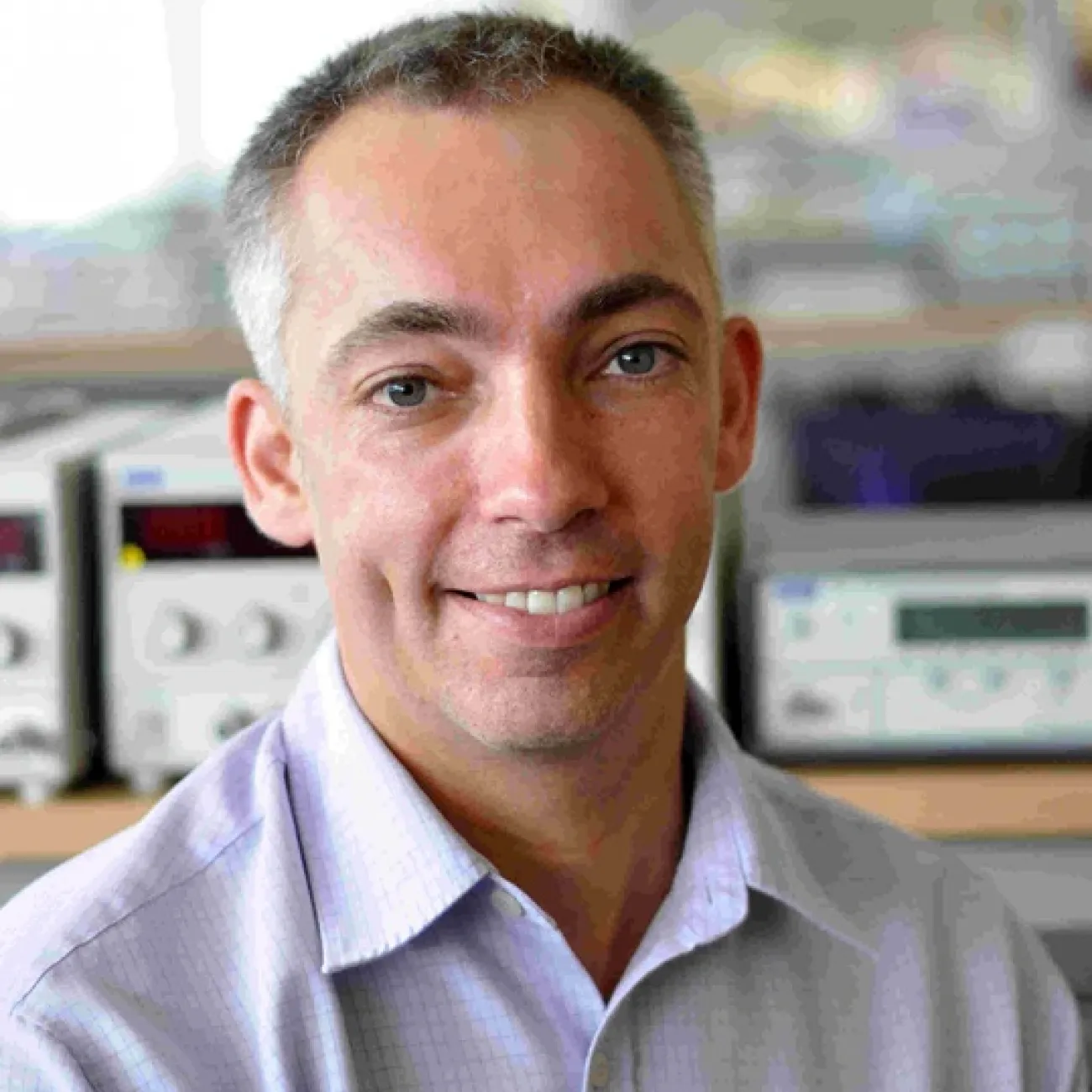
Professor Stephen Beeby is a leading academic at the University of Southampton in the Electronics and Computer Science department. His research spans Electronic Textiles , Flexible Electronics , and Energy Harvesting technologies. Research Focus: His work emphasizes the integration of smart printable materials into fabrics, enabling invisible wearable technologies . Projects include energy-harvesting insoles , skin hydration sensors , and thermoelectric devices for sustainable power. Recent Publications highlight advancements in zinc oxide nanoparticle films , flexible antennas , and gold-tooled e-textile circuits , reflecting his interdisciplinary approach to biomedical monitoring and smart clothing . Scientific Honors: Royal Academy of Engineering Chair in Emerging Technologies Fellow of IEEE (FIEEE) Fellow of Institute of Physics (FInstP) Fellow of Institution of Engineering and Technology (FIET) PhD Students: Supervising 10 active PhD candidates in areas like flexible sensors , smart garments , and energy-harvesting systems . Labs & Collaborations: Core member of the Centre for Flexible Electronics and E-Textiles (C-FLEET) and collaborates with European Union-funded initiatives like EnABLES and TEAM-NANO .
Dr. Paula Gonzalez-Figueroa is a Research Fellow at the Clinical Hub for Interventional Research (CHOIR) in the College of Health and Medicine at The Australian National University (ANU). She holds a PhD in Medical Sciences from ANU and completed postdoctoral research at the John Curtin School of Medical Research (ANU) and the Francis Crick Institute (UK). Her research focuses on immunology, autoimmunity, allergy, and clinical translation. Education: PhD in Medical Sciences (ANU), Biotechnology degree. Research Interests: Regulatory T cells, germinal centers, B cell biology, neuritin-based therapies, preclinical drug testing, and early-phase clinical trials. Affiliations: CHOIR (Researcher), Polizzotto Group, Genome Sciences and Cancer Division. Her work includes developing a neuritin-based biotherapeutic for allergies and autoimmune diseases, and leading preclinical/Phase I clinical programs for hematological cancers. She has contributed to studies on Tfr cell regulation, IgE responses, and germinal center dynamics. Publications span immunology, molecular biology, and translational research, with notable contributions to Nature Immunology , Cell , and Journal of Experimental Medicine .
Brent Page is an Associate Professor (tenured) in the Faculty of Pharmaceutical Sciences at the University of British Columbia (UBC) and maintains a research group at the Karolinska Institute , Department of Oncology and Pathology. His dual affiliation underpins a trans-Atlantic program that integrates cutting-edge chemical biology with medicinal chemistry for anti-cancer drug discovery. Education & Training PhD in Chemistry – University of Toronto (2013) HBSc in Chemistry (Honours) – University of British Columbia (2008) CIHR Postdoctoral Fellow – Karolinska Institute, Sweden (2008–2016) Assistant Professor (non-independent) – Karolinska Institute, Department of Oncology-Pathology (2017–2021) Research Focus Dr. Page’s laboratory operates at the interface of medicinal chemistry and chemical biology , aiming to identify and optimize small-molecule inhibitors for proteins previously considered “undruggable.” Core targets include STAT3, CLIC3, NUDT5/15 and SRPK3 . The group employs cellular thermal shift assays , isothermal ligand-induced resolubilization (ILIRA) , and CeTEAM technologies to quantify target engagement and refine structure–activity relationships in physiologically relevant models of breast cancer, triple-negative breast cancer, leukemia and atopic diseases . Funding & Collaborations His program is supported by Canadian Institutes of Health Research (CIHR) and other national and international agencies. Dr. Page actively participates in UBC’s Accelerated Translational Opioid Research Cluster and welcomes interdisciplinary collaborations and undergraduate research involvement. Equity, Diversity & Inclusion Committed to fostering an inclusive environment, Dr. Page mandates EDI training for all lab members and actively encourages participation from equity-deserving groups.
Aleksandr (Sasha) Aravkin is Associate Professor in the Department of Applied Mathematics and Adjunct Associate Professor of Health Metrics Sciences, Mathematics, and Statistics at the University of Washington. He serves as Director of Mathematical Sciences at the Institute for Health Metrics and Evaluation (IHME), where he leads the Mathematical Sciences and Computational Algorithms team and contributes to strategic direction for applying mathematical sciences to analytic challenges. Dr. Aravkin earned his PhD in Mathematics (Optimization) and MS in Statistics from the University of Washington in 2010, following a BSc in Mathematics and Computer Science in 2004. His educational background forms the foundation for his interdisciplinary research approach. His research expertise spans large scale optimization, machine learning, data science, convex and variational analysis, algorithm design, robust statistics, inverse problems, and uncertainty quantification . These methodologies are applied across diverse domains including health metrics, computational medicine, tracking and navigation, seismic imaging, computational finance, and neuroscience. Dr. Aravkin has pioneered approaches for fusing physics-based and data-driven models, enabling innovative solutions to complex problems. Dr. Aravkin's publication record demonstrates a strong focus on health metrics and Global Burden of Disease studies, with recent work emphasizing meta-analytic approaches for risk-outcome relationships. His research spans epidemiological modeling, health effects of various exposures, and forecasting disease burden across populations. The publications reveal a consistent pattern of high-impact work in top journals including The Lancet and Nature Medicine, often addressing critical public health questions through rigorous statistical and mathematical frameworks. At IHME, Dr. Aravkin has led significant projects including the Burden of Proof Studies (2019-2024) which analyzed 153 risk-outcome pairs, and COVID-19 Modeling (2020-2023) where his team developed forecasting models and excess mortality estimation methods. He has also been instrumental in developing the Evidence Score model, requiring novel algorithmic approaches. His work bridges theoretical mathematical sciences with practical applications to improve global health policy and practice.
Alex V. Levin, M.D., M.H.Sc., serves as Professor in the Department of Ophthalmology at the University of Rochester School of Medicine and Dentistry, holding the Adeline Lutz - Steven S.T. Ching, M.D. Distinguished Professorship. He concurrently holds joint appointments in the Center for Visual Science and the Department of Pediatrics, Genetics. As Chief of the Flaum Eye Institute's Pediatric Ophthalmology and Ocular Genetics team and Chief of Clinical Genetics at URMC, he leads cross-functional teams comprising ophthalmologists, optometrists, pediatric specialists, geneticists, nurses, and genetic counselors. Medical Degree: Jefferson Medical College Residency: Pediatrics at Children's Hospital of Philadelphia Residency: Ophthalmology at Wills Eye Hospital Fellowship: Pediatric Ophthalmology and Strabismus at Toronto's Hospital for Sick Children Masters of Health Science in Bioethics: University of Toronto (2001) Dr. Levin's research spans ocular genetics and gene therapy, children's vision screening, pediatric glaucoma/cataract/uveitis, ocular manifestations of child abuse, and bioethics. His work integrates clinical expertise in pediatric anterior segment eye conditions with scientific investigation into genetic eye diseases. He maintains the only simultaneous US Board Certifications in pediatrics, ophthalmology, and child abuse pediatrics worldwide. Analysis of his 15 most recent publications reveals predominant focus on genetic eye disorders (73%), with significant emphasis on retinal hemorrhage patterns in trauma (13%) and pediatric glaucoma (7%). His research demonstrates consistent translational application from basic science to clinical practice, particularly in ocular genetics and abusive head trauma diagnostics. Resident Guardian Award (2022) Edward A. Jaeger and John B. Jeffers Citizenship Award (2020) Albert Marquis Lifetime Achievement Award (2018) Al Biglan Medal in Pediatric Ophthalmology (2014) Ray E. Helfer Society Award for Child Abuse Research (2011) With over 35 years of experience and hundreds of peer-reviewed publications, Dr. Levin has secured funding from the National Institutes of Health, Canadian Institute of Health, and private foundations. His research portfolio demonstrates exceptional continuity in pediatric ophthalmology and ocular genetics, with recent emphasis on deep learning applications for retinal hemorrhage analysis and international registry development for childhood glaucoma. He has established comprehensive vision screening programs for underserved urban populations and pioneered ethical frameworks for genetic testing in pediatric ophthalmology. Dr. Levin directs the Ocular Genetics Program at URMC, which provides multidisciplinary care through the Pediatric Ophthalmology and Ocular Genetics team. His laboratory investigations focus on nascent chromatin structure in fibrosis and protein modeling for inherited retinal diseases, with active collaborations across the Montalcino Aortic Consortium and Sturge-Weber Foundation research networks.
Nicole M. Nielsen is an Assistant Professor in the Department of Pharmacy Practice at the School of Pharmacy and Health Professions, Creighton University. Her academic role focuses on advancing pharmacotherapy education and clinical practice, particularly in ambulatory care settings. She holds expertise in dermatology, diabetes management, and innovative educational methodologies such as team-based learning and virtual escape rooms. Nielsen holds a PharmD degree and is a Board Certified Ambulatory Care Pharmacist (BCACP), along with certifications in Advanced Pharmacy Practice (APh) and Medical Education in Health Professions (MEHP). Her research interests span dermatological pharmacotherapy, diabetes therapeutic strategies, and improving educational outcomes through active learning techniques. She has contributed to case-based learning resources in atopic dermatitis and explored the use of innovative teaching tools to enhance student engagement and proficiency. Diabetes Management: Presented on SGLT2 inhibitors in kidney disease and evolving diabetes treatments. Educational Innovations: Developed virtual escape rooms and paperless team-based learning frameworks. Awards: Faculty Advisor of the Year West Coast University Outstanding Student Organization Advisor Award California Health Science University Natural Standard Research Collaboration Award Advising & Grants: Advised student projects on mentorship programs and civic engagement in Fresno County. Her work emphasizes interprofessional collaboration and student professional development.
Catherine Bert is a Researcher affiliated with the University of Namur (UNamur), based in the Center for Vulnerabilities and Societies Transitions within the Philosophical Space of Namur. She holds a Doctorate in Philosophy (UNamur) and multiple diplomas in Sociology, International Relations, and Comparative Politics from Université catholique de Louvain (UCL). Her academic roles include being a Professor of Philosophy, Ethics, Anthropology, and Sociology at the IES Parnasse-Deux-Alice in Brussels, a member of the ethics committee at CHR de la Haute Senne, and an editorial board member of the journal Les politiques sociales . Research Interests: Dr. Bert specializes in clinical ethics, bioethics, and pandemic-related healthcare ethics. Her work intersects with sociological and anthropological perspectives, focusing on solidarity practices, care ethics, and gender-based violence in medical contexts. She actively contributes to the United Nations Sustainable Development Goals, particularly in eradicating poverty and promoting health equity. Projects & Activities: She has led or collaborated on projects like the 'Universality of Values in Bioethics' and 'Virtue Ethics in Care Practices Analysis'. Her research spans ethical dilemmas in healthcare, including reproductive rights and pandemic response. She frequently participates in workshops, conferences, and colloquia on ethics and healthcare, such as the 'Certificat interUniversitaire en Éthique des Soins de Santé (CUESS)'. Publications: Her recent work addresses solidarity initiatives, crisis care ethics, and gender violence in reproductive healthcare. She also explores molecular mechanisms in skin diseases, including fungal infections and epidermal barrier dysfunction. Affiliations & Roles: Beyond academia, she advises on ethical committees and editorial boards, emphasizing translational ethics into policy and practice.
Professor Sinead Langan is a leading clinical epidemiologist at the London School of Hygiene & Tropical Medicine (School of Epidemiology and Population Health, Department of Non-communicable Disease Epidemiology). She maintains dual roles as a clinical dermatologist at St John's Institute of Dermatology, Guy's and St Thomas' Hospital, and as academic director for Health Data Research UK London. Queen's University Belfast (MD) - 2005 University of Nottingham (PhD) - 2011 University of Pennsylvania (Visiting Scholar) - Postdoctoral Her research spans two critical domains: Immune-Mediated Inflammatory Conditions : Leading groundbreaking work on atopic eczema and psoriasis using 17 million patient records through OpenSAFELY platform, revealing novel associations between severe eczema and cardiovascular outcomes Health Data Methodology : Co-founder of the RECORD initiative (www.record-statement.org) that establishes international standards for observational health data reporting Recent publications analyze: Gene-environment interactions in eczema Development of standardized protocols for routine health data analysis Cardiovascular risks in inflammatory skin diseases Long-term developmental impacts of atopic disease Pandemic effects on healthcare delivery Key awards include: Fellow of Association of Physicians (2025) National Clinical Impact Award (2022-2027) ONS Excellence & People's Choice Awards (2022) British Society Medical Dermatology Prize (2022) She directs: Coronavirus School Infection Survey (150 schools) NHS indirect effects monitoring during pandemic
Mohammadali Khan Mirzaei serves as Vice Head of Research Unit and Team Leader at the Institute of Virology, Helmholtz Zentrum München and Technical University of Munich since May 2022. Previously held Senior Postdoctoral Researcher (2019-2022) and Postdoctoral Researcher (2016-2019) positions at the same institutions and McGill University respectively. His research focuses on phage-host interactions for developing therapeutics against drug-resistant infections and microbiome engineering. Utilizes Single-cell techniques Multi-omics approaches Metabolic labeling Advanced model systems to investigate bacteriophage applications in human health contexts including gut microbiota modulation and inflammatory diseases. Recent publications demonstrate strong emphasis on phage therapy translation , with key contributions in ulcerative colitis treatment, microbiome westernization effects on cancer risk, and novel phage preservation technologies. Research bridges fundamental virology with clinical applications targeting multi-drug resistant pathogens. Academic trajectory includes Ph.D. in Molecular Genetics from Stockholm University (2016) with thesis on "The efficacy of bacterial viruses against multi-resistant Escherichia coli: from isolation to Pharmacology" , following M.Sc. research on phage isolation against resistant E. coli strains.
Michael J. Jacobson Jr. is a Professor in the Department of Computer Science at the University of Calgary. He also serves as Deputy Director of ISPIA and Director of the Information Security Program. His research focuses on computational number theory and its applications to public-key cryptography, including the development of efficient algorithms for arithmetic in class groups of number fields and algebraic curves. His work aims to enhance cryptographic protocol efficiency while improving security through algorithmic advancements and benchmarking. His research interests span cryptographic protocol design, discrete logarithm problem analysis, and the interplay between number theory and cryptography. Notable contributions include studies on divisor arithmetic on hyperelliptic curves, class group computations in quadratic fields, and the security implications of cryptographic systems. Recent publications highlight his interdisciplinary work in both cryptography and medical informatics, including studies on clinical trial methodologies for dermatological conditions. He has also contributed to foundational research in computational algebraic geometry and algorithm optimization for cryptographic applications. Michael has received no publicly listed scientific awards in the provided texts. His advising and grants include collaborations on topics ranging from cryptographic infrastructure to clinical trial design. He leads the Information Security Program at the University of Calgary, fostering interdisciplinary research in cybersecurity and algorithmic security.
Professor Graham Ogg is a leading academic at the University of Oxford, where he serves as Professor of Dermatology and leads the Skin Immunology Group. His research focuses on cutaneous immunity, particularly the role of CD1a-restricted T cells in inflammatory skin diseases. He is affiliated with the MRC Human Immunology Unit and MRC Weatherall Institute of Molecular Medicine, driving translational research on lipid antigen presentation and skin immune responses. Professor Ogg's investigations center on molecular mechanisms of skin inflammation, with emphasis on CD1a-mediated T cell activation and its implications for atopic dermatitis, psoriasis, and vaccine development. His work bridges fundamental immunology with clinical applications, exploring how lipid metabolism influences immune pathways in barrier tissues. Research themes include: CD1a-lipid interactions in cutaneous inflammation Therapeutic modulation of skin-specific T cell responses Translational models for dermatological drug delivery Immune mechanisms in allergic skin disorders Analysis of his recent publications (2024-2025) reveals dominant research streams: 1) Clinical dermatology focusing on systemic therapies for atopic eczema, 2) Immunological studies of dengue pathogenesis and metabolic interactions, 3) COVID-19 sequelae and immunity dynamics, and 4) Fundamental T cell biology in autoimmune/inflammatory contexts. This corpus demonstrates interdisciplinary integration of dermatology, virology, and immunometabolism. His scientific recognition includes: Fellowship of the Academy of Medical Sciences (FMedSci) Professor Ogg directs the Skin Immunology Group at the MRC Weatherall Institute, coordinating translational projects that investigate cutaneous immune circuits. The team employs single-cell analysis, spatial transcriptomics, and immunological profiling to dissect skin-specific immune responses, with ongoing work exploring CD1a-targeted therapeutic strategies.
Remy Robert is an Associate Professor in Physiology at Monash University, affiliated with the Monash Biomedicine Discovery Institute. His primary role is in the Department of Molecular Biology and Biochemistry, focusing on therapeutic antibody development and antibody engineering. He holds a PhD from the University of Bordeaux and completed a postdoctoral fellowship at CSIRO, followed by a research fellowship at Monash University under Professor Charles Mackay. Dr. Robert’s research spans translational medicine, aiming to convert academic discoveries into antibody therapies. His expertise includes protein engineering, autoimmune disease mechanisms, and inflammation modulation. Key projects include the development of bispecific antibodies for cancer immunotherapy, chemokine-targeted therapeutics, and preclinical studies on CCR6-mediated autoimmune diseases. His research outputs emphasize antibody engineering techniques, mouse models of atopic dermatitis, and the role of receptors like GPR109A and CXCR1 in immune regulation. Collaborations involve institutions like CSIRO and global networks in immunology. He leads grants on cancer immunotherapy and has contributed to patents related to antibody technologies. Dr. Robert’s work aligns with UN Sustainable Development Goals focused on good health and well-being. His lab actively pursues innovations in therapeutic antibodies, with a focus on translational applications in oncology and autoimmune diseases.
Associate Professor Navin Kumar Verma serves in the Department of Immunology and Cell Biology at Nanyang Technological University's Lee Kong Chian School of Medicine (LKCMedicine), holding dual roles as Deputy Research Integrity Officer and Postgraduate Tutor. His research focuses on T-cell immunology mechanisms in wound healing, skin pathologies, and cancer progression. Verma earned his PhD in Clinical Medicine from Trinity College Dublin followed by postdoctoral training at the Institute of Molecular Medicine, Trinity College Dublin, where he specialized in T-cell motility and function within tumor microenvironments and tissue repair contexts. His primary research examines the adhesion receptor LFA-1's role in T-lymphocyte biology, driving translational work in chronic wound management and dermatological conditions through LKCMedicine's Skin Diseases & Wound Repair Programme. This initiative collaborates with Singapore's National Skin Centre and Skin Research Institute to address prevalent Asian skin disorders including atopic dermatitis, pigmentary disorders, and acne. Verma actively mentors four PhD candidates: Gopika Suresh Babu (IGP), Wang Chenyu, Kong Zheng Yao, and Bai Hangyu. His research team includes postdoctoral fellows Dr. Erfan Rezvani Ghomi and Dr. Zhi Sheng Poh, alongside research assistant James Tan Chia Wei. As Programme Director for Skin Diseases & Wound Repair, Verma leads interdisciplinary collaborations translating laboratory discoveries into clinical applications for chronic wound treatment and skin disease management through industry partnerships. His scholarly output comprises over 80 peer-reviewed publications (h-index 42), 20 book chapters, and 5 co-authored patents focused on immunological mechanisms in tissue repair and oncology.
Anke Hendricks is a Clinical Professor at the Royal Veterinary College (RVC), specializing in Small Animal Dermatology. She is an RCVS and EBVS Specialist in Veterinary Dermatology, providing clinical services at the Queen Mother Hospital while contributing to teaching, research, and leadership initiatives. Her research focuses on innate skin immunity, atopic dermatitis, alopecias, and canine welfare. She has led educational programs such as the BVetMed skin strand, MMedVet modules, and the ECVD residency training programme. Scientific awards and recognitions: European Specialist in Veterinary Dermatology (2003) CMI Level 5 Accredited Coach Her clinical work spans small animal skin and ear diseases, with a notable Vet Compass project analyzing antimicrobial effectiveness in canine pyoderma treatment.
Dr. Julian Matthewman is a Research Fellow in the Department of Non-communicable Disease Epidemiology within the Faculty of Epidemiology and Population Health at the London School of Hygiene & Tropical Medicine (LSHTM). He is also an academic liaison for the Alan Turing Institute, the UK's national institute for data science and artificial intelligence, and serves as a theme lead for LSHTM's Centre for Data and Statistical Science for Health (DASH). Dr. Matthewman completed his medical degree at the Medical University of Vienna, followed by an MSc and PhD in Epidemiology at LSHTM. His educational background reflects a strong foundation in both clinical medicine and epidemiological research methods. As a clinically-trained epidemiologist, Dr. Matthewman focuses on electronic health records research related to non-communicable diseases, with particular emphasis on skin and inflammatory conditions including eczema and psoriasis. His work spans multiple areas including pharmacoepidemiology, mental health comorbidities in dermatological conditions, and methodological research for electronic health record analysis. His research often involves large-scale population studies using UK primary care data. His publication record demonstrates a consistent focus on methodological rigor in electronic health record research, with recent work examining comorbidities in atopic eczema, developing codelists for routine health data research, and investigating medication safety. His articles frequently address the intersection of dermatology, epidemiology, and data science, with notable contributions to understanding the broader health implications of skin conditions. Dr. Matthewman actively contributes to education by organizing the short course "Introduction to Pharmacoepidemiology" and teaching on courses including "Analysis of Electronic Health Records" and "Data Challenge". He supervises summer projects for MSc Epidemiology and MSc Health Data Science students and organizes LSHTM's R user group, supporting computational skills development within the institution. His work spans multiple collaborative projects, particularly those involving the Alan Turing Institute and LSHTM's Centre for Data and Statistical Science for Health. He has developed numerous codelists and computational tools that support reproducible research in electronic health records, contributing significantly to methodological standards in the field.