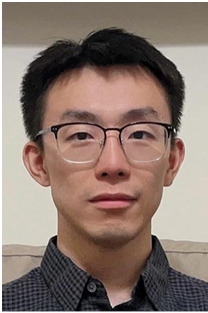
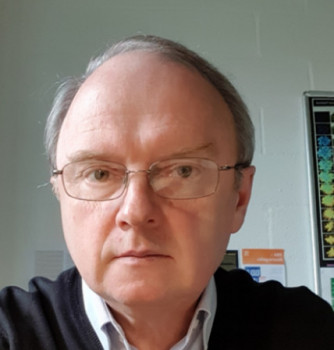
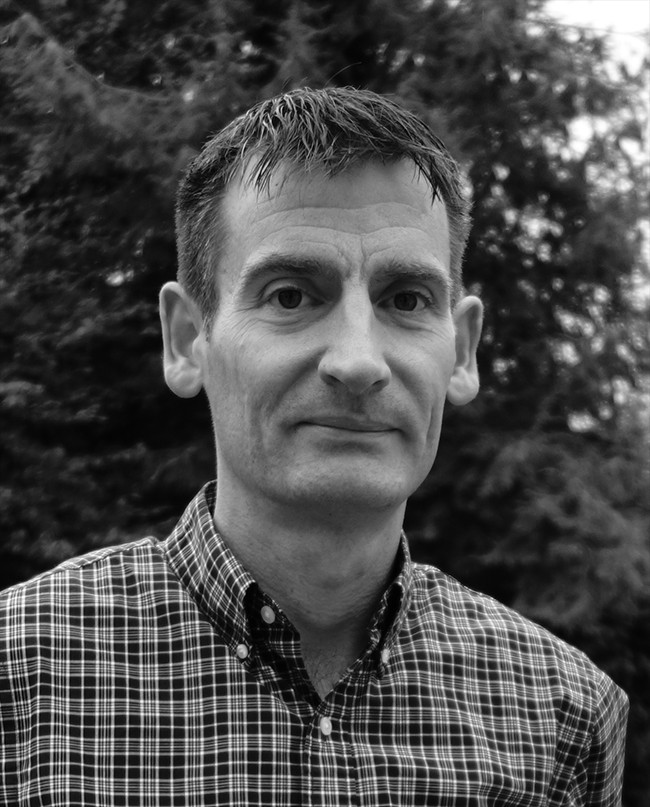
Di Liu is an Assistant Professor at Arizona State University (ASU) in the School of Molecular Sciences and an affiliated member of the Biodesign Center for Molecular Design and Biomimetics. He holds a B.S. in Chemistry from Nanjing University, a Ph.D. from the University of Chicago, and completed postdoctoral research at Harvard University as a Merck Fellow. His research focuses on nucleic acid nanotechnology, RNA structural biology, and drug design, with a particular emphasis on leveraging programmable nucleic acids for applications in RNA therapeutics and structural determination via cryo-EM. Dr. Liu’s research group actively recruits graduate students, postdocs, and undergraduate researchers. Notable achievements include the development of the ROCK method for RNA cryo-EM structural studies and contributions to mRNA vaccine optimization. Awards include the HHMI International Predoctoral Fellowship and Merck LSRF Postdoctoral Fellowship.
Brent Nannenga is an Associate Professor of Chemical Engineering at Arizona State University (ASU), affiliated with the School for Engineering of Matter, Transport and Energy and the Biodesign Center for Applied Structural Discovery. He co-directs the NIH-funded MicroED Imaging Center at UCLA, focusing on advancing microcrystal electron diffraction (MicroED) methodology and applications. His research bridges chemical engineering, structural biology, and materials science, emphasizing high-resolution structure determination and biomolecule/material engineering. Education: Ph.D. in Chemical Engineering (University of Washington, 2011); M.S. and B.S.E. in Chemical Engineering (ASU, 2007 and 2005). Research interests include: MicroED development, protein-nanoparticle interactions, cyanobacterial bicarbonate transporters, and bio-inspired materials. His work has led to breakthroughs in structural biology, such as DNA crystal analysis and ferritin biomineralization studies. Articles trends reflect a focus on MicroED applications, crystallography innovations, and interdisciplinary collaborations. Recent work explores 2D covalent organic frameworks, gold complex reactivity, and semiconductor structures. Awards: NSF CAREER Award, AFOSR Young Investigator Award, 2020 Burton Medal, 2022 Margaret C. Etter Early Career Award Advising/Grants: Leads NIH-funded MicroED center; supervises research projects across chemical engineering and bioengineering. Courses taught include advanced lab techniques, transport phenomena, and thesis supervision. Labs/Teams: Biodesign Center for Applied Structural Discovery, MicroED Imaging Center (UCLA), and collaborations in materials science and biochemistry.
Peter A. Crozier is a Professor and Graduate Program Chair in Materials Science and Engineering at Arizona State University’s School for Engineering of Matter, Transport and Energy. He specializes in advanced transmission electron microscopy (TEM) techniques, particularly for studying catalytic materials, electroceramics, and atmospheric aerosols related to energy and environmental applications. Education: Ph.D. in Materials Science, University of Glasgow (1985). Research Interests: His work focuses on in situ and operando TEM to investigate nanoscale dynamics in catalytic systems, including surface reactivity, oxygen exchange in ceria-based materials, and light-induced phenomena. He also develops AI-driven methods to enhance TEM data analysis. Publications: Over 150 archival articles and 200 conference papers, emphasizing atomic-resolution observations of nanoparticle behavior, vibrational EELS, and photocatalytic material characterization. Recent trends include applying AI to denoise TEM images and model nanoscale dynamics. Awards: Fellow of the Microscopy Society of America (MSA), Treasurer of MSA, and editor for Microscopy and Microscopy Today . Grants & Service: Lead investigator on NSF/DOE projects totaling millions, including in situ nanocharacterization for solar fuels and ceria electrolytes. Serves on review panels, editorial boards, and organizes international workshops like the EDGE meetings. Labs & Teams: Directs the Crozier Research Group, which combines TEM, spectroscopy, and AI to study atomic-level material dynamics under real-world conditions. Key tools include aberration-corrected ETEM and light-illumination TEM systems.
Yihang Zeng is an Assistant Professor of Physics and Astronomy at Purdue University, leading the Zeng Lab focused on quantum properties in two-dimensional (2D) materials. His research combines nanodevice fabrication with low-temperature electrical/optical characterization to explore phenomena like strong electronic correlations and topological states. Education: B.S. in Physics, Peking University (2011–2015) Ph.D. in Physics, Columbia University (2015–2021) Research Interests: The Zeng Lab designs 2D heterostructures (via 'Lego-like' stacking) and uses advanced tools like polarization-resolved SHG and cryogenic optical systems to study quantum effects. Key goals include discovering new physics and enabling quantum technologies like quantum computing. The lab is part of Purdue’s Birck Nanotechnology Center for fabrication resources. Lab Facilities: The lab includes a fabrication suite with plasma etchers, laser lithography, and an AFM, alongside a renovated measurement lab projected for completion in 2025. Recent milestones include functional 2D devices and Jo’s Rolf Scharenberg Fellowship (2025).
Zhenhua Zeng holds the position of Research Professor in the School of Chemical Engineering at Purdue University. His research focuses on advanced catalytic materials, electrochemistry, and energy conversion technologies. He specializes in designing novel catalysts for applications such as water electrolysis, fuel cells, and sustainable energy systems. His work integrates computational modeling, experimental characterization, and materials engineering to address challenges in surface chemistry, nanomaterials, and reaction mechanisms. Key research areas include platinum-based catalysts, transition metal alloys, and anion-exchange membrane technologies. Zhenhua has extensively studied the structural evolution of active sites under varying potentials and the role of defects in enhancing catalyst performance. His contributions span both fundamental understanding and applied innovations in catalysis, with a particular emphasis on renewable energy applications. His publications highlight advancements in catalyst design for oxygen reduction reactions, hydrogen evolution, and chlorine evolution processes in acidic environments. Zhenhua's work often employs cutting-edge techniques such as scanning transmission electron microscopy and first-principles calculations to visualize atomic-scale phenomena and predict catalytic behavior.
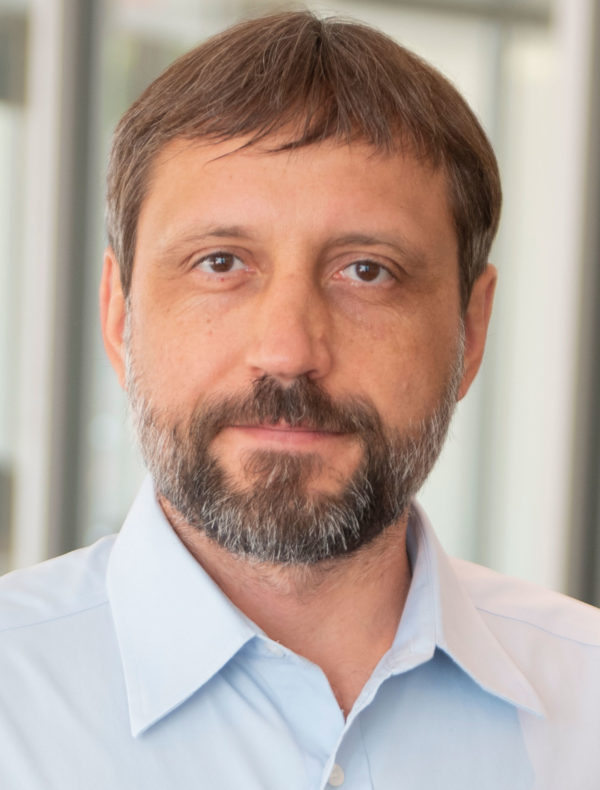
Dr. Vassilis Sboros is an Associate Professor at Heriot-Watt University's School of Engineering & Physical Sciences and an Honorary Fellow at the University of Edinburgh. His research bridges physics, engineering, and life sciences, focusing on ultrasound imaging, microvascular flow dynamics, and microbubble mechanics. He leads projects on super-resolution ultrasound imaging for cancer detection and cardiovascular applications. **Education and Career**: He has held roles including BHF Intermediate Basic Science Research Fellow (2007–2011) and Research Fellowships at the University of Edinburgh (2003–2012). His work contributes to UN Sustainable Development Goals in health and innovation. **Research Interests**: Microvascular imaging biomarkers, ultrasound contrast agents, and in vivo preclinical imaging. His lab develops algorithms for super-resolution imaging and vascular-specific ultrasound techniques. **Awards**: BHF Intermediate Basic Science Research Fellowship (2007–2011). His work has produced over 100 publications, emphasizing medical imaging advancements and translational research.
Kenneth Knappenberger Jr. is the Department Head and Professor of Chemistry at Pennsylvania State University. He leads the Knappenberger Research Group, focusing on structural photonics and ultrafast spectroscopy. His work integrates femtosecond optical techniques to study nanoscale light-matter interactions in plasmonic nanostructures and monolayer-protected clusters (MPCs). Education: B.S., Lock Haven University, 2000 Ph.D., The Pennsylvania State University, 2005 Postdoctoral Fellow, University of California–Berkeley, 2005–2008 Research Interests: Dr. Knappenberger’s group explores structural photonics, plasmonics, quantum photonics, and ultrafast microscopy. Key areas include: Plasmonic nanostructures and their electromagnetic properties Quantum dynamics in metal clusters Super-resolution imaging and interferometric spectroscopy Ultrafast energy transfer in nanomaterials Recent Trends in Publications: His work emphasizes 2D materials, nonlinear optics, and plasmon-mediated phenomena. Articles highlight advancements in high harmonic generation, ligand effects on nanoclusters, and super-resolution imaging techniques. Awards: Fellow of the American Association for the Advancement of Science (AAAS), 2020 CAREER Award, National Science Foundation, 2011 Young Investigator Award, Air Force Office of Scientific Research, 2010 Advising & Grants: Over 30 students have been advised, including current PhD candidates and alumni in academia and industry. His research is supported by NSF, DOD, and other grants. Labs/Teams: The Knappenberger Group develops cutting-edge instrumentation for ultrafast microscopy and collaborates globally on structural photonics. The group emphasizes diversity and inclusivity in research.
Catherine Kealhofer serves as Associate Professor of Physics at Williams College, based in Hopper Science Center Room 30 with contact details ck12@williams.edu and 413-597-2123. Educational background: A.B. from Princeton University (2003) Ph.D. from Stanford University (2013) Her research pioneers table-top tools for atomic-scale structural dynamics measurement through ultrafast electron pulse generation, manipulation, and characterization. This work bridges experimental physics and materials science, enabling real-time observation of phase transitions and chemical reactions with femtosecond precision. Core innovations include terahertz-controlled electron diffraction and laser-triggered field emission techniques. Analysis of her publication trajectory reveals consistent advancement in ultrafast electron metrology, evolving from fundamental emission processes to sophisticated terahertz-based control systems. Recent work emphasizes single-electron diffraction, temporal resolution breakthroughs, and practical applications in compact x-ray source development. Scientific Awards: None documented in available sources Kealhofer teaches foundational courses including PHYS 142 (Foundations of Modern Physics) and PHYS 201 (Electricity and Magnetism), while chairing the Claiming Williams Steering Committee. Her active publication record in high-impact journals indicates sustained research funding, though specific grant details aren't provided. She likely mentors undergraduate researchers through Williams' strong emphasis on student-faculty collaboration. Her laboratory focuses on developing next-generation ultrafast electron sources and diffraction systems, maintaining Williams College's tradition of integrating cutting-edge research with undergraduate education through hands-on instrumentation development.
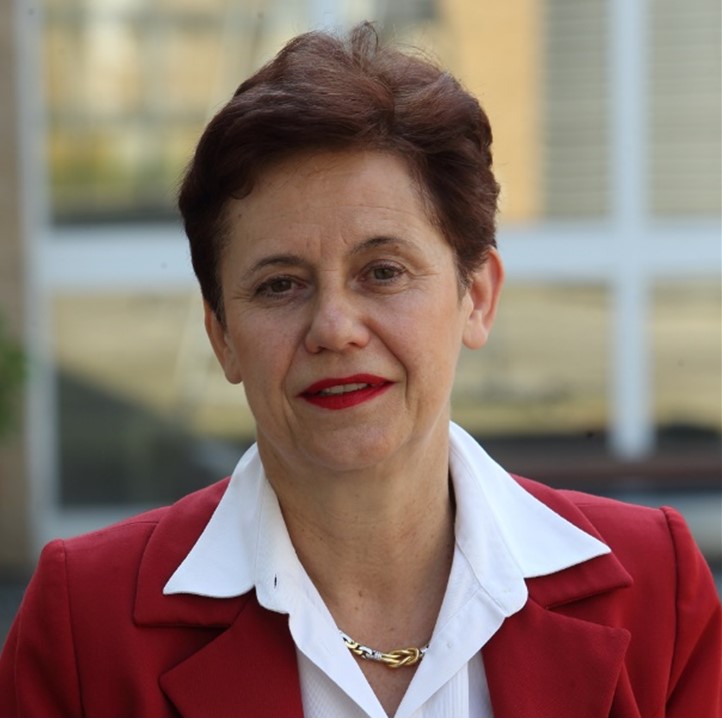
Lucia Banci is a Full Professor of Chemistry at the University of Florence, affiliated with the Magnetic Resonance Center (CERM) and the Department of Chemistry. She pioneered the in-cell NMR technique to study proteins in living human cells, enabling atomic-resolution insights into biological processes. Her research focuses on structural biology, metal-ion biology, and structural vaccinology, with groundbreaking contributions to understanding iron-sulfur protein biogenesis and vaccine design. Leadership Roles: Founder and former Director of CERM Head of the Italian Core Center of Instruct-ERIC Member of Instruct-ERIC Executive Committee and Council Research Contributions: Developed in-cell NMR for studying proteins in their native environment Elucidated mechanisms of iron-sulfur cluster assembly in human cells Advanced structural vaccinology through antigen-antibody interaction studies Technological Innovations: Fluorinated protein expression for 19F NMR in live cells Drug screening methodologies using real-time NMR Collaborations & Impact: Coordinated European infrastructure projects (e.g., Instruct-ERIC) Contributed to meningococcal vaccine design via structural insights
Prof. Harm H Kampinga is a Professor in the Faculty of Medical Sciences at the University of Groningen, leading the Department of Biomedical Sciences of Cells & Systems. He specializes in protein homeostasis, cell stress responses, and neurodegenerative diseases. His research emphasizes molecular chaperones, protein aggregation mechanisms, and their roles in diseases like Huntington’s and Alzheimer’s. He holds leadership roles in the Cell Stress Society International and Stenden Hogeschool’s advisory board. Kampinga’s work spans over 260 publications, focusing on chaperone systems, disaggregation machinery, and therapeutic strategies against protein misfolding disorders. His lab explores cellular stress pathways, aggregation dynamics, and proteostasis networks, contributing to understanding disease mechanisms and potential treatments. Education: Not explicitly listed in the provided text. Research Interests: Kampinga’s research integrates cell biology, biochemistry, and neurosciences to study protein quality control. He investigates chaperone functions in neurodegeneration, the role of small heat shock proteins, and mechanisms of protein aggregation. His work bridges basic science and clinical applications, targeting therapies for diseases caused by proteotoxic stress. Recent Research Trends: Recent articles highlight his focus on myelin repair mechanisms, a-synuclein dynamics in Parkinson’s, DNAJB6’s role in nuclear pore biogenesis, and quantum sensing of Huntington’s-related radicals. His studies emphasize translational outcomes, such as chaperone-based therapies and biomarker discovery. Grants & Collaborations: Leads projects like the Dutch CureQ consortium, exploring iPSC modeling and biomarkers in polyglutamine diseases. Collaborates internationally on protein aggregation and stress response mechanisms. Teams & Labs: Heads the Protein Homeostasis (PH) group at UMCG, focusing on chaperone biology, disaggregation, and neurodegenerative pathways.
Dr. Alexei Sokolov is a University Distinguished Professor in Quantum Optics at Texas A&M University, affiliated with the Department of Physics and Astronomy and the Institute for Quantum Science & Engineering. His expertise spans laser physics, nonlinear optics, ultrafast science, and spectroscopy, with applications in quantum coherence, biological systems, and defense technologies. He leads research in ultrafast laser science, including sub-cycle optical pulse generation and studies of atomic/molecular processes. Awards: JoAnn Treat Research Excellence Award (2011) Elected Fellow (2009) Robert S. Hyer Award (2007) Montague Scholarship (2005) Adolph Lomb Medal (2003) Research Highlights: Dr. Sokolov's work focuses on quantum optics, plasmonic nanoantennas, and advanced spectroscopic techniques like FASTER CARS for single-virus detection. He pioneers methods to enhance stimulated Raman processes and two-photon absorption using entangled light, with applications in biomedical imaging and nanophotonics.
Jun Yuan is Professor at the University of York's School of Physics, Engineering and Technology, specializing in nanoscale physics and advanced electron microscopy techniques. His research focuses on electron vortex beams, nanomaterials characterization, and development of novel electron microscopy methods. Research interests include: Fundamental electron-matter interactions Nanoscale materials characterization Electron beam shaping and manipulation Advanced microscopy techniques development Quantum phenomena in nanostructures Publication analysis shows strong focus on optical physics (63%), nanomaterials characterization (25%), and quantum measurement techniques (12%). Recent work emphasizes optical vortices, chiral light-matter interactions, and nanoscale imaging techniques. Laboratory resources include access to JEOL's double aberration-corrected transmission electron microscopes and dedicated STEM instrumentation for nanoscale research.
Prof Alexander Ruban is a Professor in Biophysics at Queen Mary University of London (QMUL), affiliated with the School of Biological and Behavioural Sciences. He leads research in the Centre for Molecular Cell Biology and the Centre for Biodiversity and Sustainability. His work focuses on photosynthesis mechanisms, light harvesting, chloroplast adaptation, and photoprotection. Ruban's research employs advanced spectroscopic and biochemical techniques to explore how plants regulate energy distribution under varying light conditions. He has contributed extensively to understanding the structural and functional dynamics of light-harvesting complexes and their role in non-photochemical quenching (NPQ). Key interests include the molecular basis of photoprotection, carotenoid function, and the interplay between membrane lipid composition and photosynthetic efficiency. His studies often involve interdisciplinary approaches, combining biophysics, biochemistry, and genetics to address fundamental questions in plant biology. Ruban has published over 200 peer-reviewed articles, with recent work highlighting novel insights into PsbS protein functionality, lipid-protein interactions in thylakoid membranes, and the impact of environmental stress on photosynthetic systems. Notable contributions include identifying mechanisms behind NPQ activation, characterizing the role of hydrophobic mismatch in energy dissipation, and elucidating the structural basis of light-harvesting antenna reorganization. Ruban collaborates globally, contributing to international initiatives in plant bioenergy and sustainability. His research group actively investigates applications of photosynthetic systems in biotechnology and climate resilience.
Prof. Dr. Hans Jakob Wörner is a Full Professor of Physical Chemistry and Head of the Laboratory of Physical Chemistry at ETH Zürich's Department of Chemistry and Applied Biosciences. His research focuses on ultra-fast molecular spectroscopy with attosecond resolution (10 -18 s), aiming to characterize molecular valence shell dynamics through novel experimental methods. He leads the Atto Group, developing attosecond X-ray and laser spectroscopy techniques for studying electron and nuclear dynamics in liquids, clusters, and gases. Education: BSc (2003) and PhD (2007) in Physical Chemistry from ETH Zürich. Postdoctoral Work: Laboratoire Aimé Cotton (France) and National Research Council (Canada). Roles: Full Professor since 2013, ERC Consolidator Grant recipient (2017), and numerous international awards including the Coblentz Award (2018). Research interests include attosecond electron dynamics in molecules, liquids, and clusters; X-ray transient absorption spectroscopy; and intermolecular Coulombic decay in liquids. His lab pioneered attosecond techniques for imaging electron wave packets and studying conical intersection dynamics in aqueous systems. Awards: New Horizon Lectureship (2020) Coblentz Award (2018) ERC Consolidator Grant (2017) Carus Medal (2015) Young Academy Membership (2013) Lab & Collaborations: The Laboratory of Physical Chemistry at ETH Zürich focuses on ultrafast dynamics with state-of-the-art attosecond sources and liquid-jet technologies. Current projects explore proton transfer in aqueous solutions and Jahn-Teller effects in molecular cations.
Rolf Erni is a Professor and Lecturer at the Department of Materials, ETH Zurich, and the head of the Electron Microscopy Center at Empa, Dübendorf. He has held academic and research roles since 2013, including adjunct positions at institutions such as the University of Antwerp's EMAT institute and FEI Company. His career includes postdoctoral research at UC Davis and NCEM (Lawrence Berkeley Lab), followed by industry roles before returning to academia. Education: PhD in Materials Science from ETH Zurich (formerly Institute of Applied Physics), followed by postdoctoral training in the U.S. and Europe. His research focuses on advanced electron microscopy techniques, including atomic resolution, low-voltage, in-situ methods, and valence electron energy-loss spectroscopy. Applications span nanomaterials, semiconductor structures, functional oxides, and interplanetary dust particles. He collaborates widely, contributing to interdisciplinary studies at the atomic scale. Awards & Grants: ERC Consolidator Grant (2015), ETH Medal (2003), and recognition as a Distinguished Senior Researcher (2021). Teaching includes specialized courses on electron and ion microscopy, and high-resolution transmission electron microscopy at ETH Zurich. He leads Empa's microscopy center, fostering cutting-edge imaging and analytical capabilities.